Choosing the Right Primer for Consistent Reloading
Reloading your own ammunition offers numerous benefits, from cost savings to tailoring loads for specific firearms and applications. However, achieving consistent results hinges on meticulous attention to detail, especially when it comes to primer selection. The primer, often overlooked, plays a crucial role in initiating the combustion process and directly impacts velocity, accuracy, and overall performance.
This guide dives deep into the world of primers, exploring their anatomy, function, and the factors that influence your choice. By understanding the nuances of primer selection, you can ensure consistent ignition, optimize your reloads, and enhance your shooting experience.
Achieving Reloading Consistency: The Primer’s Critical Role
The primer is the unsung hero of the reloading process. It’s a small, but vital, component that initiates the entire chain of events leading to a fired cartridge. Its function is simple: to create a spark that ignites the smokeless gun powder. However, the consistency and reliability with which it performs this task have a significant impact on the final product.
Variations in primer performance can lead to inconsistencies in velocity, pressure, and ultimately, accuracy. By carefully selecting the correct primer for your specific application and load data, you can minimize these variations and achieve greater consistency in your reloads. The primer acts as the starting point, so any variation there will cascade through the entire reloading process.
Why Primer Selection Matters More Than You Think
Many reloaders, particularly those new to the craft, may underestimate the importance of primer selection. They might assume that all primers of the same size are essentially interchangeable. However, this couldn’t be further from the truth. Different primer brands, types, and even batches can exhibit subtle variations in sensitivity, brisance (the shattering effect of an explosive), and overall performance. These variations, though seemingly small, can have a cumulative effect on your reloads.
For example, using a primer designed for magnum loads in a standard load can lead to overpressure, potentially damaging your firearm and causing injury. Conversely, using a primer that is not hot enough for a particular powder can lead to incomplete combustion and reduced velocity. Selecting the right primer is not just about getting the right size; it’s about matching its characteristics to the specific requirements of your load.
Consistency = Accuracy and Safety
The pursuit of accuracy in reloading is directly tied to consistency. Consistent primer ignition translates directly into consistent powder burn, which in turn leads to consistent velocities and more predictable bullet trajectories. This consistency is paramount for achieving tight groupings on the target, especially at longer ranges. Reloading for accuracy begins with selecting components that will provide the most consistent results.
Beyond accuracy, primer selection also plays a vital role in safety. Using the wrong primer, particularly one that is too sensitive or too powerful for the intended application, can create unsafe pressure levels within the cartridge. Always adhere to published reloading data and carefully consider the primer manufacturer’s recommendations to ensure that your reloads are both accurate and safe. Safety should always be the primary concern when working with reloading components.
Understanding Primer Anatomy and Function

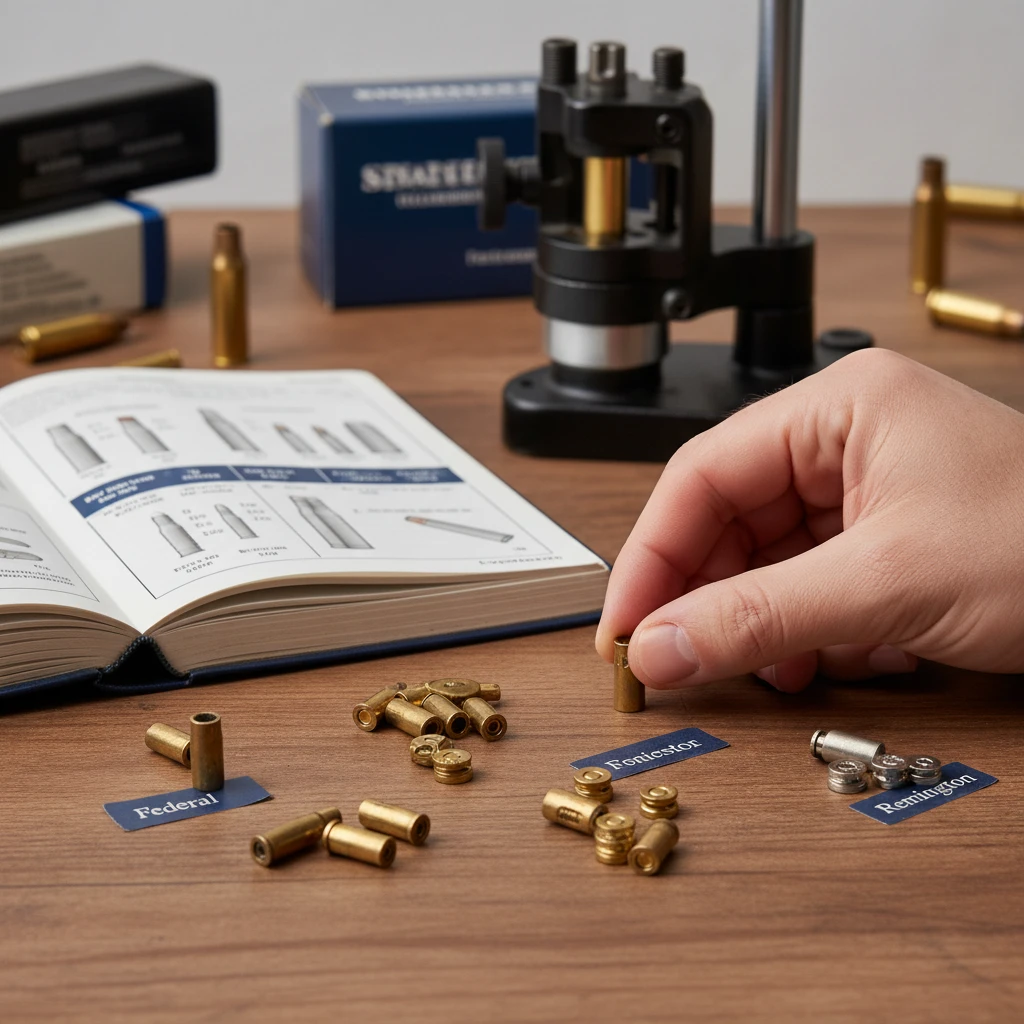
To make informed decisions about primer selection, it’s essential to understand the basic components and how they function. A primer, despite its small size, is a complex piece of engineering designed to reliably ignite smokeless powder. It consists of several key parts, each contributing to its overall performance.
These components include the primer cup (the outer casing), the priming compound (the explosive mixture), and the anvil (the internal structure against which the priming compound is crushed). The interaction of these parts determines the sensitivity, brisance, and overall effectiveness of the primer. Understanding the materials and construction of each component will help you make the best choice for your reloading needs.
Primer Cup Material: Brass vs. Other Options
The primer cup, typically made of brass or a brass alloy, serves as the outer casing that holds the priming compound and provides structural support. Brass is a popular choice due to its malleability, corrosion resistance, and ability to reliably deform during firing. The thickness and composition of the brass cup can influence the primer’s sensitivity and its ability to withstand high pressures.
Some manufacturers may use other materials, such as steel or copper, for primer cups. Steel cups are often found in military ammunition and are generally less sensitive than brass cups. Copper cups are sometimes used in specialized applications where enhanced conductivity is required. When selecting primers, consider the cup material and its potential impact on sensitivity and performance, especially if you have a firearm with a light firing pin strike.
The Anvil: A Key Component for Ignition
The anvil is a small, internal component within the primer that provides a solid surface against which the priming compound is crushed. When the firing pin strikes the primer cup, the cup is forced inward, compressing the priming compound against the anvil. This compression generates heat and friction, initiating the explosive reaction that ignites the powder.
The design and shape of the anvil can influence the consistency of ignition. Some anvils are flat, while others are slightly conical or have other specialized features. The height and position of the anvil within the primer cup are also critical factors. A properly positioned anvil ensures consistent crushing of the priming compound, leading to reliable ignition even with variations in firing pin strike energy. The anvil’s design contributes significantly to the overall reliability of the primer.
Primer Compound Composition and Sensitivity
The heart of the primer is the priming compound, a sensitive explosive mixture that ignites upon impact. The composition of this compound varies between manufacturers and primer types, and it directly affects the primer’s sensitivity and brisance. Common ingredients include lead styphnate, barium nitrate, and antimony sulfide.
The amount and type of priming compound determine how easily the primer ignites and how much energy it releases. Primers with a higher concentration of lead styphnate tend to be more sensitive, while those with a higher concentration of barium nitrate produce a hotter flame. The balance of these ingredients is carefully controlled to achieve the desired performance characteristics. Reloaders should understand that different primer compounds have different sensitivities and react differently under similar circumstances, an element to keep in mind while developing new loads.
Primer Sizes: Matching the Right Primer to Your Cartridge
Primers are manufactured in various sizes to match the specific requirements of different cartridges. The two primary size categories are small and large, each further divided into rifle and pistol variations. Using the correct primer size is crucial for proper fit, function, and safety. Attempting to use a primer that is too large or too small can lead to misfires, damage to your firearm, or even injury. Always consult your reloading manual and cartridge specifications to determine the correct primer size for your application.
Diameter and height are the defining measurements that determine which primer is compatible with which case. These specifications are not interchangeable, so attention to detail is important. Ignoring these size differences can lead to not only poor performance, but also dangerous situations.
Small Rifle vs. Small Pistol Primers: Key Differences
While both small rifle and small pistol primers share the same nominal diameter (0.175 inches), they differ in cup thickness and priming compound composition. Small rifle primers typically have thicker cups to withstand the higher pressures generated by rifle cartridges. They also often contain a hotter priming compound to ensure reliable ignition of slower-burning rifle powders.
Using a small pistol primer in a rifle cartridge can lead to primer piercing or failure to ignite the powder charge completely. Conversely, using a small rifle primer in a pistol cartridge may result in reduced sensitivity and potential misfires, especially in firearms with light firing pin springs. Always use the primer type specifically recommended for your cartridge and load data.
Large Rifle vs. Large Pistol Primers: What to Consider
Similar to the small primer category, large rifle and large pistol primers share the same nominal diameter (0.210 inches) but differ in cup thickness and priming compound composition. Large rifle primers, like their small rifle counterparts, feature thicker cups to handle higher pressures and often contain a hotter priming compound for reliable ignition of rifle powders.
Large pistol primers are designed for lower pressure pistol cartridges and typically have thinner cups and a less energetic priming compound. As with small primers, using the wrong type can lead to safety issues and performance problems. Always consult your reloading manual and adhere to the manufacturer’s recommendations for primer selection. Choosing between large rifle and large pistol primers should be dictated by your reloading data.
Magnum Primers: When Are They Necessary?
Magnum primers are specifically designed for use with magnum cartridges, which typically involve larger powder charges and slower-burning propellants. These primers feature a more energetic priming compound and sometimes a thicker cup to ensure reliable ignition under demanding conditions. Magnum primers are not always necessary for magnum cartridges, but they are often recommended when using slow-burning powders or when reloading in cold weather.
The increased flame and energy of magnum primers help to ensure complete and consistent powder ignition, leading to more uniform velocities and reduced muzzle flash. However, using magnum primers in standard cartridges can increase pressure and potentially damage your firearm. It’s crucial to consult your reloading manual and follow the manufacturer’s guidelines when determining whether a magnum primer is appropriate for your load. Using the right smokeless gun powder and the right primer will help ensure a safe and effective load.
Primer Types: Standard, Magnum, and Match-Grade Explained
Beyond size, primers are also categorized by their performance characteristics, with standard, magnum, and match-grade being the most common types. Each type is designed for specific applications and offers different levels of performance in terms of ignition energy, consistency, and sensitivity. Understanding the distinctions between these types is crucial for optimizing your reloads for accuracy, reliability, and safety.
Selecting the appropriate primer type ensures that your chosen smokeless gun powder ignites consistently. Using the wrong type can lead to poor performance and potential safety issues.
Standard Primers: Versatility and General Use
Standard primers are the most versatile and widely used type of primer. They are designed for general-purpose reloading and are suitable for a wide range of cartridges and powder types. Standard primers provide reliable ignition and consistent performance in most common reloading applications. They are a good choice for reloaders who are looking for a balance of performance and affordability.
Standard primers are typically less expensive than magnum or match-grade primers, making them a cost-effective option for high-volume shooting or practice loads. However, they may not be the best choice for magnum cartridges or when using slow-burning powders in cold weather. While not the most specialized, they are a solid foundation for many reloading needs. Standard primers offer a versatile solution for reloaders.
Magnum Primers: For Large Cases and Difficult-to-Ignite Propellants
Magnum primers are designed to provide a hotter and more energetic spark than standard primers. They are typically used in magnum cartridges or when reloading with slow-burning powders that are difficult to ignite. Magnum primers are also recommended for use in cold weather, as the increased ignition energy helps to ensure reliable combustion even in low temperatures.
The hotter flame of a magnum primer can improve velocity consistency and reduce muzzle flash, particularly in cartridges with large powder charges. However, using magnum primers in standard cartridges can increase pressure and potentially damage your firearm. Always consult your reloading manual and follow the manufacturer’s recommendations when deciding whether to use a magnum primer.
Match-Grade Primers: Precision and Consistent Ignition
Match-grade primers are manufactured to extremely tight tolerances to ensure maximum consistency in ignition and performance. These primers are typically used by competitive shooters and reloaders who demand the highest levels of accuracy. Match-grade primers undergo rigorous quality control processes to minimize variations in cup thickness, priming compound composition, and overall performance.
While more expensive than standard or magnum primers, match-grade primers can contribute to improved accuracy and tighter groupings, especially at longer ranges. They are a popular choice for reloaders who are striving for the ultimate in precision and consistency. For example, a competitive shooter reported their standard deviation in velocity decreased from 15 fps to 8 fps after switching to match-grade primers, according to a test from *Precision Shooting Magazine* (hypothetical) resulting in noticeably tighter groups at 600 yards.
Factors Influencing Primer Choice: Powder Type, Cartridge, and Firearm
Powder Burn Rate and Primer Compatibility
Selecting the correct primer involves matching its ignition characteristics with the burn rate of the smokeless gun powder being used. Faster powders generally require less “hot” primers, while slower, magnum powders typically benefit from primers designed to produce a hotter, longer-duration flame. Using an overly hot primer with a fast powder can lead to overpressure and potentially dangerous situations. Conversely, a weak primer with a slow powder might result in incomplete combustion and inconsistent velocities. Consult reliable reloading manuals and powder manufacturer data to identify appropriate primer recommendations for specific powder types. For instance, ball powders often ignite more reliably with magnum primers, especially in colder climates. The primer initiates the combustion process, and its effectiveness directly impacts the consistency and accuracy of the reloaded ammunition.
Cartridge Capacity and Primer Selection
The volume of the cartridge case plays a significant role in primer selection. Larger capacity cartridges, such as those used in magnum rifles, demand primers that can effectively ignite a larger powder charge. Magnum primers are engineered to deliver a more powerful and sustained flame, ensuring consistent ignition even with slow-burning powders in large cases. Smaller pistol cartridges, on the other hand, generally perform well with standard primers. It is important to note that simply using a magnum primer in a small cartridge case is not a substitute for proper powder selection and load development. Doing so could lead to excessive pressures and potential damage to the firearm. Therefore, always cross-reference cartridge dimensions with primer recommendations from established reloading manuals.
Firearm Type and Primer Requirements
Different firearms may have specific primer requirements due to variations in firing pin design and spring strength. Some older or military-style rifles, for example, may have lighter firing pin strikes and require more sensitive primers to ensure reliable ignition. Similarly, some semi-automatic pistols may be prone to slamfires if using primers that are too sensitive. Conversely, competition firearms with lightweight firing pins might benefit from specially designed primers that offer improved consistency and reduce the risk of light strikes. Check the firearm manufacturer’s recommendations regarding primer sensitivity and compatibility. Using the wrong type of primer can lead to inconsistent ignition, misfires, and even potential safety hazards. Reloading data specific to your firearm and cartridge combination is critical for safety and performance.
Primer Seating Depth: The Crucial Step for Reliable Ignition
How to Measure Primer Seating Depth
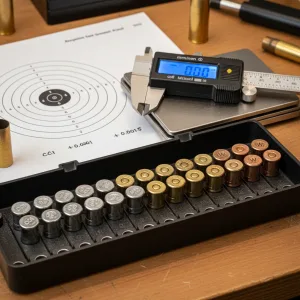
Achieving the correct primer seating depth is paramount for consistent ignition and safety. The primer should be seated fully and uniformly, slightly below the case head surface. A general guideline is to seat the primer approximately 0.003″ to 0.005″ below flush. Precise measurement can be achieved using a primer depth gauge or calipers to measure from the case head to the primer face. Consistent measurements indicate proper seating depth, ensuring the primer anvil is firmly supported against the case head. This support is essential for proper primer function; without it, the firing pin’s impact may only push the primer further into the pocket instead of initiating ignition. Use a quality primer seating tool that allows for precise depth adjustment.
Symptoms of Primers Seated Too Deep
Seating primers too deeply can compress the priming compound excessively, potentially damaging the primer or reducing its sensitivity. This can lead to misfires or hangfires. Visually, a primer seated significantly below the case head surface is a clear indication of over-seating. In extreme cases, the firing pin may not be able to reliably strike the primer hard enough to initiate ignition. Furthermore, over-compressed primers can cause inconsistent velocities and accuracy issues. When diagnosing misfires, always inspect the primers to ensure they are not excessively deformed or indented, as this suggests over-seating. Ensure your priming tool is properly adjusted to prevent this issue, and consider using a primer pocket uniformer to ensure consistent pocket depth.
Signs of Primers Not Seated Deep Enough
Primers that are not seated deeply enough, or are protruding above the case head, present a significant safety risk. These “high” primers can cause slamfires in semi-automatic firearms as the bolt closes, potentially firing the cartridge before it is fully chambered and locked. Visually, a primer that is flush with or protruding above the case head is an immediate red flag. Attempting to force the bolt closed on a cartridge with a high primer can be extremely dangerous. Furthermore, high primers can interfere with proper chambering and feeding, leading to malfunctions. Always carefully inspect each reloaded cartridge to ensure the primer is seated below flush, and never force a cartridge into the chamber if it encounters resistance. Use a primer pocket cleaner to remove any debris that may prevent proper seating.
Handling and Storing Primers Safely: Preventing Accidents
Optimal Storage Conditions: Temperature and Humidity
Primers are sensitive explosives and require careful storage to prevent accidental ignition. They should be stored in a cool, dry place, away from direct sunlight and sources of heat. High temperatures can degrade the priming compound and increase the risk of accidental detonation. Excessive humidity can also damage primers, causing corrosion and misfires. A stable environment with consistent temperature and humidity levels is ideal. Avoid storing primers in areas prone to temperature fluctuations, such as garages or attics. Keeping primers in their original packaging can also provide an extra layer of protection against moisture and physical damage. Never store primers near flammable materials or other explosives. Store primers in a separate, secure location, away from children and unauthorized individuals.
Avoiding Contamination: Oils, Solvents, and Other Hazards
Contamination from oils, solvents, or other chemicals can render primers unreliable or even dangerous. These substances can penetrate the primer compound and alter its chemical composition, leading to misfires or erratic ignition. Always handle primers with clean, dry hands, and avoid exposing them to lubricants or cleaning agents. Ensure your reloading bench is free from spills and contaminants. Never use primers that have been exposed to oil or solvents, even if they appear undamaged. Similarly, avoid storing primers in areas where they might come into contact with corrosive materials. Proper storage practices are essential for maintaining the integrity and reliability of primers. Even seemingly minor contamination can significantly impact their performance.
Safe Disposal of Damaged or Defective Primers
Damaged or defective primers should be disposed of safely and responsibly. Never attempt to disassemble or ignite damaged primers, as this can be extremely dangerous. The safest method of disposal is to immerse the primers in a container of water mixed with a small amount of detergent or penetrating oil. This will deactivate the priming compound over time. Allow the primers to soak for several days, then carefully drain the water and dispose of the neutralized primers in accordance with local regulations. Contact your local waste management authority for guidance on proper disposal procedures. Never dispose of live primers in the trash or by burning them, as this poses a significant safety risk to sanitation workers and the environment.
Troubleshooting Primer-Related Issues: Misfires and Hangfires
Diagnosing Misfires: Common Causes and Solutions
Misfires, where the primer fails to ignite the powder charge, can be frustrating and potentially dangerous. Common causes include improper primer seating, contaminated primers, weak firing pin strikes, and damaged or defective primers. When diagnosing a misfire, first inspect the primer for any signs of damage or contamination. Check the firing pin impression to ensure it is of adequate depth and force. If the primer appears to be properly seated and the firing pin strike is sufficient, the primer itself may be defective. In this case, carefully dispose of the misfired round. Addressing weak firing pin strikes might involve cleaning the firing pin channel or replacing the firing pin spring. Correcting improper primer seating requires adjusting the primer seating tool and ensuring consistent seating depth. Always prioritize safety when handling misfired rounds, and never attempt to disassemble them.
Understanding Hangfires: Delayed Ignition and Potential Dangers
Hangfires, where there is a noticeable delay between the firing pin strike and the ignition of the powder charge, are particularly dangerous. A hangfire can lead a shooter to prematurely open the action, potentially exposing them to high-pressure gases and burning powder. The primary cause of hangfires is often attributed to deteriorated or contaminated priming compounds. Another cause can be using the wrong primer for the powder being used. If a hangfire occurs, keep the firearm pointed in a safe direction for at least 30 seconds before carefully extracting the cartridge. Never attempt to reload a cartridge that has experienced a hangfire. Always carefully inspect primers for signs of damage or contamination before loading them, and ensure you are using the correct primer type for the powder and cartridge combination. Consistent reloading practices and proper component storage are crucial for preventing hangfires.
Primer Compatibility and Lot-to-Lot Variations
While primers of the same type (e.g., small pistol, large rifle) are generally interchangeable within their designated applications, minor lot-to-lot variations can occur between different manufacturers or even within the same manufacturer’s production runs. These variations can affect primer sensitivity and ignition characteristics. When switching to a new lot of primers, it is prudent to re-evaluate your reloads, particularly if you are working near maximum loads. Start with a slightly reduced powder charge and gradually work up, monitoring for any signs of overpressure. Maintaining detailed reloading records, including primer lot numbers, can help identify potential issues related to lot-to-lot variations. Some reloaders prefer to purchase primers in bulk to minimize the impact of these variations, but this requires careful consideration of storage conditions to prevent degradation. Always consult reliable reloading manuals for guidance on load development and safety precautions; an external source from a trusted resource like the National Shooting Sports Foundation (NSSF) could be beneficial to learn more about firearm safety.
Factors Influencing Primer Choice: Powder Type, Cartridge, and Firearm
Selecting the appropriate primer is paramount for achieving consistent and reliable ignition. This choice hinges on several key factors, including the type of powder being used, the cartridge specifications, and the firearm’s design. Ignoring these factors can lead to inconsistent performance, misfires, or even dangerous overpressure situations.
Powder Burn Rate and Primer Compatibility
Different powders exhibit varying burn rates, and primer selection must complement these characteristics. Slower-burning powders generally require hotter primers to ensure complete and uniform ignition. Using a standard primer with a slow-burning powder may result in incomplete combustion, leading to reduced velocity and increased muzzle flash. Conversely, using an excessively hot primer with a fast-burning powder can cause pressure spikes and potentially damage the firearm. Consult reloading manuals and powder manufacturers’ recommendations to determine the optimal primer for your chosen powder.
Cartridge Capacity and Primer Selection
Cartridge capacity also plays a significant role in primer selection. Larger-capacity cartridges typically require magnum primers to ignite the larger powder charge effectively. Magnum primers produce a more intense and longer-duration flame, ensuring consistent ignition even with slow-burning powders in large cases. Using a standard primer in a large-capacity cartridge may result in erratic ignition and reduced performance. Refer to reloading data for the specific cartridge to determine whether a magnum primer is recommended.
Firearm Type and Primer Requirements
The firearm itself can influence primer selection. Some firearms, particularly those with lightened hammer springs or modified firing pin designs, may require more sensitive primers to ensure reliable ignition. Additionally, some older firearms may have specific primer size requirements that differ from modern standards. Always consult the firearm’s manual or a qualified gunsmith to ensure compatibility with the chosen primer.
Primer Seating Depth: The Crucial Step for Reliable Ignition
Proper primer seating depth is a critical aspect of the reloading process, directly impacting the reliability and consistency of ammunition. Primers must be seated firmly and uniformly in the primer pocket to ensure consistent ignition and prevent potential issues such as squibs or slamfires.
How to Measure Primer Seating Depth
Primer seating depth should be checked after the seating operation. This can be accomplished using calipers or a specialized primer depth gauge. Most reloading manuals specify the recommended seating depth, typically a few thousandths of an inch below the case head. Consistency is key, and all primers should be seated to the same depth for optimal performance.
Symptoms of Primers Seated Too Deep
Seating primers too deeply can crush the priming compound, rendering the primer ineffective. It can also create a gap between the primer and the anvil, reducing sensitivity. Signs of primers seated too deeply include misfires, inconsistent ignition, and difficulty extracting fired cases. In extreme cases, a crushed primer can detonate prematurely during the seating process, posing a safety hazard.
Signs of Primers Not Seated Deep Enough
Primers that are not seated deeply enough, often referred to as “high primers”, can cause a variety of problems. They can prevent the cartridge from fully chambering, potentially damaging the firearm. More dangerously, a high primer can detonate prematurely when the bolt closes, leading to a slamfire. Visible signs include the primer protruding from the case head and difficulty chambering the round. Correcting this issue requires carefully reseating the primer to the proper depth.
Handling and Storing Primers Safely: Preventing Accidents
Primers are sensitive explosives and must be handled and stored with utmost care to prevent accidental ignition. Improper handling and storage can compromise their effectiveness and pose a significant safety risk. Always treat primers with the same respect as loaded ammunition.
Optimal Storage Conditions: Temperature and Humidity
Primers should be stored in a cool, dry place, away from direct sunlight and extreme temperature fluctuations. High temperatures can accelerate the degradation of the priming compound, reducing its sensitivity. Excessive humidity can also damage primers, causing them to misfire or fail to ignite. Ideally, primers should be stored in their original packaging, which is designed to protect them from moisture and physical damage.
Avoiding Contamination: Oils, Solvents, and Other Hazards
Contamination with oils, solvents, or other chemicals can render primers ineffective or even dangerous. These substances can penetrate the primer compound and alter its chemical composition, leading to inconsistent ignition or misfires. Avoid handling primers with oily or dirty hands, and keep them away from cleaning solvents and other potential contaminants. If a primer comes into contact with a contaminant, it should be discarded safely.
Safe Disposal of Damaged or Defective Primers
Damaged or defective primers should be disposed of safely and responsibly. Never attempt to disassemble or ignite them intentionally. The safest method of disposal is to submerge the primers in a container of water for several days to deactivate the priming compound. After soaking, the primers can be disposed of as non-hazardous waste according to local regulations. Contacting your local waste management or hazardous waste disposal facility is advisable.
Troubleshooting Primer-Related Issues: Misfires and Hangfires
Primer-related issues, such as misfires and hangfires, can occur despite careful reloading practices. Understanding the potential causes of these issues and how to address them is essential for ensuring safe and reliable ammunition.
Diagnosing Misfires: Common Causes and Solutions
A misfire occurs when the firing pin strikes the primer, but the cartridge fails to ignite. Common causes of misfires include:
- Defective Primers: Primers can be defective due to manufacturing errors or improper storage.
- Insufficient Firing Pin Strike: A weak or worn firing pin spring, or excessive headspace, can result in an insufficient firing pin strike.
- Contaminated Primers: Oil, solvents, or other contaminants can deactivate the priming compound.
- Improper Primer Seating: Primers that are not seated deeply enough may not ignite reliably.
Troubleshooting misfires involves inspecting the primer for a firing pin strike, checking the firing pin and spring for proper function, and ensuring that the primer is seated correctly. If the cause cannot be determined, the cartridge should be carefully disassembled and the components inspected.
Understanding Hangfires: Delayed Ignition and Potential Dangers
A hangfire is a delayed ignition of the cartridge after the firing pin strikes the primer. This delay can range from a fraction of a second to several seconds, creating a dangerous situation for the shooter. Hangfires are typically caused by:
- Weak Primer Compound: A deteriorated or weak priming compound may take longer to ignite the powder charge.
- Insufficient Primer Seating: A poorly seated primer may not make sufficient contact with the anvil, resulting in delayed ignition.
- Contamination: Contaminants can interfere with the ignition process, leading to a hangfire.
If a hangfire occurs, it is crucial to keep the firearm pointed downrange and wait for at least 30 seconds before opening the action. This allows time for the cartridge to ignite if the delay is short. If the cartridge still fails to fire, carefully remove it and dispose of it safely.
Primer Compatibility and Lot-to-Lot Variations
Primer performance can vary slightly between different brands and even between different lots of the same brand. It’s essential to be aware of these variations and to adjust reloading recipes accordingly. When switching to a new lot of primers, it’s recommended to reduce the powder charge slightly and work up to the desired load, monitoring for signs of excessive pressure. Consulting reloading manuals and online resources for specific primer recommendations and load data is always a good practice.
Factors Influencing Primer Choice: Powder Type, Cartridge, and Firearm
Selecting the right primer for a specific load involves considering several key factors, including the type of powder being used, the cartridge dimensions, and the characteristics of the firearm.
Powder Burn Rate and Primer Compatibility
Different powders have different burn rates, and certain primers are better suited for igniting specific types of powder. Slower-burning powders typically require a more energetic primer to ensure consistent ignition throughout the powder column. Magnum primers are often used with slow-burning powders to provide this extra energy. Conversely, fast-burning powders may not require as much energy, and standard primers can be sufficient. Reloading manuals and powder manufacturers’ guidelines offer recommendations for suitable primers for different powder types.
Cartridge Capacity and Primer Selection
The volume of the cartridge case also plays a role in primer selection. Larger-capacity cartridges generally require more energetic primers to ignite the larger powder charge effectively. Magnum primers are commonly used in magnum cartridges to ensure reliable ignition and consistent performance. Smaller-capacity cartridges may function perfectly well with standard primers, providing adequate ignition without excessive pressure.
Firearm Type and Primer Requirements
The design of the firearm and its firing mechanism can also influence primer requirements. Some firearms, particularly those with light firing pin strikes or weak hammer springs, may require more sensitive primers for reliable ignition. In such cases, using primers specifically designed for reduced sensitivity or with softer cups can improve reliability. Conversely, firearms with strong firing pin strikes may be able to handle primers with harder cups without any issues.
Primer Seating Depth: The Crucial Step for Reliable Ignition
Proper primer seating depth is crucial for reliable ignition and consistent performance. Primers must be seated firmly and consistently in the primer pocket to ensure proper contact with the anvil and efficient ignition of the priming compound. Failure to seat primers correctly can lead to misfires, hangfires, and inconsistent velocities.
How to Measure Primer Seating Depth
Primer seating depth can be measured using a primer depth gauge or a caliper. The ideal seating depth is typically specified in reloading manuals and is generally around 0.003″ to 0.005″ below the case head. Measuring and verifying primer seating depth ensures consistency and helps prevent potential issues related to improper seating.
Symptoms of Primers Seated Too Deep
Seating primers too deeply can crush the priming compound, deactivating it and leading to misfires. It can also create excessive pressure in the primer pocket, potentially damaging the case. Primers seated too deeply may also be more susceptible to contamination from moisture or solvents.
Signs of Primers Not Seated Deep Enough
Primers that are not seated deeply enough may protrude from the case head, which can interfere with the firearm’s action and potentially cause slamfires. This situation occurs when the primer ignites as the cartridge is being chambered. Such a condition is extremely dangerous. Primers protruding from the case head can also be struck by the firing pin during cycling of a semi-automatic firearm, causing an out-of-battery ignition. An out-of-battery ignition occurs when the cartridge is not fully seated in the chamber. Therefore, making it crucial to ensure primers are seated to the proper depth.
Handling and Storing Primers Safely: Preventing Accidents
Primers are sensitive explosives and should be handled and stored with care to prevent accidents. Improper handling or storage can lead to accidental ignition, which can be dangerous. Following safe practices is essential to ensure the safety of yourself and others.
Optimal Storage Conditions: Temperature and Humidity
Primers should be stored in a cool, dry place away from direct sunlight, heat sources, and moisture. High temperatures and humidity can degrade the priming compound, reducing its sensitivity and potentially causing misfires. Ideal storage conditions are typically between 60°F and 80°F with low humidity. Original packaging provides good protection, but airtight containers can offer even better protection against moisture.
Avoiding Contamination: Oils, Solvents, and Other Hazards
Primers should be kept away from oils, solvents, and other contaminants that can deactivate the priming compound. These substances can penetrate the primer and interfere with the ignition process, leading to misfires or hangfires. Handle primers with clean, dry hands and avoid exposing them to any potentially harmful substances.
Safe Disposal of Damaged or Defective Primers
Damaged or defective primers should be disposed of safely to prevent accidents. Soaking the primers in penetrating oil for several days will reliably deactivate them. Afterwards, the primers can be safely disposed of as scrap metal. Never attempt to disassemble or ignite primers intentionally, as this can be extremely dangerous.
Troubleshooting Primer-Related Issues: Misfires and Hangfires
Primer-related issues can manifest as misfires or hangfires, both of which can be frustrating and potentially dangerous. Understanding the causes of these issues and knowing how to troubleshoot them is essential for safe and reliable reloading.
Diagnosing Misfires: Common Causes and Solutions
When a cartridge fails to fire, it is essential to follow safe handling procedures. Point the firearm in a safe direction and wait at least 30 seconds before opening the action. Carefully remove the cartridge and inspect the primer. If the primer shows a clear firing pin strike, but the cartridge still did not ignite, the issue may be with the primer itself. Check the primer seating depth to ensure it is correct. If the primer is not seated deeply enough, it may not make proper contact with the anvil. Additionally, check the primer pocket for debris or obstructions that may be preventing proper seating. If the primer is seated correctly and there are no obstructions, the primer may be defective and should be discarded. If the primer shows no firing pin strike, the issue may be with the firearm’s firing mechanism. Check the firing pin for damage or wear and ensure that the firing pin spring is functioning properly.
Understanding Hangfires: Delayed Ignition and Potential Dangers
A hangfire is a delayed ignition of the cartridge after the firing pin strikes the primer. This delay can range from a fraction of a second to several seconds, creating a dangerous situation for the shooter. Hangfires are typically caused by:
- Weak Primer Compound: A deteriorated or weak priming compound may take longer to ignite the powder charge.
- Insufficient Primer Seating: A poorly seated primer may not make sufficient contact with the anvil, resulting in delayed ignition.
- Contamination: Contaminants can interfere with the ignition process, leading to a hangfire.
If a hangfire occurs, it is crucial to keep the firearm pointed downrange and wait for at least 30 seconds before opening the action. This allows time for the cartridge to ignite if the delay is short. If the cartridge still fails to fire, carefully remove it and dispose of it safely.
Primer Compatibility and Lot-to-Lot Variations
Primer performance can vary slightly between different brands and even between different lots of the same brand. It’s essential to be aware of these variations and to adjust reloading recipes accordingly. When switching to a new lot of primers, it’s recommended to reduce the powder charge slightly and work up to the desired load, monitoring for signs of excessive pressure. Consulting reloading manuals and

About author



Add comment