Primer Selection for Extreme Weather Reloading
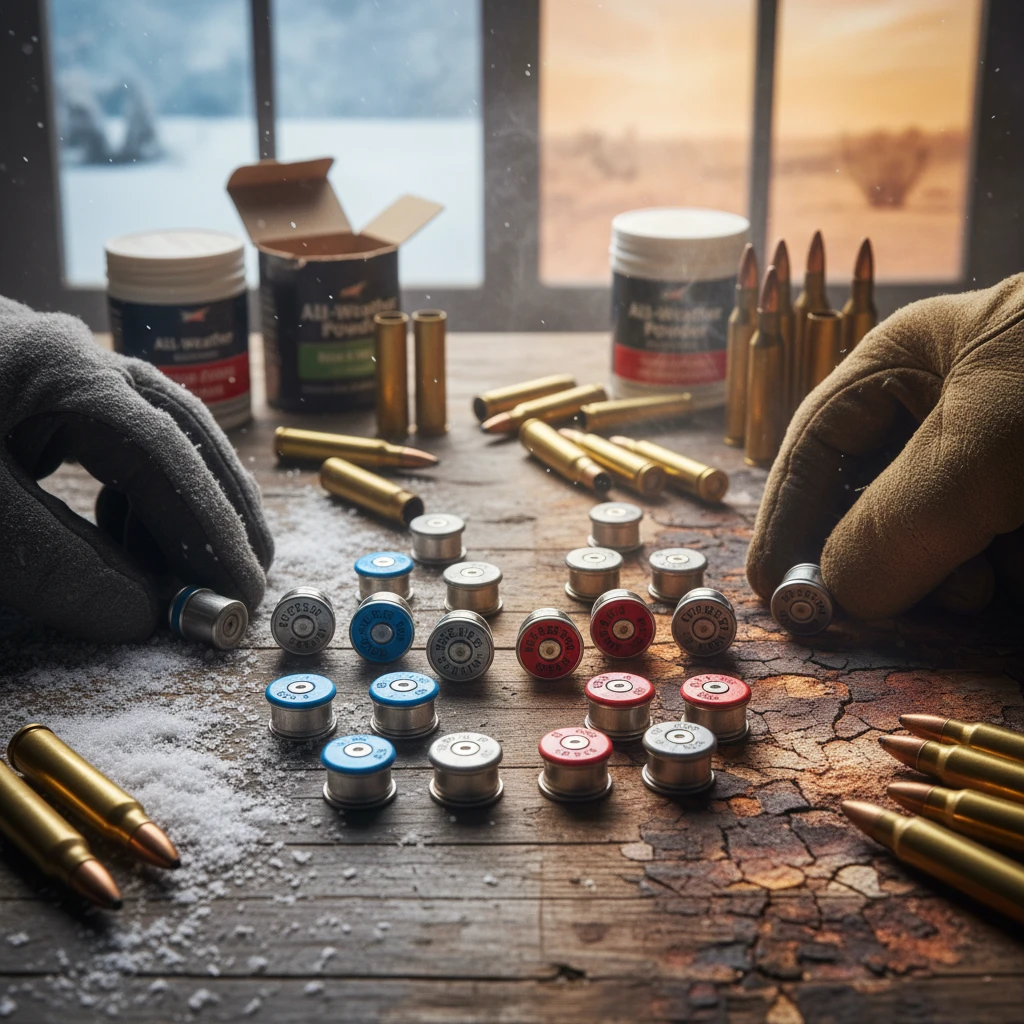
For reloaders, consistent performance is the holy grail. But what happens when the weather throws a wrench into your meticulously crafted ammunition? Extreme temperatures and humidity can significantly impact primer performance, leading to inconsistent ignition, pressure spikes, and even dangerous malfunctions. Selecting the right primer for your environment isn’t just a matter of convenience; it’s crucial for safety and accuracy.
This guide from Northern Reloading will delve into the specifics of choosing primers for extreme weather conditions. We will cover the different types of primers available, their characteristics, and how they react to temperature and humidity. By understanding these factors, you can ensure reliable ignition and consistent performance, no matter where or when you are shooting. For those new to reloading, understanding the basic principles of selecting the right components, including primers, is an important part of the process. If you’re just getting started, be sure to check out our guide, Smokeless Gun Powder: Reloading for Beginners & Pros, for a solid foundation.
Conquering Climate: Why Primer Selection Matters for Extreme Weather Reloading
Temperature’s Impact on Primer Performance: A Core Challenge
Temperature sensitivity is a primary concern when selecting primers for extreme weather. High temperatures can increase a primer’s sensitivity, potentially leading to slamfires or premature ignition. This is because the priming compound becomes more reactive as it heats up, increasing the risk of detonation from vibrations or impacts within the firearm. Conversely, low temperatures can decrease primer sensitivity, causing misfires or hangfires. The priming compound becomes less reactive and may not ignite reliably when struck by the firing pin. A general rule of thumb is that for every 20°F (11°C) change in temperature, primer performance can shift noticeably. For example, a load developed in 70°F (21°C) weather might exhibit significantly different ballistics in 30°F (-1°C) weather. Therefore, understanding the temperature coefficient of different primers is crucial for consistent reloading.
Humidity’s Role: Corrosion and Misfires
Humidity adds another layer of complexity to primer selection. Excessive moisture can lead to corrosion of the priming compound and the primer cup itself. This corrosion can degrade the primer’s ability to ignite reliably, causing misfires or hangfires. Furthermore, humidity can affect the propellant, potentially altering its burn rate. While modern primers are generally well-sealed, prolonged exposure to high humidity environments can still pose a significant risk. To mitigate these risks, store primers in airtight containers with desiccant packs to absorb moisture. Regularly inspect primers for signs of corrosion before loading. If you notice any discoloration, rust, or other signs of damage, discard the affected primers. Using properly stored high-quality primers is the key to preventing issues related to humidity.
Northern Reloading’s Commitment to Weather-Resistant Primers
At Northern Reloading, we understand the challenges faced by reloaders in diverse climates. That’s why we offer a selection of primers designed to withstand extreme weather conditions. Our range includes primers with enhanced sealing to protect against moisture and specially formulated priming compounds that maintain consistent sensitivity across a wide temperature range. We partner with leading manufacturers to ensure that our primers meet the highest standards of quality and reliability. We are also committed to providing our customers with the information and resources they need to make informed decisions about primer selection. Be sure to check out our page on Reloading Secrets: Maximizing Performance with Primers for additional information.
Understanding Primer Types: A Quick Guide for Reloaders
Small Rifle vs. Large Rifle Primers
Small rifle primers are typically used for cartridges with smaller case capacities and lower operating pressures, such as the .223 Remington and 5.56 NATO. They have a smaller diameter and cup thickness compared to large rifle primers. Large rifle primers are designed for cartridges with larger case capacities and higher operating pressures, such as the .30-06 Springfield and .308 Winchester. They offer more consistent ignition in these larger cases. The choice between small and large rifle primers depends on the specific cartridge and the manufacturer’s recommendations. Using the wrong size primer can result in misfires, pressure issues, or even damage to the firearm. Some cartridges, like the .22 Hornet, use small pistol primers instead of small rifle primers, so always consult your reloading manual.
Small Pistol vs. Large Pistol Primers
Similar to rifle primers, pistol primers come in small and large sizes. Small pistol primers are used for cartridges like the 9mm Luger and .38 Special, while large pistol primers are typically used for cartridges like the .45 ACP. Again, the primary difference lies in the dimensions and the amount of priming compound. Small pistol primers generally produce a less energetic spark compared to large pistol primers, which is suitable for the smaller powder charges typically used in pistol cartridges. However, it’s crucial to follow reloading data precisely, as substituting primer types can lead to unsafe pressure levels. For example, using a large pistol primer in a load designed for a small pistol primer can significantly increase pressure, potentially causing a dangerous situation.
Magnum Primers: When Extra Power is Needed
Magnum primers are designed for cartridges with large powder charges or for use in cold weather conditions. They contain a more potent priming compound that delivers a hotter and longer-lasting flame, ensuring reliable ignition even with slow-burning propellants or in frigid temperatures. Magnum primers are commonly used in magnum rifle and pistol cartridges, such as the .300 Winchester Magnum and .44 Magnum. When using magnum primers, it’s essential to reduce the powder charge slightly and work up the load carefully, as the increased ignition energy can raise pressures significantly. Consult reliable reloading manuals for specific load data when using magnum primers, and be aware that they can also affect your smokeless gun powder burn rate.
Rimfire Primers: Unique Characteristics
Rimfire ammunition, such as .22 LR, uses a unique priming system. The priming compound is located within the rim of the cartridge case, rather than in a separate primer cup. This design makes rimfire ammunition inherently different from centerfire ammunition. Since the priming compound is directly integrated into the case, reloadability is generally not possible for rimfire cartridges. The sensitivity and reliability of rimfire ammunition can also be affected by temperature and humidity, although the manufacturing processes are typically designed to minimize these effects. Rimfire ammunition should also be stored properly, in a cool, dry place, to prevent degradation of the priming compound.
Extreme Cold Primers: Achieving Reliable Ignition in Sub-Zero Conditions
Characteristics of Cold Weather Primers: Increased Sensitivity
Cold weather primers are specifically designed to function reliably in sub-zero temperatures, a necessity for hunters and shooters in regions like Canada and the northern United States. These primers typically feature a specially formulated priming compound with increased sensitivity to ensure consistent ignition even when the components are extremely cold. The priming compound is often a blend of chemicals that remain reactive at low temperatures, overcoming the tendency of standard primers to become sluggish or fail to ignite in the cold. Additionally, cold weather primers may have a slightly thicker cup or a modified anvil design to enhance the transfer of energy from the firing pin to the priming compound. The goal is to provide a more robust and reliable ignition source in harsh conditions.
Specific Primer Recommendations for Extremely Cold Climates in Canada & United States
For reloaders in Canada and the northern United States facing consistently frigid temperatures, certain primers are known for their cold-weather performance. CCI BR-2 Benchrest primers and Federal Gold Medal Match primers have a reputation for consistent ignition in cold conditions. These primers are often preferred by competitive shooters and hunters who demand reliability regardless of the weather. It is important to note, however, that due to supply chain issues, primer availability can fluctuate. Always consult with local gun shops and reloading suppliers like Northern Reloading for the most up-to-date information on primer availability and recommendations. If you’re having trouble finding a specific primer, exploring alternative primers with similar characteristics may also prove useful.
Troubleshooting Misfires in Cold Weather: Common Causes and Solutions
Even with the best cold weather primers, misfires can still occur in extremely low temperatures. One common cause is thickened lubricants in the firearm’s action, which can slow down the firing pin strike and reduce its energy. To prevent this, use cold-weather-specific lubricants that remain fluid even at sub-zero temperatures. One excellent option to research is Break Free CLP. Another cause is insufficient firing pin protrusion, which may be exacerbated by the cold. Ensure that your firearm’s firing pin is properly maintained and within specifications. Finally, consider storing ammunition in a warm location prior to use, such as inside your clothing, to keep it from getting excessively cold. If misfires persist, try switching to a different lot of primers, as there may be subtle variations in sensitivity even within the same brand. Addressing these potential issues can greatly improve the reliability of your ammunition in cold weather conditions.
High Heat Primers: Maintaining Stability in Scorching Temperatures
Understanding Cook-Off: The Danger of Overheated Ammunition
Cook-off is a dangerous phenomenon that occurs when ammunition becomes excessively hot, causing the propellant to ignite spontaneously without a firing pin strike. This can happen when rounds are left in a hot chamber for extended periods, such as during rapid firing or in extremely hot environments. The risk of cook-off is particularly high with certain types of propellants and primers. The consequences of a cook-off can be severe, ranging from damage to the firearm to serious injury. High heat primers are designed to reduce the risk of cook-off by using priming compounds that are less sensitive to heat. Understanding the factors that contribute to cook-off is crucial for safe reloading practices in hot weather.
Primer Construction for Heat Resistance: Composition and Design
High heat primers are engineered with specific features to enhance their resistance to elevated temperatures. One key aspect is the composition of the priming compound. These primers often use priming mixtures with a higher ignition temperature, making them less prone to spontaneous ignition when exposed to heat. Additionally, the primer cup material may be made from a more heat-resistant alloy to prevent deformation or weakening at high temperatures. The design of the anvil and the amount of priming compound are also carefully calibrated to optimize heat resistance. For example, some high heat primers use a thicker primer cup to provide additional insulation against external heat sources. These design and material choices contribute to a primer that is more stable and reliable in hot weather conditions.
Recommended Primers for Hot Weather Reloading: Minimizing Pressure Spikes
When reloading for use in hot weather, selecting primers specifically designed for high-temperature stability is essential. Federal Gold Medal AR Match primers and CCI #41 primers are often recommended for their resistance to heat-induced pressure spikes. These primers are commonly used in semi-automatic rifles where rounds can be chambered for extended periods in a hot environment. They are designed to provide consistent ignition without the risk of cook-off or excessive pressure. When using these primers, it is still crucial to adhere to safe reloading practices, including starting with a reduced powder charge and carefully working up the load while monitoring for signs of overpressure. Remember to consult reputable reloading manuals for specific load data and recommendations for high-temperature environments. By choosing the right primer and following safe reloading procedures, you can minimize the risk of pressure spikes and ensure reliable performance even in scorching temperatures. For more information about reloading best practices, you can reference Reloading: Mastering Consistency with Smokeless Gun Powder.
Moisture Resistance: Protecting Your Primers from Humidity and Water
The Effects of Humidity on Primer Performance: Corrosion and Degraded Powder
Humidity is a silent enemy to reloaders, particularly those operating in damp climates. High moisture levels can lead to corrosion of the primer cup and anvil, which reduces the sensitivity of the priming compound. This corrosion can manifest as a dull, powdery residue or even visible rust. Furthermore, humidity can seep into the priming compound itself, causing it to degrade and potentially leading to misfires or squib loads. This is especially critical when dealing with primers designed for precision shooting, where consistent ignition is paramount. Imagine carefully crafting a load, only to have it fail due to a compromised primer – the frustration can be immense.
Beyond the primer itself, humidity also impacts the smokeless gun powder in your cartridges. Powder exposed to moisture can clump together, altering its burn rate and potentially leading to dangerous pressure spikes. The combination of degraded primers and compromised powder creates an unreliable and potentially hazardous shooting experience. Regular inspection of both primers and powder is crucial, looking for any signs of moisture damage or degradation. Discard any components that show signs of corrosion or clumping.
Waterproofing Techniques for Reloaded Ammunition
While completely waterproofing reloaded ammunition to withstand submersion is challenging without specialized equipment, there are several techniques to significantly improve its resistance to moisture. Applying a lacquer or sealant around the primer pocket and case mouth can create a barrier against water intrusion. Specialized products are available for this purpose, designed to be non-reactive with the primer compound and smokeless gun powder. Care must be taken to apply these sealants sparingly to avoid interfering with the seating of the primer or bullet.
Another method involves using crimping techniques to create a tighter seal between the bullet and the case. A well-executed crimp not only improves accuracy but also helps prevent moisture from entering the case. However, excessive crimping can damage the bullet or case, so it’s important to find the right balance. For extreme conditions, consider using commercially available waterproof ammunition boxes or vacuum-sealing bags to store your reloaded ammunition. These provide an additional layer of protection against moisture and other environmental factors. A quality option is MTM Case-Gard ammunition boxes, known for their water resistance and durability.
Storage Solutions for Primers in Humid Environments: Desiccants and Sealed Containers
Proper storage is paramount when dealing with primers, especially in humid environments. The key is to create a dry and stable environment that protects the primers from moisture and temperature fluctuations. Using airtight containers is the first step. Military surplus ammunition cans with rubber seals are an excellent option, as they are designed to withstand harsh conditions. Ensure the seal is in good condition to prevent moisture from entering.
Adding desiccants to the storage container provides an extra layer of protection. Silica gel packets are a common and effective choice. These packets absorb moisture from the air, keeping the primers dry. It is important to use enough desiccant for the size of the container and to replace or recharge the desiccant regularly. Some desiccants change color to indicate when they are saturated and need to be replaced or dried out. One option is Eva-Dry Renewable Mini Dehumidifier. Alternatively, consider a dedicated dehumidifier in your reloading room, especially if you live in a particularly humid climate. This will help maintain a consistently low humidity level, protecting all your reloading components. Regularly monitor humidity levels with a hygrometer to ensure optimal storage conditions.
Primer Storage Best Practices: Ensuring Longevity and Reliability
Temperature and Humidity Controlled Storage
Maintaining a stable environment is critical for long-term primer storage. Ideal conditions involve a consistent temperature between 60-70°F (15-21°C) and a relative humidity below 50%. Fluctuations in temperature and humidity can accelerate primer degradation, leading to reduced sensitivity and potential misfires. Avoid storing primers in areas prone to extreme temperature swings, such as garages, attics, or near heating vents. A climate-controlled room or closet is ideal.
Using a hygrometer and thermometer to monitor storage conditions is highly recommended. Regularly check the readings and adjust storage conditions as needed. Consider using a dehumidifier or humidifier to maintain optimal humidity levels. For those in particularly challenging climates, investing in a small, dedicated storage unit with climate control can be a worthwhile investment. This ensures that your primers are always stored in the best possible conditions, maximizing their shelf life and reliability. Regular inspections are vital, even in controlled conditions.
Avoiding Contamination: Proper Handling Techniques
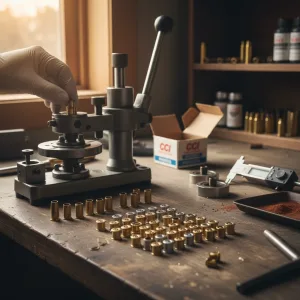
Contamination can significantly impact primer performance. Oils from your skin, cleaning solvents, and even dust can interfere with the priming compound, reducing its sensitivity. Always wash your hands thoroughly before handling primers and avoid touching the priming compound directly. Use clean, dedicated tools for handling primers, such as a primer tray or a primer seating tool.
Avoid storing primers near cleaning solvents, oils, or other chemicals that could potentially contaminate them. Keep your reloading bench clean and organized to minimize the risk of accidental contamination. If a primer is dropped or comes into contact with a contaminant, discard it. It’s better to err on the side of caution than to risk a misfire or other issue. Similarly, avoid exposing primers to static electricity, as this can also damage the priming compound. Ground yourself before handling primers, especially in dry environments.
Shelf Life Considerations: When to Replace Old Primers
While primers can last for many years when stored properly, they do have a shelf life. Generally, primers stored in ideal conditions can remain viable for 20 years or more. However, primers stored in less-than-ideal conditions may degrade more quickly. It’s essential to be aware of the potential for degradation and to take steps to minimize it.
Look for signs of degradation, such as corrosion, discoloration, or changes in sensitivity. If you have primers that are several years old, consider testing a small batch before using them in a large reloading project. Load a few rounds with the old primers and test them at the range. If you experience misfires or inconsistent ignition, it’s time to replace the old primers. As a general rule, it’s prudent to rotate your primer stock, using older primers before newer ones, to ensure that none sit unused for extended periods.
Matching Primers to Smokeless Gun Powder Types for Optimal Performance
Selecting the Right Primer for Different Burn Rates of Smokeless Gun Powder
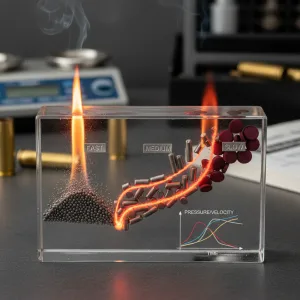
The burn rate of smokeless gun powder is a crucial factor in primer selection. Fast-burning powders, typically used in handgun cartridges, require primers that ignite quickly and efficiently. Standard primers are generally suitable for these powders. Slow-burning powders, commonly used in rifle cartridges, often benefit from magnum primers. Magnum primers produce a hotter and longer-duration flame, ensuring complete and consistent ignition of the slower-burning powder. Using a standard primer with a slow-burning powder may result in inconsistent ignition, reduced velocity, and increased muzzle flash.
Conversely, using a magnum primer with a fast-burning powder can lead to excessive pressure and potentially dangerous conditions. It’s essential to consult reloading manuals and load data to determine the appropriate primer for the specific powder and cartridge you are using. These resources provide guidance on primer selection based on burn rate and other factors. For example, a common pairing is a standard primer with a powder like Hodgdon Titegroup (fast-burning) for 9mm loads, while magnum primers might be recommended for .300 Winchester Magnum using Hodgdon H1000 (slow-burning).
Primer Compatibility Charts: A Quick Reference Guide
Primer compatibility charts are invaluable resources for reloaders, providing a quick reference for selecting the appropriate primer for different cartridges and powder types. These charts typically list various cartridges, powders, and primer recommendations from different manufacturers. While these charts are helpful, it’s important to remember that they are general guidelines and should not be considered definitive. Always consult multiple sources of load data to confirm the compatibility of primers and powders.
Several reloading manuals and websites offer primer compatibility charts. Reputable sources include the Hodgdon Reloading Data Center and the Speer Reloading Manual. These resources provide comprehensive information on primer selection, including recommendations for specific powder types and cartridges. Remember to verify the date of the chart, as powder formulations and primer designs can change over time. Using outdated information could lead to incorrect primer selection and potentially unsafe reloading practices.
The Importance of Load Data: Following Recommended Recipes
Following established load data is paramount for safe and consistent reloading. Load data provides specific recipes for different cartridges, powders, primers, and bullet weights, based on extensive testing and analysis. Deviating from recommended load data can lead to dangerous pressure spikes, inconsistent performance, and potential damage to your firearm. Always start with the minimum recommended load and gradually increase the powder charge, while carefully monitoring for signs of excessive pressure, such as flattened primers or sticky extraction.
When changing any component in a load, such as the primer, it’s crucial to re-evaluate the load data and adjust accordingly. Different primers can produce different pressures, even within the same type (e.g., standard vs. standard). Consult multiple sources of load data to ensure that the new primer is compatible with the powder and cartridge you are using. If you are unsure about the compatibility of a particular primer and powder combination, seek advice from experienced reloaders or consult with a reloading expert. Reloading manuals from powder and primer manufacturers are reliable sources of information.
Alternatives to Specific Primers (and When to Choose Them)
CCI Primers: Strengths and Weaknesses
CCI primers are known for their consistent performance and reliable ignition, making them a popular choice among reloaders. Their sensitivity is generally considered to be in the mid-range, making them suitable for a wide range of firearms. A key strength of CCI primers is their availability and affordability. They are widely available at most reloading supply stores and are generally less expensive than some other brands. CCI primers are often a go-to choice for high-volume reloaders.
However, some reloaders find that CCI primers can be slightly less sensitive than Federal primers, particularly in firearms with lighter hammer springs. This can occasionally result in misfires, especially in older or modified firearms. Additionally, CCI primers are sometimes perceived as being less consistent in terms of velocity compared to some premium brands, although this is often a minor difference. Consider the specific application and firearm when deciding if CCI primers are the best choice.
Federal Primers: Strengths and Weaknesses
Federal primers are renowned for their exceptional sensitivity and consistent ignition, making them a favorite among competitive shooters and those seeking maximum accuracy. Their consistent ignition properties contribute to reduced velocity variations, leading to improved precision. A major strength of Federal primers is their reliable performance in a wide range of firearms, including those with lighter hammer springs. They are often recommended for older or modified firearms where ignition reliability is a concern. Federal Gold Medal primers are especially prized for their consistency.
The heightened sensitivity of Federal primers can be a potential drawback in some situations. They are more prone to slam-fires in some semi-automatic firearms if proper precautions are not taken during reloading. Federal primers also tend to be more expensive and harder to find than some other brands, making them less accessible to some reloaders. Due to high demand, they can also be difficult to acquire during times of component shortages. When selecting primers, one should note that Federal primers are also known to be softer, which can sometimes result in primer flow in high-pressure loads, particularly in firearms with generous chamber dimensions.
Winchester Primers: Strengths and Weaknesses
Winchester primers offer a good balance of performance and value, making them a versatile option for reloaders. They are known for their consistent ignition and reliable performance in a variety of firearms. Winchester primers are often a good choice for reloaders who want a dependable primer at a reasonable price. They are generally considered to be slightly less sensitive than Federal primers but more sensitive than CCI primers, making them a good compromise for many applications.
However, some reloaders find that Winchester primers can be slightly less consistent in terms of velocity compared to some premium brands. Additionally, they can sometimes be more difficult to seat properly than other brands, requiring more force to seat fully. Winchester primers have seen increased demand since 2020, which has caused availability challenges. Availability is an important factor for reloaders trying to assemble components.
Remington Primers: Strengths and Weaknesses
Remington primers have historically been a popular choice for reloaders, known for their consistent performance and reliable ignition. Many reloaders have used Remington primers for years with great success. A key strength of Remington primers was their consistent sizing and ease of seating, making them a favorite among high-volume reloaders. They generally provided reliable ignition in a variety of firearms.
However, in recent years, Remington’s primer production has been subject to fluctuations and availability challenges due to company ownership changes and restructuring. This has made it difficult for reloaders to rely on Remington primers as a consistent source. There have been some reports of inconsistencies in quality in recent production runs, although these reports are anecdotal. As of 2026, many reloaders are looking for confirmation that the new owners have stabilized production and maintained quality control. Due to these concerns, many reloaders are seeking alternatives to Remington primers until their reliability is fully re-established.
Troubleshooting Primer Issues: Identifying and Resolving Common Problems
Squib Loads: Recognizing and Preventing Them
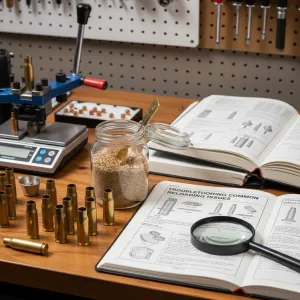
A squib load is a cartridge that fails to produce enough energy to propel the bullet out of the barrel completely. Recognizing a squib load is crucial, as firing another round behind it can cause a catastrophic firearm failure. Pay attention to the sound; a squib will sound significantly quieter than a normal shot. Also, observe for reduced recoil. If you suspect a squib, immediately stop firing and safely unload the firearm. To prevent squib loads, always double-check powder charges and use a reliable powder measuring system. A related topic is discussed more in depth in our Smokeless Gun Powder: Troubleshooting Common Reloading Issues article.
Pierced Primers: Causes and Solutions
Pierced primers occur when the firing pin punctures the primer cup. This can be caused by excessive pressure, a weak primer cup, or a firing pin that is too long or has a sharp edge. Inspect fired primers for punctures or cratering around the firing pin indentation. If you observe pierced primers, reduce your powder charge incrementally, ensuring you remain within published load data. Switching to primers with a thicker cup may also help. Ensure your firearm’s firing pin is within factory specifications. Note that extreme weather conditions can sometimes exacerbate pressure issues, leading to pierced primers even with normally safe loads. Careful observation and adherence to reloading guidelines are essential.
Failure to Fire: Diagnostic Steps
A failure to fire, or a “dud” round, can be frustrating and potentially dangerous. First, ensure the firearm is mechanically sound and that the firing pin is striking the primer with sufficient force. If the primer shows a light or off-center strike, the issue may lie with the firearm’s mechanics. If the primer appears to have a normal indentation, the primer itself may be defective or contaminated. Try rotating the cartridge in the chamber and attempting to fire again. If it still fails to fire, carefully disassemble the round (using appropriate safety precautions) and inspect the primer. Contamination from oils or solvents can deactivate primers. Ensuring clean storage and handling practices is key to preventing this. If the problem persists with multiple primers from the same batch, the entire batch may be suspect and should be handled with extreme caution.
Safety First: Handling Primers Responsibly
Avoiding Detonation: Safe Handling Practices
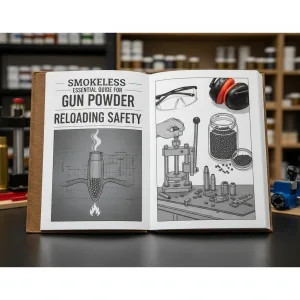
Primers are explosive and should be handled with respect and caution. Avoid dropping or subjecting primers to impact. Store primers in their original packaging in a cool, dry place away from heat, open flames, and sources of static electricity. Never store primers in bulk; keep them segregated by packaging. When seating primers, use a dedicated priming tool to ensure consistent and controlled pressure. Never force a primer; if it doesn’t seat easily, discard it safely. Consider wearing safety glasses and gloves to further minimize risk. Remember that seemingly minor mishandling can lead to unexpected detonations, emphasizing the need for meticulous adherence to safety protocols. For further insights into reloading safety, consider reviewing our Smokeless Gun Powder: Essential Guide for Reloading Safety.
Proper Disposal of Defective Primers
Defective or unwanted primers require careful disposal to prevent accidents. The safest method is to detonate them under controlled conditions. A dedicated primer disposal tool can be used to safely ignite individual primers. Alternatively, primers can be submerged in a container of water mixed with penetrating oil for several days to neutralize the explosive compounds. One option is to use a product such as WD-40. After soaking, the primers can be safely discarded as non-hazardous waste. Never dispose of live primers in the trash or by burning them in an open fire. Always check local regulations regarding the disposal of hazardous materials.
Eye and Ear Protection: Essential Gear for Reloading
Reloading can involve potential hazards, so wearing appropriate personal protective equipment (PPE) is crucial. Eye protection, such as safety glasses or goggles, is essential to protect against flying debris or accidental primer ignition. Ear protection, such as earplugs or earmuffs, is recommended to protect against the loud noise of accidental detonations. Ensure that your eye and ear protection meet ANSI standards and are in good working condition. Regular inspection and replacement of PPE are essential for maintaining safety during the reloading process. In addition to these, consider wearing a full face shield when using a powered case trimmer or similar tools that generate fine particulate matter.
Case Studies: Real-World Examples of Primer Performance in Extreme Weather
Hunting in Arctic Conditions: Success Stories and Lessons Learned
Example: A group of hunters on a caribou hunt in northern Canada experienced temperatures as low as -40°C (-40°F). They found that standard primers were misfiring at an unacceptable rate (around 15%). Switching to magnum primers designed for cold weather drastically reduced the misfire rate to less than 1%. The key takeaway was that selecting primers specifically designed for low temperatures significantly improved reliability. Proper storage of ammunition close to the body to maintain a warmer temperature was also found to be effective, although less practical in all scenarios. This highlights the importance of testing ammunition under realistic conditions prior to a hunt.
Competitive Shooting in Desert Environments: Maintaining Accuracy and Reliability
Example: At a desert shooting competition in Nevada, shooters experienced primer failures due to excessive heat. Temperatures inside ammunition left in direct sunlight reached over 65°C (150°F). Some primers ignited prematurely while loading, while others failed to ignite reliably. Those who kept their ammunition in insulated containers and shaded areas experienced significantly fewer issues. Switching to primers with a more robust sealant to prevent degradation from high temperatures also proved beneficial. This underscores the necessity of managing ammunition temperature to maintain both safety and accuracy in hot environments.
Outdoor Survival Scenarios: The Importance of Dependable Ammunition
Example: A survival instructor conducting a wilderness training course in Alaska emphasized the importance of reliable ammunition. During a simulated emergency scenario, a participant’s rimfire rifle failed to fire multiple times due to primer issues caused by moisture and cold. The instructor demonstrated how to keep ammunition dry by storing it in waterproof containers and keeping it close to the body for warmth. He also stressed the importance of selecting ammunition with sealed primers for enhanced moisture resistance. This incident highlighted how even small details in ammunition storage and selection can significantly impact survival outcomes in harsh environments. This reinforces the idea that reliable ammunition is as critical as any other piece of survival gear.
Purchasing Primers from Northern Reloading: Quality Assurance and Selection for 2026
Navigating Northern Reloading’s Primer Catalog
Northern Reloading offers a diverse selection of primers to meet various reloading needs. Our online catalog is organized by type (small rifle, large rifle, small pistol, large pistol, shotshell), brand, and intended use (standard, magnum, match). Each product listing includes detailed specifications, customer reviews, and compatibility information. You can use our filtering and sorting options to quickly narrow down your choices based on your specific requirements. Consider utilizing the “Compare” feature to evaluate different primers side-by-side. Our website’s search function also allows you to find specific primers by part number or keyword. We aim to provide a user-friendly experience that makes finding the right primer as easy as possible.
Understanding Primer Specifications and Features
When selecting primers, it’s essential to understand the key specifications and features that influence their performance. Important factors to consider include primer size, type (standard or magnum), sensitivity, and cup material. Standard primers are suitable for most common reloading applications, while magnum primers provide a hotter flame for igniting larger powder charges or for use in cold weather conditions. Primer sensitivity refers to the amount of force required to ignite the primer; lower sensitivity primers are generally safer to handle. Cup material affects primer durability and resistance to pressure. Our product descriptions provide detailed information about these specifications to help you make an informed decision. A further exploration of optimizing primer performance can be found on Reloading Primers: Optimize Performance and Consistency.
Customer Support and Expert Advice for Primer Selection
Northern Reloading is committed to providing exceptional customer support. If you have questions about primer selection or need assistance with troubleshooting reloading issues, our team of experienced professionals is available to help. You can reach us by phone, email, or live chat. We also offer a comprehensive knowledge base with articles and FAQs addressing common reloading topics. We understand that choosing the right primer can be complex, especially for those new to reloading. Our experts can provide personalized recommendations based on your specific firearm, cartridge, and shooting conditions. We are here to ensure you have a safe and successful reloading experience. Customers can also benefit from reviewing the information in our article on Choosing the Right Primer for Consistent Reloading.
Selecting the right primer for extreme weather reloading requires careful consideration of several factors, including temperature, humidity, and the specific demands of your firearm and ammunition. Understanding the potential issues, implementing safe handling practices, and leveraging available resources like Northern Reloading’s expert support will contribute to a safer and more reliable shooting experience.
About author


Add comment