

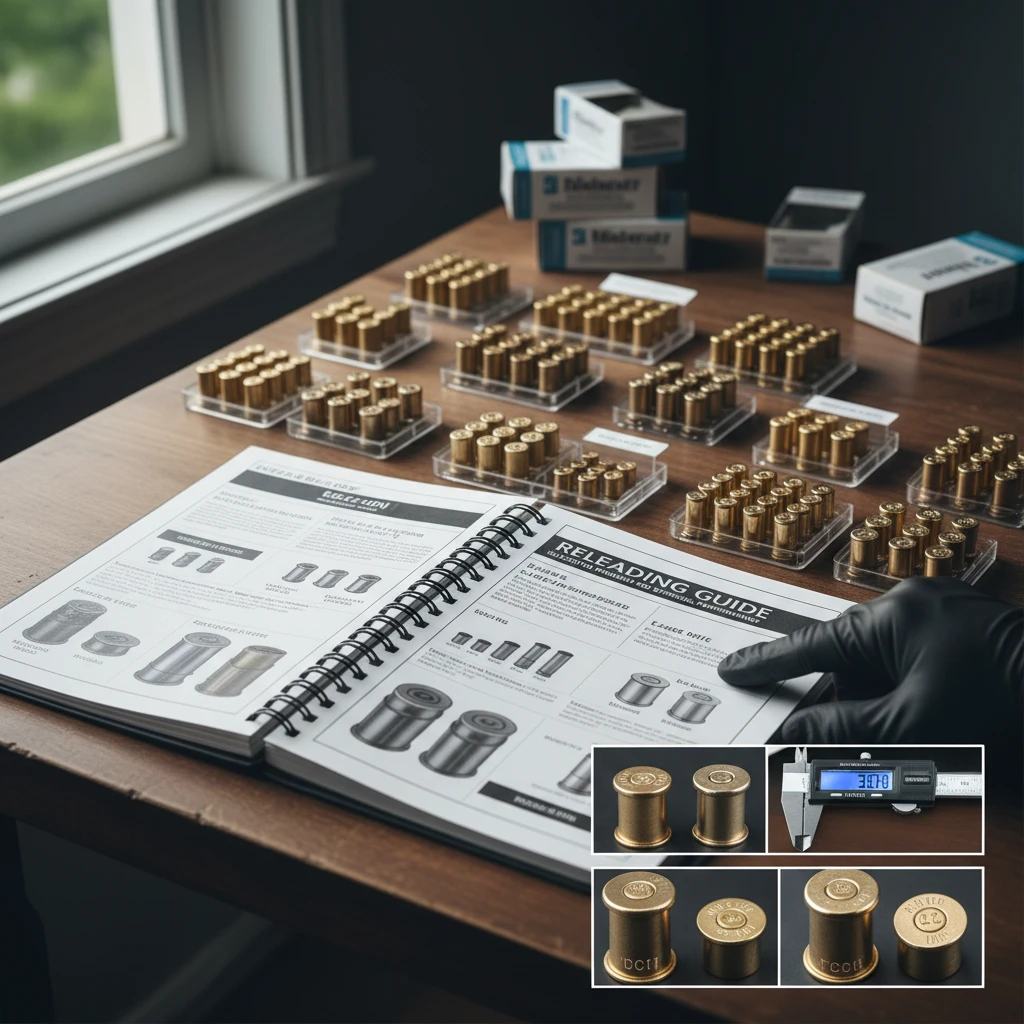
Reloading: Guide to Selecting Primers for Optimal Performance
The humble primer, often overlooked in the grand scheme of reloading, plays a pivotal role in the consistency and accuracy of your ammunition. It’s the spark that ignites the powder, initiating the entire firing sequence. Selecting the right primer isn’t just about getting the gun to go bang; it’s about fine-tuning your loads for optimal performance. This guide provides a detailed exploration of primer selection, helping you unlock the full potential of your reloads.
Choosing the correct primer involves considering several factors, from the size and type to its composition and compatibility with different powders. Understanding these nuances can significantly impact your results, turning a good load into an exceptional one. Let’s dive into the world of primers and discover how they can contribute to your reloading success.
Unlocking Accuracy: Why Primer Selection Matters for Reloading Success
Primer’s Role in the Ignition Process
The primer’s primary function is to initiate the combustion of the smokeless gun powder within the cartridge. It houses a small amount of impact-sensitive explosive compound. When struck by the firing pin, this compound detonates, producing a hot gas and shower of sparks. This initial burst of energy is crucial for reliably igniting the powder charge. A weak or inconsistent primer can lead to hangfires, squib loads, or variations in velocity, all detrimental to accuracy and safety. The primer cup material and thickness, along with the anvil design, all influence the primer’s sensitivity and performance. Consistent ignition is the cornerstone of reliable ballistics.
Impact on Velocity, Pressure, and Accuracy
The type of primer used directly affects the internal ballistics of the cartridge. A “hotter” primer, one that produces a more energetic flame, can increase the initial pressure spike within the cartridge. This, in turn, can lead to higher velocities. However, excessive pressure can be dangerous, potentially damaging your firearm or causing injury. Conversely, a “cooler” primer might not fully ignite the powder charge, resulting in lower velocities and inconsistent performance. Accuracy suffers when there are large variations in muzzle velocity from shot to shot. Primer selection becomes even more critical when working near maximum loads, where even slight pressure variations can have significant consequences. Therefore, meticulous attention to primer choice is paramount.
Consistency: The Key to Reliable Reloads
Ultimately, the goal of any reloader is to achieve consistent results. Consistency in muzzle velocity, point of impact, and felt recoil all contribute to a positive shooting experience. Primers play a vital role in this equation. Variations in primer brisance (the shattering effect of the explosion) can lead to shot-to-shot inconsistencies, even with carefully measured powder charges and consistent bullet seating depths. Selecting primers from reputable manufacturers known for their quality control is essential. Furthermore, it’s helpful to work with a single lot number of primers to further minimize any potential variations. Storing primers properly, away from extreme temperatures and humidity, also helps maintain their long-term stability and performance. Explore more about achieving consistency with reloading components on our guide to reloading for consistency.
Deciphering Primer Sizes and Types: A Comprehensive Overview
Small Rifle vs. Large Rifle Primers
Rifle primers are generally categorized into two main sizes: small rifle and large rifle. Small rifle primers are typically used in smaller capacity rifle cartridges, such as the .223 Remington and 6.5 Grendel. These primers are physically smaller and produce a smaller flame compared to their large rifle counterparts. Large rifle primers, on the other hand, are designed for larger capacity cartridges like the .30-06 Springfield and .308 Winchester. They provide a more substantial flame to ignite the larger powder charge. It’s crucial to use the correct primer size for your specific cartridge, as using the wrong size can lead to misfires or even damage to your firearm. Some cartridges, like the .22 Hornet, may use small pistol primers instead of small rifle primers due to lower operating pressures. Always consult a reputable reloading manual for correct primer specifications.
Small Pistol vs. Large Pistol Primers
Similar to rifle primers, pistol primers also come in small and large sizes. Small pistol primers are commonly used in cartridges like the 9mm Luger and .38 Special. They are designed for lower pressure pistol loads. Large pistol primers are used in larger capacity cartridges such as the .45 ACP. Some magnum pistol cartridges, like the .357 Magnum, may require magnum primers for optimal performance, which we will discuss in detail later. As with rifle primers, using the correct primer size and type is critical for safe and reliable operation. Never substitute primer sizes, as this can lead to dangerous pressure issues. The physical dimensions of small and large primers differ, and attempting to force the wrong size into a primer pocket can damage the case or create a hazardous situation. Proper case preparation, including cleaning and uniforming the primer pocket, helps ensure consistent primer seating and ignition. Check out our guide for Optimizing Performance with Reloading Primers.
Understanding Magnum Primers: When and Why to Use Them
Magnum primers are designed to provide a more energetic and sustained flame compared to standard primers. They are typically used in magnum cartridges or when using slow-burning powders. Magnum primers ensure reliable ignition, especially in cold weather conditions or with hard-to-ignite powders. They feature a more potent priming compound and a thicker cup to withstand higher pressures. Using a magnum primer in a standard load can increase pressure and velocity, potentially leading to dangerous overpressure. Always consult a reloading manual and reduce your powder charge when switching to a magnum primer. Conversely, using a standard primer in a magnum load may result in inconsistent ignition and reduced performance. Magnum primers are particularly beneficial in large capacity rifle cartridges using slow-burning powders, as they help ensure a complete and consistent burn. A general rule of thumb is to use magnum primers when the powder charge exceeds a certain weight (typically around 60 grains) or when recommended by the powder manufacturer. Magnum primers enhance ignition in demanding scenarios.
Primer Composition: Exploring Standard, Lead-Free, and BR Options
Standard Primers: The Workhorse of Reloading
Standard primers are the most common type used by reloaders. They typically contain a mixture of lead styphnate, barium nitrate, and antimony sulfide as their primary explosive compound. These primers provide reliable ignition for a wide range of cartridges and powders. They are relatively inexpensive and readily available. Standard primers are suitable for most reloading applications, from target shooting to hunting. However, they contain lead, which is a concern for some shooters, particularly those who frequent indoor ranges. Always handle primers with care and avoid direct contact with the priming compound. While generally reliable, standard primers can be affected by long-term storage and exposure to moisture. It is important to store primers in a cool, dry place to maintain their performance. Standard primers offer a good balance of performance and affordability.
Lead-Free Primers: Considerations for Indoor Ranges and Regulations
Lead-free primers are designed to eliminate or significantly reduce the amount of lead released into the environment during firing. They use alternative priming compounds, such as diazodinitrophenol (DDNP) or other proprietary blends, to initiate the powder charge. Lead-free primers are becoming increasingly popular due to environmental concerns and regulations restricting the use of lead in ammunition, particularly at indoor shooting ranges. While lead-free primers offer environmental benefits, they may have slightly different ignition characteristics compared to standard primers. Some reloaders have reported that lead-free primers can be less consistent or require slightly different powder charges to achieve optimal performance. It is important to carefully work up loads when switching to lead-free primers and to monitor for any signs of pressure issues. Environmental considerations drive the adoption of lead-free primers. Always follow the powder manufacturer’s recommendations when using lead-free primers.
Benchrest (BR) Primers: Precision for Match-Grade Ammunition
Benchrest (BR) primers are specifically designed for competitive shooting and achieving the highest levels of accuracy. These primers are manufactured to extremely tight tolerances and undergo rigorous quality control to ensure consistent ignition and minimal shot-to-shot variation. BR primers typically use a more sensitive priming compound and have a carefully optimized cup and anvil design to produce a uniform flame. They are often hand-selected and inspected to ensure consistent seating depth and reliable performance. BR primers are more expensive than standard primers, but they can make a noticeable difference in accuracy, especially at long ranges. Many competitive shooters swear by them, citing improvements in group size and overall consistency. While BR primers can enhance accuracy, they are most effective when combined with other high-quality components and meticulous reloading techniques. Benchrest primers are the gold standard for accuracy. Federal Gold Medal primers are a popular choice in this category. Maximize your primer performance for benchrest shooting.
Matching Primers to Powder: Finding the Optimal Burn Rate Synergy
Fast-Burning Powders: Primer Considerations for Handgun Ammo
Fast-burning powders are commonly used in handgun cartridges and some low-pressure rifle cartridges. These powders ignite quickly and produce a rapid pressure spike. When using fast-burning powders, standard primers are generally sufficient for reliable ignition. Magnum primers are typically not necessary and can potentially lead to overpressure, especially in smaller capacity handgun cartridges. It’s important to carefully work up loads when using fast-burning powders and to monitor for signs of excessive pressure, such as flattened primers or sticky extraction. Primer selection should be based on the powder manufacturer’s recommendations and the specific cartridge being loaded. Some fast-burning powders may be more sensitive to primer variations than others. Always consult a reputable reloading manual for safe and accurate load data. Primer selection is crucial for fast-burning powders. For example, loading .38 Special with a fast powder like Accurate #2 generally doesn’t require a magnum primer, a standard small pistol primer will typically suffice.
Slow-Burning Powders: Primer Selection for Rifle Cartridges
Slow-burning powders are typically used in high-velocity rifle cartridges, especially those with large case capacities. These powders ignite more slowly and produce a more sustained pressure curve, allowing for higher velocities without exceeding safe pressure limits. When using slow-burning powders, a more energetic primer is often required to ensure reliable ignition and a complete burn. Magnum primers are frequently recommended for slow-burning powders, particularly in cold weather conditions. Using a standard primer with a slow-burning powder can result in inconsistent ignition, reduced velocity, and increased muzzle flash. It’s important to carefully select the appropriate primer for the specific powder and cartridge being loaded. Primer selection should be based on the powder manufacturer’s recommendations and the specific application. Some slow-burning powders are more difficult to ignite than others, and a magnum primer may be necessary to achieve optimal performance. Magnum primers ensure reliable ignition with slow-burning powders.
Magnum Primers and Slow Powders: A Necessary Combination?
The relationship between magnum primers and slow-burning powders is often debated among reloaders. While magnum primers are generally recommended for slow-burning powders, they are not always strictly necessary. The need for a magnum primer depends on several factors, including the specific powder, cartridge, ambient temperature, and desired performance. In some cases, a standard primer may provide adequate ignition and acceptable performance with a slow-burning powder. However, in other cases, a magnum primer may be essential for reliable ignition and optimal velocity. It’s important to experiment with different primer types and powder charges to determine the best combination for your specific application. Always start with a reduced powder charge and gradually increase it while monitoring for signs of pressure issues. Consulting a reputable reloading manual and following the powder manufacturer’s recommendations are crucial for safe and accurate reloading. Experimentation is key to finding the optimal combination. Ultimately, the goal is to achieve consistent ignition, optimal velocity, and acceptable accuracy without exceeding safe pressure limits. For instance, a .300 Winchester Magnum loaded with Hodgdon H1000 will almost certainly benefit from a magnum primer, especially in colder climates, ensuring complete and consistent powder combustion. Smart reloading techniques contribute to success.
Cartridge Compatibility: Ensuring Proper Primer Fit and Function
Selecting the correct primer for your cartridge is paramount for safe and reliable ammunition. The most immediate concern is physical size; primers come in various diameters to match the primer pockets of different cartridges. Using a primer that is too small can lead to misfires and gas leaks, while attempting to force a primer that is too large can be dangerous, potentially causing a detonation during the reloading process.
Primer Pocket Dimensions: Avoiding Misfeeds and Misfires
Primer pockets are manufactured to precise specifications to ensure a snug and secure fit for the primer. There are primarily two sizes of primers: small and large, each with specific diameter and depth dimensions. Using a primer that doesn’t match these dimensions can lead to several issues. If the primer is too loose, it may not ignite the powder charge consistently, causing misfires or hangfires. If it’s too tight, you risk crushing the primer during seating, rendering it useless or, worse, causing an accidental discharge. Always consult your reloading manual for the recommended primer size and dimensions for your specific cartridge. Using a primer pocket uniformer can help ensure consistent pocket depth and improve primer seating, especially in cases where brass has been reloaded multiple times.
Addressing Cartridge-Specific Primer Recommendations
Different cartridges are designed to use specific types of primers based on their case capacity, operating pressure, and intended use. Always consult reliable reloading manuals from manufacturers like Hodgdon or Accurate for the correct primer selection. For example, some magnum cartridges require magnum primers, which have a hotter and longer-duration flame to ensure consistent ignition of larger powder charges. Similarly, some older firearms or those with lighter hammer springs may benefit from using “match” or “benchrest” primers, known for their increased sensitivity and consistent performance. Ignoring these recommendations can lead to inconsistent performance, reduced accuracy, or even dangerous pressure spikes. You can also find great information on selecting the right primers for various applications in online forums and communities dedicated to reloading.
Using Correct Primers for handgun ammo, rimfire ammo, shotgun ammo, rifle ammo
The type of primer needed depends greatly on the type of firearm. Handgun ammo often utilizes small pistol primers (SPP) or large pistol primers (LPP), selected based on cartridge size. Rifle ammo typically uses small rifle primers (SRP) or large rifle primers (LRP), with magnum versions available for cartridges with large powder charges. Shotgun ammo uses specialized shotgun primers designed to ignite the unique powder blends used in shotshells. Rimfire ammo, on the other hand, doesn’t use replaceable primers; the priming compound is integrated into the rim of the cartridge. Attempting to use the wrong type of primer can lead to failure to fire or even damage to the firearm. For instance, using a rifle primer in a handgun cartridge could cause a slam fire due to the harder cup, while using a pistol primer in a high-pressure rifle cartridge could result in pierced primers. A safe practice is to double-check primer type against your reloading data before you begin reloading.
Troubleshooting Primer Problems: Identifying and Resolving Common Issues
Even with careful selection and handling, primer-related issues can arise during reloading. Recognizing and addressing these problems is essential for ensuring safety and consistent performance. Common issues include misfires, pierced primers, and inconsistent seating depth. Each of these problems can indicate a variety of underlying causes, from incorrect component selection to mechanical issues with your firearm or reloading equipment. Proper diagnosis and corrective action are crucial for avoiding potentially dangerous situations. Furthermore, documenting any issues, along with the components used, can help you identify patterns and prevent recurrence.
Misfires: Diagnosing Primer-Related Causes
A misfire occurs when the primer fails to ignite the powder charge after being struck by the firing pin. This can be a frightening experience, and it is crucial to handle misfires with extreme caution. Potential primer-related causes include: contaminated primers (exposure to oil or moisture), improperly seated primers (seated too deeply or not deeply enough), or faulty primers (manufacturing defects). To diagnose the issue, carefully inspect the primer after a misfire. A light strike might indicate a weak firing pin spring or insufficient seating depth. A blackened primer might suggest contamination. If the primer shows no signs of being struck, there may be an issue with the firearm’s firing mechanism. Always follow safe handling procedures for misfires, waiting a minimum of 30 seconds before opening the action and carefully extracting the round, pointing the firearm in a safe direction. As a refresher, you can also review the proper handling of smokeless gun powder troubleshooting to ensure it is not the cause of the issue.
Pierced Primers: Understanding Overpressure Signs
A pierced primer occurs when the firing pin punctures the primer cup, creating a small hole. This is often a sign of excessive pressure within the cartridge, which can be dangerous. Common causes include: overcharging the cartridge with powder, using the wrong type of powder, seating bullets too deeply, or using primers that are too soft for the pressure of the cartridge. When a pierced primer is observed, it is important to carefully inspect the firearm for any signs of damage, such as cracks in the bolt face or blown primers. Reduce your powder charge and cross-reference it against multiple load data sources. You may need to also switch to a primer with a thicker cup. It is essential to disassemble any remaining rounds loaded with the same components and carefully re-evaluate the load. Consult reputable reloading manuals for safe load data and consider having your firearm inspected by a qualified gunsmith to ensure it is safe to use. Ignoring pierced primers can lead to catastrophic firearm failure and serious injury.
Primer Seating Depth: Achieving Reliable Ignition
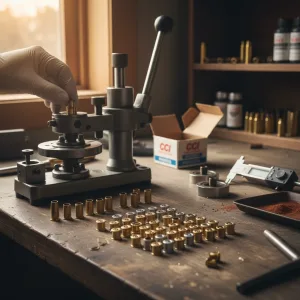
The depth to which a primer is seated in the primer pocket plays a crucial role in reliable ignition. Primers must be seated fully and uniformly below the case head surface to ensure consistent contact with the firing pin. If a primer is not seated deeply enough (high primer), it can cause misfires or even slamfires in autoloading firearms. Conversely, if a primer is seated too deeply (crushed primer), it can damage the priming compound and render it ineffective. Aim for a consistent seating depth of approximately 0.003″ to 0.005″ below the case head. Use a reliable primer seating tool that provides consistent pressure and depth control. Regularly check your seating depth with calipers or a primer depth gauge. Inconsistent seating depth can also be a sign of inconsistent primer pocket dimensions, which can be addressed by using a primer pocket uniformer to ensure consistent pocket depth and squareness.
Primer Storage and Handling: Maximizing Shelf Life and Safety
Proper storage and handling of primers are crucial for maintaining their effectiveness and preventing accidents. Primers are sensitive explosives and should be treated with respect. Exposure to extreme temperatures, humidity, or contaminants can degrade the priming compound, leading to misfires or inconsistent performance. Careless handling can also lead to accidental ignition, posing a significant safety risk.
Ideal Storage Conditions: Temperature and Humidity Control
Primers should be stored in a cool, dry, and dark location, away from direct sunlight, heat sources, and moisture. High temperatures can accelerate the degradation of the priming compound, while humidity can cause corrosion and reduce the primer’s sensitivity. The ideal temperature range for primer storage is between 50°F and 70°F (10°C and 21°C), with relative humidity below 50%. Store primers in their original packaging or in airtight containers with desiccant packs to absorb any moisture. Avoid storing primers near flammable materials or in areas where they could be exposed to static electricity. Consider using a dedicated ammunition storage cabinet or safe to provide an additional layer of protection. The goal is to create an environment that minimizes exposure to the elements and prevents any accidental ignition.
Safe Handling Practices: Preventing Accidental Ignition
When handling primers, always exercise caution and avoid any actions that could potentially cause them to detonate. Never handle primers near open flames, sparks, or sources of static electricity. Avoid dropping or subjecting primers to impact. When seating primers, use a reliable primer seating tool and apply consistent pressure to avoid crushing or damaging the primer. Wear safety glasses to protect your eyes from flying debris in case of an accidental detonation. If you are using a progressive reloading press, ensure that the primer feed system is properly adjusted to prevent misfeeds or crushed primers. Always wash your hands thoroughly after handling primers to remove any residue. By following these safe handling practices, you can minimize the risk of accidental ignition and ensure a safe reloading environment.
Checking Primer Appearance: Identifying Signs of Degradation
Regularly inspect your primers for any signs of degradation before using them. Look for signs of corrosion, discoloration, or damage to the primer cup. Corrosion can appear as a white or greenish powder on the primer surface. Discoloration can indicate exposure to moisture or chemicals. Damaged primers may have dents, cracks, or other deformities. Any primers exhibiting these signs should be discarded safely. Avoid using primers that are of questionable quality or have been stored improperly. It is always better to err on the side of caution when it comes to primer safety. Proper storage can significantly extend the shelf life of primers. If you’re interested in extreme weather conditions, you may find our article on primer selection in extreme weather useful to review.
Beyond the Basics: Advanced Primer Techniques for Precision Reloading
For reloaders seeking to achieve the highest levels of accuracy and consistency, advanced primer techniques can make a noticeable difference. These techniques focus on optimizing primer performance and minimizing variations in ignition. While not necessary for all reloaders, these methods can be particularly beneficial for those involved in competitive shooting or long-range precision work.
Primer Pocket Uniformity: Enhancing Accuracy Through Preparation
Primer pocket uniformity refers to the consistency of the primer pocket dimensions across all cases being reloaded. Variations in primer pocket depth, diameter, or squareness can lead to inconsistent primer seating and ignition, ultimately affecting accuracy. Using a primer pocket uniformer is crucial for this process. This tool ensures that all primer pockets are the same depth and have a square, clean bottom. This allows for consistent primer seating, ensuring that each primer is seated to the same depth and with the same amount of pressure. This consistency in primer seating helps to reduce variations in ignition, leading to more consistent velocities and improved accuracy. Furthermore, consistent primer pocket depth can also improve the overall life of your brass, as it reduces stress on the case head during firing. Always follow the manufacturer’s instructions when using a primer pocket uniformer and avoid removing excessive material, as this can weaken the case head.
Primer Testing and Chronograph Data Analysis
Advanced reloaders often conduct primer testing to determine which primer type yields the best performance with a particular load. This involves systematically testing different primers with a consistent powder charge and bullet combination, then measuring the resulting velocities and accuracy. A chronograph is essential for this process, as it allows you to measure the muzzle velocity of each round fired. By analyzing the chronograph data, you can identify primers that produce the most consistent velocities with the lowest standard deviation and extreme spread. This indicates more consistent ignition and potentially better accuracy. It’s important to conduct these tests under controlled conditions, with consistent temperature and humidity, to minimize external variables. You should also fire a sufficient number of rounds with each primer type (at least 10-20) to obtain statistically significant data. Remember that the “best” primer can vary depending on the cartridge, powder, and bullet being used, so it’s important to test different combinations to find the optimal setup.
Adjusting Powder Charges Based on Primer Performance
Once you have identified the optimal primer for your load, you may need to fine-tune your powder charge to achieve the desired velocity and accuracy. Different primers can produce slightly different pressures and velocities, even with the same powder charge. For example, a magnum primer will typically increase pressure and velocity compared to a standard primer. Therefore, it’s important to re-evaluate your load data and adjust your powder charge accordingly. Start with a slightly reduced powder charge and gradually increase it until you reach your target velocity and accuracy, while always staying within safe pressure limits. Use a chronograph to monitor your velocities and carefully inspect your fired cases for any signs of overpressure, such as flattened primers or case head expansion. Reloading is an iterative process, and finding the perfect load often requires careful experimentation and attention to detail. For more information on managing different types of smokeless gun powder for reloading, please refer to other articles available here at Northern Reloading.
Safety First: Essential Precautions When Working with Primers and smokeless gun powder
Reloading ammunition can be a rewarding and cost-effective practice, but it demands strict adherence to safety protocols to prevent accidents. Primers and smokeless gun powder are energetic materials, and mishandling them can lead to serious injury or even death. The following precautions are essential for anyone involved in reloading.
Wearing Proper Eye and Ear Protection
Protecting your eyes and ears is paramount when handling primers and smokeless powder. Eye protection, such as safety glasses or a face shield, will shield your eyes from stray sparks or debris that may occur during primer seating or handling. The force of a primer exploding unexpectedly can send fragments at high speed, causing severe eye damage. Always wear eye protection, even if you’re just inspecting components. Similarly, ear protection, like earmuffs or earplugs, will protect your hearing from the loud noise generated during the reloading process. While a single primer detonation may not seem overly loud, repeated exposure can contribute to hearing loss over time.
Maintaining a Clean and Organized Reloading Bench
A clean and organized reloading bench is crucial for safety and efficiency. Spilled powder or primers can become ignition hazards if exposed to static electricity or impact. Regularly clean your bench to remove any loose powder, spent primers, or other debris. Utilize designated containers for powder and primers, and avoid mixing different types. A well-lit area also helps you to see what you are doing, reducing the chance of errors. Furthermore, keep your reloading tools in good condition and properly calibrated. Damaged or misaligned tools can lead to inconsistent loads and increase the risk of accidents. For example, a worn-out primer seating tool could crush a primer, causing it to detonate prematurely. Consider the importance of a safe environment when experimenting with advanced reloading techniques. Refer to the smokeless gun powder advanced reloading techniques page for more insight into powder handling best practices.
Following Recommended Safety Guidelines from Primer Manufacturers
Each primer manufacturer provides specific safety guidelines for handling and storing their products. It is imperative to read and understand these guidelines before working with any primers. Primer manufacturers often specify maximum and minimum seating depths, as well as recommended storage conditions. Improper seating depth can lead to misfires or squib loads, while incorrect storage can degrade the primer’s performance. Additionally, be aware of the different types of primers available (e.g., small pistol, large rifle, magnum) and use the correct type for your intended cartridge. Mixing primer types can result in unsafe pressures and potential firearm damage. Never force a primer into a primer pocket that is too tight; this can cause the primer to detonate. If you encounter resistance, check the primer pocket for obstructions or use a primer pocket cleaning tool to remove any debris. It is also important to be aware of the sensitivity of primers, and to avoid dropping them or subjecting them to impact. Always handle primers with care, and store them in a cool, dry place away from heat, flame, and impact hazards. Consider consulting a reloading manual, such as the Lyman Reloading Handbook, for comprehensive safety information. Reloading safety guidelines provide critical information to prevent accidents. More information about safe handling of primers can be found through the SAAMI standards published by the Sporting Arms and Ammunition Manufacturers’ Institute.
The Northern Reloading Advantage: Sourcing High-Quality Primers You Can Trust
At Northern Reloading, we understand that the performance and safety of your reloaded ammunition depend on the quality of the components you use. That’s why we are committed to providing our customers with high-quality primers from reputable manufacturers. Our rigorous selection process ensures that every primer we offer meets stringent standards for reliability, consistency, and performance.
Our Commitment to Quality and Reliability
Quality and reliability are at the core of our business. We partner with established primer manufacturers known for their consistent performance and adherence to strict quality control measures. Before adding a new primer brand to our inventory, we conduct thorough testing to verify its performance and reliability. This includes assessing primer sensitivity, ignition consistency, and compatibility with various powders and firearms. We understand that inconsistent primers can lead to accuracy problems, misfires, and even dangerous pressure spikes. By focusing on quality and reliability, we aim to provide our customers with the peace of mind knowing that their reloaded ammunition will perform as expected. Furthermore, we maintain strict storage and handling protocols to ensure that our primers remain in optimal condition. Our climate-controlled warehouse prevents temperature and humidity fluctuations that can degrade primer performance. For additional information, consult resources related to optimizing primer consistency such as reloading primers for optimal performance and consistency.
Extensive Selection of Primers to Meet Your Reloading Needs
We offer a wide variety of primers to meet the diverse needs of reloaders, whether you’re loading handgun ammo, rifle ammo, or shotgun ammo. Our selection includes small pistol primers, large pistol primers, small rifle primers, large rifle primers, and even specialized primers for magnum loads or specific firearm types. We carry primers from leading brands such as CCI, Federal, Winchester, and Remington, ensuring that you have access to the best products on the market. Whether you are looking for standard primers for general-purpose reloading or match-grade primers for competition shooting, we have the right primer for your application. Our inventory is constantly updated to reflect the latest trends and innovations in primer technology, ensuring that you have access to the most advanced products available. In addition to offering a wide variety of primer types, we also provide detailed product descriptions and specifications to help you make an informed decision. We understand that selecting the right primer can be challenging, especially for novice reloaders. By providing comprehensive information, we empower our customers to choose the primers that best suit their needs and preferences.
Expert Advice and Support for Primer Selection and Reloading Techniques
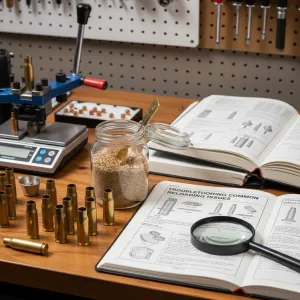
At Northern Reloading, we are committed to providing our customers with more than just high-quality products; we also offer expert advice and support to help them achieve optimal reloading results. Our team of experienced reloaders is available to answer your questions and provide guidance on primer selection, powder selection, and reloading techniques. Whether you’re a seasoned reloader or just starting out, we can help you navigate the complexities of reloading and ensure that you are doing it safely and effectively. We offer a variety of resources to support our customers, including detailed reloading guides, videos, and articles. We also host online forums where reloaders can connect with each other, share tips and tricks, and ask questions. Our goal is to create a community of reloaders who are passionate about their craft and committed to safety. If you’re unsure which primer is right for your application, don’t hesitate to contact us. We can help you assess your needs and recommend the best primers for your specific firearm, cartridge, and shooting style. We also offer guidance on troubleshooting common reloading issues, such as misfires, squib loads, and pressure signs.
Reloading Log: Key data points to consider when working with primers.
Maintaining a detailed reloading log is crucial for safety, consistency, and optimizing your reloads. This log should include comprehensive information about each load, allowing you to track performance, identify potential problems, and replicate successful loads in the future. A well-maintained reloading log is an invaluable resource for any serious reloader, aiding in understanding nuances of your reloads, for example, choosing the right primer for consistent reloading.
Cartridge Type
Accurately recording the cartridge type is fundamental. This includes the specific cartridge designation (e.g., 9mm Luger, .223 Remington, .308 Winchester) and any relevant variations (e.g., +P, subsonic). The cartridge type directly dictates the appropriate primer size (small or large) and type (pistol or rifle). Using the wrong primer can lead to misfires, squib loads, or dangerous overpressure situations. For instance, attempting to use a small rifle primer in a large pistol primer pocket will result in a failure to ignite the powder, while using a large rifle primer in a small rifle primer pocket could cause a dangerous pressure spike. Record any modifications to the cartridge case, such as neck sizing or crimping. Such actions affect the internal ballistics and should be noted for repeatability. Also, note the manufacturer of the brass. Different brass manufacturers have slightly different internal volumes, which can impact pressure.
Powder Type and Load
Meticulously document the powder type and load weight used in each reload. Include the powder manufacturer (e.g., Hodgdon, IMR, Alliant), the specific powder designation (e.g., H4350, Unique, Power Pistol), and the exact weight of the powder charge (in grains). This information is critical for replicating successful loads and identifying potential pressure issues. A seemingly small change in powder weight can significantly impact the velocity and pressure of the load. Always verify your powder charges using a calibrated scale and cross-reference your data with published load data from reputable sources. In addition, document the powder lot number, as variations between lots can exist. If you make any adjustments to your powder charge, such as increasing it to achieve a desired velocity, be sure to carefully monitor for pressure signs, such as flattened primers or difficult extraction. Relating to powder, understanding its burn rate for reloading is also important. Consult the smokeless gun powder burn rate guide for in-depth information about burn rates.
Firearm Used
Record the specific firearm used to test each reload. Include the firearm manufacturer, model, and caliber. Different firearms, even those chambered in the same cartridge, can exhibit different performance characteristics. Factors such as barrel length, bore diameter, and chamber dimensions can all influence the velocity and pressure of the load. For example, a load that performs safely and accurately in one rifle may exhibit excessive pressure signs in another rifle of the same caliber but with a tighter chamber. Document any modifications to the firearm, such as a new barrel or trigger job. These modifications can affect the way the firearm performs and can impact the accuracy and reliability of your reloads. When working up a new load, start with the minimum recommended powder charge and gradually increase it, monitoring for pressure signs at each step. If you encounter any pressure signs, immediately stop increasing the powder charge and reduce it to a safe level.
In conclusion, the detailed logging of cartridge type, powder information, and the firearm used is essential. This discipline allows reloaders to accurately replicate successful loads, track performance changes, and most importantly, maintain a high level of safety during the reloading process. A comprehensive reloading log serves as an invaluable tool for both novice and experienced reloaders.

About author

Add comment