

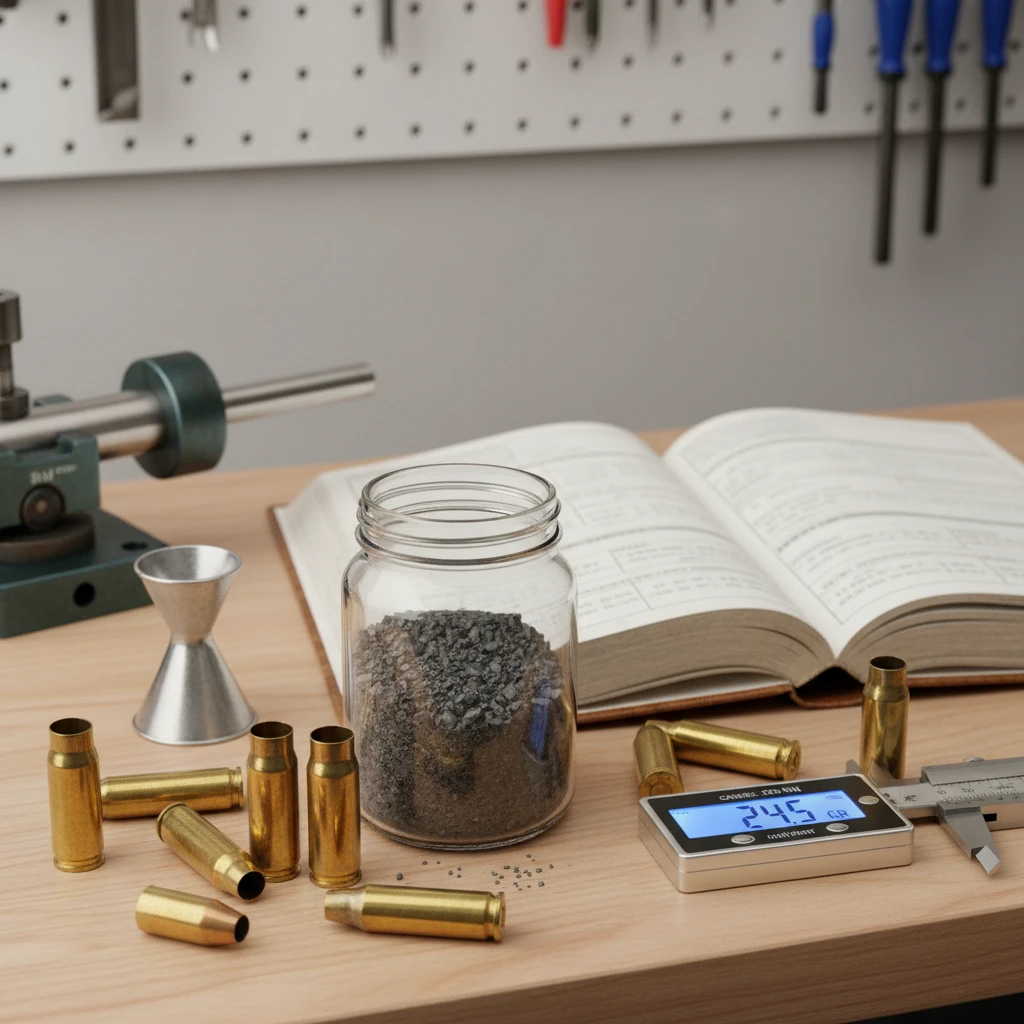
Smokeless Gun Powder: Accurate Load Data for Your Caliber
Achieving unparalleled accuracy in shooting sports requires meticulous attention to detail, and the selection of smokeless gun powder is paramount. It’s more than just picking a powder off the shelf; it’s about understanding the nuances of your firearm, cartridge, and desired performance. This guide will walk you through the crucial aspects of selecting the right smokeless powder for your specific needs, ensuring both safety and precision in your reloading endeavors.
Whether you’re a seasoned reloader or just starting out, navigating the world of different powder types and load data can seem daunting. We’ll break down the complex information into easy-to-understand concepts, providing you with the knowledge to make informed decisions and unlock the full potential of your ammunition. From understanding the impact of granule shape to deciphering load data charts, we’ll cover it all.
Unlock Peak Accuracy: Mastering Smokeless Gun Powder Selection for Your Firearm
Understanding the Role of Smokeless Gun Powder in Precision Shooting
Smokeless gun powder is the driving force behind projectile velocity and, consequently, accuracy. Its consistent and controlled combustion generates the pressure needed to propel the bullet down the barrel with the required force. In precision shooting, even slight variations in powder performance can significantly impact the point of impact, leading to inconsistent groupings. The goal is to achieve repeatable results, where each shot closely replicates the previous one in terms of velocity and trajectory. This necessitates a deep understanding of how different powders perform under various conditions and how they interact with other components of your reloads. Consider that even changes in temperature can affect a powder’s burn rate, thus influencing your load’s consistency.
Why Choosing the Right Powder Matters for Consistent Performance
Selecting the correct smokeless gun powder is crucial for achieving consistent ballistic performance. The wrong choice can lead to a myriad of problems, including excessive pressure, inconsistent velocities, poor accuracy, and even firearm damage. Every cartridge and firearm combination has an optimal powder type and load that delivers the best possible accuracy and reliability. A fast-burning powder in a large rifle cartridge, for instance, can generate dangerous pressures before the bullet even exits the chamber. Conversely, a slow-burning powder in a short-barreled handgun might not fully combust, resulting in low velocities and excessive muzzle flash. By carefully matching the powder to the cartridge and firearm, reloaders can ensure safe and predictable performance.
Example: A competitive shooter using a .223 Remington AR-15 noticed inconsistent groupings at 200 yards. After switching from a general-purpose powder to a powder specifically designed for .223 match loads and carefully working up the load, their group sizes decreased from 2 inches to under 1 inch at the same distance. This improvement directly translated to higher scores in competitions.
Decoding Smokeless Gun Powder Types: A Comprehensive Guide
Granule Shape and Size: Flake, Ball, and Extruded Powders Explained
Smokeless gun powders come in various shapes and sizes, each affecting its metering characteristics and burn rate. Flake powders are typically thin and flat, offering consistent ignition but can be challenging to meter precisely in some powder measures. Ball powders are spherical, providing excellent flow and metering properties, which makes them ideal for high-volume reloading. Extruded powders, also known as stick powders, are cylindrical and offer a progressive burn rate, making them suitable for cartridges where a slower, more sustained pressure curve is desired. The choice of granule shape depends on the specific cartridge, the reloading equipment used, and the desired ballistic performance. When selecting a powder, consider your powder measure’s capabilities and the level of precision required for your application.
Single-Base vs. Double-Base Powders: Understanding the Composition and Burning Characteristics
Smokeless gun powders are broadly classified into single-base and double-base types based on their chemical composition. Single-base powders consist primarily of nitrocellulose, while double-base powders contain both nitrocellulose and nitroglycerin. The addition of nitroglycerin in double-base powders increases their energy content, resulting in higher velocities for a given weight of powder. However, double-base powders also tend to burn hotter and may be more sensitive to temperature changes than single-base powders. Understanding the composition of the powder is crucial for predicting its performance characteristics and ensuring compatibility with different cartridges and firearms. Reloaders often choose single-base powders for their stability and consistent performance in a wide range of conditions, while double-base powders are favored when maximum velocity is the primary goal.
The Impact of Powder Density on Load Data and Ballistics
Powder density significantly influences the amount of powder that can be loaded into a cartridge case and, consequently, its ballistic performance. Denser powders occupy less volume for a given weight, allowing for higher powder charges and potentially higher velocities. However, it’s crucial to adhere strictly to published load data when using denser powders, as even slight overloads can lead to dangerous pressures. Powder density also affects the consistency of ignition and the uniformity of the pressure curve. Reloaders should be aware of the bulk density of the powder they are using and adjust their load data accordingly, always starting with the minimum recommended load and gradually working up while monitoring for signs of excessive pressure. The “fill ratio,” or the amount of the case filled by the powder charge, is also an important factor, with some powders performing best when the case is nearly full.
Caliber-Specific Smokeless Gun Powder Recommendations: The 2026 Edition
Handgun Ammo: Optimal Powders for Popular Calibers (.45 ACP, 9mm, .38 Special)
For handgun ammunition, selecting a powder that provides consistent ignition and reliable performance at relatively low pressures is key. For .45 ACP, powders like Alliant Bullseye, Accurate No. 5, and Hodgdon HP-38 are popular choices due to their consistent burn rates and ability to produce accurate loads. 9mm typically performs well with faster-burning powders such as Winchester AutoComp, Ramshot Silhouette, and Hodgdon CFE Pistol, which ensure complete combustion in shorter barrels. The .38 Special, known for its versatility, can be loaded with a wide range of powders, including Alliant Unique, Accurate No. 2, and IMR 700-X, depending on the desired velocity and recoil characteristics. Always consult reputable load data sources and start with the minimum recommended load when developing handgun loads.
Rifle Ammo: Achieving Match-Grade Accuracy with .223 Remington, .308 Winchester, and 6.5 Creedmoor
Achieving match-grade accuracy in rifle ammunition requires powders that deliver consistent velocities and minimal shot-to-shot variation. For .223 Remington, powders like Hodgdon Varget, IMR 4895, and Alliant Reloder 15 are frequently used in competition loads due to their temperature stability and ability to produce tight groups. The .308 Winchester, a versatile cartridge for both target shooting and hunting, performs exceptionally well with powders such as IMR 4064, Hodgdon H4895, and Accurate 4064. The 6.5 Creedmoor, renowned for its long-range accuracy, often benefits from powders like Hodgdon H4350, Alliant Reloder 16, and IMR 4451, which provide consistent performance and optimal velocity for heavier bullets. Careful load development and chronograph testing are essential for optimizing rifle loads.
Shotgun Ammo: Reliable Powders for 12 Gauge, 20 Gauge, and .410 Bore
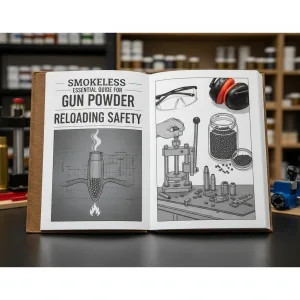
Reliability is paramount in shotgun ammunition, and selecting a powder that ensures consistent cycling and proper functioning of the firearm is crucial. For 12 gauge, powders like Alliant Red Dot, Hodgdon Clays, and IMR Green Dot are popular choices for target loads, offering consistent performance and clean burning. 20 gauge typically performs well with powders such as Alliant 20/28, Hodgdon Universal, and IMR SR 4756, providing reliable performance for both target and hunting applications. The .410 bore, a smaller gauge, requires fast-burning powders like Alliant 2400, Hodgdon H110, and Winchester 296 to ensure complete combustion and adequate velocity. It is critical to adhere to published load data specifically for shotgun ammunition to avoid dangerous pressure levels and ensure safe operation of the firearm. Never substitute powders or deviate from the recommended components without consulting reliable sources. You may find additional relevant details on the essential safety guidelines for reloading with smokeless gun powder.
Navigating Load Data Charts: A Step-by-Step Guide for Safe Reloading
Understanding Pressure Units: PSI vs. CUP
Load data charts provide crucial information for safe and effective reloading, and understanding the pressure units used is essential. PSI (pounds per square inch) and CUP (copper units of pressure) are two common units used to measure the pressure generated during cartridge firing. While both measure pressure, they do so using different methods, and the values are not directly interchangeable. PSI is a more modern and accurate measurement, often obtained using electronic pressure transducers. CUP, on the other hand, relies on measuring the deformation of a copper crusher. It is crucial to use load data that specifies the pressure unit and to avoid mixing data from different sources without proper conversion. Using load data with incorrect pressure units can lead to dangerous overloads and potential firearm damage.
Interpreting Minimum and Maximum Load Data: Staying Within Safe Parameters
Load data charts typically provide a range of powder charges, from a minimum to a maximum load. The minimum load represents the starting point for load development and ensures that the bullet will exit the barrel reliably. The maximum load is the upper limit and should never be exceeded, as it represents the point at which pressures may become unsafe. Reloaders should always start with the minimum load and gradually increase the powder charge while carefully monitoring for signs of excessive pressure, such as flattened primers, difficult extraction, or bulging cases. It is also vital to consider the overall length of the cartridge, as seating the bullet deeper can increase pressure significantly.
Example: A reloader, developing a load for a .308 Winchester rifle, started with the minimum powder charge of 40.0 grains of IMR 4064, as per the load data. They incrementally increased the charge in 0.5-grain increments, carefully monitoring for pressure signs. They found that at 42.5 grains, the primers started to flatten noticeably. Therefore, they backed off to 42.0 grains, which provided excellent accuracy without any signs of excessive pressure. This demonstrates the importance of gradually working up loads and closely observing for pressure signs.
The Importance of Consistent Measurements and Accurate Equipment
Consistency is key to safe and accurate reloading, and this relies heavily on accurate measurements and reliable equipment. Using a high-quality powder scale and powder measure is essential for dispensing precise powder charges. Regularly calibrate your scale and verify its accuracy with check weights. Ensure that your powder measure is clean and properly adjusted to deliver consistent charges. Variations in powder charge can significantly impact velocity and pressure, leading to inconsistent results and potential safety hazards. Consistent bullet seating depth and case preparation are also crucial for minimizing variations and ensuring optimal performance. Remember to check and maintain your equipment regularly to ensure its accuracy and reliability. You can also improve your consistency by taking a look at mastering reloading consistency with smokeless gun powder.
Consulting reputable reloading manuals from powder manufacturers like Hodgdon, IMR, Alliant, and Accurate is paramount for obtaining reliable and up-to-date load data. These manuals provide detailed information on powder characteristics, cartridge specifications, and recommended load ranges. Always cross-reference data from multiple sources to ensure accuracy and consistency.
Primer Selection: Pairing Primers with Smokeless Gun Powder for Optimal Ignition
Understanding Primer Sizes and Types: Small Pistol, Large Pistol, Small Rifle, Large Rifle
Selecting the correct primer size and type is crucial for reliable ignition and consistent performance. The four primary primer sizes are small pistol, large pistol, small rifle, and large rifle. Each size is designed for specific cartridge types and pressure levels. Small pistol primers are typically used in cartridges like the .38 Special and 9mm, while large pistol primers are common in .45 ACP and .44 Magnum. Small rifle primers are found in cartridges like the .223 Remington and 7.62x39mm, and large rifle primers are used in .30-06 Springfield and .308 Winchester. Incorrectly using a primer size can lead to failures to fire or even dangerous pressure issues. Always consult your reloading manual and cross-reference with the powder manufacturer’s recommendations to ensure you are using the correct primer size for your specific cartridge and powder combination. For example, a load data recipe might explicitly state “CCI Small Rifle Primer” – deviating from this could cause problems.
Magnum Primers vs. Standard Primers: When to Use Each Type
Magnum primers produce a hotter and longer-duration spark compared to standard primers. They are typically recommended for use with slow-burning powders or in cold weather conditions, particularly in magnum cartridges. Using a magnum primer with a fast-burning powder designed for standard primers can significantly increase pressure and potentially cause damage to your firearm or injury. Conversely, using a standard primer with a slow-burning powder might result in incomplete combustion and poor performance. A general rule of thumb is to follow the powder manufacturer’s recommendations, which are usually listed in reputable reloading manuals. If a recipe calls for a magnum primer, it is generally for a reason related to the powder’s burn characteristics. If you’re unsure, start with a standard primer and carefully work up your load, watching for pressure signs. Always refer back to the specified load data before making any adjustments. You can also find information that may help your decision by checking this primer selection guide.
Matching Primers to Specific Powders for Consistent Performance
The chemical composition and burn rate of smokeless gun powder vary significantly between different brands and types. Therefore, selecting a primer that is compatible with your chosen powder is critical for achieving consistent performance. Some powders ignite more easily than others, and some require a hotter spark. Powder manufacturers often provide specific primer recommendations for their powders in reloading manuals. For instance, some ball powders like Winchester 296 or Hodgdon H110 often benefit from magnum primers for optimal ignition, especially in colder temperatures or in cartridges with high powder capacity. Stick powders, on the other hand, may perform well with standard primers. Always consult your reloading manual and powder manufacturer’s data to ensure that you are using the appropriate primer for your chosen powder. This will help to ensure consistent ignition, optimal velocity, and minimize the risk of pressure issues. It is also a good practice to keep records of your reloading data, including primer types, powder charges, and bullet weights, to help you replicate successful loads in the future. The importance of proper pairing cannot be overstated when striving for consistent results. For more insights on primers and extreme weather conditions, consider this resource.
Reloading Safety First: Best Practices for Handling Smokeless Gun Powder
Proper Storage Techniques: Minimizing the Risk of Accidental Ignition
Safe storage is paramount when handling smokeless gun powder. Store powder in a cool, dry, and well-ventilated area, away from heat sources, open flames, and direct sunlight. Avoid storing powder in areas with high humidity, as moisture can degrade the powder and affect its performance. Keep powder in its original container, which is designed to vent pressure in case of accidental ignition. Never store powder in airtight containers, as this can increase the risk of explosion. Limit the amount of powder stored in your home to the minimum necessary for your reloading needs. According to regulations in many jurisdictions, there are limits to how much smokeless powder an individual may store in their residence. Check your local laws to ensure compliance. A detached shed or outbuilding is preferable to storing powder in the main living area. Always clearly label powder containers with the type of powder and date of purchase. This helps to prevent confusion and ensures that you are using fresh powder. By following these storage guidelines, you can significantly minimize the risk of accidental ignition and ensure the safety of yourself and others. Remember that neglecting proper storage can have catastrophic consequences.
Avoiding Contamination: Keeping Your Powder Dry and Clean
Contamination of smokeless gun powder can significantly impact its performance and safety. Moisture, oils, and foreign particles can alter the burn rate of the powder and potentially lead to dangerous pressure spikes. Always handle powder with clean, dry hands and use a powder measure specifically designed for smokeless powder. Avoid using metallic scoops or measures, as these can generate static electricity, which can ignite the powder. Keep your reloading bench clean and free of debris. Store powder in a tightly sealed container to prevent moisture absorption and contamination. If you suspect that your powder has been contaminated, it is best to discard it safely according to local regulations. Never attempt to use contaminated powder, as this can be extremely dangerous. Regularly inspect your powder for signs of clumping, discoloration, or unusual odors, which can indicate contamination. A small investment in proper powder handling practices can save you from serious accidents and ensure the consistency and reliability of your reloads. Taking simple precautions can go a long way in ensuring safe reloading practices.
Handling Smokeless Gun Powder with Care: Preventing Static Electricity
Static electricity is a significant hazard when handling smokeless gun powder. Even a small static discharge can ignite the powder and cause a fire or explosion. To minimize the risk of static electricity, ground yourself before handling powder. You can do this by touching a grounded metal object, such as a metal workbench or a water pipe. Avoid wearing clothing made of synthetic materials, as these tend to generate more static electricity than natural fibers like cotton. Use a powder measure made of non-static materials, such as brass or aluminum. Avoid pouring powder directly from the container, as this can create static electricity. Instead, use a powder trickler or a dispensing system to carefully measure out the desired charge. Keep your reloading area clean and free of dust, which can also contribute to static electricity. If you live in a dry climate, consider using a humidifier to increase the humidity level in your reloading area, as higher humidity reduces the risk of static electricity. By taking these precautions, you can minimize the risk of static electricity and ensure the safe handling of smokeless gun powder. You might find helpful information related to safe gun powder practices at this smokeless gun powder safety guide.
Troubleshooting Common Reloading Issues: Identifying and Resolving Problems
Inconsistent Ignition: Diagnosing and Correcting Primer and Powder Mismatches
Inconsistent ignition is a common problem in reloading, often manifesting as squib loads (where the bullet doesn’t exit the barrel) or erratic velocities. This issue is frequently linked to primer and powder mismatches. If you’re experiencing inconsistent ignition, first verify that you’re using the correct primer for your chosen powder, as recommended by the powder manufacturer. Slow-burning powders often require magnum primers for reliable ignition, especially in cold weather. Ensure that your primers are properly seated in the primer pockets. A primer that is not fully seated can cause inconsistent ignition. Also, verify the powder charge. Insufficient powder can also cause ignition issues. If you are using an older lot of primers, consider that primers can degrade over time. Try using a different lot of primers to see if that resolves the issue. Inspect your firearm’s firing pin and ensure that it is clean and in good working order. A weak or damaged firing pin can also cause inconsistent ignition. By systematically checking these potential causes, you can usually identify and correct the source of the problem and improve the consistency of your reloads.
Excessive Pressure Signs: Recognizing and Avoiding Overloads
Recognizing the signs of excessive pressure is critical for safe reloading. Overloads can cause serious damage to your firearm and potentially result in injury. Common signs of excessive pressure include flattened or cratered primers, difficult extraction of spent cases, and bulging cases. If you observe any of these signs, immediately stop shooting and carefully inspect your firearm and ammunition. Reduce your powder charge and work up your load gradually, watching for pressure signs at each step. Always consult a reputable reloading manual for safe load data. Never exceed the maximum recommended powder charge. Ensure that your scale is accurate and that you are measuring powder charges precisely. Double-check your measurements to avoid accidental overcharges. If you are using a new lot of powder, even if it is the same type as before, start with a reduced load and work up gradually, as there can be variations between lots. Avoid seating bullets too deeply, as this can increase pressure. By paying close attention to pressure signs and following safe reloading practices, you can avoid overloads and ensure the safety of yourself and your firearm.
Poor Accuracy: Adjusting Powder Charges and Bullet Seating Depths
Poor accuracy can be a frustrating problem for reloaders. Several factors can contribute to poor accuracy, including inconsistent powder charges, improper bullet seating depth, and mismatched components. To improve accuracy, start by ensuring that your powder charges are consistent. Use a high-quality powder measure and check your charges regularly. Experiment with different powder charges, varying them in small increments to find the “sweet spot” for your firearm. Adjusting bullet seating depth can also have a significant impact on accuracy. Experiment with different seating depths, starting with the recommended depth in your reloading manual and working up or down in small increments. Ensure that your bullets are properly aligned and that the case mouth is not crimped too tightly, as this can distort the bullet. Consider using a different bullet type or weight to see if that improves accuracy. Ensure that your firearm’s barrel is clean and free of fouling. By carefully adjusting these factors, you can often significantly improve the accuracy of your reloads. It is advisable to keep detailed records of the adjustments made so that you can trace back successful tweaks.
Advanced Reloading Techniques: Fine-Tuning Your Loads for Competition and Hunting
Developing Custom Loads for Specific Firearms
Developing custom loads tailored to your specific firearm is an advanced technique aimed at maximizing accuracy and performance. This involves carefully selecting and combining components (bullets, powder, primers, and cases) and fine-tuning the load to achieve optimal results in your particular rifle or handgun. Start by researching load data for your cartridge and bullet weight from reputable reloading manuals and powder manufacturers. Select a few promising powder and primer combinations to test. Begin with the starting load recommended in the manual and gradually increase the powder charge in small increments, carefully watching for pressure signs at each step. Record the velocity, accuracy, and any pressure signs observed at each powder charge. Experiment with different bullet seating depths, varying them in small increments to find the depth that produces the best accuracy. Pay attention to details such as case neck tension and crimp. Once you have identified a load that shows promise, fine-tune it by making small adjustments to the powder charge and seating depth to achieve the best possible accuracy and consistency. Developing custom loads requires patience, attention to detail, and a thorough understanding of reloading principles. For more insights, check out this page.
Using Chronographs to Measure Velocity and Optimize Performance
A chronograph is an invaluable tool for advanced reloaders, allowing you to measure the velocity of your reloads and optimize their performance. By measuring velocity, you can determine the consistency of your loads, identify pressure issues, and fine-tune your loads for maximum accuracy and efficiency. When using a chronograph, record the velocity of each shot in a string of at least five shots. Calculate the average velocity, standard deviation, and extreme spread. A low standard deviation indicates consistent velocity, which is essential for accuracy. Compare the measured velocity to the published velocity in your reloading manual. If your velocity is significantly higher or lower than the published velocity, it could indicate a pressure issue or an incorrect powder charge. Adjust your powder charge accordingly to achieve the desired velocity. Use the chronograph to compare the performance of different powders, primers, and bullet types. By carefully analyzing the velocity data, you can identify the optimal combination of components for your specific firearm. Always follow the manufacturer’s instructions when using a chronograph and take precautions to ensure accurate readings. The data acquired enables quantifiable, repeatable load refinements.
Exploring Different Bullet Types and Their Impact on Load Data
The type of bullet you use can significantly impact the performance of your reloads. Different bullet types have different shapes, weights, and construction, which can affect their ballistic coefficient, stability, and accuracy. When developing a load for a specific bullet type, always consult a reputable reloading manual for load data specific to that bullet. Avoid using load data for a different bullet type or weight, as this can lead to pressure issues. Experiment with different bullet seating depths to optimize accuracy. Some bullets may perform better when seated deeper or shallower than the recommended depth. Consider the intended use of the bullet when selecting a bullet type. For hunting, you may want to use a bullet designed for controlled expansion and deep penetration. For target shooting, you may prefer a bullet with a high ballistic coefficient for improved accuracy at long range. When switching to a new bullet type, always start with the starting load recommended in your reloading manual and work up gradually, watching for pressure signs. The bullet’s design influences how it interacts with the barrel and how it performs ballistically. For precision shooting, the concentricity and weight consistency of the bullets are crucial factors to consider.
Smokeless Gun Powder Inventory at Northern Reloading: What’s New in 2026?
Highlights of Top Smokeless Gun Powder Brands We Carry
At Northern Reloading, we pride ourselves on offering a diverse selection of high-quality smokeless gun powder brands. As of 2026, our inventory continues to feature top names known for their consistency and reliability, catering to a wide range of reloading needs. These brands have been a staple for years, known for their consistent performance and reliability. Some of the key factors we consider when selecting brands are lot-to-lot consistency, burn rate availability to suit various cartridges, and overall reputation within the reloading community. Consider exploring our resources on understanding burn rate for reloading to ensure you’re selecting the right powder for your needs.
Our selection includes IMR powders, renowned for their versatility and clean burning properties, making them suitable for both rifle and handgun applications. Hodgdon powders are another popular choice, offering a wide range of burn rates and formulations, catering to various calibers and bullet weights. Alliant Powder is also a staple, known for its consistency and performance across various shotgun and handgun loads. Accurate powder offers many options with specific burn rates and densities. Selecting a brand you know and trust, based on load data and prior experiences, is crucial for safe and effective reloading.
New Smokeless Gun Powder Products Now Available
In 2026, Northern Reloading has expanded its inventory to include several new and innovative smokeless gun powder products. One exciting addition is a new line of eco-friendly powders, designed to reduce fouling and minimize environmental impact. These powders utilize advanced formulations that burn cleaner and produce less residue, while maintaining the performance and accuracy expected from traditional smokeless powders. For example, certain manufacturers now offer lead-free options that appeal to those looking to minimize their environmental footprint, while maintaining performance. We also carry new additions to existing product lines, such as new burn rates within the Hodgdon CFE series, or new formulations by Alliant designed for specific cartridge types. Remember to always consult the manufacturer’s load data when working with any new powder.
We also have added a few new options for the avid competition shooter. These new powders feature ultra-fine granules for precise metering and consistent velocities, which is essential for competitive shooting. Before committing to a large purchase, buying a small sample of a new powder to test in your preferred loads is always a good idea. This can help you determine if it meets your specific needs and provides the desired performance.
Smokeless Gun Powder: Stock Availability and Shipping Information
Keeping up-to-date with stock availability is essential when purchasing smokeless gun powder. At Northern Reloading, we strive to maintain real-time inventory information on our website. You can check the availability of specific powders directly on the product pages. Due to high demand and shipping regulations, stock levels can fluctuate rapidly. To avoid disappointment, we recommend placing your order as soon as you identify the powders you need.
Shipping smokeless gun powder is subject to strict regulations due to its hazardous nature. We comply with all federal, state, and local laws regarding the transportation of hazardous materials. This includes proper packaging, labeling, and documentation. Shipping costs and delivery times may vary depending on your location and the quantity of powder ordered. We typically ship via ground transportation, and a signature is required upon delivery. Be sure to review our shipping policy for detailed information on restrictions, fees, and estimated delivery times. Note that certain regions might have stricter regulations or may be excluded from shipping altogether. You can review the essential guide for reloading safety for more information regarding safe handling.
Legal Considerations: Regulations and Guidelines for Smokeless Gun Powder in Canada and the United States
Purchasing and Storing Smokeless Gun Powder: Compliance with Federal and Local Laws
Purchasing and storing smokeless gun powder requires strict adherence to both federal and local regulations in Canada and the United States. In the United States, the Bureau of Alcohol, Tobacco, Firearms and Explosives (ATF) regulates the sale and storage of smokeless powder. Individuals must be at least 18 years old to purchase smokeless powder. There are quantity limits on how much smokeless powder an individual can store at their residence, typically around 50 pounds, but this varies by state and local jurisdictions. Always check with your local fire marshal or law enforcement agency to confirm specific regulations in your area. Storing smokeless powder safely involves keeping it in a cool, dry place, away from heat sources and flammable materials. The powder should be stored in its original packaging or in a container specifically designed for storing explosives. Never store smokeless powder in direct sunlight or in areas where temperatures can fluctuate significantly.
In Canada, the Explosives Act and Regulations govern the purchase, storage, and handling of smokeless powder. Individuals must be at least 18 years old to purchase smokeless powder. The quantity limits for storage at a residence are also regulated, and it’s essential to check with your provincial and local authorities for specific details. Similar to the US, safe storage practices include keeping the powder in a cool, dry place away from heat and potential ignition sources. Regular inspections of storage areas are crucial to ensure there are no leaks or signs of deterioration. Proper ventilation is also important to prevent the buildup of fumes.
Shipping Restrictions: Understanding Regulations for Transporting Smokeless Gun Powder
Shipping smokeless gun powder is heavily regulated in both Canada and the United States due to its classification as a hazardous material. In the United States, the Department of Transportation (DOT) sets the standards for transporting hazardous materials, including smokeless powder. These regulations cover packaging, labeling, and documentation requirements. Smokeless powder must be shipped in UN-approved packaging, and the package must be clearly labeled with the appropriate hazard warnings. Carriers like UPS and FedEx have specific requirements for accepting and transporting hazardous materials. Shippers must be trained and certified in hazardous materials handling to comply with DOT regulations. Failure to comply with these regulations can result in significant fines and penalties. The regulations are designed to minimize risk during transportation and ensure the safety of both the public and transportation workers.
In Canada, the Transportation of Dangerous Goods (TDG) Regulations govern the shipping of smokeless powder. Similar to the US, these regulations cover packaging, labeling, and documentation requirements. Shippers must be trained and certified in handling dangerous goods, and they must comply with all TDG requirements. Carriers operating in Canada have their own specific requirements for accepting and transporting dangerous goods. It’s essential to work with a carrier that is experienced in handling hazardous materials and familiar with the TDG Regulations. Compliance with these regulations is crucial for ensuring the safe and legal transport of smokeless powder across Canada. Always remember to consult the latest regulations before shipping to ensure complete compliance.
Safety Data Sheets (SDS): Accessing and Understanding Important Information
Safety Data Sheets (SDS) are critical documents that provide comprehensive information about smokeless gun powder, including its physical and chemical properties, potential hazards, and safe handling procedures. Accessing and understanding SDS information is essential for anyone working with smokeless powder. SDS documents are typically available from the manufacturer or supplier of the smokeless powder. At Northern Reloading, we provide links to the SDS for all the smokeless powders we sell directly on our product pages.
An SDS contains several important sections, including information on the composition of the powder, potential health hazards, fire and explosion hazards, reactivity data, and first aid measures. It also includes guidance on safe handling and storage, personal protective equipment (PPE) requirements, and spill or leak procedures. Always read the SDS carefully before using any smokeless powder. Pay close attention to the hazard warnings and follow the recommended safety precautions. Keep the SDS readily available for reference, and ensure that anyone working with the powder is familiar with its contents. Regularly reviewing the SDS is a good practice to stay informed about any updates or changes to the product information. Understanding the SDS will help you handle the powder safely and minimize the risk of accidents or injuries. Consulting SDS documents is an important habit that promotes a safe reloading environment. For more details, consider our post on troubleshooting common reloading issues, which also emphasizes safe handling.
Expert Tips: Optimizing Your Reloading Process for Consistent Results
Maintaining Accurate Records of Your Loads
One of the most crucial aspects of successful and safe reloading is meticulously maintaining records of your loads. This practice allows you to track what works, identify potential issues, and replicate successful loads in the future. Your reloading log should include detailed information about each load you develop. This should cover key components like the date, cartridge type, powder type and charge weight, bullet weight and type, primer brand and type, case brand, overall cartridge length (OAL), and the firearm used for testing. Include notes on environmental conditions such as temperature and humidity, as these can affect performance. Documenting these factors will allow you to make informed adjustments later.
Beyond component details, it’s vital to record your results. This includes velocity data (using a chronograph if available), accuracy results (group sizes at specific distances), and any signs of pressure issues (e.g., flattened primers, case head expansion). Over time, these records become an invaluable resource. You can analyze trends, identify optimal load combinations for specific firearms, and troubleshoot any inconsistencies that may arise. Consider a digital spreadsheet for easy data entry, sorting, and analysis. Many reloaders also maintain physical notebooks for range notes and observations. Regardless of your method, consistency is key.
Regularly Cleaning and Maintaining Your Reloading Equipment
The precision and reliability of your reloading process depend heavily on the condition of your equipment. Regular cleaning and maintenance are essential for ensuring consistent results and preventing malfunctions. Your reloading press should be cleaned after each reloading session. Remove any powder residue, primer debris, and lubricant buildup. Inspect all moving parts for wear and tear. Lubricate as needed according to the manufacturer’s recommendations. Dies also require regular cleaning. Disassemble them periodically and use a solvent to remove any accumulated residue. Pay particular attention to the sizing die, as buildup can affect its performance. Proper die maintenance will help to ensure consistent bullet seating and neck tension.
Your powder measure is a critical component that requires regular attention. Ensure that it is clean and free of any powder residue, as this can affect its accuracy. Calibrate your powder measure regularly using a high-quality scale. Check for any signs of wear or damage to the metering cylinder. Your scale is another vital piece of equipment. Keep it clean and level, and calibrate it regularly using calibration weights. Avoid placing your scale in areas with drafts or vibrations, as this can affect its accuracy. By maintaining your equipment meticulously, you’ll enhance the consistency and safety of your reloading process. For a deeper understanding of primer selection and consistency, refer to our primer optimization guide, which complements this aspect of reloading.
Seeking Advice from Experienced Reloaders
Reloading can be a complex and nuanced process, and seeking advice from experienced reloaders can be immensely beneficial, especially for beginners. Connecting with other reloaders can provide valuable insights, tips, and tricks that can help you improve your reloading skills and avoid common pitfalls. Local gun clubs and shooting ranges are excellent places to meet experienced reloaders. Many clubs offer reloading courses and workshops. Online forums and communities dedicated to reloading are also great resources. These platforms allow you to ask questions, share your experiences, and learn from others. When seeking advice, be sure to provide as much detail as possible about your reloading setup, components, and goals. This will help experienced reloaders provide more targeted and relevant guidance.
Before taking advice, always verify the information with reliable sources, such as reloading manuals and manufacturer data. Remember that every firearm and reloading setup is unique, so what works for one person may not necessarily work for you. Start with small adjustments and carefully monitor your results. By combining advice from experienced reloaders with your own research and experimentation, you can develop safe, accurate, and consistent loads tailored to your specific needs. Engaging with the reloading community promotes a culture of learning and safety, ultimately enhancing your reloading experience.
Staying informed about the latest smokeless gun powder products, regulations, and best practices ensures a safe and effective reloading process. By prioritizing safety, maintaining accurate records, and seeking advice from experienced reloaders, you can optimize your reloading process and achieve consistent results.
Advanced Reloading Techniques
For those seeking to further refine their reloading skills, advanced techniques offer greater control over the reloading process. These methods often involve more specialized tools and a deeper understanding of ballistics. One such technique is optimizing bullet seating depth. Experimenting with slight variations in seating depth can significantly impact accuracy, as it affects the bullet’s jump to the rifling. A bullet comparator is essential for measuring seating depth consistently. Another advanced technique involves neck sizing your brass. This method sizes only the neck of the case, which can improve accuracy by providing a more consistent fit for the bullet. However, neck sizing is generally only suitable for bolt-action rifles. Full-length resizing is necessary for semi-automatic firearms.
Troubleshooting Common Reloading Issues
Despite careful preparation, reloaders may encounter various issues that affect the performance and safety of their ammunition. Recognizing and addressing these problems promptly is crucial. One common issue is inconsistent powder charges, which can lead to variations in velocity and accuracy. This can often be resolved by ensuring your powder measure is clean, properly adjusted, and dispensing charges consistently. Another problem is excessive case stretch, which can weaken the brass and lead to case head separations. This can be minimized by using proper resizing techniques and avoiding over-pressure loads. If you encounter signs of excessive pressure, such as flattened primers or difficulty extracting the case, stop immediately and reduce your powder charge. Always consult reliable reloading data and seek advice from experienced reloaders if you are unsure about any aspect of the reloading process. For comprehensive guidance on identifying and resolving reloading challenges, refer to specialized reloading forums and resources.
Reloading Safety: A Final Word
Reloading ammunition can be a rewarding and cost-effective endeavor, but it requires meticulous attention to detail and a steadfast commitment to safety. Always prioritize safety by wearing appropriate protective gear, maintaining a clean and organized workspace, and adhering to established reloading guidelines. Never exceed maximum load data, and always double-check your powder charges. By following these precautions, you can minimize the risks associated with reloading and enjoy the benefits of producing custom ammunition tailored to your specific needs. Always remember that safety is paramount. If you have any doubts or concerns about the reloading process, consult with experienced reloaders or seek professional guidance. With proper training, equipment, and a focus on safety, you can safely and effectively reload ammunition for many years to come.
About author

Add comment