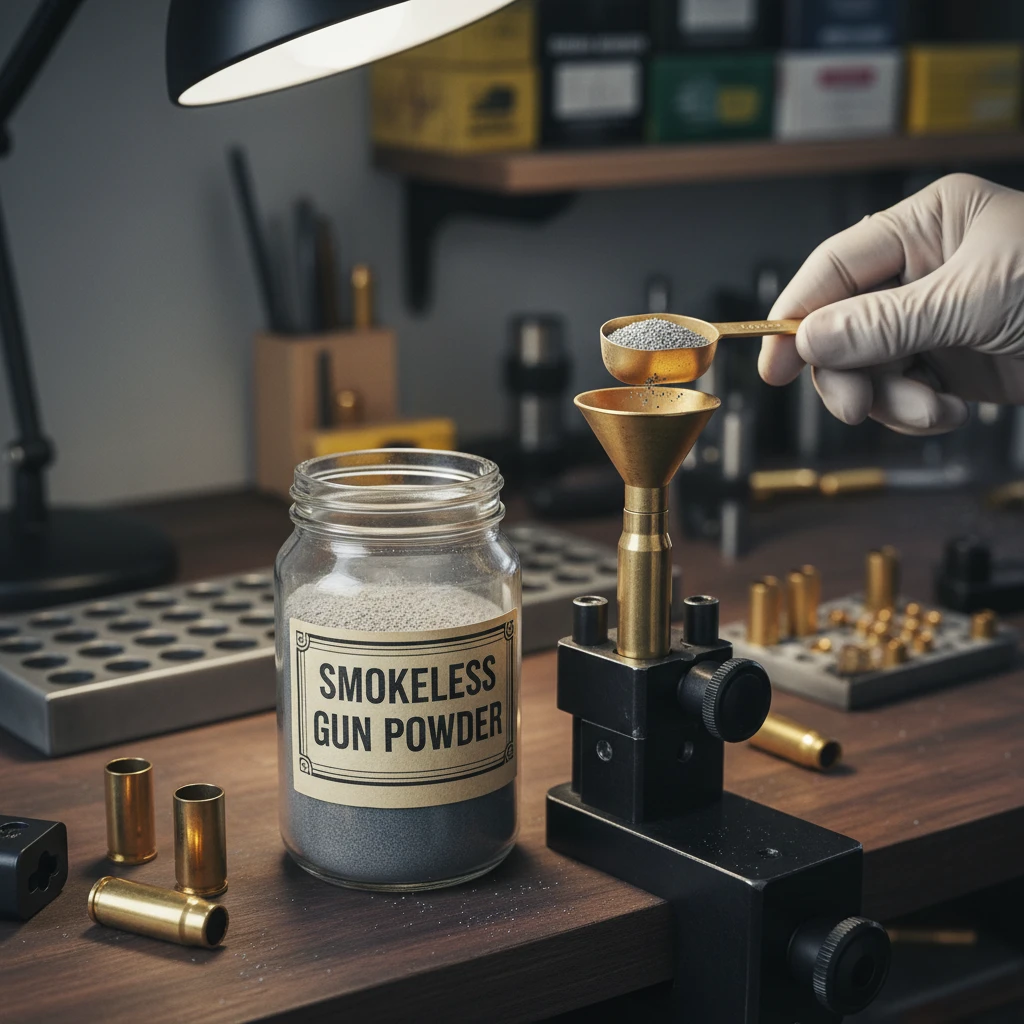
Reloading 101: A Beginner’s Guide to Smokeless Gun Powder
For shooting enthusiasts, mastering the art of reloading offers a pathway to unparalleled precision and cost efficiency. With the right knowledge and equipment, reloaders can craft ammunition tailored to their specific needs and firearms. In this guide, we’ll explore the fundamentals of reloading with smokeless gun powder, a crucial component for achieving consistent performance and accuracy.
From understanding the nuances of smokeless powder types to setting up a functional reloading workspace, we’ll cover the essential steps to get you started on your reloading journey. Whether you’re a seasoned shooter or a beginner, this comprehensive guide provides the information you need to reload safely and effectively, saving money and improving your shooting experience.
Unlock Precision: Why Reloading with Smokeless Gun Powder is Essential in 2026
Cost Savings: Lower your ammunition expenses compared to factory-loaded rounds.
One of the primary drivers for handloading ammunition is the significant cost savings compared to purchasing factory-loaded rounds. While the initial investment in reloading equipment may seem substantial, the long-term savings can be considerable, especially for high-volume shooters. By purchasing components in bulk – smokeless gun powder, primers, bullets, and brass – reloaders can substantially reduce the per-round cost. The cost savings become even more pronounced when reloading for less common or wildcat calibers, where factory ammunition can be exceptionally expensive or even unavailable. The reloader gains independence from market fluctuations, potentially sidestepping price hikes common in factory ammunition during times of high demand. For example, consider a reloader making 9mm ammunition. Factory new 9mm might cost $0.40 per round. Reloading the same round could cost as little as $0.25 per round, using purchased bullets and once-fired brass they collected at the range. Over 1000 rounds, that is a $150 savings.
Customization: Tailor your loads for specific firearms and shooting disciplines.
Reloading offers unmatched control over the performance of your ammunition. Unlike factory loads, which are often designed to function safely in a wide variety of firearms, handloads can be optimized for a specific firearm or shooting discipline. This level of customization allows reloaders to fine-tune factors such as bullet weight, powder charge, and overall cartridge length to achieve optimal accuracy and ballistic performance. For example, a competitive shooter might develop a load that produces minimal recoil for faster follow-up shots, while a hunter might create a load that maximizes energy transfer for ethical and effective game harvesting. Experimentation and careful record-keeping are key to finding the “sweet spot” for a particular firearm. Reloading also allows the use of specific bullets that may not be available in factory loads. By carefully selecting components and adjusting the loading process, reloaders can achieve a level of precision and performance that is simply unattainable with off-the-shelf ammunition.
Component Availability: Adapting to ammunition shortages by sourcing individual components like smokeless gun powder and primers.
Ammunition shortages have become increasingly common, highlighting the importance of reloading as a means of maintaining a reliable supply of ammunition. During periods of scarcity, factory-loaded ammunition can become difficult to find and expensive to purchase. However, reloaders who maintain a stock of components – particularly smokeless gun powder and primers – are better positioned to weather these shortages. By sourcing individual components, reloaders can continue to produce ammunition even when factory-loaded rounds are unavailable. This independence from market fluctuations provides a significant advantage for hunters, sport shooters, and anyone who relies on a consistent supply of ammunition. Staying informed about component availability and stocking up on essential supplies is a prudent strategy for any serious reloader. Remember to follow all local and federal guidelines for storage of smokeless gun powder.
Smokeless Gun Powder 101: Understanding the Basics
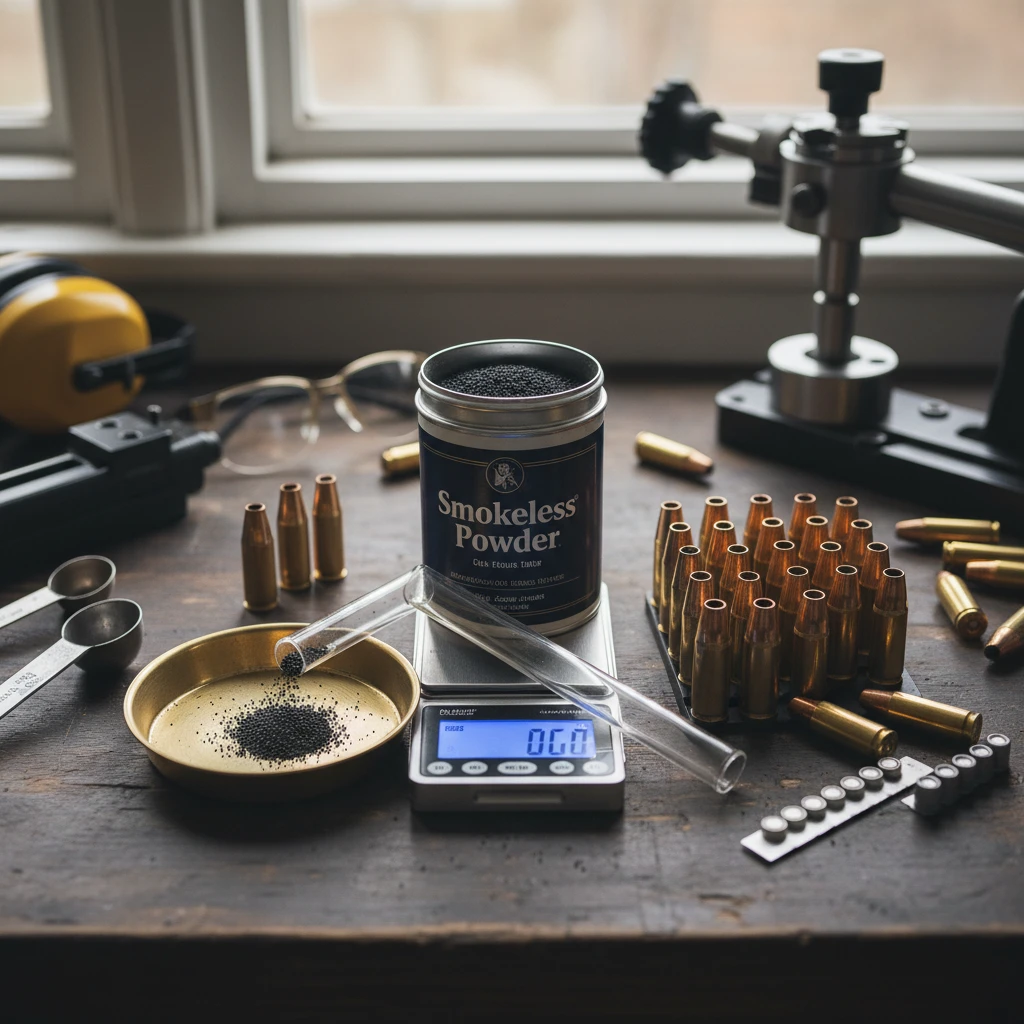
Defining Smokeless Gun Powder: What it is and how it differs from black powder.
Smokeless gun powder is a propellant used in firearms that, unlike black powder, produces significantly less smoke and residue upon combustion. This characteristic is due to its composition, which typically includes nitrocellulose (single-base), or a combination of nitrocellulose and nitroglycerin (double-base). Black powder, on the other hand, is a mixture of sulfur, charcoal, and potassium nitrate. The key difference lies in their burning characteristics. Smokeless powder burns much more efficiently and produces higher velocities with less volume, leading to flatter trajectories and increased accuracy. Black powder generates a large volume of smoke and fouling, which can obscure the shooter’s vision and require frequent cleaning of the firearm. Because of its composition and burn rate, smokeless powder is significantly more energetic than black powder, and a direct volume-for-volume substitution can result in catastrophic firearm failure. Never substitute smokeless powder for black powder, or vice-versa, without consulting reputable reloading data.
Types of Smokeless Powders: Single-base, double-base, and triple-base compositions.
Smokeless powders are classified based on their chemical composition: single-base, double-base, and triple-base. Single-base powders consist primarily of nitrocellulose and are generally considered to be more temperature-stable than double-base powders. Double-base powders contain both nitrocellulose and nitroglycerin, resulting in higher energy content and potentially higher velocities. However, double-base powders can be more sensitive to temperature variations, which can affect their burning rate and pressure. Triple-base powders are less common in small arms ammunition and contain nitrocellulose, nitroglycerin, and nitroguanidine, offering a balance of energy and temperature stability. The choice of powder type depends on the specific cartridge, bullet weight, and desired performance characteristics. Reloading manuals provide specific powder recommendations for various loads, ensuring safe and consistent results. Careful consideration of powder type is crucial for achieving optimal accuracy and preventing overpressure situations. Reloading data resources, like this guide, provide further resources.
Granule Shapes: Flake, ball, and extruded powders and their impact on metering and burning rates.
Smokeless powders are manufactured in various granule shapes, including flake, ball (spherical), and extruded (stick). The shape of the granule significantly impacts its metering characteristics and burning rate. Flake powders are relatively easy to ignite and tend to burn quickly, making them suitable for handgun cartridges and shotshells. Ball powders are known for their excellent metering properties, flowing smoothly through powder measures, making them ideal for progressive reloading presses. Extruded powders, which resemble small cylinders or sticks, offer a more progressive burning rate, making them well-suited for rifle cartridges where a sustained pressure curve is desired. The choice of granule shape depends on the specific application and the desired ballistic characteristics. Powders with smaller granule sizes generally ignite more easily and burn faster than powders with larger granules. Reloaders should select a powder with a granule shape that is appropriate for their cartridge and reloading equipment, ensuring consistent metering and reliable performance. Burning rates can also vary from manufacturer to manufacturer, even within the same granule shape, so always reference published reloading data.
Essential Reloading Equipment: Setting Up Your Workspace
Reloading Press: Single-stage, turret, and progressive presses compared.
The reloading press is the central piece of equipment in any reloading setup. There are three main types of presses: single-stage, turret, and progressive. Single-stage presses perform one operation at a time, requiring the user to manually change dies for each step of the reloading process. This type of press is ideal for beginners due to its simplicity and precise control over each operation. Turret presses have multiple die stations on a rotating turret, allowing the user to perform multiple operations without changing dies. This increases efficiency compared to single-stage presses while still offering a high degree of control. Progressive presses automate much of the reloading process, performing multiple operations with each pull of the handle. These presses are the fastest and most efficient option for high-volume reloaders, but they require a higher level of skill and attention to detail. The choice of press depends on the reloader’s experience level, budget, and desired production volume. For example, a new reloader might start with a single-stage press to learn the fundamentals, while a competitive shooter might invest in a progressive press to produce large quantities of ammunition quickly.
Dies: Choosing the correct dies for your specific cartridge (e.g., for handgun ammo, rifle ammo).
Reloading dies are used to resize the brass case, seat the bullet, and perform other essential operations. Dies are specific to the cartridge being reloaded and must be selected accordingly. Handgun dies typically consist of a resizing die, a belling die (to slightly expand the case mouth for bullet seating), and a bullet seating die. Rifle dies often include a full-length resizing die (to resize the entire case) or a neck sizing die (to resize only the neck of the case), as well as a bullet seating die. Some dies also include a crimping function to secure the bullet in place, particularly important for cartridges used in semi-automatic firearms. When choosing dies, it is essential to select a set that is compatible with the specific cartridge being reloaded. High-quality dies are made from hardened steel and are precisely machined to ensure accurate and consistent results. It is always best to consult a reloading manual or die manufacturer’s guide to determine the correct dies for your application. Furthermore, carbide dies are recommended for handgun ammunition that uses straight-walled cartridges because they reduce the need to lubricate cases during resizing.
Powder Measure: Selecting a reliable powder measure for consistent metering of smokeless gun powder.
A powder measure is used to dispense accurate and consistent charges of smokeless gun powder. There are two main types of powder measures: manual and electronic. Manual powder measures use a rotating drum or cylinder to dispense a pre-set volume of powder. These measures are relatively inexpensive and reliable, but they require manual adjustment and can be prone to slight variations in charge weight. Electronic powder measures use a digital scale and an electronic dispensing system to deliver precise powder charges. These measures are more expensive than manual measures, but they offer greater accuracy and convenience. When selecting a powder measure, it is essential to choose a model that is capable of dispensing consistent charges within the desired tolerance. A good powder measure should also be easy to adjust and clean. Regular calibration of the powder measure is crucial to ensure accurate powder charges. Some reloaders prefer to use a powder trickler to add small amounts of powder to achieve the exact desired charge weight. Always verify the powder charge weight with a reliable scale.
Priming Tool: Ensuring proper primer seating for reliable ignition.
A priming tool is used to seat new primers into the primer pocket of the brass case. Proper primer seating is critical for reliable ignition of the powder charge. There are several types of priming tools available, including hand primers, bench-mounted primers, and priming systems integrated into reloading presses. Hand primers offer excellent feel and control, allowing the reloader to seat primers to the correct depth with confidence. Bench-mounted primers provide a stable platform for seating primers and can be faster than hand primers. Priming systems integrated into reloading presses automate the priming process, further increasing efficiency. When choosing a priming tool, it is important to select a model that is compatible with the size and type of primers being used. Large pistol, small pistol, large rifle, and small rifle primers require different seating depths and may require different shell holders for proper functionality. Ensure that the primers are seated flush with the case head or slightly below to prevent slamfires in semi-automatic firearms. Always wear safety glasses when handling primers, as they can detonate if mishandled.
Step-by-Step Guide: The Reloading Process Using Smokeless Gun Powder
Case Preparation: Cleaning, resizing, and trimming brass cases.
Case preparation is a crucial step in the reloading process, ensuring that the brass cases are clean, properly sized, and within the correct length specifications. The first step is typically cleaning the cases to remove dirt, grime, and residue from previous firings. This can be done using a tumbler with walnut media or a wet tumbler with stainless steel pins. Clean cases are easier to handle and inspect for damage. Next, the cases are resized using a resizing die to ensure that they fit properly in the firearm’s chamber. Full-length resizing is typically used for rifle cases, while neck sizing may be sufficient for bolt-action rifles. Straight-walled handgun cases often require carbide dies to avoid the need for lubrication. After resizing, the cases may need to be trimmed to the correct length using a case trimmer. Overly long cases can cause pressure problems and affect accuracy. Finally, the case mouths should be chamfered and deburred to facilitate bullet seating. Proper case preparation is essential for consistent and accurate reloading. For those using progressive presses, this can often be automated with case feeders and power case prep centers.
Primer Seating: Correctly seating primers (understanding different primer sizes).
Seating primers correctly is vital for reliable ignition. Primers come in different sizes (small pistol, large pistol, small rifle, large rifle) and types (standard, magnum). Using the correct primer size for the cartridge is essential. The primer should be seated firmly and squarely in the primer pocket, flush with the case head or slightly below. If the primer is not seated deep enough, it may not ignite reliably, leading to a “squib load” (a bullet that doesn’t have enough power to exit the barrel). If the primer is seated too deeply, it can be damaged or rendered non-functional. Hand priming tools offer excellent feel for proper seating depth, but bench-mounted and press-mounted priming systems can also provide consistent results. Always inspect each primed case to ensure that the primer is seated correctly. Discard any cases with improperly seated primers. Magnum primers are used for cartridges that require a more powerful ignition source, typically with larger powder charges or in cold weather conditions. Use of a primer that is too “hot” or “cold” can change the pressure curve and cause erratic performance.
Powder Charging: Accurately dispensing smokeless gun powder into the case.
Accurately dispensing the correct charge of smokeless gun powder is one of the most critical steps in the reloading process. Using too little powder can result in a squib load, while using too much powder can lead to dangerous overpressure conditions. Always consult a reputable reloading manual or online reloading data source to determine the recommended powder charge for your specific cartridge, bullet weight, and powder type. Use a reliable powder measure to dispense the powder, and verify the charge weight with a calibrated scale. Double-check each powder charge to ensure consistency. Some reloaders prefer to weigh each charge individually for maximum accuracy, especially when reloading for precision shooting. Avoid distractions while dispensing powder, and never rely on guesswork. If using a progressive press, carefully monitor the powder dispensing system to ensure that it is functioning correctly and dispensing consistent charges. If any doubt exists about the correctness of a powder charge, empty the case and start over.
Bullet Seating: Seating bullets to the correct overall length (COL).
Seating the bullet to the correct overall length (COL) is crucial for achieving consistent accuracy and reliable feeding in the firearm. The COL is the distance from the base of the cartridge to the tip of the bullet. The correct COL for a specific cartridge and bullet can be found in a reloading manual or online reloading data source. Use a bullet seating die to seat the bullet to the specified COL. Adjust the seating die until the desired COL is achieved, and then lock the die in place. A consistent COL ensures that the cartridge chambers correctly and that the bullet engages the rifling in a consistent manner. A COL that is too long can prevent the cartridge from chambering fully, while a COL that is too short can affect pressure and accuracy. For semi-automatic firearms, it is particularly important to ensure that the COL is within the specified range for reliable feeding from the magazine. After seating the bullet, a crimp can be applied to secure the bullet in place, especially for cartridges used in firearms with heavy recoil or those that feed from a magazine. Always double-check the COL of several loaded rounds to ensure consistency.
Unlock Precision: Why Reloading with Smokeless Gun Powder is Essential in 2026
In 2026, reloading ammunition with smokeless gun powder remains a cornerstone for shooters seeking enhanced control over their ammunition’s performance and cost. The ability to craft custom loads tailored to specific firearms and shooting disciplines offers a distinct advantage, making reloading a valuable skill for both novice and experienced shooters.
Cost Savings: Lower your ammunition expenses compared to factory-loaded rounds.
Reloading allows shooters to significantly reduce their ammunition expenses. By purchasing components in bulk and reusing brass cases, the cost per round can be substantially lower than buying factory-loaded ammunition. This cost-effectiveness is particularly beneficial for high-volume shooters and those who engage in frequent practice.
Customization: Tailor your loads for specific firearms and shooting disciplines.
One of the most compelling reasons to reload is the ability to customize ammunition for specific firearms and shooting disciplines. By carefully selecting components and adjusting powder charges, reloaders can optimize ammunition for accuracy, velocity, and recoil. This level of customization is not possible with factory-loaded ammunition, which is typically designed to perform adequately in a wide range of firearms. Whether you’re loading for precision rifle shooting, competitive pistol events, or hunting, reloading allows you to create ammunition that meets your specific needs.
Component Availability: Adapting to ammunition shortages by sourcing individual components like smokeless gun powder and primers.
In times of ammunition shortages, reloading offers a degree of independence from factory-loaded ammunition supplies. By sourcing individual components such as smokeless gun powder, primers, bullets, and brass cases, reloaders can continue to produce ammunition even when factory-loaded options are scarce or unavailable. This self-reliance can be particularly valuable for shooters who rely on specific types of ammunition for competition, hunting, or self-defense.
Smokeless Gun Powder 101: Understanding the Basics
Smokeless gun powder is a propellant used in firearms to generate the high-pressure gas that propels a bullet down the barrel. Unlike black powder, smokeless powder produces significantly less smoke and residue, resulting in cleaner burning and higher velocities.
Defining Smokeless Gun Powder: What it is and how it differs from black powder.
Smokeless gun powder is a nitrocellulose-based propellant that burns much cleaner and more efficiently than black powder. Black powder is a mixture of sulfur, charcoal, and potassium nitrate, which produces a large amount of smoke and fouling when burned. Smokeless powder, on the other hand, produces significantly less smoke and residue, allowing for more shots between cleanings and greater accuracy. Smokeless powder also generates higher velocities compared to black powder, making it suitable for a wider range of firearms and applications.
Types of Smokeless Powders: Single-base, double-base, and triple-base compositions.
Smokeless powders are classified into three main types based on their composition: single-base, double-base, and triple-base. Single-base powders consist primarily of nitrocellulose. Double-base powders contain both nitrocellulose and nitroglycerin, which increases their energy content and velocity potential. Triple-base powders contain nitrocellulose, nitroglycerin, and nitroguanidine, offering even greater energy and reduced muzzle flash. The choice of powder type depends on the specific cartridge, bullet weight, and desired performance characteristics.
Granule Shapes: Flake, ball, and extruded powders and their impact on metering and burning rates.
Smokeless powders come in various granule shapes, including flake, ball (spherical), and extruded (stick). These shapes affect the powder’s metering characteristics and burning rate. Flake powders tend to meter well in powder measures and offer a relatively fast burning rate. Ball powders are known for their excellent metering properties, especially in progressive reloading presses. Extruded powders, with their cylindrical or stick-like shape, typically burn slower than flake or ball powders and are often used in rifle cartridges. The choice of granule shape depends on the specific application and the reloader’s preferences.
Essential Reloading Equipment: Setting Up Your Workspace
To begin reloading ammunition with smokeless gun powder, you will need to set up a dedicated workspace and acquire the necessary equipment.
Reloading Press: Single-stage, turret, and progressive presses compared.
The reloading press is the central piece of equipment in the reloading process. There are three main types of reloading presses: single-stage, turret, and progressive. Single-stage presses perform one operation at a time, making them ideal for beginners and for producing high-precision ammunition. Turret presses have multiple die stations, allowing for faster reloading compared to single-stage presses. Progressive presses automate many of the reloading steps, enabling even faster production rates. The choice of press depends on the reloader’s experience level, budget, and desired production volume.
Dies: Choosing the correct dies for your specific cartridge (e.g., for handgun ammo, rifle ammo).
Dies are used to resize the brass case, seat the bullet, and crimp the cartridge. It is crucial to choose the correct dies for your specific cartridge. Die sets typically consist of a resizing die, a seating die, and a crimping die. Handgun dies often include an expander die to flare the case mouth for easier bullet seating. Rifle dies may include a neck sizing die for partial resizing of the case neck. Always consult the die manufacturer’s instructions for proper setup and adjustment.
Powder Measure: Selecting a reliable powder measure for consistent metering of smokeless gun powder.
A powder measure is used to dispense consistent charges of smokeless gun powder. There are two main types of powder measures: manual and electronic. Manual powder measures use a rotating drum or cylinder to dispense a pre-set volume of powder. Electronic powder measures use a digital scale and dispensing system to precisely weigh each powder charge. The choice of powder measure depends on the desired level of accuracy and convenience. Regardless of the type of powder measure used, it is essential to verify the powder charges with a calibrated scale.
Priming Tool: Ensuring proper primer seating for reliable ignition.
A priming tool is used to seat the primer into the primer pocket of the brass case. Priming tools can be handheld or integrated into the reloading press. Proper primer seating is essential for reliable ignition of the powder charge. The primer should be seated flush with or slightly below the case head. Over-seating or under-seating the primer can lead to misfires or other problems. Some reloaders prefer to use a separate handheld priming tool for greater control over the priming process.
Step-by-Step Guide: The Reloading Process Using Smokeless Gun Powder
Reloading ammunition involves several steps, each of which must be performed carefully and accurately to ensure safe and consistent results.
Case Preparation: Cleaning, resizing, and trimming brass cases.
Case preparation is a crucial step in the reloading process. It involves cleaning the brass cases to remove dirt, grime, and residue from previous firings. Cases can be cleaned using a tumbler with media such as crushed walnut shells or corncob. After cleaning, the cases must be resized to return them to their original dimensions. Resizing is typically done using a resizing die in a reloading press. Cases may also need to be trimmed to the correct length, as they tend to stretch during firing. Trimming ensures consistent case neck tension and proper chambering.
Primer Seating: Correctly seating primers (understanding different primer sizes).
Primer seating involves inserting a new primer into the primer pocket of the brass case. It is important to use the correct size primer for the case. Primers come in different sizes, such as small pistol, large pistol, small rifle, and large rifle. The primer should be seated fully and evenly in the primer pocket, flush with or slightly below the case head. Proper primer seating is essential for reliable ignition of the powder charge. An improperly seated primer can cause misfires or hangfires.
Powder Charging: Accurately dispensing smokeless gun powder into the case.
Bullet Seating: Seating bullets to the correct overall length (COL).
Bullet Seating: Seating bullets to the correct overall length (COL).
Bullet seating involves pressing the bullet into the case mouth to the correct overall length (COL). The COL is the distance from the base of the case to the tip of the bullet. It is important to seat the bullet to the correct COL to ensure proper chambering and function of the ammunition. Bullet seating is typically done using a seating die in a reloading press. The seating die controls the depth to which the bullet is seated in the case. It is also important to apply the correct amount of crimp to the bullet to secure it in the case and prevent it from moving during recoil.
Unlock Precision: Why Reloading with Smokeless Gun Powder is Essential in 2026
In an ever-changing world of shooting sports and ammunition availability, reloading with smokeless gun powder offers significant advantages to shooters seeking cost savings, customization, and adaptability.
Cost Savings: Lower your ammunition expenses compared to factory-loaded rounds.
One of the primary benefits of reloading is the potential for significant cost savings. By purchasing components in bulk and reusing brass cases, reloaders can often produce ammunition at a fraction of the cost of factory-loaded rounds. The initial investment in reloading equipment can be offset over time through reduced ammunition expenses.
Customization: Tailor your loads for specific firearms and shooting disciplines.
Reloading allows shooters to customize their ammunition to meet the specific needs of their firearms and shooting disciplines. By selecting different bullets, powders, and primers, reloaders can fine-tune their loads for optimal accuracy, velocity, and recoil. This level of customization is not possible with factory-loaded ammunition.
Component Availability: Adapting to ammunition shortages by sourcing individual components like smokeless gun powder and primers.
In times of ammunition shortages, reloading provides a way to maintain a supply of ammunition by sourcing individual components. While factory-loaded ammunition may be scarce, reloaders can often find smokeless gun powder, primers, bullets, and brass cases to continue reloading. This independence from factory ammunition supplies can be invaluable during periods of high demand or limited availability.
Smokeless Gun Powder 101: Understanding the Basics
Smokeless gun powder is the heart of modern ammunition. Understanding its properties and types is crucial for safe and effective reloading.
Defining Smokeless Gun Powder: What it is and how it differs from black powder.
Smokeless gun powder is a propellant used in firearms that produces significantly less smoke and residue compared to black powder. Unlike black powder, which is a mixture of sulfur, charcoal, and potassium nitrate, smokeless gun powder is primarily composed of nitrocellulose or a combination of nitrocellulose and nitroglycerin. This composition results in a cleaner-burning and more efficient propellant.
Types of Smokeless Powders: Single-base, double-base, and triple-base compositions.
Smokeless gun powders are classified into three main types based on their composition: single-base, double-base, and triple-base. Single-base powders consist primarily of nitrocellulose. Double-base powders contain both nitrocellulose and nitroglycerin. Triple-base powders add nitroguanidine to the nitrocellulose and nitroglycerin mixture. Each type offers different burning characteristics and is suited for specific applications.
Granule Shapes: Flake, ball, and extruded powders and their impact on metering and burning rates.
Smokeless gun powder comes in various granule shapes, including flake, ball, and extruded (also known as stick) powders. Flake powders are flat and thin, providing a relatively fast burning rate. Ball powders are spherical and offer good metering properties. Extruded powders are cylindrical and can be cut to different lengths to control the burning rate. The shape and size of the granules influence the powder’s metering characteristics and burning rate, which are important factors in achieving consistent and accurate loads.
Essential Reloading Equipment: Setting Up Your Workspace
To begin reloading with smokeless gun powder, you’ll need a few essential pieces of equipment.
Reloading Press: Single-stage, turret, and progressive presses compared.
A reloading press is the central piece of equipment for reloading ammunition. There are three main types of presses: single-stage, turret, and progressive. Single-stage presses perform one operation at a time, making them ideal for beginners and for producing highly accurate ammunition. Turret presses have multiple stations for different dies, allowing for faster reloading compared to single-stage presses. Progressive presses automate many of the reloading steps, allowing for the fastest reloading speeds. The choice of press depends on the reloader’s experience level, budget, and desired production volume.
Dies: Choosing the correct dies for your specific cartridge (e.g., for handgun ammo, rifle ammo).
Dies are used in the reloading press to resize the brass case, seat the bullet, and apply a crimp. Each cartridge requires a specific set of dies designed for its dimensions. Handgun dies typically include a resizing die, a case mouth expanding die, a bullet seating die, and a crimping die. Rifle dies may include a full-length resizing die or a neck sizing die, as well as a bullet seating die and a crimping die. It is important to choose the correct dies for the specific cartridge being reloaded.
Powder Measure: Selecting a reliable powder measure for consistent metering of smokeless gun powder.
A powder measure is used to dispense smokeless gun powder into the brass case. Powder measures can be manual or automatic. Manual powder measures use a rotating drum or cylinder to dispense a measured volume of powder. Automatic powder measures use an electronic scale and dispensing system to precisely weigh each powder charge. The choice of powder measure depends on the desired level of accuracy and convenience. Regardless of the type of powder measure used, it is essential to verify the powder charges with a calibrated scale.
Priming Tool: Ensuring proper primer seating for reliable ignition.
A priming tool is used to seat the primer into the primer pocket of the brass case. Priming tools can be handheld or integrated into the reloading press. Proper primer seating is essential for reliable ignition of the powder charge. The primer should be seated flush with or slightly below the case head. Over-seating or under-seating the primer can lead to misfires or other problems. Some reloaders prefer to use a separate handheld priming tool for greater control over the priming process.
Step-by-Step Guide: The Reloading Process Using Smokeless Gun Powder
Reloading ammunition involves several steps, each of which must be performed carefully and accurately to ensure safe and consistent results.
Case Preparation: Cleaning, resizing, and trimming brass cases.
Case preparation is a crucial step in the reloading process. It involves cleaning the brass cases to remove dirt, grime, and residue from previous firings. Cases can be cleaned using a tumbler with media such as crushed walnut shells or corncob. After cleaning, the cases must be resized to return them to their original dimensions. Resizing is typically done using a resizing die in a reloading press. Cases may also need to be trimmed to the correct length, as they tend to stretch during firing. Trimming ensures consistent case neck tension and proper chambering.
Primer Seating: Correctly seating primers (understanding different primer sizes).
Primer seating involves inserting a new primer into the primer pocket of the brass case. It is important to use the correct size primer for the case. Primers come in different sizes, such as small pistol, large pistol, small rifle, and large rifle. The primer should be seated fully and evenly in the primer pocket, flush with or slightly below the case head. Proper primer seating is essential for reliable ignition of the powder charge. An improperly seated primer can cause misfires or hangfires.
Powder Charging: Accurately dispensing smokeless gun powder into the case.
Powder charging involves dispensing a measured amount of smokeless gun powder into the brass case. It is crucial to use the correct powder charge for the specific cartridge and bullet combination. Reloading manuals provide recommended powder charges for various loads. The powder charge should be measured accurately using a powder measure and verified with a calibrated scale. Overcharging or undercharging can be dangerous and can affect the performance of the ammunition. It’s also important to ensure you use the correct powder for your loading. Using the wrong type of powder can have catastrophic results.
Bullet Seating: Seating bullets to the correct overall length (COL).
Bullet seating involves pressing the bullet into the case mouth to the correct overall length (COL). The COL is the distance from the base of the case to the tip of the bullet. It is important to seat the bullet to the correct COL to ensure proper chambering and function of the ammunition. Bullet seating is typically done using a seating die in a reloading press. The seating die controls the depth to which the bullet is seated in the case. It is also important to apply the correct amount of crimp to the bullet to secure it in the case and prevent it from moving during recoil.
Unlock Precision: Why Reloading with Smokeless Gun Powder is Essential in 2026
Cost Savings: Lower your ammunition expenses compared to factory-loaded rounds.
Reloading ammunition with smokeless gun powder can significantly reduce ammunition costs. Factory-loaded ammunition can be expensive, especially for high-volume shooters or those who shoot less common calibers. By reloading, you can purchase components in bulk and create ammunition at a fraction of the cost of factory loads. Over time, the savings can be substantial, making reloading a cost-effective option for avid shooters.
Customization: Tailor your loads for specific firearms and shooting disciplines.
Reloading allows for customization of ammunition to suit specific firearms and shooting disciplines. You can fine-tune the load to optimize accuracy, velocity, and recoil for a particular firearm. This is especially beneficial for competitive shooters, hunters, and those who want to achieve the best possible performance from their firearms. Reloading also allows you to experiment with different bullet types, powder charges, and seating depths to find the optimal load for your needs.
Component Availability: Adapting to ammunition shortages by sourcing individual components like smokeless gun powder and primers.
In times of ammunition shortages, reloading offers a way to continue shooting by sourcing individual components. When factory-loaded ammunition is scarce or unavailable, reloaders can still create ammunition by purchasing primers, bullets, powder, and brass cases separately. This provides a degree of independence from market fluctuations and ensures a reliable supply of ammunition, provided the components are available.
Smokeless Gun Powder 101: Understanding the Basics
Defining Smokeless Gun Powder: What it is and how it differs from black powder.
Smokeless gun powder is a propellant used in firearms that produces significantly less smoke and residue compared to black powder. Unlike black powder, which is a mixture of sulfur, charcoal, and potassium nitrate, smokeless gun powder is primarily composed of nitrocellulose, often with nitroglycerin or other additives. This composition results in a cleaner-burning and more energetic propellant.
Types of Smokeless Powders: Single-base, double-base, and triple-base compositions.
Smokeless powders are categorized into three main types based on their composition: single-base, double-base, and triple-base. Single-base powders consist primarily of nitrocellulose. Double-base powders contain both nitrocellulose and nitroglycerin, offering higher energy. Triple-base powders include nitrocellulose, nitroglycerin, and nitroguanidine, providing even greater energy and reduced muzzle flash. The choice of powder depends on the specific cartridge and desired performance characteristics.
Granule Shapes: Flake, ball, and extruded powders and their impact on metering and burning rates.
Smokeless powders come in various granule shapes, including flake, ball, and extruded (also known as stick). Flake powders are flat and thin, offering consistent burning rates. Ball powders are spherical, allowing for easy metering through powder measures. Extruded powders are cylindrical and provide a progressive burning rate, often preferred for rifle cartridges. The shape of the powder influences its metering characteristics and burning rate, which affects the ammunition’s performance.
Essential Reloading Equipment: Setting Up Your Workspace
Reloading Press: Single-stage, turret, and progressive presses compared.
A reloading press is the central piece of equipment for reloading ammunition. There are three main types of presses: single-stage, turret, and progressive. Single-stage presses perform one operation at a time, offering precision and control, ideal for beginners. Turret presses have multiple stations for different dies, allowing for faster reloading compared to single-stage presses. Progressive presses automate many of the reloading steps, producing ammunition at a high rate, suitable for experienced reloaders.
Dies: Choosing the correct dies for your specific cartridge (e.g., for handgun ammo, rifle ammo).
Dies are used to resize, deprime, and seat bullets in the reloading process. Different dies are required for different cartridges. Handgun dies typically consist of a resizing/depriming die, an expanding die, and a bullet seating/crimping die. Rifle dies usually include a resizing/depriming die, a neck sizing die (optional), and a bullet seating die. Selecting the correct dies for your specific cartridge is essential for producing accurate and reliable ammunition.
Powder Measure: Selecting a reliable powder measure for consistent metering of smokeless gun powder.
A powder measure is used to dispense accurate amounts of smokeless gun powder. There are two main types of powder measures: manual and electronic. Manual powder measures use a rotating drum or cylinder to dispense powder, while electronic powder measures use a digital scale to weigh each charge. A reliable powder measure is crucial for consistent metering of powder, ensuring consistent performance and safety.
Priming Tool: Ensuring proper primer seating for reliable ignition.
A priming tool is used to seat primers into the primer pocket of the brass case. Priming tools can be hand-held or integrated into the reloading press. It is important to use a priming tool that provides consistent and even primer seating. Proper primer seating is essential for reliable ignition of the powder charge, preventing misfires and ensuring safe operation.
Step-by-Step Guide: The Reloading Process Using Smokeless Gun Powder
Case Preparation: Cleaning, resizing, and trimming brass cases.
Case preparation is the first step in the reloading process. It involves cleaning the brass cases to remove dirt, grime, and residue from previous firings. Cases can be cleaned using a tumbler with media such as crushed walnut shells or corncob. After cleaning, the cases must be resized to return them to their original dimensions. Resizing is typically done using a resizing die in a reloading press. Cases may also need to be trimmed to the correct length, as they tend to stretch during firing. Trimming ensures consistent case neck tension and proper chambering.
Primer Seating: Correctly seating primers (understanding different primer sizes).
Primer seating involves inserting a new primer into the primer pocket of the brass case. It is important to use the correct size primer for the case. Primers come in different sizes, such as small pistol, large pistol, small rifle, and large rifle. The primer should be seated fully and evenly in the primer pocket, flush with or slightly below the case head. Proper primer seating is essential for reliable ignition of the powder charge. An improperly seated primer can cause misfires or hangfires.
Powder Charging: Accurately dispensing smokeless gun powder into the case.
Powder charging involves dispensing a measured amount of smokeless gun powder into the brass case. It is crucial to use the correct powder charge for the specific cartridge and bullet combination. Reloading manuals provide recommended powder charges for various loads. The powder charge should be measured accurately using a powder measure and verified with a calibrated scale. Overcharging or undercharging can be dangerous and can affect the performance of the ammunition. It’s also important to ensure you use the correct powder for your loading. Using the wrong type of powder can have catastrophic results.
Bullet Seating: Seating bullets to the correct overall length (COL).
Bullet seating involves pressing the bullet into the case mouth to the correct overall length (COL). The COL is the distance from the base of the case to the tip of the bullet. It is important to seat the bullet to the correct COL to ensure proper chambering and function of the ammunition. Bullet seating is typically done using a seating die in a reloading press. The seating die controls the depth to which the bullet is seated in the case. It is also important to apply the correct amount of crimp to the bullet to secure it in the case and prevent it from moving during recoil.
Unlock Precision: Why Reloading with Smokeless Gun Powder is Essential in 2026
Cost Savings: Lower your ammunition expenses compared to factory-loaded rounds.
One of the primary benefits of reloading with smokeless gun powder is the potential for significant cost savings. Factory-loaded ammunition can be expensive, especially for frequent shooters. By purchasing components in bulk and reloading your own ammunition, you can substantially reduce your per-round cost. This allows you to shoot more often without breaking the bank.
Customization: Tailor your loads for specific firearms and shooting disciplines.
Reloading with smokeless gun powder offers unparalleled customization options. You can tailor your loads to match the specific characteristics of your firearms and the requirements of different shooting disciplines. Whether you’re looking for maximum accuracy in target shooting or optimal performance in hunting, reloading allows you to fine-tune your ammunition to achieve your desired results. This level of control is simply not possible with factory-loaded ammunition.
Component Availability: Adapting to ammunition shortages by sourcing individual components like smokeless gun powder and primers.
In times of ammunition shortages, reloading with smokeless gun powder can be a lifeline. When factory-loaded ammunition is scarce, you can still source individual components like smokeless gun powder, primers, bullets, and brass cases. This allows you to continue shooting and practicing, even when ammunition is difficult to find. Reloading provides a degree of self-sufficiency and independence from market fluctuations.
Smokeless Gun Powder 101: Understanding the Basics
Defining Smokeless Gun Powder: What it is and how it differs from black powder.
Smokeless gun powder is a propellant used in firearms that produces significantly less smoke and residue compared to black powder. Unlike black powder, which is a mechanical mixture of sulfur, charcoal, and potassium nitrate, smokeless gun powder is a chemical compound primarily composed of nitrocellulose. This composition results in a cleaner-burning and more efficient propellant. Smokeless powder also provides a higher energy yield, allowing for smaller powder charges to achieve similar or greater velocities compared to black powder.
Types of Smokeless Powders: Single-base, double-base, and triple-base compositions.
Smokeless powders are classified into three main types based on their composition: single-base, double-base, and triple-base. Single-base powders consist primarily of nitrocellulose. Double-base powders contain both nitrocellulose and nitroglycerin, which increases the energy content. Triple-base powders include nitrocellulose, nitroglycerin, and nitroguanidine. The addition of nitroguanidine reduces flame temperature and muzzle flash. The type of powder used will be dictated by the cartridge being reloaded and the desired ballistic performance.
Granule Shapes: Flake, ball, and extruded powders and their impact on metering and burning rates.
Smokeless gun powders come in various granule shapes, including flake, ball (spherical), and extruded (cylindrical or stick). Flake powders are flat and thin, providing a relatively fast burning rate. Ball powders are spherical and offer consistent metering. Extruded powders are cylindrical and can be cut to different lengths to control the burning rate. The shape of the powder granule affects its burning rate and metering characteristics, influencing the overall performance of the ammunition. Powder shape also affects how efficiently a powder measure dispenses the powder. Ball powders typically meter the best, while extruded powders can sometimes be cut, leading to inconsistent powder charges.
Essential Reloading Equipment: Setting Up Your Workspace
Reloading Press: Single-stage, turret, and progressive presses compared.
A reloading press is the central piece of equipment for reloading ammunition. There are three main types of presses: single-stage, turret, and progressive. Single-stage presses perform one operation at a time, offering precise control and are ideal for beginners or those seeking maximum accuracy. Turret presses have multiple die stations, allowing you to perform several operations without changing dies. Progressive presses automate the reloading process, performing multiple operations with each pull of the handle, making them suitable for high-volume reloading. Each type of press has its advantages and disadvantages, and the best choice depends on your reloading needs and budget.
Dies: Choosing the correct dies for your specific cartridge (e.g., for handgun ammo, rifle ammo).
Dies are used to shape and resize the brass case, seat the bullet, and apply a crimp. It is crucial to select the correct dies for the specific cartridge you are reloading. Dies are typically sold in sets consisting of a resizing die, an expander die (for some cartridges), and a bullet seating die. Handgun ammo dies often include a crimping function in the bullet seating die, while rifle ammo dies may require a separate crimping die. Ensure the dies are compatible with your reloading press and the cartridge you intend to reload.
Powder Measure: Selecting a reliable powder measure for consistent metering of smokeless gun powder.
A powder measure is used to dispense accurate and consistent charges of smokeless gun powder. There are two main types of powder measures: manual and automatic. Manual powder measures use a hand-operated drum or cylinder to dispense the powder, while automatic powder measures use an electric motor to dispense the powder. It is important to select a reliable powder measure that provides consistent metering and accurate powder charges. Consider factors such as the type of powder you will be using, the range of powder charges you need to dispense, and the ease of adjustment and calibration.
Priming Tool: Ensuring proper primer seating for reliable ignition.
A priming tool is used to seat primers into the primer pocket of the brass case. Priming tools can be handheld or integrated into the reloading press. Handheld priming tools offer greater sensitivity and control, while press-mounted priming tools streamline the reloading process. Ensure the priming tool is compatible with the size and type of primers you will be using. Proper primer seating is essential for reliable ignition of the powder charge and consistent performance of the ammunition.
Step-by-Step Guide: The Reloading Process Using Smokeless Gun Powder
Case Preparation: Cleaning, resizing, and trimming brass cases.
Case preparation is the first step in the reloading process. It involves cleaning the brass cases to remove dirt, grime, and residue from previous firings. Cases can be cleaned using a tumbler with media such as crushed walnut shells or corncob. After cleaning, the cases must be resized to return them to their original dimensions. Resizing is typically done using a resizing die in a reloading press. Cases may also need to be trimmed to the correct length, as they tend to stretch during firing. Trimming ensures consistent case neck tension and proper chambering.
Primer Seating: Correctly seating primers (understanding different primer sizes).
Primer seating involves inserting a new primer into the primer pocket of the brass case. It is important to use the correct size primer for the case. Primers come in different sizes, such as small pistol, large pistol, small rifle, and large rifle. The primer should be seated fully and evenly in the primer pocket, flush with or slightly below the case head. Proper primer seating is essential for reliable ignition of the powder charge. An improperly seated primer can cause misfires or hangfires.
Powder Charging: Accurately dispensing smokeless gun powder into the case.
Powder charging involves dispensing a measured amount of smokeless gun powder into the brass case. It is crucial to use the correct powder charge for the specific cartridge and bullet combination. Reloading manuals provide recommended powder charges for various loads. The powder charge should be measured accurately using a powder measure and verified with a calibrated scale. Overcharging or undercharging can be dangerous and can affect the performance of the ammunition. It’s also important to ensure you use the correct powder for your loading. Using the wrong type of powder can have catastrophic results.
Bullet Seating: Seating bullets to the correct overall length (COL).
Bullet seating involves pressing the bullet into the case mouth to the correct overall length (COL). The COL is the distance from the base of the case to the tip of the bullet. It is important to seat the bullet to the correct COL to ensure proper chambering and function of the ammunition. Bullet seating is typically done using a seating die in a reloading press. The seating die controls the depth to which the bullet is seated in the case. It is also important to apply the correct amount of crimp to the bullet to secure it in the case and prevent it from moving during recoil.
Choosing the Right Smokeless Gun Powder: A Comprehensive Guide
Caliber Compatibility: Selecting powders designed for specific calibers (e.g., for shotgun ammo, rimfire ammo).
Choosing the correct smokeless gun powder starts with understanding caliber compatibility. Different calibers require powders with specific burning characteristics to achieve optimal performance and safety. For example, small handgun calibers like .380 ACP generally need faster-burning powders to ensure complete combustion within their short barrels. Rifle calibers, especially larger ones like .308 Winchester, often require slower-burning powders to generate consistent velocity over a longer barrel length. Shotgun ammo uses yet another range of powders, optimized for the specific payload and gauge.
Rimfire ammo, particularly .22 LR, typically uses proprietary powder blends that are difficult for reloaders to replicate. While some reloaders experiment with specialized rimfire reloading tools, it’s generally not recommended for beginners. Incorrect powder selection can lead to squib loads (where the bullet doesn’t exit the barrel), excessive pressure, or poor accuracy. Reloading manuals provide detailed powder recommendations for each caliber and bullet weight, and these should be followed meticulously.
Actionable Step: Consult multiple reloading manuals (such as those from Hodgdon, Accurate, or Alliant) to cross-reference powder recommendations for your specific caliber and bullet weight. Note any discrepancies and research them further before making a decision. Consider the type of firearm you are reloading for; a semi-automatic pistol may function best with a different powder than a bolt-action rifle, even for the same caliber.
Burning Rate Considerations: Matching powder burning rate to bullet weight and barrel length.
The burning rate of smokeless gun powder is a crucial factor in achieving consistent and safe results. Faster-burning powders generate pressure more rapidly, which is suitable for light bullets and shorter barrels. Slower-burning powders build pressure more gradually, ideal for heavier bullets and longer barrels. Mismatching the burning rate can lead to problems. Using a powder that’s too fast with a heavy bullet can create dangerous overpressure, while using a powder that’s too slow with a light bullet might result in incomplete combustion and poor velocity.
Powder manufacturers provide burning rate charts that rank powders from fastest to slowest. These charts are helpful for comparing different powders and understanding their relative burning speeds. However, it’s essential to remember that these charts are relative and should not be used as the sole basis for powder selection. The ideal burning rate also depends on the cartridge’s case capacity and the desired velocity.
Example: Imagine reloading .223 Remington for an AR-15 with a 16-inch barrel. For light 55-grain bullets, a medium-burning powder like Hodgdon Varget might be suitable. For heavier 77-grain bullets, a slightly slower-burning powder like IMR 4895 could deliver better results and potentially higher velocities without exceeding pressure limits. Always start with the minimum recommended load and work up gradually, carefully monitoring for pressure signs.
Environmental Factors: How temperature and humidity affect smokeless gun powder performance.
Smokeless gun powder is sensitive to environmental conditions, particularly temperature and humidity. Temperature variations can significantly affect the burning rate and pressure generated by the powder. Higher temperatures generally increase the burning rate, leading to higher pressures and velocities. Conversely, lower temperatures can decrease the burning rate, resulting in lower pressures and velocities. This is especially important to consider if you reload in a different environment than where you shoot, as the powder’s performance can change.
Humidity can also affect smokeless gun powder, though typically to a lesser extent than temperature. Excessive humidity can cause the powder to absorb moisture, which can degrade its performance and reduce its shelf life. To mitigate these effects, it’s crucial to store smokeless gun powder in a cool, dry place and to monitor its condition regularly. Some reloaders adjust their loads based on ambient temperature to maintain consistent performance.
Actionable Step: Keep a log of your reloading data, including the ambient temperature and humidity. This will help you identify any correlations between environmental conditions and your loads’ performance. If you notice significant variations, consider adjusting your loads accordingly, especially when shooting in extreme temperatures. Research temperature-stable powders if environmental consistency is critical for your application. Some powders are specifically formulated to minimize temperature sensitivity.
Consulting Reloading Manuals: Why reputable sources are critical for safe data.
Reloading manuals are the cornerstone of safe and accurate reloading. These manuals provide tested load data for various calibers, bullet weights, and powders. Reputable reloading manuals, such as those published by powder manufacturers like Hodgdon, IMR, Alliant, and Accurate, as well as bullet manufacturers like Sierra and Hornady, conduct extensive testing to determine safe and accurate load ranges. They list starting loads, maximum loads, and the expected velocities and pressures for each load. Always start with the minimum recommended load and work up gradually, carefully monitoring for pressure signs.
It is crucial to use load data from reputable sources and to avoid relying on internet forums or unverified information. Load data found online may be inaccurate or unsafe, and using such data can lead to serious injury or damage to your firearm. Reloading manuals are developed under controlled conditions with calibrated testing equipment to ensure the data is as accurate and reliable as possible. Furthermore, different editions of reloading manuals may contain updated data, so it’s best to use the most recent edition available. Never substitute components without consulting a reloading manual, as even seemingly minor changes can affect pressure and velocity.
Actionable Step: Invest in at least two or three different reloading manuals from reputable manufacturers. Compare the load data for your specific caliber, bullet weight, and powder. Note any discrepancies and research them further. If you’re unsure about any aspect of the load data, consult with an experienced reloader or contact the powder manufacturer for guidance. Also see our own article on reloading data for more insights.
Safety First: Handling Smokeless Gun Powder Responsibly
Storage Guidelines: Proper storage methods to prevent degradation and hazards.
Proper storage of smokeless gun powder is paramount for safety and maintaining its quality. Store powder in a cool, dry, and well-ventilated area, away from heat sources, open flames, and direct sunlight. Ideally, the storage temperature should remain below 70°F (21°C) to prevent degradation. Humidity should also be controlled to prevent moisture absorption. A dehumidifier can be used in areas with high humidity. Never store smokeless gun powder in the same location as primers or loaded ammunition.
Use the original containers provided by the manufacturer, as these are specifically designed to vent pressure in the event of a fire. Do not transfer powder to other containers, especially those made of plastic or glass, as these may generate static electricity or shatter if exposed to heat. Store powder in a locked cabinet or storage box to prevent unauthorized access, especially by children. Limit the amount of powder stored to the minimum necessary for your reloading needs to reduce the potential hazard in case of an accident. For a more detailed guide, see our related article on smokeless gun powder storage.
Actionable Step: Conduct a monthly inspection of your powder storage area. Check for signs of leaks, damage, or degradation. Ensure the temperature and humidity are within acceptable ranges. Rotate your stock, using older powder first. Keep an inventory of the powders you have on hand and their expiration dates. Consider using a fire-resistant storage cabinet specifically designed for storing ammunition and reloading components.
Handling Precautions: Avoiding static electricity and open flames.
When handling smokeless gun powder, take precautions to minimize the risk of ignition. Static electricity is a significant hazard, so avoid wearing synthetic clothing or working on carpets, as these can generate static charges. Ground yourself by touching a grounded metal object before handling powder. Use a powder measure made of antistatic material. Work in a well-ventilated area to prevent the accumulation of powder fumes. Never smoke or use open flames near smokeless gun powder. A single spark can ignite the powder, causing a fire or explosion.
Clean up any spilled powder immediately with a damp cloth or vacuum cleaner equipped with a HEPA filter. Do not sweep up spilled powder, as this can create static electricity. Dispose of the cleaning materials properly in a fireproof container. Avoid using electronic devices near smokeless gun powder, as these can emit electromagnetic radiation that could potentially ignite the powder. Handle powder carefully and avoid dropping or spilling it. Use a funnel to pour powder into cases to minimize spillage.
Actionable Step: Establish a dedicated reloading area free from potential ignition sources. Install a static-dissipative mat on your workbench. Wear cotton clothing and avoid wearing shoes with rubber soles. Use a grounding strap to discharge static electricity. Regularly inspect your reloading equipment for any signs of damage or wear. Ensure that your powder measure is properly grounded. Keep a fire extinguisher nearby specifically designed for Class B fires (flammable liquids).
Disposal Procedures: Safe disposal of unwanted or deteriorated smokeless gun powder.
Proper disposal of unwanted or deteriorated smokeless gun powder is essential to prevent accidents and environmental contamination. Never dispose of powder by burning it in an open fire or pouring it down the drain. The safest method is to contact your local law enforcement agency or fire department for guidance. They may have specific disposal procedures or be able to direct you to a hazardous waste disposal facility. Small quantities of powder can be rendered inert by soaking it in water for several days. Add a small amount of dish soap to help the water penetrate the powder granules.
After soaking, spread the wet powder on a non-flammable surface to dry completely. Once dry, the inert powder can be disposed of in the regular trash. However, it’s still advisable to check with your local waste management authority for any specific regulations. For large quantities of powder, it’s best to consult with a hazardous waste disposal professional. They can ensure that the powder is disposed of safely and in compliance with all applicable regulations. Do not mix smokeless gun powder with other chemicals or hazardous materials.
Actionable Step: Keep a record of the powders you have disposed of, including the quantity and disposal method. Contact your local law enforcement agency or fire department to inquire about their preferred disposal procedures. If soaking the powder in water, use a secure container and keep it out of reach of children and pets. Before disposing of the inert powder in the trash, double-check with your local waste management authority to ensure it’s permitted.
Understanding MSDS: Reading and understanding Material Safety Data Sheets.
A Material Safety Data Sheet (MSDS), now often referred to as a Safety Data Sheet (SDS), provides detailed information about the properties of a substance, including its hazards, safe handling procedures, and emergency measures. It is crucial to read and understand the MSDS for every type of smokeless gun powder you use. The MSDS contains information about the powder’s flammability, explosivity, toxicity, and potential health effects. It also provides guidance on proper storage, handling, and disposal procedures. The MSDS will list the appropriate personal protective equipment (PPE) to wear when handling the powder, such as gloves and eye protection.
The MSDS also includes information about first aid measures in case of accidental exposure, such as inhalation, ingestion, or skin contact. In the event of a fire or explosion, the MSDS provides guidance on appropriate firefighting techniques and extinguishing agents. You can usually obtain the MSDS for a specific smokeless gun powder from the manufacturer’s website or by contacting their customer service department. Keep a copy of the MSDS readily available in your reloading area. Familiarize yourself with the key information on the MSDS, such as the hazard warnings, safety precautions, and emergency procedures.
Actionable Step: Download the MSDS for each type of smokeless gun powder you use from the manufacturer’s website. Print out the MSDS and keep it in a binder in your reloading area. Review the MSDS regularly to refresh your knowledge of the powder’s hazards and safety precautions. Pay particular attention to the sections on flammability, explosivity, health effects, and emergency procedures. Share the MSDS with anyone who uses your reloading equipment or handles your smokeless gun powder. Consider posting key information from the MSDS in a prominent location in your reloading area.
Troubleshooting Reloading Issues: Common Problems and Solutions
Inconsistent Loads: Identifying causes of powder measure variations.
Inconsistent loads are a common problem in reloading, leading to variations in velocity and accuracy. The primary culprit is often the powder measure. Variations in powder density, humidity, and technique can all affect the consistency of the powder thrown by the measure. Check the powder measure for proper calibration and ensure it is dispensing the correct weight of powder. Use a powder scale to verify the weight of each charge. A digital scale can offer greater precision compared to a beam scale. Another potential issue is bridging, where the powder clogs the hopper of the powder measure. This is more common with certain types of powder, particularly extruded powders.
Static electricity can also affect the consistency of powder throws, especially in dry environments. Grounding your powder measure and using an antistatic brush to clean the hopper can help to reduce static buildup. The technique used to operate the powder measure can also contribute to variations. Ensure that you are using a consistent and smooth motion when dispensing powder. Avoid jarring the powder measure, as this can cause variations in the powder charge. Regularly clean your powder measure to remove any residue or buildup that could affect its performance. Pay attention to ambient temperature, as this can also impact the consistency of powder measures.
Actionable Step: Verify the accuracy of your powder measure using a calibrated powder scale. Check the powder measure for any signs of damage or wear. Clean the powder measure regularly with an antistatic brush. Use a consistent and smooth motion when dispensing powder. Ground your powder measure to reduce static electricity. Monitor ambient temperature and humidity. Experiment with different powder types to find one that meters consistently in your powder measure.
Pressure Signs: Recognizing signs of overpressure and how to avoid them.
Recognizing pressure signs is crucial for safe reloading. Overpressure can damage your firearm and cause serious injury. Common signs of overpressure include flattened or cratered primers, difficulty extracting spent cases, excessive recoil, and bulged or split cases. Flattened primers occur when the pressure is so high that the primer flattens out against the bolt face. Cratered primers have a raised ring around the firing pin indentation. Difficulty extracting spent cases indicates that the case has expanded too much in the chamber due to excessive pressure.
Excessive recoil is a subjective sign, but if you notice a significant increase in recoil compared to your normal loads, it could be a sign of overpressure. Bulged or split cases are a clear indication of excessive pressure. To avoid overpressure, always start with the minimum recommended load in your reloading manual and work up gradually, carefully monitoring for pressure signs. Never exceed the maximum recommended load. Ensure that you are using the correct components for your load, including the correct powder, bullet, and primer. Check your reloading equipment regularly for any signs of damage or wear. Pay close attention to the overall length of your cartridges, as this can affect pressure.
Actionable Step: Carefully inspect your fired cases for signs of overpressure, such as flattened or cratered primers, difficulty extracting spent cases, excessive recoil, and bulged or split cases. Compare your fired cases to known examples of overpressure signs. Reduce your load if you observe any signs of overpressure. Double-check your reloading data to ensure that you are using the correct components and load data. Consider investing in a chronograph to measure the velocity of your loads, as this can provide an early warning of overpressure.
Primer Problems: Addressing issues with primer seating and ignition.
Primer problems can cause misfires, squib loads, and inconsistent ignition. Common issues include primers that are not seated properly, contaminated primers, and incorrect primer selection. Primers must be seated fully and uniformly in the primer pocket to ensure reliable ignition. If the primer is not seated deeply enough, it may not ignite when struck by the firing pin. If the primer is seated too deeply, it may be crushed or damaged, leading to a misfire. Use a quality primer seating tool to ensure that primers are seated correctly.
Contaminated primers can also cause ignition problems. Avoid touching the primer with your bare hands, as oils and contaminants from your skin can affect its performance. Store primers in a dry environment to prevent moisture absorption. Using the incorrect primer for your load can also lead to ignition problems. Reloading manuals specify the appropriate primer type for each load. Some powders require magnum primers for reliable ignition, especially in cold weather or with large-capacity cases.
Actionable Step: Inspect your primers for any signs of damage or contamination. Use a quality primer seating tool to ensure that primers are seated fully and uniformly in the primer pocket. Avoid touching the primer with your bare hands. Store primers in a dry environment. Consult your reloading manual to ensure that you are using the correct primer type for your load. Discard any primers that are damaged or contaminated.
Bullet Seating Depth Issues
Bullet seating depth is a critical factor in reloading, affecting pressure, velocity, and accuracy. If bullets are seated too deeply, they can increase pressure dramatically, potentially leading to dangerous overpressure situations. Conversely, if bullets are seated too shallowly, they may not have sufficient neck tension to hold them securely in place, which can affect accuracy and consistency. Always consult your reloading manual for the recommended seating depth for your bullet and cartridge combination. Use a caliper to measure the overall length (OAL) of your loaded cartridges to ensure they are within the specified range.
Variations in bullet seating depth can also be caused by inconsistencies in the bullet seating die or the press itself. Check your seating die for proper adjustment and ensure that it is not damaged or worn. Clean the seating die regularly to remove any bullet lube or residue that could affect its performance. The type of bullet being used can also influence seating depth. Bullets with a longer bearing surface may require a slightly shorter seating depth to achieve the desired OAL. If using different bullet types within the same caliber, be sure to adjust seating depth accordingly and always verify the OAL.
Actionable Step: Consult your reloading manual for the recommended seating depth for your bullet and cartridge combination. Use a caliper to measure the overall length (OAL) of your loaded cartridges. Inspect your seating die for proper adjustment and cleanliness. Adjust seating depth accordingly if using different bullet types. If you experience excessive pressure or accuracy issues, experiment with slightly different seating depths, while staying within safe limits outlined in the reloading manual. Consult expert reloading resources when making these adjustments.
Advanced Reloading Techniques: Fine-Tuning for Optimal Performance
Powder Compression: Understanding compressed loads and their benefits/risks.
A compressed load occurs when the powder charge fills the case to the point where it is slightly compressed when the bullet is seated. Some cartridges and powders benefit from compressed loads, potentially improving velocity and consistency. However, compressed loads also carry risks. Excessive compression can increase pressure significantly, potentially leading to dangerous overpressure situations. It’s also important to consider that certain powders are *not* suitable for compression. Always consult your reloading manual for specific guidance on compressed loads. If your manual does not list data for a compressed load, it is generally best to avoid it.
When working with compressed loads, it is crucial to use a consistent seating depth to avoid variations in pressure. Use a quality bullet seating die to ensure that bullets are seated uniformly. If you are using a powder measure, verify the weight of each charge to ensure consistency. Some reloaders prefer to weigh each charge individually when working with compressed loads to ensure maximum accuracy. Also, be mindful of bullet jump. A highly compressed load can sometimes cause the bullet to move forward slightly, changing the cartridge’s overall length. This is more common with certain types of bullets and cartridges. Using the right smokeless gun powder is a key factor too.
Actionable Step: Research whether your cartridge and powder combination are suitable for compressed loads. Consult multiple reloading manuals for load data. Start with the minimum recommended compressed load and work up gradually, carefully monitoring for pressure signs. Use a consistent seating depth. Verify the weight of each powder charge. Be mindful of bullet jump. If you are unsure about the safety of a compressed load, consult with an experienced reloader or contact the powder manufacturer.
Chronograph Use: Using a chronograph to measure velocity and optimize loads.
A chronograph is an essential tool for advanced reloaders. It measures the velocity of bullets as they exit the barrel, providing valuable data for optimizing loads. By measuring velocity, you can assess the consistency of your loads and identify potential pressure issues. A chronograph can also help you fine-tune your loads for maximum accuracy and performance. To use a chronograph effectively, it is important to set it up properly and follow the manufacturer’s instructions. Ensure that the chronograph is positioned at the correct distance from the muzzle of the firearm. Use consistent lighting conditions to avoid errors in velocity readings.
When measuring velocity, record multiple shots to calculate an average velocity and standard deviation. The standard deviation indicates the consistency of your loads. A low standard deviation indicates that your loads are consistent, while a high standard deviation indicates that there are variations in velocity. By comparing your measured velocities to the velocities listed in your reloading manual, you can verify the accuracy of your loads. If your measured velocities are significantly higher than the listed velocities, it could be a sign of overpressure.
Actionable Step: Invest in a quality chronograph. Read the manufacturer’s instructions carefully before using the chronograph. Set up the chronograph properly, ensuring that it is positioned at the correct distance from the muzzle of the firearm. Record multiple shots to calculate an average velocity and standard deviation. Compare your measured velocities to the velocities listed in your reloading manual. Analyze your data to identify potential pressure issues and optimize your loads for maximum accuracy and performance.
Ladder Testing: Developing accurate loads through ladder testing methods.
Ladder testing is a method for developing accurate loads by systematically varying the powder charge and measuring the resulting velocity and accuracy. The goal of ladder testing is to identify the powder charge that produces the best accuracy for your firearm. To perform a ladder test, start by selecting a powder and bullet combination that is appropriate for your cartridge. Load a series of cartridges with increasing powder charges, starting with the minimum recommended load and working up to the maximum recommended load. Increment the powder charges in small steps, such as 0.2 or 0.3 grains. Shoot each group of cartridges at a target, aiming at the same point of impact.
Analyze the target to identify the powder charge that produces the tightest group. The powder charge that produces the best accuracy is often referred to as the “node.” Once you have identified the node, you can fine-tune the load by varying the seating depth or other factors to further improve accuracy. Ladder testing is a time-consuming process, but it can be well worth the effort if you are seeking to develop the most accurate load possible for your firearm. Remember to always start with the minimum recommended load and work up gradually, carefully monitoring for pressure signs.
Actionable Step: Select a powder and bullet combination that is appropriate for your cartridge. Load a series of cartridges with increasing powder charges, starting with the minimum recommended load and working up to the maximum recommended load. Shoot each group of cartridges at a target, aiming at the same point of impact. Analyze the target to identify the powder charge that produces the tightest group. Fine-tune the load by varying the seating depth or other factors. Document your results and keep a record of your ladder testing data.
Choosing the Right Smokeless Gun Powder: A Comprehensive Guide
Caliber Compatibility: Selecting powders designed for specific calibers (e.g., for shotgun ammo, rimfire ammo).
Selecting the correct smokeless gun powder involves considering caliber compatibility. Powders are formulated differently for various calibers, impacting performance and safety. For example, shotgun ammo typically uses fast-burning powders for efficient shotshell combustion, while rimfire ammo requires powders that ignite reliably in small cartridges. Always choose a powder specifically designed for your cartridge to ensure optimal results and prevent dangerous pressure levels.
Burning Rate Considerations: Matching powder burning rate to bullet weight and barrel length.
The burning rate of smokeless gun powder is a critical factor in achieving consistent and safe results. Slower-burning powders are generally used with heavier bullets and longer barrels, allowing for a more gradual and complete combustion process. Faster-burning powders are better suited for lighter bullets and shorter barrels. Matching the powder burning rate to the bullet weight and barrel length ensures optimal pressure curves and prevents excessive pressure or incomplete combustion. Consult reloading manuals for recommended powder burn rates for your specific cartridge and bullet combination.
Environmental Factors: How temperature and humidity affect smokeless gun powder performance.
Environmental factors, such as temperature and humidity, can significantly affect the performance of smokeless gun powder. Temperature variations can alter the burning rate of the powder, leading to changes in velocity and pressure. Higher temperatures tend to increase burning rates, while lower temperatures can decrease them. Humidity can also affect powder performance, as moisture absorption can degrade the powder and reduce its effectiveness. Store smokeless gun powder in a cool, dry place to minimize the impact of environmental factors and maintain consistent performance.
Consulting Reloading Manuals: Why reputable sources are critical for safe data.
Consulting reputable reloading manuals is essential for safe and accurate reloading. Reloading manuals provide data on powder charges, bullet weights, and cartridge overall lengths, all of which are critical for achieving consistent and safe results. Reputable manuals are compiled by experienced reloaders and ballisticians who have thoroughly tested the data. Never rely on internet rumors or unverified sources for reloading data. Always consult a reputable reloading manual, such as those published by powder manufacturers or bullet manufacturers, to ensure that you are using safe and accurate data.
Safety First: Handling Smokeless Gun Powder Responsibly
Storage Guidelines: Proper storage methods to prevent degradation and hazards.
Proper storage of smokeless gun powder is crucial to prevent degradation and minimize hazards. Store powder in its original container, away from heat sources, open flames, and direct sunlight. Keep the container tightly sealed to prevent moisture absorption. A cool, dry, and well-ventilated area is ideal for storing smokeless gun powder. Do not store powder near primers or other flammable materials. Follow all local, state, and federal regulations regarding the storage of smokeless gun powder.
Handling Precautions: Avoiding static electricity and open flames.
When handling smokeless gun powder, take precautions to avoid static electricity and open flames. Static electricity can ignite smokeless gun powder, causing a fire or explosion. Avoid wearing clothing that is prone to static buildup, such as synthetic fabrics. Ground yourself before handling powder by touching a grounded metal object. Keep open flames, sparks, and smoking materials away from smokeless gun powder. Handle powder in a well-ventilated area to prevent the buildup of flammable vapors.
Disposal Procedures: Safe disposal of unwanted or deteriorated smokeless gun powder.
Safe disposal of unwanted or deteriorated smokeless gun powder is essential to prevent accidents and environmental contamination. Do not pour smokeless gun powder down the drain or dispose of it in the trash. Contact your local waste management agency or fire department for guidance on proper disposal methods. Some agencies may have designated collection sites for hazardous materials. Alternatively, you can spread the powder thinly on the ground in a remote area and ignite it from a safe distance, ensuring that there are no flammable materials nearby.
Understanding MSDS: Reading and understanding Material Safety Data Sheets.
Understanding Material Safety Data Sheets (MSDS) is crucial for handling smokeless gun powder safely. An MSDS provides detailed information on the properties of a substance, including its hazards, handling precautions, and first aid measures. Review the MSDS for the specific smokeless gun powder you are using to understand its potential risks and how to handle it safely. Pay particular attention to the sections on fire hazards, health hazards, and environmental hazards.
Troubleshooting Reloading Issues: Common Problems and Solutions
Inconsistent Loads: Identifying causes of powder measure variations.
Inconsistent loads can lead to variations in velocity and accuracy. Several factors can contribute to powder measure variations, including powder bridging, static electricity, and improperly calibrated powder measures. Ensure that your powder measure is clean and properly calibrated. Use a powder baffle to reduce powder bridging. Consider using an anti-static cloth to wipe down your powder measure and prevent static electricity buildup. Verify the powder charge weight frequently to ensure consistency.
Pressure Signs: Recognizing signs of overpressure and how to avoid them.
Recognizing pressure signs is crucial for avoiding dangerous overpressure conditions. Common signs of overpressure include flattened primers, cratered primers, difficult extraction, and bulging cases. If you observe any of these signs, immediately stop reloading and reduce your powder charge. Always start with the minimum recommended load and work up gradually, carefully monitoring for pressure signs. Consult reloading manuals for safe pressure limits for your cartridge.
Primer Problems: Addressing issues with primer seating and ignition.
Primer problems can lead to misfires, hangfires, or inconsistent ignition. Ensure that primers are seated fully and uniformly in the primer pocket. Use a primer pocket uniformer to ensure consistent primer pocket depth. Check the primer seating depth with a primer depth gauge. If you experience misfires or hangfires, try using a different primer brand or lot number. Store primers in a dry environment to prevent degradation.
Bullet Seating Depth Issues
Inconsistent bullet seating depth can affect pressure, velocity, and accuracy. Ensure that your bullet seating die is properly adjusted and that you are using a consistent seating depth. Use a cartridge overall length (COAL) gauge to measure the COAL of your reloaded cartridges and ensure consistency. Experiment with different seating depths to optimize accuracy for your firearm.
Advanced Reloading Techniques: Fine-Tuning for Optimal Performance
Powder Compression: Understanding compressed loads and their benefits/risks.
Powder compression occurs when the powder charge is compressed by the bullet during seating. Compressed loads can improve consistency and accuracy by ensuring uniform powder ignition. However, compressed loads can also increase pressure and potentially lead to dangerous overpressure conditions. Always consult reloading manuals for recommended powder charges and compression ratios. Use a powder compression die to control the amount of compression and prevent excessive pressure.
Chronograph Use: Using a chronograph to measure velocity and optimize loads.
A chronograph is a valuable tool for measuring velocity and optimizing loads. A chronograph measures the velocity of a bullet as it passes through two sensors. This data can be used to calculate muzzle energy, standard deviation, and extreme spread. By measuring velocity, you can identify loads that are consistent and accurate. Use a chronograph to fine-tune your loads for maximum performance and safety.
Ladder Testing: Developing accurate loads through ladder testing methods.
Ladder testing is a method of developing accurate loads by systematically varying the powder charge in small increments. This involves loading a series of cartridges with increasing powder charges and then firing them over a chronograph to measure velocity and accuracy. By analyzing the results, you can identify the optimal powder charge that produces the best accuracy and consistency for your firearm. Consult reloading manuals for recommended ladder testing procedures and safety guidelines.
Choosing the Right Smokeless Gun Powder: A Comprehensive Guide
Caliber Compatibility: Selecting powders designed for specific calibers (e.g., for shotgun ammo, rimfire ammo).
Choosing the right smokeless gun powder is crucial for safe and accurate reloading. Different calibers require different types of powder. For example, shotgun ammo requires powders with specific burning rates and densities optimized for shot loads. Rimfire ammo uses unique powder formulations designed for small cartridges. Consult reloading manuals or powder manufacturers’ websites to determine the appropriate powder for your specific caliber.
Burning Rate Considerations: Matching powder burning rate to bullet weight and barrel length.
The burning rate of smokeless gun powder is a critical factor in determining the performance of a cartridge. Faster-burning powders are generally used for lighter bullets and shorter barrels, while slower-burning powders are better suited for heavier bullets and longer barrels. Matching the powder burning rate to the bullet weight and barrel length ensures efficient combustion and optimal velocity. Consult burn rate charts and reloading manuals to select the appropriate powder for your specific application.
Environmental Factors: How temperature and humidity affect smokeless gun powder performance.
Temperature and humidity can significantly affect the performance of smokeless gun powder. High temperatures can increase pressure and velocity, while low temperatures can decrease them. Humidity can also affect powder performance by altering its moisture content and burning rate. Store smokeless gun powder in a cool, dry environment to minimize the effects of temperature and humidity. Consider using temperature-stable powders for consistent performance in varying conditions.
Consulting Reloading Manuals: Why reputable sources are critical for safe data.
Consulting reputable reloading manuals is essential for safe and accurate reloading. Reloading manuals provide data on powder charges, bullet seating depths, and cartridge overall lengths for various calibers and bullet types. These manuals are developed by experienced reloaders and ammunition manufacturers and contain valuable information on safe reloading practices. Always consult multiple reloading manuals and cross-reference data to ensure accuracy and safety. Reputable sources such as Hodgdon, Alliant Powder, and Hornady offer comprehensive reloading data.
Safety First: Handling Smokeless Gun Powder Responsibly
Storage Guidelines: Proper storage methods to prevent degradation and hazards.
Proper storage of smokeless gun powder is critical to prevent degradation and hazards. Store smokeless gun powder in a cool, dry, and well-ventilated area away from heat, sparks, and open flames. Use original containers or approved storage containers designed for smokeless gun powder. Avoid storing smokeless gun powder in direct sunlight or in areas subject to extreme temperature fluctuations. Limit the quantity of smokeless gun powder stored to the minimum necessary for your reloading needs.
Handling Precautions: Avoiding static electricity and open flames.
When handling smokeless gun powder, take precautions to avoid static electricity and open flames. Static electricity can ignite smokeless gun powder, causing a fire or explosion. Avoid wearing clothing that can generate static electricity, such as nylon or polyester. Ground yourself by touching a grounded metal object before handling smokeless gun powder. Never smoke or use open flames near smokeless gun powder.
Disposal Procedures: Safe disposal of unwanted or deteriorated smokeless gun powder.
Safe disposal of unwanted or deteriorated smokeless gun powder is essential to prevent accidents and environmental contamination. Do not pour smokeless gun powder down the drain or flush it down the toilet. Contact your local fire department or hazardous waste disposal facility for guidance on proper disposal procedures. Some jurisdictions may allow controlled burning of small quantities of smokeless gun powder in a safe, open area.
Understanding MSDS: Reading and understanding Material Safety Data Sheets.
Understanding Material Safety Data Sheets (MSDS) is crucial for handling smokeless gun powder safely. MSDS provide detailed information on the properties, hazards, and handling procedures for smokeless gun powder. These sheets include information on flammability, toxicity, first aid measures, and spill cleanup procedures. Obtain and review the MSDS for the specific smokeless gun powder you are using before handling it. MSDS can often be found on the manufacturer’s website.
Troubleshooting Reloading Issues: Common Problems and Solutions
Inconsistent Loads: Identifying causes of powder measure variations.
Inconsistent loads can be caused by variations in powder measure settings, powder settling, or fluctuations in humidity. Ensure that your powder measure is properly calibrated and that you are using a consistent measuring technique. Tap the powder measure lightly before each throw to settle the powder. Store smokeless gun powder in a dry environment to minimize the effects of humidity. Use a powder baffle to ensure consistent powder flow.
Pressure Signs: Recognizing signs of overpressure and how to avoid them.
Overpressure can occur when the pressure generated by the burning powder exceeds the safe pressure limits of the cartridge or firearm. Overpressure can damage the firearm or cause serious injury. Recognize the signs of overpressure, such as flattened primers, cratered primers, difficult extraction, and bulging cases. If you observe any of these signs, immediately stop reloading and reduce your powder charge. Always start with the minimum recommended load and work up gradually, carefully monitoring for pressure signs. Consult reloading manuals for safe pressure limits for your cartridge.
Primer Problems: Addressing issues with primer seating and ignition.
Primer problems can lead to misfires, hangfires, or inconsistent ignition. Ensure that primers are seated fully and uniformly in the primer pocket. Use a primer pocket uniformer to ensure consistent primer pocket depth. Check the primer seating depth with a primer depth gauge. If you experience misfires or hangfires, try using a different primer brand or lot number. Store primers in a dry environment to prevent degradation.
Bullet Seating Depth Issues
Inconsistent bullet seating depth can affect pressure, velocity, and accuracy. Ensure that your bullet seating die is properly adjusted and that you are using a consistent seating depth. Use a cartridge overall length (COAL) gauge to measure the COAL of your reloaded cartridges and ensure consistency. Experiment with different seating depths to optimize accuracy for your firearm.
Advanced Reloading Techniques: Fine-Tuning for Optimal Performance
Powder Compression: Understanding compressed loads and their benefits/risks.
Powder compression occurs when the powder charge is compressed by the bullet during seating. Compressed loads can improve consistency and accuracy by ensuring uniform powder ignition. However, compressed loads can also increase pressure and potentially lead to dangerous overpressure conditions. Always consult reloading manuals for recommended powder charges and compression ratios. Use a powder compression die to control the amount of compression and prevent excessive pressure.
Chronograph Use: Using a chronograph to measure velocity and optimize loads.
A chronograph is a valuable tool for measuring velocity and optimizing loads. A chronograph measures the velocity of a bullet as it passes through two sensors. This data can be used to calculate muzzle energy, standard deviation, and extreme spread. By measuring velocity, you can identify loads that are consistent and accurate. Use a chronograph to fine-tune your loads for maximum performance and safety.
Ladder Testing: Developing accurate loads through ladder testing methods.
Ladder testing is a method of developing accurate loads by systematically varying the powder charge in small increments. This involves loading a series of cartridges with increasing powder charges and then firing them over a chronograph to measure velocity and accuracy. By analyzing the results, you can identify the optimal powder charge that produces the best accuracy and consistency for your firearm. Consult reloading manuals for recommended ladder testing procedures and safety guidelines.
Choosing the Right Smokeless Gun Powder: A Comprehensive Guide
Caliber Compatibility: Selecting powders designed for specific calibers (e.g., for shotgun ammo, rimfire ammo).
Selecting the correct powder is crucial for safe and effective reloading. Different calibers require different powders, and using the wrong powder can lead to dangerous pressure levels or poor performance. For example, shotgun ammo typically uses bulky powders designed for low pressures, while rifle cartridges may use faster-burning powders for higher velocities. Always consult reloading manuals to determine the appropriate powders for your specific caliber and bullet weight. Choosing powders specifically designed for certain ammunitions, such as shotgun ammo or rimfire ammo, will dramatically improve the process.
Burning Rate Considerations: Matching powder burning rate to bullet weight and barrel length.
The burning rate of a powder determines how quickly it generates pressure. Faster-burning powders are typically used with lighter bullets and shorter barrels, while slower-burning powders are used with heavier bullets and longer barrels. Matching the burning rate to the bullet weight and barrel length is essential for achieving optimal velocity and accuracy. Using a powder with a burning rate that is too fast can cause excessive pressure, while using a powder with a burning rate that is too slow can result in low velocity and incomplete combustion.
Environmental Factors: How temperature and humidity affect smokeless gun powder performance.
Temperature and humidity can significantly affect the performance of smokeless gun powder. High temperatures can increase pressure and velocity, while low temperatures can decrease pressure and velocity. Humidity can also affect powder performance by altering its burning rate. It’s important to be aware of these environmental factors and adjust your loads accordingly. Some powders are more temperature-sensitive than others, so it’s important to choose a powder that is suitable for your local climate.
Consulting Reloading Manuals: Why reputable sources are critical for safe data.
Reloading manuals are essential resources for safe and accurate reloading. Reputable reloading manuals provide detailed information on powder charges, bullet seating depths, and other critical data. Always consult multiple reloading manuals to verify the information and ensure that you are using safe and appropriate loads. Reloading data found on the internet should be treated with caution, as it may not be accurate or reliable. Consulting reputable reloading manuals is the cornerstone of safe and reliable data.
Safety First: Handling Smokeless Gun Powder Responsibly
Storage Guidelines: Proper storage methods to prevent degradation and hazards.
Proper storage is crucial for preventing degradation and hazards. Store smokeless gun powder in a cool, dry, and well-ventilated area away from heat, open flames, and other sources of ignition. Keep powder in its original container or in a container specifically designed for storing powder. Never store powder in direct sunlight or in areas where temperatures may exceed 70 degrees Fahrenheit. A powder storage cabinet is recommended.
Handling Precautions: Avoiding static electricity and open flames.
Smokeless gun powder is flammable and can be ignited by static electricity or open flames. Avoid handling powder near sources of static electricity, such as clothing made of synthetic materials. Never smoke or use open flames near powder. When dispensing powder, ground yourself to prevent static electricity buildup. Use a powder measure designed to minimize static electricity.
Disposal Procedures: Safe disposal of unwanted or deteriorated smokeless gun powder.
Unwanted or deteriorated smokeless gun powder should be disposed of safely. Do not pour powder down the drain or throw it in the trash. Contact your local fire department or hazardous waste disposal facility for instructions on proper disposal procedures. In some cases, it may be possible to burn the powder in a controlled environment. If burning, use a small amount of powder in a safe, open area away from flammable materials and structures.
Understanding MSDS: Reading and understanding Material Safety Data Sheets.
A Material Safety Data Sheet (MSDS) provides detailed information on the hazards associated with a particular substance, including smokeless gun powder. The MSDS includes information on chemical properties, health hazards, fire hazards, and first aid measures. It’s important to read and understand the MSDS before handling smokeless gun powder. The MSDS can be obtained from the powder manufacturer or supplier. Knowing how to read and understand Material Safety Data Sheets is essential for responsible usage.
Troubleshooting Reloading Issues: Common Problems and Solutions
Inconsistent Loads: Identifying causes of powder measure variations.
Inconsistent powder charges can affect velocity and accuracy. Causes of powder measure variations include improper powder measure adjustment, inconsistent powder dispensing technique, and variations in powder density. Ensure that your powder measure is properly adjusted and that you are using a consistent dispensing technique. Use a powder scale to verify the accuracy of your powder charges.
Pressure Signs: Recognizing signs of overpressure and how to avoid them.
Overpressure can be dangerous and can damage your firearm. Signs of overpressure include flattened primers, cratered primers, sticky extraction, and excessive recoil. If you observe any of these signs, stop shooting immediately and reduce your powder charge. Always consult reloading manuals for recommended powder charges and never exceed the maximum recommended charge.
Primer Problems: Addressing issues with primer seating and ignition.
Primer problems can cause misfires or hangfires. Ensure that primers are seated fully and uniformly in the primer pocket. Use a primer pocket uniformer to ensure consistent primer pocket depth. Check the primer seating depth with a primer depth gauge. If you experience misfires or hangfires, try using a different primer brand or lot number. Store primers in a dry environment to prevent degradation.
Bullet Seating Depth Issues
Inconsistent bullet seating depth can affect pressure, velocity, and accuracy. Ensure that your bullet seating die is properly adjusted and that you are using a consistent seating depth. Use a cartridge overall length (COAL) gauge to measure the COAL of your reloaded cartridges and ensure consistency. Experiment with different seating depths to optimize accuracy for your firearm.
Advanced Reloading Techniques: Fine-Tuning for Optimal Performance
Powder Compression: Understanding compressed loads and their benefits/risks.
Powder compression occurs when the powder charge is compressed by the bullet during seating. Compressed loads can improve consistency and accuracy by ensuring uniform powder ignition. However, compressed loads can also increase pressure and potentially lead to dangerous overpressure conditions. Always consult reloading manuals for recommended powder charges and compression ratios. Use a powder compression die to control the amount of compression and prevent excessive pressure.
Chronograph Use: Using a chronograph to measure velocity and optimize loads.
A chronograph is a valuable tool for measuring velocity and optimizing loads. A chronograph measures the velocity of a bullet as it passes through two sensors. This data can be used to calculate muzzle energy, standard deviation, and extreme spread. By measuring velocity, you can identify loads that are consistent and accurate. Use a chronograph to fine-tune your loads for maximum performance and safety.
Ladder Testing: Developing accurate loads through ladder testing methods.
Ladder testing is a method of developing accurate loads by systematically varying the powder charge in small increments. This involves loading a series of cartridges with increasing powder charges and then firing them over a chronograph to measure velocity and accuracy. By analyzing the results, you can identify the optimal powder charge that produces the best accuracy and consistency for your firearm. Consult reloading manuals for recommended ladder testing procedures and safety guidelines.
Choosing the Right Smokeless Gun Powder: A Comprehensive Guide
Caliber Compatibility: Selecting powders designed for specific calibers (e.g., for shotgun ammo, rimfire ammo).
Selecting the correct smokeless gun powder is crucial for safe and effective reloading. Different calibers require different powders with specific burning rates and characteristics. For example, shotgun ammo often requires fast-burning powders, while rifle ammo may require slower-burning powders. Rimfire ammo, like .22LR, also has specific powder requirements due to its unique ignition system. Always consult reloading manuals and powder manufacturers’ data to ensure you are using the correct powder for your specific caliber and application. Resources like Hodgdon Powder’s website provide extensive load data.
Burning Rate Considerations: Matching powder burning rate to bullet weight and barrel length.
The burning rate of a powder is a critical factor in achieving optimal performance. Fast-burning powders are typically used for lighter bullets and shorter barrels, while slower-burning powders are better suited for heavier bullets and longer barrels. Matching the burning rate to the bullet weight and barrel length ensures that the powder burns efficiently and generates consistent pressures. Using the wrong burning rate can result in poor accuracy, low velocity, or even dangerous overpressure conditions. Reloading manuals provide detailed information on recommended burning rates for different bullet weights and barrel lengths. Understanding powder burn rates is an essential part of reloading.
Environmental Factors: How temperature and humidity affect smokeless gun powder performance.
Environmental factors such as temperature and humidity can significantly affect smokeless gun powder performance. High temperatures can increase pressure and velocity, while low temperatures can decrease them. Humidity can also affect the burning rate of the powder, leading to inconsistent results. To mitigate these effects, it is important to store your powder in a cool, dry place and to develop your loads under similar environmental conditions to those in which you will be shooting. Consider using temperature-stable powders, which are designed to be less sensitive to temperature variations. This is particularly important when reloading for hunting in varied climates.
Consulting Reloading Manuals: Why reputable sources are critical for safe data.
Consulting reputable reloading manuals is essential for safe and accurate reloading. Reloading manuals provide detailed information on powder charges, bullet seating depths, and other critical parameters. These manuals are developed by experienced reloaders and ballisticians and are based on extensive testing. Never rely on internet rumors or unverified sources for reloading data. Always consult multiple reputable reloading manuals to ensure the information is accurate and consistent. Some of the best manuals are produced by powder and bullet manufacturers such as Lee, Hornady, and Sierra.
Safety First: Handling Smokeless Gun Powder Responsibly
Storage Guidelines: Proper storage methods to prevent degradation and hazards.
Proper storage of smokeless gun powder is crucial for preventing degradation and hazards. Store powder in a cool, dry, and well-ventilated area away from heat sources, open flames, and other flammable materials. Keep powder in its original container or in a container specifically designed for storing gunpowder. Avoid storing powder in direct sunlight or in areas where temperatures can fluctuate significantly. Limit the amount of powder stored to the minimum necessary for your reloading needs. Secure the storage area to prevent unauthorized access. Some reloaders even invest in specially designed storage cabinets.
Handling Precautions: Avoiding static electricity and open flames.
When handling smokeless gun powder, take precautions to avoid static electricity and open flames. Static electricity can ignite smokeless gun powder, causing a fire or explosion. Avoid wearing clothing made of synthetic materials that can generate static electricity. Ground yourself by touching a grounded metal object before handling powder. Never smoke or use open flames near smokeless gun powder. Use non-sparking tools when handling powder to prevent accidental ignition. Always work in a well-ventilated area to prevent the buildup of flammable vapors.
Disposal Procedures: Safe disposal of unwanted or deteriorated smokeless gun powder.
Safe disposal of unwanted or deteriorated smokeless gun powder is essential to prevent accidents. Never dispose of smokeless gun powder in the trash or by pouring it down the drain. Contact your local fire department or hazardous waste disposal facility for information on proper disposal methods. In some cases, it may be possible to burn small quantities of powder under controlled conditions, but this should only be done with the permission of local authorities and in accordance with all applicable regulations. Deteriorated powder may exhibit signs of discoloration, clumping, or a sour odor. Dispose of it immediately following local guidelines.
Understanding MSDS: Reading and understanding Material Safety Data Sheets.
Understanding Material Safety Data Sheets (MSDS) is crucial for safe handling and storage of smokeless gun powder. An MSDS provides detailed information on the hazards associated with a particular substance, including its physical properties, health effects, and safety precautions. Before handling any smokeless gun powder, carefully read and understand the MSDS. Pay attention to the warnings and precautions listed in the MSDS and follow them diligently. MSDS documents can usually be found on the manufacturer’s website, such as the Ramshot powder MSDS.
Troubleshooting Reloading Issues: Common Problems and Solutions
Inconsistent Loads: Identifying causes of powder measure variations.
Inconsistent loads can lead to variations in velocity and accuracy. One common cause of inconsistent loads is variations in the powder measure. Ensure that your powder measure is properly adjusted and calibrated. Check for any obstructions or damage to the powder measure. Use a consistent technique when operating the powder measure. Another cause of inconsistent loads is variations in the powder itself. Ensure that you are using a consistent lot of powder and that the powder is stored properly. Check the powder for any signs of degradation or contamination. Using a high quality powder measure can significantly improve consistency.
Pressure Signs: Recognizing signs of overpressure and how to avoid them.
Recognizing signs of overpressure is crucial for preventing accidents. Common signs of overpressure include flattened primers, cratered primers, excessive recoil, and difficulty extracting the cartridge. If you observe any of these signs, stop shooting immediately and reduce the powder charge. Overpressure can be caused by excessive powder charges, incorrect bullet seating depth, or using the wrong powder for the caliber. Always consult reloading manuals for recommended powder charges and bullet seating depths. Use a chronograph to measure velocity and ensure that it is within safe limits. Check your cases for pressure signs after each firing.
Primer Problems: Addressing issues with primer seating and ignition.
Primer problems can cause misfires, hangfires, and inconsistent ignition. Ensure that primers are properly seated fully and uniformly in the primer pocket. Use a primer pocket uniformer to ensure consistent primer pocket depth. Check the primer seating depth with a primer depth gauge. If you experience misfires or hangfires, try using a different primer brand or lot number. Store primers in a dry environment to prevent degradation.
Bullet Seating Depth Issues
Inconsistent bullet seating depth can affect pressure, velocity, and accuracy. Ensure that your bullet seating die is properly adjusted and that you are using a consistent seating depth. Use a cartridge overall length (COAL) gauge to measure the COAL of your reloaded cartridges and ensure consistency. Experiment with different seating depths to optimize accuracy for your firearm.
Advanced Reloading Techniques: Fine-Tuning for Optimal Performance
Powder Compression: Understanding compressed loads and their benefits/risks.
Powder compression occurs when the powder charge is compressed by the bullet during seating. Compressed loads can improve consistency and accuracy by ensuring uniform powder ignition. However, compressed loads can also increase pressure and potentially lead to dangerous overpressure conditions. Always consult reloading manuals for recommended powder charges and compression ratios. Use a powder compression die to control the amount of compression and prevent excessive pressure.
Chronograph Use: Using a chronograph to measure velocity and optimize loads.
A chronograph is a valuable tool for measuring velocity and optimizing loads. A chronograph measures the velocity of a bullet as it passes through two sensors. This data can be used to calculate muzzle energy, standard deviation, and extreme spread. By measuring velocity, you can identify loads that are consistent and accurate. Use a chronograph to fine-tune your loads for maximum performance and safety.
Ladder Testing: Developing accurate loads through ladder testing methods.
Ladder testing is a method of developing accurate loads by systematically varying the powder charge in small increments. This involves loading a series of cartridges with increasing powder charges and then firing them over a chronograph to measure velocity and accuracy. By analyzing the results, you can identify the optimal powder charge that produces the best accuracy and consistency for your firearm. Consult reloading manuals for recommended ladder testing procedures and safety guidelines.
Regulations and Legal Considerations for Reloading in North America
Understanding Federal and State Laws: Compliance with regulations regarding ammunition and reloading components.
Reloading ammunition in North America is generally legal, but it’s crucial to understand and comply with both federal and state laws. In the United States, the Bureau of Alcohol, Tobacco, Firearms and Explosives (ATF) regulates the manufacturing, importation, and sale of ammunition. While reloading for personal use is typically permitted, selling reloaded ammunition without the proper licensing can lead to serious legal consequences. State laws vary significantly; some states have stricter regulations on component possession and record-keeping than others. For example, some states might require permits to purchase smokeless gun powder or primers, while others do not. Always check your local and state regulations before purchasing components or engaging in reloading activities. Ignorance of the law is not an excuse, and penalties can include fines, imprisonment, and the loss of your right to own firearms. Keep accurate records of your reloading activities, including the types and quantities of components used, especially when developing new loads. Be particularly cautious when reloading handgun ammo, as it’s frequently subject to more scrutiny.
Transporting Reloaded Ammunition: Knowing the rules for transporting ammunition across state lines (especially relevant for hunters).
Transporting reloaded ammunition, especially across state lines, requires careful attention to federal and state regulations. The Gun Control Act (GCA) generally allows individuals to transport ammunition for lawful purposes, but state laws can impose additional restrictions. Hunters, in particular, must be aware of the specific regulations in the states they will be hunting in. Some states may prohibit the possession of certain types of ammunition (e.g., armor-piercing rounds) or require ammunition to be stored separately from firearms during transport. Always check the laws of each state you will be traveling through, not just your destination state. Airlines also have strict rules regarding the transportation of ammunition, which typically involves declaring the ammunition, storing it in a locked, hard-sided container, and checking it as baggage. Failure to comply with these regulations can result in fines, seizure of your ammunition, and even criminal charges. Consider keeping copies of relevant regulations with your ammunition when traveling to demonstrate your intent to comply with the law.
Liability Concerns: Understanding the legal implications of reloading your own ammunition.
Reloading your own ammunition carries inherent liability risks. If your reloaded ammunition causes damage or injury due to a defect or malfunction, you could be held liable for negligence or product liability. Even if you followed all recommended procedures, the fact that you altered the original factory ammunition can make you responsible. It’s crucial to adhere strictly to published reloading data and safety guidelines to minimize this risk. Never exceed maximum load data, and always inspect your reloaded ammunition carefully for any signs of defects, such as case cracks or primer issues. Consider obtaining liability insurance that specifically covers reloading activities. Document your reloading process meticulously, including the components used, load data, and inspection results. This documentation can be invaluable in defending against any potential claims. If you sell or give away your reloaded ammunition, you significantly increase your liability exposure, and doing so is generally not recommended unless you have comprehensive insurance and legal advice. For more in-depth safety information, be sure to read this guide on smokeless gun powder storage and safety.
Primer Selection: Matching Primers to Your Smokeless Gun Powder and Load
Primer Types: Small pistol, large pistol, small rifle, large rifle – understanding the differences.
Selecting the correct primer is critical for safe and consistent ammunition reloading. Primers are categorized primarily by size and intended firearm type: small pistol, large pistol, small rifle, and large rifle. Each type has specific dimensions and power levels designed to function optimally in different cartridges. Small pistol primers are used in cartridges like 9mm and .38 Special, while large pistol primers are used in cartridges like .45 ACP and .44 Magnum. Small rifle primers are used in cartridges like .223 Remington and 7.62x39mm, while large rifle primers are used in cartridges like .30-06 Springfield and .308 Winchester. Using the wrong primer size can result in misfires, squib loads (where the bullet doesn’t exit the barrel), or even damage to your firearm. Never substitute primer types unless specifically recommended by a reputable reloading manual or experienced reloader. The physical dimensions, cup thickness, and priming compound composition all differ between types, influencing their performance and suitability for different applications. Visually inspect primers before use to ensure they are the correct type and are free from damage or defects.
Magnum Primers: When and why to use magnum primers with smokeless gun powder.
Magnum primers are designed to provide a hotter, more consistent ignition, particularly with slow-burning smokeless gun powders or in cold weather conditions. They are typically used in magnum handgun and rifle cartridges, such as .357 Magnum, .44 Magnum, and .300 Winchester Magnum. The increased energy output of magnum primers helps to ensure complete and uniform combustion of the powder charge, leading to improved accuracy and reduced velocity variations. However, using magnum primers in loads designed for standard primers can significantly increase chamber pressure, potentially leading to dangerous overpressure conditions. Always consult a reputable reloading manual for specific load data using magnum primers. When switching from standard to magnum primers, it’s generally necessary to reduce the powder charge by 5-10% and work your way back up while monitoring for pressure signs. Magnum primers are also often recommended for use with ball powders, which can be more difficult to ignite consistently than flake or stick powders. Note that magnum primers are not universally required for all magnum cartridges; some cartridges perform optimally with standard primers, depending on the powder used and the desired performance.
Primer Sensitivity: How primer sensitivity affects ignition and safety.
Primer sensitivity is a crucial factor affecting ignition reliability and overall safety in reloading. Primer sensitivity refers to the amount of force required to initiate the priming compound. Primers that are too sensitive can be prone to accidental ignition during handling or seating, while primers that are not sensitive enough can cause misfires. Primer manufacturers carefully control the sensitivity of their products to ensure they meet industry standards. However, variations in primer sensitivity can still occur between different brands and even within the same brand. It’s crucial to use a consistent primer brand and lot number when developing loads to minimize variations in ignition characteristics. Always handle primers with care to avoid dropping them or subjecting them to impact. When seating primers, use a priming tool that provides consistent and controlled pressure. Avoid using excessive force, which can damage the primer and increase the risk of accidental ignition. If you experience frequent misfires, it may indicate that your primers are not sensitive enough for your firearm’s firing pin or that there is an issue with your firearm’s mechanism. Here’s some additional reloading data to master smokeless gun powder.
Resources for Reloaders: Expanding Your Knowledge
Reloading Manuals: Recommended manuals for load data and best practices.
Reloading manuals are indispensable resources for both novice and experienced reloaders. They provide comprehensive load data, safety guidelines, and best practices for reloading various cartridges. Some of the most reputable reloading manuals include those published by Hodgdon, Lyman, Sierra, and Hornady. These manuals contain detailed information on powder selection, primer selection, bullet selection, case preparation, and overall reloading techniques. Always consult multiple reloading manuals to compare load data and ensure consistency. Load data can vary slightly between different manuals due to variations in testing equipment and procedures. Pay close attention to the manual’s warnings and disclaimers, and never exceed the maximum recommended load. Reloading manuals also offer valuable information on troubleshooting common reloading problems, such as misfires or pressure signs. Investing in a few good reloading manuals is essential for safe and accurate reloading. Each manual offers a slightly different perspective and may include data for different bullet and powder combinations.
Online Forums and Communities: Connecting with experienced reloaders for advice and support.
Online forums and communities can be valuable resources for reloaders seeking advice, support, and shared experiences. Platforms like Reddit’s r/reloading and dedicated reloading forums offer opportunities to connect with experienced reloaders who can provide guidance on various aspects of reloading. These communities can be particularly helpful for troubleshooting problems, finding load data for obscure cartridges, or getting feedback on your reloading techniques. However, it’s essential to exercise caution when relying on information from online forums. Not all advice is accurate or safe, and it’s crucial to verify information from multiple sources before implementing it. Look for experienced reloaders with a proven track record and a reputation for providing sound advice. Be wary of individuals who advocate for exceeding maximum load data or disregarding safety guidelines. Remember that online forums are not a substitute for proper training and consultation with reputable reloading manuals.
Reloading Courses and Workshops: Hands-on training opportunities.
Reloading courses and workshops provide invaluable hands-on training opportunities for reloaders of all skill levels. These courses typically cover the fundamentals of reloading, including safety procedures, equipment operation, and load development. Experienced instructors can provide personalized guidance and answer questions in real-time. Reloading courses are particularly beneficial for novice reloaders who may be intimidated by the complexity of the process. They offer a safe and structured environment to learn the basics and develop good reloading habits. Advanced reloaders can also benefit from attending workshops that focus on specific topics, such as precision reloading or advanced load development. Look for reloading courses offered by reputable organizations or experienced instructors with a proven track record. Consider courses offered at local gun clubs or community colleges. Hands-on training can significantly improve your reloading skills and enhance your safety.
Understanding the intricacies of reloading, from legal considerations to primer selection and the wealth of available resources, sets a solid foundation for safe and successful ammunition crafting. By diligently applying the knowledge and guidelines discussed, reloaders can enhance their shooting experience while adhering to the highest standards of safety and compliance.
Regulations and Legal Considerations for Reloading in North America
Understanding Federal and State Laws: Compliance with regulations regarding ammunition and reloading components.
Reloading ammunition is subject to both federal and state laws in North America. In the United States, the Bureau of Alcohol, Tobacco, Firearms and Explosives (ATF) regulates the manufacture, sale, and possession of ammunition and reloading components. While reloading for personal use is generally permitted, it’s essential to understand and comply with all applicable laws. Some states may have additional regulations regarding the sale, purchase, or possession of reloading components, such as smokeless gun powder and primers. It’s crucial to research and understand the specific laws in your state or jurisdiction. Penalties for violating these laws can include fines, imprisonment, and the loss of firearm ownership rights. Always err on the side of caution and consult with legal counsel if you have any questions or concerns about the legality of your reloading activities.
Transporting Reloaded Ammunition: Knowing the rules for transporting ammunition across state lines (especially relevant for hunters).
Transporting reloaded ammunition across state lines can be subject to specific regulations, particularly for hunters. Federal law generally allows for the interstate transportation of ammunition, but some states may have restrictions on the type or quantity of ammunition that can be transported. It’s essential to research the laws of the states you will be traveling through and your final destination. Some states may require you to declare your ammunition upon entry or to store it in a specific manner during transport. Hunters should be particularly aware of regulations regarding the use of lead ammunition, as some states have restrictions or outright bans on its use for hunting. Violating these regulations can result in fines, confiscation of your ammunition, and potential legal consequences. Always check the specific laws and regulations of each state you will be traveling through before transporting reloaded ammunition.
Liability Concerns: Understanding the legal implications of reloading your own ammunition.
Reloading your own ammunition carries certain liability concerns that you should be aware of. If your reloaded ammunition malfunctions or causes damage or injury, you could be held liable. This is especially true if you deviated from published load data or used improper reloading techniques. It’s crucial to exercise extreme caution and adhere to all safety guidelines when reloading ammunition. Keep detailed records of your reloads, including the components used, the load data, and the date of manufacture. Inspect your reloaded ammunition carefully before use, and never use ammunition that shows signs of damage or defects. Consider obtaining liability insurance to protect yourself in the event of an accident. It’s also wise to consult with an attorney who specializes in firearms law to understand your legal obligations and potential liabilities.
Primer Selection: Matching Primers to Your Smokeless Gun Powder and Load
Primer Types: Small pistol, large pistol, small rifle, large rifle – understanding the differences.
Primers are essential components in the reloading process, responsible for igniting the smokeless gun powder charge and initiating the firing sequence. Primers come in various sizes and types, each designed for specific firearm platforms and cartridges. The four primary types of primers are small pistol, large pistol, small rifle, and large rifle. Small pistol primers are typically used in handgun cartridges with smaller case capacities, while large pistol primers are used in larger handgun cartridges. Small rifle primers are designed for rifle cartridges with smaller case capacities, and large rifle primers are used in larger rifle cartridges. Each primer type has different dimensions and energy outputs, so it’s crucial to use the correct primer for your specific cartridge and load data. Using the wrong primer can result in misfires, squib loads, or even dangerous overpressure situations. Always consult reputable reloading manuals to determine the correct primer type for your cartridge.
Magnum Primers: When and why to use magnum primers with smokeless gun powder.
Magnum primers are designed to provide a hotter and longer-duration spark compared to standard primers. They are typically used in cartridges with large case capacities, slow-burning smokeless gun powders, or in cold weather conditions where ignition can be more challenging. Magnum primers can help ensure reliable ignition and consistent performance in these situations. However, using magnum primers in loads that don’t require them can increase pressure and potentially damage your firearm. It’s essential to consult reputable reloading manuals to determine whether a magnum primer is appropriate for your specific cartridge and load data. If you’re unsure, start with a standard primer and work your way up to a magnum primer if necessary, while carefully monitoring for signs of overpressure. Remember that using magnum primers can affect the overall pressure and velocity of your load, so it’s crucial to adjust your powder charge accordingly.
Primer Sensitivity: How primer sensitivity affects ignition and safety.
Primer sensitivity refers to the amount of force required to ignite the primer compound. Primers that are too sensitive can be prone to accidental ignition, while primers that are not sensitive enough can cause misfires. Primer sensitivity is an important safety consideration when reloading ammunition. It’s crucial to handle primers with care and avoid exposing them to excessive shock, heat, or friction. When seating primers, use a quality priming tool that provides consistent and controlled pressure. Avoid using excessive force, as this can deform the primer cup and increase the risk of accidental ignition. Store primers in a cool, dry place away from flammable materials. If you experience frequent misfires with a particular brand or lot of primers, discontinue use and contact the manufacturer. Always follow safe reloading practices and prioritize safety when handling primers.
Resources for Reloaders: Expanding Your Knowledge
Reloading Manuals: Recommended manuals for load data and best practices.
Reloading manuals are indispensable resources for reloaders of all skill levels. They provide comprehensive load data, safety guidelines, and best practices for reloading various cartridges. Reputable reloading manuals are published by manufacturers of smokeless gun powder, bullets, and reloading equipment. These manuals contain detailed information on cartridge specifications, primer selection, powder charges, bullet seating depths, and other critical parameters. They also provide valuable information on reloading techniques, troubleshooting problems, and ensuring safety. Some of the most highly recommended reloading manuals include those published by Lyman, Hornady, Sierra, and Nosler. It’s essential to consult multiple reloading manuals and compare load data before developing your own reloads. Always start with the minimum recommended powder charge and work your way up gradually, while carefully monitoring for signs of overpressure. Reloading manuals are constantly updated to reflect new products and information, so it’s wise to invest in the latest editions.
Online Forums and Communities: Connecting with experienced reloaders for advice and support.
Online forums and communities can be valuable resources for reloaders seeking advice, support, and shared experiences. Platforms like Reddit’s r/reloading and dedicated reloading forums offer opportunities to connect with experienced reloaders who can provide guidance on various aspects of reloading. These communities can be particularly helpful for troubleshooting problems, finding load data for obscure cartridges, or getting feedback on your reloading techniques. However, it’s essential to exercise caution when relying on information from online forums. Not all advice is accurate or safe, and it’s crucial to verify information from multiple sources before implementing it. Look for experienced reloaders with a proven track record and a reputation for providing sound advice. Be wary of individuals who advocate for exceeding maximum load data or disregarding safety guidelines. Remember that online forums are not a substitute for proper training and consultation with reputable reloading manuals.
Reloading Courses and Workshops: Hands-on training opportunities.
Reloading courses and workshops provide invaluable hands-on training opportunities for reloaders of all skill levels. These courses typically cover the fundamentals of reloading, including safety procedures, equipment operation, and load development. Experienced instructors can provide personalized guidance and answer questions in real-time. Reloading courses are particularly beneficial for novice reloaders who may be intimidated by the complexity of the process. They offer a safe and structured environment to learn the basics and develop good reloading habits. Advanced reloaders can also benefit from attending workshops that focus on specific topics, such as precision reloading or advanced load development. Look for reloading courses offered by reputable organizations or experienced instructors with a proven track record. Consider courses offered at local gun clubs or community colleges. Hands-on training can significantly improve your reloading skills and enhance your safety.
Regulations and Legal Considerations for Reloading in North America
Understanding Federal and State Laws: Compliance with regulations regarding ammunition and reloading components.
Reloading ammunition is subject to both federal and state laws in North America. In the United States, the Bureau of Alcohol, Tobacco, Firearms and Explosives (ATF) regulates the manufacture, import, and sale of ammunition. While reloading for personal use is generally permitted, it’s crucial to comply with all applicable regulations. Some states and localities may have additional restrictions on the possession, storage, and transportation of ammunition and reloading components. For example, some states require individuals to obtain a license or permit to purchase certain types of ammunition. It’s essential to familiarize yourself with the laws in your jurisdiction before engaging in reloading activities. Ignorance of the law is not an excuse, and violations can result in fines, imprisonment, and the loss of your right to own firearms. Consult with legal professionals or law enforcement agencies to ensure compliance with all applicable regulations.
Transporting Reloaded Ammunition: Knowing the rules for transporting ammunition across state lines (especially relevant for hunters).
Transporting reloaded ammunition across state lines can be complex, especially for hunters traveling to different states for hunting trips. Federal law generally allows individuals to transport ammunition for personal use, but state and local laws may impose additional restrictions. Some states may prohibit the possession of certain types of ammunition, such as armor-piercing rounds. Others may require you to store ammunition in a locked container during transportation. It’s crucial to research the laws of each state you will be traveling through, even if you are not planning to stop there. Many state wildlife agencies provide information on ammunition restrictions for hunters. Failure to comply with these laws can result in severe penalties, including the seizure of your firearms and ammunition. When in doubt, it’s always best to err on the side of caution and transport your ammunition in accordance with the most restrictive laws along your route. Consider shipping ammunition to your destination through a licensed dealer if you are unsure about the transportation regulations.
Liability Concerns: Understanding the legal implications of reloading your own ammunition.
Reloading your own ammunition carries inherent liability concerns. If reloaded ammunition malfunctions and causes injury or property damage, you could be held legally responsible. This is particularly true if the malfunction is due to negligence or improper reloading practices. It’s crucial to follow all safety precautions and adhere to published load data when reloading ammunition. Keep detailed records of your reloading activities, including the components used, the powder charge, and the date of manufacture. This documentation can be invaluable in defending against potential liability claims. Consider obtaining liability insurance to protect yourself against potential financial losses. Some homeowner’s or renter’s insurance policies may provide coverage for reloading-related incidents, but it’s essential to review your policy carefully to ensure adequate protection. Consulting with an attorney can help you understand the legal implications of reloading and take steps to minimize your liability risk.
Primer Selection: Matching Primers to Your Smokeless Gun Powder and Load
Primer Types: Small pistol, large pistol, small rifle, large rifle – understanding the differences.
Primers are a critical component of ammunition, responsible for igniting the powder charge. Different primer types are designed for specific cartridges and powder loads. The four main types are small pistol, large pistol, small rifle, and large rifle. Each type varies in size, cup thickness, and priming compound composition. Small pistol primers are typically used in handgun cartridges with smaller powder charges, such as 9mm and .38 Special. Large pistol primers are designed for larger handgun cartridges, like .45 ACP and .44 Magnum. Small rifle primers are used in rifle cartridges with smaller cases and powder charges, such as .223 Remington. Large rifle primers are designed for larger rifle cartridges, like .30-06 Springfield and .308 Winchester. Using the wrong primer type can result in misfires, squib loads, or even dangerous overpressure situations. Always consult your reloading manual to determine the correct primer type for your cartridge and load data.
Magnum Primers: When and why to use magnum primers with smokeless gun powder.
Magnum primers are designed to provide a hotter and more consistent ignition for certain types of smokeless gun powder. They are typically used in cartridges with large powder charges, slow-burning powders, or in cold weather conditions. Magnum primers contain a more energetic priming compound that generates a larger and hotter flame. This can be beneficial for igniting powders that are difficult to ignite or for ensuring reliable ignition in cold temperatures. However, using magnum primers when they are not needed can increase pressures and reduce accuracy. Always follow the recommendations in your reloading manual regarding the use of magnum primers. If your load data specifies a standard primer, using a magnum primer may require a reduction in the powder charge to compensate for the increased ignition energy. Experiment carefully and monitor for signs of overpressure when using magnum primers.
Primer Sensitivity: How primer sensitivity affects ignition and safety.
Primer sensitivity refers to the amount of force required to ignite the priming compound. Primers must be sensitive enough to ignite reliably when struck by the firing pin, but not so sensitive that they detonate accidentally. Factors that can affect primer sensitivity include the priming compound composition, the cup thickness, and the age and storage conditions of the primers. Primers that are too sensitive can be dangerous, as they may ignite prematurely or during handling. Primers that are not sensitive enough can cause misfires or hangfires. It’s crucial to handle primers with care and store them in a cool, dry place away from heat and moisture. Avoid dropping or subjecting primers to excessive force. When reloading, ensure that your reloading press is properly adjusted to seat the primers correctly. Primers should be seated fully and flush with the case head, but not crushed or deformed. Inspect each primer carefully before seating it and discard any that appear damaged or deformed.
Regulations and Legal Considerations for Reloading in North America
Understanding Federal and State Laws: Compliance with regulations regarding ammunition and reloading components.
Reloading ammunition is subject to various federal and state laws. In the United States, the Bureau of Alcohol, Tobacco, Firearms and Explosives (ATF) regulates the manufacture and sale of ammunition. While reloading for personal use is generally permitted, it is essential to comply with all applicable laws and regulations. Some states may have specific requirements regarding the storage, handling, and transportation of reloading components, such as powder and primers. Be sure to familiarize yourself with the laws in your jurisdiction to avoid potential legal issues. For example, some states may require a license or permit to purchase or possess certain types of ammunition or reloading components. Always check the latest regulations with your state’s attorney general’s office or a qualified legal professional before beginning to reload.
Transporting Reloaded Ammunition: Knowing the rules for transporting ammunition across state lines (especially relevant for hunters).
Transporting reloaded ammunition across state lines is another area where compliance with regulations is crucial. Federal law generally permits the transportation of ammunition for personal use, but some states have their own restrictions. Hunters, in particular, should be aware of these regulations, as they often transport ammunition across state lines for hunting trips. Some states may require ammunition to be stored in a locked container during transport or may prohibit the transportation of certain types of ammunition altogether. Be sure to check the laws of each state you will be traveling through to ensure that you are in compliance. The NRA-ILA website is a good resource for finding state-specific firearms laws.
Liability Concerns: Understanding the legal implications of reloading your own ammunition.
Reloading your own ammunition comes with certain liability considerations. If you reload ammunition that is defective or improperly loaded and it causes injury or damage, you could be held liable. It’s important to follow all safety precautions and use reliable load data from reputable sources. Keep detailed records of your reloading activities, including the components used and the load data followed. This can help demonstrate that you took reasonable precautions to ensure the safety of your reloaded ammunition. Consider consulting with an attorney to understand your potential liability and to take steps to mitigate your risk. It is also worthwhile to explore insurance options that may cover reloading-related incidents.
Resources for Reloaders: Expanding Your Knowledge
Reloading Manuals: Recommended manuals for load data and best practices.
Reloading manuals are essential resources for anyone interested in reloading ammunition. These manuals provide load data, safety information, and step-by-step instructions for reloading various cartridges. Some of the most popular and reputable reloading manuals include the Hodgdon Reloading Manual, the Hornady Handbook of Cartridge Reloading, and the Lee Modern Reloading. These manuals are regularly updated with new load data and information, so it’s important to have the latest edition. In addition to providing load data, reloading manuals also offer valuable information on topics such as case preparation, primer selection, and bullet seating. They also discuss safety precautions and troubleshooting tips to help you avoid common reloading mistakes. Always follow the instructions and recommendations in your reloading manual carefully.
Online Forums and Communities: Connecting with experienced reloaders for advice and support.
Online forums and communities can be valuable resources for reloaders of all experience levels. These online platforms provide a space for reloaders to connect with each other, ask questions, share knowledge, and offer support. Some popular reloading forums include The High Road, AR15.com’s Reloading Section, and Shooters Forum. These forums are moderated by experienced reloaders who can provide expert advice and guidance. When participating in online forums, it’s important to be respectful of other members and to follow the forum rules. Always verify any information you receive from online sources with a reputable reloading manual or other reliable source. Be cautious of accepting advice from anonymous or unverified sources.
Reloading Courses and Workshops: Hands-on training opportunities.
Reloading courses and workshops offer hands-on training opportunities for those who want to learn how to reload ammunition safely and effectively. These courses are typically taught by experienced reloaders or certified instructors. They provide a comprehensive overview of the reloading process, covering topics such as safety precautions, equipment selection, case preparation, primer seating, powder charging, and bullet seating. Reloading courses often include practical exercises where participants can practice reloading under the supervision of an instructor. This allows you to develop your skills and gain confidence in your abilities. The National Shooting Sports Foundation (NSSF) and local gun clubs or shooting ranges often host reloading courses and workshops. Check their websites or contact them directly to find courses in your area. Investing in a reloading course can be a great way to learn from the experts and to avoid common reloading mistakes.
Regulations and Legal Considerations for Reloading in North America
Understanding Federal and State Laws: Compliance with regulations regarding ammunition and reloading components.
Reloading is generally legal in the United States and Canada, but it’s crucial to understand and comply with all applicable federal, state, and local laws. In the U.S., the Bureau of Alcohol, Tobacco, Firearms and Explosives (ATF) regulates the manufacture, sale, and possession of ammunition. State laws can vary significantly, with some states having stricter regulations than others. Some states may require you to obtain a license or permit to reload ammunition, while others may restrict the types of components you can use. It is your responsibility to be aware of and comply with all applicable laws in your jurisdiction. Failure to do so can result in severe penalties, including fines, imprisonment, and loss of your right to own firearms.
Transporting Reloaded Ammunition: Knowing the rules for transporting ammunition across state lines (especially relevant for hunters).
When transporting reloaded ammunition, especially across state lines, it’s important to be aware of the applicable federal and state laws. The Transportation Security Administration (TSA) has specific regulations regarding the transportation of ammunition on airplanes, which must be followed when flying. States may also have their own regulations regarding the transportation of ammunition in vehicles. Some states may require you to store ammunition in a separate container from firearms, while others may restrict the amount of ammunition you can transport. Hunters who travel across state lines to hunt should be particularly aware of these regulations, as they may be subject to inspection by game wardens or other law enforcement officers. Always check the laws of the states you will be traveling through to ensure compliance.
Liability Concerns: Understanding the legal implications of reloading your own ammunition.
Reloading your own ammunition carries certain liability concerns. If reloaded ammunition causes damage or injury, you could be held liable. It’s important to follow all safety precautions and to use only reliable load data from reputable sources. Keep detailed records of your reloading process, including the components used, the load data, and the date of manufacture. This can help you to defend yourself in the event of a lawsuit. Consider purchasing liability insurance to protect yourself from potential claims. Check with your homeowner’s insurance policy or with an insurance provider that specializes in firearms-related liability coverage. By taking these precautions, you can minimize your risk of liability and protect yourself financially.
Primer Selection: Matching Primers to Your Smokeless Gun Powder and Load
Primer Types: Small pistol, large pistol, small rifle, large rifle – understanding the differences.
Primers are a critical component of ammunition, responsible for igniting the gunpowder and initiating the firing sequence. There are four main types of primers: small pistol, large pistol, small rifle, and large rifle. Each type of primer has a different size and is designed for use in specific types of cartridges. Small pistol primers are used in cartridges such as the 9mm Luger and .38 Special. Large pistol primers are used in cartridges such as the .45 ACP and .44 Magnum. Small rifle primers are used in cartridges such as the .223 Remington and 7.62x39mm. Large rifle primers are used in cartridges such as the .30-06 Springfield and .308 Winchester. It’s important to use the correct type of primer for your cartridge to ensure proper ignition and safe operation. Using the wrong type of primer can cause malfunctions, damage to your firearm, or even injury.
Magnum Primers: When and why to use magnum primers with smokeless gun powder.
Magnum primers are designed to produce a hotter, more powerful spark than standard primers. They are typically used in cartridges that require a more reliable ignition, such as those with large powder charges or those that are used in cold weather. Magnum primers are also often recommended for use with certain types of powders that are more difficult to ignite, such as ball powders. When using magnum primers, it’s important to reduce your powder charge by about 10% and work your way up to the desired load. This is because magnum primers can increase the pressure of the cartridge, which could lead to overpressure and damage to your firearm. Always consult your reloading manual for specific recommendations on when to use magnum primers.
Primer Sensitivity: How primer sensitivity affects ignition and safety.
Primer sensitivity refers to how easily a primer ignites when struck by the firing pin. Primers that are too sensitive can be dangerous, as they may ignite prematurely or unintentionally. Primers that are not sensitive enough may not ignite reliably, leading to misfires. Primer sensitivity can be affected by several factors, including the type of primer, the manufacturing process, and the storage conditions. It’s important to handle primers carefully and to store them in a cool, dry place. Avoid dropping primers or exposing them to excessive heat or moisture. When reloading, always use a primer seating tool that is designed to seat primers to the correct depth. Seating primers too deeply or not deeply enough can affect their sensitivity and reliability. If you experience a high number of misfires, it may be due to a problem with the primers or with your firearm’s firing pin.
Resources for Reloaders: Expanding Your Knowledge
Reloading Manuals: Recommended manuals for load data and best practices.
Reloading manuals are essential resources for reloaders of all experience levels. They provide detailed information on reloading techniques, safety precautions, and load data for a wide variety of cartridges. Some of the most popular and highly recommended reloading manuals include the Hodgdon Reloading Manual, the Lee Modern Reloading Manual, and the Hornady Handbook of Cartridge Reloading. These manuals offer comprehensive information on all aspects of reloading, from selecting the right components to troubleshooting common problems. They also provide detailed load data for various powders, bullets, and cartridges. Always consult multiple reloading manuals to verify load data and to ensure that you are using safe and reliable information. Keep your reloading manuals up to date, as new powders and bullets are constantly being introduced.
Online Forums and Communities: Connecting with experienced reloaders for advice and support.
Online forums and communities can be valuable resources for reloaders of all experience levels. These online platforms provide a space for reloaders to connect with each other, ask questions, share knowledge, and offer support. Some popular reloading forums include The High Road, AR15.com’s Reloading Section, and Shooters Forum. These forums are moderated by experienced reloaders who can provide expert advice and guidance. When participating in online forums, it’s important to be respectful of other members and to follow the forum rules. Always verify any information you receive from online sources with a reputable reloading manual or other reliable source. Be cautious of accepting advice from anonymous or unverified sources.
Reloading Courses and Workshops: Hands-on training opportunities.
Reloading courses and workshops offer hands-on training opportunities for those who want to learn how to reload ammunition safely and effectively. These courses are typically taught by experienced reloaders or certified instructors. They provide a comprehensive overview of the reloading process, covering topics such as safety precautions, equipment selection, case preparation, primer seating, powder charging, and bullet seating. Reloading courses often include practical exercises where participants can practice reloading under the supervision of an instructor. This allows you to develop your skills and gain confidence in your abilities. The National Shooting Sports Foundation (NSSF) and local gun clubs or shooting ranges often host reloading courses and workshops. Check their websites or contact them directly to find courses in your area. Investing in a reloading course can be a great way to learn from the experts and to avoid common reloading mistakes.

About author

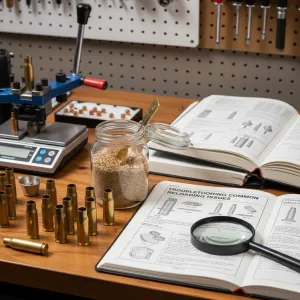


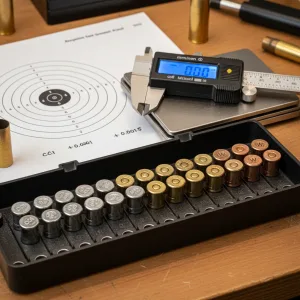
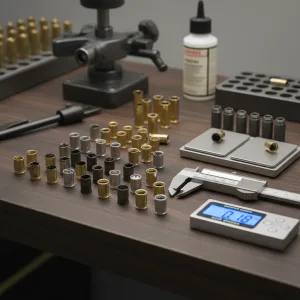
Add comment