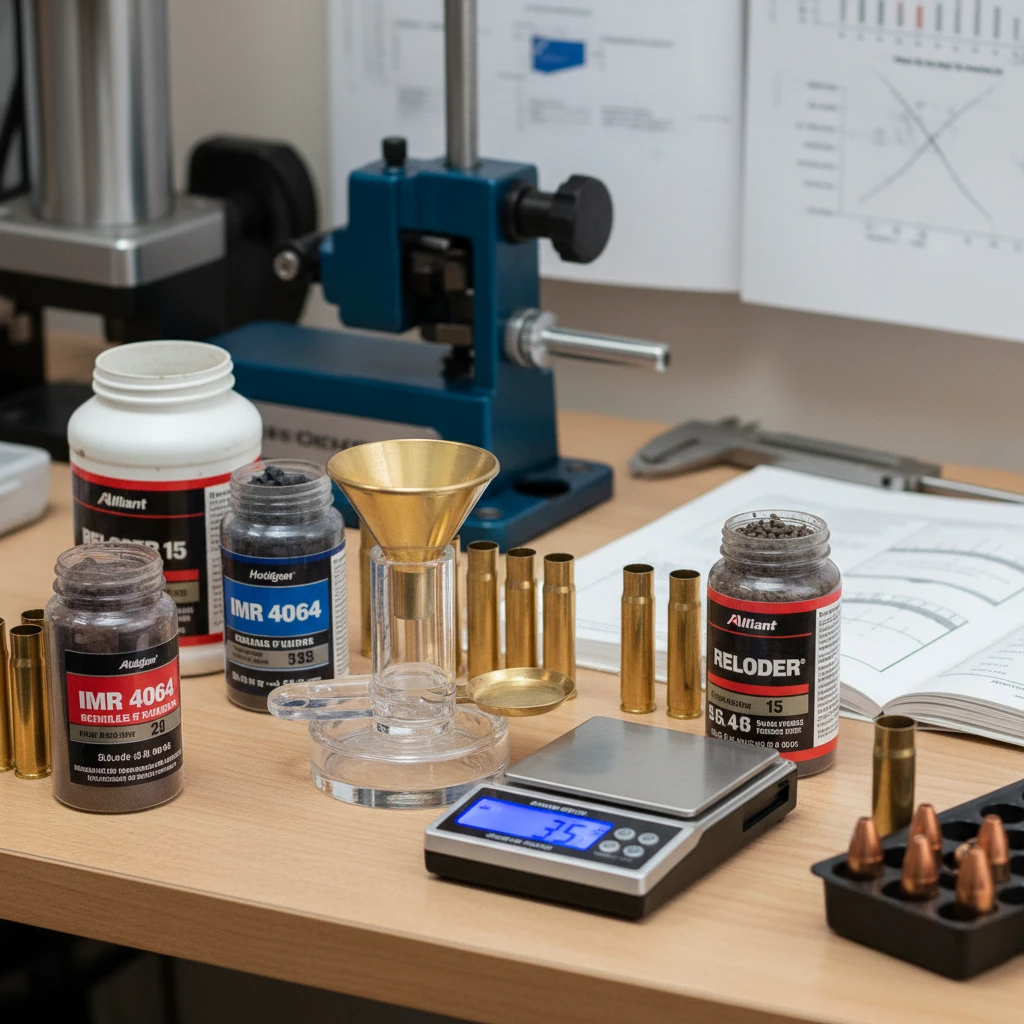
Reloading for Accuracy: Smokeless Gun Powder Secrets
The quest for pinpoint accuracy in shooting sports hinges on numerous factors, but few are as pivotal as the smokeless gun powder you choose for your reloads. From consistent burn rates to optimal bullet velocity, the right powder can transform your ammunition from adequate to exceptional. This guide explores the nuanced world of smokeless gun powder, providing insights into selection, characteristics, and best practices for achieving unparalleled accuracy in your reloads.
Whether you’re a seasoned reloader or just starting out, understanding the intricacies of smokeless powder will elevate your shooting experience and help you achieve consistent, accurate results. Let’s dive into the details.
Unlocking Precision: Why Smokeless Gun Powder Matters for Accurate Reloads (in 2026)
In the world of precision shooting, smokeless gun powder isn’t just a component; it’s the engine that drives accuracy. The consistent performance of your ammunition is directly tied to the characteristics of the powder you select. Factors such as burn rate, grain size, and density play critical roles in determining velocity, pressure, and ultimately, the grouping of your shots. A powder with inconsistent burn rates can lead to variations in bullet velocity, causing shots to stray from the intended point of impact. Choosing the right powder and understanding how to use it are vital skills for any serious reloader striving for excellence.
The Critical Role of Consistent Burn Rates
A consistent burn rate is perhaps the most crucial characteristic of smokeless gun powder for accuracy. When a powder burns consistently from round to round, it generates predictable pressures and velocities. Inconsistent burn rates lead to velocity spreads, meaning some bullets will fly faster or slower than others, causing vertical stringing or wider groups on your target. Factors influencing burn rate include the chemical composition of the powder, the size and shape of the grains, and any coatings applied to them. Many reloaders select powder based on its reputation for shot-to-shot consistency.
Understanding Powder Grain Geometry and Its Impact
Smokeless powders come in various grain shapes: flakes, balls, and cylinders (also known as extruded or stick powders). Each geometry offers different burning characteristics. Flake powders generally ignite quickly and are often used in handgun cartridges. Ball powders offer easy metering and can be engineered for specific burn rates. Extruded powders tend to provide more progressive burning, making them suitable for rifle cartridges. Selecting a powder with a grain geometry that matches your cartridge and desired performance is a crucial step in the reloading process. For example, using a fast-burning flake powder in a high-powered rifle cartridge could lead to dangerous pressure spikes. Conversely, a slow-burning extruded powder in a handgun cartridge might result in incomplete combustion and poor velocity. The geometry impacts the surface area exposed during ignition and combustion, thus directly influencing the burn rate and subsequent performance.
Why Choosing the Right Powder Improves Grouping
Ultimately, the right powder helps you achieve tighter groupings on the target. A powder optimized for your cartridge, firearm, and shooting style will deliver consistent velocities and minimize shot-to-shot variation. This translates to greater confidence in your ammunition and improved accuracy downrange. It’s often beneficial to test multiple powders to identify the one that yields the best results for your specific setup. For example, a benchrest shooter using a custom rifle might experiment with several different extruded powders to find the one that produces the smallest groups at 300 yards. Don’t be afraid to experiment and keep meticulous records of your findings using a resource like the guidelines for mastering smokeless gun powder for precision. Remember that even small improvements in powder selection can lead to significant gains in accuracy.
Key Smokeless Powder Characteristics for Handgun Ammo vs. Rifle Ammo
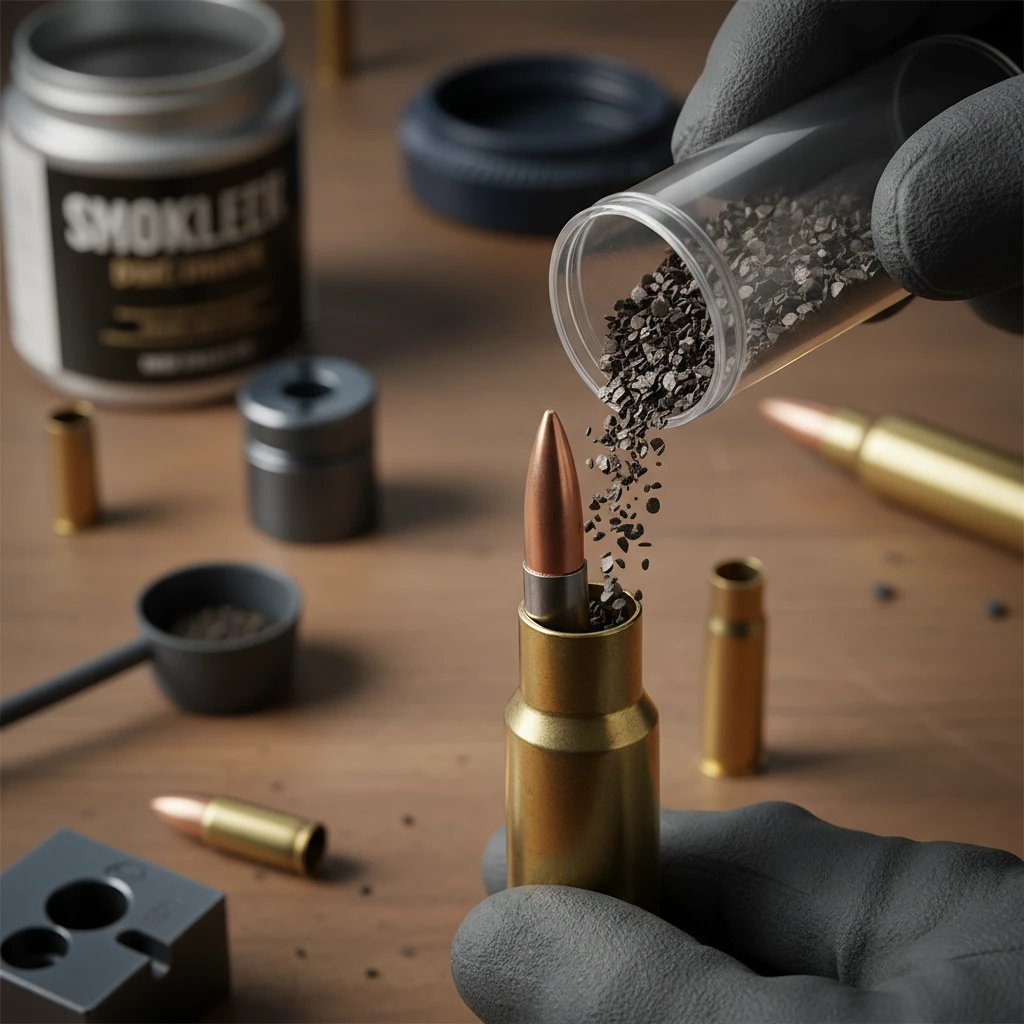
The selection of smokeless gun powder diverges significantly between handgun and rifle ammunition due to the vastly different operating pressures, barrel lengths, and intended uses. Understanding these differences is paramount for both safety and achieving optimal performance.
Handgun Powder: Fast Burning for Controlled Recoil
Handgun powders are typically designed for fast burning rates. This rapid combustion ensures that the powder burns completely within the shorter barrel of a handgun, maximizing velocity while minimizing muzzle flash and recoil. Fast-burning powders also tend to generate lower pressures, which is important for the often lighter and less robust construction of handguns compared to rifles. Common handgun powders include those specifically formulated for cartridges like 9mm, .45 ACP, and .38 Special. Reloaders aiming for controlled recoil and consistent performance in their handguns should prioritize fast-burning powders.
Rifle Powder: Slower Burning for Maximum Velocity
Rifle powders, in contrast, are engineered for slower, more progressive burning rates. This allows them to generate higher velocities in the longer barrels of rifles. The slower burn rate ensures that the pressure is sustained throughout the bullet’s travel down the barrel, extracting maximum energy and achieving optimal velocity. Rifle powders are available in a wide range of burn rates, tailored to different cartridge sizes and bullet weights. For example, a .223 Remington cartridge typically uses a medium-burning rifle powder, while a .300 Winchester Magnum requires a much slower-burning powder to achieve its full potential. Many of the best rifle powders are extruded to provide the desired burn rate profile.
Considerations for Powder Density in Different Cartridge Cases
Powder density, or how much a given volume of powder weighs, plays a crucial role in achieving consistent loads, especially in larger rifle cartridges. Denser powders generally require less volume to achieve the same weight, which can be advantageous in cases with limited space. A powder that is too bulky might compress excessively when the bullet is seated, potentially leading to pressure spikes. Conversely, a powder that is not dense enough might result in inconsistent ignition due to the powder shifting within the case. It’s important to consult reloading manuals to determine the appropriate powder density for your specific cartridge and bullet combination. Some reloaders prefer denser powders for their easier metering and more consistent case fill, while others opt for less dense powders for their specific burning characteristics.
Selecting the Right Smokeless Gun Powder: A Data-Driven Approach
Choosing the ideal smokeless gun powder for your reloading needs requires a methodical and data-driven approach. Relying on guesswork or hearsay can lead to inconsistent results and, more importantly, compromise safety. Instead, leverage reliable resources, utilize ballistic software, and meticulously track your results to build a comprehensive understanding of powder performance.
Consulting Reloading Manuals: The Foundation of Safe Reloading
Reloading manuals are the cornerstone of safe and accurate reloading practices. These manuals, published by reputable manufacturers like Hodgdon, Alliant, and Vihtavuori, provide comprehensive data on powder charges, bullet weights, and cartridge overall lengths. They are developed through rigorous testing and represent safe starting points for your reloading endeavors. Never exceed the maximum loads listed in these manuals, and always start with the minimum load and work your way up gradually, monitoring for signs of excessive pressure. Reloading manuals also offer valuable insights into the characteristics of different powders and their suitability for various cartridges. Ignoring these resources is akin to navigating without a map – it significantly increases the risk of error and potential danger. For further reading, consider the beginner’s guide to smokeless gun powder.
Utilizing Ballistic Software for Predicted Performance
Ballistic software provides a valuable tool for predicting bullet trajectory, velocity, and energy at various distances. While not a substitute for real-world testing, ballistic software can help you narrow down your powder choices and optimize your loads for specific shooting applications. By inputting data such as bullet weight, ballistic coefficient, muzzle velocity, and atmospheric conditions, you can simulate the performance of different powder loads and identify the ones that are most likely to meet your needs. Some popular ballistic software programs include QuickLOAD and Ballistic Explorer. These programs use complex algorithms to model bullet flight and can provide valuable insights into the effects of different powder characteristics on overall performance. Remember that the predictions generated by ballistic software are only as accurate as the data you input, so it’s important to use reliable sources and validate your results through live fire testing.
Tracking Your Results: Building Your Own Powder Database
The most effective way to determine the optimal smokeless gun powder for your specific firearm and shooting style is to meticulously track your results. Keep detailed records of each load you test, including the powder type, charge weight, bullet weight, cartridge overall length, and environmental conditions. Use a chronograph to measure muzzle velocity and record your group sizes at various distances. Over time, this data will form a valuable database that you can use to identify the powders and loads that consistently deliver the best performance. Consider creating a spreadsheet or using a dedicated reloading data management program to organize your information. Documenting both successful and unsuccessful loads can help you avoid repeating mistakes and refine your reloading process over time. A well-maintained reloading database is an invaluable asset for any serious reloader.
Mastering Powder Weighting: Precision is Paramount
In the pursuit of reloading accuracy, nothing is more critical than precise powder weighting. Even slight variations in powder charge can significantly impact bullet velocity, pressure, and ultimately, your shot placement. Mastering the art of powder weighting requires a combination of the right equipment, meticulous technique, and a unwavering commitment to consistency.
The Importance of Calibrated Scales: Digital vs. Beam Scales
The foundation of accurate powder weighting lies in a properly calibrated scale. Two primary types of scales are commonly used by reloaders: digital scales and beam scales. Digital scales offer the convenience of quick and easy readings, but they can be susceptible to electronic interference and require regular calibration. Beam scales, on the other hand, are generally more reliable and less prone to drift, but they require a more deliberate and manual operation. Regardless of the type of scale you choose, it’s essential to calibrate it regularly using certified calibration weights. A scale that is even slightly out of calibration can lead to significant errors in your powder charges. Some reloaders prefer digital scales for their speed and ease of use, while others favor beam scales for their inherent accuracy and reliability. The choice ultimately depends on your personal preferences and budget, but ensuring that your scale is properly calibrated is non-negotiable.
Techniques for Consistent Powder Measurement: Trickling and Dispensing
Once you have a calibrated scale, the next step is to master the techniques for consistent powder measurement. Two common methods are trickling and dispensing. Trickling involves using a powder trickler to slowly add powder to the scale pan until the desired weight is reached. This method is particularly useful for achieving highly precise powder charges, especially when using stick powders that can be difficult to meter accurately. Dispensing, on the other hand, involves using a powder measure to dispense a pre-determined volume of powder. This method is faster than trickling, but it can be less precise, especially with powders that have inconsistent densities. To improve the accuracy of dispensing, it’s important to use a high-quality powder measure and to develop a consistent technique. This may involve tapping the measure lightly to settle the powder or using a baffle to prevent powder from settling unevenly. Many reloaders use a combination of both methods, using a powder measure to dispense a charge that is slightly below the desired weight and then trickling in the remaining powder to achieve the exact amount.
Dealing with Powder Bridging and Static Electricity
Powder bridging and static electricity can both interfere with accurate powder weighting. Powder bridging occurs when powder granules become lodged together in the powder measure or trickler, preventing them from flowing freely. This can lead to inconsistent powder charges and inaccurate measurements. To prevent powder bridging, it’s important to keep your powder measure and trickler clean and dry. You can also try using a powder baffle or a vibratory powder measure to help break up any clumps of powder. Static electricity can also cause problems by attracting powder granules to the scale pan or powder measure. This can lead to inaccurate measurements and inconsistent powder charges. To reduce static electricity, you can try using an anti-static mat or wiping your equipment with an anti-static cloth. Some reloaders also use a grounding strap to discharge any static electricity that may be present. By taking these precautions, you can minimize the effects of powder bridging and static electricity and ensure more accurate powder weighting.
Primer Selection & Smokeless Gun Powder Compatibility: A Critical Pairing
Matching Primer Strength to Powder Burn Rate
Selecting the correct primer for your smokeless gun powder is paramount for achieving consistent ignition and optimal performance. Primer strength, or brisance, must be appropriately matched to the burn rate of the powder. Faster-burning powders generally require less primer brisance than slower-burning powders. Using too weak a primer with a slow-burning powder can lead to incomplete combustion and erratic velocities, while using too strong a primer with a fast-burning powder can cause pressure spikes. Consult reloading data to identify the recommended primer type for a specific powder and cartridge combination. Some reloading manuals will even specify particular primer brands that were used during testing. A good starting point is to use standard primers for most medium-burn rate powders, magnum primers for slow-burning powders in large capacity cases, and always follow published load data. Deviating from these guidelines without a thorough understanding of internal ballistics can be dangerous.
Understanding Primer Sensitivity Differences
Primer sensitivity can vary significantly between brands and even within different production lots of the same brand. Some primers are inherently more sensitive than others, meaning they require less force to ignite. This is crucial for firearms with lighter hammer or striker springs. However, overly sensitive primers can be prone to slam-fires in semi-automatic firearms, where the firing pin may strike the primer with sufficient force during chambering. Conversely, primers that are not sensitive enough can cause misfires, especially in cold weather or with firearms that have weakened firing pin springs. Reloaders should be aware of these sensitivity differences and choose primers that are appropriate for their firearm and shooting conditions. When changing primer brands, it is always a good idea to reduce the powder charge slightly and work back up to your desired load while monitoring for pressure signs. This allows you to account for any differences in primer brisance and ensure safe and consistent performance.
Troubleshooting Misfires and Hangfires
Misfires (failure to ignite) and hangfires (delayed ignition) are both serious problems that can be caused by primer issues. A misfire usually indicates a faulty primer, insufficient firing pin strike, or contaminated powder. A hangfire, however, is often more insidious, as it can create a false sense of security before the cartridge eventually ignites, potentially when the breech is partially open. The most common cause of hangfires is insufficient primer brisance for the powder being used, particularly in cold weather. If you experience misfires or hangfires, immediately cease firing and safely handle the firearm. Wait at least 30 seconds with the firearm pointed in a safe direction before extracting the cartridge. Inspect the primer for a strike mark. A light or off-center strike suggests a problem with the firearm. If the strike appears normal, the primer itself may be faulty, or the powder may be contaminated. Discard the cartridge responsibly.
Environmental Factors Affecting Smokeless Gun Powder Performance
Temperature Sensitivity: How Heat and Cold Change Pressure
Smokeless gun powder is inherently temperature-sensitive, meaning its burn rate can change significantly with variations in temperature. Higher temperatures generally lead to faster burn rates and increased pressures, while lower temperatures result in slower burn rates and reduced pressures. This phenomenon can dramatically affect the point of impact of your rounds, especially at longer distances. For example, a load developed in the summer may exhibit significantly higher velocities and pressures during winter, potentially leading to dangerous overpressure conditions. Conversely, a load that performs well in cold weather might be anemic and inaccurate in warmer temperatures. Reloaders who shoot in a variety of climates should develop their loads within a temperature range that reflects their typical shooting conditions, or use temperature-stable powders. Many modern powders are specifically formulated to minimize temperature sensitivity, and these are often a good choice for reloaders who prioritize consistency across a wide range of environmental conditions.
Humidity’s Impact on Powder Ignition
Humidity can also affect smokeless gun powder, although its impact is typically less pronounced than temperature. High humidity can cause powder to absorb moisture, which can slow down the burn rate and reduce velocity. In extreme cases, moisture can even render the powder unusable. Powder exposed to high humidity may also exhibit erratic ignition, leading to inconsistent velocities and poor accuracy. It is crucial to store smokeless gun powder in a cool, dry place to minimize the risk of moisture absorption. A desiccant can be used in your powder storage container to absorb any excess moisture. Signs of humidity damage include clumping, a musty odor, or a visible change in the powder’s appearance. If you suspect that your powder has been exposed to excessive humidity, it is best to discard it safely according to local regulations. Refer to the Ultimate Guide to Smokeless Gun Powder Storage & Safety for more details.
Storing Your Powder Properly for Long-Term Consistency
Proper storage is essential for maintaining the long-term consistency of smokeless gun powder. As mentioned previously, temperature and humidity are critical factors to control. However, exposure to sunlight and certain chemicals can also degrade powder over time. Store your powder in its original container, which is designed to protect it from moisture and light. Keep the container tightly sealed when not in use. Avoid storing powder in areas where it will be exposed to extreme temperatures or direct sunlight, such as a garage or attic. A cool, dry, and dark environment, such as a dedicated ammunition storage cabinet, is ideal. With proper storage, smokeless gun powder can remain stable and usable for many years.
Smokeless Gun Powder Storage: Best Practices for Safety and Longevity
Ideal Storage Conditions: Temperature, Humidity, and Light
To ensure the safety and longevity of your smokeless gun powder, maintaining ideal storage conditions is paramount. The optimal temperature range is between 60°F and 70°F (15°C and 21°C). Avoid storing powder in areas where temperatures can fluctuate dramatically, as this can accelerate degradation. Relative humidity should be kept below 50%. A dehumidifier or desiccant can help maintain this level in humid climates. Exposure to direct sunlight or artificial UV light can also damage powder over time. Store powder in a dark location away from windows or any source of UV radiation. Following these guidelines will help ensure that your powder remains stable and performs as expected for years to come.
Approved Powder Storage Containers and Cabinets
Smokeless gun powder should always be stored in its original container, which is designed to vent pressure in the event of a fire. Do not transfer powder to other containers, as this can compromise its safety and stability. For larger quantities of powder, a dedicated ammunition storage cabinet is recommended. These cabinets are typically made of steel and are designed to protect the powder from fire and theft. Ensure that the cabinet is properly grounded to prevent static electricity buildup, which could potentially ignite the powder. Avoid storing powder near flammable materials, such as gasoline or solvents. A fire-resistant safe is an even better option, providing added protection in the event of a fire. The Bureau of Alcohol, Tobacco, Firearms and Explosives (ATF) provides guidelines regarding the safe storage of explosives, including smokeless powder.
Recognizing Signs of Powder Degradation and Instability
It is important to periodically inspect your smokeless gun powder for signs of degradation or instability. Visual cues can alert you to potential issues. Powder that has begun to degrade may exhibit a reddish-brown dust, a strong acidic odor, or clumping. The granules themselves might appear to be breaking down or crumbling. Any of these signs indicate that the powder is no longer safe to use and should be disposed of properly. Consult your local regulations for proper disposal procedures. Never attempt to use degraded powder, as it can be unpredictable and potentially dangerous. Furthermore, if you have any concerns about the stability of your powder, err on the side of caution and dispose of it responsibly.
Troubleshooting Common Reloading Accuracy Issues Related to Smokeless Gun Powder
Inconsistent Velocity: Identifying and Addressing Powder Variations
Inconsistent velocities are a major contributor to poor accuracy in reloaded ammunition. Variations in powder charge weight, even small ones, can significantly affect velocity and point of impact. Ensure that your powder measure is accurate and consistent. Regularly calibrate your scale and check its accuracy using certified weights. Also, verify that the powder is flowing smoothly through the measure and that there are no obstructions. Different lots of the same powder can also exhibit slight variations in burn rate and energy content. When switching to a new lot of powder, it is always a good idea to reduce the powder charge slightly and work back up to your desired load while monitoring for pressure signs. Documenting your loads meticulously, including lot numbers, can help you identify and address powder-related velocity inconsistencies.
Vertical Stringing: Analyzing Powder Charge Weight and Distribution
Vertical stringing, where shots are consistently high or low relative to each other, can often be traced back to inconsistencies in powder charge weight or distribution. Even with precise powder measuring equipment, variations in how the powder settles in the case can affect its burn rate. A slightly compressed load, where the powder is packed tightly in the case, may burn more consistently than a load where the powder is loose and free to shift. Experiment with different seating depths and case fill ratios to optimize powder distribution. Using a powder baffle in your powder measure can also help ensure a more consistent flow of powder, minimizing variations in charge weight. Furthermore, ensure that your brass is properly prepped and that all cases are trimmed to the same length. Case length variations can affect powder capacity and, consequently, pressure and velocity.
Pressure Signs: Recognizing Overpressure and Underpressure Conditions
Recognizing the signs of both overpressure and underpressure is crucial for safe and accurate reloading. Overpressure signs include flattened or cratered primers, excessive recoil, difficulty extracting the spent case, and bulging near the base of the case. Underpressure signs are less obvious but can still indicate problems. These may include incomplete powder combustion, excessive fouling, and low velocities. If you observe any of these signs, immediately cease firing and carefully inspect your ammunition. Reduce the powder charge or switch to a faster-burning powder if you suspect overpressure. Increase the powder charge or switch to a slower-burning powder if you suspect underpressure. Always consult reputable reloading manuals and follow published load data. Remember that reloading is an art and a science, and careful observation and attention to detail are essential for achieving safe and accurate results. An example is a reloader who noticed flattened primers after switching to a new lot of powder, even though he was using the same charge weight. He reduced the charge by 0.5 grains and the pressure signs disappeared, resulting in a safe and accurate load.
Advanced Techniques: Fine-Tuning Your Loads with Smokeless Gun Powder
Ladder Testing: Finding the Optimal Powder Charge
Ladder testing is a methodical process used to determine the optimal powder charge for a specific firearm and bullet combination. It involves loading a series of cartridges with incrementally increasing powder charges, then firing them at a target from a stable rest. The goal is to identify the charge weight that produces the tightest group. Start by consulting reputable reloading manuals for recommended powder charge ranges for your chosen bullet and powder. Create test loads starting at the minimum recommended charge and increasing in small increments (e.g., 0.2 to 0.5 grains) up to the maximum. Load at least three, and preferably five, rounds for each charge weight. Ensure consistent bullet seating depth and crimp (if applicable) across all rounds. Mark each group clearly with the corresponding powder charge. Analyze the target to identify the charge weight that produced the smallest group. This is your initial optimal charge. Refine this charge further by testing smaller increments around it (e.g., 0.1-grain increments). Be aware that changes in temperature can affect powder performance, so consider testing under similar conditions to your typical shooting environment.
Load Development for Specific Firearms
Each firearm has unique characteristics that affect load performance. Factors such as barrel length, twist rate, and chamber dimensions all play a role. Therefore, a load that performs well in one firearm may not perform optimally in another, even if they are the same make and model. Start by understanding the specific requirements of your firearm. For example, rifles with faster twist rates may stabilize heavier bullets more effectively. Pistols with shorter barrels may benefit from faster-burning powders to achieve optimal velocity. Consult with experienced reloaders or gunsmiths who are familiar with your specific firearm. Experiment with different bullet weights and profiles to find what your firearm shoots most accurately. Consider using a reloading data guide as a starting point, and always work up your loads gradually, watching for signs of excessive pressure. Don’t assume that someone else’s proven load will work safely in your specific firearm. Every gun is unique.
Example: John, a competitive shooter, was struggling to achieve consistent accuracy with his custom-built AR-15. After extensive load development, including testing multiple bullet weights and powder types, he discovered that a 77-grain bullet paired with a specific powder charge produced significantly tighter groups than any other combination he had tried. This tailored load allowed him to improve his scores in competitions.
Using Chronographs to Measure Velocity and Standard Deviation
A chronograph is an invaluable tool for reloaders seeking to optimize their loads. It measures the velocity of bullets as they exit the muzzle, providing crucial data for calculating ballistic trajectories and assessing load consistency. It also helps identify pressure signs that may not be visible on the cartridge itself. Consistency in velocity is crucial for accuracy, especially at longer ranges. A high standard deviation indicates significant variations in velocity between shots, which can lead to inconsistent point of impact. After establishing a load, measure the velocity of several rounds (at least five, preferably ten) using a chronograph. Calculate the standard deviation of the velocity readings. Aim for a standard deviation of less than 20 feet per second for rifle loads and less than 30 feet per second for handgun loads. If the standard deviation is too high, experiment with different powder charges, primers, or bullet seating depths to improve consistency. If velocity is lower than expected, increase powder charge in small, safe increments, but watch for pressure signs diligently. Remember to record all data meticulously, including powder charge, bullet weight, primer type, and chronograph readings, for future reference.
Safety First: Handling Smokeless Gun Powder Responsibly
Always Wear Eye Protection and Follow Safety Protocols
Reloading ammunition involves inherent risks, and safety should always be the top priority. One of the most important safety measures is to wear appropriate eye protection at all times when handling smokeless gun powder, primers, or ammunition components. Safety glasses or goggles that meet ANSI Z87.1 standards provide essential protection against flying debris, such as powder granules or primer fragments. Follow all recommended safety protocols outlined in reloading manuals and by powder manufacturers. Work in a well-ventilated area to avoid inhaling powder fumes. Keep your work area clean and organized to prevent spills or accidents. Ensure that all reloading equipment is in good working order and properly calibrated. Never rush the reloading process. Take your time and pay close attention to detail to minimize the risk of errors.
Never Smoke or Use Open Flames Near Smokeless Gun Powder
Smokeless gun powder is a flammable substance and can ignite easily in the presence of heat or open flames. Therefore, it is crucial to never smoke or use open flames in the vicinity of smokeless gun powder. This includes cigarettes, cigars, pipes, lighters, matches, and any other source of ignition. Store smokeless gun powder in a cool, dry place away from any potential heat sources, such as furnaces, water heaters, or direct sunlight. Ensure that the storage area is well-ventilated to prevent the buildup of flammable vapors. Keep a fire extinguisher rated for Class B fires (flammable liquids) readily accessible in your reloading area. Educate all members of your household about the dangers of smokeless gun powder and the importance of fire safety. If you use a powder measure with a static charge, consider using an anti-static brush to dispel sparks.
Proper Disposal of Damaged or Unwanted Smokeless Gun Powder
Damaged or unwanted smokeless gun powder should be disposed of properly to prevent accidents or environmental contamination. Do not simply throw it in the trash or flush it down the toilet. Contact your local waste management authority or fire department for guidance on proper disposal methods. In many jurisdictions, it is permissible to burn small quantities of smokeless gun powder in a controlled environment, such as a designated burn pit. However, always check local regulations and obtain any necessary permits before burning smokeless gun powder. Never dispose of large quantities of smokeless gun powder at once. Divide it into smaller portions and dispose of it gradually. When burning smokeless gun powder, do so in a safe and open area away from flammable materials, and have a fire extinguisher nearby. Pour the powder in a thin trail and ignite it from a safe distance using a long-handled torch or lighter. Ensure the fire is completely extinguished before leaving the area. Alternatively, some shooting ranges or gun clubs may accept unwanted smokeless gun powder for disposal.
Legal Considerations for Smokeless Gun Powder in North America (Updated for 2026)
Understanding Federal and Provincial/State Regulations
Regulations governing the sale, storage, and use of smokeless gun powder vary significantly across North America. In the United States, federal regulations are primarily enforced by the Bureau of Alcohol, Tobacco, Firearms and Explosives (ATF). These regulations govern the licensing of manufacturers, importers, and dealers of smokeless gun powder. Individual states may also have their own regulations regarding the purchase, possession, and storage of smokeless gun powder. In Canada, regulations are primarily enforced by the Royal Canadian Mounted Police (RCMP). The Explosives Act and associated regulations govern the importation, manufacture, storage, and sale of smokeless gun powder. Provincial regulations may also apply. Stay informed about the specific regulations in your jurisdiction to ensure compliance. Consult with legal counsel or regulatory agencies if you have any questions or concerns.
Shipping and Transportation Guidelines
Shipping and transporting smokeless gun powder are subject to strict regulations designed to ensure public safety. In the United States, smokeless gun powder is classified as a hazardous material and is subject to regulations issued by the Department of Transportation (DOT). These regulations govern the packaging, labeling, and transportation of smokeless gun powder by ground, air, and sea. In Canada, smokeless gun powder is classified as a dangerous good and is subject to regulations issued by Transport Canada. These regulations govern the packaging, labeling, and transportation of smokeless gun powder by road, rail, air, and sea. When shipping or transporting smokeless gun powder, always use approved packaging materials and follow all labeling requirements. Obtain the necessary permits and licenses, and declare the contents of the shipment to the carrier. Never ship or transport smokeless gun powder in passenger vehicles or in a manner that could endanger public safety.
Reporting Requirements for Large Powder Purchases
Both the United States and Canada have specific reporting requirements for large purchases of smokeless gun powder. In the United States, federal law requires licensed dealers to report sales of two or more pounds of smokeless gun powder to the ATF within 24 hours. This reporting requirement is intended to help law enforcement agencies track the movement of smokeless gun powder and prevent its misuse. In Canada, there are currently no federal reporting requirements for large purchases of smokeless gun powder. However, some provinces may have their own reporting requirements. Check local regulations to ensure compliance. If you are a licensed dealer of smokeless gun powder, familiarize yourself with the reporting requirements in your jurisdiction and implement procedures to ensure timely and accurate reporting. Failure to comply with these requirements can result in fines, penalties, or loss of license.
Where to Buy Premium Smokeless Gun Powder and Primers at Northern Reloading
Our Selection of Top Smokeless Gun Powder Brands
At Northern Reloading, we pride ourselves on offering a wide selection of premium smokeless gun powder brands to meet the needs of every reloader. We stock powders from leading manufacturers known for their quality, consistency, and performance, including Hodgdon, IMR, Alliant, Winchester, and Accurate. Each brand offers a variety of powders with different burn rates and characteristics, allowing reloaders to fine-tune their loads for specific applications. Hodgdon powders are known for their cleanliness and consistency. IMR powders are a popular choice for rifle shooters. Alliant powders offer a wide range of options for both pistol and rifle reloading. Winchester powders are a reliable choice for traditional loads. Accurate powders provide consistent performance across a wide range of calibers. Browse our selection to find the perfect powder for your reloading needs. We provide detailed product descriptions and specifications to help you make an informed decision.
Choosing the Right Primers for Your Reloading Needs
Primers play a crucial role in the ignition process and can significantly affect the performance of your reloads. At Northern Reloading, we offer a variety of primers to suit different calibers, powder types, and shooting applications. Our selection includes small pistol primers, large pistol primers, small rifle primers, and large rifle primers, as well as magnum primers for high-performance loads. Choose primers that are compatible with the specific powder you are using. Some powders require magnum primers for reliable ignition, especially in cold weather or with compressed loads. Consider the type of firearm you are reloading for. Some firearms require specific types of primers to function reliably. Always follow the recommendations of reloading manuals and powder manufacturers when selecting primers. We carry primers from trusted brands such as CCI, Federal, Winchester, and Remington. View our beginners guide to smokeless gun powder for more basic primer selection info.
Special Offers and Promotions for Reloading Supplies
At Northern Reloading, we are committed to providing our customers with the best value on reloading supplies. We regularly offer special offers and promotions on smokeless gun powder, primers, and other reloading components. Check our website frequently for the latest deals and discounts. Sign up for our email newsletter to receive exclusive offers and promotions directly to your inbox. We also offer volume discounts on large purchases of smokeless gun powder and primers. Take advantage of our bundle deals to save even more on your reloading supplies. Follow us on social media for updates on new products, promotions, and reloading tips. We want to thank our loyal customers. We often run contests and giveaways where you can win free reloading supplies or other prizes.
This chunk explored advanced techniques, safety protocols, legal considerations, and purchasing options related to smokeless gun powder, providing practical advice for reloaders in North America. By understanding these aspects, reloaders can improve their accuracy, ensure their safety, comply with regulations, and find the best deals on reloading supplies.
For all your smokeless gun powder and primer needs, and to stay up-to-date with the latest regulations and products, visit northernreloading.si for a comprehensive selection and expert advice. The Sporting Arms and Ammunition Manufacturers’ Institute (SAAMI) provides further technical data and safety information related to ammunition and reloading. You can also find additional resources regarding safe reloading practices from the National Shooting Sports Foundation (NSSF).
About author


Add comment