
Smokeless Gun Powder: Unlocking Reloading Performance
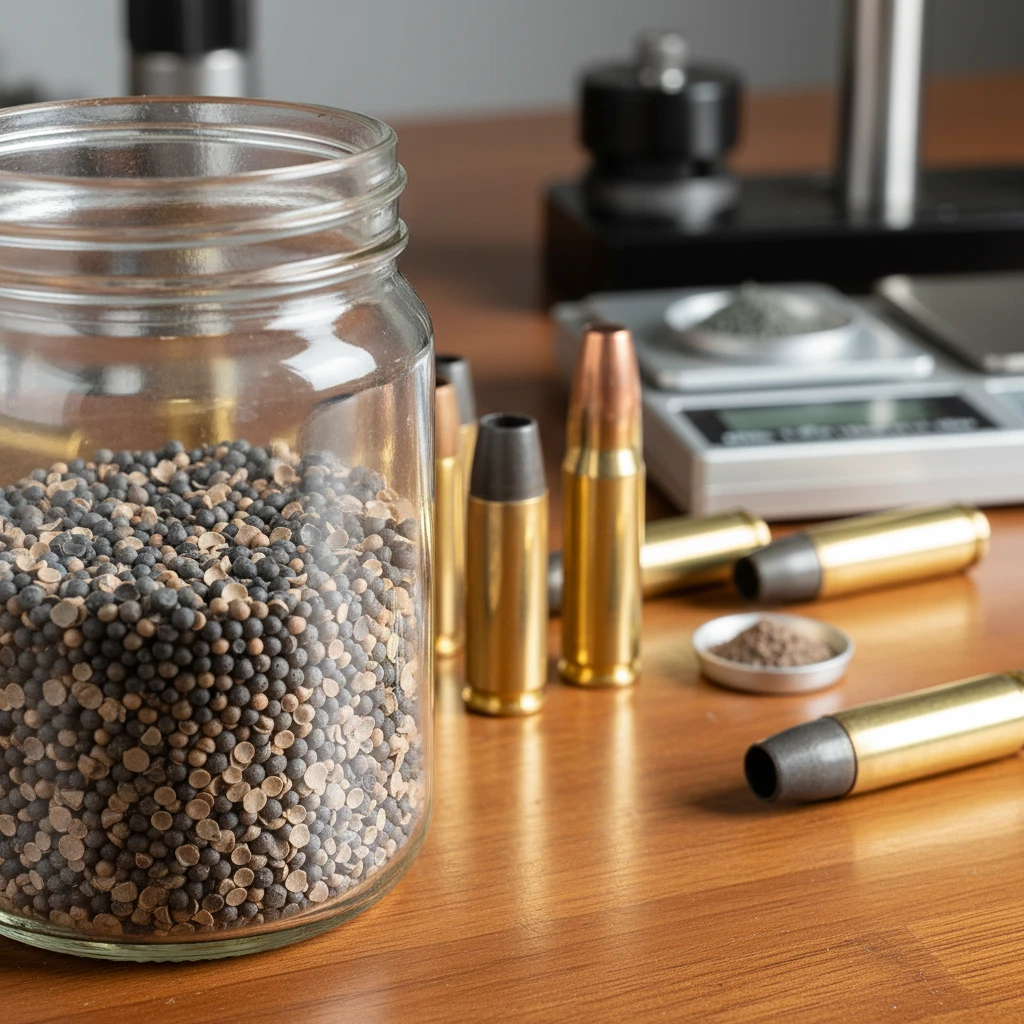
For the dedicated reloader, the quest for optimal firearm performance begins at the bench. While many factors contribute to a successful ammunition batch, the choice of propellant—specifically smokeless gunpowder—stands as a cornerstone of consistency and precision. Moving beyond rudimentary guesswork, understanding the nuances of modern smokeless powders unlocks a new level of reloading mastery.
This guide delves into the world of smokeless powders, dissecting their characteristics and illuminating how to harness their potential. From understanding their evolution to matching them with specific firearm applications, we’ll equip you with the knowledge to elevate your reloading outcomes, ensuring greater accuracy, reliability, and shooter satisfaction with every round you craft.
Beyond the Bang: How Smokeless Powder Revolutionizes Your Reloading Bench
The journey of ammunition development has been a continuous pursuit of greater efficiency and power. Smokeless gunpowder represents a pivotal leap in this evolution, offering a stark contrast to its predecessors in terms of performance, safety, and versatility. Its introduction fundamentally changed not only military applications but also the burgeoning field of civilian reloading, making it the indispensable propellant of modern firearms. By understanding its core advantages, reloaders can significantly improve the quality and predictability of their hand-crafted ammunition.
The ability to control the burn rate, energy output, and pressure characteristics makes smokeless powder the preferred choice for anyone serious about achieving consistent results. Unlike black powder, which combusts rapidly and produces copious amounts of fouling, smokeless powders burn cleaner and more controllably. This inherent characteristic translates directly to a more enjoyable and effective shooting experience, reducing wear on firearms and simplifying the reloading process. For those aiming to optimize their ammunition for specific shooting disciplines, from precision rifle shooting to dynamic handgun use, mastering smokeless powder selection is paramount.
The Evolution of Propellants: From Black Powder to Modern Marvels
Before the advent of smokeless powder, firearms were largely reliant on black powder, a mixture of sulfur, charcoal, and potassium nitrate. While effective for its time, black powder had significant drawbacks. It produced a large volume of smoke, obscuring the shooter’s view and indicating their position, especially in military engagements. Furthermore, its combustion was exceptionally rapid, leading to unpredictable pressure spikes and significant fouling that required frequent firearm cleaning. This made consistent accuracy a considerable challenge, particularly over extended firing sessions.
The development of smokeless powders in the late 19th century marked a paradigm shift. Initially based on nitrocellulose, these new propellants burned much cleaner, produced significantly less smoke, and offered a more controlled energy release. This resulted in higher velocities, flatter trajectories, and substantially improved accuracy. For reloaders, this meant a newfound ability to fine-tune ammunition performance. Different formulations allowed for tailored power levels and burn rates, making it possible to create loads optimized for specific firearms and intended uses, a level of customization previously unimaginable. This innovation directly paved the way for the precise ammunition capabilities we expect today, a direct lineage from early smokeless powder research to the advanced smokeless gunpowder available in 2026.
Why Smokeless Powder is the Reloaders’ Choice in 2026
In 2026, smokeless powder remains the undisputed king of reloading components for a multitude of compelling reasons. Its primary advantage lies in its predictability and controllability. Unlike historical black powder, smokeless powders allow for precise metering, leading to consistent charges in each case. This consistency is fundamental for achieving repeatable shot placement and reliable firearm function. Furthermore, the cleaner burning nature of smokeless powders means less residue buildup in the firearm’s action and barrel, reducing the frequency and intensity of cleaning required, a significant benefit for any shooter.
The sheer versatility of smokeless powders is another critical factor. Reloaders can select from a vast array of formulations, each with unique burn rates, energy densities, and physical characteristics. This extensive selection allows for meticulous optimization of loads for virtually any cartridge, from light handgun ammo to powerful rifle ammo. This granular control over performance metrics like velocity, pressure, and recoil makes smokeless powder the essential ingredient for achieving peak accuracy, minimizing shooter fatigue, and ensuring safe firearm operation. The continuous innovation in powder chemistry further ensures that reloaders in 2026 have access to even more refined and specialized propellants, catering to evolving shooting needs and technologies, as highlighted in discussions around 2026: Top Reloading Powder Trends.
Understanding Smokeless Powder Types: A Deeper Dive
Navigating the world of smokeless powders can seem daunting due to the sheer variety available. However, understanding the fundamental classifications and characteristics of these propellants is key to making informed reloading decisions. The differences between single-base and double-base powders, the significance of their burn rates, and the impact of their physical geometry all play crucial roles in how a load will perform. Mastery of these distinctions allows reloaders to move beyond generic load data and toward precisely tailored ammunition for their specific firearm and intended purpose.
Each type of smokeless powder is engineered with specific performance goals in mind. Whether you are loading for a fast-action handgun, a precision long-range rifle, or a scattergun for clay sports, there’s likely a powder formulation designed to excel in that role. This section will break down these critical aspects, providing the knowledge necessary to select the right powder for any project, ensuring safety, consistency, and optimal ballistic performance. By demystifying these elements, you’ll gain the confidence to experiment and refine your loads for superior results, a journey that aligns with the comprehensive advice found in Smokeless Powder: Reloading Essentials.
Single-Base vs. Double-Base Powders: Key Differences and Applications
The fundamental distinction in smokeless powders lies in their chemical composition: single-base and double-base. Single-base powders primarily consist of nitrocellulose, often stabilized with additives to ensure shelf life and consistent burning characteristics. They tend to be less energetic than double-base powders and are generally favored for applications where moderate velocities and lower pressure are desired, such as in many handgun cartridges and some lighter rifle loads. Their cleaner burn and more predictable pressure curve make them a popular choice for shooters prioritizing ease of use and firearm longevity.
Double-base powders, on the other hand, incorporate both nitrocellulose and nitroglycerin. The addition of nitroglycerin significantly increases the energy density of the propellant, allowing for higher velocities and more powerful loads. This makes double-base powders ideal for high-performance applications, particularly in magnum handgun cartridges and many rifle calibers where maximizing bullet speed and energy is crucial. However, their higher energy also means they can produce higher pressures and more heat, requiring careful attention to load data and firearm capabilities. Examples include powders often chosen for pushing the limits in handgun ammo reloading, where a balance of power and manageable pressure is key.
Burn Rates Explained: From Fast to Slow and Where They Belong
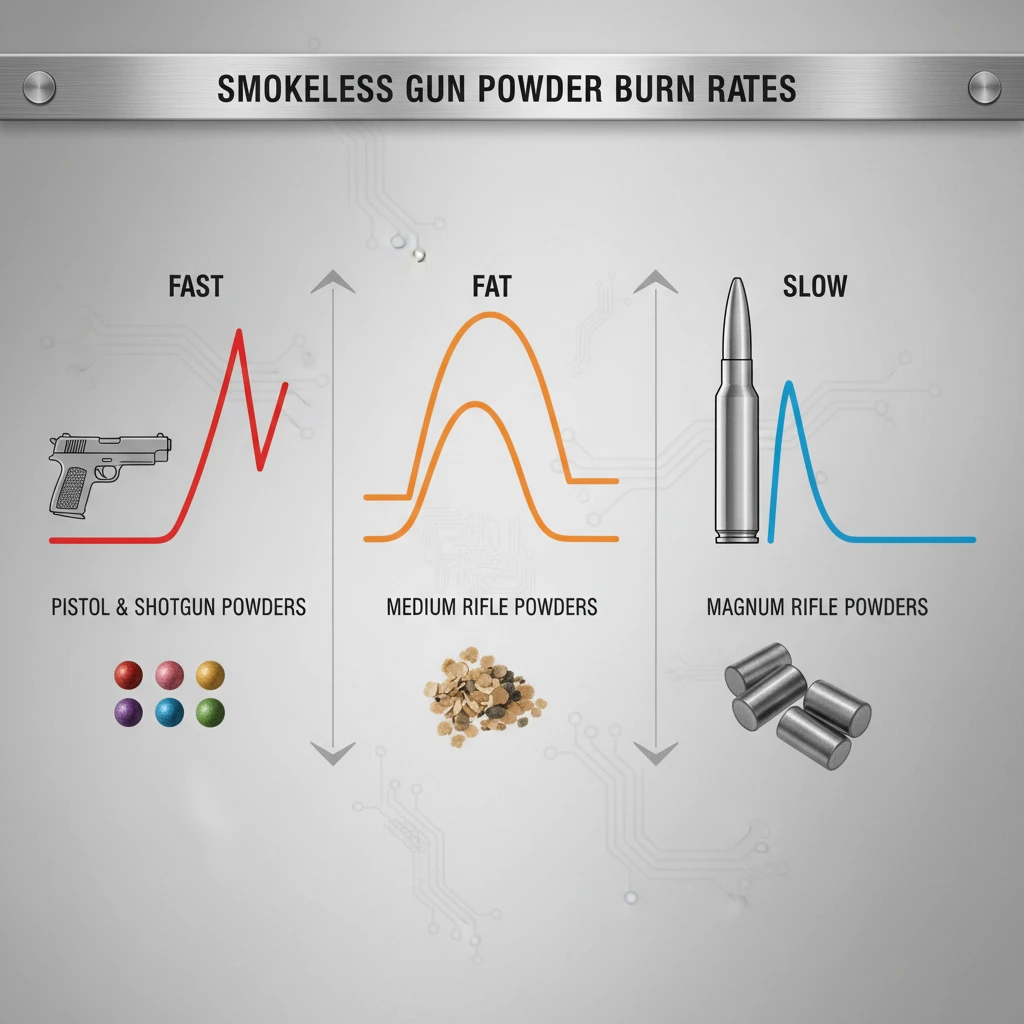
Burn rate is arguably the most critical characteristic of any smokeless powder. It describes how quickly the powder combusts after ignition, directly influencing the pressure curve and velocity generated within the firearm’s barrel. Powders are broadly categorized as fast, medium, or slow burning, each suited for different cartridge types and reloading objectives. Understanding this spectrum is essential for safe and effective reloading.
Fast-burning powders, such as those used in many .38 Special or .45 ACP loads, ignite and reach peak pressure very quickly. They are ideal for shorter barrels and cartridges where rapid pressure build-up is desired to achieve good velocity without excessive case capacity. Conversely, slow-burning powders, common in large-capacity rifle cartridges like .30-06 Springfield or .300 Winchester Magnum, combust more gradually over a longer portion of the barrel. This slower burn helps to maintain pressure for longer, allowing for maximum velocity and efficiency in longer barrels. Medium-burn powders bridge this gap and are often versatile, finding use in a wide range of handgun and intermediate rifle cartridges. Incorrectly matching a burn rate to a cartridge can lead to dangerous over-pressure situations or underwhelming performance, underscoring the importance of consulting reliable load data and resources like Choose Your Smokeless Gun Powder Wisely.
Powder Geometry: Spherical, Flake, and Extruded – What’s Best for Your Load?
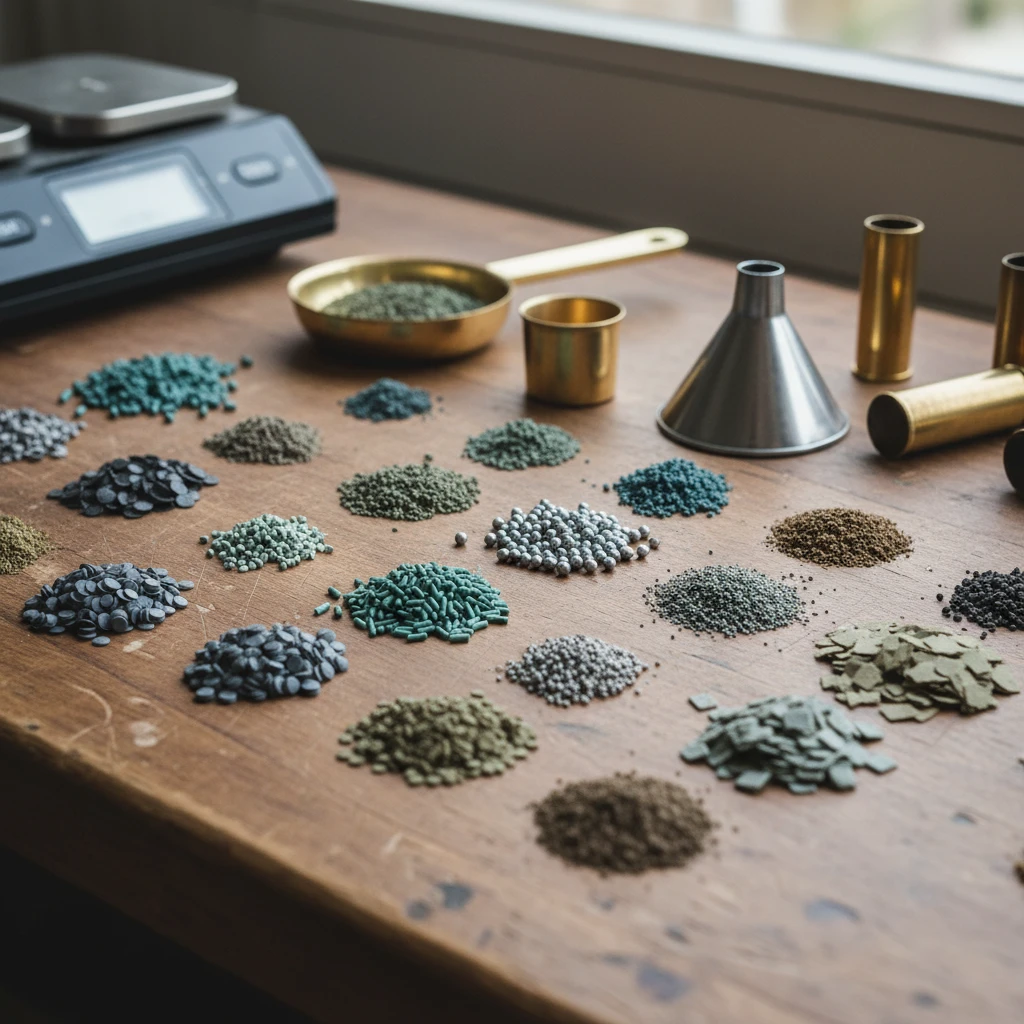
Beyond chemical composition and burn rate, the physical shape and size of smokeless powder grains—its geometry—also significantly impact reloading and performance. These geometries dictate how the powder flows through a powder measure, how uniformly it settles in a case, and even how it ignites. The three primary forms are spherical (ball), flake, and extruded (stick) powders, each with distinct advantages and disadvantages.
Spherical powders are small, round grains that generally meter very consistently, making them a favorite for many pistol reloaders where precise charge weight is paramount. They flow easily and tend to produce less static cling. Flake powders are flattened discs or plates. While they can sometimes meter well, their tendency to bridge or clump in powder dispensers can be a concern, though they are often designed for specific, high-performance applications. Extruded powders, often called “stick” powders, are cylindrical or rod-shaped. They are typically used in rifle cartridges where larger charge weights and slower burn rates are needed. However, they can be prone to inconsistent metering if not handled carefully and may break apart in some powder measures. The choice of geometry can affect reloading efficiency and the consistency of your primers and powder charges, ultimately impacting accuracy.
Matching Smokeless Powder to Your Cartridge: A Practical Guide
Selecting the correct smokeless powder is perhaps the most critical decision a reloader makes when crafting ammunition. It’s not simply a matter of finding a powder that fits the case; it involves understanding the intended application, the cartridge’s case volume, the desired velocity, and the firearm’s pressure tolerances. A powder that excels in one application might be entirely unsuitable, or even dangerous, for another. This guide will walk through the practical considerations for matching smokeless powders to common cartridge types, ensuring both performance and safety.
The goal is to find a powder that provides a clean and efficient burn, generating the desired velocity within safe pressure limits. This often means selecting a powder whose burn rate is optimized for the specific barrel length and case capacity of the cartridge you are loading. For instance, a fast-burning powder might be ideal for a short-barreled revolver, while a slow-burning powder is typically necessary for a long-barreled precision rifle. By paying close attention to established load data and understanding the interplay between powder characteristics and cartridge design, reloaders can achieve excellent results across a wide spectrum of shooting disciplines.
Optimizing Loads for Handgun Ammo: Precision and Power
Reloading handgun ammo often involves a delicate balance between achieving adequate power for self-defense or competitive action shooting and maintaining manageable recoil and pressure for comfortable, rapid follow-up shots. For common cartridges like 9mm Luger, .45 ACP, and .38 Special, reloaders typically opt for fast to medium-burning powders. These powders help generate sufficient velocity quickly in shorter handgun barrels without creating excessive pressure spikes that could strain the firearm or overwhelm the shooter.
Fast-burning powders, such as Hodgdon Titegroup or Alliant Red Dot, are excellent choices for standard pressure loads, offering excellent metering and clean ignition. For more powerful magnum handgun rounds, such as .357 Magnum or .44 Magnum, medium to slow-burning powders like Alliant Unique or IMR Trail Boss become more appropriate. These provide the necessary energy to achieve high velocities from the larger case volumes while keeping pressures within safe operating limits. Always consult up-to-date reloading manuals from reputable sources to ensure you are using the correct powder and charge weight for your specific handgun caliber and intended performance level, especially when dealing with the nuanced choices discussed in Reloading: Smokeless Powder Choices.
Selecting Smokeless Powder for Rifle Ammo: Accuracy Across Distances
Rifle cartridges, with their generally larger case capacities and longer barrels, demand different powder characteristics than their handgun counterparts. Achieving accuracy across various distances, whether for hunting or target shooting, requires powders that burn efficiently throughout the barrel’s length, maximizing bullet velocity and minimizing muzzle flash. For most standard rifle cartridges, medium to slow-burning powders are the preferred choice.
For popular calibers like the .223 Remington or .308 Winchester, powders such as IMR 4895 or Hodgdon Varget provide excellent performance, offering a good balance of burn rate and energy for both accuracy and velocity. For larger, magnum rifle cartridges designed for long-range engagements, such as the .300 Win Mag or .338 Lapua Magnum, even slower-burning powders like Hodgdon Retumbo or Alliant RL26 are often necessary to unlock their full ballistic potential. The precise selection of smokeless powder can dramatically improve the accuracy of your rifle loads, a topic deeply explored in discussions on Smokeless Gunpowder: Reloading for Accuracy.
Shotgun Ammo Reloading: Achieving Consistent Patterns
Reloading shotgun ammo presents unique challenges, primarily focused on achieving consistent pellet patterns downrange. The propellant choice plays a significant role in how uniformly the shot column is propelled, directly influencing pattern density and spread. For most shotshell loads, fast to medium-burning powders are typically recommended, as they provide a rapid pressure rise to efficiently launch the heavier payload of shot.
Commonly used shotgun powders like Alliant Clay Dot, Hodgdon Clays, or Winchester AutoComp are formulated to provide a sharp, quick burn suitable for the pressures generated in shotshells. The specific powder choice will depend on the gauge (12-gauge, 20-gauge, etc.) and the intended use, such as trap, skeet, or hunting. For instance, lighter target loads might benefit from extremely fast powders, while heavier hunting loads may require slightly slower ones to achieve optimal velocity without excessive recoil. Referencing detailed Shotgun Ammo: Reloading for Skeet & Trap Success guides is crucial for selecting the right powder and charge weight to ensure reliable performance and consistent patterns.
The Nuances of Rimfire Ammo Reloading and Powder Choice
Reloading rimfire ammunition (like .22 Long Rifle) is significantly different and often more complex than reloading centerfire cartridges. Due to the small case volume and the unique design of rimfire cartridges, where the priming compound is integral to the rim itself, the propellant choice and loading process require extreme caution and specialized knowledge. Traditional smokeless powders are generally not used for reloading most standard rimfire cartridges because their burn rates and pressure characteristics are not compatible with the tiny case and the ignition system. Reloading .22 LR, for example, is often impractical and ill-advised for the average reloader due to the safety risks and the availability of affordable factory ammunition.
However, some specialized wildcat rimfire cartridges or specific commercial applications might utilize very small amounts of extremely fast-burning smokeless powders. In these rare instances, precise metering and careful adherence to specific load data are absolutely critical. The potential for dangerous over-pressure events is exceptionally high. For most shooters interested in the rimfire experience, it is far safer and more economical to rely on factory-produced ammunition. For those interested in the principles of propellant function, understanding how different powders interact with various firearm designs remains valuable, even if direct rimfire reloading isn’t a common practice, but exploring related topics like Primer Types: Reloading for Precision offers insights into ignition mechanics.
Key Performance Metrics Unlocked by the Right Smokeless Powder
The selection of smokeless powder is not merely about igniting a projectile; it is about precisely controlling the forces that propel it. The right powder choice directly influences several critical performance metrics that define the quality and effectiveness of your reloaded ammunition. These metrics include the consistency of velocity, the control of pressure, the enhancement of accuracy, and the management of recoil. Each of these aspects is intricately linked to the burn rate, energy density, and grain geometry of the chosen propellant.
By understanding how different smokeless powders interact with your specific firearm and cartridge, you can fine-tune your loads to achieve superior results. This involves moving beyond generic load data and towards a more nuanced approach that prioritizes consistency and predictability. Whether you are aiming for sub-minute-of-angle accuracy in a rifle, reliable cycling in a semi-automatic handgun, or consistent patterns from a shotgun, the judicious selection of smokeless powder is the key to unlocking these advanced performance capabilities. This detailed understanding is crucial for any reloader serious about their craft, aligning with insights into 2027: Top Reloading Component Choices.
Velocity Consistency: The Hallmark of a Well-Tuned Load
Velocity consistency, often measured by the extreme spread (ES) and standard deviation (SD) of muzzle velocities over a series of shots, is a paramount indicator of a well-tuned reloaded round. The right smokeless powder, when loaded correctly, ensures that each charge burns and produces pressure in a highly repeatable manner. This consistency is vital for predictable bullet trajectory and reliable shot placement, especially in precision shooting disciplines.
Powders that meter uniformly and burn predictably contribute significantly to low velocity ES and SD. For example, spherical or fine-flake powders often excel here due to their excellent flow characteristics, minimizing variations in powder charges. Conversely, powders that are sensitive to ignition or burn inconsistently can lead to significant velocity swings, impacting accuracy downrange. Achieving tight velocity nodes with specific powders, such as those discussed in Smokeless Gunpowder: Reloading for Accuracy, is often the goal for competitive shooters and hunters who demand the utmost precision from their ammunition.
Pressure Control: Safety and Predictability in Every Shot
Safe reloading hinges on controlling the peak pressure generated within the firearm’s chamber and barrel. The choice of smokeless powder is a primary determinant of this pressure curve. Each powder is designed to produce its peak pressure at a specific point in the barrel’s length and at a specific time after ignition. Matching the powder’s burn rate to the cartridge’s case capacity and barrel length is essential to avoid dangerously high pressures.
Using a powder that is too fast for a given cartridge can result in excessively high pressure spikes occurring too early in the barrel, potentially damaging the firearm or causing injury. Conversely, a powder that is too slow might not generate sufficient pressure to achieve optimal velocity, leading to poor performance and excessive muzzle flash. Reloaders must always consult comprehensive load data from reputable manufacturers and adhere strictly to recommended charge weights. This ensures that the pressure generated stays within the safe operating limits for both the cartridge and the firearm, a critical aspect of safety covered in general reloading guidelines like Smokeless Powder: Reloading Essentials.
Accuracy Enhancements: Tightening Groups with Smart Powder Selection
While bullet selection and firearm condition are critical for accuracy, the smokeless powder plays an equally vital, though sometimes overlooked, role. The ideal powder for accuracy will burn cleanly and consistently, contributing to uniform muzzle velocities and minimal bullet disruption upon exiting the barrel. This leads to tighter shot groups downrange, whether you’re shooting a precision rifle or a competition handgun.
Certain powders are renowned for their accuracy potential within specific cartridges. These often exhibit a broad “sweet spot”—a range of charges that deliver excellent accuracy across various temperature and seating depth variations. For example, powders like Hodgdon Varget or Alliant RL15 are often lauded for their accuracy in many .30 caliber rifle cartridges due to their clean burn and temperature insensitivity. Careful experimentation and adherence to load data are key to finding the powder that allows your firearm and chosen bullet to perform at their absolute best, a pursuit detailed in discussions on Smokeless Gunpowder: Reloading for Accuracy.
Recoil Management: Improving Shooter Comfort and Follow-Up Shots
Recoil is the backward force experienced by the shooter when a firearm is discharged. While some level of recoil is inherent to shooting, the choice of smokeless powder can significantly influence its perceived intensity and manageability. Powders that generate their peak pressure earlier in the barrel or are less efficient can result in sharper, more jarring recoil. Conversely, powders designed for a longer, more gradual pressure curve can help distribute the recoil impulse over a slightly longer duration, making it feel smoother and less punishing.
For shooters aiming to reduce felt recoil, selecting a powder that offers excellent velocity for its pressure generation is key. This often involves choosing a powder specifically designed for the cartridge that allows for optimal performance without requiring excessive charge weights. For example, in lighter handgun loads or reduced rifle loads, specific powders can be chosen to achieve pleasant shooting characteristics, enhancing shooter comfort and enabling quicker acquisition of subsequent targets. This is particularly relevant for new shooters or those participating in disciplines that involve a high volume of shots, where recoil fatigue can impact performance, as might be explored in topics related to 2026: Top Reloading Powder Trends.
Crucial Factors for Selecting Smokeless Powder for Your Reloading Projects
Choosing the correct smokeless gun powder is paramount for successful and safe reloading. The sheer variety available can be daunting, but focusing on several key factors will streamline the process. Primarily, your firearm’s caliber, intended use, and the specific components you are using – bullet weight, case capacity – will dictate the type of powder required. For instance, a fast-burning powder might be suitable for a .38 Special, whereas a slower-burning powder is typically necessary for a .30-06 Springfield to ensure efficient propellant burn within the longer barrel. Always consult reputable reloading manuals, as they provide detailed load data specific to component combinations. These resources are indispensable for understanding burn rates and pressure curves, ensuring you match the powder to your exact needs. Ignoring these foundational elements is a direct path to poor performance or, worse, dangerous pressure spikes. Remember, precision in component selection translates directly to precision on the target.
Consulting Reloading Manuals and Data: Your First Stop
Before you even consider purchasing a pound of smokeless gun powder, diligent research using authoritative reloading manuals is non-negotiable. These comprehensive resources, published by reputable organizations like Hodgdon, Lyman, and Sierra, are the bedrock of safe and effective handloading. They meticulously detail load data, including precise powder charges, bullet weights, primer types, and associated velocities and pressure readings for a vast array of cartridges. Relying on anecdotal advice or outdated information found on forums can be extremely hazardous. Always prioritize the most recent editions, as powder formulations and manufacturing processes can evolve, leading to updated recommendations. Cross-referencing data from multiple reliable sources can further enhance confidence in your chosen load. For those new to reloading, exploring general reloading guides, such as those found at Smokeless Powder: Reloading Essentials, can provide a solid theoretical foundation before diving into specific load development.
Understanding the Relationship Between Powder, Bullet Weight, and Barrel Length
The interplay between smokeless gun powder, bullet weight, and barrel length is fundamental to achieving optimal ballistic performance and safety. Powders are categorized by their burn rate – fast, medium, and slow. Fast-burning powders ignite and combust quickly, making them ideal for shorter barrels and lighter bullets, where the case volume is smaller. In such applications, a fast powder ensures the majority of its burn occurs while the bullet is still within the barrel, maximizing efficiency. Conversely, slow-burning powders combust over a longer period, generating sustained pressure. These are better suited for longer barrels and heavier bullets, as they allow adequate time for complete combustion and optimal acceleration of the projectile without excessive pressure build-up at the muzzle. Using a slow powder in a short barrel can lead to unburnt powder exiting the muzzle, resulting in muzzle flash and reduced velocity, while using a fast powder in a long barrel might produce dangerous pressure spikes early in the barrel’s travel. Understanding this relationship is key to developing accurate and safe loads for various rifle ammo applications.
The Impact of Temperature and Altitude on Smokeless Powder Performance
Environmental conditions significantly influence the performance of smokeless gun powder, a factor often overlooked by new reloaders. Temperature fluctuations can alter the powder’s burn rate; extreme cold tends to slow down combustion, while extreme heat can accelerate it. This can lead to noticeable changes in velocity and, more critically, pressure. For instance, a load that is safe in 60°F might become dangerously over-pressured in 90°F heat. Similarly, altitude can affect pressure. Lower atmospheric pressure at higher altitudes can, in some instances, result in slightly higher chamber pressures for a given load. Reloaders operating in diverse climates or frequently changing elevations must account for these variables. When developing a new load, it’s prudent to test in the temperature range you anticipate shooting in. This meticulous approach ensures your reloads remain safe and consistent across various conditions. For those focused on competitive shooting, where every fraction of a MOA counts, understanding these environmental effects is crucial for maintaining peak accuracy.
Prioritizing Safety: Avoiding Over-Pressure and Under-Pressure Scenarios
Safety is the absolute cornerstone of reloading with smokeless gun powder. Exceeding safe pressure limits can lead to catastrophic firearm failure, potentially causing severe injury or death. Over-pressure signs include sticky bolt lift, ejector marks on spent cases, and case head expansion. Conversely, under-pressure, often referred to as “squib loads,” occurs when too little powder is used or if the powder fails to ignite properly. This can result in the bullet lodging in the barrel, creating a dangerous obstruction. If a subsequent round is fired, it can cause a rupture of the firearm. Always adhere strictly to load data published in current reloading manuals and never deviate from recommended charge weights without thorough understanding and testing. When in doubt, start with the minimum published load and work up incrementally, carefully observing for any signs of distress. The goal is a consistent, reliable burn that generates optimal velocity without compromising the integrity of the firearm or the shooter.
The Role of Primers in the Smokeless Powder Equation
While smokeless powder provides the propellant energy, primers are the critical ignition source that initiates the combustion process. They are small, self-contained explosive devices that, when struck by the firing pin, produce a flame that ignites the surrounding powder. The type and quality of the primer are intimately linked to the performance and consistency of your reloaded ammunition, especially when working with smokeless powders. An improperly matched or inconsistent primer can lead to misfires, hangfires (a delay between striking the firing pin and ignition), or erratic ignition, all of which negatively impact accuracy and can pose safety risks. The selection of a primer is not a trivial matter; it requires careful consideration of its sensitivity, size, and energy output to ensure reliable ignition of the chosen smokeless powder charge. Exploring different primer types can reveal subtle but important differences that affect your final ammunition.
Primer Sensitivity: Striking the Right Balance
Primer sensitivity refers to the amount of energy required to reliably initiate the primer’s explosive composition. Some primers are highly sensitive, igniting with minimal impact, while others require a stronger strike. This sensitivity is directly related to the intended application and the type of firearm being used. For bolt-action rifles with strong firing pin springs, standard primers are often sufficient. However, for firearms with lighter firing pin strikes, such as some semi-automatic pistols or rimfire actions, more sensitive primers might be necessary to ensure consistent ignition. Furthermore, when working with slower-burning smokeless gun powders, which require a more vigorous ignition to ensure complete combustion, a primer with a slightly hotter or more energetic output can be beneficial. Conversely, using an overly sensitive primer with a very fast-burning powder in a large case could potentially lead to issues related to ignition timing. Achieving the right balance ensures reliable firing without unintended consequences.
Small Rifle vs. Large Rifle Primers: Compatibility is Key
The physical dimensions and intended applications of primers necessitate distinct categories, with small rifle and large rifle primers being two of the most common. Small rifle primers are designed for cartridges with smaller case necks, typically those like the .223 Remington, .22-250 Remington, and 7.62x39mm. Large rifle primers, on the other hand, are used in cartridges with wider case necks and greater powder capacity, such as the .30-06 Springfield, .308 Winchester, and .300 Winchester Magnum. It is absolutely critical to use the correct primer size for your cartridge. Using a large rifle primer in a small rifle primer pocket can lead to extreme over-pressure and firearm damage due to the primer not seating correctly or the larger primer cup rupturing. Conversely, a small rifle primer in a large rifle primer pocket will likely result in a weak or incomplete seal, leading to gas leakage and potential misfires. Always consult your reloading data to confirm the precise primer type required for your specific cartridge and load.
Standard vs. Magnum Primers: When More Power is Needed for Smokeless Powder Ignition
Within both small and large rifle primer categories, there are standard and magnum variants. Magnum primers are formulated to produce a more intense and longer-lasting flame compared to their standard counterparts. This increased ignition energy is particularly beneficial when reloading cartridges that utilize large powder capacities and slow-burning smokeless gun powders. For example, cartridges like the .300 RUM, .338 Lapua Magnum, or any high-volume magnum rifle cartridge often benefit from magnum primers to ensure complete and uniform powder ignition. Using a standard primer in such applications might result in incomplete powder burn, leading to reduced velocity, inconsistent performance, and potential hangfires. However, using magnum primers in standard cartridges, especially those with fast-burning powders, can sometimes lead to excessive pressure spikes. Always refer to your reloading data; most manuals will specify when a magnum primer is recommended or required for a particular load, particularly within the realm of rifle ammo.
Common Pitfalls to Avoid When Reloading with Smokeless Powder
Reloading with smokeless gun powder offers significant advantages in cost savings and performance customization, but it also presents numerous opportunities for error. Experienced reloaders understand that avoiding common pitfalls is just as important as mastering the reloading process itself. These mistakes often stem from a lack of diligence, insufficient knowledge, or a failure to adhere to strict safety protocols. From substituting components incorrectly to overlooking environmental influences, the potential for error is always present. Recognizing and actively mitigating these risks will not only protect your firearm and your safety but also ensure the consistent accuracy and reliability of your handloads. A commitment to meticulous practice and continuous learning is the best defense against these common reloading missteps.
The Danger of Powder Substitution: Never Guess!
One of the most critical errors a reloader can make is the substitution of smokeless gun powder without a thorough understanding of its properties. Powders, even those with similar names or from the same manufacturer, can have vastly different burn rates, densities, and ignition characteristics. What might seem like a minor change in powder can lead to dramatic and dangerous differences in pressure. For instance, substituting a slow-burning powder for a fast-burning one in a given load can result in unburnt powder in the barrel or, worse, cause dangerously high pressure. Conversely, using a faster powder than recommended can lead to pressure spikes that damage your firearm. Always use the exact powder specified in your reloading data, or if you must substitute, do so with extreme caution, consulting detailed burn rate charts and being prepared to meticulously work up the load from a significantly reduced charge. For guidance on making informed choices, consider resources like Choose Your Smokeless Gun Powder Wisely.
Inconsistent Powder Drops: Accuracy’s Worst Enemy
Achieving consistent accuracy in your reloaded ammunition hinges on several factors, with inconsistent powder drops being a primary culprit for poor performance. Even minute variations in the amount of smokeless powder charge from one cartridge to the next can lead to significant discrepancies in velocity and, consequently, bullet impact. This inconsistency is often due to improper use of powder measures, static electricity buildup affecting powder flow, or the use of powders that meter poorly (like large-grained flake powders). Reloaders aiming for precision, whether for competitive shooting or hunting, should invest in a high-quality powder scale for verification and use techniques like trickling or charging one case at a time to ensure exact charge weights. If using a powder dispenser, periodically weigh charges to confirm its accuracy. This attention to detail in powder measurement is directly linked to tight shot groups and reliable performance for rifle ammo and handgun ammo alike.
Ignoring Component Compatibility: A Recipe for Disaster
Reloading involves a delicate ecosystem of components, and ignoring component compatibility can lead to serious safety issues and firearm damage. This goes beyond just powder substitution. It includes using the wrong bullet weight for a given load data, mismatched primers (as discussed previously), or incorrect case preparation. For example, using a bullet that is too long or heavy for the intended cartridge and magazine length can cause the bullet to engage the rifling prematurely or jam the action. Similarly, using a bullet designed for a faster cartridge in a slower one can result in dangerous over-pressure. Always ensure that your chosen bullet weight, bullet construction (e.g., jacketed vs. cast lead), primer type, and case are all compatible with the published load data you are following. A thorough understanding of each component’s role is essential for safe and effective reloading, ensuring your ammunition performs as expected.
Overlooking Environmental Factors: Humidity and Storage Matters
While temperature and altitude are significant environmental factors, the impact of humidity on smokeless powder storage is also crucial. Smokeless powders are hygroscopic, meaning they can absorb moisture from the air. High humidity can degrade the powder’s performance over time, potentially leading to inconsistent ignition and reduced ballistic efficiency. Conversely, extremely dry conditions can exacerbate static electricity issues, making powder handling more problematic. Proper storage is key: keep your smokeless powder in tightly sealed original containers in a cool, dry place, away from direct sunlight and sources of heat or moisture. Avoid storing large quantities in damp basements or humid garages. Maintaining a stable storage environment ensures the longevity and consistent performance of your propellant, safeguarding the integrity of your reloading efforts. For long-term storage considerations, it’s wise to follow best practices outlined in resources covering reloading trends and insights.
Smokeless Powder and Specific Shooting Disciplines in 2026
As we navigate 2026, the role of smokeless gun powder in various shooting disciplines continues to evolve, driven by advancements in propellant technology and the increasing demands of shooters. Whether participating in high-stakes competitive matches, venturing into the wilderness for a hunt, or simply enjoying a day at the range, the careful selection of smokeless powder is a key determinant of success. Each discipline presents unique challenges and requirements that dictate the ideal powder characteristics – burn rate, energy output, and consistency. Understanding these nuances allows shooters and reloaders to optimize their ammunition for peak performance, safety, and reliability, tailored precisely to their chosen activity. The pursuit of excellence in any shooting sport fundamentally relies on the fundamental chemistry and physics of propellant combustion.
Competitive Shooting Demands: Precision with Smokeless Powder
In competitive shooting disciplines, from precision rifle to dynamic action shooting, smokeless gun powder selection is a critical component of achieving victory. Accuracy is paramount, demanding loads that produce minimal extreme spread in velocity and consistent shot-to-shot performance. Shooters often meticulously develop custom loads, experimenting with specific powders, bullet weights, and charge levels to find the “sweet spot” for their firearm. For disciplines like benchrest or F-Class, slow-burning, highly consistent powders are favored for their ability to generate high velocities with minimal pressure variation in longer-barreled rifles, contributing to exceptional accuracy. In contrast, speed-focused disciplines might prioritize powders that offer a balance of velocity and clean burning for rapid follow-up shots. Many competitive shooters engage in extensive load development, meticulously documenting results, and drawing on insights from resources like Smokeless Gunpowder: Reloading for Accuracy to refine their ammunition.
Hunting Applications: Reliability in Diverse Conditions
For hunters, the reliability of ammunition in a wide range of environmental conditions is paramount, making the choice of smokeless gun powder crucial. A hunter might face anything from freezing mountain mornings to humid, warm afternoons, often with significant altitude changes between treks. The selected powder must provide consistent performance across these variables to ensure a clean, ethical harvest. This often means opting for powders known for their temperature stability. Furthermore, hunting loads are typically developed to achieve optimal terminal ballistics, which involves balancing bullet construction with velocity derived from the powder charge. While extreme precision is desired, a slightly wider velocity spread might be acceptable if it guarantees reliable functioning and sufficient energy transfer for the game pursued. Choosing the right powder for your specific hunting cartridge, whether handgun ammo or rifle ammo, directly impacts your success in the field.
Recreational Shooting: Balancing Cost and Performance
For many firearms enthusiasts, recreational shooting encompasses a broad spectrum of activities, from plinking at the range to informal target practice. In this context, the selection of smokeless gun powder often involves a careful balance between cost-effectiveness and desired performance. While extreme precision might not be the primary goal, consistency and affordability are highly valued. Reloaders often seek powders that offer good value without significant compromises in safety or accuracy. This might involve using widely available, general-purpose powders that perform well across a variety of cartridges, such as common handgun ammo or .223 Remington loads. Many shooters focus on achieving “good enough” accuracy for their purposes while minimizing the expense per round. Resources detailing popular reloading trends and component choices can be invaluable for recreational shooters looking to optimize their budget without sacrificing quality.
Maintaining Your Reloading Setup for Optimal Smokeless Powder Performance
Consistent and accurate reloading hinges on meticulously maintained equipment. For smokeless powder, the precision of your measurement tools directly impacts firearm safety and ballistic performance. Any deviation in powder charge can lead to over-pressure situations, potentially damaging your firearm or causing injury, or under-pressure rounds with erratic ballistics. Regular calibration and cleaning of your powder scale or auto-disk powder measure are paramount. Consider investing in a digital scale with a 0.1-grain accuracy for critical loads. Additionally, ensure your powder funnel and drop tube are free of residue, which can cause inconsistent powder flow. A clean setup means every reload session benefits from predictable and repeatable powder charges, essential for achieving optimal results whether you’re loading for handgun ammo or rifle cartridges.
Powder Measuring Tools: Accuracy is Non-Negotiable
The heart of precise smokeless powder reloading lies in accurate powder measurement. Your choice of measuring tool significantly influences consistency. Powder scales, whether beam or digital, are the gold standard for critical loads, especially for magnum rifle cartridges or small-caliber precision work. Digital scales offer unparalleled speed and ease of use, with many models boasting +/- 0.1 grain accuracy. For less critical applications or high-volume pistol reloading, powder measures, often integrated into progressive presses, offer a balance of speed and acceptable accuracy. However, these require careful adjustment and frequent checks. Trickling, the act of adding powder in very small increments until the target weight is reached, is a critical step for maximizing accuracy with scales. Always double-check your zero before each weighing session and verify the accuracy of your scale periodically using known weights. For those new to precise measurement, understanding the granule size and flow characteristics of different smokeless powders is key to selecting the right tool and technique.
Proper Storage of Smokeless Powder: Longevity and Safety
Smokeless powder is a sensitive chemical compound that requires specific storage conditions to maintain its efficacy and ensure safety. Exposure to extreme temperatures, humidity, or direct sunlight can degrade the powder, leading to inconsistent burn rates and potential safety hazards. Always store smokeless powder in its original, clearly labeled container, tightly sealed to prevent moisture ingress. A cool, dry, and dark environment is ideal. Avoid storing powder in garages or attics that experience wide temperature fluctuations. Dedicated storage cabinets, often fire-resistant, are a wise investment. Furthermore, be mindful of local regulations regarding the storage quantities of ammunition components. Never mix different types of powders, as their chemical compositions and burn characteristics are unique. Properly stored powder can retain its stability for many years, ensuring reliable performance for your reloading projects, from delicate .223 Remington loads to robust rifle ammo.
Cleaning and Maintenance of Reloading Dies and Presses
The consistent performance of your reloading setup relies heavily on clean and well-maintained dies and presses. Residue from spent primers, case lube, or powder can accumulate within the die mouths, leading to seating issues, damaged case necks, or inconsistent crimps. After each reloading session, or periodically for heavy use, disassemble your dies and clean them thoroughly. A soft brush, case neck brush, or specialized die cleaning tools can effectively remove stubborn fouling. For presses, ensure all moving parts are free of debris and properly lubricated according to the manufacturer’s recommendations. This includes the ram, linkage, and any indexing mechanisms. Lubrication reduces friction, ensuring smooth operation and prolonging the life of your equipment. A clean press and dies contribute directly to the overall quality and consistency of your reloaded ammunition, whether you’re loading for shotgun ammo or centerfire cartridges.
The Future of Smokeless Powder Technology for Reloaders
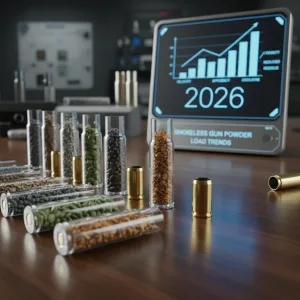
The world of smokeless powder is not static; it’s a dynamic field driven by innovation aimed at enhancing performance, safety, and environmental impact. Manufacturers are continuously developing new formulations that offer cleaner burning characteristics, improved ballistic consistency, and greater versatility across different firearm platforms. These advancements translate directly into better reloading experiences, allowing enthusiasts to achieve higher levels of accuracy and efficiency. Staying abreast of these developments is key for reloaders looking to push the boundaries of their performance. The ongoing evolution of smokeless powder ensures that your reloading goals, whether for competition, hunting, or general shooting, can be met with increasingly sophisticated and reliable components. Understanding these trends can help you make informed decisions when selecting powders for your next batch of ammunition, and also offers a glimpse into where reloading component choices are headed. For a deeper dive into current trends, exploring resources like 2026: Top Reloading Powder Trends can provide valuable insights.
Innovations in Powder Formulation: Cleaner Burning and Higher Performance
Recent advancements in smokeless powder formulation are largely centered on creating propellants that burn more cleanly and efficiently. This often involves the development of new deterrent coatings and stabilizer packages. Cleaner burning powders produce less fouling in firearm barrels, reducing the frequency and effort required for maintenance and contributing to more consistent shot-to-shot performance. Higher performance is achieved through improved energy transfer and more predictable burn rates. Some new powders are designed to be less sensitive to temperature fluctuations, offering a more stable ballistic coefficient across a wider range of environmental conditions. Additionally, manufacturers are exploring powders with reduced muzzle flash and detonation characteristics, enhancing shooter safety and situational awareness. These innovations are particularly beneficial for disciplines where extreme accuracy is paramount, such as competitive shooting, and also contribute to the longevity of firearm components. Many of these new formulations are detailed in resources like Choose Your Smokeless Gun Powder Wisely.
Sustainability Trends in Ammunition Components
The growing global emphasis on environmental responsibility is also influencing the ammunition and reloading industries. Manufacturers of smokeless powder and other components are increasingly exploring sustainable sourcing of raw materials and developing production processes that minimize environmental impact. This includes researching propellants derived from more renewable sources or utilizing manufacturing techniques that reduce waste and energy consumption. While the core chemistry of smokeless powder remains complex, there’s a discernible trend towards developing formulations that are less toxic and produce fewer harmful byproducts upon combustion. This commitment to sustainability extends beyond powder, encompassing efforts in areas like case manufacturing and primer development. For reloaders, this means a future where high performance can be achieved with a conscience, aligning their passion with growing environmental stewardship. The availability of eco-friendlier options is becoming a key consideration for many in the shooting sports community.
How Modern Reloading Tools Leverage Advanced Smokeless Powder
The integration of advanced smokeless powder technologies with modern reloading tools is creating a synergistic effect, pushing the boundaries of what’s achievable for home reloaders. Automated powder dispensing systems, for instance, are being refined to handle a wider variety of powder types, including those with different kernel sizes and shapes, with increased precision. Automated case feeders and powder-drop systems, when paired with powders exhibiting consistent metering properties, allow for rapid and remarkably accurate reloading of large quantities of ammunition. Advanced presses are incorporating more robust build quality and finer adjustments, ensuring that the precise charges delivered by new powders are seated and crimped consistently, reducing runout and improving overall cartridge quality. Furthermore, digital measuring tools and data logging capabilities within some reloading presses can help track load development and identify optimal charge weights for specific firearms when using these cutting-edge powders. This technological synergy is making high-level reloading more accessible and effective than ever before. For those focusing on specific calibers, resources such as Handgun Ammo Reloading: Optimal Loads can highlight how these advancements apply.
Maintaining your reloading equipment and understanding the nuances of smokeless powder storage are critical steps for anyone serious about achieving consistent results. As technology progresses, staying informed about innovations in powder formulation and the tools that utilize them will be key to unlocking new levels of performance in your reloading endeavors.
For a comprehensive selection of high-quality smokeless gun powder and all your reloading needs, Northern Reloading stands as a reliable resource. Their commitment to offering top-tier components ensures you have the best materials to achieve your reloading goals.

About author


Add comment