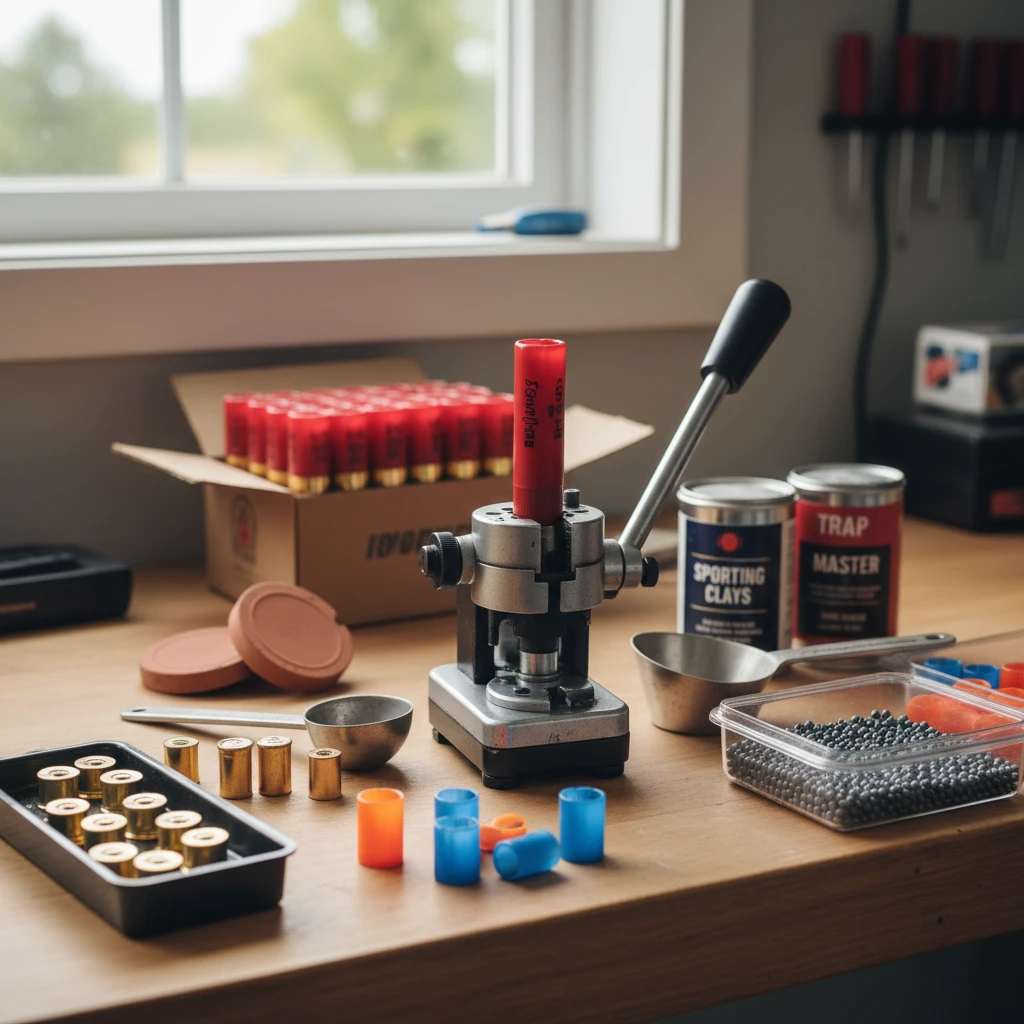
This exploration into hand-loaded shotgun ammo for skeet and trap will delve into the advantages of reloading, the essential components you’ll need, and how to critically interpret load data. We aim to equip you with the knowledge to create shells tailored to your specific needs, enhancing your consistency and success on the range.
Unlock Your Potential: Mastering Skeet & Trap Loads from Hand-Loaded Ammunition
Skeet and trap shooting demand specific performance characteristics from your shotgun ammunition. Skeet, with its crossing and rising targets, often benefits from a slightly wider, more forgiving pattern that can be achieved with specific components and load densities. Trap, on the other hand, typically involves targets moving away from the shooter, where a tighter, more focused pattern can be advantageous for precise breaks at longer distances. Reloading allows you to fine-tune these characteristics, moving beyond the limitations of off-the-shelf options. By carefully selecting each component – from the hull and primer to the powder, wad, and shot – you gain granular control over the final shell’s performance. This level of customization is where hand-loading truly shines for clay sports, enabling you to develop loads that are not just effective but also comfortable to shoot, round after round, minimizing fatigue during long shooting sessions.
The pursuit of consistency is paramount in competitive shooting. Skeet and trap shooters rely on predictable results to build confidence and execute their shots flawlessly. Hand-loading, when done with attention to detail and adherence to established procedures, offers an unparalleled ability to replicate performance. Each component is measured precisely, and each step in the loading process is controlled, leading to shells that behave identically. This uniformity translates directly to more consistent patterns downrange, predictable recoil, and ultimately, a higher probability of breaking targets. Instead of relying on factory loads that might have slight variations from one box to another, you can create a batch of ammunition that you know intimately, trusting its performance every time you pull the trigger.
Why Reloading for Skeet & Trap Offers a Distinct Advantage
Cost Savings: The Economic Sense of DIY Shotgun Shells
The economic argument for reloading shotgun ammunition for skeet and trap is compelling. While the initial investment in reloading equipment can seem significant, the long-term savings are substantial, especially for shooters who frequent the range. Factory-loaded shells, particularly those designed for competitive shooting, can be quite expensive, with costs often exceeding \$10 per box. When you consider the thousands of rounds an active skeet or trap shooter might expend annually, the per-shot cost of factory ammunition quickly adds up. By reloading, you can significantly reduce this cost, often cutting it by 50% or more, depending on the components chosen and bulk purchasing opportunities. This allows you to shoot more for the same budget, or achieve significant savings while maintaining your training regimen.
Customization: Tailoring Loads for Optimal Performance
One of the most significant benefits of reloading for skeet and trap is the ability to customize loads to your specific needs and preferences. Different shooting styles, firearm characteristics, and target presentations can all influence the ideal ammunition. For instance, some shooters prefer a softer recoil impulse to maintain a consistent sight picture, which can be achieved by carefully selecting powder charges and wad combinations. Others may aim for a specific pattern density for particular shooting scenarios. Reloading enables you to experiment with different shot sizes, velocities, and payload weights to find the perfect balance that complements your shooting technique and your shotgun’s performance. This bespoke approach ensures that your ammunition is optimized for success, not just a generic offering.
Consistency: Achieving Predictable Patterns Round After Round
Predictability is the bedrock of consistent performance in any precision-oriented sport, and shotgunning for clay targets is no exception. Hand-loaded ammunition, when meticulously prepared, offers a level of consistency that is difficult to match with factory loads. By precisely measuring every component – powder, shot, primer, and carefully seating the wad – you minimize variables that can lead to inconsistent patterns or performance. This attention to detail results in shells that behave identically from one round to the next, providing a reliable and repeatable ballistic performance. Shooters can trust that their hand-loaded shells will perform as expected, shot after shot, allowing them to focus on their technique rather than questioning their equipment.
Essential Components for Your Skeet & Trap Reloading Kit
Choosing the Right Hull: The Foundation of Your Shell
The shotgun shell hull serves as the primary container for all other components and plays a critical role in the overall performance of the loaded round. For skeet and trap reloading, you’ll typically want to focus on hulls designed for repeated use and those compatible with common reloading dies. Many reloaders prefer new hulls for ultimate consistency, but once-fired hulls can offer significant cost savings and still provide excellent performance if they are in good condition and free from damage. Look for hulls with sturdy plastic bases and consistent crimps. The material and construction of the hull can influence the burn rate of the powder and the way the wad seals, so selecting a high-quality, consistent hull is the first step towards reliable ammunition.
Selecting Primers: The Ignition Spark for Success
Primers are the small but crucial components that initiate the combustion of the gunpowder. For shotgun shells, small pistol or small rifle primers are generally not used; you’ll need specific shotshell primers. The type of primer you choose can affect ignition speed and reliability, which in turn impacts the overall performance and consistency of your load. Manufacturers offer different primer strengths and sensitivities. For most standard skeet and trap loads, reliable, standard-velocity shotshell primers are perfectly adequate. However, for very fast-burning powders or extreme temperature conditions, some reloaders might opt for magnum primers. Always consult your reloading data, as it will specify the appropriate primer type for the tested load.
Powder Selection: The Heartbeat of Your Shotgun Ammo
The smokeless powder is the propellant that generates the gas pressure to propel the shot charge. Choosing the correct powder is perhaps the most critical decision in reloading, as it directly influences velocity, pressure, and pattern performance. For skeet and trap, powders with relatively fast to medium burn rates are generally preferred. These powders provide a clean burn and efficient obturation (sealing the bore) without creating excessive pressure or recoil. Reloading data is essential here, as it will list specific powders that have been tested and proven to work safely and effectively with certain components. Exploring different smokeless gun powder options allows for fine-tuning velocity and recoil to match your shooting style and firearm. Understanding the nuances of smokeless powder reloading essentials is key to success.
Wad Choice: Crucial for Pattern Integrity
The wad is a multi-functional component that performs several vital tasks within the shotgun shell. It separates the powder from the shot column, seals the bore to prevent gas leakage (obturates), and controls the expansion and release of the shot. For skeet and trap, the wad’s design significantly impacts pattern density and uniformity. Different wads are designed for specific shot payloads, hull types, and intended velocities. Some wads feature petal designs that hold the shot together longer, promoting tighter patterns, while others are designed for faster shot release. Selecting the correct wad that is compatible with your chosen hull, powder, and shot weight is paramount for achieving consistent and effective patterns downrange.
Shot Selection: Precision Matters for Bird Engagement
The shot, or projectile, is what ultimately engages the targets. For skeet and trap, the most common shot sizes range from #7.5 to #9. Smaller shot sizes like #9 provide a higher pellet count in a given payload, leading to denser patterns that are ideal for the smaller targets and closer ranges often encountered in skeet. For trap, #7.5 or #8 shot is often preferred, offering a good balance between pellet count and individual pellet energy for breaking targets at slightly longer distances. Consistency in shot pellet uniformity is also critical. High-quality lead shot will have spherical pellets that fly true, ensuring predictable impact and effective breaks on clay targets. Ensure your shot selection aligns with the recommendations in reliable reloading data.
Decoding Reloading Data: Finding the Sweet Spot for Your Loads
Understanding Pressure and Velocity: Safety First!
When reloading any ammunition, understanding pressure and velocity is paramount for safety and performance. Pressure, measured in pounds per square inch (psi), refers to the force generated inside the firearm’s chamber when the powder ignites. Exceeding safe pressure limits can lead to catastrophic firearm failure, causing serious injury or death. Velocity, the speed at which the shot charge leaves the barrel, is a key performance indicator but must be achieved within safe pressure parameters. Reloading data is meticulously compiled to ensure that specific component combinations produce velocities within a safe and effective range for your firearm. Always start with the manufacturer’s recommended starting loads and work up cautiously, paying close attention to any signs of excessive pressure.
Reliable Data Sources: Where to Find Accurate Load Information
Accessing accurate and reliable reloading data is non-negotiable for safe and successful reloading. The most trusted sources are typically the reloading manuals published by powder manufacturers, such as Hodgdon, Alliant Powder, and Vihtavuori, and reputable component manufacturers. These sources conduct extensive testing to provide tested load combinations for specific primers, hulls, powders, and wads. Online resources can also be valuable, but always cross-reference information and prioritize data from established industry names. Understanding smokeless gun powder load data best practices will help you navigate this information effectively. Websites like the Sporting Arms and Ammunition Manufacturers’ Institute (SAAMI) also offer valuable safety guidelines and data.
Starting Loads vs. Maximum Loads: A Conservative Approach
Reloading data typically provides a range of loads, from a “starting load” to a “maximum load.” The starting load is designed to be a conservative, safe charge that provides a baseline performance. It is the recommended point to begin when developing a new load. From there, you can gradually increase the powder charge incrementally, adhering to the data’s recommended steps, until you reach the maximum load, or more often, a load that provides the desired performance without excessive pressure signs or recoil. The maximum load represents the upper limit of safe testing for that specific component combination and should be approached with extreme caution. Prioritizing a conservative approach ensures you develop a safe and effective load tailored to your needs.
The Reloading Process: Step-by-Step to Success
Reloading ammunition for skeet and trap offers a rewarding path to customized performance and cost savings. The process, while requiring attention to detail, is methodical and can be broken down into distinct stages. Each step plays a crucial role in ensuring safe, reliable, and effective ammunition for breaking clays. Understanding the purpose and execution of each stage is paramount for both novice and experienced reloaders. This comprehensive approach ensures that your reloaded shells perform consistently, shot after shot, helping you achieve better scores on the field.
Resizing and Depriming: Preparing the Spent Hull
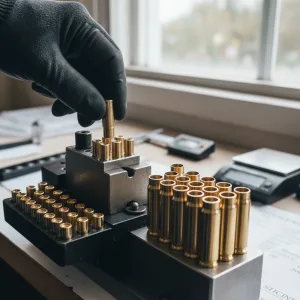
The initial step in reloading involves preparing the once-fired hull. This begins with the resizing process, where a resizing die returns the hull to its original dimensions. This is essential because firing can slightly expand the hull. Following resizing, the spent primer is removed. Many reloading presses incorporate a depriming station that simultaneously resizes and punches out the old primer. It’s crucial to ensure that the spent primer is fully removed, as a stuck primer can prevent the seating of a new one and lead to misfires. Some reloaders prefer to clean their hulls before resizing and depriming to remove dirt and debris that could interfere with the process or contaminate new components. Thorough inspection of the hull for cracks or damage is also part of this preparation phase; any compromised hull should be discarded.
Priming: Setting the Stage for Ignition
Once the hull is resized and deprimed, the next critical step is priming. This involves inserting a new primer into the primer pocket at the base of the hull. Primers are small, sensitive explosive devices that initiate the combustion of gunpowder when struck by the firing pin. Ensuring proper primer seating is vital. A primer seated too high can cause feeding issues or prevent the bolt from closing fully, while a primer seated too deep can lead to slam-fire. Most modern reloading presses have automatic priming systems, but manual priming offers more tactile feedback, allowing the reloader to feel the primer seat correctly. It is imperative to use the correct type of primer for your specific shotshell; using the wrong primer can lead to dangerous pressure spikes or, conversely, insufficient ignition. This detail is fundamental when selecting components from suppliers like primer types for reloading.
Powder Charging: Precise Measurement is Key
Accurate powder charging is perhaps the most critical step in reloading, directly impacting pressure and performance. The amount of smokeless gun powder used must be precisely measured according to reliable load data. Using too little powder can result in poor performance or squib loads, while using too much can create dangerously high pressures, leading to firearm damage or injury. Reloaders typically use a powder scale for verification or a calibrated powder measure. Always consult a reputable load data book or manufacturer’s recommendations for the specific shotshell, powder, and components you are using. This is a non-negotiable aspect of safe reloading, especially when working with different smokeless powder choices for various shooting applications.
Wad Insertion and Seating
Following the powder charge, a shotshell wad is inserted into the hull. The wad serves multiple functions: it separates the powder from the shot, seals the bore to trap expanding gases for optimal velocity, and cushions the shot column during firing. Wads are typically made of plastic and come in various designs tailored for specific payloads and performance characteristics. Proper wad seating ensures that it forms a tight seal with the hull walls. A loosely seated or incorrect wad can lead to gas leakage, resulting in reduced velocity and erratic patterns. Most reloading presses have a mechanism to seat the wad to a specified depth or until it’s firmly seated against the powder. Ensuring the wad is oriented correctly and fully seated is crucial for consistent performance.
Shot Loading and Crimping: The Final Seal of Quality
The penultimate stage involves loading the shot into the hull, on top of the wad. The type and amount of shot are chosen based on the intended use, with lead, steel, and bismuth being common options for skeet and trap. After the shot is loaded, the hull mouth is crimped. The crimp is the final seal that holds the shot and wad column within the hull. There are two primary types of crimps: the standard fold crimp and the roll crimp. For shotshells, a fold crimp is standard, with either a 6-point or 8-point fold being most common. The crimping die on the reloading press shapes the mouth of the hull inward, creating a secure closure. An improperly formed crimp can lead to shot dispersion issues or feeding problems in semi-automatic firearms. A well-executed crimp ensures that the payload remains contained until fired, contributing to uniform patterns.
Fine-Tuning Your Skeet & Trap Loads: Advanced Considerations
Once you’ve mastered the fundamental reloading process, the pursuit of peak performance for skeet and trap becomes an ongoing refinement. This involves understanding how subtle changes in your reloaded ammunition can translate into tangible improvements on the shooting range. Fine-tuning isn’t just about consistency; it’s about optimizing your loads to your specific shooting style, firearm, and the demands of the disciplines themselves. This advanced stage often involves a deeper dive into ballistics, component interactions, and environmental influences. By paying close attention to these details, you can develop loads that not only break clays more consistently but also offer a more pleasant and predictable shooting experience, enhancing your overall success and enjoyment.
Pattern Testing: Visualizing Your Load’s Effectiveness
Pattern testing is an indispensable tool for any reloader aiming for superior skeet and trap performance. It involves firing your reloaded shells at a large target sheet at various distances relevant to the shooting discipline (typically 15-40 yards) to assess how the shot pellets are distributed. A good pattern will be dense and evenly distributed, with minimal gaps where targets could slip through. By analyzing the pattern, you can identify issues with your load, such as inconsistent pellet energy, poor wad performance, or ineffective crimping. Different powders, wads, and shot sizes will produce different patterns. For example, a load designed for close-range skeet might have a wider, more open pattern than one intended for longer trap shots. This visual feedback allows for informed adjustments to your reloading recipe, moving you closer to an ideal clay-busting load.
Adjusting for Different Gauges: 12 Gauge vs. 20 Gauge
While the fundamental reloading principles remain the same, adjusting loads for different gauges, most commonly 12 gauge and 20 gauge, requires specific attention. The 12 gauge, being larger, generally uses more powder and shot, allowing for higher payload capacity and potentially more energy. The 20 gauge, while smaller, can be equally effective when loaded correctly, often being lighter to carry and producing less recoil. Component selection is gauge-specific; you cannot interchange wads, hulls, or even primers designed for one gauge with another. Load data for smokeless gun powder and shot charges will differ significantly between the two. When reloading for a 20 gauge, you’ll need to use data specifically formulated for that gauge, ensuring all components are compatible to achieve safe pressures and optimal performance.
Environmental Factors: How Temperature and Humidity Impact Performance
Environmental conditions can subtly, yet significantly, affect the performance of your reloaded ammunition. Temperature influences the burn rate of smokeless gun powder; warmer temperatures generally lead to faster burning and higher pressures, while colder temperatures can slow the powder burn, reducing velocity and potentially affecting ignition. Humidity can also play a role, particularly with older powder formulations, although modern powders are much more stable. For competitive shooters, understanding these variables is key to maintaining consistency. Reloading with a baseline temperature in mind and being aware of how extreme weather might alter your load’s performance can help you make informed decisions on the range, ensuring your shotgun ammo performs reliably.
Common Pitfalls and How to Avoid Them in Skeet & Trap Reloading
Reloading ammunition for skeet and trap, while rewarding, presents several potential pitfalls that can compromise safety, performance, and component integrity. Awareness of these common errors is the first step toward preventing them. Many mistakes stem from a lack of attention to detail or a failure to follow established procedures and load data. The consequences can range from poor shooting performance to dangerous over-pressure situations. By understanding what can go wrong and implementing preventative measures, reloaders can significantly enhance the safety and effectiveness of their reloaded shells, ensuring consistent results when aiming for success on the clay fields.
Double Charging or Undercharging Powder: A Critical Error
The most dangerous error in reloading is either double charging or undercharging powder. A double charge means accidentally putting twice the recommended amount of powder into a hull. This drastically increases internal pressure, which can lead to catastrophic firearm failure and severe injury. Conversely, an undercharge can result in a squib load, where the projectile may not exit the barrel, creating a dangerous obstruction. The most effective way to prevent powder charging errors is to use a powder dispensing system that allows for visual confirmation of each charge. Some reloaders use trickler devices to add powder incrementally and a precise scale to verify each charge before it’s placed into the hull. Always visually inspect each primed hull before adding powder and ensure the powder level is correct.
Incorrect Wad Selection or Seating: Sacrificing Pattern
Choosing the wrong wad or failing to seat it properly can significantly degrade your reloaded shells’ performance. Wads are designed for specific hull types, powder charges, and shot weights. Using a wad that is too small might not create a proper gas seal, leading to blown patterns. A wad that is too large can be difficult to seat, potentially damaging the hull or powder. Similarly, a wad that isn’t fully seated can disrupt the shot column’s launch and create inconsistent patterns. Always consult load data to confirm the correct wad type and follow the manufacturer’s recommendations for seating depth. If using a progressive press, ensure the wad-seating station is functioning correctly and applying consistent pressure. This directly impacts the effectiveness of your smokeless powder and shot combination.
Improper Crimping: Leading to Feeding Issues
A poorly executed crimp can lead to a host of problems, primarily related to feeding and ignition. If the crimp is too loose, the shot and wad column may shift, potentially causing the shell to jam in the firearm’s action or leading to a wider, less effective shot pattern. If the crimp is too tight or uneven, it can impede the smooth release of shot pellets, again affecting pattern quality. For semi-automatic shotguns, a properly formed crimp is essential for reliable cycling. Reloading presses typically have adjustable crimping dies. It’s important to experiment with the crimp depth and pressure until you achieve a fold that is consistently uniform, secure, and allows the shot to exit the barrel cleanly without obstructions.
Ignoring Component Compatibility: A Recipe for Disaster
One of the most critical aspects of reloading is ensuring that all components are compatible with each other and with the intended firearm and load data. This includes matching the correct primer type and size to the hull, using the appropriate wad for the hull and desired payload, selecting the correct type and amount of smokeless gun powder as specified in load data, and ensuring the shot size is appropriate for the target game or discipline. Mismatched components can lead to unpredictable pressure variations, resulting in either underperformance or dangerous over-pressure situations. Always use reputable load data specific to the exact components you are using. When in doubt, consult experienced reloaders or the component manufacturers.
Safety First: Reloading Practices for Peace of Mind
Safety is not merely a suggestion in reloading; it is the bedrock upon which all successful and responsible reloading practices are built. Mishandling components or deviating from established safety protocols can lead to severe injury or damage to firearms. Prioritizing safety ensures that the rewarding hobby of creating your own ammunition remains a source of satisfaction rather than a cause for concern. This involves establishing a dedicated and organized workspace, utilizing appropriate protective gear, and diligently storing all components in a secure and environmentally stable manner. Adhering to these fundamental safety principles provides peace of mind and allows you to focus on the precision and craft of reloading.
Dedicated Workspace: Organization and Ventilation
Establishing a dedicated workspace is crucial for safe and efficient reloading. This area should be well-lit, free from distractions, and organized to prevent errors. Keep all reloading tools, components, and published load data within easy reach. A clean workspace minimizes the risk of mixing up components or contaminating powder. Crucially, adequate ventilation is essential, especially when working with smokeless gun powder. While modern powders are relatively stable, fine dust particles can be generated, and working in a space with good airflow helps dissipate any airborne residue. Ensure the workspace is also secure to prevent unauthorized access, particularly by children or individuals unfamiliar with firearms and ammunition components.
Eye and Ear Protection: Non-Negotiable Gear
The use of personal protective equipment (PPE) is non-negotiable when reloading. Safety glasses are paramount to protect your eyes from flying debris, spilled primers, or accidental powder releases. Even a small primer fragment or a puff of powder can cause serious eye injury. Similarly, ear protection, such as earplugs or earmuffs, should be worn whenever you are operating a reloading press or handling ammunition. While reloading is generally quieter than live firing, certain operations, like resizing or depriming with older equipment, can produce sharp noises. Investing in good quality eye and ear protection is a small price to pay for safeguarding your health and well-being.
Component Storage: Keeping Materials Secure and Dry
Proper storage of reloading components, including primers and smokeless gun powder, is vital for both safety and preserving their integrity. Components should be stored in a cool, dry place, away from direct sunlight, heat sources, and open flames. Powders and primers are sensitive to moisture, which can degrade their performance or even render them unstable. Ensure all containers are tightly sealed to prevent contamination and moisture ingress. Furthermore, store these materials securely, out of reach of children and unauthorized individuals, similar to how you would store ammunition. This diligent approach to storage ensures the reliability and longevity of your reloading supplies.
Beyond the Basics: Integrating Reloading into Your Shooting Routine
Building Ammo for Practice vs. Competition
For skeet and trap shooters, the distinction between practice and competition ammunition is crucial. While both may use similar components, the loading densities and specific performance characteristics can vary significantly. For general practice, you might opt for a more economical load that still provides reliable cycling and adequate patterning, allowing you to put in high-volume training without breaking the bank. This could involve slightly less expensive wads or a powder charge that is on the lower end of the recommended spectrum for your chosen projectile weight. The goal here is repetition and muscle memory. Conversely, competition loads demand precision. Here, you’ll focus on consistency and optimizing performance for those critical shots. This often means selecting premium components like finely-graded shot, specialized wads designed for tighter patterns at specific ranges, and carefully measuring every charge of smokeless gun powder to ensure minimal shot-to-shot deviation. Understanding load data is paramount; deviating without careful consideration can lead to inconsistent results or even unsafe pressures. For instance, a load optimized for consistent, dense patterns at 30 yards might perform differently at 40 yards, impacting your ability to break challenging clay targets. Prioritizing consistency means sourcing high-quality primers, like those found for reloading precision, and ensuring your gunpowder is precisely metered.
When selecting components, consider the nuances of each discipline. Skeet typically involves closer targets with changing angles, while trap presents targets at longer, more predictable distances, often requiring a faster initial velocity. Your reloads can be tailored to these specific needs. For skeet, a load that breaks clays cleanly at closer ranges with a forgiving pattern might be ideal. For trap, a load with a flatter trajectory and a tighter pattern at longer distances can increase your success rate. Many shooters find success using a combination of reloading books and online resources to develop their loads. Websites dedicated to reloading, such as those offering insights into smokeless gun powder load data best practices, are invaluable. It’s also beneficial to experiment with different shot sizes and velocities within safe parameters. A common pitfall is trying to achieve extreme velocities without considering the impact on recoil and pattern density. Always adhere to published load data from reputable sources to avoid dangerous overloads. Ultimately, the optimal practice load allows for extensive training, while the competition load is fine-tuned for peak performance on match day.
Troubleshooting Malfunctions and Pattern Issues
Reloading shotgun shells for skeet and trap can introduce unique challenges beyond those found with factory ammunition. Malfunctions, such as failure-to-feed or failure-to-eject, are often directly linked to the reloaded shell’s dimensions or the powder charge. For example, an improperly crimped shell might be too long, causing feeding issues in semi-automatic or pump-action shotguns. Similarly, a powder charge that is too light can result in insufficient energy to properly cycle the action, leaving you with a stovepipe or a failure to eject. A common troubleshooting step involves meticulously inspecting your reloaded shells against factory specifications or carefully measured standards. Ensuring your resizing die is set correctly and that your crimp is consistent is fundamental. Always use a reliable reloading press and follow manufacturer instructions for die adjustments.
Pattern issues are another area where reloading requires attention. A poorly performing pattern—either too scattered (open) or too tight and stringing shots—can be attributed to several factors. The wad column is a prime suspect; if it doesn’t seal the bore properly, gas will escape, leading to a loss of velocity and a degraded pattern. This can be caused by incorrect wad selection for your specific gauge and payload, or by damage to the wad during the crimping process. The shot itself can also be a culprit. Using inconsistent shot sizes or damaged pellets (e.g., flattened or irregular shapes) will inevitably lead to erratic patterns. Many shooters find that experimenting with different types of shot, such as nickel-plated lead or even modern alternatives, can yield improved results. When troubleshooting, systematically isolate variables. Start by testing a batch of shells loaded with components from a single manufacturer, then gradually introduce variations. For serious pattern analysis, a patterning board at a measured distance (e.g., 30-40 yards) is indispensable. This allows you to visually confirm the density and uniformity of your shot strings and make informed adjustments to your load recipe. Understanding the role of each component, from the primer’s ignition characteristics to the specific burn rate of your smokeless powder choices, is key to resolving pattern deficiencies.
The Satisfaction of Self-Reliance and Skill Development
The act of reloading your own ammunition for skeet and trap offers a profound sense of accomplishment that extends beyond mere cost savings. It cultivates a deep understanding of the mechanical workings of firearms and ammunition. As you meticulously measure powder, seat primers, and crimp shells, you become intimately familiar with the intricate relationship between each component and its effect on the final projectile. This hands-on approach fosters a level of expertise that factory ammunition simply cannot replicate. The ability to troubleshoot and correct issues, whether they are minor malfunctions or disappointing pattern results, builds confidence and sharpens your problem-solving skills. This self-reliance is particularly valuable in a shooting sport where consistent performance is paramount.
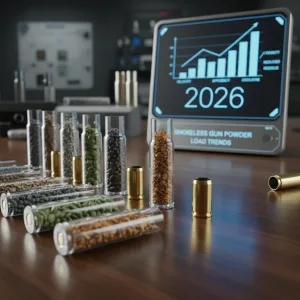
Furthermore, the journey of reloading is one of continuous learning and refinement. Each batch of ammunition you produce is an opportunity to experiment, analyze, and improve. You might delve into the intricacies of different smokeless gun powder types, learning how burn rates affect recoil and velocity, or explore advanced techniques for achieving optimal crimps. This pursuit of perfection mirrors the dedication required to excel in skeet and trap. The satisfaction derived from breaking a difficult clay target with a round of ammunition you meticulously crafted yourself is immense. It’s a tangible reward for your effort and precision. For those who also hunt, the skills honed through reloading shotgun shells directly translate to developing effective loads for various game, making your adventures in the field even more rewarding. This journey also connects you to a rich tradition of firearmsmanship, emphasizing the importance of knowledge and careful practice in mastering your chosen sport. Your dedication to precision reloading can be enhanced by exploring the latest innovations, such as those highlighted in articles about 2026 top reloading powder trends.



Add comment