


Smokeless Gun Powder: Master Your Loads
Mastering your reloaded ammunition begins with a deep understanding of smokeless gunpowder. This seemingly simple component is, in reality, a carefully engineered propellant that dictates the performance of your rounds. By choosing and using the correct smokeless powder, you unlock the potential for unparalleled accuracy and consistency, transforming your shooting experience.
The world of reloading is one of precision and control, and at its heart lies the selection of the right smokeless gunpowder. It’s not just about making bullets fly; it’s about making them fly exactly where you intend, with predictable energy and minimal variation. This guide will help you navigate the complexities and achieve superior results in your hand-loaded cartridges.
Unlocking Precision: Why Smokeless Gunpowder is Key to Your Reloading Success
The pursuit of pinpoint accuracy in reloading hinges on the meticulous selection and application of smokeless gunpowder. Unlike its historical predecessor, black powder, smokeless powders offer a cleaner burn and a significantly higher energy output relative to their volume. This allows for greater control over muzzle velocity and chamber pressure, two critical factors that directly influence bullet trajectory, consistency, and firearm safety. For handloaders aiming to achieve match-grade accuracy or reliable hunting performance, understanding the nuances of different smokeless powders is paramount. The precise metering and consistent ignition of smokeless gunpowder are the cornerstones of developing loads that perform predictably shot after shot, making it an indispensable element for serious shooters. By mastering its characteristics, you gain the ability to fine-tune your ammunition for specific firearms and shooting disciplines.
The Foundation of Accurate Ammunition: Understanding Smokeless Powder’s Role
Smokeless gunpowder acts as the engine for your reloaded cartridges, generating the high-pressure gases necessary to propel a bullet down the barrel. Its chemical composition is engineered to burn rapidly and controllably, converting stored chemical energy into kinetic energy. The uniformity of this burn rate and the consistency of the powder grains are fundamental to achieving consistent velocities and pressures. Variations in powder density, grain size, or chemical makeup can lead to unpredictable performance, affecting accuracy and potentially compromising safety. Therefore, selecting a powder known for its lot-to-lot consistency and adhering strictly to recommended load data is crucial. For those seeking to build exceptionally accurate rounds, starting with high-quality, reliable smokeless gun powder is the indispensable first step in any successful reloading endeavor.
Beyond the Bullet: How Powder Choice Impacts Velocity and Pressure
The choice of smokeless gunpowder profoundly influences both the muzzle velocity of a projectile and the peak pressure generated within the firearm’s chamber. Powders designed for high velocity in rifle cartridges, for instance, typically burn slower to allow the bullet to travel further down the barrel before reaching maximum expansion of gases. Conversely, faster-burning powders are often favored for handgun cartridges, providing a rapid pressure spike that quickly accelerates lighter bullets. Exceeding safe pressure limits, often a consequence of using too much powder or a powder type inappropriate for the cartridge, can lead to catastrophic firearm failure and serious injury. Conversely, undercharging can result in poor ballistic performance and inconsistent ignition. Always consult up-to-date load data specific to your caliber, bullet weight, and chosen smokeless powder to ensure both optimal performance and safety.
Decoding Smokeless Gunpowder: Types and Their Unique Applications
Navigating the vast array of smokeless gunpowder options can seem daunting, but understanding the fundamental classifications will equip you to make informed decisions. These propellants are meticulously engineered, and their differences in chemical composition, physical form, and burn rate directly translate into distinct performance characteristics. Whether you’re loading for precision rifle shooting, defensive handgun rounds, or versatile shotgun shells, the correct powder is not merely a component but a critical tuning element. By delving into the distinctions between single-base and double-base powders, recognizing the significance of burn rate, and appreciating how propellant geometry affects metering and ignition, you can elevate your reloading to a new level of proficiency. This knowledge empowers you to select the ideal powder for your specific application, optimizing both performance and safety.
Single-Base vs. Double-Base Powders: What’s the Difference and Why It Matters
The core distinction between single-base and double-base smokeless gunpowder lies in their energetic components. Single-base powders primarily utilize nitrocellulose as their energetic material, bonded with a deterrent coating to control burn rate. They are generally known for cleaner burning and producing less fouling. Double-base powders, on the other hand, incorporate both nitrocellulose and nitroglycerin. The addition of nitroglycerin significantly increases the energy density, meaning double-base powders typically yield higher velocities and pressures for a given volume compared to single-base powders. This higher energy content can also lead to hotter burning and potentially more barrel wear. For reloaders, understanding this difference is crucial for selecting a powder that matches the pressure and velocity goals for a specific cartridge and firearm. For example, certain high-performance rifle cartridges might benefit from the increased energy density of a double-base powder, while applications requiring cleaner burning or lower pressures might favor a single-base option. Consulting detailed specifications and load data is always advised when working with either type.
Burn Rate: The Critical Factor for Optimized Performance in Handgun Ammo and Rifle Ammo
Burn rate refers to how quickly smokeless gunpowder combusts once ignited. This characteristic is arguably the most critical factor in selecting the right powder for any given cartridge, impacting everything from muzzle velocity and pressure to recoil and overall accuracy. Powders are broadly categorized as fast, medium, or slow burning. Fast-burning powders are ideal for smaller capacity cartridges, like many handgun ammo loads, where they generate a rapid pressure spike to efficiently propel lighter bullets. Slow-burning powders are preferred for larger capacity rifle cartridges, such as those used for long-range shooting or hunting, as they allow the pressure to build more gradually and stay sustained longer, maximizing the work done on the bullet as it travels down the barrel. Using a powder with an inappropriate burn rate can lead to dangerous over-pressurization (with a fast powder in a large case) or inefficient performance and excessive muzzle flash (with a slow powder in a small case). Reloaders must meticulously match the powder’s burn rate to the specific cartridge case volume, intended bullet weight, and firearm type to achieve optimal, safe results.
Propellant Geometry: Understanding Flake, Ball, and Extruded Powders for Reloading
The physical shape of smokeless gunpowder grains, known as propellant geometry, significantly influences how the powder behaves during the reloading process and ignition. These shapes fall into three primary categories: flake, ball, and extruded. Flake powders are flattened discs, often producing good metering characteristics and igniting quickly. Ball powders are spherical, which generally results in excellent flow and consistent density, leading to very accurate volumetric measurement. Extruded powders, also known as rod or tubular powders, are cut into small rods or tubes; these often require precise mechanical metering due to their tendency to bridge or clump. The geometry can also influence the burn rate and ignition sensitivity. For instance, spherical powders can sometimes exhibit slightly more consistent ignition due to their uniform shape and surface area. When reloading, understanding these forms helps predict how well a powder will meter through your specific powder measure and how reliably it will ignite in your cartridge. Experimentation and careful observation are key to finding which geometry works best with your equipment and desired ammunition types.
Matching Powder to Your Project: A Guide for Hunters and Sport Shooters
Selecting the correct smokeless gunpowder is not a one-size-fits-all proposition; it’s a deliberate process of matching the powder’s characteristics to the intended use of your reloaded ammunition. For hunters, this might mean prioritizing consistent energy transfer for ethical kills on game, while for sport shooters, the emphasis often shifts to extreme precision and minimal deviation. This section will guide you through tailoring your smokeless powder choice for various shooting disciplines, from the close-quarters demands of handgun cartridges to the long-range precision required for rifle ammo, and the versatility needed for shotgun shells. Understanding how different powders perform in specific applications is crucial for achieving the results you desire, ensuring both peak performance and safety in every round you load.
Optimizing Loads for Handgun Ammo: From .45 ACP to 9mm
Reloading handgun ammo, whether for self-defense, target practice, or competition, demands careful powder selection to achieve the desired balance of velocity, recoil, and accuracy. For common calibers like the 9mm Luger or .45 ACP, powders that burn relatively quickly are often preferred. These faster powders generate a rapid pressure spike that efficiently propels the bullet out of the shorter handgun barrel. Examples include powders like Alliant Unique or Hodgdon Clays for general-purpose loads, offering good performance and manageable recoil. For magnum handgun cartridges, which have larger case volumes, slower-burning powders might be necessary to achieve optimal velocities and prevent excessive pressure. When developing loads, consider the bullet weight you intend to use, as this will also influence the powder charge and type. Always consult reputable load data, such as that provided by powder manufacturers, to ensure you are working within safe pressure limits and achieving your ballistic goals for each handgun caliber.
Tailoring Smokeless Powder for Rimfire Ammo Applications (Where Applicable)
While the majority of rimfire ammunition is factory-produced and not typically reloaded by the average enthusiast due to the unique construction of rimfire cartridges, understanding the principles of powder performance still holds value for those seeking to maximize accuracy from their factory-fired rounds or for specialized applications. The smokeless powders used in modern .22 LR and other rimfire cartridges are formulated to provide rapid ignition and consistent performance in small case volumes. Achieving optimal accuracy in rimfire ammo, even without reloading, involves selecting firearms and ammunition known for their quality and consistency. For advanced reloaders or those involved in specialized competitions where components might be modified, understanding that specific powders are engineered for these low-pressure, high-volume applications is key. Generally, faster-burning powders are employed to ensure efficient ignition and velocity within these minimal cases. Guidance on rimfire cartridge performance can often be found in specialized reloading manuals or industry technical resources focused on ammunition development.
Selecting the Right Powder for Shotgun Ammo: Versatility and Power
Reloading shotgun ammo requires a distinct approach to smokeless gunpowder selection, focusing on versatility and the specific payload. Shotgun powders are typically designed for rapid, high-volume combustion to propel shot or slugs effectively. Common types include fast-burning flake powders, which are well-suited for light target loads, and slower-burning powders for heavier hunting loads that require sustained pressure to achieve higher velocities with larger payloads. The diameter of the shotgun bore and the intended application—be it clay sports, bird hunting, or slug shooting—dictate the powder choice. For instance, reloading 12-gauge shells for bird hunting might call for a powder that balances shot velocity with a manageable shot string, ensuring effective pattern density at typical hunting ranges. Accurate load data, paying close attention to wad selection, shot weight, and the specific gauge and chamber length, is paramount for safe and effective shotgun reloading. Understanding these factors allows reloaders to create ammunition tailored for optimal performance in various shooting scenarios.
Precision in Every Shot: Choosing Smokeless Powder for Rifle Ammo
Developing precise loads for rifle ammo is where the subtle art of smokeless gunpowder selection truly shines. Rifle cartridges, with their typically larger case volumes and longer barrels, demand slower-burning powders. These propellants ensure that the pressure builds progressively and remains elevated for a sufficient duration to maximize bullet velocity and stability. For long-range precision shooting or hunting demanding controlled energy transfer, powders like Hodgdon Varget or Alliant Reloder 15 are often lauded for their consistency and performance. Factors such as bullet weight, desired velocity, and barrel length all play a critical role. Using too fast a powder can lead to pressure spikes before the bullet has traveled adequately down the barrel, resulting in poor accuracy and potential safety issues. Conversely, an overly slow powder might not burn completely, leading to excessive muzzle flash and reduced efficiency. Meticulous adherence to established load data and careful lot-to-lot consistency checks of your chosen smokeless powder are essential for achieving the accuracy required for competitive shooting or ethical hunting.
The Essential Partnership: Primers and Smokeless Powder Working in Tandem
The relationship between primers and smokeless gunpowder is symbiotic; one cannot function effectively without the other. A primer is essentially a small explosive charge designed to ignite the main propellant charge when struck by the firing pin. The reliable and consistent ignition provided by the primer is the critical first step in the firing sequence. Without the correct primer, even the best smokeless gunpowder will fail to ignite or will do so inconsistently, leading to misfires or squib loads. Understanding the different types of primers and their compatibility with various smokeless powders, along with the sensitivity of each primer type, is vital for safe and successful ammunition reloading. This partnership ensures that the stored chemical energy within the gunpowder is released in a controlled and predictable manner, turning raw components into reliable ammunition.
Primer Types: Small Rifle, Large Rifle, Small Pistol, and Large Pistol
Primers are categorized primarily by their intended use and physical size, which directly relates to the cartridge they are designed to ignite. Small rifle primers are used in many .22 caliber centerfire cartridges and some smaller military rifle rounds. Large rifle primers are the standard for most common centerfire rifle cartridges, such as .30-06 Springfield or .308 Winchester. Similarly, small pistol primers are found in cartridges like the 9mm Luger and .380 ACP, while large pistol primers are used in heavier handgun rounds like the .45 ACP and .44 Magnum. The physical dimensions are crucial for proper fit within the cartridge’s primer pocket; a primer that is too small can become dislodged, while one that is too large may not seat properly or could result in dangerous pressure blow-by. Beyond size, primers also vary in their igniting compound composition, affecting their sensitivity and the intensity of the initial spark, which must be sufficient to reliably ignite the chosen smokeless gunpowder.
Ignition Sensitivity: How Primer Choice Affects Powder Ignition
The sensitivity of a primer—how easily it ignites when struck by a firing pin—plays a crucial role in the consistent ignition of smokeless gunpowder. Primers are manufactured with varying degrees of sensitivity. For instance, magnum primers are designed to produce a hotter, longer-lasting flame, which is often necessary to reliably ignite slower-burning smokeless powders found in large rifle cartridges or magnum handgun loads. Standard primers offer a less intense ignition, which is perfectly adequate for faster-burning powders commonly used in many handgun and standard rifle cartridges. Using a primer that is not sensitive enough for the specific smokeless powder charge can lead to hang fires (a delay in ignition) or misfires. Conversely, using an overly sensitive primer with a very fast-burning powder in a highly efficient case might, in rare circumstances, contribute to an overly rapid pressure rise. Therefore, matching the primer’s sensitivity to the powder’s burn rate and the cartridge’s design is a critical aspect of safe and accurate handloading, ensuring a consistent and immediate ignition every time.
Avoiding Misfires: Ensuring Compatibility Between Primers and Your Chosen Smokeless Gunpowder
Preventing misfires is a primary concern for any reloader, and ensuring the compatibility between your selected primers and smokeless gunpowder is fundamental to achieving this. A misfire typically occurs when the primer fails to ignite the powder charge. This can happen if the primer is not seated correctly, if it is physically damaged, or most commonly, if the primer is not sensitive enough for the specific smokeless powder being used. For example, attempting to ignite a slow-burning rifle powder with a standard pistol primer or a low-sensitivity rifle primer is likely to result in a hang fire or a complete misfire. Conversely, using a magnum primer with a very fast pistol powder might offer no significant benefit and could theoretically contribute to faster pressure build-up. Always consult reputable load data and powder manufacturer recommendations to identify the correct primer type and sensitivity for your chosen smokeless gunpowder and cartridge combination. Proper seating of the primer is also critical; it should be flush or slightly below the cartridge case head.
Mastering Your Reloading Bench: Practical Steps for Success
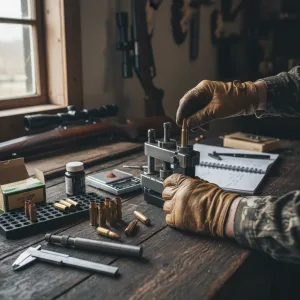
Achieving consistent and accurate reloads with smokeless gunpowder hinges on meticulous attention to detail at every stage. Your reloading bench is more than just a workspace; it’s a precision instrument. Establishing a dedicated, well-lit, and stable area is paramount. This ensures you can focus without distractions and perform delicate tasks with confidence. Before you even begin, ensure all your equipment is clean, calibrated, and in good working order. A wobbly bench or dirty dies can introduce variables that lead to inconsistent results and potentially unsafe ammunition. Remember, reloading is a process that demands patience and a commitment to best practices, especially when working with smokeless powders that require precise metering. Investing in quality reloading tools, such as a sturdy press and accurate scales, will pay dividends in the quality and reliability of your finished cartridges. For those looking to deepen their understanding of powder selection and its impact, exploring resources on finding the right smokeless gunpowder can provide a solid foundation.
Accurate Powder Measurement: Essential Tools and Techniques
The single most critical factor in safe and accurate smokeless powder reloading is precise measurement. Over-charging can lead to dangerous pressure spikes, while under-charging results in poor performance and potential squib loads. For accurate dispensing, a high-quality powder scale is non-negotiable. Electronic scales offer speed and convenience, but many reloaders still prefer the tactile feedback and inherent accuracy of a well-maintained beam scale. Regardless of the type, ensure it is calibrated regularly using known weights. When measuring, aim for consistency: dump the powder from the measure or scale pan in a single, fluid motion. Avoid tapping or settling the powder unless specifically instructed by load data, as this can alter the density and charge weight. For extremely fine-tuning, such as with match-grade ammunition, weighing each charge individually is the gold standard. Many reloaders develop a routine where they weigh every tenth charge after initial setup to confirm the auto-disk or powder measure is holding steady. Always cross-reference your measurements with reliable load data, such as that found in manufacturer manuals or trusted reloading guides. For extensive load data specific to your firearm and caliber, consult accurate load data for your caliber.
Progressive vs. Turret Presses: Streamlining Your Smokeless Powder Charging
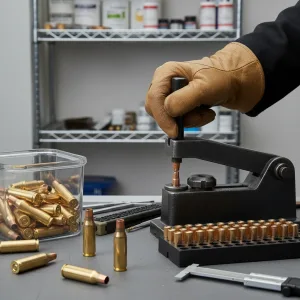
The choice of reloading press significantly impacts the efficiency of your smokeless powder charging process. Progressive presses automate several reloading steps, including powder dispensing, into a single pull of the handle. This is ideal for high-volume reloaders who want to maximize output. They typically feature multiple stations, allowing for simultaneous operations like resizing, priming, powder charging, bullet seating, and crimping. However, the automated nature of progressive presses means that constant vigilance during the powder charging stage is crucial. A missed charge or double charge can go unnoticed if not actively monitored. Turret presses offer a middle ground. They allow you to index through different stations, but generally require more manual intervention per operation than a progressive. Many reloaders find turret presses to be more intuitive for powder charging, as it’s a distinct step that can be visually confirmed before advancing to the next stage. This makes them excellent for developing new loads or for those who prioritize safety and verification over raw speed. Whichever press you choose, ensure your powder die is properly adjusted and that you have a reliable powder check system in place, especially when using a progressive press.
The Importance of Consistent Case Preparation for Optimal Powder Burn
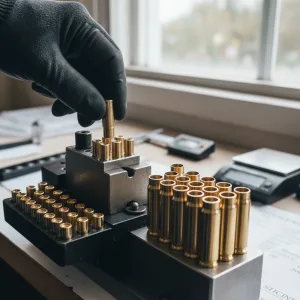
The case is the foundation of your reload, and its preparation directly influences how smokeless gunpowder burns and performs. Consistency in case length and internal volume is critical for uniform ignition and pressure development. Cases that are too long can interfere with bullet seating and potentially create excessive pressure. Conversely, cases that are too short might not provide adequate neck tension for optimal bullet retention. Uniformity in primer pocket depth and flash hole size also plays a role in consistent ignition. Ensure your cases are properly resized to ejector dimensions, not overly tight or loose. Neck reaming, if necessary, should be done uniformly to remove any internal burrs that could impede bullet seating or create uneven pressure. Many experienced reloaders sort their cases by headstamp and even by lot number to minimize variations in brass alloy and thickness, which can subtly affect pressure and velocity. For hunters seeking consistent performance in the field, meticulous case preparation is as vital as selecting the correct smokeless gunpowder. The overall integrity of the case directly impacts the burn rate and efficiency of the powder within it.
Safety First: Handling and Storing Your Smokeless Gunpowder Responsibly
Smokeless gunpowder, while essential for reloading, is a highly energetic material that demands respect and adherence to strict safety protocols. Mishandling or improper storage can lead to dangerous situations, including accidental ignition, explosions, and fires. Understanding the inherent properties of each powder type and its specific safety requirements is the first step towards responsible handling. Always store gunpowder in its original, clearly labeled container. This label contains vital information about the powder’s characteristics, safety precautions, and identification. Never mix different types of gunpowder, as their burn rates and chemical compositions vary significantly, and such mixing can lead to unpredictable and dangerous reactions. When working with gunpowder, ensure you are in a well-ventilated area, free from open flames, sparks, or sources of static electricity. Grounding yourself and your equipment can help dissipate static charges. Familiarize yourself with the Safety Data Sheet (SDS) for every powder you use; this document is a comprehensive guide to safe handling, storage, and emergency procedures. Prioritize safety above all else, and never rush any part of the reloading process, particularly when dealing with these energetic materials. Exploring resources on the best practices for smokeless gunpowder is a proactive measure for any reloader.
Understanding SDS Sheets: Key Information for Safe Handling
The Safety Data Sheet (SDS) for smokeless gunpowder is an indispensable resource that every reloader should thoroughly understand. It provides comprehensive details on the physical and chemical properties of the substance, its potential hazards, and the recommended procedures for safe handling, storage, and disposal. Key sections to pay close attention to include hazard identification, which outlines immediate and long-term risks, and first-aid measures, detailing what to do in case of exposure. The SDS also specifies fire-fighting measures, including appropriate extinguishing agents – water is often NOT recommended for powder fires due to potential for scattering burning material. Furthermore, it details handling and storage precautions, emphasizing the need for ventilation, avoiding ignition sources, and maintaining specific temperature ranges. Understanding the information within an SDS is not merely a recommendation; it’s a fundamental safety practice that empowers you to work with smokeless gunpowder confidently and minimize risks. Always ensure you have access to the SDS for any gunpowder you are currently using.
Proper Storage Conditions to Preserve Powder Integrity
The way you store your smokeless gunpowder directly impacts its stability, shelf-life, and safety. Ideal storage conditions involve cool, dry environments, away from direct sunlight, heat sources, and ignition hazards. Extreme temperature fluctuations can degrade the powder over time, affecting its burn rate and potentially leading to unpredictable behavior. Humidity is also detrimental; it can cause the powder to clump, corrode containers, and in some cases, even promote chemical breakdown. Many reloaders opt for dedicated storage containers designed to offer protection from environmental factors. Avoid storing gunpowder in areas prone to significant temperature swings, such as attics or uninsulated garages, especially in climates with harsh summers or winters. Keep gunpowder containers sealed when not in use to prevent moisture ingress and contamination. Properly labeled containers are essential to avoid confusion, particularly if you store multiple types of powder. Never store gunpowder near flammable liquids like solvents or fuels. Adhering to these storage guidelines helps maintain the integrity of your smokeless gunpowder, ensuring its performance and safety for years to come.
Safe Reloading Practices to Prevent Over-Pressurization and Accidents
Preventing over-pressurization and other reloading accidents with smokeless gunpowder requires a systematic approach focused on accuracy and diligence. Always start with the manufacturer’s recommended minimum load data and work up gradually. Never exceed the maximum load recommendations found in reputable sources. When developing new loads, use a chronograph to monitor velocity. Significant deviations from expected velocities can indicate pressure issues. Visually inspect every cartridge for signs of over-charging before seating a bullet or before firing. This can include an obvious overfill of powder visible in the case neck or a bullet that appears to be seated excessively deep. Listen carefully when firing reloads; unusual pressure signs like sticky bolt lift, ejected primers, or case expansion can be critical warnings. If you suspect an issue, stop reloading immediately and meticulously re-check your procedures and equipment. Never assume a charge is correct; verify it. Cross-referencing load data from multiple reliable sources can also provide an extra layer of safety verification. For those focused on precision, techniques detailed in precision reloading for match shooting often incorporate extra checks.
Troubleshooting Common Reloading Issues Related to Smokeless Powder
Even experienced reloaders encounter issues, and understanding how to diagnose and resolve problems related to smokeless gunpowder is crucial for maintaining safety and accuracy. The most common concerns often revolve around the powder charge itself – either too much, too little, or inconsistent metering. Recognizing the subtle signs of incorrect powder charges is the first step in effective troubleshooting. This might manifest as inconsistent muzzle velocities, erratic group sizes on paper, or even potentially dangerous pressure signs. Oftentimes, the root cause can be traced back to calibration errors in powder scales, worn powder measure parts, or inconsistent powder handling techniques. It’s essential to approach these problems methodically, checking one variable at a time to isolate the source of the issue. Don’t hesitate to revisit fundamental reloading techniques and ensure all your equipment is functioning as intended. A commitment to understanding these nuances will lead to more reliable and accurate ammunition.
Signs of Under- or Over-Charging: What to Look and Listen For
Detecting under- or over-charged smokeless gunpowder is vital for both performance and safety. Under-charged rounds often exhibit poor accuracy and significantly reduced velocity, sometimes to the point of a “squib load,” where the bullet fails to exit the barrel. This is extremely dangerous as a subsequent shot fired into a lodged bullet can cause catastrophic firearm failure. Listen for a distinct “pop” rather than a sharp report. Over-charged rounds, conversely, are characterized by dangerously high pressures. Signs include sticky bolt lift (requiring excessive force to open the action), primers that appear flattened or blown out of the case, ejector marks on the case rim, and potentially visible bulges or ruptures in the cartridge case. Extreme over-charging can lead to firearm damage or injury. Always inspect fired cases for unusual expansion or primer cratering. When developing loads, pay close attention to velocity readings from a chronograph; a sudden, unexplained jump in velocity is a strong indicator of an over-charge. If you encounter any of these signs, cease firing and carefully inspect your remaining ammunition and reloading process.
Addressing Inconsistent Velocities: Powder Consistency and Burn Rate
Inconsistent muzzle velocities are a common frustration for reloaders aiming for tight groups. While many factors contribute, the consistency of your smokeless gunpowder charge and its burn rate are primary culprits. Variations in powder metering, even slight ones, from your powder dispenser or scale can lead to noticeable velocity spreads. Ensure your powder scale is accurately calibrated and that your powder measure is functioning correctly. Check for clumping or degradation of the powder itself. Different lots of the same powder, even from reputable manufacturers, can sometimes exhibit minor burn rate variations. If you’re using older powder or suspect lot-to-lot variation, test fire strings to establish a baseline velocity spread. Furthermore, the burn rate of the smokeless powder must be appropriate for the caliber and bullet weight you are using. Using a powder that burns too slowly for a short barrel can lead to incomplete combustion and erratic velocities, while a powder that burns too fast for a long barrel might generate excessive pressure early in the bore. Carefully selecting the correct powder for your specific application, as detailed in resources on reloading for hunters, is key to consistent performance.
Diagnosing Pressure Signs in Your Reloads
Diagnosing pressure signs in smokeless gunpowder reloads is a critical skill for safe reloading. These signs indicate that the pressure inside the cartridge case has exceeded safe operating limits for the firearm and cartridge combination. The most common indicators include flattened or flowing primers, where the primer’s edges become indistinct or appear to flow back into the firing pin hole. Another sign is excessive case head expansion, meaning the base of the fired cartridge case has expanded beyond its normal dimensions, often resulting in difficulty extracting the spent case or visible deformation. Listen for a “spiky” or unusually loud report, which can also suggest excessive pressure. Inspect the firearm itself for any signs of stress, such as a sticky bolt or an action that is difficult to open. If you observe any of these symptoms, stop reloading immediately and re-evaluate your load data. Always consult reliable load charts and reduce your powder charges. For handgun cartridges, consistency in self-defense loads often relies on careful observation of these pressure signs to avoid dangerous overloads, as discussed in reloading for self-defense power.
Maximizing Performance: Advanced Techniques for Smokeless Powder Reloading
Once the fundamentals of safe and accurate powder measurement are mastered, reloaders can explore advanced techniques to further optimize their ammunition. These methods focus on the interplay between the bullet, case, powder, and firearm to achieve maximum accuracy and ballistic performance. Precision in every step becomes even more paramount as you refine your loads. This involves fine-tuning variables that might seem minor to a novice but can significantly impact the consistency and effectiveness of your reloads. Understanding how small adjustments can influence pressure, velocity, and accuracy allows for the creation of ammunition tailored precisely to your specific firearm and shooting discipline. Whether you’re preparing for a competitive match, a hunting trip, or simply seeking the most refined shooting experience, these advanced techniques can unlock the full potential of your reloading endeavors. Exploring resources on advanced load development strategies can provide further insights into these finer points.
Bullet Seating Depth: How It Affects Pressure and Velocity
Bullet seating depth is a critical, often overlooked, variable in smokeless powder load development that has a profound impact on both chamber pressure and muzzle velocity. Seating a bullet deeper into the cartridge case reduces the available powder volume, effectively increasing the pressure generated for a given powder charge. This can lead to higher velocities but also increases the risk of exceeding safe pressure limits. Conversely, seating a bullet shallower increases the powder volume, generally resulting in lower pressure and velocity. Consistency in seating depth is paramount for accuracy. Even slight variations between cartridges can lead to inconsistent pressures and velocities, resulting in larger shot groups. Tools like a bullet comparator and a dial caliper are invaluable for ensuring consistent seating depths. When working up loads, it’s often recommended to establish a stable seating depth first and then adjust powder charges. For match-grade accuracy, meticulously ensuring each bullet is seated to the exact same depth is non-negotiable.
Case Neck Tension: Its Role in Powder Burn and Accuracy
Case neck tension is a subtle yet significant factor in the performance of smokeless gunpowder reloads, particularly influencing consistent ignition and accuracy. Proper neck tension ensures the bullet is held firmly in place, preventing it from moving forward under recoil (in firearms with multiple rounds in a magazine) or during firing before it’s supposed to. Adequate neck tension aids in consistent powder burn by preventing “bullet jump” – the distance the bullet travels before engaging the rifling. A consistent bullet jump means the powder ignition and burn happen more predictably for each shot. Too little neck tension can lead to bullet walk-out, resulting in inconsistent pressures and velocities. Too much neck tension can make seating the bullet difficult and, in extreme cases, can create undue pressure as the bullet is forced through the neck. The correct tension is achieved through proper resizing and, if necessary, neck turning or custom neck sizing dies. This precision is especially important for rifle ammunition where accuracy is paramount.
The Art of Load Development: Finding Your Perfect Smokeless Powder Combination
Load development for smokeless gunpowder is an iterative process that blends scientific methodology with practical application to find the optimal combination of components for your specific firearm. It begins with selecting a starting powder charge from a reputable load manual, typically near the minimum recommended charge for your chosen caliber and bullet weight. The goal is to incrementally increase the powder charge, observing pressure signs and measuring velocity with a chronograph. As you increase the charge, you’ll likely notice groups tightening up to a “sweet spot,” after which accuracy may degrade, and pressure signs may appear. Documenting every step meticulously – including powder type, charge weight, bullet type, case preparation, primer, seating depth, and resulting velocity and group size – is crucial. This systematic approach allows you to identify the most accurate and reliable load for your rifle or handgun. For shooters focused on precision, like those involved in competitive shooting, this meticulous load development is what separates good ammunition from exceptional ammunition.
Understanding Regulations: Smokeless Gunpowder and Reloading Supplies in Canada and the US
Navigating the legal landscape for acquiring and possessing smokeless gunpowder and other reloading components is paramount for any enthusiast. Both Canada and the United States have established frameworks that govern these materials, primarily for public safety and to prevent illicit use. In the United States, smokeless gunpowder is classified as a **highly flammable explosive material** under the purview of the Bureau of Alcohol, Tobacco, Firearms and Explosives (ATF). While not requiring a federal explosives license for possession by individuals, there are stringent rules regarding storage and transportation. State laws can also impose additional regulations, often concerning purchase quantities and record-keeping. For instance, some states might have limits on the amount of powder an individual can possess without specific permits. It is crucial to consult your state’s attorney general or relevant law enforcement agency for precise details, as non-compliance can lead to severe penalties, including hefty fines and imprisonment. Understanding these regulations ensures you can pursue your reloading hobby responsibly and legally.
Federal and Provincial/State Laws Affecting Smokeless Powder Acquisition
In Canada, the regulations surrounding smokeless gunpowder are primarily governed by the Explosives Act and its associated regulations, administered by Natural Resources Canada. Unlike in the US, individuals generally require a **Possession and Acquisition Licence (PAL)**, and often a specific endorsement for explosives, to legally purchase and possess smokeless powder. The rules are strict, emphasizing secure storage and responsible handling to prevent accidents and diversion. Provinces may have additional bylaws or regulations pertaining to storage capacity and proximity to residential areas. For example, specific fire codes might dictate how much powder can be stored in a dwelling. Furthermore, the acquisition process often involves background checks and proof of legitimate need, such as participation in sport shooting or hunting. Failing to adhere to these federal and provincial mandates can result in significant legal repercussions. It’s always advisable to check with your local law enforcement and provincial authorities, as well as the Canadian Firearm Program, for the most current and accurate information. Many reloading enthusiasts find detailed guides on reloading component laws on sites like the Canadian Shooting Sports Association, which often provide up-to-date summaries of legislative changes. This ensures you are always operating within legal boundaries when stocking up on essential reloading supplies.
Transporting Reloading Components Safely and Legally
The transportation of smokeless gunpowder and primers requires meticulous attention to safety and legal compliance. In both Canada and the United States, these components are classified as hazardous materials. When transporting them, the goal is to prevent accidental ignition or explosion. This means powders and primers should always be kept in their original, sealed containers. Never combine different types or brands of powder, and ensure primers are stored separately from gunpowder, ideally in a different location within your vehicle. For personal use, small quantities are typically allowed in a passenger vehicle, but always check local and state/provincial transportation regulations, as these can vary. For instance, larger quantities might necessitate specialized transport or licensing. It is vital to keep these materials away from heat sources, open flames, and sparks. Secure the containers to prevent them from shifting during transit. Some jurisdictions may require specific safety protocols, even for personal transport, such as using a dedicated fire-resistant container or limiting the amount carried. For a deeper dive into best practices for safe transport, resources like the Department of Transportation (DOT) in the US or Transport Canada’s guidelines are invaluable. Ensuring the safety and legality of your transport practices protects not only yourself but also the public.
Beyond the Basics: Exploring New Developments in Smokeless Gunpowder Technology (2026 Outlook)
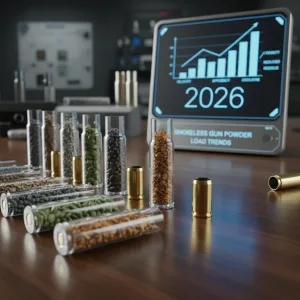
The field of smokeless gunpowder is continuously evolving, driven by the pursuit of enhanced performance, safety, and versatility. In 2026, enthusiasts can anticipate further refinements in powder formulations designed to optimize ballistic efficiency and provide more predictable results across a wider range of firearm platforms and environmental conditions. Manufacturers are focusing on developing propellants with lower temperature sensitivity, ensuring that loads perform consistently whether fired in extreme cold or heat. This is particularly beneficial for hunters and competitive shooters who rely on absolute precision. Additionally, research is pushing towards powders that produce less fouling and muzzle flash, contributing to a cleaner firearm and improved shooter experience. The integration of advanced computational modeling and materials science is enabling the creation of powders with precisely controlled burn rates, allowing for finer tuning of velocity and pressure curves for specific cartridges. This technological advancement translates directly into more accurate and reliable ammunition, whether for plinking, hunting, or high-stakes competition. Staying informed about these innovations can significantly elevate your reloading capabilities and help you achieve peak performance from your firearms. For those interested in the intricacies of load development, resources that detail advanced strategies offer a glimpse into how these new powders can be best utilized.
Innovations in Smokeless Powder Formulations for Enhanced Efficiency
Recent advancements in smokeless gunpowder technology are directly addressing the needs of modern shooters seeking greater precision and performance. Manufacturers are investing heavily in research and development to create progressive-burning powders that offer a more tailored burn rate for specific applications. These advanced formulations often utilize advanced molecular structures and coating technologies to achieve finer control over the combustion process. For example, powders designed for match-grade rifle ammunition are engineered to provide extreme uniformity in grain size and density, leading to minimal velocity extreme spreads and superior accuracy. Another significant area of innovation is in the development of low-temperature insensitive propellants. These powders maintain their ballistic characteristics across a wide temperature range, making them ideal for hunters operating in diverse climates or for military and law enforcement applications where reliability is non-negotiable. Furthermore, efforts are underway to develop propellants that generate less heat and pressure upon ignition, which can extend the lifespan of firearms and reduce wear on critical components. The focus on creating powders with reduced smoke and flash signature also contributes to an improved shooting experience, especially in low-light conditions or during rapid-fire scenarios. These technological strides represent a significant leap forward in reloading capabilities, allowing for the creation of ammunition that is not only powerful but also remarkably consistent and reliable.
The Future of Reloading Components: What Enthusiasts Can Expect
Looking ahead, the landscape of reloading components, including smokeless gunpowder and primers, is poised for continued innovation and accessibility. We can expect further development in environmentally friendlier propellant formulations, addressing concerns about the long-term impact of traditional chemical compounds. Manufacturers are exploring alternative burn enhancers and binders that offer similar performance characteristics with reduced environmental footprints. In terms of primers, the focus is likely to remain on enhancing reliability and consistency, potentially through improved priming compounds and more robust casing designs. Expect to see a greater emphasis on smart manufacturing processes, leveraging AI and advanced robotics to ensure unparalleled uniformity in powder grain dimensions and primer composition. This will translate to even tighter tolerances in reloaded ammunition, benefiting precision shooters immensely. For handgun enthusiasts, the trend towards powders optimized for shorter barrels and specific bullet weights will continue, aiming for maximum efficiency and reduced recoil. Similarly, advancements in rifle powders will cater to the growing demand for specialized loads for long-range precision shooting and hunting. Online platforms and specialized reloading communities will play an increasingly vital role in disseminating information about these new products and providing data for their effective use. Staying connected with reputable retailers and informational resources is key to leveraging these upcoming advancements in your reloading endeavors.
The continuous evolution of smokeless gunpowder technology promises enhanced performance, greater consistency, and improved user experience for reloaders. Understanding these advancements empowers you to fine-tune your loads for any shooting discipline. For those seeking a reliable source for high-quality reloading supplies, including a wide selection of smokeless gun powders and primers, exploring options at Northern Reloading can be a valuable step in mastering your ammunition.


About author


Add comment