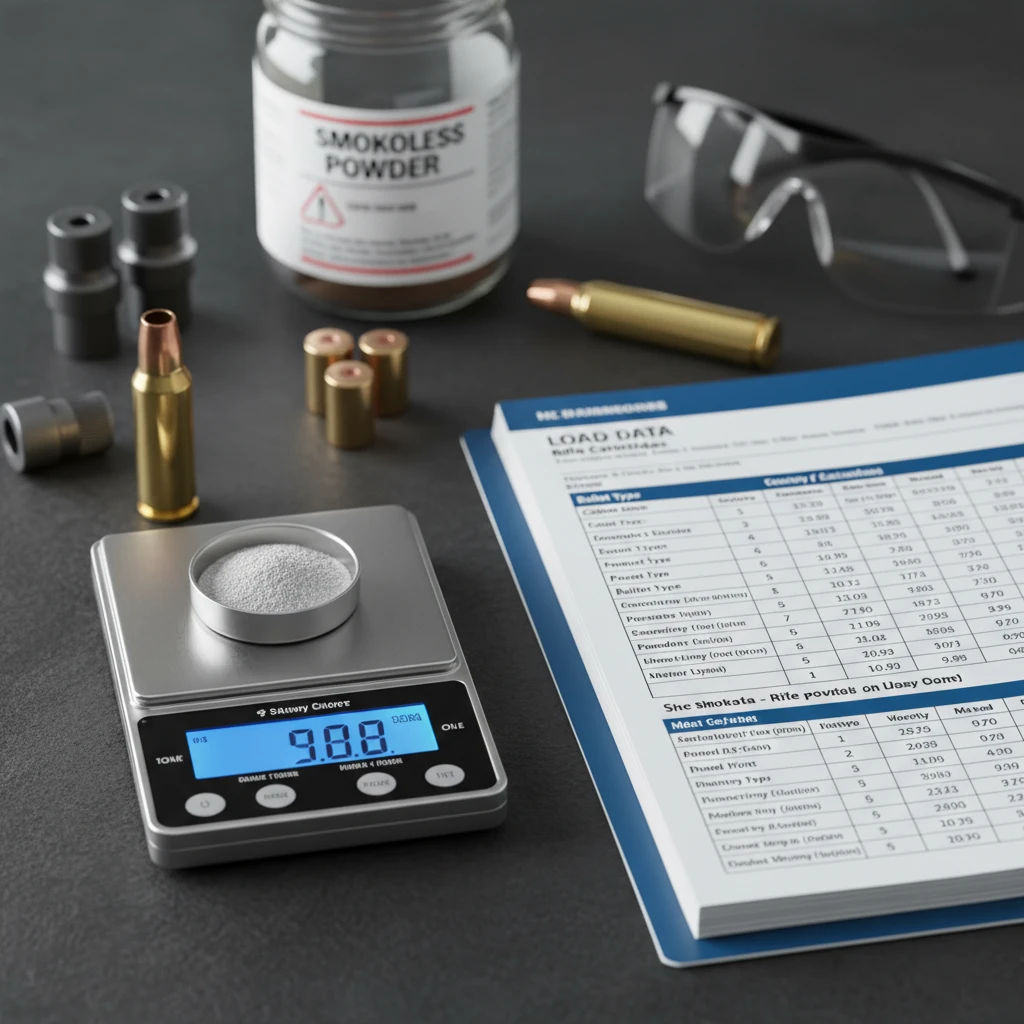
Reloading smokeless gunpowder requires a meticulous approach, moving beyond simple component assembly to a deep understanding of how powder choice influences projectile performance. Achieving consistently accurate ammunition hinges on mastering the nuances of powder types, their burn rates, and the critical importance of precise measurements. This guide delves into the essential best practices for utilizing load data, ensuring safety, and unlocking the full potential of your reloads.
For reloaders, especially those focusing on precision rifle ammo or reliable handgun ammo, accurate load data is not just a recommendation; it’s the bedrock of safe and effective ammunition. Neglecting these foundational principles can lead to suboptimal performance, and in worst-case scenarios, dangerous equipment failures. Let’s explore how to navigate the world of smokeless gunpowder with confidence and precision.
Unlocking Precision: Mastering Smokeless Gun Powder for Reloading Success
The journey to creating high-performance ammunition from scratch is paved with careful selection and precise application of reloading components. Among these, smokeless gunpowder stands as a primary driver of ballistic outcomes. Understanding its characteristics and how to properly integrate it into your reloading process is paramount. This involves not only selecting the correct powder for your intended firearm and caliber but also employing accurate measurement techniques and strictly adhering to verified load data. The goal is to consistently replicate desired performance, whether for competitive shooting, hunting, or reliable self-defense ammunition, ensuring every round fired is predictable and effective. Neglecting any of these elements can compromise not only the accuracy of your ammunition but also the safety of the shooter and their equipment.
The Foundation of Accurate Ammunition
At its core, accurate ammunition is a system where every component works in harmony. Smokeless gunpowder provides the propulsive force, and its characteristics—such as burn rate, density, and energy output—directly dictate the velocity, pressure, and consistency of the fired projectile. When reloading, the choice of powder significantly impacts how the bullet leaves the barrel. For instance, a fast-burning powder might be ideal for lighter bullets in a handgun, producing rapid pressure build-up for quick acceleration, while a slow-burning powder is often preferred for heavy bullets in long rifle cartridges to achieve peak velocity down the barrel. The relationship between the powder charge, bullet weight, and case capacity must be carefully balanced. Deviating from established safe and accurate load parameters can lead to underperformance or, more critically, excessive pressure, which can damage firearms and endanger the shooter. Therefore, mastering the selection and use of smokeless gunpowder is the first and most crucial step in building a foundation for truly accurate ammunition.
Why Reloading with Smokeless Powder Matters Today (2026)
In today’s shooting landscape, reloading with smokeless gunpowder remains a vital practice for enthusiasts seeking cost savings, customization, and enhanced performance. While ammunition availability can fluctuate, reloading allows shooters to maintain a consistent supply of their preferred handgun ammo, rifle ammo, and even specialized rimfire ammo. Beyond mere availability, it offers unparalleled control over ammunition characteristics. Reloaders can tailor loads for specific firearms, shooting disciplines, or hunting scenarios, achieving levels of accuracy and performance often unattainable with factory ammunition. For instance, competitive shooters can fine-tune their rifle ammo for sub-MOA precision, while hunters can develop loads optimized for specific game and environmental conditions. The ability to precisely control powder charges ensures consistent ignition and velocity, which are hallmarks of high-quality, reliable ammunition. As firearms technology continues to advance, so too does the sophistication of reloading components, including smokeless gun powder, making it more important than ever for reloaders to stay informed and adhere to best practices to leverage these advancements safely and effectively.
Decoding Smokeless Gun Powder: Types and Their Ballistic Personalities
Smokeless gunpowder is a complex chemical mixture designed to combust rapidly and controllably, generating the gases necessary to propel a projectile. Its “burn rate” is the most critical characteristic, dictating how quickly it reaches peak pressure within the firearm’s chamber and barrel. This rate is not arbitrary; it’s influenced by factors like granule size, shape, density, and the chemical composition of the powder. Understanding these different types and their inherent ballistic personalities is fundamental to safe and effective reloading. Choosing the right powder for the job ensures optimal performance, preventing issues like under-pressure rounds (squibs) or dangerous over-pressure situations that can damage firearms and injure shooters. Whether you are loading for self-defense handgun ammo, precision rifle ammo, or plinking rimfire ammo, grasping these distinctions is key to unlocking consistent results.
Fast-Burning Powders for Handgun Ammo and Rimfire Ammo
Fast-burning smokeless gun powders are characterized by their rapid ignition and quick consumption of the powder charge. This rapid burn profile makes them exceptionally well-suited for smaller cartridge cases typically found in handguns and rimfire ammunition. In these applications, the smaller case volume and shorter barrel lengths benefit from a powder that generates pressure quickly and efficiently. For example, powders like Hodgdon Clays or Alliant Red Dot are often favored for 9mm Luger or .45 ACP handgun ammo, providing a brisk burn that fills the case and drives the bullet with authority. Similarly, they can be suitable for certain rimfire loads where a quick, energetic burn is desired for consistent cycling and projectile velocity, especially when aiming for improved accuracy in rimfire ammo. Using a fast-burning powder in a larger rifle cartridge, however, can lead to a rapid pressure spike at the muzzle rather than down the barrel, resulting in inefficient energy transfer and potential firearm damage. The key benefit here is achieving optimal velocity and pressure curves within the confines of smaller cartridges, leading to reliable ignition and good cycling in semi-automatic firearms.
Medium-Burning Powders for Versatile Rifle Ammo
Medium-burning smokeless gun powders occupy a versatile middle ground, offering a balance of burn rate that makes them applicable to a wide range of rifle cartridges. These powders are often the go-to choice for common rifle calibers such as .223 Remington, .308 Winchester, and 30-06 Springfield. Their burn rate is designed to develop pressure progressively throughout the barrel, maximizing the velocity of heavier bullets and ensuring efficient energy transfer. Powders like IMR 4895 or Alliant RL-15 are exemplary, providing excellent performance in both standard and some magnum rifle cartridges when loaded appropriately. Their versatility allows reloaders to develop accurate loads for various purposes, from hunting rifle ammo to mid-range precision shooting. When choosing a medium-burning powder, reloaders should consider the bullet weight they intend to use; heavier bullets generally pair better with slower-burning powders within this category to achieve maximum velocity. The adaptability of these powders makes them a staple for many rifle reloading projects.
Slow-Burning Powders for Magnum Rifle Ammo and Heavy Loads
Slow-burning smokeless gun powders are engineered for the demands of high-capacity rifle cartridges, particularly magnum calibers and those firing very heavy bullets. These powders require a longer barrel and a greater volume of space to reach their optimal burn rate and develop peak pressure efficiently. Examples include Hodgdon Retumbo, Alliant RL-22, and IMR 7828. They excel in cartridges like the .300 Winchester Magnum, .338 Lapua Magnum, or .375 H&H Magnum, where they provide the sustained pressure curve needed to achieve high velocities with heavy projectiles. Using a slow-burning powder in a cartridge with insufficient case capacity or a short barrel can result in a significant portion of the powder charge burning *after* the bullet has left the barrel, leading to muzzle flash and reduced ballistic efficiency. For magnum rifle ammo applications, these powders are critical for unlocking the full potential of the cartridge. They are also often used to achieve maximum velocity with heavy-for-caliber bullets in standard cartridges, which can be beneficial for long-range shooting or hunting large game. The sustained energy release is the defining characteristic that makes them indispensable for powerful rifle loads.
Understanding Burn Rates: A Critical Reloading Factor
The burn rate of smokeless gunpowder is arguably the most significant factor influencing reloading success and safety. It dictates how quickly the powder combusts within the cartridge case and barrel, directly affecting the pressure curve and muzzle velocity. A powder that burns too quickly for a given cartridge can cause a dangerous pressure spike, potentially damaging the firearm and causing injury. Conversely, a powder that burns too slowly may not generate sufficient pressure before the bullet exits the barrel, resulting in poor velocity and erratic performance. Reloading manuals and manufacturer data provide guidelines for appropriate powders based on burn rate for specific cartridges. For instance, fast-burning powders are generally for small-case cartridges like rimfire ammo and many handgun rounds, while slow-burning powders are reserved for large-capacity rifle cartridges. A critical understanding of this principle prevents common reloading errors, ensuring that the chosen powder complements the cartridge’s design and the firearm’s mechanics for optimal accuracy and safety. Deviating from recommended burn rates without extensive experience is strongly discouraged.
Your Essential Smokeless Gun Powder Load Data Checklist
Accurate and reliable load data is the cornerstone of safe and effective smokeless gunpowder reloading. It’s not merely a suggestion but a critical set of parameters derived from extensive testing by reputable sources. This data provides the safe maximum and minimum charge weights for specific powders in particular cartridges, along with expected velocity and pressure figures. Without this foundational information, attempting to reload is fraught with peril. This section outlines how to find, verify, and utilize load data effectively to ensure your reloaded ammunition is both accurate and safe for your firearm and for you to shoot. It also covers how to identify potentially dangerous or outdated information that could lead to catastrophic equipment failure. Following a comprehensive checklist ensures that every aspect of load data utilization is considered, from initial sourcing to final verification, providing a robust safety net for all reloading endeavors.
Reliable Sources for Load Data (Manuals, Manufacturer Data)
Accessing trustworthy load data is paramount for any reloader. The most authoritative sources are dedicated reloading manuals published by well-respected component manufacturers and data compilations from powder and bullet companies themselves. Brands like Lyman, Hornady, Sierra, Nosler, and Hodgdon (which publishes data for its own powders and Accurate and Ramshot brands) invest heavily in extensive ballistic testing to develop these recommendations. These manuals offer detailed charts for numerous cartridges, listing recommended smokeless gun powders, charge weights (minimum to maximum), primer types, bullet weights, and corresponding velocities and pressures. Online resources provided directly by powder manufacturers, such as the Hodgdon Reloading Data Center or the Vihtavuori Load Database, are also invaluable and often updated more frequently than printed manuals. Always prioritize data from primary sources that have conducted rigorous testing. These resources are designed to ensure both safety and performance for a vast array of firearm and ammunition combinations, covering everything from common handgun ammo to specialized rifle ammo.
Cross-Referencing for Safety and Accuracy
While relying on single sources for load data is common, a more robust approach involves cross-referencing information from multiple reputable sources. This practice significantly enhances the safety margin and aids in identifying the most accurate load parameters for your specific firearm and components. When you find a promising load in one manual, check if it’s listed in another or on the powder manufacturer’s website. Pay close attention to any discrepancies in charge weights or performance figures. Significant variations might indicate different testing methodologies or component specifications. If multiple sources consistently show similar results, it reinforces confidence in the data. Conversely, if you find a dramatic difference, it warrants further investigation. This validation process helps confirm that the chosen load is safe across different testing environments and provides a clearer picture of expected performance, crucial for developing reliable smokeless gun powder loads. Consistent data across multiple sources is a strong indicator of reliability.
Recognizing Outdated or Unverified Data
The landscape of reloading components and firearm designs evolves, meaning load data can become outdated or, in some cases, never truly verified. One of the most critical aspects of safe reloading is learning to identify and avoid such data. Older reloading manuals might not account for newer powder formulations or modern firearm pressures. Similarly, data found on forums, social media, or unofficial websites should be treated with extreme skepticism. Often, this information is anecdotal, extrapolated, or simply incorrect, and can lead to dangerous situations. Look for dates of publication on manuals and check the manufacturers’ websites for the most current data. Be wary of data that seems exceptionally high in terms of velocity or charge weight compared to surrounding entries, or data that lacks specific details about the components used in testing. Always prioritize current, professionally tested data from known manufacturers over user-generated content, especially when dealing with potent smokeless gun powder.
Digital Tools and Databases: Modern Reloading Aids
In the digital age, reloaders have access to powerful tools that complement traditional reloading manuals. Many powder manufacturers provide extensive online databases that are regularly updated with the latest load information for their products. These digital resources often allow users to filter by caliber, bullet type, and even specific firearm models, making it easier to find relevant data. Some advanced software applications and websites also compile data from various sources, offering comparative views and even ballistic calculators to predict performance. While these tools are incredibly convenient for quickly accessing and comparing data, it’s crucial to remember that they are only as good as the underlying data they present. Always ensure that any digital source you use is reputable and links back to verified manufacturer information. These tools can be particularly helpful when developing loads for less common cartridges or when seeking to optimize loads for specific firearms, but they should be used in conjunction with, not as a replacement for, sound reloading principles and verified data sources.
The Art of the Charge: Precision Measurement is Key
The amount of smokeless gunpowder loaded into each cartridge is perhaps the single most critical factor dictating both safety and accuracy. Even minor variations in powder charges can lead to significant deviations in performance. This is why the “art of the charge” is so vital in reloading. Precision measurement ensures that every round produced behaves consistently, leading to predictable ballistic performance and, most importantly, safe firearm operation. This section will explore the tools and techniques essential for accurate powder measurement, common mistakes to avoid, and simple verification methods to ensure you are dispensing the correct amount of powder every single time. Mastering this skill is not just about following instructions; it’s about developing a meticulous habit that underpins all successful reloading endeavors, whether for self-defense handgun ammo, hunting rifle ammo, or competition rounds.
Choosing the Right Powder Measure (Scale vs. Volumetric)
When it comes to measuring smokeless gunpowder, reloaders have two primary categories of tools: scales and volumetric powder measures. Powder scales, whether beam or digital, measure powder by weight, which is the most accurate method because powder density can vary slightly even within the same lot. Most reloaders find a good quality digital scale to be indispensable for its precision and ease of use. Volumetric powder measures, on the other hand, dispense powder based on volume (e.g., a specific scoop or setting). While quicker for large batches, they are less accurate as powder density can fluctuate due to factors like compression or granulation. For critical loads, especially in precision rifle ammo or potent handgun ammo, weighing each charge is highly recommended. However, for less critical applications or as a preliminary dispenser for weighing, a high-quality volumetric measure can be a useful tool. The choice often depends on the reloader’s priorities: ultimate accuracy versus speed and convenience.
Techniques for Consistent Powder Dispensing
Achieving consistent powder charges requires more than just owning accurate equipment; it involves employing proper techniques. When using a powder scale, ensure it is zeroed correctly and that you are handling the powder and scale gently to avoid static electricity, which can cause powder to cling or scatter. For dispensing, dribbling powder from the scale pan or using a powder trickler to add powder incrementally until the exact target weight is reached is the most precise method. If using a volumetric powder measure, always ensure it’s calibrated and that you dispense each charge with a consistent motion – fill the chamber smoothly, avoid tamping, and level off any excess with a single, smooth stroke. Many reloaders find it beneficial to perform a quick weigh of every tenth charge dispensed volumetrically to ensure consistency. For critical loads, weighing each charge individually is the gold standard for ensuring uniformity and safety across all rounds of handgun ammo, rifle ammo, or any other type of ammunition.
Common Pitfalls in Powder Measurement
Several common pitfalls can undermine the accuracy of powder measurement, leading to inconsistent ammunition and potential safety hazards. One of the most frequent errors is failing to verify the scale’s zero before each weighing session, especially if the scale is bumped or moved. Static electricity is another major culprit, causing powder to adhere to surfaces or jump around unpredictably; using an anti-static device or wiping down surfaces can help mitigate this. Overfilling a volumetric measure or packing the powder tightly will result in dispensing too much charge. Conversely, not fully emptying the measure can lead to an underweight charge. Rushing the process is also a common pitfall; precision takes time, and impatience can lead to errors. Finally, not double-checking the target charge weight before dispensing can result in loading the wrong amount, especially when switching between different calibers or powders. These simple mistakes, when overlooked, can have significant consequences for both accuracy and safety.
Verifying Charges: A Quick Double-Check Method
A quick and effective double-check method for powder charges can significantly enhance safety and consistency, especially when loading in batches. After dispensing a charge using a volumetric measure or even after weighing a charge, a simple verification step is to reweigh a percentage of the charges. For instance, if you are loading 100 rounds, weighing every 5th or 10th charge on your scale can quickly identify any significant deviations from your target weight. If you are using a powder scale for every charge, you can periodically check the scale’s accuracy by weighing a known standard weight or by reweighing a few already dispensed charges. Another simple method is to visually inspect the powder level in the case; while not precise, it can help catch grossly underweight or overweight charges at a glance. This quick verification adds an invaluable layer of assurance, confirming that your powder measurement process is consistently accurate for all your reloading needs, from precise rifle ammo to reliable handgun ammo.
Caliber-Specific Load Data Considerations
When developing loads for smokeless gun powder, understanding the nuances of each firearm caliber is paramount. Each caliber possesses unique pressure limits, optimal burn rates, and internal ballistic characteristics that dictate the type and amount of powder required. Using generic load data, or worse, extrapolating from similar-looking cartridges, can lead to dangerous over-pressure situations or underwhelming performance. Always consult reputable reloading manuals specific to the caliber you are working with. These manuals are compiled by experts who have meticulously tested various powder charges, bullet weights, and seating depths to provide safe and accurate starting points.
The information provided in these manuals often includes velocity and pressure data, which are critical metrics for safe and effective reloading. Understanding what constitutes a safe operating pressure for a given caliber, such as the SAAMI (Sporting Arms and Ammunition Manufacturers’ Institute) specifications, is non-negotiable. Deviating significantly from recommended charge weights, even within the same caliber, can lead to unpredictable results. For instance, a 150-grain bullet in a .308 Winchester might perform optimally with a different powder charge and type than a 180-grain bullet in the same caliber. Paying close attention to these bullet weight variations is key to achieving consistent accuracy and avoiding potential malfunctions.
Furthermore, the specific firearm itself can influence load data. Barrel length, rifling twist rate, and chamber dimensions can all affect how a cartridge performs. A load developed for a bolt-action rifle may not be ideal for a gas-operated semi-automatic, and vice versa, even if they share the same caliber. Experienced reloaders often start with the minimum recommended charge weight and work up incrementally, carefully observing for any pressure signs or changes in accuracy. This systematic approach ensures safety while allowing for fine-tuning performance. For a comprehensive guide on finding and utilizing accurate load data, consider exploring resources that detail specific caliber requirements.
Handgun Ammo: Balancing Velocity and Pressure
Reloading handgun ammo involves a delicate balance between achieving desirable velocities and respecting the inherent pressure limitations of both the cartridge case and the firearm. Handgun cartridges generally operate at lower pressures than rifle cartridges, but this does not diminish the importance of adhering to strict load data. The primary goal for many handgun reloaders is to replicate or improve upon factory ammunition performance for applications ranging from target practice to self-defense. Achieving consistent cycling in semi-automatic firearms often requires a certain level of “power factor” or bullet momentum, which is directly influenced by powder charge and bullet weight.
The choice of smokeless gun powder plays a crucial role in handgun reloading. Powders are categorized by their burn rate, with faster-burning powders typically suited for shorter barrels and lower pressure cartridges, while slower powders might be used in magnum handgun cartridges. Using a powder that burns too quickly can result in a sharp pressure spike at the muzzle, leading to poor accuracy and potential firearm damage. Conversely, a powder that burns too slowly may not achieve full combustion within the short barrel, resulting in reduced velocity and excessive muzzle flash. Always refer to load data specifically tailored for your intended bullet weight and powder combination within your chosen handgun caliber.
Common pitfalls include relying on outdated load data or failing to account for slight variations in component dimensions, such as the case length or primer type. Even minor deviations can impact pressure. For example, using a magnum primer in a standard cartridge load might increase the ignition rate and potentially spike pressure. Always start with the manufacturer’s recommended minimum load and work up in small increments, checking for signs of excessive pressure such as flattened primers, ejector marks on the case head, or difficulty extracting spent cases. For those interested in enhancing self-defense capabilities, understanding the specific load development for that purpose is essential.
Rifle Ammo: Optimizing for Range and Power
Reloading rifle ammo presents a unique set of challenges and opportunities, primarily focused on achieving maximum accuracy, velocity, and downrange energy. Rifle cartridges are designed to operate at significantly higher pressures than handgun cartridges, allowing for greater propellant capacity and thus higher performance. This increased performance potential means that deviations from recommended load data can have more severe consequences. Precision is paramount for rifle shooting, whether for hunting distant game or competitive target shooting, and this precision begins with meticulously developed smokeless gun powder loads.
When developing rifle loads, the interplay between bullet aerodynamic design, ballistic coefficient, and the powder’s burn rate is critical for optimizing performance at extended ranges. Slower-burning powders are generally favored for rifle cartridges as they provide a more sustained pressure curve, allowing the bullet to achieve higher velocities and stable flight. Barrel length is also a significant factor; a load developed for a long-barreled precision rifle might be inefficient or even unsafe in a shorter carbine of the same caliber due to differences in the powder’s burn completion point. Careful attention to powder selection is needed to match the cartridge’s case capacity and the firearm’s barrel length.
A common mistake is to push loads beyond their safe and accurate potential in pursuit of higher velocity. This often leads to diminished accuracy and increased risk of pressure issues. Always consult multiple reputable load data sources and look for consensus among them. When seeking to improve accuracy for specific rifle disciplines, such as hunting or match shooting, understanding how powder choice interacts with bullet selection and barrel harmonics is crucial. For those passionate about achieving peak performance for hunters, specialized reloading techniques can significantly boost effectiveness.
Shotgun Ammo: Understanding Gauge and Payload
Reloading shotgun ammo requires a distinct approach due to the unique nature of shotshells and their associated gauges. Unlike metallic cartridges, shotshells utilize a plastic or paper hull, a plastic wad to separate the powder charge from the shot column, and a buffered charge of shot. The “gauge” of a shotgun (e.g., 12 gauge, 20 gauge) is not a direct measurement but rather a historical designation related to the number of lead balls of that gauge that would equal one pound. This fundamental difference means that load data for shotguns is specific to the gauge and intended payload weight.
The selection of smokeless gun powder for shotshells is critical. Powders for shotshells are typically medium to fast burning, designed to rapidly generate gas pressure to propel the wad and shot column efficiently from the barrel. The wad’s design and fit within the hull also play a significant role in sealing the bore and preventing gas leakage, which directly impacts performance and pressure. Load data manuals will specify the type of powder, the exact charge weight, the appropriate wad, and the desired shot weight for a given gauge. Using the wrong wad or an incorrect powder charge can lead to inconsistent patterning, reduced velocity, or dangerous pressure spikes.
One of the most important considerations for shotshell reloading is the payload weight. A 12-gauge shotgun can be loaded with payloads ranging from light target loads (e.g., 7/8 ounce) to heavy buckshot or slug loads (e.g., 1 1/4 to 1 1/2 ounces). Each payload weight requires a different powder charge and often a different wad type. Exceeding the recommended payload for a given powder charge can lead to dangerously high pressures. Always verify that your components are compatible with the load data you are using and that the total weight of your shot is within the recommended range for the specific load recipe.
Rimfire Ammo: Unique Challenges and Solutions
Reloading rimfire ammo, such as .22 Long Rifle, presents a unique set of challenges that often deter even experienced metallic cartridge reloaders. The primary reason for this difficulty is the construction of the rimfire cartridge itself. Unlike centerfire cartridges where the primer is a separate component seated in a primer pocket, rimfire cartridges have the priming compound spun into the hollow rim of the case. This means that spent rimfire cases are not designed for repeated reloading and often cannot be reliably re-primed.
Furthermore, the volume of powder used in most rimfire cartridges is extremely small, making precise measurement even more critical. Even minor variations in powder charge can lead to significant deviations in velocity and accuracy, or even unsafe pressure levels. The cost-effectiveness and complexity of reloading rimfire often outweigh the benefits for the average shooter, especially given the availability of inexpensive factory ammunition. However, for specialized applications or for enthusiasts seeking to experiment, a few services and kits exist, though they require significant dedication and specialized knowledge.
For those who do pursue rimfire reloading, meticulous attention to case preparation is essential, as is the use of extremely accurate powder dispensing methods. Many commercial reloaders find it more practical and safer to focus their reloading efforts on centerfire cartridges, where robust case design and a wider range of available components simplify the process. If you’re interested in improving the performance of your existing rimfire ammunition for target practice, exploring dedicated resources for accuracy tips can be more beneficial than attempting to reload.
Beyond the Basics: Advanced Smokeless Powder Reloading Tips
Once you have mastered the fundamental principles of reloading smokeless gun powder, delving into advanced techniques can unlock new levels of performance and precision. These techniques often involve a deeper understanding of the ballistic science behind cartridge design and the intricate interplay of various reloading components. Advanced reloading is not merely about finding a “hotter” load; it’s about achieving consistency, optimizing efficiency, and tailoring ammunition to specific firearm and shooting applications. This can include fine-tuning neck tension for consistent bullet release, experimenting with case neck turning for uniform wall thickness, or carefully selecting powders that provide a more optimal pressure curve for a given cartridge and barrel length.
One area of advanced focus is precision bullet seating. Beyond simply crimping the bullet into place, advanced reloaders may employ techniques such as “jamming” (where the bullet is seated to touch the rifling) or specific seating depths calculated to maximize accuracy. Bullet concentricity, or how perfectly round and uniform the bullet is, also becomes critical. Techniques like bullet truing can correct minor imperfections, leading to tighter groups. Furthermore, understanding the harmonics of your firearm and how different ammunition components interact with them is crucial for achieving sub-MOA accuracy. This often involves extensive load development and shooting under controlled conditions.
Another advanced consideration is the impact of temperature on ammunition performance. Propellant burn rates can change with extreme temperatures, affecting both velocity and pressure. Reloaders preparing ammunition for extreme environments may opt for powders specifically formulated to be temperature-insensitive or adjust their load data accordingly. For those aiming for the pinnacle of precision in their shooting endeavors, understanding these finer points can be the difference between a good group and a record-breaking one. Exploring strategies for advanced load development can provide a roadmap for these more sophisticated approaches.
The Role of Primers in Smokeless Powder Ignition
Primers are the unsung heroes of smokeless powder ignition, initiating the combustion process that propels a projectile from the firearm. While they are small components, their impact on reliable ignition and overall cartridge performance is immense. A primer’s function is to provide a sharp, consistent spark that ignites the main powder charge. This ignition must occur promptly and with sufficient energy to ensure complete and efficient powder burn.
There are various types of primers, broadly categorized by their intended use: small rifle, large rifle, small pistol, and large pistol. Within these categories, there are standard and magnum primers. Magnum primers contain a larger quantity of priming compound and are designed to provide a more energetic ignition, which is often necessary for igniting slower-burning smokeless gun powder charges found in larger rifle cartridges or magnum handgun loads. Using a standard primer in a load designed for a magnum primer can result in ignition failures or hangfires (a delayed ignition), while using a magnum primer with a fast-burning powder might lead to excessive pressure.
The condition of the primer and its seating depth are also critical. A primer that is seated too high can prevent the firearm from closing or firing. Conversely, a primer seated too deeply can result in slam-firing in semi-automatic firearms. Signs of primer issues, such as flattened or cratered primers, can indicate excessive pressure, while light or no primer strikes suggest other problems. For reloaders seeking optimal performance, understanding how to select the correct primer type and ensuring proper seating is a fundamental aspect of safe and accurate ammunition loading. For detailed guidance, resources on selecting the right primers for optimal performance are invaluable.
Bullet Selection and its Impact on Powder Choice
Choosing the right bullet is a critical step in the reloading process, and it has a direct and significant impact on your choice of smokeless gun powder. Bullets vary widely in weight, shape, construction, and intended purpose, and each of these factors influences the optimal powder type and charge needed for safe and effective performance. For instance, a heavy, long-for-caliber bullet designed for long-range shooting will typically require a different powder burn rate and charge than a lighter, shorter bullet designed for plinking or varmint hunting.
Bullet weight is perhaps the most influential factor. Heavier bullets generally require slower-burning powders to generate sufficient pressure over a longer period to accelerate them to optimal velocities. Lighter bullets, on the other hand, often perform best with faster-burning powders that produce a quicker pressure peak. The construction of the bullet also matters. For example, a full metal jacket (FMJ) bullet may have a different bearing surface and copper fouling characteristics than a lead or jacketed hollow-point (JHP) bullet, which can affect pressure and accuracy. Manufacturers of bullets and powders often provide compatibility charts or recommendations.
Furthermore, the intended application of the ammunition—whether for hunting, target shooting, or self-defense—will dictate bullet selection. A bullet designed for deep penetration on large game will have different ballistic properties than a bullet designed for rapid expansion on medium game or for match-grade accuracy. Matching the bullet’s performance characteristics with the right powder ensures that the cartridge performs as intended. For example, a bullet designed for precision work at extended distances will necessitate a very different powder and load development strategy compared to one optimized for tactical applications. Reloading for hunters, for instance, requires careful consideration of bullet terminal performance alongside powder choice.
Case Preparation and its Effect on Reloading Consistency
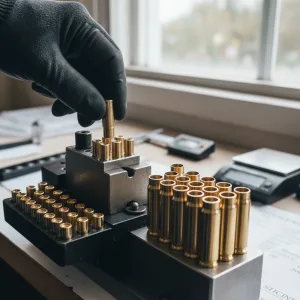
The consistency and accuracy of your reloaded ammunition are heavily dependent on the meticulous preparation of the cartridge cases. This process involves several steps, each contributing to the overall uniformity of your handloads. Properly prepared cases ensure that each cartridge will behave predictably when fired, leading to tighter shot groups and more reliable firearm function. Neglecting any of these preparation steps can introduce variables that degrade performance and potentially compromise safety.
Key case preparation steps include: resizing, trimming, cleaning, and deburring the case mouth. Resizing returns the fired case to its original dimensions, making it suitable for chambering again. The accuracy of this step is crucial; an improperly resized case can lead to extraction problems or excessive pressure. Trimming cases to a uniform length is vital for ensuring consistent head spacing and proper bullet seating depth. If cases are too long, they can cause the bullet to be seated too deeply, increasing the case volume and potentially leading to dangerously high pressure. Conversely, overly short cases might not provide adequate neck tension for bullet retention.
Cleaning cases not only improves their appearance but also removes carbon fouling and debris that can affect sizing and seating. Tumbling or ultrasonic cleaning are common methods. Deburring the case mouth after trimming is essential to prevent shaving bullet jackets during seating and to ensure a smooth transition for the bullet into the bore. Uniformity in neck tension, achieved through precise sizing and occasionally annealing, is also critical for consistent ignition and bullet pull. These seemingly minor details compound, and mastering them is a hallmark of advanced reloading.
Case Fill Ratio: Preventing Squibs and Over-Pressure
The case fill ratio, or the relationship between the volume of powder in the case and the total internal volume of the case when a bullet is seated, is a critical safety parameter in smokeless powder reloading. Achieving the correct fill ratio ensures that the powder ignites efficiently and produces the intended pressure. Deviations from the recommended fill ratio can lead to two dangerous extremes: under-charging, which can result in a “squib” load, and over-charging, leading to excessive pressure.
An undercharged case might not provide enough powder to fully propel the bullet. This can result in the bullet lodging in the barrel, creating a dangerous obstruction. Firing subsequent rounds into a blocked barrel can cause catastrophic firearm failure. This is commonly referred to as a “squib load” and is a direct consequence of insufficient powder or incomplete ignition. Always be vigilant for bullets that do not exit the barrel, and never attempt to fire another round until the obstruction is cleared. Using a powder that burns too quickly for the case volume can also contribute to this issue, as it may not generate sufficient pressure to push the bullet effectively.
Conversely, over-charging with powder significantly increases the pressure within the cartridge. This can exceed the safe operating limits of the firearm and ammunition, leading to potential case ruptures, bolt damage, or even firearm explosions. The term “double-charging” is often used, but any overcharge, even if not a full doubling of the intended amount, can be dangerous. Certain powders, particularly fine-grained ones, can allow for a significant overcharge without the case appearing completely full, making visual inspection a vital safety check. Always use a powder measure and trickle charges for high-value loads, and consider using a powder that is less prone to significant overcharging, like those designed for case-fill ratios that are less sensitive.
Common Smokeless Gun Powder Reloading Mistakes to Avoid
While reloading smokeless gun powder can be a rewarding and cost-effective practice, it is not without its risks. Many mistakes, often stemming from a lack of diligence or understanding, can lead to degraded performance, damaged firearms, or, in the worst cases, serious injury. Familiarizing yourself with these common errors and actively working to avoid them is paramount for safe and successful reloading. These mistakes can range from simple measurement errors to a fundamental misunderstanding of ballistic principles.
One of the most critical areas where mistakes occur is in powder measurement. Double-charging, where a case receives two full charges of powder, is exceptionally dangerous and can lead to extreme pressure spikes that may destroy the firearm. Equally hazardous, though less common, is under-charging. An undercharged case might not generate enough pressure to fully exit the barrel, leaving a bullet lodged as an obstruction. Firing a subsequent round into this obstruction can cause a catastrophic failure of the firearm. Always visually inspect each case after charging and use a trickler for fine adjustments, especially with fine-grained powders where a visual fill level can be deceiving.
Another significant mistake is ignoring pressure signs. Firearms and cartridge brass will often provide visual cues when operating at excessive pressure, such as flattened or cratered primers, ejector marks on the case head, or difficulty in extracting spent cases. Failing to recognize and react to these signs is a direct path to dangerous over-pressure situations. Furthermore, using the wrong powder for the application—for example, using a fast-burning pistol powder in a rifle cartridge where a slower-burning powder is required—can lead to poor performance, excessive muzzle flash, and potentially unsafe pressure characteristics. A systematic approach, adhering strictly to published load data and understanding the function of each component, is the best defense against these common errors.
Double-Charging and Under-Charging Dangers
The precise measurement of smokeless gun powder is arguably the most critical step in safe reloading. Two common and extremely dangerous errors related to powder charges are double-charging and under-charging. Each presents unique hazards that can lead to catastrophic firearm failure and severe injury.
Double-charging occurs when a powder measure, scale, or charging process mistakenly dispenses two full charges of powder into a single cartridge case. Given the high energy density of smokeless powders, this can rapidly create pressures far exceeding the designed limits of the cartridge brass and the firearm. The resulting explosion can rupture the case, damage the firearm’s action, and send dangerous shrapnel towards the shooter. Even if the firearm doesn’t immediately fail, the extreme pressure can weaken components for future use.
Conversely, under-charging, often resulting from a malfunctioning powder dispenser or a lapse in attention, leads to insufficient powder in the case. This can result in a “squib load,” where the bullet fails to achieve sufficient velocity to exit the barrel. A lodged bullet creates an obstruction. Firing a subsequent round into a barrel containing a lodged bullet is extremely dangerous, as the pressure generated by the second round can cause the barrel to burst. Always visually inspect every charged case before seating a bullet, and consider using a powder dimmer light or a flashlight to check the powder level in each case, especially when working with large capacity rifle cartridges or fine-grained powders.
Ignoring Pressure Signs: The Most Critical Error
One of the most critical and potentially devastating mistakes a reloader can make is to ignore pressure signs. Firearms and cartridge brass are designed to operate within specific pressure parameters. When these limits are exceeded, the components begin to fail, often catastrophically. Pressure signs are the firearm and its components’ way of warning the shooter that something is wrong.
Common visual indicators of excessive pressure include: flattened or flowing primers, where the primer has been pushed back against the bolt face and its edges appear to have flowed or spread; ejector marks on the case head, indicating the bolt was still under significant pressure when the case was extracted; bolt handle resistance, making it difficult to open the action on a fired case; and, in extreme cases, ruptured case heads or blown primers. Some cartridges, particularly those used in bolt-action rifles, may also exhibit stiffness when closing the bolt on a freshly loaded cartridge.
It is imperative to understand that these signs are not suggestions; they are warnings. Reloading data is developed with a margin of safety, and exceeding recommended charges can quickly erode that margin. If any of these pressure signs are observed, the reloader must immediately cease firing that load and reduce the powder charge. If the signs persist even at reduced charges, there may be an issue with the firearm, the brass, or the components themselves. Never “push through” pressure signs in the pursuit of higher velocity or accuracy.
Using the Wrong Powder for the Application
The selection of the correct smokeless gun powder is fundamental to safe and effective reloading. Powders are engineered with specific burn rates and energy outputs designed to function optimally within particular cartridge and firearm combinations. Using the wrong powder for the application is a common mistake that can lead to suboptimal performance, dangerous pressure fluctuations, and potential firearm damage.
Powders are broadly classified by their burn rate: fast, medium, and slow. Fast-burning powders, like those often used in handgun ammo, generate a quick pressure peak and are suitable for shorter barrels and cartridges with smaller powder capacities. Slow-burning powders, common in rifle ammo, provide a more sustained pressure curve, allowing for higher velocities and optimal performance in larger cases and longer barrels. Using a fast powder in a large rifle case might lead to an incomplete burn, excessive muzzle flash, and potentially unsafe pressure spikes at the muzzle, rather than efficiently propelling the bullet.
Conversely, using a slow-burning powder in a cartridge with a very small powder capacity, such as many handgun cartridges, can result in incomplete combustion, excessive fouling, and a pressure curve that is not optimized for velocity. This can also lead to dangerous pressure conditions if the charge is increased in an attempt to compensate. Always consult reputable load data that specifies appropriate powder types and charge weights for your intended caliber, bullet weight, and firearm. Resources dedicated to specific types of ammunition, such as rifle ammo, will detail the most suitable powders for achieving desired performance characteristics.
Failing to Clean Equipment Regularly
A often-overlooked aspect of reloading that significantly impacts consistency and safety is the regular cleaning and maintenance of reloading equipment. Dirty dies, a sticky powder measure, or a contaminated scale can introduce errors that compromise the quality and safety of your ammunition. Clean reloading equipment is essential for producing consistent results and preventing potential hazards.
For instance, powder residue buildup in a powder measure can lead to inconsistent charge weights. Over time, this residue can harden, causing sticking or erratic powder flow, resulting in charges that are either too light or too heavy. Similarly, dirt or debris in sizing dies can scratch cases, leading to inconsistent neck tension or even damaging the cases themselves. Contaminated scales can provide inaccurate readings, leading to critical errors in powder measurement. If a scale is not zeroed correctly due to dirt or damage, every measurement will be off.
Beyond just powder and scales, cleaning decapping pins and primer seating mechanisms ensures smooth operation and prevents accidental primer deactivation or improper seating. Regular maintenance includes wiping down presses, lubricating moving parts as per manufacturer recommendations, and ensuring that all measuring devices are calibrated periodically. Neglecting these simple cleaning steps can lead to a gradual degradation of accuracy and, more importantly, introduce safety risks that could have been easily avoided. A well-maintained setup is a hallmark of a responsible reloader.
Alternatives to Smokeless Gun Powder (and When to Choose Them)
While smokeless gun powder dominates modern firearms ammunition, particularly for rifles and many handguns, it is not the only propellant historically or currently used. Understanding alternatives provides context and helps in selecting the appropriate propellant for specific needs. The most significant alternative is black powder, a venerable propellant with a rich history and distinct characteristics that make it suitable for certain applications even today.
Black powder, chemically composed of sulfur, charcoal, and potassium nitrate, is fundamentally different from smokeless powders. It burns much more rapidly and produces a significantly larger volume of smoke and fouling. Its lower energy density means that larger volumes are required to achieve comparable velocities to smokeless powders. This characteristic, along with its dirty burning nature, makes it less ideal for modern, high-pressure firearms designed for smokeless propellants. However, for historical firearms, certain hunting scenarios, and specific shooting disciplines, black powder remains the propellant of choice.
Choosing between smokeless powder and black powder depends entirely on the application and the firearm being used. For standard hunting, sport shooting, and self-defense with modern firearms, smokeless powder offers superior performance, cleaner burning, and greater safety margins due to its predictable pressure characteristics. Black powder, on the other hand, is essential for those who wish to shoot period-accurate reproductions or engage in disciplines like Civil War reenactment or traditional muzzleloader hunting. Understanding these distinctions is key to making an informed choice.
Black Powder Reloading: Historical Context and Different Applications
Black powder, often referred to as gunpowder, is the original propellant that propelled projectiles from firearms for centuries before the advent of smokeless powders. Its historical significance is immense, underpinning advancements in warfare, exploration, and sport shooting from the medieval period through the late 19th century. Reloading with black powder involves a distinctly different set of practices and considerations compared to smokeless powders, largely due to its composition, burn characteristics, and the firearms it typically propels.
Black powder is a mechanical mixture of sulfur, charcoal, and potassium nitrate (saltpeter). When ignited, it burns very rapidly, producing a large volume of gas, smoke, and residue. This rapid, low-pressure burn is ideal for the relatively low-pressure, large-volume cartridges and muzzleloading firearms designed for it. Applications for black powder reloading include: shooting original or replica black powder firearms (muzzleloaders, cartridge revolvers, early lever-action rifles), participating in historical reenactments, and for hunters who use traditional muzzleloading rifles where regulations may mandate its use. The distinctive smoke and aroma are also part of the nostalgic appeal for many enthusiasts.
When reloading black powder cartridges, precise volumetric measurement is crucial, as is the use of appropriate wadding and bullet types. Unlike smokeless powders that must be contained within a strong case, black powder relies on the firearm’s design to manage its combustion. Understanding the specific requirements of the firearm, whether it’s a percussion muzzleloader or an early cartridge rifle, is paramount. This historical context informs the entire reloading process, from component selection to final assembly.
Advantages and Disadvantages of Black Powder
Black powder, as a propellant, offers a unique set of advantages and disadvantages when compared to modern smokeless gun powder. Its primary advantage lies in its historical authenticity and suitability for a specific class of firearms and shooting disciplines. For enthusiasts of historical firearms, particularly muzzleloaders and early cartridge designs, black powder is often the only viable or period-correct propellant.
The advantages of black powder include: historical accuracy for period firearms and reenactments; a distinctive shooting experience with heavy smoke and a unique report; and its use in firearms specifically designed for its lower pressure and volume characteristics, such as many muzzleloading rifles. It is also generally easier to ignite reliably in adverse conditions than some smokeless powders, although modern smokeless powders have largely overcome this issue. For hunters pursuing game with traditional muzzleloaders, black powder provides an authentic and effective means of hunting.
However, the disadvantages are significant for general use. Black powder burns dirty, producing a large amount of residue that requires thorough firearm cleaning after use to prevent corrosion and maintain reliability. It is also highly corrosive if not cleaned promptly, necessitating specific cleaning procedures. Its lower energy density means that larger volumes are needed to achieve velocities comparable to smokeless powders, and its rapid burn rate generates significant muzzle blast and recoil. For these reasons, black powder is generally unsuitable and unsafe for use in modern firearms designed for the higher pressures and more efficient burn of smokeless powders.
When Smokeless is Superior for Modern Shooting Needs
For the vast majority of modern shooting applications, including hunting, sport shooting, and self-defense, smokeless gun powder is unequivocally superior to black powder. Its development in the late 19th century marked a revolution in firearms technology, offering significant improvements in performance, safety, and user experience that remain relevant today. Understanding these benefits clarifies why smokeless powder is the standard for contemporary firearms and ammunition.
The primary advantage of smokeless powder is its higher energy density and cleaner burn. This means that smaller volumes of powder can generate significantly higher velocities and pressures than black powder, resulting in flatter trajectories and increased downrange energy, which are critical for effective hunting and long-range shooting. Furthermore, smokeless powders produce far less residue, leading to cleaner firearms and reducing the need for immediate and intensive cleaning after each shooting session. This cleanliness translates to greater reliability and less wear on the firearm.
Smokeless powders also offer a wider range of burn rates and performance characteristics, allowing reloaders to precisely tailor ammunition for specific calibers, barrel lengths, and bullet weights. This precision is essential for achieving the accuracy demanded in competitive shooting and for optimizing bullet performance for various game animals. In terms of safety, while both propellants must be handled with care, modern smokeless powders are designed to produce more predictable pressure curves within the safe operating limits of firearms. For these reasons, when modern shooting needs are the priority, whether for reliable handgun ammo, potent rifle ammo, or consistent rimfire ammo, smokeless powder is the definitive choice.
Safety First: Handling and Storing Smokeless Gun Powder
Safe handling and storage of smokeless gun powder are paramount for any reloader. This explosive material requires strict adherence to safety protocols to prevent accidents. Understanding the properties of smokeless powder, such as its sensitivity to heat, friction, and static electricity, is the first step. Always work in a well-ventilated area, free from ignition sources like open flames, sparks, or pilot lights. Keep your workspace clean and organized to minimize the risk of spills and accidental ignition. Proper personal protective equipment (PPE), including safety glasses and gloves, should be worn during all powder handling operations. Never smoke while handling gunpowder. The goal is to create a controlled environment where the risks associated with this potent material are systematically mitigated.
Proper Ventilation and Workspace Setup
Effective ventilation is crucial when working with smokeless gun powder. Powder residues and fine dust can become airborne, posing an inhalation hazard and, in sufficient concentrations, a potential explosion risk. A dedicated reloading space that can be adequately ventilated is ideal. This could be a garage with the door open, a workshop with exhaust fans, or even an outdoor setup during favorable weather. Ensure that the airflow moves away from you and any potential ignition sources. Avoid reloading in confined spaces with poor air circulation, such as small, unventilated rooms. Keep all combustible materials, including paper, rags, and solvents, away from your reloading bench. A clean, organized workspace minimizes clutter and reduces the likelihood of spills and accidental discharges. For more advanced considerations on creating an optimal environment, exploring resources on best practices for reloading environments can be beneficial.
Safe Storage Practices and Temperature Considerations
Storing smokeless gun powder correctly is critical to maintaining its stability and preventing dangerous situations. Powder should be stored in its original, sealed container whenever possible. These containers are designed to protect the powder from moisture and light and to mitigate static discharge. Avoid storing large quantities of powder together; instead, distribute it among multiple containers and locations if necessary. The ideal storage temperature range for smokeless powder is generally between 50°F and 70°F (10°C to 21°C). Extreme temperature fluctuations, both hot and cold, can degrade the powder over time, affecting its performance and potentially leading to instability. Never store powder in direct sunlight, attics, or uninsulated sheds where temperatures can soar or plummet. Keep all powder away from heat sources, electrical equipment, and open flames. Proper storage prevents premature degradation and ensures the reliability of your reloaded ammunition.
Emergency Procedures: What to Do in Case of Spills or Fires
Having a clear emergency plan is essential for anyone working with smokeless gun powder. In the event of a spill, remain calm and avoid creating dust. Do not sweep or vacuum spilled powder, as this can generate static electricity and cause ignition. Instead, carefully dampen the spilled powder with water or a non-flammable, anti-static solution to suppress dust and prevent ignition. Use a soft brush and dustpan to gently collect the dampened powder into a suitable container, such as a plastic bag or a metal can. Dispose of spilled powder according to local regulations, which often involve careful burning or controlled disposal through hazardous waste services. If a fire occurs, evacuate the area immediately and call emergency services. Do not attempt to fight a powder fire yourself, as it can spread rapidly and explosively. Understanding these procedures can mean the difference between a minor incident and a catastrophic event.
Legal Regulations for Powder Storage in 2026
Navigating the legal landscape of smokeless gun powder storage is crucial, and regulations can vary by jurisdiction. As of 2026, most regulations focus on the maximum quantities of explosive materials that can be stored in residential areas and the required safety measures for larger caches. Federal regulations in the United States, for instance, often cite recommendations from organizations like the Sporting Arms and Ammunition Manufacturers’ Institute (SAAMI) regarding safe storage quantities and conditions. Many states and local municipalities have their own ordinances that may be more stringent. It is imperative for reloaders to familiarize themselves with the specific laws in their area regarding the possession and storage of smokeless powder. This typically includes restrictions on the total amount of powder stored at a residence and requirements for storage cabinets or dedicated storage facilities, especially for those storing amounts exceeding common reloading quantities. Adhering to these legal requirements is not only a matter of compliance but also a fundamental aspect of responsible gun ownership and reloading practices.
Troubleshooting Common Reloading Issues with Smokeless Powder
Reloaders often encounter challenges that can impact the performance and safety of their ammunition. Understanding these common issues and their potential causes is key to troubleshooting and achieving consistent, accurate results. Smokeless powder, while highly effective, requires precise handling and understanding of its role within the cartridge. Factors such as powder charge weight, powder type, bullet selection, and even environmental conditions can all play a significant role. By systematically analyzing symptoms and consulting reliable data, reloaders can identify the root cause of problems ranging from inconsistent velocities to poor accuracy and potential safety concerns like over-pressure signs. This section aims to provide a practical guide to diagnosing and rectifying these issues, helping you refine your reloading process.
Inconsistent Velocities: Identifying the Cause
Inconsistent muzzle velocities from shot to shot can be a frustrating problem, often indicating an issue with the powder charge or its ignition. One primary culprit is **variability in the powder charge itself**. Even with careful weighing, minute differences can occur. However, more common causes include factors like **inconsistent powder ignition**, where primers are not firing the powder uniformly, or **powder settling differently** within the case between shots, especially in larger capacity cases where the powder may have room to shift. Ensure your powder measure is functioning correctly and that you are using a powder type appropriate for your caliber; some powders are more sensitive to position in the case than others. For example, using a “position-sensitive” powder in large rifle cases where it can lie against the case wall can lead to significant velocity spreads. Checking for any bullet seating inconsistencies or variations in case neck tension can also contribute. For detailed guidance on powder selection, exploring resources on finding the right smokeless gun powder can be very informative.
Poor Accuracy: Is it the Powder Charge?
When accuracy suffers, many reloaders immediately question the powder charge, and rightly so. An **inaccurate powder charge** is a frequent cause of poor accuracy. Too little powder can lead to erratic ignition and unstable bullet flight, while too much powder can cause inconsistent pressures and even unsafe conditions. However, it’s not always solely the charge weight. The **type of smokeless powder** used significantly impacts accuracy. Some powders are designed for maximum velocity, others for consistent ignition in certain case volumes, and some for precision match shooting. Using a powder that is too fast or too slow for the application can result in poor burn characteristics within the barrel. Additionally, **improper powder burn rate** relative to the bullet weight and barrel length can create erratic harmonics, affecting the bullet’s release. Always consult published load data for your specific caliber and bullet combination. For those focusing on precision, understanding how different powders perform is crucial, and resources on smokeless gun powder precision reloading for match shooting offer valuable insights.
Signs of Over-Pressure: What to Look For
Recognizing the signs of over-pressure is critical for shooter safety. These indicators suggest that the pressure inside the cartridge has exceeded safe limits, which can lead to case ruptures, firearm damage, or serious injury. Common visual cues include **flattened or pierced primers**, where the primer anvil is driven back into the primer cup, or the primer itself is blown out. Another sign is **excessive case expansion**, where the cartridge case bulges significantly, particularly at the base or web. You might also observe **difficulty extracting spent cases** from the chamber due to the case being expanded beyond normal tolerances. In some firearms, **metal deformation on the bolt face** or ejector marks can also be indicators. If you notice any of these symptoms, cease firing the ammunition immediately and carefully inspect your firearm. Always stay within the recommended load data ranges provided by reputable sources to avoid these dangerous conditions.
Primer Issues and their Link to Powder Performance
Primers play a vital role in initiating the combustion of smokeless powder, and issues with them can directly affect overall performance. A **weak primer strike** or a **faulty primer** can lead to ignition failures or slow, inconsistent ignition, impacting both velocity and accuracy. Conversely, primers that are seated too deeply or are of the wrong type for the cartridge can sometimes contribute to pressure anomalies, though this is less common than powder charge or primer sensitivity issues. The **type of primer**—standard versus magnum, small rifle versus large rifle—is specifically matched to the intended propellant and charge weight by powder manufacturers. Using the wrong primer can result in incomplete or erratic ignition, particularly with slower-burning powders. For instance, using a standard primer with a heavy magnum charge might not provide enough initial energy to ignite the powder effectively, leading to poor performance. For comprehensive understanding, reviewing guides on reloading: guide to selecting primers for optimal performance is highly recommended.
Reloading requires a meticulous approach, where each component and step contributes to the final outcome. By understanding the potential pitfalls associated with handling, storing, and troubleshooting smokeless powder, reloaders can significantly enhance their safety and achieve more consistent, accurate results with their ammunition. This diligence ensures that the passion for shooting sports is pursued responsibly and effectively.



One comment
Pingback:
Smokeless Gunpowder: Reloading for Accuracy - Northern Reloading