

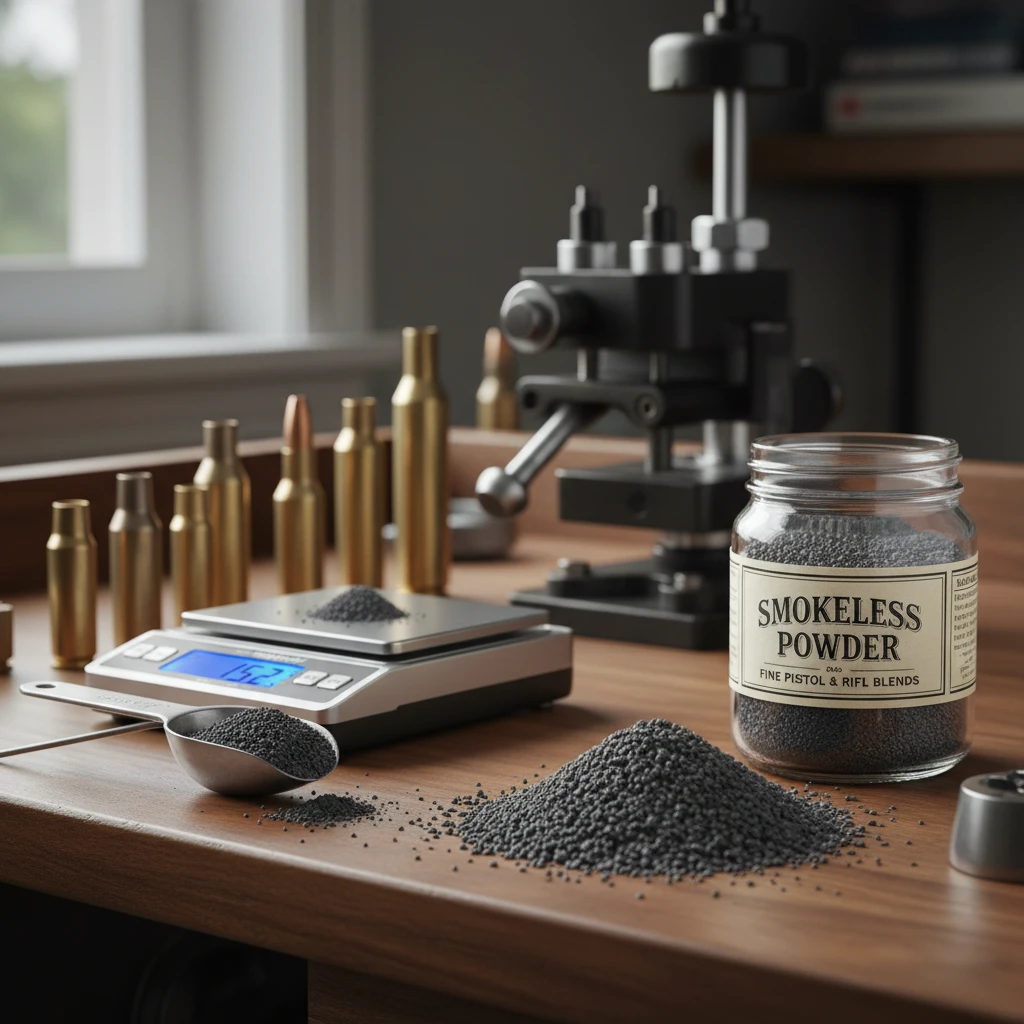
Smokeless Gunpowder: Powering Your Reloading Goals
Reloading ammunition offers a pathway to enhanced shooting experiences, from achieving pinpoint accuracy in rifle ammo to optimizing performance for handgun ammo. At the heart of this pursuit lies smokeless gunpowder, a critical component that dictates velocity, pressure, and overall ballistic performance.
Understanding its properties and choosing the right type is paramount for safe and effective reloading. This section delves into the advantages of smokeless gunpowder, guiding you through the selection process and highlighting key considerations for achieving your reloading goals.
Unlocking Precision: The Reloading Advantage of Smokeless Gunpowder
The allure of reloading often stems from the promise of superior accuracy and cost savings, both of which are significantly influenced by the choice of smokeless gunpowder. Unlike older black powder, smokeless powders offer a cleaner burn, higher energy density, and more predictable performance, making them the standard for modern ammunition. This cleaner burn translates to less fouling in your firearm, which is crucial for maintaining consistent accuracy over extended shooting sessions, particularly important for competitive sport shooters or those engaged in long-range rifle shooting. Furthermore, the ability to precisely meter smokeless gunpowder allows reloaders to tailor loads to specific firearms and intended uses, whether for hunting elusive game with specialized rifle ammo or for precise target practice with handgun ammo.
The consistent energy output from smokeless powders directly impacts projectile velocity and stability. By carefully selecting a powder with the appropriate burn rate and by mastering load data, reloaders can fine-tune the ballistic coefficient and ballistic trajectory of their rounds. This level of customization is simply not achievable with factory ammunition. For instance, a hunter needing a flat trajectory for a long-range shot on a deer will select a different smokeless gunpowder than a handgun enthusiast seeking maximum velocity for self-defense rounds. The intricate relationship between powder type, charge weight, and firearm mechanics allows for an unparalleled degree of control. This control not only enhances shooting performance but also contributes to a deeper understanding and appreciation of firearm ballistics. For those new to this, exploring resources on smokeless gunpowder reloading for accuracy can provide a solid foundation.
Choosing the Right Smokeless Gun Powder for Your Caliber
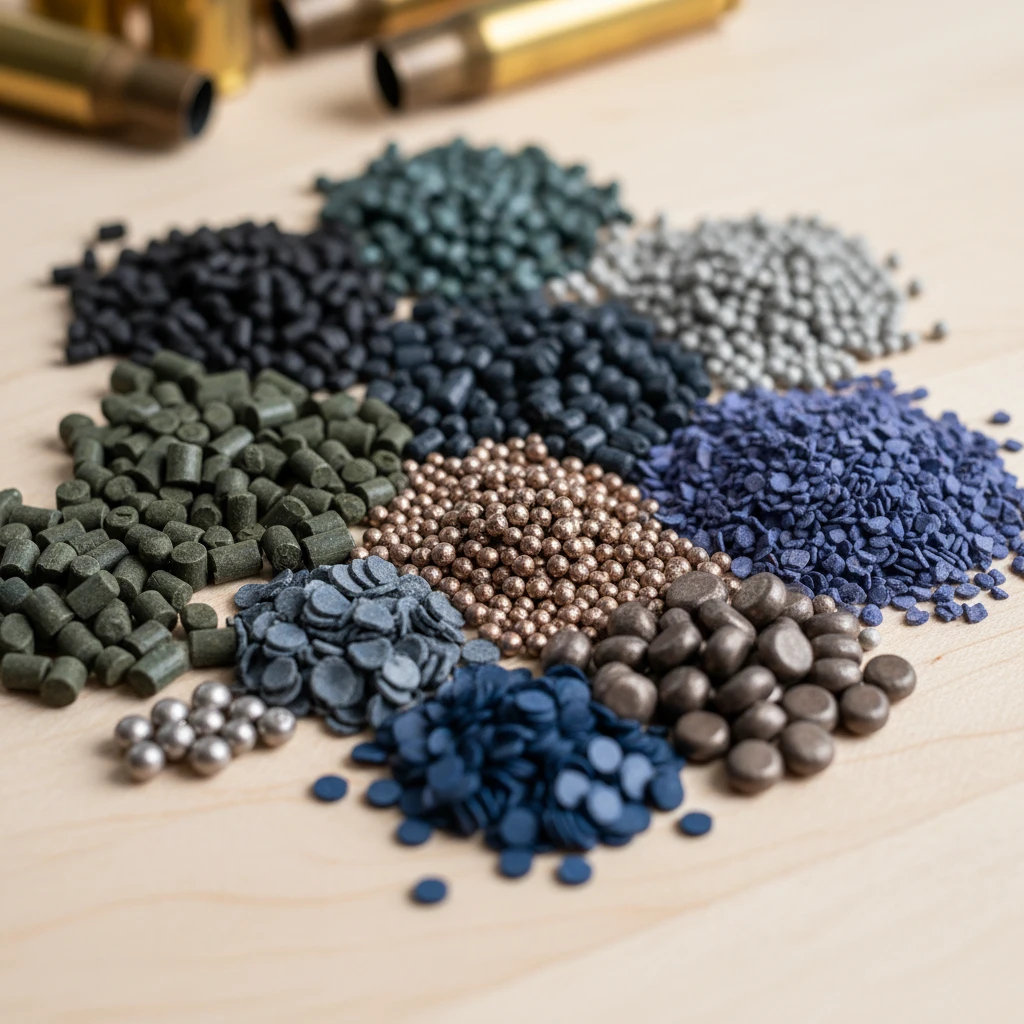
Selecting the correct smokeless gunpowder is arguably the most critical step in the reloading process. It directly influences the pressure generated within the firearm, the velocity of the projectile, and ultimately, the accuracy and safety of each round. Mismatched powder can lead to underpowered loads with poor performance or, more dangerously, over-pressurized rounds that can damage the firearm and injure the shooter. The sheer variety of smokeless powders available, each formulated with specific burn rates and energy characteristics, means that a thoughtful, informed decision is essential. This choice is heavily dependent on the cartridge being loaded, the intended application, and the specific firearm in which the ammunition will be used. Consulting reputable reloading manuals and understanding the fundamentals of powder performance are the cornerstones of making this crucial decision effectively.
Understanding Burn Rates: Fast vs. Slow Powders
The concept of burn rate is central to selecting the appropriate smokeless gunpowder. Burn rate refers to how quickly a powder combusts once ignited by the primer. Fast-burning powders, such as those used in many handgun cartridges, ignite rapidly and produce peak pressure early in the barrel’s travel. This is ideal for shorter barrels and cartridges where quick pressure generation is desired for efficient cycling and velocity. Conversely, slow-burning powders are designed for longer barrels, common in rifle cartridges. They burn more gradually, producing sustained pressure that continues to push the bullet down the barrel, maximizing velocity and minimizing muzzle flash and pressure spikes. Using a powder that is too fast for a given cartridge can result in dangerous pressure spikes and poor performance, while a powder that is too slow may not achieve full burn within the barrel, leading to reduced velocity and excessive muzzle blast. Understanding these differences is key to safe and effective reloading, impacting everything from the consistency of your handgun ammo to the power of your rifle ammo.
Matching Powder to Firearm Type: Handgun, Rifle, and Shotgun Considerations
Each firearm type demands specific powder characteristics due to differences in barrel length, chamber pressure tolerances, and intended use. For handguns, faster-burning powders are typically favored because they generate peak pressure quickly, suitable for shorter barrels and achieving optimal velocities for rounds like 9mm or .45 ACP. These contribute to reliable cycling of semi-automatic actions and consistent performance in defensive or target shooting scenarios. Rifle cartridges, with their longer barrels, benefit from slower-burning powders. These powders ensure sustained pressure throughout the barrel’s length, allowing for maximum velocity and accuracy, critical for hunting game at distance or for precision rifle competitions. Shotguns present a unique case; their shotshells utilize powders that must efficiently launch a payload of shot or a slug. The powder choice here is heavily influenced by gauge and intended application, whether for clay sports like skeet and trap or for bird hunting. Many reloaders find success by exploring resources dedicated to shotgun ammo reloading to achieve specific performance goals.
Key Smokeless Gun Powder Brands and Their Applications (e.g., Hodgdon, Alliant)
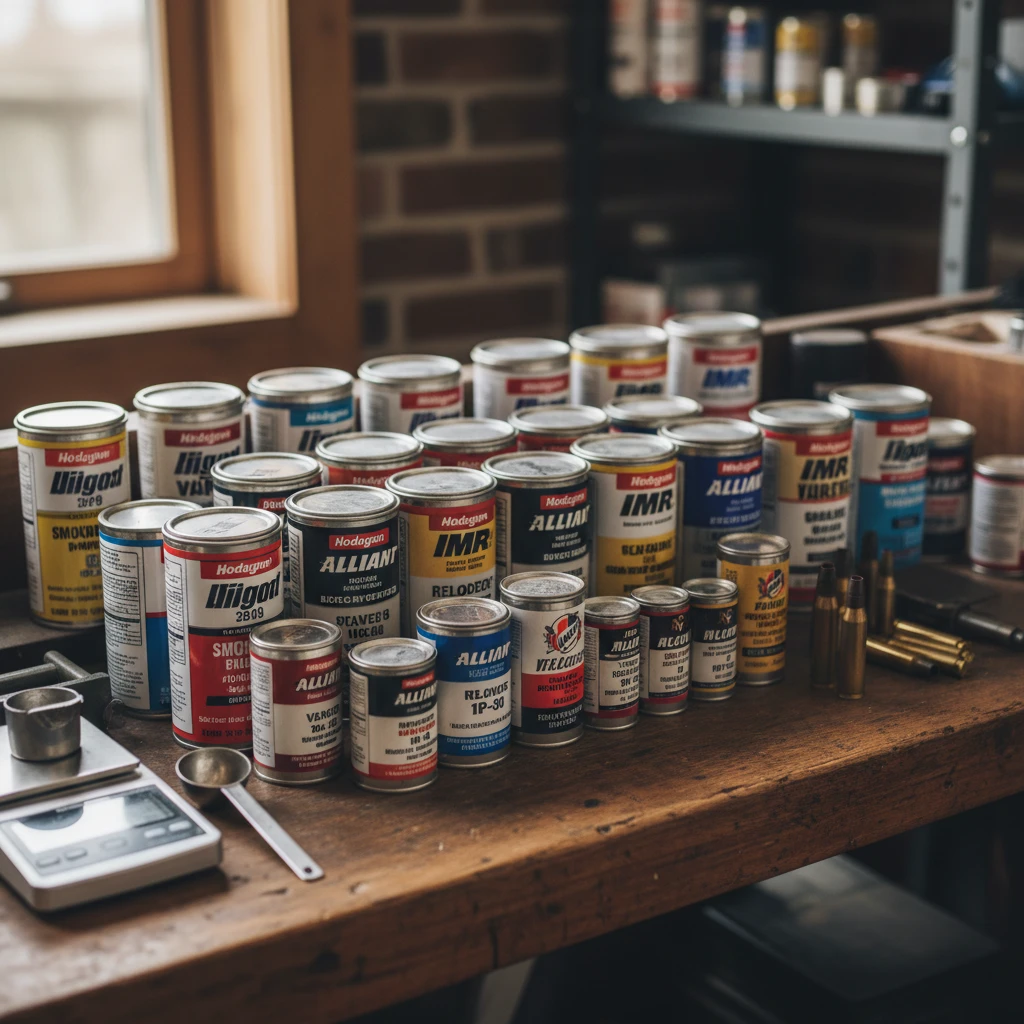
Reputable manufacturers like Hodgdon, Alliant Powder, and Accurate Powders offer a wide array of smokeless gun powders, each with distinct properties. Hodgdon, for instance, is known for its extensive range, including popular options like Varget for precision rifle loads, known for its temperature stability and accuracy, and Titegroup, a versatile fast-burning powder favored for many handgun cartridges. Alliant Powder provides well-regarded powders such as Unique, a classic all-around choice for handgun and light rifle loads, and Reloder series, which are specifically formulated for high-performance rifle applications requiring slower burn rates. Accurate Powders also offers a diverse selection, with powders like AA#7 and AA#9 being staples for handgun reloading, providing excellent metering and performance. When choosing, it’s crucial to consult their product charts, which typically provide recommended applications for specific calibers and bullet weights, ensuring you select a powder that aligns with your reloading objectives for anything from rimfire ammo to heavy rifle rounds.
Essential Reloading Components Beyond Smokeless Gun Powder
While smokeless gunpowder is the propellant, it’s only one piece of the complex puzzle that is a reloaded cartridge. The other components play equally vital roles in ensuring the safety, reliability, and precision of your ammunition. Without the right primer, case, and bullet, even the most carefully chosen gunpowder will fail to perform optimally. Each element must be compatible not only with the gunpowder but also with the firearm’s chamber and the intended shooting discipline. Neglecting any of these components can lead to inconsistent ignition, poor accuracy, feeding issues, or, in worst-case scenarios, dangerous malfunctions. Therefore, a holistic approach to reloading, considering the interplay of all parts, is fundamental for success and safety. Understanding these components will significantly improve your ability to craft precise rifle ammo and reliable handgun ammo.
The Crucial Role of Primers: Striking the Right Balance
Primers are the initiators of the combustion process, igniting the smokeless gunpowder. They are small but incredibly important components that must deliver a consistent and reliable spark. There are two main types: small and large primers, corresponding to the primer pocket size in the cartridge case, and further distinctions exist between standard and magnum primers, offering a hotter flame for igniting slower-burning propellants. Using the incorrect primer type or strength can lead to ignition failures (a dud) or dangerously high pressures. For instance, using a magnum primer in a cartridge designed for a standard primer can over-pressurize the case, especially with faster-burning powders. Conversely, a standard primer might fail to reliably ignite a slow-burning powder charge, resulting in incomplete combustion or hangfires. The consistency of primer performance is paramount for accurate shooting, as variations in ignition can cause significant flyers. Many reloaders find success by adhering to the recommendations found in reloading manuals and by exploring resources like primers essential for reloading consistency to ensure optimal ignition for every shot.
Case Selection: The Foundation of Your Reload
Cartridge cases serve as the container for the propellant, primer, and bullet, and they are critical for the structural integrity and performance of the reloaded round. Cases are manufactured from various materials, most commonly brass, but also steel and aluminum. Brass is favored for its durability, malleability, and resistance to corrosion, allowing it to be reloaded multiple times. The condition of the case is paramount; it must be free from cracks, excessive stretching, or bulges that could compromise its ability to withstand chamber pressure. Factors like neck tension, which holds the bullet securely, and the concentricity of the case, influence accuracy. Reloaders must ensure they are using the correct caliber and type of case for their intended load. For example, a .223 Remington case differs from a 5.56mm NATO case, and using the wrong one can be dangerous. Furthermore, the decision between new or once-fired brass affects the number of reloads a case can endure and its initial cost. Proper case preparation, including resizing and trimming, is essential for consistent results across all types of ammunition, from rimfire ammo to powerful rifle ammo.
Bullet Choice: Precision for Every Purpose (Rifle Ammo, Handgun Ammo)
The bullet is the projectile, and its selection significantly impacts the terminal performance, accuracy, and trajectory of your ammunition. Bullets come in a vast array of designs, materials, and weights, each suited for specific applications. For rifle ammo, options range from basic full metal jacket (FMJ) bullets for plinking and target practice to specialized expanding bullets for hunting, designed to mushroom upon impact and deliver maximum energy transfer. Weight is a critical factor, influencing ballistic coefficients and suitability for different twist rates in rifle barrels. For handgun ammo, common choices include lead, plated, and jacketed bullets. Lead bullets are economical for practice but can foul barrels at high velocities. Plated bullets offer a cleaner alternative at moderate speeds, while jacketed bullets provide the durability and controlled expansion needed for self-defense or hunting. Choosing the right bullet weight and construction for your intended purpose, caliber, and firearm is essential for achieving the desired accuracy and effectiveness with both rifle and handgun ammunition.
Maximizing Performance: Load Data and Accuracy Tips
Achieving optimal performance and consistent accuracy from your reloaded ammunition requires more than just selecting the right components; it demands a thorough understanding of load data and meticulous attention to detail during the reloading process. Load data, typically found in comprehensive reloading manuals, provides specific charge weights of smokeless gunpowder for particular cartridge-bullet combinations. Adhering strictly to this data is non-negotiable for safety and performance. Beyond the fundamental load recipes, experienced reloaders employ various techniques to refine their loads further, fine-tuning aspects like seating depth and case preparation to squeeze every bit of accuracy from their efforts. This iterative process of testing, measurement, and adjustment is what separates good reloads from exceptional ones, transforming factory-standard performance into highly personalized, precise shooting tools.
Navigating Reloading Manuals: Sources of Reliable Data
Reputable reloading manuals are the cornerstone of safe and effective ammunition reloading. Publications from manufacturers like Lyman, Sierra, Speer, and Hornady, as well as comprehensive data compilations from powder manufacturers (e.g., Hodgdon’s Annual Reloading Manual), offer invaluable information. These manuals provide detailed load data, including recommended powders, charge weights, primers, and bullet combinations for a vast array of calibers. Crucially, they also include cautionary notes, safety guidelines, and explanations of ballistic principles. It’s imperative to use data specific to the bullet you are loading, as different bullet designs and constructions (e.g., FMJ, hollow point, lead) can affect chamber pressure. Always start with the minimum recommended charge weight and work up incrementally, watching for signs of excessive pressure. Relying on outdated or unverified data can be extremely dangerous, so always consult the latest editions from trusted sources, ensuring your loads for smokeless gun powder load data best practices are based on solid, reliable information.
The Impact of Load Density on Accuracy
Load density, the ratio of the volume of gunpowder to the volume of the cartridge case, can significantly impact accuracy, particularly in rifle cartridges. When a powder charge loosely fills the case, it can settle inconsistently during recoil or firearm handling, leading to variations in ignition and burn rate. This inconsistency can manifest as vertical stringing on target. Powders with higher load densities, meaning they fill the case more completely, tend to offer more consistent ignition. However, some highly efficient, slower-burning powders might result in a very low load density, which can be problematic. Reloaders sometimes employ techniques like using filler materials (though this is often debated and requires careful research) or selecting powders that better match the case capacity for the specific caliber and intended use to mitigate these effects and achieve tighter shot groups, which is vital for both smokeless gun powder precision and overall load consistency.
Testing and Tuning: Finding Your Optimal Smokeless Gun Powder Load
The final, and perhaps most rewarding, stage of reloading is testing and tuning your loads. Once you have selected your components and consulted reliable load data, the process of accurately shooting your reloads begins. This involves shooting groups of rounds at a consistent distance and analyzing the results. Small adjustments to the gunpowder charge weight, bullet seating depth, or even slight variations in primer selection can have a noticeable effect on accuracy. Experienced reloaders often conduct ladder tests, systematically increasing the powder charge in small increments while observing group size and velocity changes. This helps identify the “sweet spot” where the combination of components and firearm produces the tightest groups. Careful note-taking is essential during this phase, documenting every variable tested. This methodical approach ensures that you are not just loading ammunition, but crafting a precisely tuned projectile tailored to your specific firearm and shooting needs, whether for hunting, competition, or general shooting enjoyment.
Safety First: Handling and Storing Smokeless Gun Powder
Working with smokeless gun powder requires a heightened awareness of safety protocols. Due to its energetic nature, improper handling or storage can lead to hazardous situations. Understanding the inherent risks associated with these components is the first step toward safe and successful reloading. This section details the essential safety measures you must implement to protect yourself, your equipment, and your environment when dealing with smokeless gun powder. Adhering to these guidelines ensures a secure reloading experience, minimizing the possibility of accidents and promoting responsible firearm component management. Prioritizing safety is not merely a recommendation; it is a fundamental requirement for anyone involved in reloading ammunition.
Proper Storage Conditions: Temperature, Humidity, and Ventilation
The longevity and stability of your smokeless gun powder are critically dependent on its storage environment. Fluctuations in temperature and humidity can degrade the powder, affecting its performance and potentially creating safety hazards. Ideal storage involves a cool, dry place, ideally between 50°F and 70°F (10°C to 21°C). Extreme heat can accelerate the decomposition process, releasing volatile gases and increasing the risk of spontaneous combustion. Conversely, excessive cold is generally less detrimental but can lead to condensation issues if not managed carefully. Humidity is another significant factor; high moisture content can corrode the powder’s inhibitors and degrade its structure, while excessively dry conditions might increase static electricity risks. Therefore, storing powder in airtight containers within a climate-controlled environment is highly recommended. Good ventilation is also crucial. While powder should be stored in sealed containers, the storage area itself should have some degree of airflow to dissipate any minor off-gassing that might occur over time. Avoid storing large quantities of smokeless gun powder in attics, basements prone to flooding, or attached garages where temperature swings are common. A dedicated, secure, and climate-stable space is the best option for preserving the integrity and safety of your reloading components. Proper storage not only ensures the powder remains viable for reloading but also significantly mitigates fire risks.
Safe Handling Practices to Prevent Accidental Ignition
Handling smokeless gun powder demands meticulous attention to detail to prevent unintended ignition. The primary concern is static electricity. Always ensure you are grounded before handling powder; wearing non-synthetic clothing and rubber-soled shoes can help reduce static buildup. Avoid handling powder in carpeted areas or on synthetic surfaces. When transferring powder, use non-sparking tools, and pour slowly and deliberately to minimize dust creation, which can be an ignition source. Never use a vacuum cleaner to clean up spilled powder, as the friction and heat generated can cause ignition. Instead, use a brush and pan and damp cloths to wipe up residual dust. Keep all ignition sources, such as open flames, sparks from tools, and pilot lights, far away from your reloading area. Smokeless powder is designed to burn rapidly, and even a small spark can initiate a dangerous reaction. Ensure your reloading bench is clean and free of debris, including metal filings or oils, which could react with the powder. When measuring powder, use a powder scale that is regularly calibrated and handle the trickler with care to avoid generating static. Keep containers of smokeless powder closed when not actively dispensing powder. This minimizes exposure to air and reduces the risk of accidental contamination or ignition. For detailed insights into best practices, resources like those found on our load data and best practices guide offer comprehensive safety checklists and handling techniques.
Disposing of Old or Contaminated Smokeless Gun Powder Responsibly
Disposing of old, degraded, or contaminated smokeless gun powder requires careful consideration to ensure safety and environmental responsibility. Smokeless powder does not last indefinitely; its chemical composition breaks down over time, especially under adverse storage conditions. If you notice signs of degradation such as a rancid odor, caking, or visible signs of deterioration, it’s time to consider safe disposal. Never simply throw powder in the trash, as this poses a significant fire risk to waste handlers and can contaminate landfills. The most common recommended method for safe disposal of small quantities of smokeless powder is to burn it off in small, controlled batches outdoors, away from any structures or flammable materials. This should be done on a calm day, and the powder should be spread thinly on a non-flammable surface, such as a patch of bare earth or gravel. Light it with a long-handled fuse or safety match, and stand well back. Ensure the entire batch burns completely. For larger quantities or if you are uncomfortable with this method, contact your local fire department or hazardous waste disposal facility. They can provide guidance on proper disposal procedures in your area. Some jurisdictions may have specific regulations for hazardous materials disposal, so it’s wise to check local ordinances. Attempting to dispose of compromised powder without following proper procedures can lead to uncontrolled fires or explosions, so always err on the side of caution and seek expert advice if unsure. The goal is to neutralize the energetic material safely and effectively.
Beyond the Basics: Advanced Reloading Techniques
Once you’ve mastered the fundamentals of smokeless gun powder selection and safe handling, you can explore more advanced techniques to fine-tune your ammunition for specific applications. These techniques focus on maximizing precision, consistency, and performance, transforming your reloaded cartridges into highly effective tools for any shooting discipline. Moving beyond basic reloading means delving into the nuances of component preparation, precise measurement, and understanding how subtle variations can significantly impact the final outcome. This section will guide you through several advanced methods that can elevate your reloading game, helping you achieve superior accuracy and reliability in your hand-crafted ammunition. Mastering these skills allows for a deeper connection to your shooting performance and the satisfaction of creating truly bespoke cartridges.
Case Preparation: Deburring, Chamfering, and Neck Sizing
Effective case preparation is a cornerstone of advanced reloading, directly influencing the consistency and accuracy of your ammunition. After resizing, the inside and outside edges of the case neck often have sharp burrs left by the resizing die. Deburring removes these sharp edges, preventing them from shaving bullet jackets during seating and ensuring a smoother insertion of the bullet. This is typically done with a hand deburring tool. Following deburring, chamfering the inside edge of the case neck creates a slight bevel. This smooths the transition for the bullet, reducing the potential for damage to the bullet’s ogive and ensuring it enters the rifling more cleanly. A chamfered neck also makes it easier to start the bullet into the case during the seating process. While full-length resizing returns the case to its original dimensions for re-chambering, neck sizing is an advanced technique used primarily for precision rifle ammunition. Neck sizing only resizes the case neck, preserving the fire-formed dimensions of the rest of the case. This minimizes stress on the brass and allows cartridges to fit the specific chamber of your firearm more precisely, leading to improved accuracy. However, cases that have been neck-sized exclusively will eventually become too tight to chamber in gas-operated firearms and may require occasional full-length resizing. Proper case preparation ensures that each component plays its part optimally, contributing to a more uniform and predictable shooting experience.
Primer Seating Depth: A Small Detail with Big Impact
The depth at which a primer is seated is a critical, often overlooked, aspect of reloading that significantly impacts ignition consistency and overall firearm function. A primer that is seated too deeply can cause issues with the firing pin, potentially leading to misfires or slams fires, especially in semi-automatic firearms. Conversely, a primer that is seated too high will prevent the cartridge from fully chambering or can lead to failure to fire if the firing pin cannot strike it with sufficient force. The ideal primer seating depth ensures the primer is flush with the base of the cartridge case or slightly below, depending on the specific firearm and primer type. Many reloaders aim for the primer to be 0.002 to 0.004 inches below the case head. Achieving this consistent depth requires a well-functioning priming tool, whether it’s a press-mounted primer seater or a hand-held tool. Consistent primer seating ensures that the firing pin strikes each primer with the same force and at the same point, leading to more uniform ignition. Variations in ignition timing can translate into noticeable differences in bullet velocity and, consequently, shot-to-shot accuracy. For optimal results, especially when reloading for precision shooting, take the time to verify primer seating depth with a caliper or by feel, ensuring uniformity across all loaded cartridges. Learn more about the critical role of primers in achieving consistent loads on our page on primer consistency.
Powder Measurement Precision: Scales and Tricklers
The cornerstone of accurate and safe reloading lies in the precise measurement of smokeless gun powder. Even minor deviations in powder charges can lead to significant variations in pressure, velocity, and accuracy. Therefore, investing in and understanding the use of high-quality measuring tools is paramount. For consistent results, a digital reloading scale accurate to at least 0.1 grains is essential. While beam scales are traditional and reliable, digital scales offer speed and ease of use for many reloaders. Regardless of the scale type, regular calibration is crucial to ensure accuracy. Most digital scales come with calibration weights. Once a charge is weighed, a powder trickler becomes invaluable for fine-tuning the charge to the exact desired weight. A trickler allows for the slow, precise addition of individual grains of powder, bringing the charge up to the target weight without overshooting. This is particularly important for high-precision loads where minimal variation is desired. For large quantities of identical rounds, a powder measure can be used for initial dispensing, followed by individual weighing and trickling for verification. Understanding the difference between volumetric measurement (scooping) and weighing is critical; weighing is always the preferred method for safety and accuracy, as powder density can vary. The goal is to achieve consistent charge weights for every single round you load. Many reloaders find it beneficial to weigh charges for critical loads individually, rather than relying solely on powder measures, even if those measures are adjustable.
Common Pitfalls to Avoid in Smokeless Gun Powder Reloading
Reloading smokeless gun powder offers immense satisfaction and cost savings, but it also presents potential hazards if fundamental principles are not strictly followed. Awareness of common mistakes is as crucial as understanding the correct procedures. These pitfalls can range from minor inconveniences like inconsistent performance to severe safety risks, including over-pressure incidents or catastrophic firearm failures. This section outlines some of the most frequent errors reloaders encounter and provides guidance on how to avoid them, ensuring a safer and more rewarding reloading experience. By understanding and actively mitigating these risks, reloaders can significantly enhance the reliability and safety of their ammunition, protecting both themselves and their firearms.
Overcharging and Undercharging: Dangers and Consequences
The powder charge is the heart of a cartridge’s performance and safety, and deviating from recommended levels can have serious consequences. Overcharging, adding too much smokeless gun powder, is one of the most dangerous mistakes a reloader can make. It leads to excessive pressure inside the firearm’s chamber and barrel, which can cause case head separation, primer blowouts, or even a complete firearm failure, potentially injuring the shooter. Symptoms of overcharging include difficulty ejecting spent cases, ejector marks on the case rim, flattened or pierced primers, and visible deformation of the firearm components. Always start with the minimum recommended charge specified in a reputable load manual and work up incrementally. Conversely, undercharging, using too little powder, can also be problematic, though less immediately dangerous. In rifle cartridges, a significant undercharge can lead to “keyholing” (bullets tumbling and hitting the target sideways) and greatly reduced accuracy. In some cases, particularly with slower-burning powders in large-capacity cases, severe undercharging can lead to a “squib load” where the bullet lodges in the barrel. Firing another round into a blocked barrel is extremely dangerous and can cause the firearm to explode. Always ensure your powder charge is within the recommended range for your specific cartridge and firearm. Consult trusted load data, such as that provided by powder manufacturers and reputable reloading manuals, to determine safe and effective charge weights for your intended application. The consequences of ignoring these guidelines can range from poor performance to life-threatening situations.
Improper Component Compatibility: The Risk of Misfires or Malfunctions
Reloading success hinges on the correct pairing of all cartridge components: the casing, primer, powder, and bullet. Using incompatible components can lead to a variety of issues, from simple misfires to dangerous malfunctions. For instance, using the wrong type of primer (e.g., a magnum primer in a standard load, or a small rifle primer in a large rifle primer pocket) can result in incorrect ignition or excessive pressure. Similarly, attempting to use handgun powder in a rifle cartridge or vice-versa is ill-advised, as they are designed for different burn rates and pressure curves. The caliber and type of primer must match the cartridge specifications; small pistol primers are not interchangeable with large pistol primers, and rifle primers differ from pistol primers in their thickness and explosive compound. Beyond primers and powder, ensuring the bullet weight and type are appropriate for the intended load and firearm is also critical. Using a bullet designed for a much higher velocity in a load that produces lower velocities can lead to poor expansion or over-penetration, while using a bullet designed for lower velocities at high pressures might cause it to fragment. Always cross-reference component specifications with reliable reloading data to ensure compatibility. Firearms and ammunition are engineered as systems, and deviating from recommended component configurations can compromise the integrity and safety of that system.
Ignoring Manufacturer Recommendations: A Recipe for Disaster
Every component manufacturer, from smokeless gun powder producers to bullet makers, provides recommendations based on extensive testing and research. Ignoring these guidelines is arguably the single most significant pitfall a reloader can encounter and is often the root cause of many other errors. Reputable smokeless gun powder manufacturers provide detailed load data tables that specify the minimum and maximum powder charges for various cartridges, along with recommended bullet weights and types. These recommendations are not arbitrary; they are established to ensure safe operating pressures and optimal performance. Deviating from these manufacturer recommendations by attempting to exceed maximum charge weights, or by using a powder type not listed for a particular cartridge, is extremely risky. For example, substituting a faster-burning powder for a slower one, or vice-versa, without consulting appropriate load data can lead to unpredictable pressure spikes or insufficient energy to cycle a semi-automatic firearm. Similarly, bullet manufacturers often provide guidance on which powders and velocities are best suited for their projectiles to ensure proper expansion or accuracy. Always consult the latest load data from your powder manufacturer and adhere to the specified ranges. Never assume that a load that worked in one firearm or with one set of components will be safe or effective with another. Prioritizing safety and accuracy means respecting the expertise and data provided by those who engineered the components you are using.
Reloading for Specific Shooting Disciplines
Reloading smokeless gun powder offers the unique advantage of tailoring ammunition precisely to the demands of various shooting disciplines. Whether you’re engaging targets at extreme distances, competing in fast-paced handgun events, or pursuing game in the field, custom-loaded ammunition can provide a significant edge. By carefully selecting components and fine-tuning powder charges, reloaders can optimize for factors such as accuracy, velocity consistency, recoil management, and terminal performance. This section explores how to approach reloading for three distinct shooting disciplines, highlighting the key considerations for each. Understanding these nuances allows you to craft ammunition that not only performs exceptionally but also enhances your overall shooting experience and success in your chosen pursuit.
Precision Rifle Ammo for Long-Range Accuracy
Achieving pinpoint accuracy at extended ranges with your rifle requires meticulous attention to detail in every aspect of the reloading process. For precision rifle ammunition, the focus shifts heavily towards consistency in every measurable parameter. This starts with selecting high-quality components: match-grade bullets known for their ballistic uniformity, cases that are uniformly thick and concentric, and primers that provide consistent ignition. Smokeless gun powder choice is paramount; slower-burning powders that fill the case well, providing a clean burn and predictable pressure curve, are often favored. Examples include IMR 4831 or Hodgdon Varget for many .30 caliber cartridges. Case preparation is critical, often involving neck sizing only to maintain fire-formed dimensions, meticulously deburring and chamfering necks, and ensuring primers are seated to a uniform depth. Powder charges must be weighed with extreme precision, often to within a tenth of a grain, and the powder column should be consistent. Bullet seating depth must be exact, and runout (the degree to which the bullet is off-center from the case centerline) should be minimized. Many precision reloaders also measure overall cartridge length and neck runout with calipers. The goal is to create ammunition where every round behaves identically when fired, minimizing variables that contribute to shot dispersion at long range. Exploring resources on smokeless gunpowder reloading for accuracy can provide further insights into optimizing these loads.
Consistent Handgun Ammo for Competitive Shooting
Competitive handgun shooting disciplines, such as USPSA, IPSC, or IDPA, demand ammunition that is not only accurate but also highly consistent and reliable, often with an emphasis on managing recoil for faster follow-up shots. For handgun ammo reloading, achieving a consistent velocity is often more critical than achieving the absolute highest velocity or extreme accuracy. This means selecting a smokeless gun powder that burns cleanly and provides a narrow velocity spread across multiple shots within a charge weight. Faster-burning powders like Alliant Unique or Hodgdon Clays are often favored for their ability to produce consistent results at moderate pressures and velocities suitable for competition. Primer choice also plays a role; using standard primers is typically sufficient, and consistency in seating depth is key to reliable ignition under timed conditions. Many competitive shooters aim for loads that provide a soft, controllable recoil impulse, allowing for quicker target reacquisition. This often involves using mid-range to warm loads that cycle semi-automatic firearms reliably without excessive felt recoil. Precision in powder measurement is still vital, ensuring each round feeds and fires predictably. The emphasis is on producing a high volume of identical, reliable cartridges that perform consistently shot after shot. Dive deeper into creating optimal loads for your handgun on our handgun ammo reloading page.
Versatile Shotgun Ammo for Sporting Clays and Hunting
Reloading shotgun shells for versatile use, whether for sporting clays, trap, skeet, or hunting, requires a balance of performance, economy, and adaptability. The goal is often to produce reliable loads that perform well on moving targets or game while being cost-effective for high-volume shooting disciplines. For shotgun ammo reloading, the choice of smokeless gun powder is critical, with faster-burning powders often preferred for their ability to produce clean burns and consistent patterns at typical shotgun velocities. Common choices include Hodgdon Titewad or Alliant Red Dot, selected based on the specific gauge and intended application. Component selection, including the wad and primer, is equally important for achieving optimal patterns. Wads are designed to seal the bore and separate the powder gases from the shot column, influencing pattern density and uniformity. Consistency in shot weight and velocity is key for sporting clays, ensuring predictable performance on clay targets. For hunting, loads must be developed to provide adequate energy and effective shot patterns at expected ranges. Reloading allows for tailoring the shot size and payload to the specific game being pursued. While precision is important, the focus is often on creating a reliable, effective, and economical load that cycles the shotgun action reliably and provides predictable results over many shots, whether on the range or in the field. Explore more on this topic on our shotgun ammo reloading page.
The Economic and Performance Benefits of Reloading
Reloading ammunition, particularly utilizing smokeless gunpowder, offers a compelling blend of financial prudence and enhanced shooting performance. For many firearm owners, the initial investment in reloading equipment is quickly offset by substantial savings over time. When compared to purchasing factory-loaded ammunition, the cost per round for reloaded cartridges can be dramatically lower, especially for high-volume shooters. This economic advantage is a primary driver for individuals engaged in disciplines like competitive shooting, long-range precision, or extensive practice sessions. Beyond the immediate financial gains, reloading empowers shooters to tailor ammunition precisely to their firearms and intended applications, a level of customization that factory loads rarely achieve. This bespoke approach often translates directly into improved accuracy and reliability on the range or in the field.
Cost Savings Compared to Factory Ammunition
The economic argument for reloading smokeless gunpowder is particularly strong. While the upfront cost of dies, presses, scales, and other essential equipment might seem considerable, the savings per round quickly amortize this initial outlay. For popular handgun ammo and rifle ammo calibers, reloading can reduce the cost per cartridge by 30% to 60% or even more, depending on component prices and the specific load. For example, reloading a common rifle caliber might cost $0.50 per round, whereas factory ammunition could range from $1.50 to $3.00 or higher. This cumulative saving is significant for shooters who fire hundreds or thousands of rounds annually. When considering calibers that are less commonly produced or are subject to shortages, reloading becomes not just an economic choice but a necessity for continued shooting. The ability to procure components like smokeless gunpowder and primers in bulk further accentuates these cost reductions, making it a more efficient use of resources for dedicated shooters.
Customization for Superior Performance and Accuracy
One of the most significant advantages of reloading with smokeless gunpowder is the ability to meticulously tailor ammunition to specific firearms and shooting requirements. This customization extends beyond mere cost savings to directly impact performance and accuracy. Reloaders can experiment with different powder charges, bullet weights, and types, and primer selections to optimize ballistic trajectories, reduce recoil, and achieve unparalleled precision. For instance, a rifle might exhibit superior accuracy with a particular bullet weight and a specific charge of a certain type of smokeless gunpowder. Factory ammunition, designed to function reliably in a wide array of firearms, often cannot achieve the same level of fine-tuning. By carefully developing loads, shooters can maximize the potential of their firearms, leading to tighter shot groups and more consistent performance in competitive scenarios or hunting situations. This iterative process of load development is a cornerstone of advanced reloading, allowing for the creation of truly custom ammunition that outperforms off-the-shelf options.
For example, a shooter aiming for extreme precision in long-range rifle competitions might develop a load using a specific brand and lot of smokeless gunpowder known for its consistency, paired with premium bullets and carefully metered powder charges. Through careful testing, they might discover that a charge of 45.5 grains of a certain propellant yields sub-MOA (minute of angle) accuracy in their rifle, whereas the manufacturer’s recommended load data might suggest a slightly different charge that produces less consistent results. Similarly, for handgun ammo, a reloader can fine-tune loads for reduced recoil in a competition pistol, making it faster to acquire follow-up shots. Understanding the nuances of different types of smokeless gunpowder is crucial here, as each propellant has unique burn rates and performance characteristics that can be exploited for specific outcomes. This attention to detail is what separates good reloaded ammunition from exceptional ammunition.
The Satisfying Skill of Crafting Your Own Ammunition
Beyond the tangible benefits of cost savings and performance enhancements, reloading smokeless gunpowder offers a deep sense of personal accomplishment and skill development. The process demands patience, precision, and a thorough understanding of firearm mechanics and ballistics. Successfully crafting a batch of accurate and reliable ammunition from raw components is a rewarding experience that connects shooters more intimately with their sport. It transforms a passive consumer of ammunition into an active participant in the entire shooting process. This hands-on involvement fosters a greater appreciation for the intricacies of firearm operation and ammunition design. Many reloaders find the methodical nature of the process to be almost meditative, offering a break from the stresses of daily life. The pursuit of perfect loads, the meticulous attention to detail, and the tangible results achieved through one’s own efforts contribute to a profound sense of satisfaction and mastery.
Legal and Regulatory Considerations for Reloaders (Canada & US)
Navigating the legal landscape surrounding ammunition reloading, particularly concerning smokeless gunpowder, is essential for responsible ownership and compliance. Both Canada and the United States have specific regulations that govern the storage, transport, and use of reloading components. While reloading itself is generally legal and even encouraged for sport and economy, ignorance of the law can lead to serious consequences. These regulations are in place to ensure public safety and prevent the misuse of potentially hazardous materials. It is imperative for all reloaders to familiarize themselves with the laws applicable in their specific jurisdiction, as these can vary by province, state, and even municipality. Staying informed about current legislation and any proposed changes is a continuous responsibility for every individual involved in this hobby.
Understanding Storage Regulations for Smokeless Gun Powder
Proper and legal storage of smokeless gunpowder is paramount due to its inherent flammability and explosive potential. Regulations often dictate the maximum quantities that can be stored in a residential setting and specify requirements for storage containers and locations. For instance, many jurisdictions require smokeless powder to be stored in its original, labeled container and kept away from heat sources, open flames, and incompatible materials. Some regulations may also stipulate that powder be stored in a cool, dry place, away from living areas or attached garages, to minimize risk in the event of a fire. It is common to see limits on the total amount of gunpowder that can be stored in a dwelling without special licensing or permits. Understanding these storage regulations is not only a legal requirement but a critical safety measure for yourself, your family, and your community. Consulting official government resources or local fire authorities can provide definitive guidance on compliance. The proper storage of sensitive materials, while not directly related to ammunition, highlights the general principle of adhering to safety and regulatory guidelines.
Transporting Reloading Components Safely
The transportation of reloading components, including smokeless gunpowder, primers, and finished ammunition, is subject to specific legal guidelines designed to ensure safety during transit. In both Canada and the United States, regulations often address the quantities that can be transported, the types of containers permitted, and how these items should be secured to prevent shifting or accidental discharge. It is crucial to ensure that smokeless gunpowder and primers are transported in their original packaging or approved containers, clearly labeled. They should be kept separate from potential ignition sources and secured to prevent movement. Over-the-road transportation may fall under different regulations depending on the volume being moved and whether it is for personal use or commercial purposes. For instance, exceeding certain quantity thresholds might necessitate adherence to hazardous materials transportation laws. Always verify the specific rules for both personal transport and any potential interstate or international movement of these components to avoid legal complications and ensure safety. Safe transportation practices are non-negotiable.
Staying Updated on Ammunition Laws and Restrictions
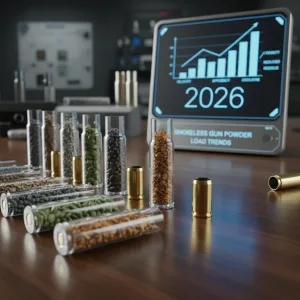
The legal framework surrounding firearms and ammunition is dynamic, with laws and restrictions evolving over time in both Canada and the United States. For reloaders, staying informed about these changes is not just advisable but a legal necessity. This includes keeping abreast of regulations concerning the sale and purchase of components like smokeless gunpowder and primers, as well as any restrictions on the types of ammunition that can be manufactured or possessed. Organizations like the Canadian Shooting Sports Association (CSSA) and the National Rifle Association (NRA) in the US often provide valuable updates and advocacy on behalf of firearms owners. Additionally, directly consulting federal, provincial, and state government websites will offer the most accurate and up-to-date information. Proactive engagement with these resources ensures that reloaders remain compliant and can continue their hobby legally and safely. Awareness of emerging trends, such as those discussed in publications like 2026: Top Reloading Powder Trends, can also provide insight into future regulatory considerations.


About author


Add comment