

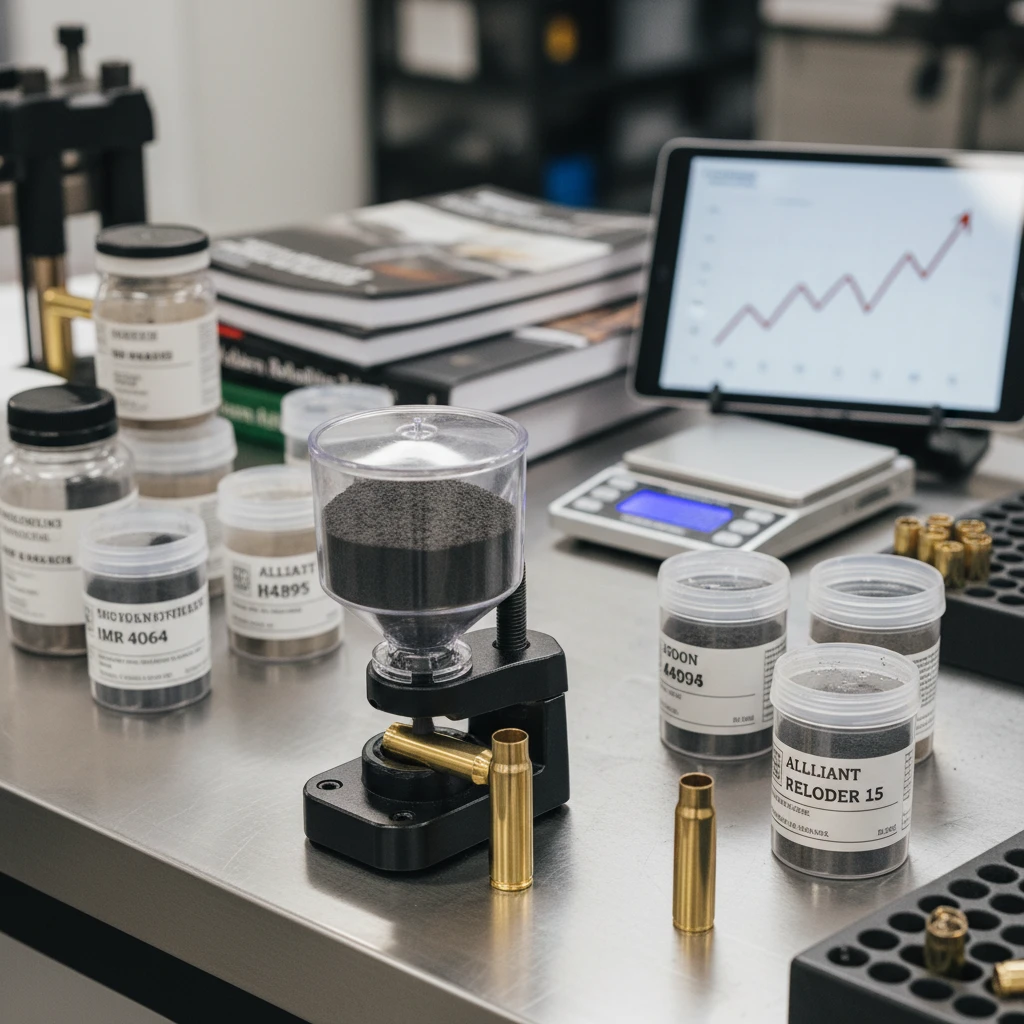
Reloading Trends: Smokeless Gun Powder Insights
Whether you’re a seasoned handloader or new to the craft, staying informed about smokeless powder developments can significantly enhance your shooting experience, from achieving greater accuracy in competitive events to ensuring reliable performance for hunting or self-defense. We’ll explore the factors influencing powder availability and discuss emerging trends that are setting new standards for precision and sustainability.
The Shifting Landscape of Smokeless Gun Powder in 2026
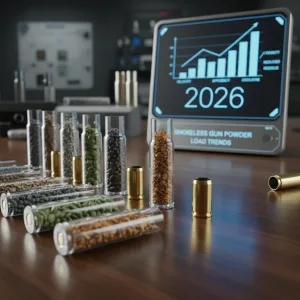
The reloading scene in 2026 is marked by a dynamic interplay of factors influencing the availability, choice, and application of smokeless gun powders. Reloaders are increasingly discerning, seeking not just raw power but also consistency, efficiency, and often, environmental responsibility in their chosen propellants. This shift is reshaping how manufacturers approach powder development and how shooters select their components for diverse applications. Understanding these undercurrents is key to making informed decisions for your reloading projects, ensuring optimal performance and satisfaction with your hand-loaded ammunition. The pursuit of the perfect load is a continuous journey, and staying abreast of current trends empowers you to navigate it effectively.
What’s Driving Current Reloading Trends?
Several key drivers are shaping current reloading trends. A primary catalyst is the **unprecedented demand for ammunition and its components**, which has strained supply chains for years. This scarcity has led many reloaders to become more resourceful, seeking out less common but equally effective powders, and developing a deeper appreciation for load data. Secondly, there’s a significant push towards **enhanced performance and precision**. Shooters at all levels, from competitive marksmen to avid hunters, are demanding greater consistency in burn rates and grain structure for more predictable ballistics. This has fueled interest in finer-grained powders and those specifically engineered for minimal fouling and temperature stability. Finally, a growing segment of the reloading community is prioritizing **sustainability and reduced environmental impact**. This includes a keen interest in powders that burn cleaner, produce less toxic byproducts, and are manufactured with more eco-conscious processes. These combined forces are creating a more sophisticated and demanding market for smokeless gun powders.
Impact of Supply Chain Dynamics on Powder Availability
The ongoing volatility in global supply chains continues to have a **profound impact on the availability of smokeless gun powders**. Unexpected disruptions, whether due to raw material shortages, manufacturing bottlenecks, or logistical challenges, can quickly lead to popular powders being out of stock for extended periods. This has forced many reloaders to **diversify their powder selection**, moving beyond brand loyalty to embrace a wider range of manufacturers and formulations. Consequently, the ability to adapt and find suitable substitutes has become a crucial skill for the modern reloader. Many are now consulting detailed load data and consulting resources like reloading essentials guides to understand the interchangeability of different powders. This situation has also highlighted the importance of **building relationships with reliable retailers** who can provide timely updates on stock levels and offer alternatives when preferred products are unavailable, ensuring that reloaders can continue their pursuit of well-crafted ammunition.
Emerging Popularity of Specialized Smokeless Powders
Beyond the overarching supply chain influences, a distinct trend emerging in 2026 is the growing popularity of **highly specialized smokeless powders**. Reloaders are increasingly seeking formulations tailored to specific cartridge types, firearm actions, or desired performance characteristics, rather than relying on general-purpose powders. This specialization allows for finer tuning of loads, leading to enhanced accuracy, reduced fouling, and optimized velocity with less muzzle flash and recoil. Manufacturers are responding by offering an expanding catalog of powders designed for niche applications, catering to the discerning shooter who prioritizes marginal gains in performance. This trend underscores a maturation within the reloading community, with more individuals investing time and resources into mastering the nuances of propellant selection for their specific firearms and shooting disciplines.
Grain Consistency and Burn Rate Analysis: What Shooters Are Seeking
In 2026, reloaders are placing a premium on **precise grain consistency and predictable burn rate analysis** when selecting smokeless powders. The drive for sub-MOA accuracy and reliable performance in competitive shooting, hunting, and tactical applications necessitates propellants that behave uniformly from one charge to the next. Shooters are actively seeking powders with very tight tolerances in grain size and shape, which directly translates to more consistent ignition, reduced pressure variations, and ultimately, more repeatable shot-to-shot accuracy. Furthermore, understanding and controlling the burn rate is critical; a powder that burns too quickly can lead to excessive pressure spikes, while one that burns too slowly may result in incomplete powder burn and muzzle flash. Detailed burn rate charts and manufacturer specifications are now indispensable tools, allowing reloaders to match the powder’s burn characteristics precisely to the cartridge’s case volume and barrel length, achieving optimal velocity and efficiency. Resources on load data best practices are invaluable for this analysis.
Case Study: High-Demand Powders for Popular Rifle Calibers
The sustained popularity of calibers like the 6.5 Creedmoor, .308 Winchester, and .223 Remington continues to drive demand for specific smokeless powders. For instance, reloaders targeting precision with the 6.5 Creedmoor are frequently seeking spherical or small-flake extruded powders that fill the case efficiently and provide consistent ignition. Many are reporting excellent results with powders like Hodgdon Varget or Alliant RL16, noting their temperature stability and clean burn characteristics that contribute to tighter groups at extended ranges. Similarly, for the ubiquitous .223 Remington, powders such as IMR 4895 or CFE 223 are in high demand due to their versatility in both bolt-action and AR-platform rifles, offering good case fill and a balance of velocity and manageable recoil. Shooters are often prioritizing powders that offer a wide velocity window, allowing for flexibility with different bullet weights and achieving desired ballistic coefficients without excessive pressure.
The Rise of ‘All-iant’ Powders for Versatility
A notable trend is the increasing appreciation for the versatility offered by certain powder lines, with Alliant Powders frequently cited as a prime example. Reloaders are gravitating towards powders within the Alliant family, such as **Alliant RL15 or RL26**, for their proven performance across a wide spectrum of rifle cartridges. These powders often strike an excellent balance between burn rate, energy density, and temperature insensitivity, making them adaptable for various applications. For instance, RL15 has long been a favorite for mid-bore cartridges like the .30-06 and .308 Winchester, offering reliable performance. RL26, on the other hand, has gained significant traction for its ability to achieve high velocities in larger magnum cartridges without excessive pressure. This inherent adaptability means reloaders can often use a single powder type for multiple rifle builds or diverse hunting scenarios, simplifying inventory and reducing the learning curve associated with entirely new propellant families. This makes them a cost-effective and practical choice for many.
Sustainable and Eco-Conscious Reloading Powder Innovations
The reloading community, mirroring broader societal shifts, is increasingly focused on sustainability and environmental responsibility. This translates directly into a growing interest in smokeless gun powders that minimize their ecological footprint. Innovations in powder formulation are addressing concerns about toxic residues, lead contamination, and the overall environmental impact of ammunition components. Reloaders are actively seeking products that align with these values, not only for personal ethical reasons but also due to increasingly stringent environmental regulations in certain shooting areas and ranges. This burgeoning market for eco-conscious reloading supplies signals a significant evolution in how enthusiasts approach their hobby, prioritizing performance alongside planetary well-being.
Reduced Lead Content and Non-Toxics: A Growing Market Segment
The push for **reduced lead content and non-toxic alternatives** in smokeless gun powders is a significant and growing market segment. This trend is driven by both environmental concerns and the desire to comply with regulations at various shooting ranges that restrict lead ammunition. Manufacturers are responding by developing powders that utilize less toxic heavy metals or entirely eliminate them from their formulations, alongside primers designed to be less toxic. Shooters are actively seeking these options, particularly for indoor range use or in ecologically sensitive areas. While historically, the focus has been on lead-free projectiles, the propellant itself is now under scrutiny. This segment is appealing to a broader audience, including those who may not have previously considered the environmental impact of their reloading components. The development of these **eco-friendly propellants** is crucial for the long-term viability of shooting sports in an increasingly regulated world.
The Future of Biodegradable Powder Components
Looking ahead, the development of **biodegradable powder components** represents a frontier in sustainable reloading. While currently more nascent than reduced-lead formulations, research is underway to incorporate materials that can break down naturally in the environment over time, minimizing long-term contamination. This could involve innovative binders, energetic materials, or even casing materials that are designed for disintegration. The ultimate goal is to create smokeless powders that offer competitive performance without leaving a persistent environmental legacy. While widespread adoption may still be some years away, the underlying research indicates a strong commitment from some manufacturers to explore these possibilities, catering to the growing segment of reloaders who prioritize ecological stewardship alongside their shooting pursuits. This innovation holds the promise of a more sustainable future for ammunition.
Smokeless Powder for Handgun Reloading: Precision and Performance
Reloading handgun ammunition requires a nuanced understanding of smokeless powder selection to achieve optimal precision and performance. For common calibers like 9mm Luger, .45 ACP, and .38 Special, the right powder can dramatically impact everything from recoil management to bullet accuracy and feeding reliability. Handgun reloading is often driven by the desire for cost savings, but many reloaders also pursue enhanced performance for competition, self-defense, or plinking. This involves carefully matching the powder’s burn characteristics to the specific cartridge case volume and intended use, ensuring efficient powder burn and consistent velocity for predictable results. The complexity of choosing the right propellant for these popular handgun rounds is a key area of focus for many reloaders today.
Optimizing Loads for 9mm Luger, .45 ACP, and .38 Special
Optimizing loads for popular handgun cartridges like the 9mm Luger, .45 ACP, and .38 Special involves careful consideration of smokeless powder characteristics. For the 9mm, powders offering a **fast to medium burn rate**, such as Hodgdon Universal or Alliant Unique, are often preferred for their ability to produce consistent velocities and manage recoil, making them ideal for high-volume shooting or competition. In the .45 ACP, slightly slower burning powders like Alliant 2400 or Hodgdon Titegroup can provide excellent energy transfer and manageable pressures, particularly when paired with heavier bullets for defense loads. For the .38 Special, powders like Hodgdon Clays or Accurate No. 2 are commonly used for target loads due to their clean burning and mild recoil. Regardless of caliber, a critical step is consulting up-to-date load data, such as that found in comprehensive reloading manuals or on manufacturer websites, to ensure safe and effective pressure levels. Understanding how to use smokeless powder reloading essentials is paramount.
Factors Affecting Recoil and Muzzle Flash in Handgun Ammo
Several factors related to smokeless powder significantly affect recoil and muzzle flash in handgun ammunition. The **type of powder and its burn rate** are paramount; faster-burning powders tend to produce less muzzle flash and often softer recoil compared to slower-burning ones that may not fully combust before exiting the barrel. The **amount of powder used** (charge weight) directly influences the energy imparted to the bullet, and consequently, the felt recoil. More powder generally means more recoil. Additionally, the **bullet’s weight and design** play a role, with heavier bullets often leading to more recoil. Muzzle flash is also influenced by the amount of unburnt powder entering the muzzle and the temperature of the burning gases; powders known for their cleaner burn and lower flame temperatures can help mitigate this. Reloaders seeking to minimize recoil and flash might opt for faster powders and carefully selected charge weights, as detailed in guides for handgun ammo reloading for self-defense power.
Choosing the Right Powder for Competition vs. Self-Defense Handgun Ammo
Selecting the appropriate smokeless powder for handgun ammunition hinges on its intended application, particularly the distinction between competition and self-defense loads. For competitive shooting, where **accuracy, low recoil, and high volume** are key, reloaders often favor powders that offer a clean burn, consistent velocity, and predictable feeding characteristics. Medium-burn-rate powders that allow for precise metering and produce minimal fouling are highly sought after. Examples include powders like Alliant Bullseye or Hodgdon Titegroup, which excel in shorter pistol cartridges. Conversely, for self-defense ammunition, the primary focus shifts to **maximum terminal performance and reliable energy transfer**. This may involve utilizing slightly slower-burning powders that generate higher velocities or pressures, ensuring adequate stopping power. However, it’s crucial to balance this with manageable recoil for effective follow-up shots. Consulting resources dedicated to reloading smokeless powder choices can help shooters make informed decisions based on their specific firearm and defensive needs.
Rifle Ammunition Reloading: Pushing the Boundaries of Accuracy
Reloading rifle ammunition offers unparalleled control over ballistic performance, making it a cornerstone for precision shooters, competitive marksmen, and hunters seeking to optimize their loads. The ability to tailor powder charges, bullet selection, and seating depth allows for fine-tuning accuracy beyond factory ammunition capabilities. This pursuit of perfection involves a deep understanding of how various components interact to achieve consistent and predictable results. For instance, competitive shooters often dedicate significant time to developing loads that minimize extreme spreads in velocity and provide tight, repeatable shot groups at extended distances. Hunters, similarly, can develop loads that maximize terminal performance on game while respecting ethical shooting distances. The journey into precision rifle reloading is an ongoing learning process, demanding meticulous attention to detail and a commitment to safety. Exploring different smokeless gun powder types and their unique burning characteristics is fundamental to this endeavor, as each powder offers a different performance profile depending on the cartridge and intended application. Experimentation, guided by reliable load data, is key to unlocking the full potential of your rifle and components.
Powder Selection for Long-Range Shooting and Hunting Calibers (.308 Win, 6.5 Creedmoor)
Selecting the appropriate smokeless gun powder is arguably the most critical step in developing accurate and effective loads for popular long-range calibers like the .308 Winchester and 6.5 Creedmoor. The ideal powder for these cartridges strikes a balance between efficient case fill, consistent ignition, and optimal burn rate to achieve high velocities without excessive pressure. For cartridges such as the .308 Win, which has a moderate case capacity, powders like IMR 4064 or Hodgdon Varget are frequently recommended due to their moderate burn rates that provide excellent accuracy across a range of bullet weights. The 6.5 Creedmoor, known for its efficient case design, often benefits from slower-burning powders such as Alliant Reloder 16 or Hodgdon H4350, which can fill the case more completely and provide sustained pressure for superior performance, particularly with heavier, higher-ballistic-coefficient bullets favored for long-range engagements. The decision criteria for powder selection should always include the specific bullet weight you intend to use, as powder efficiency and burn rate can change significantly with varying bullet mass. Lot-to-lot consistency is also paramount; shooters often find a particular powder lot that performs exceptionally well and will purchase multiple pounds of that same lot to ensure uniformity in their reloaded ammunition. Always consult reputable load data manuals or manufacturer recommendations for starting points. As a resource for understanding different powder options, exploring reloading: finding the right smokeless gun powder can provide valuable insights.
Understanding Pressure Limits and Case Capacity
A fundamental aspect of safe and effective rifle reloading is a thorough understanding of pressure limits and how case capacity influences powder selection. Each cartridge has a maximum average pressure (MAP) defined by industry standards, such as SAAMI (Sporting Arms and Ammunition Manufacturers’ Institute). Exceeding these pressure limits can lead to dangerous firearm malfunctions, including case ruptures, bolt failures, or even catastrophic damage to the firearm and potential injury to the shooter. Case capacity, the volume of the internal space of a cartridge case, directly dictates how much powder can be safely and effectively loaded. Larger cases can accommodate more powder, often requiring slower-burning powders to achieve optimal pressure and velocity. Conversely, smaller cases necessitate faster-burning powders to reach full potential without over-pressurizing. When reloading, it’s crucial to use a powder that fills the case appropriately. Too little powder can lead to inconsistent ignition and erratic velocities (a condition known as “hang fire” or “squib load” in extreme cases), while too much can dangerously increase pressure. Powder burn rate charts are essential tools for matching a powder’s burning speed to the cartridge’s characteristics and the desired performance. For instance, trying to use a very fast-burning pistol powder in a large rifle cartridge is inefficient and potentially unsafe, as it will burn too quickly, generating peak pressure early in the barrel’s travel and failing to provide optimal velocity. Always start with manufacturer-recommended minimum loads and work up incrementally, carefully observing pressure signs on spent cases, primers, and bolt operation. A key pitfall is relying on anecdotal load data or “hot loads” found on internet forums, which may not be tested or safe for your specific firearm and components.
The Role of Powder in Bullet Velocity and Energy Transfer
The choice and quantity of smokeless powder directly govern the bullet’s velocity, which in turn dictates its kinetic energy and subsequent energy transfer upon impact. A precisely measured powder charge burns within the confined space of the cartridge case, generating rapidly expanding gases that propel the bullet down the barrel. A faster-burning powder may reach peak pressure sooner, delivering a rapid initial impulse, while a slower-burning powder sustains pressure longer, potentially increasing muzzle velocity, especially in cartridges with longer barrels. For hunting applications, achieving optimal velocity is critical for two main reasons: trajectory and terminal ballistics. Higher velocities result in flatter trajectories, reducing the need for compensatory sight adjustments at various distances. Furthermore, a bullet’s kinetic energy is calculated as half its mass times the square of its velocity (KE = 0.5 * m * v^2). This means even small increases in velocity can lead to significant gains in energy transfer, crucial for effective game harvesting. The energy imparted to the bullet is what causes it to expand and penetrate tissue. Proper powder selection ensures that the bullet reaches its target with sufficient energy for the intended application, whether that’s a varmint load designed for rapid expansion or a larger caliber load for deep penetration on big game. Reloaders meticulously experiment with different powders and charge weights to find the sweet spot that delivers the desired velocity and energy profile while remaining within safe pressure limits. This balance is often found when the powder fills the case adequately and burns efficiently throughout the barrel’s length. It’s important to note that exceeding recommended powder charges does not always proportionally increase velocity; it often leads to dangerously high pressures and diminished accuracy. The goal is always to achieve the best balance of velocity, energy, and accuracy through careful load development, adhering strictly to published load data and safety precautions, as detailed in resources like smokeless gun powder: load data best practices.
Shotgun and Rimfire Reloading: Niche but Evolving Markets
While rifle reloading often takes center stage due to its impact on precision shooting and hunting, the reloading of shotgun and rimfire ammunition represents significant, albeit more specialized, sectors of the hobby. These markets are evolving, driven by the demand for cost-effectiveness, performance customization, and the challenge of working with unique component sets. For shotgunners, reloading offers a pathway to significantly reduce the cost of high-volume shooting disciplines like sporting clays and trap, while also allowing for tailored loads for specific bird hunting scenarios. The variability in shot size, shell construction, and desired patterns makes shotgun reloading a highly customizable pursuit. Rimfire reloading, while less common due to the inherent complexity and safety considerations of small, high-volume production cartridges like .22 LR, is experiencing renewed interest from dedicated enthusiasts seeking ultimate accuracy and cost savings for plinking and small-game hunting. The challenges in both areas often revolve around component availability and the specific physical characteristics of the powders and primers required. Understanding the distinct requirements for each type of ammunition is key to successful reloading.
Unique Powder Requirements for Shotgun Shells (Clays, Birdshot)
Shotgun reloading presents a distinct set of challenges and requirements, particularly concerning smokeless powder selection for target shooting disciplines like sporting clays and trap, as well as for birdshot applications. Unlike rifle and handgun cartridges, shotgun shells rely on a combination of shot (lead or steel pellets) and a wad system, all propelled by a charge of powder. The powder for shotgun shells needs to achieve rapid and complete combustion to effectively “petal” the wad and accelerate the shot column to high velocities, creating a dense, effective pattern. Target loads, commonly used for clays, typically employ faster-burning powders to achieve clean breaks and comfortable recoil. Powders such as Hodgdon Clays, Alliant Red Dot, or Winchester Super Target are popular choices for these applications because they burn quickly and efficiently in the relatively large volume of a 12-gauge hull. For bird hunting, especially waterfowl where steel shot is often mandated due to lead restrictions, the powder must provide sufficient velocity to overcome the poorer ballistic coefficient of steel shot compared to lead. Powders like Alliant Blue Dot or Accurate No. 2015 are often cited for their performance in heavier hunting loads. Powder metering accuracy is critical; even slight variations in charge weight can dramatically affect pattern density and perceived recoil. Furthermore, the “shot string” – the arrangement of pellets as they travel downrange – is heavily influenced by powder burn rate and the wad system. Reloaders aim for a compact shot string for maximum effectiveness. It’s crucial to use load data specifically developed for shotgun reloading, as powder performance can differ significantly between rifle and shotshell applications. For those looking to enhance their shotgun reloading skills, resources on shotgun ammo reloading for skeet & trap success and shotgun ammo: mastering bird hunting loads offer valuable guidance.
Challenges and Opportunities in Reloading Rimfire Ammunition
Reloading rimfire ammunition, such as the ubiquitous .22 Long Rifle, presents a unique set of challenges and opportunities that differentiate it significantly from reloading centerfire cartridges. The primary hurdle is the design of the rimfire cartridge itself. The primer is not a separate, replaceable component; instead, the rim of the cartridge case is spun and filled with priming compound. This makes traditional reloading techniques, which involve decapping, resizing, priming, powder charging, and bullet seating, impractical and often impossible. The process requires specialized equipment and extreme caution. However, for dedicated enthusiasts, the opportunity lies in the potential for significant cost savings, especially for high-volume shooting activities like plinking or competitive .22 LR events. Furthermore, skilled reloaders can potentially achieve superior accuracy compared to mass-produced ammunition by carefully controlling bullet weight, powder charge (using extremely fine powders designed for this purpose), and ensuring consistent bullet seating. Some specialized companies offer kits and components for rimfire reloading, but it remains a niche pursuit. Component availability for rimfire reloading is also a significant factor, with specialized primers and powders being less common than their centerfire counterparts. Safety is paramount; an incorrectly loaded rimfire round can lead to dangerous misfires, case ruptures, or ammunition that is unsafe to fire. The complexity and inherent risks mean that rimfire reloading is best undertaken by experienced reloaders with access to appropriate resources and a deep understanding of the process. Despite the challenges, the allure of creating custom-performance .22 LR ammunition continues to drive interest among a dedicated segment of the shooting community.
Cost-Effectiveness of Reloading Shotgun Ammo for Sporting Clays
The cost-effectiveness of reloading shotgun ammunition for high-volume activities like sporting clays is a compelling driver for many shooters. Factory target loads, while convenient, can represent a substantial ongoing expense, especially for individuals who frequent shooting ranges or participate in regular clay shooting competitions. By reloading their own shells, shooters can often achieve significant savings per box, making their passion more accessible and sustainable. The core components—empty hulls, wads, primers, powder, and shot—can be purchased in bulk or collected and reused, substantially reducing the overall cost of ammunition production. For instance, the cost per round for reloaded target loads can be 30-60% less than comparable factory ammunition, depending on the bulk pricing of components and the efficiency of the reloading process. The initial investment in a good shotshell reloader, such as a progressive press, is quickly recouped through these savings over thousands of rounds. Component reuse, particularly of hulls, is a key factor in maximizing cost savings. Many reloaders meticulously collect and clean their fired hulls, ensuring they are in good condition for subsequent use. Beyond direct cost savings, reloading allows for customization. Shooters can experiment with different shot weights, velocities, and powder types to find loads that best suit their shooting style, recoil sensitivity, and the specific demands of different clay courses or bird hunting scenarios. This level of personalization, combined with the substantial economic benefit, makes shotgun reloading a highly attractive option for serious clay target enthusiasts and hunters alike, as highlighted in discussions about smokeless powder: reloading essentials.
Primer Trends and Their Interplay with Smokeless Powder
Primers are the unsung heroes of metallic and shotshell reloading, initiating the combustion process for smokeless powder. Their performance, availability, and compatibility with various powders and firearm actions are crucial factors influencing the success and safety of any reload. In 2026, several trends continue to shape the primer market and its relationship with smokeless powder. Supply chain stability remains a significant concern for reloaders, impacting the cost and availability of these essential components. Furthermore, advancements in primer technology are focusing on consistency and sensitivity, aiming to provide more reliable ignition across a wider range of applications and with different powder formulations. Understanding the different types of primers, their specific uses, and how they interact with various smokeless powders is fundamental for any reloader aiming to achieve optimal performance and safety in their ammunition.
Small Rifle vs. Large Rifle Primers: Application and Safety
The distinction between small rifle and large rifle primers is critical for safe and effective reloading. These primers differ primarily in their physical dimensions and the amount of priming compound they contain, which dictates the intensity of the initial ignition they provide. Small rifle primers are used in cartridges with smaller case diameters, such as .223 Remington, .30 Carbine, and many wildcat cartridges. Large rifle primers, conversely, are designed for cartridges with larger case capacities and require a more energetic ignition, found in calibers like the .30-06 Springfield, .300 Winchester Magnum, and .308 Winchester. Using the wrong primer type can have severe consequences. Installing a large rifle primer in a case designed for a small rifle primer is physically impossible due to the size difference, acting as a safety mechanism. However, the more dangerous scenario is attempting to use a small rifle primer in a cartridge designed for a large rifle primer. While it might fit, the smaller primer may not provide sufficient ignition for the larger powder charge, leading to slow or incomplete combustion, erratic velocities, and potentially dangerous pressure spikes, often referred to as “squibs” or hang fires if ignition is delayed. Furthermore, some modern high-performance rifle cartridges, particularly those designed for large powder capacities and high pressures, may specify “magnum” rifle primers (both small and large). Magnum primers contain more priming compound for a more vigorous ignition, which is necessary to reliably ignite slower-burning magnum powders. Always consult reliable load data specific to your cartridge and intended primer type. The consequences of primer misuse underscore the importance of meticulous attention to detail in the reloading process, as reinforced by guides on primer types: reloading for precision.
The Impact of Primer Sensitivity on Powder Ignition
Primer sensitivity refers to the amount of energy (impact or heat) required to initiate the priming compound and produce flame. Different types of primers have varying sensitivities, and this characteristic plays a significant role in achieving consistent ignition of smokeless powders. Standard primers are designed to ignite readily with the impact from a typical firing pin strike. Magnum primers, as previously mentioned, are less sensitive but produce a hotter and longer-lasting flame. The choice of primer sensitivity must be carefully matched to the smokeless powder being used. Faster-burning powders, often used in smaller cartridges or handgun loads, typically ignite well with standard primers. However, slower-burning powders, especially those used in large-capacity rifle cartridges or magnum loads, require a more energetic and sustained flame from a magnum primer to ensure complete and efficient combustion. Using a standard primer with a slow-burning magnum powder can result in incomplete ignition, leading to inconsistent velocities, reduced accuracy, and potentially dangerous pressure anomalies like “hang fires” where the primer ignites but the powder charge doesn’t burn immediately. Conversely, using a magnum primer with a very fast-burning powder might generate excessive initial pressure, though this is less common than the issues arising from under-priming. Reloaders must pay close attention to manufacturer recommendations regarding primer type for specific powder and cartridge combinations. Modern powder manufacturing aims for consistency, but slight variations in powder composition and grain size can also influence ignition requirements. Therefore, selecting the correct primer is not merely about fit but is a crucial step in ensuring reliable firearm function and predictable ballistic performance.
Navigating Primer Shortages and Alternatives
Primer shortages have become a recurring challenge for reloaders, impacting both the cost and availability of these essential components. These shortages can stem from various factors, including manufacturing capacity, geopolitical events, and surges in demand. When standard primers become scarce or prohibitively expensive, reloaders often explore alternatives to continue their practice. One common strategy is to substitute readily available primers, but this requires careful consideration. For instance, some reloaders might experiment with using large pistol primers in place of large rifle primers for certain reduced rifle loads, provided the physical dimensions are compatible and the load data has been thoroughly vetted for safety. Another alternative involves seeking out less common primer brands or types. However, it is crucial to understand that primer substitutions are not always straightforward and can impact performance. The most critical aspect when considering alternatives is to consult reputable reloading manuals and manufacturer data that specifically address primer substitutions or to conduct rigorous load development from scratch, always starting with the lowest recommended powder charges. Furthermore, some reloaders have turned to more advanced reloading techniques or even sought out specialized reloading components that offer greater flexibility. The long-term solution for many involves stocking up on primers when they are available and affordable, though this requires foresight and adequate storage. The ongoing volatility in primer supply underscores the importance of staying informed about market trends and having a backup plan for component sourcing, as highlighted in broader discussions on 2026: top reloading powder trends which often includes primer considerations.
Technological Advancements in Smokeless Powder Manufacturing
The manufacturing of smokeless gunpowder has seen continuous refinement, driven by the pursuit of enhanced performance, consistency, and safety. In 2026, reloaders benefit from decades of innovation that have resulted in powders with predictable burn rates, improved metering characteristics, and exceptional lot-to-lot uniformity. These advancements directly translate into more accurate, reliable, and safer reloaded ammunition. The focus is increasingly on precision in every aspect of production, from raw material selection to the final grain formation. Understanding these technological improvements helps reloaders appreciate the quality of the components they use and how these advancements empower them to achieve better results in their reloading endeavors, whether for competitive shooting, hunting, or general firearm use.
Quality Control and Lot-to-Lot Consistency in 2026
In the contemporary reloading landscape of 2026, the emphasis on quality control and lot-to-lot consistency in smokeless gunpowder manufacturing is paramount. Modern powder manufacturers employ sophisticated testing and quality assurance protocols to ensure that each batch of powder performs as predictably as possible. This consistency is vital for reloaders because it minimizes the variables that can affect accuracy and pressure. When a reloader finds a load that shoots exceptionally well with a particular powder, they rely on the ability to purchase the same powder, from the same lot, to replicate those results. Manufacturers achieve this by meticulously controlling the chemical composition, grain size, shape, and deterrent coatings of the propellant. Advanced analytical techniques, such as spectroscopy and particle size analysis, are used to verify that the powder meets stringent specifications. Furthermore, burn rate testing is conducted on a regular basis to confirm that the powder ignites and burns at the expected rate. While minor variations can still occur, the industry has made significant strides in reducing the impact of lot-to-lot differences. This allows reloaders to confidently develop loads and know that their chosen powder will perform reliably shot after shot, year after year, provided they source from reputable manufacturers. The investment in robust quality control by powder producers directly benefits the end-user by providing a more predictable and safer reloading experience, enabling shooters to focus on other variables like bullet seating and primer choice. Resources on smokeless gun powder: master your loads often delve into how component consistency impacts final results.
Innovations in Powder Shape and Size for Better Metering
Innovations in the physical characteristics of smokeless gunpowder grains have significantly improved the ease and accuracy of powder metering, a crucial aspect for reloaders. Historically, many powders were produced as extruded kernels, which, while effective, could sometimes exhibit irregularities in shape and density, leading to slight variations when dispensed by volume-based powder measures. Modern manufacturing has introduced powders with more uniform grain shapes and sizes, often featuring extruded or spherical designs optimized for consistent flow. For instance, spherical powders are renowned for their excellent metering properties, flowing smoothly and consistently from powder measures. Extruded powders have also seen advancements, with improved extrusion processes and grain designs that enhance uniformity. Furthermore, some powders are manufactured with specific deterrent coatings that not only control the burn rate but also contribute to the grains’ flow characteristics. This improved metering translates directly into more precise charge weights, which is essential for consistent velocities and accuracy, particularly in precision rifle reloading and high-volume handgun applications. Uniformity of grain size and shape ensures that when a powder measure is dispensed, each charge contains a very similar number of grains, leading to minimal variation in mass and, consequently, pressure and velocity. This enhanced precision reduces the likelihood of discovering significant outliers in velocity extreme spreads, making load development more efficient and the resulting ammunition more reliable. The focus on improving these physical attributes reflects a dedication to making reloading more accessible and accurate for enthusiasts at all levels.
The Role of Digital Measurement Tools in Reloading
The integration of digital measurement tools has revolutionized the precision and efficiency of reloading, particularly in the accurate measurement of powder charges. While manual powder scales have been the mainstay for decades, modern digital scales offer unprecedented levels of accuracy, often measuring down to 0.01 grains. These tools are indispensable for reloaders focused on precision, as they allow for extremely fine-tuning of powder charges, which is critical for developing consistent loads and achieving tight shot groups. Many digital scales also feature features like auto-trickle functions, which automatically dispense powder in tiny increments until the target weight is reached, eliminating the need for manual trickling and significantly speeding up the process. Beyond scales, digital calipers have become standard for measuring cartridge overall length (COL), case neck runout, and other critical dimensions. The ability to digitally record and track these measurements, often linked to specific load recipes, allows for meticulous record-keeping and facilitates the replication of successful loads. Furthermore, some advanced reloading systems incorporate digital sensors that monitor pressure or velocity in real-time, providing immediate feedback to the reloader. The advent of smartphone apps and specialized software also plays a role, allowing reloaders to store and analyze load data, compare performance across different components, and access vast libraries of published load information. Digital precision instruments empower reloaders to move beyond guesswork, enabling them to achieve a level of accuracy and consistency that was previously unattainable, thereby enhancing both safety and performance in their reloaded ammunition.
Reloading Safety Best Practices: Powder Handling in Focus
Safe handling of smokeless gun powder is paramount for any reloader. The inherent energy within these propellants necessitates a disciplined approach to prevent accidents. Key to safe handling is understanding the properties of different powder types and their reactions to environmental factors. Always work in a well-ventilated area, away from open flames, sparks, and heat sources. Static electricity is a significant hazard; therefore, grounding yourself and your equipment can significantly mitigate risk. Using non-sparking tools and avoiding synthetic clothing that can generate static are simple yet effective measures. When measuring powder, use a reliable scale and dispense it slowly to minimize airborne dust. For those new to reloading, consider starting with established resources like the smokeless powder reloading essentials guide to build a solid foundation.
Proper Storage and Environmental Considerations
The lifespan and safety of smokeless gun powder are heavily influenced by its storage conditions. Ideally, powder should be stored in a cool, dry place, away from direct sunlight and extreme temperature fluctuations. Ideal temperature ranges typically fall between 50°F and 70°F (10°C to 21°C). High humidity can lead to moisture absorption, which can degrade the powder and potentially cause corrosion of containers. Conversely, excessively dry conditions can increase the risk of static discharge. Store powder in its original, properly sealed container to maintain integrity and prevent contamination. Avoid storing large quantities together; staggering purchases and using powder within a reasonable timeframe is a prudent strategy. Never store gunpowder in living areas or attached garages where fumes might accumulate or temperatures fluctuate excessively. Dedicated, well-ventilated storage cabinets designed for ammunition and reloading components are the safest choice, ensuring environmental stability for your components.
Understanding Powder Degradation and Shelf Life
Smokeless gun powder, while generally stable, does degrade over time. This degradation is accelerated by improper storage, exposure to moisture, heat, and UV light. Signs of degradation can include a distinct vinegar-like odor, visible discoloration, or the presence of a sticky residue. Degraded powder can burn erratically, leading to unpredictable pressure spikes and potential firearm damage or injury. While there isn’t a strict “expiration date” for smokeless powder, its optimal performance diminishes with age and exposure. Many reloaders consider powder five to ten years old, if stored correctly, to be usable, but this is not a hard rule. Always inspect your powder before use. If you have any doubts about its condition, it’s far safer to dispose of it properly rather than risk a dangerous misfire. Consulting detailed information on smokeless gun powder load data best practices can also indirectly inform you about powder stability by emphasizing consistent performance characteristics.
First-Hand Accounts of Powder-Related Incidents and Lessons Learned
While specific details of incidents are often private, the reloading community shares cautionary tales that highlight crucial safety lessons. One common scenario involves premature ignition due to static electricity buildup when pouring powder quickly. Another involves the use of degraded powder, leading to over-pressure events. For example, a reloader reported a squib load followed by a subsequent round firing with excessive force, damaging the firearm, after using powder that had been stored in a damp basement for over a decade. The lesson learned was to strictly adhere to storage guidelines and to perform visual and olfactory inspections meticulously. Another anecdote shared involved accidental mixing of different powder lots or types, leading to drastically altered burn rates and dangerous pressure spikes. These real-world experiences underscore the importance of meticulous attention to detail in every step of the reloading process, from storage to dispensing.
Forecasting Future Reloading Powder Needs and Availability
Predicting the future of smokeless gun powder availability involves analyzing several interconnected factors, including manufacturing capacities, raw material sourcing, and shifts in consumer interest. The industry is often dynamic, with surges in demand for specific calibers or propellant types impacting overall supply. Understanding these trends is crucial for reloaders to ensure they can source the components they need for their preferred shooting activities. For instance, the widespread popularity of certain handgun ammo and rifle ammo platforms directly influences the demand for corresponding reloading powders. Manufacturers must balance production lines to meet these varied demands while also investing in research and development for new, potentially more efficient or environmentally friendly propellant formulations.
Anticipating Consumer Demand for Specific Calibers
Consumer demand for specific calibers is a primary driver of smokeless gun powder production. The resurgence of interest in classic hunting calibers, coupled with the sustained popularity of defensive handgun rounds and competitive shooting cartridges, creates distinct market segments. For example, increased participation in concealed carry training and self-defense applications has boosted demand for powders suitable for handgun ammo like 9mm Luger and .45 ACP. Similarly, the popularity of AR-platform rifles fuels demand for powders used in .223 Remington and .300 Blackout loads. Reloaders looking to maintain a consistent supply should stay informed about trends in firearm sales and shooting disciplines. Monitoring online forums, industry publications, and retailer stock levels can provide valuable insights into which powders and calibers are experiencing heightened interest, helping you plan your purchases accordingly.
The Influence of Shooting Sports Participation on Powder Markets
The health and growth of shooting sports directly correlate with the demand for reloading components, including smokeless gun powder. Disciplines such as competitive pistol shooting, long-range rifle matches, and shotgun sports like skeet and trap all require specific types of ammunition and, consequently, specialized reloading powders. Increased participation in these sports translates to higher consumption of primers and powder. For instance, the growing popularity of shotgun ammo for recreational clay shooting and competitive events like skeet and trap creates a consistent demand for specific shotshell powders. The intricate relationship between participation numbers and component availability means that shifts in the popularity of shooting sports can rapidly impact the market. Staying engaged with shooting sports communities and industry news provides a direct pulse on factors influencing powder markets.
Expert Predictions for the Next 1-3 Years in Smokeless Gun Powder
Industry experts suggest several key trends to watch in smokeless gun powder over the next few years. A continued focus on cleaner-burning and more efficient propellants is expected, driven by both performance enhancements and environmental considerations. While supply chain disruptions may persist intermittently, manufacturers are investing in greater domestic production and diversified raw material sourcing to improve resilience. We may also see an increased availability of powders formulated for specific applications, such as those optimized for short-barreled handguns or magnum rifle cartridges. For reloaders, this means staying adaptable and informed about new product introductions. Consulting resources such as the 2026 top reloading powder trends can offer a forward-looking perspective on anticipated market shifts and product developments in the coming years.


About author


Add comment