

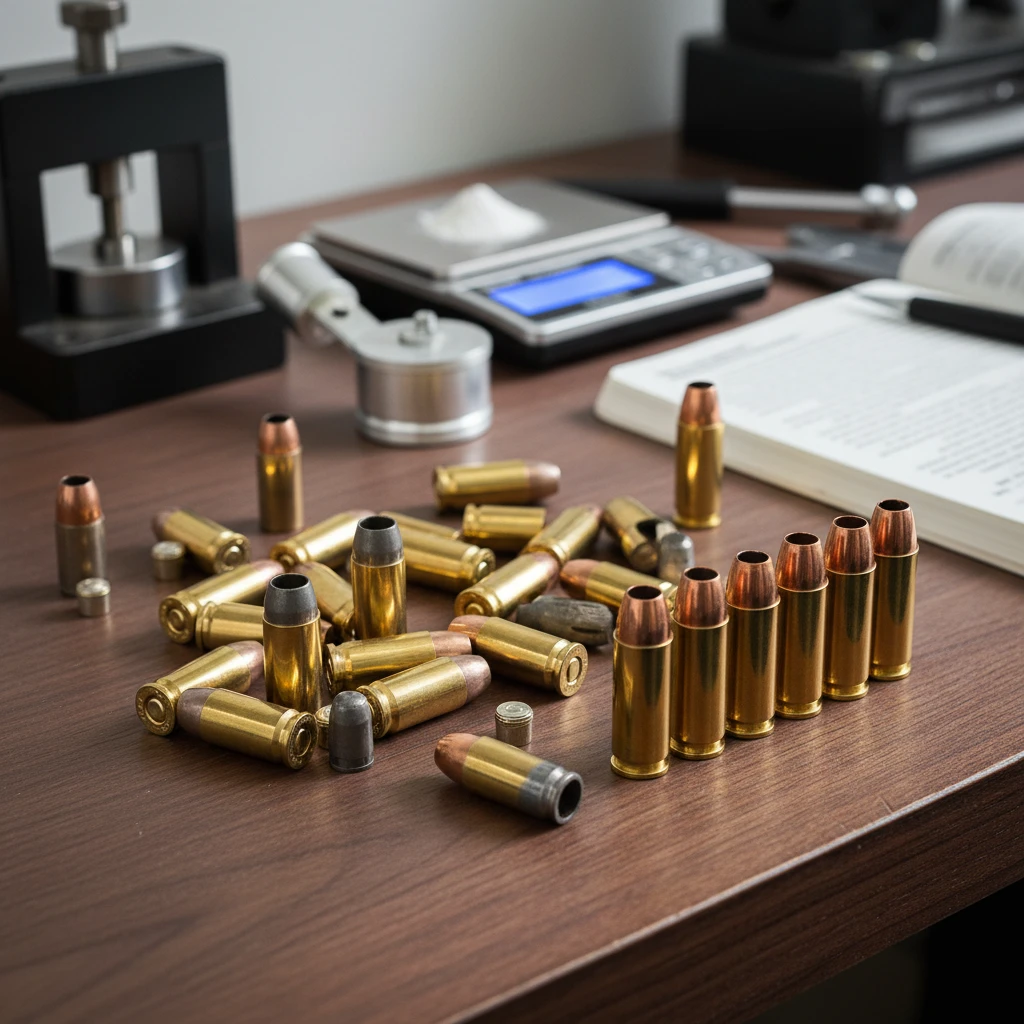
Handgun Ammo: Reloading for Self-Defense Power
When it comes to preparing for potential self-defense scenarios, handgun ammunition is a critical consideration. While commercially manufactured rounds are readily available, reloading your own handgun ammo offers a distinct advantage, allowing for a level of customization and control that can significantly enhance defensive capabilities. This approach moves beyond simply owning a firearm; it involves a deeper understanding of the mechanics and potential of each round you deploy.
Embracing the practice of reloading for self-defense is not just about saving money or creating unique loads; it’s a strategic decision that empowers shooters with tailored ammunition designed for maximum effectiveness when it matters most. This deep dive explores the multifaceted benefits and technical considerations involved in this pursuit.
Why Reloading Handgun Ammo for Self-Defense is a Strategic Choice
Reloading handgun ammunition for self-defense transforms a standard firearm into a more potent tool by allowing for precise calibration of performance characteristics. It moves beyond generic factory loads to create rounds specifically optimized for the firearm and the intended defensive application. This includes adjusting bullet weight, powder charge, and even primer type to achieve a desired balance of energy transfer and barrier penetration. The ability to fine-tune these variables means you can develop loads that perform optimally from your specific handgun model, potentially improving accuracy and reliability under duress. Furthermore, understanding the nuances of your ammunition is an integral part of responsible firearm ownership and self-preparedness, fostering a deeper connection to your defensive tools.
Maximizing Your Defensive Firepower
Reloading allows for the deliberate selection of components to maximize the terminal ballistics of your self-defense rounds. This often involves choosing projectiles engineered for controlled expansion upon impact, creating a larger wound channel while minimizing over-penetration that could endanger bystanders. By carefully selecting bullet designs and pairing them with appropriate powder charges, reloaders can achieve optimal velocities that promote reliable expansion without excessive recoil. For instance, developing a load that perfectly balances the energy delivered by a 9mm round can significantly improve its effectiveness against common threats. This level of control ensures that each round fired is as effective as possible, fulfilling the primary objective of defensive ammunition: to stop a threat decisively and safely. Exploring resources on load data can be crucial here; understanding how different components interact is key to safe and effective ammunition. Accurate load data for your caliber is the foundation for this process.
Cost-Effectiveness for Frequent Practice
The economic advantages of reloading handgun ammo for self-defense are substantial, particularly for individuals who prioritize regular practice. While the initial investment in reloading equipment can seem significant, the cost per round quickly diminishes compared to purchasing factory ammunition. This cost reduction makes frequent training, which is essential for maintaining proficiency and confidence in a self-defense situation, far more accessible. Instead of limiting practice sessions due to expense, reloaders can shoot more, refine their skills, and become more intimately familiar with their firearm and ammunition. This increased practice translates directly into improved reaction times, better accuracy, and enhanced situational awareness, all critical components of effective self-defense. For those also interested in other shooting disciplines, the cost savings can extend to various calibers, making reloading a financially sound choice for many firearms owners.
Tailoring Performance to Specific Needs
One of the most compelling reasons to reload for self-defense is the unparalleled ability to tailor ammunition performance to very specific needs and preferences. This customization extends beyond simple velocity adjustments; it encompasses optimizing for recoil management, ensuring compatibility with particular firearm models, and even developing loads for unique environmental conditions. For example, a shooter might develop a lighter recoiling load for a smaller-framed handgun or a load designed to perform reliably in extreme temperatures. Understanding the interplay between bullet design, powder characteristics, and firearm mechanics allows for the creation of ammunition that is not only effective but also comfortable and consistent to shoot. This bespoke approach ensures that your defensive ammunition is precisely suited to your capabilities and the potential scenarios you might face, offering a significant advantage over one-size-fits-all factory options. For instance, carefully chosen smokeless gun powder is fundamental to this tuning process.
Understanding Handgun Cartridge Components for Self-Defense
A foundational understanding of the individual components that make up a handgun cartridge is crucial for anyone looking to reload for self-defense. Each element—the bullet, powder, primer, and case—plays a vital role in the round’s performance, and their precise interaction determines the ultimate effectiveness and safety of the loaded ammunition. Recognizing the function of each part allows reloaders to make informed decisions about component selection and to diagnose potential issues. This knowledge empowers shooters to move beyond simply assembling parts and into the realm of truly understanding and controlling their ammunition’s capabilities for defensive applications.
The Crucial Role of the Bullet: Expansion vs. Penetration
The bullet is arguably the most critical component in a self-defense round, directly influencing its terminal ballistics—how it behaves upon impact. For self-defense, the primary considerations for bullet design are expansion and penetration. Ideally, a defensive bullet should expand upon striking a soft target, creating a wider wound channel that increases the likelihood of incapacitating a threat. However, this expansion must be balanced with sufficient penetration to reach vital organs, even through intermediate barriers like clothing. Bullets that expand too rapidly may not penetrate deeply enough, while those that do not expand can behave more like full metal jacket (FMJ) rounds, potentially over-penetrating and posing a risk to bystanders. Selecting bullets specifically designed for self-defense, such as jacketed hollow points (JHP), is paramount for achieving the desired balance. Their engineered cavities are designed to initiate controlled expansion upon encountering resistance.
Powder Selection: Balancing Velocity and Pressure for Handgun Ammo
The smokeless gun powder charge within a handgun cartridge dictates the velocity at which the bullet is propelled and, consequently, the pressure generated within the firearm’s chamber and barrel. Achieving the correct balance is essential for both effectiveness and safety. Too little powder results in insufficient velocity and poor performance, while too much can lead to dangerously high pressures, potentially damaging the firearm or causing catastrophic failure. For self-defense loads, powders are often selected to achieve a balance between adequate velocity for bullet expansion and manageable recoil for shooter control. Different burn rates of powder are suited to different calibers and barrel lengths; faster-burning powders are generally used in shorter barrels, while slower-burning powders are better for longer barrels to ensure complete powder combustion before the bullet exits. Understanding these principles is key to developing reliable and potent defensive ammunition. For more on this, consider exploring resources on finding the right smokeless gun powder for your specific needs.
Primers: The Ignition Engine of Your Defensive Rounds
Primers are the tiny, yet vital, component that initiates the firing sequence of a handgun cartridge. When struck by the firing pin, the primer’s sensitive explosive compound ignites, producing a small flame that travels through the flash hole to ignite the main powder charge. For self-defense ammunition, primer reliability is non-negotiable. A misfire due to a faulty primer can have severe consequences when a firearm is needed for protection. Therefore, using high-quality primers from reputable manufacturers is crucial. Different firearms and reloading methods may also call for specific primer types, such as small pistol or large pistol primers, corresponding to the cartridge case diameter. Ensuring consistent ignition across all rounds is a hallmark of well-reloaded defensive ammunition, contributing to overall firearm reliability. Problems with ignition can often be diagnosed by examining the fired primer, making it an important indicator of your reloading process. Diagnosing common ignition problems is a key skill for any reloader.
Selecting the Right Components for Potent Handgun Self-Defense Loads
Choosing the correct components is the bedrock of developing effective handgun ammunition for self-defense. This involves a meticulous evaluation of bullet types, a strategic approach to powder selection based on ballistic goals, and careful consideration of primer characteristics. The synergy between these elements determines not only the power and reliability of the ammunition but also its safety and consistency. By understanding the specific properties of each component and how they interact, reloaders can craft rounds that are optimized for defensive scenarios, offering enhanced performance and peace of mind.
Bullet Types: JHP, FMJ, and Specialized Defensive Designs
When reloading for self-defense, the choice of bullet type is paramount. Jacketed Hollow Point (JHP) bullets are often the preferred choice due to their designed tendency to expand upon impact, creating larger wound channels. This expansion is key to maximizing energy transfer and incapacitating a threat effectively while ideally limiting over-penetration. Full Metal Jacket (FMJ) bullets, while excellent for target practice and plinking due to their reliability and lower cost, are generally not recommended for self-defense because they are designed to penetrate without significant expansion, increasing the risk of over-penetration. Beyond standard JHP designs, there are specialized defensive bullets engineered with enhanced features for controlled expansion, weight retention, and improved barrier penetration, such as bonded core bullets or those with specific nose configurations. Careful selection ensures that the bullet performs as intended under critical circumstances.
Powder Burn Rates: Matching Smokeless Gun Powder to Caliber and Barrel Length
The burn rate of smokeless gun powder is a critical factor in achieving optimal performance and safe pressures for handgun self-defense loads. Powders are classified into categories like fast, medium, and slow burning. Fast-burning powders typically excel in shorter handgun barrels, igniting and burning rapidly to generate peak pressure early in the barrel’s travel, which is efficient for calibers like .380 ACP or 9mm Luger. Slower-burning powders are better suited for longer barrels or larger-capacity cartridges, allowing pressure to build more gradually, ensuring more complete powder combustion before the bullet exits. Using a powder with an inappropriate burn rate can lead to inefficient performance, excessive muzzle flash, or dangerously high pressures. Reloaders must consult accurate load data specific to their caliber and intended application to select a powder that provides the desired velocity and energy while staying within safe pressure limits. This detailed information is available from manufacturers and reputable reloading guides. For more insights, explore the topic of finding the right smokeless gun powder.
Primer Types: Small Pistol, Large Pistol, and Their Impact
Primers are the initiating spark for your handgun ammunition, and selecting the correct type is crucial for reliable ignition. The primary distinction is between small pistol primers and large pistol primers, which correspond to the primer pocket size found in various cartridge cases. For instance, most 9mm Luger and .45 ACP cases use large pistol primers, while .380 ACP and .38 Special often use small pistol primers. Beyond size, there are also variations in primer sensitivity and power. While standard primers are generally sufficient for most self-defense loads, some specialized applications might benefit from magnum pistol primers, which provide a slightly hotter flame to ensure ignition of slower-burning powders, particularly in larger cases or colder conditions. Consistency in primer seating and quality is vital; a properly seated primer ensures consistent firing pin contact and reliable ignition, contributing to the overall dependability of your defensive rounds. For in-depth information, consult guides on selecting primers for optimal performance.
Essential Reloading Equipment for Handgun Defense Rounds
To successfully reload handgun ammunition for self-defense, acquiring the right equipment is a necessary step. This investment ensures accuracy, safety, and efficiency in the reloading process. While the complexity of reloading presses can vary significantly, even a basic setup can produce high-quality ammunition with careful attention to detail. Understanding the function and advantages of different equipment types allows reloaders to choose the tools that best suit their needs, volume of reloading, and budget. From the core of the operation, the press, to the minute details of measuring powder, each piece of equipment plays a role in producing reliable defensive rounds.
The Reloading Press: Single Stage vs. Turret vs. Progressive
The reloading press is the central piece of equipment around which most reloading operations revolve. The choice between single-stage, turret, and progressive presses depends heavily on the reloader’s needs, experience level, and desired production rate. A single-stage press is the simplest, performing one operation per pull of the ram (e.g., resizing, priming, seating the bullet). It’s ideal for beginners and those reloading in small quantities, offering maximum control and precision. A turret press allows for multiple die stations and a rotating turret, enabling quicker die changes and slightly faster processing than a single-stage press. Progressive presses are designed for high-volume reloading, performing multiple operations simultaneously with each pull of the ram, automatically indexing to the next station. While significantly faster, they require a greater understanding of the process to ensure safety and accuracy. For self-defense ammunition, where precision is paramount, even a single-stage press can produce excellent results with diligent technique.
Dying and Shell Holders: Precision for Case Sizing
Dies and shell holders are indispensable components of the reloading process, essential for preparing cartridge cases for their next use. The sizing die is responsible for restoring fired brass cases to their original dimensions, ensuring they will fit correctly in the firearm’s chamber. This process also typically re-forms the case neck to hold the bullet securely. Different calibers require specific dies. The shell holder fits onto the reloading press ram and grips the base of the cartridge case, lifting it into the die for resizing or other operations. A correctly matched shell holder ensures proper alignment and prevents damage to the case. Precise case resizing is critical for reliable feeding and extraction in semi-automatic handguns, and for safe ignition in revolvers. Without accurate sizing, cartridges may not chamber, or extracted cases may exhibit signs of over-pressure. This step is fundamental to creating safe and functional ammunition.
Scales and Powder Measures: Ensuring Consistent Charge Weights
Achieving consistent and accurate powder charges is one of the most critical aspects of safe and effective reloading, especially for self-defense ammunition. This is where precision scales and powder measures become essential tools. Reloading scales, whether beam or digital, are used to accurately measure the exact amount of smokeless gun powder for each cartridge. Even minute variations in powder charge can significantly alter the pressure and velocity of a round, impacting both performance and safety. Powder measures, often integrated into reloading presses or available as standalone units, allow for rapid dispensing of powder, but their charges must always be verified with a scale, especially for critical loads. Adhering strictly to recommended charge weights found in reliable load data is paramount. A slightly overcharged round can be dangerous, while an undercharged round may not perform adequately. Investing in a quality scale and diligently verifying powder charges will contribute significantly to the reliability and safety of your reloaded handgun ammunition.
Precision and Safety: The Reloading Process for Self-Defense Handgun Ammo
Reloading your own handgun ammunition for self-defense is a meticulous process that demands unwavering attention to detail. It’s not merely about saving money; it’s about controlling the quality and consistency of the rounds you might one day rely on. The goal is to produce ammunition that performs reliably and predictably under extreme circumstances. This involves a series of precise steps, each critical for ensuring both the efficacy of the round and the safety of the shooter. Neglecting any single stage can lead to catastrophic failures, from misfires to over-pressure events that can damage firearms and cause injury. Understanding the nuances of each step, from preparing spent casings to final inspection, is paramount for any reloader aiming for self-defense quality. Careful adherence to proven procedures and the use of high-quality components are the cornerstones of successful self-defense ammunition reloading. This detailed approach distinguishes defensive handloading from casual practice round creation, where minor inconsistencies might be more tolerable. For self-defense, consistency is king.
Case Preparation: Cleaning, Resizing, and Trimming for Uniformity
The foundation of any reliable self-defense handgun cartridge begins with the case. Spent casings must be meticulously prepared before they can be reused. The first step is thorough cleaning, often achieved through ultrasonic cleaners or vibratory tumblers with media. This removes fouling, carbon buildup, and any debris that could interfere with subsequent steps or compromise case integrity. Following cleaning, resizing is essential. Using a resizing die, the case is returned to its original dimensions, ensuring proper headspace and chamber fit. This is a critical step for preventing feeding issues and ensuring safe firing. After resizing, cases are typically trimmed to a consistent length. Overly long cases can cause feeding problems and result in improper bullet seating, potentially leading to dangerous pressure spikes. Using a precise case trimmer and consistently measuring each case ensures uniform overall length, which is vital for consistent ignition and pressure development. Some reloaders also polish the inside of the case necks to ensure smooth bullet insertion and consistent neck tension. This attention to case uniformity directly translates to predictable performance in your handgun.
Powder Charging: The Importance of Accurate Smokeless Gun Powder Measurement
Accurate powder charging is arguably the most critical step in the entire reloading process, especially for self-defense ammunition. Even minute overcharges of smokeless gun powder can lead to dangerously high pressures, potentially causing catastrophic firearm failure. Conversely, undercharges can result in weak ignition, poor accuracy, and potentially a bullet lodged in the barrel (a squib load), which itself creates a dangerous situation. Reloaders must use a precise powder scale, preferably a digital one calibrated regularly, or a highly accurate beam scale. Measuring powder charges by volume is generally discouraged for self-defense loads due to variations in powder density. Each charge must be weighed individually and checked against the manufacturer’s recommended load data. It’s advisable to start with the minimum recommended charge weight for a specific bullet and powder combination and work up cautiously, monitoring for pressure signs. Always consult reliable load data from powder manufacturers or reputable reloading manuals. For a deeper understanding of selecting the right smokeless gun powder for your needs, exploring resources like Northern Reloading can be beneficial. Consistency in powder charges is paramount for predictable ballistic performance and shooter safety.
Bullet Seating: Achieving Consistent Overall Length (OAL)
Bullet seating is the final step in assembling a finished cartridge and directly impacts its ability to feed reliably and its terminal performance. The goal is to achieve a consistent overall length (OAL) for every round. OAL affects how the cartridge interacts with the firearm’s chamber and magazine. If bullets are seated too deep, pressures can spike due to reduced case volume. If they are seated too shallow, cartridges may not feed properly or might interfere with the barrel’s rifling. A high-quality seating die, used in conjunction with a micrometer or precise adjustments, is essential. After seating, it’s crucial to measure the OAL of several cartridges to ensure uniformity. Variations of more than a few thousandths of an inch can indicate problems. The bullet’s relationship with the rifling, known as the “jump,” also influences accuracy and pressure. For self-defense handgun ammunition, ensuring a reliable crimp (discussed later) is also part of this stage to prevent bullet setback during feeding. Precise bullet seating contributes significantly to consistent ignition and projectile velocity.
Critical Safety Checks for Your Reloaded Self-Defense Handgun Ammo
Before any reloaded ammunition, especially that intended for self-defense, is ever loaded into a firearm, it must undergo rigorous safety checks. These checks are not optional; they are a non-negotiable part of responsible reloading. The purpose is to identify any potential flaws or deviations from safe operating parameters that could lead to malfunctions or, worse, accidents. This multi-faceted inspection process should cover both obvious defects and subtle anomalies. The aim is to catch any errors before they have serious consequences. These checks are your last line of defense against faulty ammunition. They require a systematic approach, employing both visual acuity and functional testing. Trusting your gut is insufficient; relying on a comprehensive checklist and methodical examination is essential. The investment of time in these checks is minuscule compared to the potential risks of skipping them, safeguarding both the shooter and the firearm. Thoroughness is paramount.
Visual Inspection: Identifying Overt and Subtle Flaws
Visual inspection is the first and often most accessible safety check. It involves scrutinizing each reloaded cartridge for any discernible defects. Begin by examining the case: look for cracks, splits, or bulges. Check that the primer is fully seated and flush with the case head; an over- or under-seated primer is a significant safety concern, especially for semi-automatic firearms. Inspect the case mouth for any signs of damage or improper resizing. Then, focus on the bullet: ensure it is seated straight and to the correct depth, with no visible damage to the bullet’s ogive or jacket. Look for any lubricant residue or debris that might interfere with feeding. Inconsistent case neck tension can sometimes be visually detected if the bullet appears slightly crooked. A subtle but critical check is for primer “watermarks”, which can indicate excessive pressure during priming. Any cartridge exhibiting these or other anomalies should be set aside and investigated further, or safely disassembled. Overt flaws are obvious, but subtle signs can be just as dangerous.
Function Testing: Ensuring Proper Feeding and Extraction
Beyond a visual check, function testing is crucial to confirm that your reloaded handgun ammo will cycle correctly through your specific firearm. This involves carefully loading a magazine with the reloaded rounds and cycling the action manually, without live firing. Observe how the cartridges feed from the magazine into the chamber. They should slide in smoothly without excessive force or binding. Then, manually cycle the slide or action to extract the unfired cartridge. It should eject cleanly without sticking. Pay close attention to any resistance or unusual sounds. This test helps identify issues related to OAL, bullet seating depth, case dimensions, or crimp. If a cartridge fails to feed or extract smoothly during this test, it indicates a problem that needs to be addressed. For semi-automatic handguns, this test is particularly important to ensure reliable operation under stress. Reliable function is as critical as the projectile’s performance on target for self-defense scenarios. This testing helps uncover potential feeding or ejection malfunctions early.
The Chronograph: Verifying Velocity and Pressure
While visual and functional checks are vital, a chronograph provides objective data about the performance of your reloaded ammunition, specifically its velocity. Firing a sample of your reloaded cartridges over a chronograph allows you to measure their speed as they leave the muzzle. Consistent velocity across a batch of rounds is a strong indicator of consistent powder charges and overall reliable performance. Deviations in velocity can signal issues with powder charges, ignition consistency, or even bullet seating. Furthermore, extreme velocity spreads or velocities significantly outside the expected range for a given load can suggest dangerous pressure variations. While a chronograph doesn’t directly measure pressure, significantly higher-than-expected velocities for a given load are often a red flag indicating excessive pressure. This is especially important when developing new loads or using components from different manufacturers. For those interested in the technical aspects of velocity measurement, exploring resources on reloading data can provide further insight. Using a chronograph is a key step in verifying load consistency and safety.
Balancing Performance: Expanding Rounds vs. Hard-Hitting Solids
When reloading handgun ammunition for self-defense, a key decision point is the type of projectile to use: expanding bullets or solid projectiles. Each has distinct advantages and disadvantages in terms of terminal ballistics and practical application. The choice often comes down to a balance between maximizing stopping power and ensuring reliable penetration, while also considering legal implications and firearm compatibility. Understanding what happens when your ammunition meets its intended target is crucial. This involves looking at wound channels, penetration depth, and the potential for over-penetration through barriers. The goal in a self-defense situation is to incapacitate the threat effectively while minimizing unintended harm to bystanders or property. This requires careful consideration of bullet design and its interaction with various tissue types and potential barriers. Reloading offers the ability to tailor these characteristics, but it also demands a deep understanding of the science behind bullet performance. The selection of projectile type is a significant factor in the overall effectiveness of your defensive handgun ammunition. Projectile choice is a critical performance factor.
Terminal Ballistics: What Happens When Your Handgun Ammo Meets Its Target
Terminal ballistics refers to the study of how a projectile behaves after it impacts a target. For self-defense handgun ammunition, the primary goals are to achieve sufficient penetration to reach vital organs and to cause significant tissue damage. Expanding bullets, such as jacketed hollow points (JHPs), are designed to expand upon impact, creating a larger wound channel and thus increasing tissue disruption. This expansion is intended to enhance the projectile’s energy transfer and stopping power. Conversely, solid projectiles, often full metal jackets (FMJs) or copper solids, tend to penetrate more deeply but with less expansion. In self-defense, adequate penetration is crucial to ensure that the projectile reaches the heart or central nervous system, even through clothing or intermediate barriers. However, excessive penetration can lead to over-penetration, where the bullet passes through the threat and poses a risk to unintended targets behind it. Understanding the wound dynamics of different bullet types is essential for selecting or reloading effective self-defense ammunition. The ideal defensive round balances effective tissue disruption with controlled penetration.
Legal Considerations: Understanding Local Handgun Ammo Regulations
Navigating the legal landscape surrounding handgun ammo is an essential part of responsible reloading, especially for self-defense purposes. Laws regarding ammunition sales, possession, and types can vary significantly by jurisdiction, both within the United States and across Canada. Certain types of ammunition, such as those designed to expand rapidly or fragment, may be restricted or prohibited in some areas due to concerns about their potential for excessive damage or to prevent misuse. It is incumbent upon the reloader to be aware of and adhere to all federal, state, provincial, and local regulations pertaining to handgun ammunition. This includes understanding any restrictions on projectile types, case materials, or even the quantities of ammunition that can be possessed. Ignorance of the law is not a defense. Staying informed about these regulations ensures that your reloaded ammunition is not only safe and effective but also legally compliant, avoiding potential legal entanglements. Compliance with local laws is non-negotiable for any firearm owner.
Practice Ammunition: Sourcing Affordable Options from Northern Reloading
While reloading self-defense rounds is about precision and specialized performance, it’s equally important to practice with your firearm regularly. Consistent practice is vital for maintaining proficiency and familiarity with your chosen handgun. However, high-quality self-defense ammunition can be expensive, making frequent practice with such rounds financially prohibitive for many. This is where sourcing affordable practice ammunition becomes crucial. Northern Reloading offers a wide selection of reliable and cost-effective options for practice handgun ammo. These rounds, often full metal jacketed (FMJ), provide excellent reliability and consistency for training purposes without the higher cost associated with premium self-defense projectiles. By utilizing these more economical options for practice, shooters can dedicate more time to honing their skills, ensuring they are proficient with their firearm and ammunition should a defensive situation arise. This allows for frequent, cost-effective training without compromising on safety or essential skill development. Maintaining proficiency is key to effective self-defense.
Advanced Reloading Techniques for Enhanced Self-Defense Handgun Loads
Once the fundamentals of reloading handgun ammunition are mastered, experienced reloaders often explore advanced techniques to further refine their loads for self-defense applications. These techniques go beyond basic component assembly and focus on optimizing critical aspects of the cartridge that can significantly influence performance and reliability. This might include fine-tuning case neck tension for better bullet retention or employing specific crimping strategies to prevent bullet setback. The goal of these advanced methods is to achieve a higher degree of consistency, precision, and dependable function, particularly under the demanding conditions of a self-defense scenario. Mastering these techniques requires a deeper understanding of cartridge mechanics, firearm function, and the interaction of various components. It’s about pushing the envelope of what can be achieved with handloaded ammunition, ensuring that every round is as perfect as possible. Refining your reloads can make a noticeable difference in performance.
Case Neck Tension: Fine-Tuning Bullet Retention
Case neck tension is a crucial, yet often overlooked, aspect of reloading that significantly impacts cartridge reliability. It refers to the amount of outward pressure the resized case neck exerts on the bullet. Proper neck tension ensures that the bullet remains firmly seated within the case, preventing it from moving deeper into the case (setback) due to recoil or impact, and also preventing it from being pulled out too easily. For self-defense ammunition, adequate neck tension is vital to ensure consistent chambering and firing, especially in semi-automatic firearms where bullet setback can cause feeding failures. Too little tension and the bullet can become loose; too much and it can deform the bullet or cause excessive force during seating, potentially affecting accuracy. Reloaders can adjust neck tension by controlling the precise dimensions of their resizing dies and by considering neck reaming or annealing processes. The goal is to achieve a firm, yet not excessive, grip on the bullet, ensuring it remains in place until fired. This fine-tuning is a hallmark of advanced reloading.
Crimping Strategies: Preventing Bullet Setback
Bullet setback, where the bullet is pushed further into the case upon feeding, is a common issue that can lead to dangerous pressure increases and firearm malfunctions. Advanced reloading techniques often involve deliberate crimping to mitigate this risk. A crimp is applied to the case mouth to create a slight constriction that grips the bullet more firmly. There are different types of crimps, including taper crimps and roll crimps, each suited to different bullet types and firearm actions. For most handgun cartridges, a taper crimp is preferred, as it essentially straightens the case mouth to match the original diameter. This ensures the cartridge feeds smoothly without damaging the bullet or case. A roll crimp, which actually folds the case mouth over the bullet’s driving band, is more common in rifle cartridges or revolvers with deep crimping grooves. The objective of proper crimping is to secure the bullet against setback without deforming the case or bullet significantly, ensuring reliable feeding and consistent ignition. Understanding when and how to crimp is key for dependable self-defense ammunition.
The Role of Reloading Data: Utilizing Reputable Sources for Handgun Ammo
Reliable and accurate reloading data is the bedrock of safe and effective ammunition. For self-defense handgun loads, where performance and safety are paramount, consulting only the most reputable sources is non-negotiable. This data, typically found in manufacturer manuals, established reloading books, and verified online databases, provides tested load information for specific combinations of components—primer, powder, case, and bullet. Relying on anecdotal information or unverified internet claims can be extremely dangerous. Reputable data sources usually offer a range of loads, from minimum to maximum, allowing reloaders to work up loads safely, observing pressure signs at each step. Always cross-reference data from multiple authoritative sources if possible. Northern Reloading offers resources that often link to or discuss the importance of using correct smokeless gun powder and accurate load data for your specific caliber. Understanding this data allows you to choose components that yield the desired performance while remaining within safe pressure limits, which is especially critical when reloading for self-defense. Adhering to validated data prevents dangerous mistakes.
Beyond Handgun Ammo: Complementary Reloading Supplies
While mastering handgun ammo is a primary focus for many reloaders, expanding your capabilities often involves delving into other firearm types. This allows for greater versatility in hunting, sport shooting, and preparedness. Understanding the nuances of reloading for different ammunition calibers and types is crucial for achieving optimal performance and safety. It’s not just about the projectile and powder; the casing, primer, and overall cartridge construction play significant roles in the final product. A comprehensive reloading setup can accommodate a wide array of shooting needs, from plinking to precision long-range engagements.
Rifle Ammo Reloading: Expanding Your Capabilities
Reloading rifle ammunition opens up a vast world of precision shooting and hunting opportunities. Different rifle calibers, such as .223 Remington, .308 Winchester, and .30-06 Springfield, each have unique reloading requirements. Factors like bullet weight, ballistic coefficient, and the intended range significantly influence component selection, particularly the type of smokeless gun powder best suited for a specific load. For instance, faster-burning powders are often preferred for shorter rifle cartridges, while slower-burning powders are more effective in larger, longer cartridges to maximize velocity and pressure curves. Experienced reloaders often fine-tune their loads for specific rifles, seeking the most accurate and consistent ammunition possible. This process typically involves careful load development, utilizing accurate load data, and ensuring components like primers are appropriate for the cartridge’s pressure requirements. Exploring resources dedicated to specific calibers can provide valuable insights into optimized loads and potential pitfalls.
Shotgun Ammo Reloading: Versatility for Different Scenarios
Reloading shotgun shells offers significant cost savings and the ability to tailor ammunition for specific applications, from skeet shooting to waterfowl hunting. Unlike metallic cartridges, shotgun shells involve wads, shot, and hulls, each requiring careful consideration. The choice of shot size, material (lead, steel, bismuth), and payload weight will depend on the intended quarry and regulations. For instance, hunting migratory waterfowl in many areas now mandates the use of non-toxic shot, which behaves differently than lead. The powder charge and primer selection must also be matched to the specific shotshell components and desired velocity. Understanding the crimp type—whether a roll crimp or a fold crimp—is also essential for creating a properly sealed and functional shell. Experimentation with different component combinations, guided by reliable reloading manuals, is key to developing effective and safe shotgun loads.
Rimfire Ammo Considerations: While Less Common for Reloading, Still Important
While rimfire ammunition like .22 LR is generally considered less economical or practical to reload due to its unique case design and typically lower cost, understanding its characteristics is still valuable. The primer compound is located in the rim of the case itself, making traditional reloading methods infeasible. However, appreciating the factors that contribute to rimfire ammo accuracy, such as bullet consistency, powder charge uniformity, and primer sensitivity, can inform handloading practices for other cartridges. For those interested in maximizing the performance of their .22 LR firearms, focusing on selecting high-quality factory ammunition and understanding firearm maintenance becomes paramount. While you won’t be reloading the rimfire cases themselves, the principles of projectile consistency and firearm condition remain universally important for accurate shooting.
Maintaining Your Reloading Arsenal for Consistent Handgun Ammo Quality
The pursuit of consistent, high-quality reloaded handgun ammo hinges not only on careful component selection and precise measurements but also on the meticulous maintenance of your reloading equipment. Just as a precision instrument requires regular care, your reloading press, dies, and associated tools need attention to ensure they function optimally and safely. Neglecting maintenance can lead to inconsistent results, damaged components, and potentially dangerous situations. A well-maintained setup translates directly to reliable ammunition, reducing the likelihood of misfires, squib loads, or over-pressure events. This commitment to upkeep is an integral part of responsible and effective reloading, ensuring that every round you produce meets your performance expectations.
Cleaning and Lubrication of Press and Dies
Regular cleaning and lubrication are fundamental for the longevity and accuracy of your reloading press and dies. Over time, fine metal particles, dust, and lubricant residue can accumulate, hindering smooth operation and potentially affecting cartridge dimensions. For presses, a thorough cleaning should involve removing any debris from the ram, linkage, and shell holder area. A light application of a quality lubricant on moving parts, such as the ram’s bearing surfaces, will ensure smooth cycling and reduce wear. Dies, particularly sizing dies, benefit from being cleaned after use to remove brass shavings and lubricant. A simple wipe-down with a clean cloth and a suitable solvent can remove residue. Over-lubricating can attract dirt and should be avoided; instead, focus on keeping components clean and applying lubricants sparingly to essential friction points. This attention to detail ensures your press and dies function as intended, producing dimensionally accurate cases and rounds consistently.
Primer Storage and Handling Best Practices
Proper storage and handling of primers are paramount for both safety and the reliability of your reloaded ammunition. Primers are sensitive to shock, friction, moisture, and extreme temperatures. Always store primers in their original packaging, which is designed to protect them and prevent accidental ignition. Keep them in a cool, dry place, away from direct sunlight, heat sources, and any corrosive materials. Avoid storing large quantities together; it’s safer to keep only the amount needed for immediate reloading projects readily accessible. When handling primers, ensure your hands are clean and free of oils or contaminants. Never attempt to seat a primer with excessive force; if a primer offers significant resistance, it’s usually an indication of a seating issue or a damaged primer, and should be handled with extreme caution or discarded. Following established guidelines, such as those found in reloading manuals and from primer manufacturers, is crucial for preventing accidents and ensuring consistent ignition when loading.
Powder Storage: Maintaining Stability and Safety
The stability and safety of your smokeless gun powder are directly tied to how it is stored. Powders are chemical compounds that can degrade over time if exposed to adverse conditions, leading to inconsistent performance and potential safety hazards. Store gunpowder in its original, sealed container whenever possible, as these containers are designed to maintain the powder’s integrity. Keep powder in a cool, dry environment, ideally between 50°F and 70°F (10°C and 21°C), with stable humidity levels. Avoid storing powder in areas prone to temperature fluctuations, such as attics, garages, or car trunks. Never store gunpowder near open flames, sparks, or any ignition sources. It’s also important to periodically inspect your stored powder for any signs of degradation, such as changes in color, odor, or texture. If you notice any anomalies, it’s best to dispose of the powder safely according to local regulations rather than risk using it. Properly stored powder ensures predictable burn rates and reliable ignition for your reloaded rounds.


About author


Add comment