

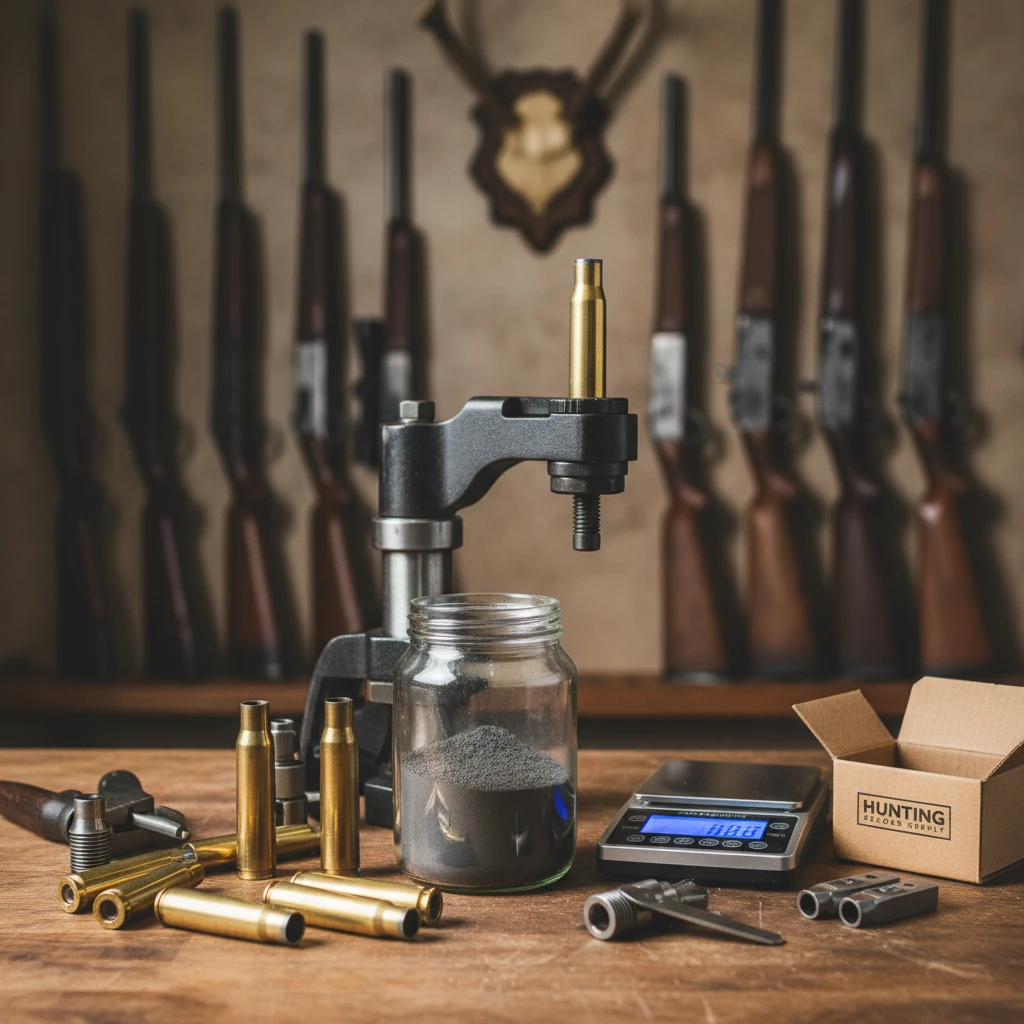
Smokeless Gun Powder: Reloading for Hunters
Choosing the right components and meticulously following established procedures are paramount to success and safety. This guide will navigate you through the essential aspects of reloading with smokeless powder, from understanding its properties to making informed choices for your hunting applications.
Unlock Your Rifle’s Potential: Why Smokeless Powder is Key for Hunters
Smokeless powder represents a significant leap forward from its black powder predecessor, offering hunters a cleaner, more powerful, and consistent propellant for their ammunition. Its development revolutionized firearm performance, enabling higher velocities, flatter trajectories, and reduced fouling. For the modern hunter, this translates directly into increased accuracy at longer ranges and more effective terminal ballistics.
The transition to smokeless powder has empowered firearm designers to create more efficient and reliable actions, from bolt-action rifles to semi-automatics. Hunters benefit from this evolution through firearms that are lighter, more accurate, and require less frequent cleaning. Understanding the fundamental differences and advantages of smokeless powder is the first step in appreciating its critical role in contemporary hunting and reloading practices. This knowledge empowers you to make informed decisions, ultimately leading to a more successful and enjoyable hunting experience.
The Evolution of Ammunition: From Black Powder to Modern Smokeless
The history of gunpowder is a long and fascinating one, beginning with the crude but effective black powder. Invented in China centuries ago, black powder was the sole propellant for firearms for a very long time. It consists of a mixture of sulfur, charcoal, and potassium nitrate. When ignited, black powder burns rapidly, producing a large volume of gas that propels a projectile. However, its drawbacks were significant: it produced a dense cloud of smoke, leaving a considerable amount of residue that fouled firearms quickly, and its performance could be inconsistent, especially in varying weather conditions.
The late 19th century saw the advent of smokeless powder, a game-changer for firearm technology. Unlike black powder, smokeless powders are typically made from nitrocellulose or a combination of nitrocellulose and nitroglycerin. This chemical composition allows them to burn much cleaner, producing minimal smoke and residue. The controlled burn rate of smokeless powders also permits much higher pressures within the cartridge, leading to significantly increased projectile velocities and flatter trajectories. This advancement dramatically improved the effective range and accuracy of firearms, making them far more suitable for precise applications like hunting. The consistent performance and reduced fouling offered by smokeless powders quickly made them the standard for most modern firearms, including those used for sport shooting and hunting applications.
Benefits of Smokeless Powder for the Modern Hunter
The advantages of smokeless powder for hunters are numerous and directly impact field performance. Foremost among these is the dramatic increase in velocity and energy achievable compared to black powder. This translates to flatter shooting trajectories, meaning less need for extensive holdover adjustments at longer distances. For hunters pursuing game at varying ranges, this predictability is invaluable, increasing the likelihood of a clean, ethical shot. Furthermore, smokeless powders burn far more cleanly, producing significantly less fouling within the firearm’s bore. This means your rifle maintains its accuracy for more shots without needing constant cleaning, a critical factor during extended hunting trips or when multiple shots might be necessary.
Another key benefit is the consistent performance across a range of environmental conditions. While black powder can be highly susceptible to moisture and temperature fluctuations, modern smokeless powders are formulated for greater stability. This reliability ensures your ammunition will perform as expected, whether you’re hunting in the crisp air of early autumn or the damp chill of late season. Finally, the variety of smokeless powders available allows for precise load customization for specific calibers and bullet weights. This level of control, which is central to successful reloading, enables hunters to optimize their ammunition for the specific game they pursue and the distances they anticipate engaging targets. This meticulous approach to ammunition preparation is a hallmark of serious hunters who rely on both skill and carefully crafted gear.
Choosing the Right Smokeless Gun Powder for Your Hunting Caliber
Selecting the correct smokeless gun powder is perhaps the most critical step in the reloading process for hunters. It directly influences the pressure generated, the velocity of the projectile, and the overall accuracy of your handloads. A powder that is too fast for a given cartridge may result in dangerously high pressures and erratic performance, while a powder that is too slow might not generate enough pressure for efficient powder burn, leading to poor velocity and potential bullet-pull issues. Therefore, understanding the nuances of powder burn rates and how they interact with specific cartridge and firearm combinations is essential for both safety and optimal performance in the field. For detailed guidance on specific calibers, resources like smokeless gun powder guides for reloading are invaluable.
This section will delve into the factors that guide powder selection, ensuring you can make informed decisions that enhance your hunting success. We will explore the concept of burn rates, how to match powders to various rifle cartridges, and offer specific recommendations for some of the most popular hunting rounds. By mastering this aspect of reloading, you gain the ability to tailor your ammunition precisely to your needs, optimizing your rifle’s capabilities for any hunting scenario you might encounter.
Understanding Powder Burn Rates: Fast, Medium, and Slow
Smokeless gun powders are categorized by their burn rate, a measure of how quickly they combust once ignited. This characteristic is fundamentally determined by the powder’s chemical composition, grain size, shape, and density. Understanding these categories is crucial for safe and effective reloading. Fast-burning powders, such as Hodgdon’s Titegroup or Alliant’s Red Dot, are typically used in smaller capacity cartridges like .22 Hornet or many handgun rounds. They ignite rapidly and reach peak pressure quickly, making them ideal for achieving high velocities in short barrels and for cartridges where case volume is limited.
Medium-burning powders, like IMR 4064 or Accurate 2520, are versatile and find application in a wide array of medium-sized rifle cartridges such as the .308 Winchester and 6.5 Creedmoor. They provide a good balance of ignition speed and sustained pressure, offering excellent case fill and consistent ignition in many common hunting rounds. Finally, slow-burning powders, including IMR 7828 or Alliant RL 19, are designed for larger capacity cartridges like the .300 Winchester Magnum or .338 Lapua Magnum. Their slower burn rate ensures that pressure builds gradually and is sustained longer, allowing for efficient extraction of energy from larger powder charges and maximizing velocity in high-volume cases without exceeding safe pressure limits. The correct burn rate ensures optimal pressure curves and efficient propellant energy transfer, vital for accuracy and safety.
Matching Powder to Cartridge: A Guide for Rifle Ammo Reloading
The principle of matching a powder’s burn rate to a specific cartridge is paramount for successful rifle ammo reloading. A general rule of thumb is that larger case volumes and longer barrel lengths benefit from slower-burning powders, while smaller cases and shorter barrels are better suited for faster powders. For example, trying to use a very fast powder in a large rifle cartridge can lead to a phenomenon known as “unburnt powder” or “flashover,” where the powder doesn’t have sufficient time to burn completely before the bullet exits the barrel, resulting in inconsistent velocity and potentially dangerous pressure spikes. Conversely, using a very slow powder in a small case might not produce enough pressure to burn the powder efficiently, leading to incomplete combustion and reduced performance.
Reputable reloading manuals and online resources are indispensable tools for this process. They provide tested load data, which includes recommended powders, charge weights, velocities, and pressure levels for specific bullet weights in a given caliber. It is crucial to consult multiple sources and use the most up-to-date data available. Always start with the minimum recommended charge weight and work up incrementally, meticulously measuring each charge and monitoring for any signs of excessive pressure, such as flattened primers or difficult bolt lift. This careful approach to load development, guided by accurate load data, ensures both safety and the potential for highly accurate ammunition, which is the goal of any serious reloader. For more in-depth information, consult resources on smokeless gun powder with accurate load data.
Specific Powder Recommendations for Popular Hunting Rounds (e.g., .308 Winchester, 6.5 Creedmoor, .270 Winchester)
For the widely popular .308 Winchester, medium-burning powders are often the preferred choice. Reloder 15, IMR 4064, and Accurate 2520 are frequently cited as excellent options, providing a good balance of case fill, consistent ignition, and excellent accuracy with a variety of bullet weights from 150 to 180 grains. These powders tend to produce moderate pressures and velocities suitable for most hunting applications.
The 6.5 Creedmoor, known for its efficiency and accuracy, also performs exceptionally well with medium-burn powders. Alliant’s RL 16 and Hodgdon’s Varget are highly regarded, offering precise metering and excellent performance with the common 120-140 grain bullets. These powders help achieve the excellent ballistic coefficients the Creedmoor is known for. For the classic .270 Winchester, a cartridge that benefits from higher velocities, slower-burning powders are typically recommended. IMR 4350, H4831, and RL 22 are common choices that allow for full utilization of the cartridge’s case capacity to generate high velocities with 130 and 150-grain bullets, maximizing its reach and impact for various game species. Always remember to consult a comprehensive reloading manual for specific charge weights and safety data pertinent to your chosen components and firearm.
The Reloading Process: Essential Steps for Smokeless Powder Users
Reloading with smokeless powder, while rewarding, demands a methodical approach centered on precision and safety. Each step, from initial component selection to the final inspection of a loaded cartridge, plays a crucial role in ensuring the reliability and performance of your ammunition. Deviations from established procedures can lead to inconsistent results or, more critically, dangerous over-pressure situations. This process requires dedication and attention to detail, transforming raw components into ammunition perfectly suited for your specific hunting needs.
Mastering these steps not only allows you to produce high-quality ammunition but also fosters a deeper understanding of your firearms and their capabilities. The following sections will break down the core elements of the reloading process, emphasizing the critical aspects of safety, component gathering, and the absolute necessity of accurate powder measurement. By adhering to these principles, you can confidently embark on your reloading journey.
Safety First: Handling Smokeless Gun Powder Responsibly
The paramount concern when reloading with smokeless gun powder is safety. These powders are highly energetic and flammable, and improper handling can lead to severe accidents. Always ensure you are working in a well-ventilated area, away from open flames, sparks, and any ignition sources. Keep your work area clean and free of clutter, as a single spark can ignite spilled powder. Store your smokeless powder in its original container, in a cool, dry place, away from direct sunlight and extreme temperatures. Never mix different types of powders, as their burn rates and chemical compositions can interact unpredictably.
When measuring powder, always use a calibrated powder measure or scale and double-check your settings before dispensing. Never exceed the maximum recommended powder charges listed in reliable reloading manuals. Overcharging can lead to dangerously high chamber pressures, which can damage your firearm or cause a catastrophic failure. Be aware of the signs of over-pressure, such as flattened or blown primers, sticky extraction, or case head expansion. If you encounter any of these signs, stop reloading immediately and consult a knowledgeable source. Following established reloading safety guidelines, such as those found in comprehensive guides on smokeless gun powder reloading safety, is non-negotiable for preventing accidents and ensuring a safe reloading experience.
Gathering Your Reloading Components: Beyond Just Smokeless Powder
While smokeless gun powder is a central component, successful reloading requires a complete set of high-quality materials. You’ll need new or properly de-primed and resized cartridge cases for the caliber you intend to load. The condition of these cases is crucial; damaged or corroded cases should be discarded. High-quality primers are essential for reliable ignition; ensuring you select the correct primer type (e.g., small rifle, large rifle, small pistol, large pistol) for your intended cartridge and powder is vital. Primer selection for optimal performance can be a nuanced topic, impacting ignition consistency and overall accuracy. Reliable ignition problems can often be traced back to primers, making their careful selection and handling as important as the powder itself; resources on reloading primers and ignition problems can be very helpful.
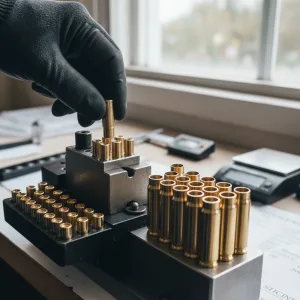
Of course, you will also need the correct projectiles (bullets) for your hunting application. These come in various weights, constructions (e.g., soft-point, ballistic tip, monolithic), and designs, each suited for different game and ranges. Beyond these consumables, you’ll require essential reloading equipment, including a reloading press, dies specific to your caliber, a powder measure or scale, case preparation tools (e.g., case trimmer, chamfer tool), and a bullet seating die. Investing in good quality equipment will not only make the process easier but also contribute to the consistency and safety of your finished ammunition.
The Importance of Accurate Powder Measurement
Accuracy in powder measurement is not merely about achieving a precise velocity; it is fundamentally about safety and consistency. Even minute overcharges of smokeless powder can drastically increase chamber pressure, potentially leading to firearm damage or serious injury. Conversely, undercharging can result in inconsistent velocities, poor accuracy, and incomplete powder burn, which can also affect firearm function. Therefore, the powder measurement step must be approached with the utmost diligence.
Utilizing a high-quality, calibrated powder scale is the gold standard for precise measurement. While powder measures are faster, they should always be verified for accuracy by weighing multiple charges. When developing a new load, it is standard practice to weigh each charge individually, especially when working up towards maximum loads. Once a load is proven safe and accurate, a powder measure can be used for increased speed, but regular verification of its accuracy remains critical. Many experienced reloaders also employ a trickle charge, adding powder in small increments until the desired weight is reached, ensuring absolute precision. For those seeking to refine their reloading technique, understanding advanced load development strategies, which heavily rely on precise powder charges, is key to unlocking the full potential of your ammunition.
Beyond the Rifle: Smokeless Powder Considerations for Shotgun and Handgun Hunters
While rifle cartridges often dominate discussions on smokeless powder reloading, its application extends equally to shotgun shells and handgun ammunition, each presenting unique considerations for hunters and sport shooters. The principles of managing burn rates and ensuring precise powder charges remain critical, but the specific components and dynamics involved differ significantly. Understanding these distinctions allows for the creation of tailored ammunition for a wider array of hunting scenarios and shooting disciplines, from flushing upland game to close-range pest control.
Reloading handgun and shotgun ammunition can offer considerable cost savings and the ability to fine-tune performance for specific needs, such as increased range for a shotgun or enhanced stopping power for a handgun. This section will explore the key elements involved in reloading these types of ammunition, highlighting how smokeless powder plays a vital role in achieving desired results.
Shotgun Shell Reloading with Smokeless Powder: Wads, Shot, and Powder Charges
Reloading shotgun shells involves a different set of components and techniques compared to rifle cartridges, but smokeless powder remains the core propellant. The primary components are the plastic or paper hull, a primer (often integrated into the hull), a powder charge, a plastic or paper wad, and shot (pellets). The wad system is particularly important in shotgun reloading; it serves to seal the bore, separate the powder charge from the shot, and guide the shot column upon leaving the barrel. Different wads are designed for specific shot sizes, hull types, and desired crimp styles.
Choosing the correct smokeless powder for shotgun shells is crucial, and these powders are often distinctly formulated for shotgun applications, characterized by their fine granulation for rapid ignition and flowability. Reloading manuals will provide specific data for powder charge weights and the corresponding type of wad and shot charge weight for a given gauge (e.g., 12 gauge, 20 gauge). The goal is to achieve consistent shot patterns and safe velocities. For example, a load intended for small game might use lighter shot charges and faster powders, while a load for waterfowl might require heavier shot charges and specific powders to maintain sufficient energy at range. The crimp—whether a roll crimp or a fold crimp—is also a critical finishing step that ensures the components remain securely in place and contributes to proper functioning.
Handgun Ammo Reloading: Precision for Close-Range Pursuits
Reloading handgun ammunition is often undertaken for economic reasons and for the ability to customize loads for specific shooting disciplines, from self-defense to competitive target shooting. For handgun calibers, fast-burning smokeless powders are typically preferred due to the typically smaller case volumes and shorter barrel lengths found in most handguns. Powders like Hodgdon’s Clays, Alliant’s Unique, or Accurate’s Solo 1000 are commonly used in a vast array of popular handgun rounds. The aim is to achieve efficient powder burn, resulting in consistent velocity and manageable recoil.
Accuracy is paramount in handgun reloading, even for close-range pursuits. This necessitates meticulous attention to detail, particularly in powder measurement. While magnum handgun cartridges may utilize slightly slower powders, the general principle remains: match the powder to the cartridge’s capacity and intended use. Reloading manuals are indispensable for providing tested load data, including recommended powders, charge weights, and bullet weights for calibers such as 9mm Luger, .45 ACP, and .357 Magnum. Beyond powder, selecting the correct bullet type—whether for target practice, self-defense, or hunting small game—is equally important. Careful crimping of the bullet into the case is also essential to prevent bullet setback during recoil, which can lead to dangerous over-pressure situations. For those interested in competitive shooting, understanding how precise handloads can improve accuracy is key, and resources on rimfire ammo accuracy tips, while for a different category, share the underlying principles of precision reloading.
Reloading metallic rifle cartridges is arguably the most popular and rewarding segment of home ammunition manufacturing, largely due to the vast performance gains and cost savings achievable. Rifle cartridges operate at significantly higher pressures than handgun or shotshell loads, demanding a robust understanding of powder chemistry and case capacity. Rifle powders are generally slower-burning than those used in handguns, allowing for a more gradual pressure build-up that optimizes bullet velocity and energy downrange. Popular choices for rifle reloading include Hodgdon’s Varget, IMR’s 4350, and Alliant’s RL-19, among many others, each tailored to specific bullet weights and cartridge types.
Rifle Ammo Reloading: Precision for Extended Ranges
The quest for extreme accuracy and extended range is a primary driver for rifle cartridge reloading. This involves carefully selecting components that work in synergy. Factors such as bullet construction (e.g., boat tail vs. flat base, jacketed vs. cast lead), powder burn rate, primer type, and case neck tension all play a crucial role. Reloading manuals are the foundational resource, offering meticulously tested recipes for popular rifle calibers like .223 Remington, .308 Winchester, and 6.5 Creedmoor. These guides detail optimal powder charges, bullet weights, and seating depths to achieve consistent ballistic performance. Achieving sub-MOA (Minute of Angle) accuracy often requires not only precise component selection but also rigorous attention to case preparation, including resizing, trimming, and deburring. For those looking to delve deeper into the nuances of achieving superior accuracy, exploring resources on reloading tips for improving rifle accuracy can provide invaluable insights.
Beyond pure accuracy, rifle reloading also allows for tailoring loads for specific hunting applications. For instance, a deer hunter might choose a heavier bullet with a controlled expansion jacket for deep penetration, while a varmint hunter might opt for a lighter, frangible bullet designed to fragment upon impact. The velocity and ballistic coefficient of the projectile, influenced heavily by the powder charge, are critical for flat trajectories and energy retention at longer distances. The reloading process for rifles, like all reloading endeavors, must always adhere strictly to published load data to ensure safety and prevent catastrophic equipment failure or injury. Always consult the latest edition of a reputable reloading manual for specific load data and safety precautions before beginning any reloading project.
Shotgun Shell Reloading: Mastering the Spread
Reloading shotshells presents a unique set of challenges and rewards, focusing on the complex dynamics of shot dispersal and effective patterns. Unlike rifle or handgun cartridges which propel a single projectile, shotshells contain multiple pellets (shot) or slugs, requiring a different approach to powder selection and component integration. The wad, a crucial component, separates the powder from the shot, seals the bore, and aids in controlling the shot’s release. Powder choices for shotshells are typically faster-burning than rifle powders, designed to quickly build pressure behind the wad and propel it rapidly. Common shotshell powders include Alliant’s Red Dot, Hodgdon’s Clays, and IMR’s 700-X, each suited for different gauges and payload weights. The diameter of the shot, its material (lead, steel, bismuth), and the choke constriction of the barrel all significantly influence the pattern density and range of the fired shell. Finding the optimal combination for specific hunting scenarios, such as duck or dove hunting, is a common goal for shotshell reloaders.
The process for shotshell reloading involves specialized equipment, including a shotshell reloader, which automates many of the steps like resizing the hull, priming, charging powder and shot, and crimping the shell. Careful attention must be paid to the correct powder charge, shot weight, and crimp type, as these directly impact the shell’s performance and safety. Reloading manuals dedicated to shotshells, such as those from Ballistic Products or Lyman, provide detailed load data for various gauges (.12, 20, .410, etc.) and intended uses. Consistency in reloading is paramount; even slight variations in powder charge or shot volume can lead to significant differences in pattern performance and recoil. For those interested in understanding more about achieving consistent patterns, resources on achieving good patterns with reloads can be beneficial.
Precision Reloading Tools You Need for Smokeless Powder
Reloading with smokeless powder offers hunters the unparalleled ability to tailor ammunition for specific firearms and hunting scenarios. This precision, however, hinges on the quality and accuracy of your reloading tools. Investing in the right equipment is not merely about efficiency; it’s about ensuring the safety and performance of every round you fire. The foundation of accurate reloading lies in precise measurement, consistent case preparation, and reliable component handling. Without these fundamental elements, even the best smokeless gunpowder and components will yield inconsistent and potentially dangerous results. Consider the critical nature of dispensing gunpowder; minute variations can significantly impact pressure and velocity, affecting both accuracy and safety in the field. Therefore, selecting robust and accurate tools is paramount for any serious reloader aiming for optimal hunting ammunition.
Powder Scales and Measures: The Foundation of Accurate Loads
The cornerstone of precise smokeless powder reloading is the powder scale or powder measure. While powder measures offer speed and convenience, a high-quality digital powder scale is indispensable for verifying loads and ensuring absolute accuracy. For hunters prioritizing consistency, a scale accurate to at least 0.1 grains is essential. Electronic scales are generally preferred for their ease of use and precision, though mechanical beam scales can also be highly accurate if calibrated correctly. When using a powder measure, always trickle powder charges to the desired weight on a scale, especially for high-power rifle loads where variations can be critical. It’s also vital to understand the bulk density of different smokeless gunpowders; a measure set for one powder may dispense a significantly different weight of another, even if the volume appears the same. Consistent powder charges directly translate to consistent muzzle velocity and, consequently, predictable bullet trajectories, which are crucial for ethical and effective hunting shots at varying distances. For those seeking to delve deeper into the nuances of powder selection and its impact on accuracy, understanding burn rates is key. Explore resources that detail specific powders for match shooting, as the principles of precision carry directly over to hunting applications.
Case Preparation and Priming Tools
Beyond powder measurement, meticulous case preparation is vital for consistent ignition and optimal performance. This begins with cleaning and resizing spent cartridges. A quality resizing die ensures each case returns to its original dimensions, allowing for proper bullet seating and consistent headspacing. Trimming cases to a uniform length prevents over-pressure situations and ensures the bullet is seated at the correct depth. Deburring case mouths after trimming is also a critical step to avoid shaving bullet jackets. The priming process is equally important; inconsistent primer seating depth can lead to ignition failures or erratic burn rates. Whether using a hand primer or a press-mounted priming system, ensuring each primer is seated firmly and uniformly is non-negotiable. Different firearms and ammunition types may benefit from specific primer types, influencing ignition consistency. For instance, understanding the role of different reloading primers is key to diagnosing and preventing common ignition problems, ensuring reliable firearm function when it matters most.
Common Pitfalls to Avoid When Reloading Smokeless Powder
Reloading smokeless powder, while rewarding, presents several potential pitfalls that can compromise safety, accuracy, and firearm longevity. Awareness and diligent adherence to established reloading practices are crucial to circumventing these common errors. The pursuit of higher velocities or “hotter” loads without a thorough understanding of pressure limits is a significant danger. Furthermore, contamination of reloading components, such as mixing different lots of powder or accidental moisture exposure, can lead to unpredictable results. Neglecting to use up-to-date and reliable load data is another frequent mistake that can have severe consequences. These errors are not theoretical; they directly impact the performance and safety of the ammunition you create. For instance, a seemingly minor deviation in powder charge or bullet selection can drastically alter the shooting experience, turning a potentially successful hunt into a safety concern or a series of inaccurate shots.
Overcharging and Undercharging Dangers
The most immediate and potentially catastrophic dangers in smokeless powder reloading stem from incorrect powder charges: overcharging and undercharging. Overcharging, using too much powder, can lead to excessive pressure within the firearm’s chamber and barrel. This can result in case ruptures, firearm damage, or, in severe cases, serious injury to the shooter. Symptoms of overcharging include ejector marks on spent cases, stiff bolt operation, or even primer blowouts. Conversely, undercharging, using too little powder, can lead to incomplete combustion, a phenomenon known as a “squib load.” A squib load results in the bullet being expelled from the barrel with insufficient velocity to clear it, leaving the bullet lodged in the bore. Firing a subsequent round into a obstructed barrel is extremely dangerous and can cause catastrophic firearm failure. Always consult a reliable reloading manual for minimum and maximum charge weights for your specific caliber, bullet weight, and powder type. Never assume; verify your data.
The Impact of Contamination on Powder Performance
Maintaining the integrity of your smokeless gunpowder is paramount for consistent and safe reloading. Contamination can significantly alter the performance characteristics of the powder, leading to unpredictable results. Moisture is a common culprit; if smokeless powder becomes damp, its burn rate can change unpredictably, potentially leading to both over-pressure and under-pressure situations. Similarly, if different types or lots of smokeless gunpowders are accidentally mixed, their burn rates and pressure curves become unknown, rendering any load data unreliable. Contamination from lubricants, oils, or even dirt can also interfere with proper ignition and combustion. Always store your smokeless powder in its original, sealed container in a cool, dry environment. When dispensing powder, ensure your scales, measures, and funnels are clean and free of any residual substances. A small amount of foreign material can have a disproportionately large impact on the burn characteristics of sensitive smokeless powders.
Ignoring Data: Why Reliable Reloading Manuals are Crucial
The single most critical piece of advice for any reloader, especially when working with smokeless powder, is to never guess. Relying on anecdotal evidence or outdated information is a recipe for disaster. Reputable reloading manuals, published by powder manufacturers or well-respected industry organizations, contain meticulously tested data that ensures safe and effective loads. These manuals provide specific charge weights, velocities, and pressure data for a vast array of cartridge and component combinations. Ignoring this data is akin to ignoring safety warnings; it bypasses years of testing and validation. When developing new loads or working with new components, always consult the most current editions of these manuals. Understand that burn rate varies significantly between different smokeless powders, and a charge weight that is safe for one powder may be dangerously excessive for another of similar appearance. For accurate load data tailored to your specific needs, refer to dedicated resources that compile this vital information.
Optimizing Your Reloaded Ammunition for Hunting Performance
Reloading smokeless powder allows hunters to achieve a level of performance and customization that off-the-shelf ammunition often cannot match. The goal is to create rounds that are not only safe but also consistently accurate, reliable, and devastatingly effective on game. This optimization involves a deep understanding of how various components interact and how subtle adjustments can yield significant improvements in terminal ballistics. Achieving consistent muzzle velocity, selecting appropriate bullets for the intended quarry, and conducting thorough load development are the pillars of this process. By fine-tuning these elements, hunters can confidently deploy ammunition specifically designed for their firearm and hunting environment, ensuring ethical and successful harvests. This methodical approach transforms reloading from a mere cost-saving exercise into a critical aspect of hunting preparedness.
Achieving Consistent Muzzle Velocity and Accuracy
Consistent muzzle velocity is the bedrock of accurate long-range shooting and is essential for predictable bullet performance in the field. Variations in velocity from shot to shot lead to inconsistent trajectories, making precise aiming challenging. To achieve this consistency with smokeless powder loads, focus on several key areas. First, ensure your powder charges are precisely measured; even minute variations can cause significant velocity spreads. Second, use identical components for every round whenever possible – same brand and lot of powder, same brand and weight of bullets, and same brand and type of primers. Third, maintain consistent seating depth for your bullets; this ensures that the powder is ignited under similar conditions each time. Lastly, ensure your firearm’s chamber and bore are clean and in good condition, as fouling can affect pressure and velocity. Experimenting with different powders, particularly those known for their uniformity and clean burning, can also contribute to higher levels of accuracy. For those interested in improving accuracy with specific types of ammunition, exploring tips for rimfire ammunition can offer valuable insights into precision shooting principles.
Bullet Selection: Pairing with Your Powder Choice for Lethality
The choice of bullet is as critical as the powder charge in creating effective hunting ammunition. For smokeless powder loads, the bullet’s construction, weight, and ballistic coefficient must be matched to the intended game and the firearm’s capabilities. Bullet construction plays a vital role in terminal performance: controlled expansion bullets are designed to mushroom upon impact, creating larger wound channels for quicker kills, while ballistic tip bullets can offer both aerodynamic benefits and reliable expansion. The bullet’s weight must be appropriate for the caliber and the game being pursued; heavier bullets generally retain more energy and penetrate deeper, crucial for larger game. Furthermore, the bullet’s drag coefficient and ballistic shape influence its flight path and how well it performs with a given powder charge. A powder that burns efficiently with a lighter bullet might not provide optimal velocity or energy with a much heavier projectile. Always consult reloading manuals and bullet manufacturer data to ensure compatibility and recommended applications. For instance, understanding the best calibers for reloading can guide your selection process, ensuring you have the right platform for your chosen bullets and powders.
Load Development: Testing and Fine-Tuning Your Loads
Load development is the iterative process of testing various combinations of powder charge, bullet weight, seating depth, and primer type to find the most accurate and reliable load for your specific firearm. This is not a process to be rushed. Begin by consulting published load data and start with charges at the lower end of the recommended range. Fire a small number of rounds (typically three to five) at a consistent distance, paying close attention to accuracy, pressure signs, and velocity readings if using a chronograph. Gradually increase the powder charge in small increments, re-testing at each step. Look for a “sweet spot” where accuracy tightens significantly. Be mindful of excessive pressure signs, such as ejector marks or flattened primers, and cease testing if they appear. Fine-tuning seating depth can also unlock further accuracy gains. This meticulous testing ensures you have optimized your ammunition for the unique characteristics of your rifle or handgun. Engaging in advanced load development strategies can elevate your reloading to a new level of precision and performance.
Maintaining Your Reloading Gear for Consistent Smokeless Powder Results
The reliability and safety of your reloaded ammunition depend heavily on the condition and calibration of your reloading equipment. Just as a chef relies on sharp knives, a reloader needs well-maintained tools. Over time, powder residue, dirt, and wear can affect the accuracy and functionality of your scales, powder measures, and presses. Regular cleaning and calibration are not optional steps; they are integral to the reloading process, ensuring that every charge is measured accurately and every component is handled consistently. Neglecting maintenance can lead to the very inaccuracies and inconsistencies that reloading aims to eliminate, potentially compromising both performance and safety. A proactive approach to equipment care will pay dividends in the form of reliable, accurate, and safe ammunition for all your shooting needs.
Cleaning and Calibration of Powder Measures
Powder measures, whether manual or automatic, are precision instruments that require regular maintenance to function optimally. Over time, fine powder dust can build up inside the mechanism, leading to inconsistent powder drops and inaccurate charges. After each reloading session, it’s good practice to disassemble and clean your powder measure. Use a soft brush and a dry cloth to remove any powder residue. Avoid using solvents that could leave a sticky film or react with the plastic components. Calibration is equally crucial. Periodically verify the accuracy of your powder measure by dispensing several charges and weighing them on a calibrated scale. If there is a consistent discrepancy, adjust the measure accordingly. For electronic powder dispensers, ensure the internal mechanism is clean and that the device is zeroed correctly before each use. A well-maintained and properly calibrated powder measure is essential for ensuring that every round receives the correct, intended amount of smokeless gun powder.
Proper Storage of Smokeless Gun Powder and Primers
The safe and effective storage of smokeless gun powder and primers is critical for both safety and the longevity of these sensitive components. Both materials are susceptible to degradation from environmental factors, and improper storage can render them useless or, worse, hazardous. Smokeless powder should be stored in a cool, dry place, away from direct sunlight and sources of heat or ignition. Its original, sealed container is the best place for storage, as it provides protection from moisture and allows for easy identification. Avoid storing large quantities in confined spaces where a fire could escalate rapidly. Primers are even more sensitive to moisture and temperature fluctuations. They should always be stored in their original packaging, which is designed to protect them. Keep primers in a temperature-stable environment, and never store them loose. Avoid storing primers near smokeless powder if possible, and always follow local regulations regarding the storage of ammunition components. Proper storage ensures that your smokeless gun powder and primers remain stable and perform reliably when you need them.
The Financial and Practical Advantages of Reloading Smokeless Powder for Hunters
Reloading your own ammunition using smokeless powder offers compelling benefits that extend beyond mere cost savings, impacting a hunter’s efficiency and effectiveness in the field. For many enthusiasts, the decision to reload is driven by a desire for greater control over their ammunition, allowing for optimization tailored to specific firearms and hunting conditions. This process, while requiring an initial investment in equipment and knowledge, can lead to significant long-term financial advantages and a more personalized shooting experience. Understanding these benefits is crucial for any hunter considering this path to enhance their sport.
Cost Savings Compared to Factory-Loaded Ammunition
The most immediate and often cited advantage of reloading is the substantial cost reduction per round compared to purchasing factory-loaded ammunition. While the upfront cost of reloading equipment – such as a press, scale, dies, and case preparation tools – can seem considerable, it is a one-time investment that pays dividends over thousands of rounds. The price of individual components like smokeless gun powder, primers, and projectiles is significantly lower than a fully assembled cartridge. For instance, a box of 20 high-quality rifle cartridges might cost $40-$60, whereas reloading the same amount could cost as little as $15-$25, depending on the components chosen. This difference becomes particularly pronounced for hunters who shoot frequently for practice or engage in varmint control. Over time, these savings can easily recoup the initial equipment expenditure, freeing up budget for other hunting gear or trips. The ability to reuse spent brass further reduces ongoing costs, making reloading an economically astute choice for the dedicated shooter. For those interested in delving deeper into the financial aspects, comparing specific component costs against factory loads is a recommended first step.
Customization for Specific Hunting Scenarios and Game
Beyond cost, reloading provides unparalleled customization, allowing hunters to tailor ammunition to the precise needs of their quarry and hunting environment. Factory ammunition, by necessity, is produced to meet a broad spectrum of users and conditions. Reloading empowers you to fine-tune bullet weight, powder charge, and overall cartridge length to optimize accuracy and terminal performance for your specific rifle and the game you pursue. For example, hunting large game like elk or moose might necessitate heavier, deeper-penetrating bullets, while varmint hunting demands lighter, faster projectiles designed for rapid expansion. By experimenting with different powders and bullet types, you can achieve the ideal velocity and ballistic coefficient for long-range shots or dense brush. This level of personalization is not typically available off the shelf. Furthermore, understanding how different loads perform in various temperatures and altitudes can be critical. For instance, selecting appropriate smokeless gun powder with the right burn rate and primer type can dramatically improve ignition consistency in extreme cold, a common challenge for northern hunters. This meticulous approach to ammunition crafting not only enhances your shooting success but also fosters a deeper understanding and connection with your firearm and the hunting craft itself. Exploring guides on smokeless gun powder and accurate load data for your specific caliber is an excellent starting point for this customization journey.
Where to Source Quality Smokeless Gun Powder and Reloading Supplies
Access to reliable and high-quality reloading components is paramount for both safety and performance. The market for smokeless gun powder and primers is diverse, with various manufacturers offering different formulations and specifications. For hunters and reloaders in North America, sourcing these essential materials requires understanding where to find reputable dealers and what criteria to use when making purchasing decisions. The availability of certain powders or primers can fluctuate based on manufacturing output and demand, making it wise to establish relationships with trusted suppliers. Moreover, ensuring that the components you choose are compatible with your intended loads and firearms is crucial for safety and optimal results.
Understanding Product Availability and Selection at Northern Reloading
Northern Reloading stands as a premier online destination for shooters seeking a comprehensive selection of reloading components, including a wide array of smokeless gun powder. We understand that the choice of powder significantly impacts the performance of your reloaded ammunition, influencing factors like velocity, pressure, and consistency. Our inventory features powders from leading manufacturers, catering to a vast range of calibers, from small rimfire cartridges to powerful rifle rounds. Whether you’re loading for precision target shooting or pursuing big game, you’ll find suitable options designed for specific applications. Beyond powders, we also stock a broad selection of projectiles, cases, and other essential reloading tools. For instance, if you are developing loads for match shooting, exploring our range of powders designed for exceptional consistency and accuracy would be beneficial. We strive to maintain up-to-date stock information and provide detailed product descriptions to aid your selection process. Our commitment is to ensure that hunters and reloaders have access to the quality components they need to craft reliable and effective ammunition for any scenario.
Key Considerations When Purchasing Primers to Complement Your Loads
Primers are the igniter of your ammunition, and their selection is as critical as choosing the right powder or projectile. An improperly matched primer can lead to ignition failures, inconsistent velocities, or even dangerous pressure spikes. At Northern Reloading, we offer a diverse range of primers, including small rifle, large rifle, small pistol, and large pistol primers, from industry-trusted brands. When selecting primers, consider their sensitivity; magnum primers, for example, are designed to ignite slower-burning magnum rifle powders, requiring a hotter flame. Standard primers are typically sufficient for most common loads. Furthermore, environmental conditions can play a role. For extreme weather reloading, specific primer formulations designed for enhanced reliability in cold or damp conditions might be advantageous. Understanding the relationship between your chosen smokeless gun powder, bullet weight, and primer type is fundamental to developing safe and effective loads. Consulting resources on reloading techniques and primer selection for optimal performance can significantly enhance your reloading success and safety. For a deeper dive into this topic, exploring our guides on reloading primers can offer valuable insights into diagnosing common ignition problems and selecting the right components for your specific needs.

About author


Add comment