
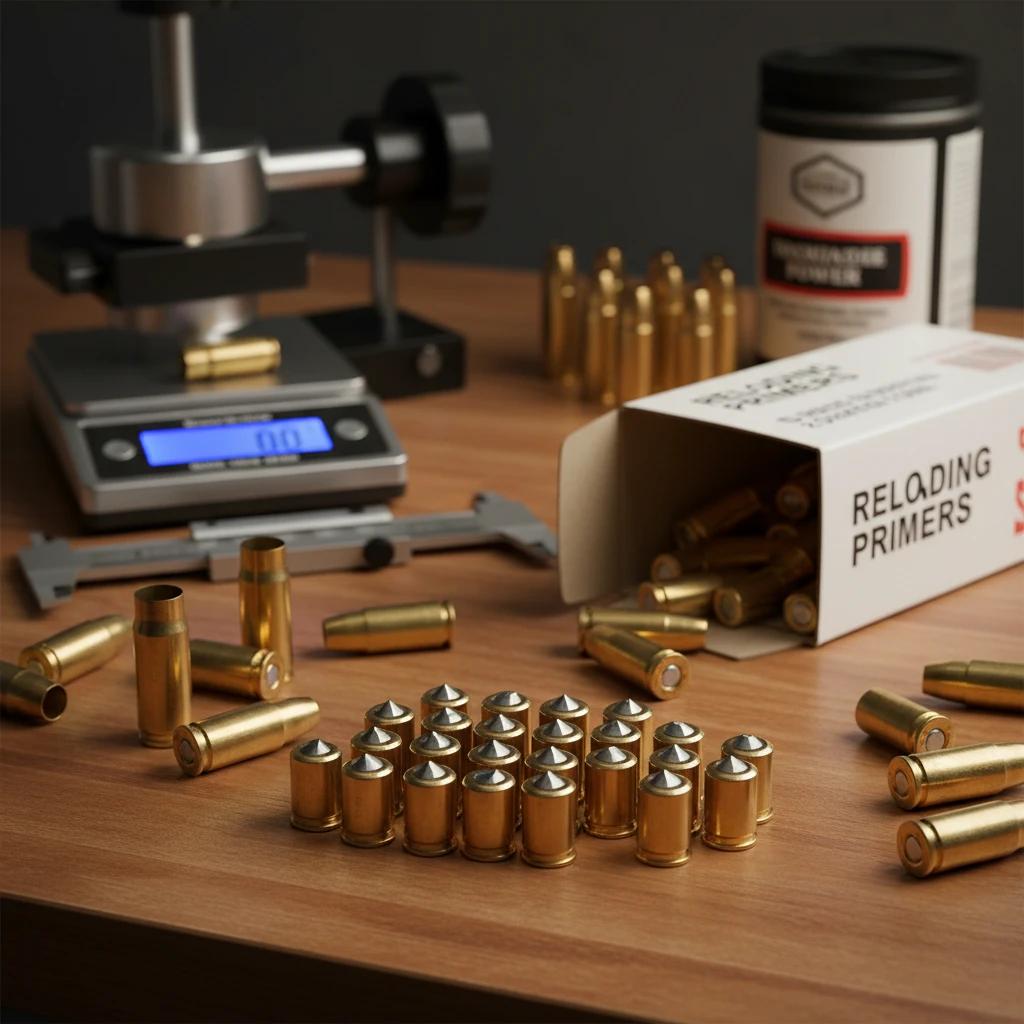
Primers: Essential for Reloading Consistency
When precision shooting is the goal, every component in your reloaded ammunition plays a critical role. While powder choice and bullet selection often take center stage, the humble primer is frequently overlooked, yet it is arguably one of the most vital elements for achieving consistent and accurate results. Its primary function is often misunderstood, leading to suboptimal performance and frustration for even experienced reloaders.
Understanding and correctly selecting primers is not just about ensuring a successful ignition; it’s about laying the foundation for predictable performance downrange. A consistent ignition event directly translates to a tighter shot group, more reliable cycling of semi-automatic firearms, and ultimately, the confidence needed for demanding shooting disciplines. This section delves into why primers are so crucial and how their characteristics can profoundly influence your reloading outcomes.
The Unsung Hero of Your Reloading Bench: Why Primers Matter for Precision Shooting
The primer is the initiator of the entire firing sequence. When the firing pin strikes the primer, it crushes a small amount of sensitive explosive compound, generating a flame that ignites the main charge of smokeless gun powder. Without a reliable and consistent primer ignition, the entire process breaks down. The quality of this initial spark directly impacts how uniformly the propellant burns, which in turn affects the pressure generated within the cartridge and the velocity of the projectile leaving the barrel. For precision shooting, where fractions of an inch can mean the difference between a hit and a miss, this initial event cannot be left to chance. Manufacturers invest significantly in ensuring their primers provide a consistent burn rate and reliable ignition across a batch, but understanding their role is paramount for any reloader aiming for accuracy.
The choice of primer extends beyond simply selecting one that fits your cartridge. Different primers have varying sensitivities, flame temperatures, and durations, all of which can influence the burn rate of your chosen smokeless gun powder. For instance, using a primer that is too weak might lead to hangfires or incomplete ignition, especially with slower-burning powders used in large rifle cartridges. Conversely, a primer that is too powerful could potentially increase pressure beyond safe limits or cause erratic burn patterns. Understanding these nuances allows reloaders to tailor their components for optimal performance. For those looking to delve deeper into powder selection, exploring resources on reloading:finding-the-right-smokeless-gun-powder/ can provide valuable context for how primers interact with different propellant types.
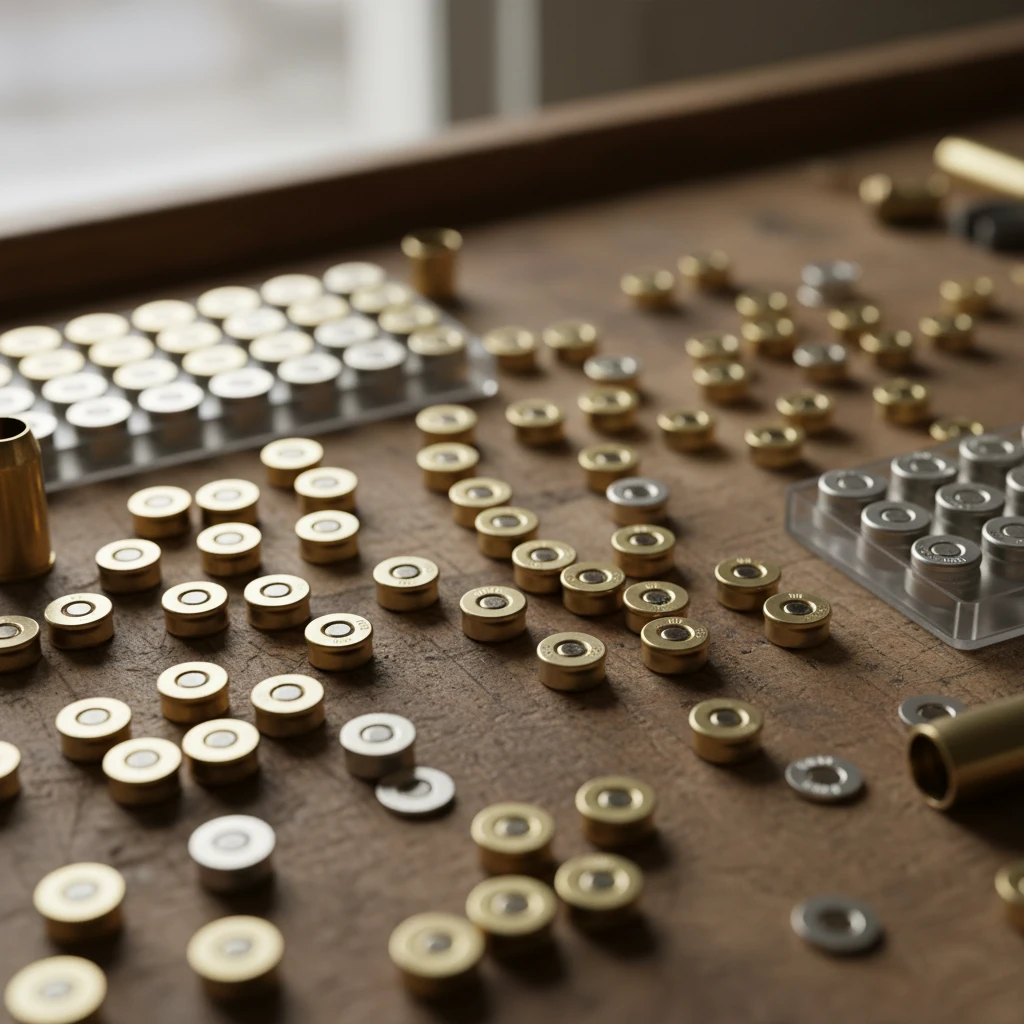
The impact of primer choice is particularly evident in competitive shooting disciplines like long-range precision or benchrest. In these arenas, minute variations in muzzle velocity can lead to significant deviations in bullet impact at extended distances. A consistent primer ensures that each shot begins with the same energy input, leading to a more predictable projectile trajectory. This uniformity is what reloaders strive for, and the primer is the first domino to fall in achieving it. Moreover, for semi-automatic firearms used in sports like IPSC or 3-Gun, reliable ignition from the primer is essential for proper cycling. Failure to ignite can result in a stoppage, costing valuable time and points. Thus, the selection and handling of primers are critical skills for any serious shooter.
Understanding the Ignition: The Fundamental Role of a Primer
At its core, a primer is a small, self-contained pyrotechnic device designed to produce a flame when struck. This flame’s primary purpose is to ignite the main propellant charge within the cartridge case. The primer assembly consists of a primer cup, a priming compound (typically a shock-sensitive explosive), and an anvil. When the firing pin strikes the primer cup, it drives it against the anvil, compressing the priming compound. This compression initiates a rapid chemical reaction, generating a burst of hot gas and flame that exits through a small flash hole in the case head, igniting the smokeless gun powder. The consistency of this ignition event is paramount; variations in primer sensitivity or flame characteristics can directly translate into inconsistencies in muzzle velocity.
The characteristics of the flame produced by a primer – its intensity and duration – are carefully engineered. This is not arbitrary; it’s designed to reliably ignite a specific range of propellants. Some primers produce a hotter, longer-lasting flame, which is beneficial for igniting slower-burning propellants often found in larger rifle cartridges. Other primers are designed for a cooler, shorter flame, which is more appropriate for fast-burning pistol powders. Understanding this relationship is key to achieving a clean and complete burn. If the primer’s flame is too weak to effectively ignite the powder, it can lead to incomplete combustion, a phenomenon known as a hangfire, where the ignition is delayed, or even a squib load, where the bullet barely leaves the barrel. Therefore, matching the primer to the powder and cartridge is a foundational principle in reloading.
The reliability of the primer’s function is also heavily dependent on its condition and proper seating. A primer that is not seated flush with the case head can impede the firing pin’s ability to strike it effectively, leading to misfires. Similarly, primers that have been exposed to moisture or extreme temperatures can degrade, losing their sensitivity and becoming unreliable. For this reason, proper storage and handling of primers are non-negotiable aspects of reloading safety and consistency. Reloaders must ensure their primers are kept in their original packaging, in a cool, dry environment, away from direct sunlight and sources of ignition.
Beyond Just a Spark: How Primer Choice Impacts Overall Performance
The primer’s role extends far beyond simply initiating combustion; it significantly influences the pressure curve within the cartridge and, consequently, the velocity and accuracy of the projectile. Different primer designs offer varying levels of ignition sensitivity and flame output. For instance, a more sensitive primer will ignite more readily, potentially leading to a slightly faster ignition time compared to a less sensitive primer. This subtle difference can be amplified by the burn rate of the smokeless gun powder. When pairing a primer with a specific powder charge, reloaders must consider how the primer’s characteristics will affect the overall burn rate and pressure generation. This is a crucial aspect of achieving consistent ammunition, especially when aiming for peak accuracy.
The choice between standard and magnum primers is a prime example of how primer selection directly impacts performance. Magnum primers contain a larger charge of priming compound, producing a hotter and longer-lasting flame. This is necessary to reliably ignite slower-burning magnum rifle powders, which require more energy to achieve full combustion. Using a standard primer with a magnum powder might result in incomplete ignition, leading to erratic velocities and reduced accuracy. Conversely, using a magnum primer in a standard load, particularly with fast-burning pistol powders, could lead to excessive pressure spikes, potentially damaging the firearm or causing unsafe conditions. Understanding these distinctions is vital for load development and ensuring safe, effective ammunition.
Furthermore, manufacturing tolerances play a significant role in primer consistency. Reputable primer manufacturers adhere to stringent quality control measures to ensure uniformity in their products. However, subtle variations can still exist between batches or even individual primers. This is why experienced reloaders often use primers from the same lot number for a particular batch of ammunition. While modern primers are remarkably consistent, any reloader striving for the highest levels of precision must acknowledge and account for these minor variables. The goal is to minimize all sources of error, and the primer is the starting point for ensuring that ignition is as uniform as possible for every single round. For more on this, consulting guides on primer types:reloading-for-precision/ can offer detailed insights into specific primer characteristics and their impact.
Decoding Primer Types: Finding the Right Fit for Your Ammunition Needs
The world of reloading primers can seem complex, with a variety of sizes, types, and designations. However, understanding these differences is crucial for producing safe, reliable, and accurate ammunition. Primers are categorized primarily by their intended use, which dictates their physical dimensions and ignition characteristics. The most common distinctions are based on the caliber of firearm they are intended for, broadly falling into rifle, pistol, and shotgun categories. Within these, further subdivisions exist based on size (small vs. large) and intended performance (standard vs. magnum). Making the correct choice ensures optimal ignition and prevents potential issues such as misfires or excessive pressure.
When selecting primers, the first and most critical step is to consult your reloading manual for the specific cartridge you are working with. Reloading guides provide definitive information on the correct primer type and size for each caliber. Using the wrong primer can have serious consequences. For example, attempting to use a large pistol primer in a cartridge designed for a small pistol primer could result in the primer not fitting correctly or creating an unsafe pressure situation. Conversely, using a primer that is too small might not fill the primer pocket properly, leading to blow-by of hot gases around the primer during firing, which can damage the bolt face of a firearm. Always prioritize the recommendations found in reputable load data. This ensures both safety and the potential for consistent results with your reloaded ammunition.
Beyond the basic size and type, consider the intended application of your ammunition. Are you loading for a hunting rifle that requires maximum energy, a competition handgun that needs fast cycling, or a target .22LR that demands extreme precision? Each of these scenarios might benefit from a specific type of primer. For instance, magnum primers are designed for high-pressure loads, while others might be optimized for faster ignition to ensure reliable cycling of semi-automatic firearms. Taking the time to understand these nuances will elevate your reloading efforts from simply assembling cartridges to precisely engineering ammunition tailored for specific purposes, contributing to the overall success of your shooting endeavors. Selecting the appropriate primer is a foundational step in successful reloading.
Small Rifle vs. Large Rifle Primers: Caliber-Specific Considerations
The distinction between small rifle and large rifle primers is primarily based on the physical size of the primer pocket in the cartridge case and the typical pressure and powder capacity associated with the calibers they serve. Small rifle primers are used in a wide array of cartridges, including popular calibers like .223 Remington (5.56x45mm NATO), .204 Ruger, and some varmint cartridges. They are smaller in diameter and depth than large rifle primers. Their design is optimized to provide a clean, consistent ignition for the moderate to high pressures generated by these cartridges. Using the correct primer size is crucial; a primer that is too small will not create a seal, allowing hot gases to escape, while one that is too large will not seat properly and may cause ignition issues.
Large rifle primers are employed in many of the more powerful and larger-capacity rifle cartridges, such as .30-06 Springfield, .308 Winchester (7.62x51mm NATO), .270 Winchester, and magnum cartridges like the .300 Winchester Magnum. These cartridges typically use larger volumes of slower-burning smokeless gun powder and generate higher peak pressures. The larger primer cup and anvil assembly of a large rifle primer are designed to withstand these higher pressures and deliver a more substantial flame necessary to ignite the greater powder charges effectively. The increased surface area of the flame helps ensure more complete and uniform combustion of the propellant.
When reloading, it is imperative to consult reliable load data to identify the correct primer type for your specific cartridge and load. While most modern cartridges have standardized primer requirements, older or less common calibers might have variations. For example, the .308 Winchester and 7.62x51mm NATO are dimensionally similar, but load data may sometimes specify different primer types or recommend specific precautions. Additionally, some cartridges, like the .45 ACP or .45 Colt, are commonly loaded with large pistol primers, but when chambered in certain rifles (e.g., lever-action carbines), rifle primers might be specified for higher pressures. Always adhere to the manufacturer’s recommendations for the firearm and cartridge you are reloading.
Pistol Primers: Small Pistol, Large Pistol, and Their Applications
Pistol primers are categorized into two main types: small pistol primers and large pistol primers. The distinction is based on the diameter of the primer pocket in the cartridge case. Small pistol primers are used in a wide range of popular handgun cartridges, including 9mm Luger, .38 Special, .357 Magnum, .40 S&W, and .45 ACP. They are designed to provide reliable ignition for the relatively fast-burning propellants typically used in handgun ammunition, ensuring consistent performance for self-defense, target shooting, and competition.
Large pistol primers are employed in larger capacity handgun cartridges that generally use more powder or slower-burning powders than those using small pistol primers. Examples include .44 Magnum, .45 Colt, and some older .38 Special loads that might have been designed for larger primers. These primers are physically larger than small pistol primers and are engineered to deliver a slightly more robust ignition to ensure complete combustion of the propellant in these higher-volume cases. Using the correct primer size is critical for both safety and function; a primer that is too small will not seal the primer pocket, potentially leading to gas leakage, while a primer that is too large may not seat fully or could create excessive pressure.
When reloading handgun ammunition, matching the primer type to the cartridge specifications is paramount. Consult a reputable reloading manual or the manufacturer’s load data for the specific cartridge you are loading. For instance, while .45 ACP is almost universally loaded with a large pistol primer, some specialty loads or very old data might exist for small primer pockets, though this is rare. The choice between standard and magnum pistol primers is also important, particularly with cartridges like .357 Magnum or .44 Magnum, which benefit from the hotter ignition of magnum primers for optimal performance. Reloading for calibers like those found in handgun ammo requires careful attention to these details.
Shotgun Primers: Unique Designs for Different Gauge Requirements
Shotgun primers, while functioning on the same principle as their metallic cartridge counterparts, possess unique design characteristics tailored to the pressures and case designs of shotshells. They are generally larger and designed to withstand the specific firing pin geometry found in most shotguns. The primary distinction within shotgun primers is based on the gauge of the shotshell. 12-gauge and 16-gauge shotgun shells typically use a larger primer, often referred to as a “large” or “12ga” primer. Conversely, 20-gauge and smaller gauges (like .410 bore, 28 gauge, and .44 Special shotshells) often utilize a “small” or “20ga” primer, which is dimensionally smaller.
Beyond gauge size, shotgun primers also come in standard and magnum varieties. Magnum shotgun primers are designed to produce a hotter, longer-lasting flame. This is particularly beneficial when reloading shotshells intended for heavy hunting loads or target loads that use larger quantities of slower-burning smokeless gun powder. For disciplines like trap and skeet, where consistent performance and pattern density are key, the right primer choice is crucial. Using a magnum primer in a standard load, or vice versa, can affect ignition consistency and potentially alter the performance characteristics of the shotshell. For those focused on improving their performance in clay sports, understanding these primer specifications is a valuable step towards shotgun ammo reloading success.
When selecting shotgun primers, always refer to the load data specific to your shotshell gauge and intended application. Reputable shotshell reloading manuals will clearly indicate the correct primer type. Additionally, be aware that some older or foreign-made shotshells might have different primer pocket dimensions, although this is less common with modern reloading components. The careful selection and proper installation of shotgun primers are as vital as any other component in ensuring that your reloaded shotshells perform reliably and safely, whether for hunting or competitive shooting. This attention to detail is what differentiates novice reloaders from those who consistently achieve excellent results.
Rimfire Primers: A Different Ballgame for .22LR and Similar Cartridges
Rimfire ammunition, most famously the ubiquitous .22LR, utilizes a fundamentally different ignition system than centerfire cartridges. Instead of a separate primer cap containing an explosive compound, the priming mixture is packed into a hollow rim at the base of the cartridge case. When the firing pin strikes the edge (the rim) of the case, it crushes this priming compound, igniting it and subsequently setting off the main powder charge. Therefore, there are no distinct “rimfire primers” in the same sense as centerfire primers that are purchased and inserted by reloaders. The priming compound is an integral part of the rimfire ammo itself.
This unique design means that reloading .22LR and other rimfire cartridges is generally not feasible or practical for the average enthusiast. The priming compound is factory-applied and cannot be easily or safely replaced by a reloader. Furthermore, the case metallurgy and construction of rimfire ammunition are specifically designed for this type of ignition, and attempting to modify or reload them would likely be unsafe and yield inconsistent results. The economics also play a role; the cost of rimfire ammunition is typically low enough that the savings from reloading are often not significant enough to justify the complexity and potential risks involved.
While you cannot reload rimfire cartridges, understanding their ignition mechanism helps appreciate the variety in ammunition technology. The sensitivity of the priming compound in the rim is crucial for reliable ignition across millions of these popular cartridges produced annually. Factors such as age, storage conditions, and manufacturing quality can affect the reliability of rimfire ignition. This is why sometimes a .22LR round might fail to fire – it’s usually due to a degraded or insufficient amount of priming compound in the rim, not a faulty separate primer. For reloaders, focusing on centerfire cartridges allows for control over ignition and a direct impact on accuracy and consistency.
Consistency is Key: How Primers Dictate Muzzle Velocity Spread
The quest for consistent accuracy in reloading hinges on minimizing variations in every step of the process, and primer ignition is a critical starting point. A consistent primer ensures that the smokeless gun powder is ignited in precisely the same manner for every shot. This uniformity in ignition directly influences the pressure curve generated within the cartridge and, subsequently, the velocity at which the projectile leaves the muzzle. A wide spread in muzzle velocity is a primary contributor to poor shot-to-shot consistency and larger groups downrange. Therefore, selecting and handling primers with an emphasis on consistency is paramount for precision shooting.
Even slight variations in primer sensitivity, flame temperature, or duration can lead to differences in how quickly and completely the powder ignites. This, in turn, can cause fluctuations in the peak pressure reached and the total burn time of the powder. For example, if one primer ignites the powder slightly faster than another, the pressure peak might occur earlier and be higher, leading to a higher muzzle velocity. Conversely, a slower ignition event would result in a lower velocity. Over a series of shots, these small differences accumulate, manifesting as a noticeable spread in muzzle velocity and a corresponding degradation in accuracy. This is why reloaders often invest in high-quality primers known for their manufacturing consistency and meticulously seat them to ensure uniform impact.
The impact of primer consistency is amplified when using slow-burning powders common in rifle cartridges, especially those intended for long-range shooting. These powders require a more energetic and consistent ignition to burn efficiently. If the ignition is erratic due to primer inconsistencies, the powder may not burn completely, leading to unpredictable velocity and trajectory. For those interested in optimizing their powder choices, resources on smokeless gun powder: load data best practices/ can further illustrate how powder burn rates interact with ignition sources like primers to affect performance.
The Science of Ignition Sensitivity: Achieving Uniform Burn
Ignition sensitivity refers to how readily a primer ignites when struck by the firing pin. This is a critical factor in achieving a uniform powder burn. Primers are manufactured with specific priming compounds and quantities, carefully balanced to provide reliable ignition across a range of applications. A more sensitive primer will ignite with less force or impact, while a less sensitive primer requires a stronger strike. For reloaders, understanding this sensitivity is key, especially when dealing with different firearms that may have varying firing pin weights and protrusion distances. A consistent firing pin strike across all shots is the first step in ensuring uniform ignition.
The relationship between primer sensitivity and the smokeless gun powder is complex. Some powders are inherently easier to ignite than others. Fast-burning pistol powders generally require less energy to ignite than slow-burning rifle powders. Consequently, the sensitivity of the primer must be carefully matched to the powder type. If a primer is too insensitive for a particular powder, it may lead to incomplete ignition, hangfires, or even misfires. Conversely, using an overly sensitive primer with a very fast-burning powder, especially in a high-pressure situation, could potentially lead to an excessively rapid pressure rise, which can be dangerous. This balance is crucial for achieving a predictable and uniform burn rate.
Manufacturers strive for consistency within their primer batches, but subtle variations can still exist. Factors such as temperature, humidity, and the precise depth to which a primer is seated in the case can all influence ignition. Ensuring that primers are seated uniformly and at the correct depth is a fundamental aspect of reloading. A primer seated too deeply can create excessive pressure when the firing pin strikes, potentially leading to a pierced primer. Conversely, a primer not fully seated can result in misfires or light strikes. The goal is to achieve a perfectly flush or slightly below-flush seating that allows the firing pin to deliver a consistent, effective blow to the primer at every instance.
Factors Influencing Primer Consistency: Manufacturing Tolerances and Design
The inherent consistency of a primer begins long before it reaches the reloader’s bench; it is deeply rooted in the manufacturing process. Reputable primer manufacturers employ rigorous quality control measures to ensure that each primer within a batch is as identical as possible. This includes precise control over the quantity and composition of the priming compound, the thickness and uniformity of the primer cup, and the dimensions of the anvil. Tight manufacturing tolerances are essential for minimizing variations in ignition sensitivity and flame characteristics. Small deviations in any of these elements can lead to inconsistencies in how the primer ignites the powder charge.
The design of the primer itself also plays a significant role in its consistency. Different primer types are engineered with specific characteristics to suit various applications. For instance, magnum primers contain a larger charge of priming compound to produce a hotter, longer-lasting flame, necessary for igniting slower-burning rifle powders. Standard primers are designed for more moderate ignition needs. The shape and thickness of the primer cup are also designed to withstand specific pressure levels. Using the correct primer design for your load not only ensures safety but also contributes to the primer’s inherent consistency by operating within its designed parameters.
Beyond manufacturing and design, external factors can also impact primer consistency. Exposure to moisture, extreme temperatures, or improper handling can degrade the priming compound, rendering it less sensitive or unpredictable. This is why proper storage of primers is crucial. Keeping them in their original sealed packaging, in a cool, dry environment, away from solvents or other chemicals, helps maintain their integrity and ensures that they perform as intended. A reloader’s diligence in handling and seating primers correctly further complements the manufacturer’s efforts to achieve consistent ignition for every shot.
Primer Sensitivity: The Delicate Balance Between Reliable Ignition and Detonation Hazards
Primer sensitivity is a measure of the force required to initiate the explosive compound within the primer. It’s a carefully engineered characteristic, representing a delicate balance between ensuring reliable ignition under various firearm conditions and preventing accidental or premature detonation. Too little sensitivity can lead to misfires, especially in firearms with lighter firing pin springs or when ammunition has been stored improperly. Conversely, excessive sensitivity, while seemingly ensuring ignition, can introduce other risks if not managed correctly, particularly when combined with high-pressure loads or specific powder types.
The sensitivity of a primer is directly related to the type and quantity of chemical compounds used in its composition, as well as the design of the primer cup and anvil. Manufacturers aim for a level of sensitivity that guarantees ignition when struck by a standard firing pin but does not detonate from minor shock or friction during handling and loading. Reloaders must be aware that even within the same brand and type of primer, minor variations can occur. This is why meticulous attention to detail, such as ensuring consistent primer seating depth, is crucial. A primer seated too high might be more prone to accidental ignition from a firing pin impact, while one seated too deep might not receive sufficient force.
Understanding primer sensitivity is especially important when working with different types of firearms. Some modern sporting rifles, for instance, employ spring-loaded firing pins that provide a consistent and forceful impact, making them less susceptible to issues with less sensitive primers. Older firearms, or those with worn components, might have a weaker firing pin strike, necessitating the use of more sensitive primers for reliable ignition. This delicate balance means that reloaders must consider not only the cartridge and powder but also the specific firearm they intend to use the ammunition in when selecting primers. For those exploring high-performance loads, a deep dive into reloading trends: smokeless gun powder insights/ can offer context on how primer choice interacts with advanced load development.
Understanding Primer Strength: Standard vs. Magnum Primers
Primers are broadly categorized by their “strength,” referring to the amount and type of explosive compound they contain, which dictates the intensity and duration of the flame produced upon ignition. Standard primers are designed for most common reloading applications, providing a reliable ignition source for typical loads and moderately fast-burning powders. They are engineered to produce a consistent flame that is sufficient to ignite standard powder charges in most handgun and rifle cartridges without creating excessive pressure.
Magnum primers, on the other hand, contain a larger quantity of priming compound, resulting in a hotter and longer-lasting flame. This increased energy is specifically required to reliably ignite larger charges of slower-burning smokeless gun powders, which are commonly used in high-pressure magnum cartridges and larger rifle calibers. Without the more potent ignition from a magnum primer, these slower powders might not burn completely or efficiently, leading to reduced velocity, inconsistent performance, and potentially dangerous pressure fluctuations. Using a magnum primer in a standard load, however, is generally not recommended as it can sometimes lead to over-pressurization, especially with fast-burning powders.
The choice between standard and magnum primers is a critical aspect of responsible reloading. Always consult a reputable reloading manual or load data for your specific cartridge and powder combination. Many manuals will clearly indicate whether a standard or magnum primer is recommended or required. For example, when loading cartridges like the .300 Winchester Magnum or .44 Magnum, the use of magnum primers is almost always specified. Deviating from these recommendations can compromise safety and performance. The goal is to achieve optimal and consistent ignition, and selecting the correct primer strength is a fundamental step in achieving that objective, particularly when working with potent smokeless gun powder.
When to Opt for Magnum Primers: High-Pressure Loads and Slow-Burning Smokeless Gun Powder
The decision to use magnum primers is primarily driven by the need for more energetic ignition, typically required for two main scenarios: high-pressure cartridges and slow-burning smokeless gun powders. Many magnum rifle cartridges, such as the .300 Remington Ultra Magnum, .338 Lapua Magnum, or .375 H&H Magnum, are designed to operate at higher peak pressures and contain significantly larger powder volumes. These larger powder charges, often composed of slower-burning propellants, demand a more potent ignition source to ensure complete and efficient combustion. A standard primer might struggle to ignite such a large volume of slow powder consistently, leading to incomplete burning, reduced velocity, and erratic performance.
Even in standard cartridge cases, if a reloader chooses to use a very slow-burning powder for specific performance goals (e.g., extreme accuracy at long range with certain rifles), a magnum primer may become necessary. This is because slower powders require more time and energy to transition from initial ignition to full combustion. The hotter, longer-duration flame from a magnum primer provides the necessary sustained energy to overcome the inertia of these slow powders, promoting a more uniform burn. This enhanced ignition directly contributes to a tighter muzzle velocity spread and, consequently, improved accuracy. For anyone seeking to push the boundaries of performance with their handloads, understanding the role of smokeless gun powder types is key.
It’s important to note that not all high-pressure cartridges or slow powders *require* magnum primers, but they are often recommended for optimal results. Always refer to current and reputable reloading data. If the data specifies a magnum primer, using one is essential for safety and performance. If the data lists loads for both standard and magnum primers, it often indicates that the magnum primer may provide improved consistency or velocity in that particular application. However, blindly opting for magnum primers in all situations is ill-advised, as it can lead to safety issues when not properly matched with the powder and case capacity.
The Risks of Overpowering: Detonation Hazards and Component Damage
While magnum primers are necessary for certain loads, using them inappropriately carries significant risks. The primary danger is the potential for detonation, which is an extremely rapid and uncontrolled combustion of the propellant, leading to a sudden and dangerous spike in pressure far exceeding the safe operating limits of the firearm and cartridge. This can occur when a magnum primer’s hotter and longer-lasting flame interacts improperly with fast-burning powders or in smaller cartridge cases with limited powder capacity. The result can be catastrophic, leading to firearm damage, case ruptures, or even injury to the shooter and bystanders.
Even if a full detonation doesn’t occur, using an overpowered primer can still lead to excessive pressure. This can manifest as signs of over-pressure such as flattened or pierced primers, ejector marks on the case head, or difficulty extracting spent casings. Repeatedly exceeding safe pressure levels can cause cumulative damage to the firearm’s components, including the bolt face, locking lugs, and barrel, significantly reducing its lifespan and potentially rendering it unsafe to operate. This is particularly concerning when reloading cartridges for firearms that may have tighter manufacturing tolerances or are designed for lower pressure ammunition.
The integrity of the primer itself can also be compromised. In some cases, a primer that is too strong for the application or improperly seated can experience a “pierced primer” when struck. This is where the firing pin punches a small hole through the primer cup, allowing high-pressure gas to escape backward into the firearm’s action. This gas can cause burns to the shooter’s face or hands and damage the bolt. Therefore, it is imperative for reloaders to strictly adhere to published load data and exercise extreme caution when deviating from standard recommendations, especially concerning primer selection. Always prioritize safety and consult resources on smokeless-gunpowder-reloading-for-accuracy/ for best practices.
Primer Sensitivity: The Delicate Balance Between Reliable Ignition and Detonation
The “sensitivity” of a primer refers to how easily it ignites when struck by the firing pin. Standard primers are designed to offer a reliable ignition across a wide range of conditions and firearms. They provide a quick, energetic burst of flame sufficient to ignite most common propellants in typical loads. In contrast, magnum primers possess a more potent ignition charge and a longer-lasting flame. This heightened energy is intended to ensure complete and consistent ignition of slower-burning magnum rifle powders, which require a more robust spark to combust fully and efficiently.
However, this increased power introduces a delicate balance. If a magnum primer is used in a cartridge that doesn’t require its extra oomph, or if it’s paired with a very fast-burning powder, the excess energy can overwhelm the system. Instead of a controlled burn, the propellant can ignite too rapidly, leading to a dangerous pressure surge. This is the crux of the detonation hazard – the magnum primer’s powerful flame ignites the powder so quickly that the pressure builds to levels the firearm or cartridge was never designed to handle. Understanding the specific burn rate of your chosen powder and the case capacity of your cartridge is crucial in selecting the appropriate primer sensitivity to avoid such an outcome.
Reloaders must consult reliable load data and understand the nuances of primer types. For instance, standard small pistol primers are suitable for many 9mm Luger loads, while some heavier .45 ACP loads might benefit from a magnum pistol primer for more consistent ignition. Similarly, in rifle cartridges, the distinction between standard and magnum rifle primers is often dictated by the powder charge and bullet weight. Using the wrong primer can turn a safe reloading session into a hazardous one. Resources like the Hodgdon Reloading Data provide essential information to help make informed decisions about primer and powder selection, ensuring both performance and safety.
Storage and Handling: Preserving Primer Integrity for Optimal Performance
Proper storage and meticulous handling are paramount to maintaining the reliability and lifespan of your reloading primers. These small but critical components are sensitive to their environment and can degrade significantly if not cared for properly. Understanding the factors that affect their stability and adhering to best practices will ensure consistent ignition and prevent potentially dangerous malfunctions. Neglecting these aspects can lead to a batch of otherwise good ammunition becoming unreliable, wasting valuable time and resources.
Environmental Factors: The Enemy of Primer Stability (Moisture, Temperature)
The two primary environmental enemies of primer integrity are moisture and extreme temperature fluctuations. Moisture, even in small amounts from humidity, can permeate the primer compound, rendering it inert or leading to erratic ignition. This is because the sensitizing chemicals within the primer are often hygroscopic, meaning they readily absorb water. Over time, this moisture can corrode the primer cup and degrade the explosive compound. Similarly, extreme temperature swings can cause the primer’s chemical constituents to expand and contract, potentially leading to cracks in the compound or weakening its overall stability. Storing primers in attics, uninsulated garages, or damp basements subjects them to these detrimental conditions. For instance, a primer exposed to consistent high humidity and temperatures around 90°F (32°C) might exhibit a noticeably higher misfire rate compared to one stored in a stable, climate-controlled environment. Therefore, safeguarding against these elements is not merely a recommendation but a necessity for consistent reloading results. This is why choosing appropriate storage solutions is a critical step in the reloading process.
Safe Storage Solutions: Keeping Your Primers Secure and Functional
Securing your primers involves more than just putting them in a box. Ideal storage involves keeping them in their original, sealed packaging whenever possible. These packages are designed to offer a degree of protection against environmental contaminants. For long-term storage, consider using airtight plastic containers or dedicated ammunition storage safes. These options provide a barrier against humidity and can help maintain a more stable temperature. When purchasing new primers, particularly in bulk, it’s wise to buy from reputable suppliers like Northern Reloading, ensuring they are fresh and haven’t been subjected to poor storage conditions prior to sale. Many reloaders opt for desiccant packs (like silica gel) within their storage containers to absorb any residual moisture. Furthermore, primers should always be stored away from ignition sources, sparks, and any incompatible materials, adhering to all local regulations regarding the storage of explosive components. Proper labeling of containers, including the type and quantity of primers, also aids in safe and organized inventory management. A common pitfall is storing primers in metal containers that can corrode or in proximity to solvents or oils, which can contaminate the primers and compromise their function.
Handling Best Practices: Preventing Accidental Ignition and Contamination
Handling primers requires a cautious and deliberate approach to minimize the risk of accidental ignition and contamination. Always handle primers with clean hands; oils, dirt, or residues from lubricants can transfer to the primer surface and interfere with ignition. Avoid dropping or sliding primers, as friction or impact can cause them to detonate. When loading primers into cases using a press or a hand primer tool, ensure you are using the correct tool for the specific primer type (e.g., small rifle, large pistol) and that it is properly seated. A common mistake is attempting to prime cases with residual powder or debris in the primer pocket, which can lead to a weak or failed seating, or worse, an unintended discharge. It’s advisable to work in a well-lit, well-ventilated area, away from open flames or excessive heat. Never smoke while handling primers or other reloading components. If you accidentally drop a primer, resist the urge to pick it up immediately; instead, sweep it gently into a collection area away from your main workspace. This mindful approach to handling significantly reduces the risk of accidents and ensures the primers remain in optimal condition for consistent ignition in your reloaded ammunition. Understanding the nuances of different primer types, as discussed in resources on Primer Types: Reloading for Precision, can further enhance safe handling.
Troubleshooting Common Primer Issues: Ensuring Every Shot Counts
Even with meticulous care, reloaders may occasionally encounter issues related to primers. Identifying and rectifying these problems is crucial for maintaining firearm safety and achieving desired shooting performance. Whether it’s a complete failure to fire or inconsistent velocities, the primer is often the first place to look when diagnosing a problem. These issues can stem from various sources, including primer quality, handling errors, or press setup. A systematic approach to troubleshooting can isolate the cause and prevent future occurrences. This section will delve into the most frequent primer-related problems and provide actionable steps for resolution, ensuring that each round you load is as reliable as the last.
Misfires and Hangfires: Diagnosing Primer-Related Problems
Misfires, where a primer fails to ignite the main powder charge, are one of the most frustrating reloading issues. The most common culprit is a faulty primer itself, often due to degradation from improper storage or manufacturing defects. Another cause can be a failure to fully seat the primer, meaning the firing pin strike doesn’t sufficiently compress the primer anvil to initiate ignition. Inspecting the fired or unfired primer can offer clues: a light or off-center indentation suggests a problem with the firearm’s ignition system or primer seating depth. Hangfires, a delay between the firing pin strike and the actual ignition of the primer and powder, are far more dangerous. This can occur with old, unstable primers where the chemical reaction is slow to propagate. If you experience a hangfire, keep the firearm pointed in a safe direction for an extended period (at least 30 seconds) before attempting to eject the round. The cause could also be a primer that is too shallow or too deep, preventing a proper seal and ignition. Always check your primer seating depth meticulously. If consistent misfires occur across multiple rounds, consider trying a different brand or lot of primers to rule out component failure. For a more in-depth understanding of related components, exploring resources on Smokeless Gun Powder: Load Data Best Practices can help identify synergistic issues.
Inconsistent Ignition: Identifying Root Causes in Your Reloading Process
Inconsistent ignition, manifesting as variations in muzzle velocity and potentially affecting accuracy, can often be traced back to the primer. Unlike complete misfires, here the primer ignites, but not with its full intended force or consistency. This can be caused by primers that are not fully seated; they might be proud of the case head, preventing the bolt from closing fully or causing a weak firing pin strike. Conversely, primers that are seated too deeply can deform, leading to a less energetic ignition. Contamination of the primer compound, perhaps from handling with oily hands or from residue within the primer pocket, can also result in a weaker or slower burn. Variations in the primer lot itself, though less common with reputable manufacturers, can also contribute. Another factor to consider is the fit of the primer in the primer pocket; too loose, and it might not seal properly; too tight, and it can be difficult to seat consistently. When troubleshooting, ensure your priming tool is functioning correctly and that you are applying consistent pressure. Examine fired cases for primer seating depth uniformity. If using a progressive press, ensure the priming mechanism is properly adjusted and clean. These subtle inconsistencies, when multiplied across many rounds, directly impact the predictability of your ammunition.
Primer Setback and Deep Seating: Common Pitfalls to Avoid
Primer setback occurs when a primer is not fully seated and protrudes slightly from the case head. This is particularly problematic in semi-automatic firearms, as the bolt may not be able to close completely on a proud primer, leading to a failure to feed or fire. In some cases, it can cause the bolt to slam forward and peen the edge of the primer, creating a risk of accidental discharge upon chambering a subsequent round. The opposite issue, deep seating, occurs when a primer is pushed too far into the primer pocket. While this typically results in a misfire due to the firing pin not being able to properly engage the anvil, it can also deform the primer compound, leading to inconsistent ignition. Both conditions highlight the critical importance of precise primer seating. Factors contributing to setback or deep seating include worn primer pockets, incorrect priming tool settings, or debris in the primer pocket. Always ensure the primer pocket is clean and free of obstructions before priming. When using a press, feel for the distinct stop that indicates proper seating. Many reloaders prefer hand priming tools for their tactile feedback, which aids in achieving consistent depth. Carefully inspecting each primed case visually can help catch these common pitfalls before they lead to issues at the range.
The Impact of Primers on Accuracy: From Benchrest to the Field
While often overshadowed by bullet selection and powder choice, primers play a surprisingly significant role in the accuracy of reloaded ammunition. The consistency of the primer’s ignition directly influences how uniformly the powder ignites and burns, which in turn affects bullet launch dynamics. Even minute variations in the primer’s energy output or the timing of ignition can translate into discernible differences in shot placement downrange. For precision shooting disciplines like benchrest, where fractions of an inch matter, primer consistency is not just desirable; it’s absolutely essential for achieving tight groups. Understanding this relationship empowers reloaders to make informed component choices and adjustments to optimize their loads for maximum accuracy.
How Primer Consistency Translates to Tight Groups
The consistent delivery of a primer’s ignition energy is fundamental to achieving predictable bullet flight and, consequently, tight shooting groups. A primer’s job is to ignite the main propellant charge reliably and with a uniform amount of energy. When primers vary in their sensitivity or the magnitude of their ignition, the powder burn rate can become inconsistent. This leads to variations in the pressure curve generated within the cartridge case. Fluctuations in the pressure curve can result in slight differences in the velocity at which the bullet exits the muzzle. Even small velocity spreads can cause a bullet to deviate from its intended trajectory, widening the shot group. For instance, a variance of just 20-30 feet per second (fps) in muzzle velocity can easily translate into several inches of vertical stringing at 100 yards, especially with lighter bullets or in competitive shooting scenarios. Therefore, using primers from the same lot and handling them with care to maintain their integrity ensures that each powder charge is initiated in the same manner. This uniformity in ignition is a foundational element in the pursuit of consistent, sub-MOA (Minute Of Angle) accuracy.
Matching Primers to Your Bullet and Smokeless Gun Powder Selection for Peak Accuracy
Optimizing accuracy involves more than just selecting a quality bullet and an appropriate smokeless gun powder; matching the primer to these components is a critical step. The physical size of the primer (e.g., small rifle vs. large rifle) is dictated by the cartridge case, but the type of primer within that size category can influence accuracy. For instance, standard primers provide a good, reliable ignition for most applications and powders. However, for cartridges requiring extremely fast-burning powders or highly precise ignition timing, magnum primers offer a slightly hotter and more sustained flame, ensuring complete ignition of slower-burning propellants. This is particularly relevant in larger capacity rifle cartridges. Conversely, using a magnum primer with a fast-burning pistol powder could lead to excessive pressure spikes and erratic ignition. The goal is to select a primer that reliably and consistently ignites your chosen powder without creating undue pressure issues. Reloading manuals and reputable online resources provide guidance on which primer types are recommended for specific cartridge/powder combinations. Experimentation, starting with recommended loads and then meticulously adjusting components, is often necessary to find the perfect synergy for peak accuracy with your firearm and chosen components, much like fine-tuning a load detailed in Smokeless Gun Powder: Master Your Loads.
Beyond the Basics: Specialty Primers for Advanced Reloading
While standard primers suffice for many applications, the world of reloading offers specialized options for enthusiasts seeking to push the boundaries of performance and longevity. Understanding these advanced components can unlock new levels of consistency, safety, and reliability in your ammunition. From improved corrosion resistance to fundamental design differences that impact reloading practices, these specialty primers cater to specific needs and advanced reloading techniques. Exploring these options allows reloaders to tailor their ammunition precisely for demanding applications, whether for competitive shooting, long-range precision, or simply ensuring the longevity of their handloads.
Non-Corrosive Primers: A Modern Standard for Longevity
A significant advancement in primer technology is the widespread adoption of non-corrosive primers. Historically, primers used mercury fulminate, a highly corrosive substance that would leave damaging residues in the firearm barrel, leading to rapid rust and pitting if not meticulously cleaned after each use. Modern primers largely employ less corrosive compounds, such as lead styphnate, which significantly reduce the risk of barrel damage. This makes cleaning easier and extends the lifespan of firearms. For reloaders, this means less concern about immediate post-shooting barrel maintenance and a greater assurance that their firearms will remain in good condition over time. Reputable manufacturers, including those available through Northern Reloading, predominantly produce non-corrosive primers for both handgun and rifle ammunition. When purchasing, it’s always good practice to confirm this feature, especially for older firearms or when extreme barrel longevity is a priority. While the cleaning requirements for firearms are still important for overall maintenance, the shift to non-corrosive primers has been a major benefit for shooters and reloaders alike, simplifying care and enhancing firearm preservation.
Berdan Primers vs. Boxer Primers: Understanding the Differences and Reloading Implications
A fundamental distinction in primer design lies between Berdan and Boxer types, each with unique characteristics that affect reloading. Boxer primers, most common in North America, feature a primer cup with a distinct anvil insert. This design is user-friendly for reloaders because the spent primer can be easily pushed out from the case mouth, and a new primer can be seated in its place. The anvil is part of the primer itself, making the reloading process straightforward. In contrast, Berdan primers utilize a primer cup without a separate anvil; instead, the anvil is formed by a small post or raised section within the primer pocket of the cartridge case itself. This makes Berdan primers more difficult to remove and replace for reloading, often requiring specialized tools to pry them out. Furthermore, the primer pockets are less standardized, making finding replacement primers a challenge. While many surplus military cartridges use Berdan primers, they are generally less common for handloaders in North America who prefer the ease of Boxer-primed cases. If you encounter Berdan-primed brass, understand that reloading it typically involves decapping with a punch or specialized tool and using specific Berdan primers, which may require sourcing from niche suppliers. Resources discussing Smokeless Powder: Reloading Essentials often touch upon case preparation, where primer types become a key consideration.
New Technologies: Exploring Innovations in Primer Design
The pursuit of enhanced performance and safety continues to drive innovation in primer design. While the core function remains consistent ignition, new technologies are emerging to improve reliability, reduce sensitivity, and offer alternative ignition methods. One area of development is insensitive munitions (IM) primers, designed to resist accidental detonation when subjected to heat, impact, or shock – critical for military applications but also offering a margin of safety for civilian reloaders. Another area is the exploration of lead-free primers, aiming to reduce environmental impact and health risks associated with traditional primer compounds. While early iterations sometimes sacrificed performance for environmental friendliness, newer formulations are bridging that gap. Advancements are also being made in primer consistency and ignition characteristics, with manufacturers striving for even tighter velocity spreads. For instance, some companies are developing primers with engineered flash hole designs or specialized powder blends within the primer itself to achieve more uniform ignition across a wider range of powder types and cartridge volumes. These innovations, while perhaps niche, represent the ongoing evolution in reloading components, aiming to improve safety, environmental responsibility, and ultimately, shooter performance. This continuous development is part of the dynamic landscape of reloading, aligning with trends seen in 2026: Top Reloading Powder Trends.
Choosing the Right Primer for Your Handgun Ammo Reloads
The primer is a tiny but critical component in any reloaded cartridge, acting as the initiator for the entire firing sequence. For handgun ammo reloads, selecting the correct primer type ensures reliable ignition and contributes significantly to the overall consistency and performance of your ammunition. Mismatched or improperly seated primers can lead to misfires, squib loads, or even dangerous pressure spikes. Understanding the nuances of primer selection is paramount for any reloader aiming for dependable self-defense rounds or accurate competitive loads.
When reloading handgun cartridges, the primary distinction lies between small pistol primers and large pistol primers. These are not interchangeable and are specifically designed to fit the primer pockets of different cartridge cases. For example, cartridges like the 9mm Luger, .38 Special, .40 S&W, and .45 ACP typically use small or large pistol primers, respectively. The physical dimensions of the primer cup and the anvil assembly within are engineered to match the primer pocket diameter and depth of the intended cartridge. Using a primer that is too small can result in it backing out of the pocket, causing firearm malfunctions, while a primer that is too large may not seat properly, leading to ignition issues.
Small Pistol and Large Pistol Primers: Key Differences for Common Handgun Cartridges
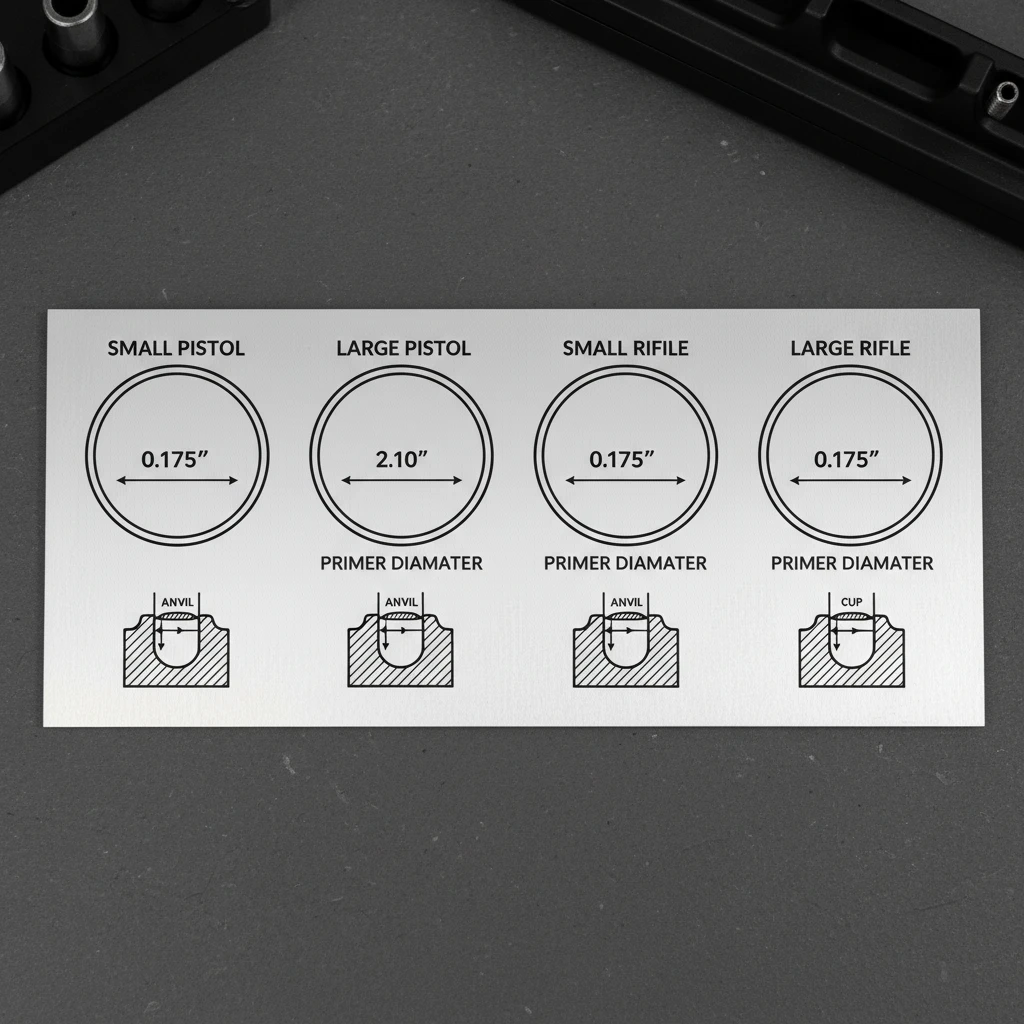
The fundamental difference between small pistol and large pistol primers boils down to their dimensions and the associated primer pockets they are designed to fit. Small pistol primers have a diameter of approximately 0.175 inches, while large pistol primers measure around 0.210 inches. This size difference dictates their compatibility with various handgun cartridges. For instance, the immensely popular 9mm Luger cartridge predominantly uses small pistol primers, whereas cartridges like the .45 ACP and .44 Magnum typically employ large pistol primers. Federal, CCI, Winchester, and Remington are major manufacturers offering both types, often with slight variations in their explosive compounds that can subtly affect ignition characteristics. For instance, some competitive shooters prefer magnum pistol primers for faster ignition, especially in larger caliber cartridges or when using slower-burning smokeless gun powder. However, standard pistol primers are generally sufficient and offer a wider margin of error for most handgun applications, making them a safe and reliable choice for everyday loads and general handgun ammo reloading. Always consult reliable load data to confirm the correct primer type for your specific cartridge and powder combination.
Optimizing Performance for Competitive Handgun Shooting
For competitive handgun shooting, where every fraction of an inch and millisecond counts, primer selection becomes a more nuanced decision. While standard primers offer reliability, many competitive shooters opt for high-performance or magnum primers to achieve peak consistency and velocity. Magnum pistol primers, for example, contain a slightly larger charge of priming compound, leading to a more energetic flash and quicker ignition. This can be particularly beneficial when using slower-burning smokeless gun powder varieties common in high-performance loads, ensuring that the powder ignites uniformly and completely. Consistent ignition translates directly into more uniform burn rates and, consequently, tighter shot-to-shot groupings on target. Beyond just power, some manufacturers offer primers designed for enhanced consistency in their ignition flash, aiming to reduce lock time and flier rounds. For reloaders focusing on disciplines like precision pistol or steel challenge, experimenting with different primer brands and types, alongside careful powder selection and case preparation, can unlock significant improvements in accuracy and overall performance. This level of detail is critical for achieving the edge needed in high-stakes competition, turning good handgun ammo into great.
Rifle Ammo Reloading: Primers as the Foundation for Precision
The role of primers in rifle ammunition reloading is arguably even more critical than in handgun rounds, primarily due to the higher pressures and the extreme emphasis on accuracy inherent in rifle shooting. A primer’s job is to initiate the combustion of the smokeless gun powder, and in a rifle cartridge, this ignition must be swift, complete, and utterly consistent to ensure predictable projectile launch. Any anomaly in primer performance—be it delayed ignition, incomplete ignition, or inconsistent energy—can translate into significant deviations in bullet point-of-impact, rendering even meticulously crafted rifle ammo less effective. For precision rifle shooters, hunters needing absolute reliability in the field, or those involved in competitive shooting disciplines like F-Class or PRS, the primer is a foundational element upon which all other reloading variables are built. Choosing the correct primer type and understanding its contribution to the overall load is not merely a procedural step; it is a strategic decision that directly impacts downrange accuracy and performance.
The distinction between small rifle primers and large rifle primers is a fundamental consideration for anyone reloading rifle ammunition. Similar to their handgun counterparts, these primers differ in diameter and are designed for specific cartridge families. Small rifle primers (SR) typically have a diameter of 0.175 inches and are commonly used in cartridges like the .223 Remington/5.56mm NATO, .22-250 Remington, and .308 Winchester (though some .308 loads may use large primers). Large rifle primers (LR), measuring approximately 0.210 inches, are found in larger capacity cartridges such as the .30-06 Springfield, .300 Winchester Magnum, .338 Lapua Magnum, and many wildcat cartridges. The physical fit within the primer pocket is paramount for safety and function; an improperly sized primer can lead to catastrophic failures. Beyond size, manufacturers also offer “magnum” versions of both small and large rifle primers. These contain a more potent priming compound designed to ignite slower-burning smokeless gun powder more effectively, which is often necessary in high-volume rifle cartridges. Using a magnum primer in a cartridge that doesn’t require one can sometimes lead to excessive pressure, so adherence to established load data is indispensable.
The Role of Primers in High-Power Rifle Loads
In the realm of high-power rifle loads, the primer’s function extends beyond simple ignition to influencing the entire combustion process. For cartridges designed for long-range shooting or hunting large game, which often utilize substantial charges of slower-burning smokeless gun powder, the primer’s ability to provide a consistent and energetic ignition is paramount. Magnum rifle primers are frequently the choice for these applications. They deliver a more vigorous flame, ensuring that large volumes of slow-burning powder ignite quickly and completely, minimizing the chance of a “hangfire” or incomplete burn that could degrade accuracy. Consistency is king, and the uniformity of primer ignition directly impacts the muzzle velocity and pressure curve of the entire load. Even minute variations in primer performance can lead to flyers, making a rifle shooter’s job much harder. For reloaders pushing the boundaries of ballistic performance, understanding the role of the primer in conjunction with powder choice, as discussed in guides on reloading smokeless powder choices, is essential. Furthermore, some high-performance primers are manufactured with tighter tolerances and specific materials to resist excessive pressure and ensure reliability even in highly stressed cartridges. This attention to detail ensures that the foundation of the high-power rifle load—the primer—performs as expected under demanding conditions.
About author


Add comment