
Smokeless Powder: Reloading Essentials
Navigating the world of smokeless gun powder can seem complex, with numerous types, burn rates, and applications. However, by focusing on the core principles and making informed choices, you can confidently select the right powder for your reloading projects, whether you’re crafting precision rifle ammo, potent handgun loads, or reliable shotgun shells.
Unlocking Precision: The Crucial Role of Smokeless Powder in Your Reloading Journey
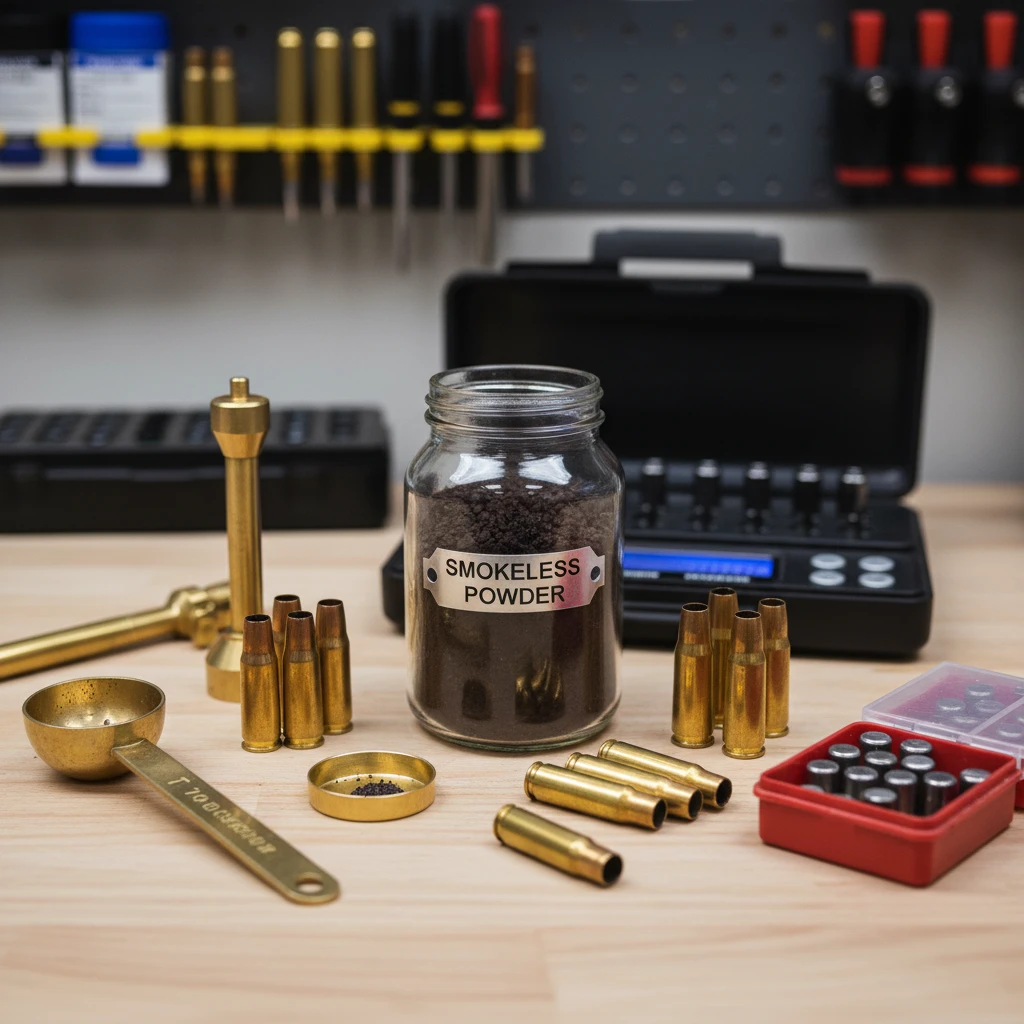
Smokeless powder is the engine of your reloaded ammunition, responsible for generating the gas pressure that propels the projectile. Its performance directly influences everything from muzzle velocity and accuracy to recoil and firearm stress. Selecting the correct type and amount of smokeless gun powder is not merely a suggestion; it’s a fundamental requirement for safe and effective reloading. An improper choice can lead to underperformance, erratic shot placement, or, in worst-case scenarios, catastrophic firearm failure. For instance, using a powder designed for heavy rifle loads in a light handgun cartridge could result in dangerously high pressures, damaging your firearm and potentially causing severe injury. Conversely, a powder too fast for a given rifle cartridge might burn inefficiently, leading to reduced velocity and increased muzzle flash. The consistency of smokeless powder is also key; lot-to-lot variations, while rare with reputable manufacturers, can subtly alter pressure and velocity, underscoring the importance of using established brands and adhering strictly to load data. This meticulous attention to detail is what separates competent reloaders from those who might inadvertently risk their safety and equipment. Learning to interpret load data charts and understand the nuances of different powders is a cornerstone of responsible reloading.
The journey of reloading precision ammunition, whether for competitive shooting, hunting, or self-defense, begins with understanding the powder’s role. It dictates the energetic release within the cartridge, and any deviation from its intended application can have far-reaching consequences. For example, when handloading for hunting situations, a slow-burning rifle powder ensures maximum velocity and energy transfer at longer ranges, crucial for ethical game harvesting. In contrast, for handgun ammo intended for self-defense, a faster-burning powder might be preferred to reduce barrel time and muzzle flash, making follow-up shots easier and less disorienting in low-light conditions. The goal is always to achieve optimal performance within safe pressure limits specified for the firearm and cartridge. This careful balancing act highlights why powder selection is often considered the most critical step in the reloading process, more so than even the selection of primers or bullet types, as discussed in primer types, which also contribute significantly to ignition consistency.
Understanding Smokeless Powder: Types and Their Impact on Performance
Smokeless powders are broadly categorized by their burn rate, a measure of how quickly they combust. This rate is influenced by the powder’s chemical composition, grain size, shape, and density. Generally, powders are classified as fast, medium, or slow burning. Fast-burning powders, such as those used in many handgun cartridges and smaller rifle rounds like .223 Remington, ignite rapidly, producing a quick pressure spike ideal for shorter barrels and lighter bullets. Medium-burning powders offer a balance, suitable for a wide range of rifle and some magnum handgun cartridges. Slow-burning powders are reserved for large-capacity rifle cartridges, like those used for long-range shooting or magnum hunting, where they provide sustained pressure build-up over a longer barrel, maximizing velocity and energy. The choice of powder burn rate is directly tied to the cartridge’s powder capacity and the desired ballistic outcome. Attempting to substitute a fast powder for a slow one in a large rifle case can lead to incomplete combustion, excessive muzzle flash, and reduced performance, while using a slow powder in a cartridge with low capacity can create dangerously high pressures.
Beyond burn rate, the physical characteristics of smokeless powder grains play a significant role in powder handling and metering. Powders come in various forms: bulk powders (like flake or tubular powders) are generally easier to meter but can be less consistent in ignition, while extruded (rod-shaped) and ball (spherical) powders often offer superior metering accuracy and more consistent ignition. For example, ball powders, due to their uniform spherical shape, flow very smoothly through powder measures, making them popular for high-volume reloading operations. Extruded powders, often found in slower-burning rifle formulations, can be more prone to bridging in powder measures but offer excellent performance when properly metered. The choice here often comes down to the reloader’s equipment and personal preference, but understanding how grain shape affects metering precision is crucial for consistent results, especially when reloading for calibers that require exact powder charges, such as those used in match shooting.
Choosing the Right Smokeless Gun Powder: A Practical Guide for Reloaders
Selecting the appropriate smokeless gun powder for your reloading project is a multi-faceted decision, beginning with the firearm’s caliber and the intended application. Reputable reloading manuals, such as those published by Hodgdon, Sierra, or Lyman, are invaluable resources. They provide detailed load data, including recommended powders, charge weights, velocities, and pressure levels for specific bullet weights and combinations. It is critically important to consult these manuals and never deviate from published data without a thorough understanding of the implications. For instance, when reloading rifle ammo for hunting medium game, you’d look for slower-burning powders that achieve optimal velocity with heavier bullets. For plinking or self-defense, faster-burning powders in handgun cartridges might be more suitable, offering good performance in shorter barrels and lower recoil. Always start with the minimum recommended charge weight and work up incrementally while carefully observing for any signs of excessive pressure, such as sticky extraction or flattened primers. This methodical approach is essential for safety and achieving the desired performance.
Beyond caliber and application, consider the physical characteristics of the powder and how it will be handled. If you are new to reloading or prioritize speed and ease of use, spherical (ball) powders are often recommended due to their excellent flow characteristics through powder measures, leading to consistent charge weights. For example, a reloader working with a progressive press for high-volume handgun ammo might find powders like Alliant Bullseye or Hodgdon Clays to be good choices. Conversely, if you are loading for precision rifle applications where extreme accuracy is paramount, you might opt for extruded powders, which, while sometimes requiring more careful metering, can offer superior lot-to-lot consistency and burn characteristics. For those involved in reloading for shotgun ammo, specific shotshell powders designed for optimal performance in shotshell hulls are necessary, and their selection will depend heavily on the intended gauge and load type, whether for sporting clays or waterfowl hunting.
Beyond the Burn Rate: Key Characteristics of Smokeless Powder to Consider
While burn rate is the primary determinant of a powder’s suitability for a given cartridge, several other characteristics significantly influence its performance and handling. Bulk density is one such factor; it dictates how much powder volume fits into a given space. A denser powder will require a smaller charge by volume compared to a less dense one, which can be important for cartridges with limited powder capacity. For example, a highly dense powder might be essential for filling a large rifle case without resorting to overly bulky charges that could lead to inconsistent ignition or degradation of the powder column. Understanding bulk density helps reloaders avoid over or undercharging when using volume-based powder measures, especially if they are using data derived from weight measurements or vice-versa. This is particularly relevant when comparing different powder families for similar applications, as noted in discussions about finding the right smokeless gun powder.
Another crucial consideration is temperature sensitivity. Some smokeless powders are more prone to exhibiting significant changes in pressure and velocity when exposed to extreme temperature fluctuations. While modern powders are generally more stable than their predecessors, it’s a factor that can impact reliability, especially for hunters operating in diverse climates or competitive shooters whose events span varying conditions. Manufacturers often specify the stability of their powders. For extreme temperature environments, seeking out temperature-stable formulations is advisable. Furthermore, the presence of deterrent coatings and the way the powder is manufactured (e.g., single-base, double-base, or triple-base powders) affect burn characteristics, energy output, and stability. Double-base powders, containing nitroglycerin in addition to nitrocellulose, typically offer higher energy density than single-base powders, leading to potentially higher velocities but sometimes greater temperature sensitivity. This complexity is why adhering to manufacturer data is paramount, and why exploring trends in new propellant technologies, as seen in resources discussing top reloading powder trends, is always beneficial for informed decisions.
Safety First: Handling and Storing Smokeless Powder with Confidence
Smokeless powder, the energetic heart of modern ammunition, demands respect and adherence to strict safety protocols. Its volatile nature means that improper handling or storage can lead to accidental ignition, posing significant risks to the reloader and their environment. Understanding the fundamental principles of safe powder management is non-negotiable. This begins with recognizing that smokeless powder is a flammable material and should be treated as such. Always store powder in a cool, dry, well-ventilated area, away from direct sunlight, heat sources, and open flames. Fluctuations in temperature and humidity can affect powder stability and performance over time, making controlled environments crucial. Never store powder in direct sunlight or near furnaces, water heaters, or any appliance that generates significant heat.
When transferring smokeless powder, static electricity is a primary concern. This invisible danger can cause ignition. To mitigate this risk, use non-sparking tools and ensure you are grounded. Many reloaders wear anti-static wrist straps or conduct transfers on grounded mats. Always open containers carefully and avoid pouring powder rapidly, which can generate static. If you are reloading in a workshop, consider using a humidifier during dry seasons to reduce static buildup. Furthermore, keep containers tightly sealed when not in use to prevent contamination and moisture absorption. Never mix different types or brands of smokeless powder, as their burn rates and chemical compositions vary significantly, potentially leading to unpredictable and dangerous pressure spikes.
The quantity of smokeless powder stored is also a critical safety factor. Local regulations often dictate maximum storage amounts for individual residences. Exceeding these limits can not only be illegal but also significantly increase the potential hazard. For bulk storage, dedicated powder magazines or approved storage cabinets are highly recommended. These are designed to offer a degree of fire resistance and ventilation. Inspect your powder containers regularly for any signs of degradation, such as bulging, unusual odors, or discoloration. If you suspect any issues with your smokeless powder, do not attempt to use it. Instead, consult resources like the Bureau of Alcohol, Tobacco, Firearms and Explosives (ATF) guidelines or local fire department recommendations for proper disposal procedures. Following these steps ensures that your reloading process remains a rewarding hobby rather than a dangerous undertaking.
Matching Powder to Projectiles: Optimizing Loads for Handgun and Rifle Ammo
The intricate dance between smokeless powder, projectile weight, and cartridge case is what defines the performance of your reloaded ammunition. Selecting the correct powder is paramount for achieving desired velocity, accuracy, and safe operating pressures. For handgun ammo, powders are generally faster-burning, designed to ignite and propel lighter bullets at efficient speeds within the shorter barrels of pistols. Conversely, rifle ammo typically utilizes slower-burning powders. These powders provide a more sustained burn within longer rifle barrels, generating higher velocities and energy suitable for long-range shooting and hunting. Understanding the burn rate spectrum – from fast to medium to slow – is fundamental. Fast-burning powders are often used in smaller capacity cartridges like .22 Hornet or .38 Special, while slow-burning powders excel in large capacity rifle cartridges like .30-06 Springfield or .300 Winchester Magnum.
When selecting a smokeless powder, consult reliable load data. Manufacturers of smokeless powder, such as Hodgdon, Alliant Powder, and Vihtavuori, provide extensive load charts for various cartridges and projectiles. These resources are invaluable for beginners and experienced reloaders alike. For instance, when reloading for self-defense handgun loads, you might opt for a medium-fast pistol powder to achieve a balance of recoil, velocity, and muzzle flash. For precision rifle ammo intended for match shooting, a slower, more temperature-stable powder might be preferred to ensure consistent performance across varying environmental conditions. Always remember that the weight and construction of the projectile (e.g., lead, jacketed hollow-point, boat-tail) significantly influence powder selection. Heavier bullets generally require slower-burning powders to reach optimal velocity.
A critical consideration is the relationship between powder charge weight and case capacity. Overcharging a case with powder, especially a fast-burning type, can lead to dangerously high pressures that can damage your firearm or cause injury. Conversely, undercharging can result in poor ignition or erratic performance. Always start with the minimum recommended charge weight from a reputable load manual and work up incrementally, watching for signs of excessive pressure such as flattened primers or difficult extraction. The goal is to find a powder that burns efficiently and safely within the specific cartridge and firearm combination. Exploring resources like load data best practices can further refine your understanding and application of these principles. This methodical approach ensures you achieve optimal results for your specific needs, whether for competitive shooting, hunting, or personal defense.
Common Reloading Mistakes to Avoid with Smokeless Powder
Reloading offers significant advantages in terms of cost savings and ammunition customization, but it also presents several pitfalls, particularly concerning the handling of smokeless powder. One of the most dangerous mistakes is “double charging” a cartridge case. This occurs when a reloader inadvertently deposits two full charges of powder into a single case. The consequences are severe: extreme pressure spikes that can cause catastrophic firearm failure, leading to severe injury. Implementing a rigorous inspection process is vital. Many reloaders use powder tricklers and scales for precise measurement, and visual inspection of each charged case before seating a bullet is a crucial final check. Using a strong light source can help identify cases that appear to contain an excessive amount of powder.
Another common and equally dangerous error is using incorrect load data or deviating from published specifications. Load manuals are developed through extensive testing and provide safe starting and maximum charge weights for specific cartridge, powder, and projectile combinations. Blindly increasing powder charges beyond these recommendations, or using data intended for a different projectile weight or powder type, can lead to unsafe pressures. It’s imperative to always refer to up-to-date load data from reputable sources, such as powder manufacturers or established reloading manuals. When reloading for calibers like those found in popular reloading calibers, ensuring accuracy in your data is paramount.
Failure to properly manage static electricity during powder handling is another significant oversight. Static discharge can ignite smokeless powder, especially in dry environments. This risk is heightened when transferring powder from a large container to a powder measure or directly into cases. Using anti-static mats, grounding straps, and maintaining a slightly humid environment in your reloading area can help mitigate this risk. Additionally, improperly seating bullets can lead to headspace issues and unsafe pressure. If a bullet is seated too deeply, it can reduce the available case volume, effectively increasing the powder-to-volume ratio and thus pressure. Conversely, a bullet seated too far out might not chamber properly. Always verify the overall cartridge length (COL) against load manual recommendations or firearm chamber specifications. Consistent and accurate measurements, alongside diligent inspection, form the bedrock of safe and effective reloading.
The Importance of Consistent Primers When Reloading
While smokeless powder is the primary propellant, the primer plays an equally crucial, albeit smaller, role in igniting that propellant reliably and consistently. A primer is a small explosive charge that, when struck by the firing pin, generates a hot flame to ignite the smokeless powder. The consistency of this ignition is directly tied to the performance of your reloaded ammunition. Inconsistent primer ignition can lead to a variety of issues, including hangfires (a delay between trigger pull and ignition), misfires (no ignition), and variations in muzzle velocity. These problems are particularly detrimental in precision shooting disciplines and for self-defense applications where reliability is paramount.
The type of primer used must be matched to the cartridge and intended application. For instance, standard primers are generally sufficient for many common loads, but magnum primers are often recommended for larger rifle cartridges or when using slower-burning powders, as they provide a hotter and longer-lasting flame to ensure complete ignition. Similarly, pistol primers differ from rifle primers in their thickness and composition to match the requirements of their respective cartridge types. Using the wrong type of primer can result in under-ignition or, in some cases, excessive pressure. For those reloading handgun ammo, ensuring you select the correct primer for your specific cartridge and powder combination is critical for both safety and performance.
Furthermore, the consistency in primer seating depth is vital. Primers should be seated flush with the base of the cartridge case, or slightly below flush, depending on the specific firearm. A primer seated too high can prevent the cartridge from chambering fully or cause ignition issues if the firing pin cannot strike it with sufficient force. Conversely, a primer seated too deeply can lead to slam-fire in certain firearms, especially those with floating firing pins. Many reloaders use priming tools that offer tactile feedback and adjustable depth settings to ensure uniformity. The reliability of your reloaded ammunition hinges on the performance of every component, and primers are no exception. Exploring detailed information on primer types for reloading will help you make informed decisions to enhance the precision and dependability of your handloads.
From Benchrest to the Field: Selecting Powder for Specific Shooting Disciplines
Choosing the right smokeless powder is paramount for optimizing performance across diverse shooting disciplines. For precision benchrest shooting, where minute-of-angle accuracy is the sole objective, powders that burn exceptionally cleanly and consistently are favored. These often include finer-grained powders like Hodgdon Varmint-Lethal or Alliant Reloder 15, which are known for their consistent ignition and minimal barrel fouling, allowing for rapid follow-up shots or prolonged strings without significant degradation in accuracy. The goal here is to achieve a burn rate that maximizes velocity while maintaining primer consistency and projectile stability. In contrast, hunters often prioritize powders that offer broad temperature stability and reliable performance across a range of environmental conditions. For hunting applications, especially in cartridges like the .30-06 Springfield or .308 Winchester, powders such as IMR 4064 or Winchester 760 provide a good balance of velocity, energy transfer, and resilience to temperature fluctuations, crucial for unpredictable outdoor environments. These loads are designed to deliver sufficient energy on target for ethical game harvesting.
Competitive shotgunners, particularly those involved in disciplines like trap, skeet, or sporting clays, require powders that facilitate fast and consistent ignition for rapid follow-up shots and optimal payload velocity for target engagement. Common choices include powders like Hodgdon Clays or Alliant Red Dot, which are fast-burning and designed for light-to-medium shotgun loads. These contribute to reduced recoil and quick cycling of semi-automatic shotguns, critical for maintaining speed and control during a competition. The emphasis here is on a powder that burns rapidly, propelling the shot column with speed and efficiency, minimizing perceived recoil for the shooter. For handgun ammunition, especially for self-defense or competitive practical shooting, powders that offer a good balance of velocity, manageable recoil, and clean burning are essential. For instance, in a 9mm Luger or .45 ACP, powders like Hodgdon CFE Pistol or Alliant Unique can provide excellent performance, offering a robust energy transfer while keeping recoil within manageable limits for rapid fire. Mastering these choices ensures your handgun ammo performs as expected.
Finally, for rimfire cartridge reloading (where applicable, as true rimfire is not typically reloaded but this extends to similar centerfire cartridges often used for practice), the focus shifts towards cost-effectiveness and consistent performance for target practice and plinking. While less common than centerfire reloading, when it comes to enhancing accuracy for rimfire ammo, selecting appropriate propellants for similar-caliber centerfire cartridges used for practice, like .22 Hornet or .17 HMR, involves balancing economy with precision. Powders like Hodgdon Lil’ Gun or Accurate 1680 are often considered for their specific burn rates suited to these smaller, high-velocity cartridges. The key across all disciplines is consulting reputable load data and understanding how powder choice directly impacts velocity, pressure, accuracy, and recoil, ensuring your reloading efforts align perfectly with your shooting goals. Understanding the nuances of each powder type is a cornerstone of successful smokeless gun powder usage.
Troubleshooting Common Reloading Issues Related to Smokeless Powder
Several common issues can arise during the reloading process specifically linked to smokeless powder. One frequent problem is inconsistent velocity between reloaded cartridges. This can often stem from variations in powder charges. For instance, using a volumetric measure without careful calibration or failing to trickle charges to an exact weight can lead to significant deviations. A typical discrepancy of just 0.3 grains of powder in a medium rifle load can result in a velocity spread of 50-100 feet per second, impacting accuracy. To combat this, meticulous weighing of every powder charge using a quality digital scale and employing a powder trickler for fine adjustments are essential steps. Another prevalent issue is primer-related ignition problems, which can sometimes be exacerbated by powder characteristics. If a powder is too coarse or doesn’t flow well into the primer pocket, it can interfere with proper primer seating or create inconsistent ignition, leading to misfires or squib loads.
Over-pressure signs, such as ejector marks on brass or significantly flattened primers, are critical indicators that something is wrong, and powder choice or charge weight is often the culprit. Using a powder that is too fast-burning for a given cartridge, or exceeding recommended maximum charges, can rapidly spike pressure beyond safe limits. For example, in a .223 Remington, using a pistol powder intended for much lower pressures could result in dangerously high chamber pressures. Always adhere strictly to published load data from reliable sources, like the powder manufacturer or reputable reloading manuals, and start at the lower end of the recommended charge range, working up cautiously while observing pressure signs. Conversely, under-pressure issues, sometimes referred to as “keyholing” where bullets tumble and impact the target sideways, can also be linked to powder selection. If the powder burns too slowly for the cartridge and barrel length, it may not generate sufficient velocity to stabilize the bullet properly, particularly in shorter barrels.
A less obvious but impactful issue is powder degradation over time due to improper storage. Smokeless powders are sensitive to moisture and extreme temperatures. Storing powder in humid environments can lead to absorption of water, which can alter its burn rate unpredictably and reduce its efficacy. Likewise, repeated exposure to extreme heat or cold can degrade the powder’s chemical composition. This degradation can manifest as erratic ignition, reduced muzzle velocity, or even increased fouling. It’s crucial to store smokeless powder in a cool, dry place, away from direct sunlight and ignition sources, ideally in its original container with a tightly sealed lid. Regularly inspect your stored powder for any signs of clumping, unusual odors, or color changes, which are indicators that it may have gone bad and should be safely disposed of, not used in your smokeless gun powder loads.
The Future of Reloading: Innovations in Smokeless Gun Powder
The landscape of smokeless gunpowder is continually evolving, driven by demand for enhanced performance, greater safety, and improved environmental considerations. A significant area of innovation focuses on developing powders with reduced sensitivity to temperature fluctuations. Traditional smokeless powders can exhibit changes in burn rate based on ambient temperature, affecting ballistic consistency and making precise shooting challenging in extreme conditions. Newer formulations are emerging that aim for “temperature-stable” performance, meaning their burn characteristics remain remarkably consistent whether fired in sub-zero conditions or desert heat. This is particularly beneficial for hunters and competitive shooters operating in diverse climates. Brands are investing heavily in research to achieve this consistency without compromising energy output or causing excessive fouling.
Another frontier in smokeless gunpowder development involves the creation of “cleaner burning” propellants. This means reducing the amount of residue left in the firearm barrel after firing. Excessive fouling can lead to increased cleaning requirements, potential ignition problems, and a degradation of accuracy over a shooting session. Innovations include new propellant compositions and deterrent coatings that promote more complete combustion. For example, advanced formulations might incorporate additives that help scour the barrel as the bullet travels, minimizing carbon and unburnt powder deposits. This focus on cleaner burning contributes to longer intervals between cleanings and maintains peak performance during extended shooting engagements, which is advantageous for both smokeless gun powder precision reloading and general firearm maintenance.
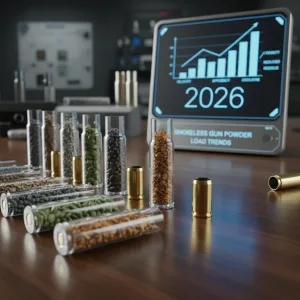
Furthermore, the industry is exploring more sustainable manufacturing processes and potentially biodegradable components within the powders themselves, although this is a longer-term goal. The emphasis on safety also continues to drive innovation, with a focus on developing powders that are less prone to accidental detonation or rapid pressure spikes, even when mistakes are made in loading. Advances in understanding burn dynamics and propellant chemistry are leading to safer-to-handle and more forgiving propellants. These developments promise to make reloading more accessible and reliable for a broader range of shooters, while also addressing some of the environmental impacts associated with ammunition. The ongoing evolution of reloading powder trends indicates a bright future for enthusiasts.
Whether you are sourcing components for precision rifle cartridges or looking for reliable propellants for your favorite shotgun ammo, understanding the nuances of smokeless powder is key to successful reloading.
Northern Reloading is a trusted resource for all your reloading needs, offering a comprehensive selection of smokeless gun powder, primers, and ammunition to help you achieve optimal performance in your shooting endeavors.


About author


Add comment