

Rimfire Ammo: Improving Accuracy for Target Practice
Rimfire ammunition, particularly the venerable .22LR, holds a special place in the hearts of shooters. From its affordability to its gentle recoil, it’s a gateway cartridge for beginners and a cherished practice tool for seasoned marksmen. But beyond its accessibility lies a world of nuances that, when understood, can unlock remarkable accuracy and enhance your target practice sessions.
This guide delves into the specifics of rimfire ammunition, exploring how different types, bullet weights, and even primer compositions can impact your shooting precision. We’ll also examine the crucial role of your firearm, proper technique, and environmental factors in achieving consistent accuracy with rimfire. Let’s explore how to turn those plinking sessions into pinpoint precision.
Unlocking Pinpoint Accuracy: Why Rimfire is Ideal for Training
Cost-Effectiveness for High-Volume Shooting
One of the most significant advantages of rimfire ammunition, especially .22LR, is its affordability. This lower cost allows for high-volume shooting without breaking the bank, enabling shooters to dedicate more time to practice. For example, a shooter could easily fire 500 rounds of .22LR for the same cost as 100 rounds of a centerfire cartridge like 9mm. This difference in price allows for more repetitions, more opportunity to refine technique, and ultimately, improved accuracy. The ability to shoot more often translates directly into muscle memory development and a deeper understanding of the fundamentals. Remember to always practice safe gun handling at the range.
Reduced Recoil for Improved Follow-Through
Rimfire cartridges, particularly the .22LR, produce significantly less recoil than centerfire cartridges. This minimal recoil allows shooters to focus on the critical elements of marksmanship, such as sight alignment, trigger control, and follow-through, without the distraction of a significant kick. The gentle recoil of rimfire allows for better observation of bullet impact and a more stable platform to analyze the effects of subtle changes in technique. Improved follow-through is crucial; it’s the continuation of the shooting motion after the shot has broken, ensuring that the firearm remains stable and pointed at the target. This is especially beneficial for new shooters or those working on overcoming flinching habits.
Versatility Across Different Shooting Disciplines
Rimfire firearms and ammunition are remarkably versatile, suitable for a wide range of shooting disciplines. From casual plinking and target practice to competitive events like rimfire benchrest shooting and silhouette competitions, rimfire offers something for everyone. The accuracy potential of rimfire is often underestimated, with some competitions requiring incredible precision at distances exceeding 100 yards. Beyond the competitive arena, rimfire is also suitable for small game hunting, pest control, and introductory firearms training. This versatility makes it an excellent choice for shooters who enjoy exploring different aspects of the shooting sports.
Understanding Rimfire Ammunition Variations: A Key to Precision
Types of Rimfire Ammunition: .22LR, .22 Short, .22 Magnum, and .17 HMR
The rimfire family includes several variations, each with unique characteristics and applications. The most common is the .22 Long Rifle (.22LR), known for its versatility, affordability, and availability. It’s a standard choice for training, plinking, and small game hunting. The .22 Short is a shorter, lower-powered cartridge primarily used in older firearms or for very short-range target practice. The .22 Winchester Magnum Rimfire (.22 Magnum or .22 WMR) offers significantly more power and a flatter trajectory than the .22LR, making it suitable for longer-range varmint hunting. Finally, the .17 Hornady Magnum Rimfire (.17 HMR) is a high-velocity, flat-shooting cartridge known for its accuracy and effectiveness on small varmints at extended distances. Each type requires a firearm chambered specifically for that cartridge; using the wrong ammunition can be dangerous.
Bullet Weights and Their Impact on Trajectory
Rimfire ammunition comes in various bullet weights, typically ranging from 30 to 40 grains for .22LR. Lighter bullets generally exhibit higher velocities but may be more susceptible to wind drift and lose energy more quickly. Heavier bullets, on the other hand, tend to retain energy better and offer improved stability in windy conditions, but they may have a lower initial velocity. The optimal bullet weight depends on the specific firearm, the intended target distance, and environmental conditions. For example, a 40-grain bullet is often preferred for target shooting at 50-100 yards, while a lighter 36-grain bullet might be suitable for shorter-range plinking. Experimentation is key to finding the bullet weight that performs best in your rifle or handgun.
Primer Composition and Its Effect on Ignition Consistency
The primer is a critical component of rimfire ammunition, responsible for igniting the powder charge. Rimfire primers are integrated into the rim of the cartridge case. Variations in primer composition and manufacturing processes can significantly impact ignition consistency, which directly affects accuracy. Some ammunition manufacturers use proprietary primer formulations designed to deliver more consistent ignition and reduce variations in velocity. Inconsistent ignition can lead to erratic bullet trajectories and reduced accuracy, especially at longer distances. While shooters cannot directly modify primer composition in factory ammunition, selecting ammunition from reputable manufacturers known for their quality control can significantly improve ignition consistency. Understanding primer performance issues can also help diagnose accuracy problems.
Factors Influencing Rimfire Accuracy: Beyond the Bullet Itself
Barrel Quality and Bore Condition: Maintaining a Clean and Consistent Surface
The quality of the firearm’s barrel is a crucial determinant of accuracy. A well-made barrel with precise rifling will impart consistent spin to the bullet, leading to a more stable trajectory. Bores should be free of imperfections, such as pitting or excessive roughness. Regular cleaning is essential to maintain a consistent bore condition and prevent the build-up of lead and powder residue, which can degrade accuracy. Using a bore brush and a quality solvent is recommended after each shooting session. A clean and well-maintained bore ensures that each bullet experiences the same friction and spin, leading to tighter groups. Fouling can drastically affect accuracy, even with high-quality ammunition.
Rifle/Handgun Stability: Minimizing Movement During the Shot
Maintaining a stable shooting platform is paramount for achieving accuracy with any firearm, but especially with rimfire rifles and handguns, where even slight movements can significantly impact the point of impact. Proper shooting techniques, such as using a bipod or sandbags for support when shooting a rifle, or a stable two-handed grip for a handgun, are essential. Additionally, the shooter’s stance and body position should be consistent from shot to shot. Minimizing movement during the shot allows the firearm to remain aligned with the target, reducing the potential for errors caused by shifting or wobbling. Practicing dry-firing can help improve stability and identify any inconsistencies in your shooting form.
Trigger Control: Mastering a Smooth and Consistent Pull
Trigger control is arguably the most critical aspect of accurate shooting. A smooth and consistent trigger pull is essential to avoid disturbing the firearm’s alignment with the target during the shot. Jerking or slapping the trigger can cause the muzzle to move, resulting in a missed shot. Instead, focus on applying gentle, consistent pressure to the trigger until the shot breaks. Practicing dry-firing with snap caps can help develop proper trigger control without the distraction of recoil. Consider upgrading to an aftermarket trigger with a lighter pull weight or a crisper break for improved accuracy. Remember, a smooth trigger pull is a learned skill that requires dedicated practice and concentration.
Choosing the Right Rimfire Ammo for Your Target Practice Needs
Matching Ammunition to Your Firearm: Caliber and Chamber Compatibility
Ensuring that the ammunition you select is compatible with your firearm is paramount. Always verify that the ammunition is of the correct caliber and that it is designed for use in the specific firearm you intend to use. Using the wrong ammunition can be dangerous and could potentially damage your firearm or cause serious injury. Most firearms will have the caliber clearly marked on the barrel or receiver. Never attempt to force ammunition into a firearm if it does not fit easily. When in doubt, consult the firearm manufacturer’s recommendations or seek advice from a qualified gunsmith. Some firearms may also have specific ammunition preferences, such as a preference for standard velocity or high-velocity .22LR.
Considering Distance and Target Size: Selecting the Appropriate Grain Weight
The distance to the target and the size of the target significantly influence the choice of ammunition. For shorter distances, such as 25-50 yards, a standard velocity .22LR with a 40-grain bullet may be sufficient. However, for longer distances, such as 100 yards or more, a high-velocity or hyper-velocity .22LR or even a .17 HMR might be more appropriate to compensate for bullet drop and wind drift. Smaller targets require more precise ammunition and a more stable shooting platform. Consider the ballistic characteristics of different ammunition types and how they perform at various distances. For example, hyper-velocity ammunition may offer a flatter trajectory but may also be more susceptible to wind drift due to its lighter bullet weight.
Analyzing Ballistic Data: Velocity, Drop, and Wind Drift Charts
Understanding the ballistic performance of different rimfire ammunition types is essential for making informed decisions about ammunition selection. Ballistic data, such as velocity, bullet drop, and wind drift, can be found on ammunition manufacturer websites or in reloading manuals. Analyzing this data allows shooters to predict the trajectory of the bullet and make necessary adjustments for distance and wind. Ballistic charts typically show the bullet drop in inches or mils at various distances, as well as the amount of wind drift caused by a crosswind of a specific velocity. Understanding how to interpret and apply this data can significantly improve accuracy, especially at longer ranges. Keep in mind that ballistic data is typically generated under controlled conditions and may vary depending on the specific firearm, environmental conditions, and altitude. Content repurposing can help in understanding such data.
Optimizing Your Rimfire Rifle/Handgun for Enhanced Accuracy
Upgrading Your Sights: Exploring Options Like Scopes and Red Dots
Improving the sighting system on your rimfire firearm can significantly boost accuracy. Factory sights, while functional, often lack the precision and adjustability needed for consistent target practice. Upgrading to a quality scope or red dot sight allows for a clearer and more precise aiming point, especially at longer distances. When selecting a scope, consider factors like magnification, objective lens size, and parallax adjustment. Higher magnification is useful for seeing smaller targets further away, but it can also amplify any movement. Look for scopes specifically designed for rimfire rifles, as they typically have parallax settings calibrated for the shorter distances at which rimfire rifles are commonly used. A crucial decision factor is finding the correct eye relief; an improper eye relief will lead to improper shooting form. Similarly, with red dot sights, consider the size of the dot, battery life, and mounting options. A smaller dot will provide a more precise aiming point, while a larger dot may be easier to acquire quickly. Choosing between a scope and a red dot often comes down to personal preference and the intended use. Scopes generally offer greater magnification and precision, while red dots provide faster target acquisition and a wider field of view. Investing in quality mounts is also essential to ensure that your chosen optic is securely attached to your firearm and maintains zero. A poor mount can shift zero and undo all your hard work of accurate sighting. You can check out different reloading for beginners & pros if you are a beginner to reloading and want to improve your gun.
Adjusting the Trigger: Reducing Creep and Over-Travel
The trigger is the interface between the shooter and the firearm, so trigger quality directly impacts accuracy. A heavy, gritty, or inconsistent trigger pull can make it difficult to maintain a steady aim and pull the trigger smoothly. Many rimfire rifles and handguns have triggers that can be adjusted to improve their feel and performance. The two most common adjustments are for creep and over-travel. Creep refers to the amount of movement the trigger has before it releases the sear. Reducing creep can make the trigger feel crisper and more predictable. Over-travel is the amount of movement the trigger has after it releases the sear. Reducing over-travel can prevent the shooter from unintentionally pulling the gun off target after the shot. Some aftermarket triggers for rimfire firearms offer even more advanced adjustments, such as pull weight and sear engagement. It’s critical to understand trigger mechanics and to proceed with caution when making adjustments. If you’re not comfortable working on your own trigger, it’s best to consult a qualified gunsmith. Improper adjustments can lead to unsafe conditions or even a malfunctioning firearm.
Aftermarket triggers can make a huge difference. Always test the firearm after any adjustments to ensure it functions safely and reliably. The process should also be done with snap caps, not live ammunition.
Improving Stock Stability: Using a Stable Rest or Bipod
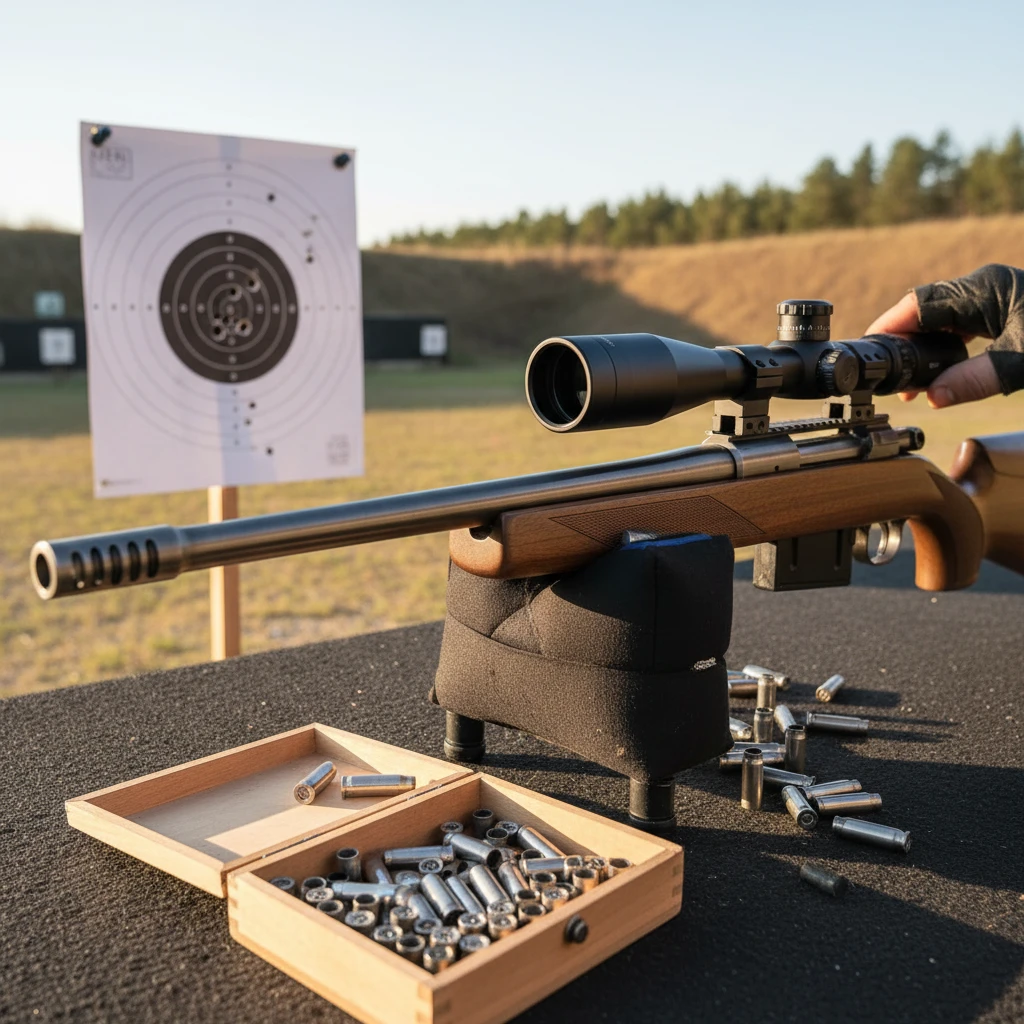
A stable platform is crucial for achieving consistent accuracy with any firearm. In rimfire shooting, this is especially important because the relatively low power of the cartridge means that even small movements can have a significant impact on the point of impact. Using a stable rest or bipod can significantly reduce wobble and improve consistency. When shooting from a bench, a sandbag or adjustable shooting rest can provide a solid foundation for the rifle. For shooting from the prone position or in the field, a bipod can offer similar stability. Consider the terrain and shooting conditions when selecting a rest or bipod. A lightweight and adjustable bipod may be ideal for hunting or shooting in uneven terrain, while a heavier and more stable rest may be preferable for benchrest shooting. Ensure that the rest or bipod is properly adjusted to the correct height and angle for your shooting position. A poorly adjusted rest can be just as detrimental to accuracy as shooting without one. Also, consider how the stock interfaces with the rest. Some shooters find that certain stock shapes are more stable than others when used with a rest. Experiment with different rests and shooting positions to find what works best for you. Proper form with the firearm, and making adjustments so that your bones are supporting the weight of the firearm and not your muscles, will improve accuracy. For more information, you can check out tips on rimfire accuracy.
Mastering Shooting Techniques for Rimfire Accuracy: Fundamentals Matter
Proper Stance and Grip: Ensuring a Solid Foundation
Shooting stance and grip are foundational elements of accurate shooting. A consistent and stable stance provides a solid base from which to control the firearm. The ideal stance will vary depending on the shooting position (standing, kneeling, sitting, or prone), but some general principles apply. Feet should be shoulder-width apart, with one foot slightly ahead of the other. Distribute your weight evenly and maintain a slight bend in your knees to absorb recoil. Lean slightly forward to maintain balance and control. Grip the firearm firmly but not excessively. A death grip can cause muscle tension and reduce accuracy. The goal is to maintain a consistent grip pressure without squeezing the gun too tightly. Your grip should be high on the backstrap of the handgun, or as high as is comfortable on the rifle. Support hand placement is also important. Experiment with different hand positions to find what feels most stable and comfortable. Avoid gripping the magazine well, as this can interfere with magazine feeding. With a rifle, find a comfortable cheek weld to align your eye with the sights. Consistency is key. Practice your stance and grip until it becomes second nature. Small adjustments in stance and grip can have a significant impact on accuracy.
Breathing Control: Minimizing Movement During the Shot
Breathing causes movement, and any movement during the shot can negatively impact accuracy. Breathing control aims to minimize this movement and allow for a more stable shooting platform. The basic technique involves taking a deep breath, exhaling about half of it, and then holding your breath briefly while you aim and fire. The pause should be natural and comfortable, typically lasting only a few seconds. Avoid holding your breath for too long, as this can cause muscle tension and reduce blood flow to the brain. Experiment with different breathing patterns to find what works best for you. Some shooters prefer to exhale completely before firing, while others prefer to hold a small amount of air in their lungs. The key is to find a rhythm that is comfortable and repeatable. Practice breathing control drills regularly. One drill involves aiming at a target and focusing on your breathing while maintaining a steady aim. Observe how your sight picture moves with each breath. With practice, you can learn to minimize this movement and improve your accuracy. Pay attention to the timing of your breathing in relation to the trigger pull. The goal is to break the shot smoothly and consistently during the brief pause in your breathing cycle. Avoid anticipating the shot, as this can cause you to jerk the trigger. Focus on maintaining a steady aim and allowing the shot to surprise you.
Sight Alignment and Focus: Achieving a Clear Sight Picture
Sight alignment and focus are essential for accurate shooting with any type of firearm. Proper sight alignment means aligning the front and rear sights (or the reticle in a scope) correctly in relation to the target. With iron sights, the goal is to center the front sight post or blade within the rear sight notch or aperture. The top of the front sight should be level with the top of the rear sight. With a scope, the reticle should be centered in the field of view. Focus is equally important. The eye can only focus on one thing at a time, so you need to choose the appropriate focal point. With iron sights, the ideal focus is on the front sight. The target and rear sight will appear slightly blurry, but the front sight should be crisp and clear. With a scope, the focus should be on the reticle. The target will appear sharp, but the reticle should be the primary focal point. Practice sight alignment and focus drills regularly. One drill involves focusing on the front sight (or reticle) and slowly moving the firearm back and forth while maintaining proper alignment. Observe how the sight picture changes as you move the gun. With practice, you can learn to quickly and accurately align the sights and maintain focus on the appropriate point. Remember to maintain consistent cheek weld. This improves consistency of your eye position.
Troubleshooting Common Rimfire Accuracy Issues
Inconsistent Groupings: Identifying Potential Causes
Inconsistent groupings on the target are a frustrating problem for any shooter. It indicates that something is causing the shots to scatter randomly, rather than clustering together tightly. Several factors can contribute to inconsistent groupings, and identifying the root cause is the first step toward resolving the issue. One common cause is ammunition. Rimfire ammunition, in particular, can be prone to variations in bullet weight, powder charge, and primer sensitivity. Try switching to a different brand or lot number of ammunition to see if that improves consistency. Another potential cause is loose or damaged scope mounts. Make sure that the scope is securely mounted to the rifle and that all screws are properly tightened. Also, check the scope itself for any signs of damage or internal problems. Shooter error is another common culprit. Inconsistent grip, trigger pull, or stance can all cause the shots to scatter. Pay close attention to your shooting technique and try to identify any areas where you may be making mistakes. Firearm maintenance is also important. A dirty or poorly maintained rifle can experience accuracy problems. Clean the bore regularly and lubricate the action to ensure smooth and consistent operation. Consider the environmental conditions, as well. Changes in wind, temperature, or humidity can all affect the trajectory of the bullet. Learn to read the wind and adjust your aim accordingly.
Vertical Stringing: Diagnosing Common Errors
Vertical stringing, where shots are aligned vertically on the target but not horizontally, can be indicative of several issues related to shooting technique or firearm setup. One common cause is inconsistent cheek weld. If your head is not consistently positioned on the stock of the rifle, your eye alignment with the sights will vary from shot to shot, resulting in vertical stringing. Ensure you’re consistently placing your cheek in the same spot on the stock for each shot. Another potential cause is breathing control. If you’re not holding your breath consistently or if you’re jerking the rifle as you exhale, this can cause vertical movement during the shot. Practice proper breathing control techniques and focus on maintaining a steady hold during the shot. Trigger control is also important. If you’re jerking the trigger or anticipating the shot, this can cause vertical movement. Practice smooth and consistent trigger pulls, focusing on squeezing the trigger straight back without disturbing the aim. Finally, consider the ammunition. Variations in bullet velocity can cause vertical stringing, especially at longer distances. Try switching to a different brand or lot number of ammunition to see if that improves consistency. Ensure the ammunition is appropriate for the barrel twist rate of the rifle. If the bullet is not stabilized adequately, this leads to vertical stringing. Also, ensure proper barrel cleaning procedures are in place.
Horizontal Stringing: Addressing Wind and Trigger Control Issues
Horizontal stringing, where shots are aligned horizontally but not vertically, often points to issues with wind and trigger control. Wind is a major factor, especially when shooting outdoors. Even a slight breeze can significantly affect the trajectory of a .22LR bullet, causing the shots to drift horizontally. Learn to read the wind by observing flags, trees, or mirage. Adjust your aim accordingly to compensate for the wind’s effect. Trigger control is another key factor. If you’re pulling the trigger to the side, this can cause horizontal movement during the shot. Practice smooth and consistent trigger pulls, focusing on squeezing the trigger straight back without disturbing the aim. Ensure that you are using the pad of your finger to pull the trigger, and not the first joint, as this can lead to pulling the trigger to the side. Grip can also play a role. An inconsistent or incorrect grip can cause horizontal movement. Make sure you have a firm but not overly tight grip and that you’re maintaining a consistent grip pressure for each shot. Some shooters use a spotter to read wind conditions and provide feedback. If you are reloading, make sure that your reloading primers are all seated properly. Even minor primer issues can contribute to deviations.
Alternatives to Rimfire Ammunition for Target Practice (and When to Choose Them)
Air Rifles: A Quieter and Often More Affordable Option
Air rifles provide a viable alternative to rimfire ammunition for target practice, particularly in environments where noise is a concern or where the cost of ammunition is a limiting factor. Air rifles are generally much quieter than firearms, making them suitable for backyard plinking or indoor ranges. They are also often more affordable to shoot, as pellets are significantly cheaper than rimfire ammunition. When choosing an air rifle, consider the type of power plant (spring-piston, gas-piston, or PCP), the caliber (.177, .22, or .25), and the intended use. Spring-piston and gas-piston air rifles are self-contained and require no external air source, making them convenient for field use. PCP (pre-charged pneumatic) air rifles offer greater power and accuracy but require an external air tank or pump for charging. The .177 caliber is a popular choice for target shooting due to its flat trajectory and low cost, while the .22 and .25 calibers are better suited for hunting small game. A quality air rifle can provide similar accuracy to a rimfire rifle at shorter distances. Air rifles are also a good option for introducing beginners to shooting, as they have less recoil and noise than firearms. Ensure you select the right airgun for your needs, as a poorly selected airgun may not provide the practice that you were looking for. Using an air rifle can often allow you to practice more often, as well.
Centerfire Ammunition (e.g., 9mm): For Practice Mimicking Self-Defense Scenarios
While rimfire ammunition is excellent for honing fundamental shooting skills, centerfire ammunition, such as 9mm, offers a more realistic training experience for self-defense scenarios. Centerfire handguns provide greater recoil, muzzle flash, and report compared to rimfire firearms, which more closely simulates the feel and sound of a defensive encounter. Practicing with centerfire ammunition allows shooters to develop better recoil control, faster target acquisition, and more effective follow-up shots. When using centerfire ammunition for target practice, focus on drills that emphasize speed, accuracy, and situational awareness. Practice drawing from a holster, engaging multiple targets, and shooting from different positions. It’s important to use appropriate safety measures when practicing with centerfire ammunition, including wearing eye and ear protection and following all range rules. Consider the cost of centerfire ammunition when planning your training sessions. Centerfire ammunition is generally more expensive than rimfire ammunition, so you may need to budget accordingly. Some shooters choose to supplement their centerfire training with dry-fire practice to reduce costs. Dry-fire practice involves practicing shooting techniques without live ammunition, allowing you to refine your skills without expending rounds. If you are a reloader, you can make a lot of accurate 9mm ammunition with different smokeless gun powders.
.22 Short: Using Less Powder, Less Noise
.22 Short ammunition is a variant of .22 rimfire that uses a smaller case and less powder than .22 Long Rifle. This results in lower velocity, less recoil, and reduced noise, making it suitable for situations where these factors are important. .22 Short is often used in gallery guns, indoor ranges, and areas where noise restrictions are in place. It is also a good option for introducing beginners to shooting, as it has very little recoil and is less intimidating than .22 Long Rifle. However, .22 Short ammunition has a shorter range and less energy than .22 Long Rifle, so it is not suitable for all types of target practice. It is best used for close-range plinking and basic marksmanship drills. Some .22 firearms can fire both .22 Short and .22 Long Rifle ammunition, while others are designed specifically for .22 Short. Make sure that your firearm is compatible with .22 Short before using it. .22 Short ammunition is generally less expensive than .22 Long Rifle, but it may be harder to find in some areas. If you are primarily concerned with noise reduction and recoil, .22 Short can be a viable alternative to .22 Long Rifle for certain types of target practice. Ensure that the firearm is cleaned more often when using .22 Short. Since it is a shorter cartridge, it is more prone to fouling the chamber.
Reloading .223/5.56 Rifle Ammo: For ultimate control over Rifle Ammo parameters
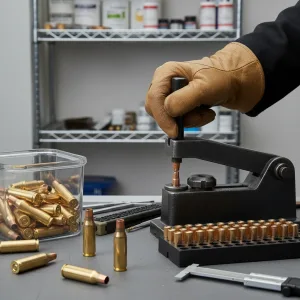
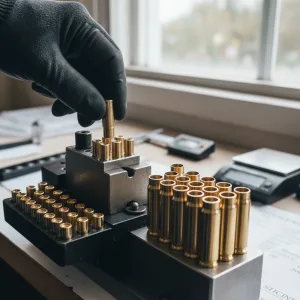
While .22 rimfire is not reloadable, those seeking ultimate control over their rifle ammunition’s parameters for target practice might explore reloading .223/5.56 centerfire rifle ammo. Reloading allows precise adjustments to bullet weight, powder charge, and primer selection, enabling handloaders to tailor ammunition to specific firearms and target distances. This level of customization can significantly enhance accuracy and consistency, especially in precision rifle competitions or varmint hunting. However, reloading requires specialized equipment, knowledge, and adherence to safety protocols. Reloaders must invest in a reloading press, dies, powder scale, and other essential tools. They also need to understand ballistic principles, load data, and safety procedures to avoid dangerous overloads or malfunctions. Reloading can be a time-consuming process, but it offers significant cost savings and allows for greater control over ammunition performance. Experienced reloaders can often produce ammunition that is more accurate and consistent than factory loads. For more information on proper powder loads, see accurate load data for your caliber. Before embarking on .223/5.56 reloading, thoroughly research the process, acquire the necessary equipment, and follow established safety guidelines. Always consult reputable reloading manuals and seek guidance from experienced reloaders. It is essential to use data from a reputable source like the Hodgdon Reloading Center [1](#ref-1).
Safety First: Handling and Storing Rimfire Ammunition Responsibly
Proper Storage Conditions: Maintaining Ammunition Stability
Proper storage of rimfire ammunition is crucial for maintaining its stability and ensuring reliable performance. Temperature fluctuations and excessive humidity are the primary enemies of ammunition. Ideally, store your rimfire rounds in a cool, dry place, away from direct sunlight and extreme temperature swings. Basements or climate-controlled storage units can be suitable options. Avoid storing ammunition in garages or attics where temperatures can fluctuate dramatically throughout the year. Using airtight containers, such as ammunition cans with rubber seals, provides an additional layer of protection against moisture. Consider adding desiccant packs to these containers to absorb any residual moisture. Regular inspection of your stored ammunition is recommended. Look for signs of corrosion, discoloration, or damage to the cartridges. Any compromised ammunition should be disposed of responsibly.
Safe Handling Practices: Avoiding Accidents and Injuries
Safe handling of rimfire ammunition is paramount to prevent accidents and injuries. Always treat every firearm as if it is loaded, and never point it at anything you do not intend to shoot. Keep your finger off the trigger until you are ready to fire. When handling ammunition, ensure your hands are clean and dry to maintain a secure grip. Avoid dropping cartridges, as this can damage the primer or the bullet. When loading magazines, exercise caution to prevent injury to your fingers or damage to the magazine. Always wear appropriate eye and ear protection when shooting rimfire firearms. Even though rimfire cartridges produce less recoil and noise than centerfire cartridges, the risk of eye and ear injury still exists. Never consume alcohol or drugs before or during shooting activities. Focus and clear judgment are essential for safe gun handling. Always adhere to the four rules of gun safety as outlined by the National Shooting Sports Foundation.
Disposal Procedures: Responsibly Discarding Unused or Defective Ammunition
Responsible disposal of unused or defective ammunition is essential for environmental protection and public safety. Never simply throw away ammunition in the trash or flush it down the toilet. Contact your local law enforcement agency or a licensed firearms dealer for guidance on proper disposal methods in your area. Many agencies and dealers offer ammunition disposal services. Alternatively, some shooting ranges may have designated collection points for unwanted ammunition. If you have a large quantity of ammunition to dispose of, consider contacting a professional hazardous waste disposal company. They can safely and legally dispose of the ammunition in accordance with environmental regulations. Never attempt to disassemble or destroy ammunition yourself, as this can be extremely dangerous. Improper disposal can lead to accidental explosions, injuries, and environmental contamination.
Beyond the Basics: Advanced Tips for Rimfire Target Practice
Reading Wind: Understanding Wind Effects on Trajectory
Understanding how wind affects the trajectory of a rimfire bullet is crucial for long-range accuracy. Even a slight breeze can significantly impact the bullet’s point of impact, especially at distances beyond 50 yards. Wind speed and direction are key factors to consider. Use a wind meter to accurately measure wind speed at the shooting range. Pay attention to changes in wind direction, which can be indicated by flags, trees, or mirage. Mirage, the visual distortion caused by heat rising from the ground, can also provide clues about wind direction and strength. Practice doping the wind by observing its effects on your shots and adjusting your aim accordingly. Remember that the wind’s effect on the bullet will vary depending on the bullet’s velocity and ballistic coefficient. Document your observations in a shooting log to improve your wind-reading skills over time. Consistent practice in varying wind conditions is essential for mastering this skill.
Range Estimation: Accurately Judging Distances
Accurate range estimation is essential for consistent accuracy in rimfire target practice, especially at longer distances where bullet drop becomes more pronounced. Using a laser rangefinder is the most precise method, providing exact distances to the target. However, it’s beneficial to develop the ability to estimate distances visually as well. Practice using known-distance targets to train your eye. Break down the distance into smaller, more manageable segments. For example, if the target is 100 yards away, try to visualize it as two 50-yard segments. Use landmarks or objects of known size to help gauge distances. For instance, estimate how many times the target height fits into the overall distance. Be aware of optical illusions that can distort your perception of distance, such as bright sunlight or uneven terrain. Consistent practice and verification with a rangefinder will improve your range estimation skills over time. This skill is especially beneficial in field shooting situations.
Data Recording and Analysis: Tracking Progress and Identifying Areas for Improvement
Meticulous data recording and analysis are vital for tracking your progress and identifying areas for improvement in your rimfire target practice. Keep a detailed shooting log that includes information such as the date, time, weather conditions, ammunition type, firearm, distance to the target, and the results of each shot. Record the wind speed and direction, as well as any adjustments you made to your sights or aiming point. Analyze your shot groups to identify patterns and trends. Are your shots consistently high or low, left or right? Are your groups tight or scattered? Use this data to diagnose potential problems with your technique, equipment, or ammunition. For example, inconsistent group sizes might indicate variations in ammunition performance. Review your shooting log regularly to identify areas where you can improve your consistency and accuracy. Consider using a ballistics calculator to predict bullet trajectory and optimize your aiming point at different distances. Regular analysis of your data allows you to make informed adjustments and accelerate your learning curve.
Must-Have Accessories for Rimfire Target Practice
Shooting Rest or Bipod: Providing a Stable Platform
A stable shooting platform is essential for maximizing accuracy in rimfire target practice. A shooting rest, such as a sandbag rest or a benchrest, provides a solid and consistent base for your firearm. This eliminates human wobble and allows you to focus solely on aiming and trigger control. Bipods, which attach directly to the firearm, offer a portable and versatile alternative for field shooting. Choose a bipod with adjustable legs to accommodate different terrain. When using a shooting rest or bipod, ensure that your firearm is properly supported and aligned with the target. Avoid resting the barrel directly on the rest, as this can affect the barrel’s harmonics and accuracy. Instead, rest the forend of the stock on the support. Experiment with different types of rests and bipods to find what works best for your shooting style and environment. A stable platform significantly reduces shooter-induced errors.
Spotting Scope or Binoculars: Observing Target Impacts
A high-quality spotting scope or binoculars are indispensable tools for observing target impacts at longer distances. Spotting scopes offer higher magnification than binoculars, allowing you to see bullet holes clearly, even at 100 yards or more. Look for a spotting scope with a large objective lens for optimal light gathering and clarity. Binoculars are a more portable option, ideal for field shooting or hunting scenarios. Choose binoculars with a magnification of at least 10x for adequate target observation. When using a spotting scope or binoculars, set them up on a stable tripod to eliminate image shake. Focus the scope or binoculars carefully to achieve a sharp and clear image. Use the scope or binoculars to observe the impact of your shots and make necessary adjustments to your aim. Accurate observation of target impacts is crucial for improving your accuracy and consistency. Note any patterns in your shots to diagnose potential issues.
Ammunition Storage Cases: Keeping Your Ammo Organized and Protected
Ammunition storage cases are essential for keeping your rimfire ammo organized, protected, and easily accessible. Choose cases made from durable materials such as plastic or metal to withstand the rigors of transportation and storage. Look for cases with individual compartments or dividers to prevent the cartridges from rubbing against each other and causing damage. Cases with a waterproof or water-resistant seal will protect your ammunition from moisture and humidity. Label each case clearly with the type of ammunition it contains to avoid confusion. Store your ammunition cases in a cool, dry place, away from direct sunlight and extreme temperatures. Proper organization and protection of your ammunition will ensure its reliability and longevity. A good storage case simplifies range trips and ensures consistent ammunition performance. Cases designed with lockable features can add an additional layer of safety and security, especially when children are present.
Where to Buy Quality Rimfire Ammo, Primers, and Smokeless Gun Powder
Checking Availability of .22LR, .22 Short, .22 Magnum, and .17 HMR Rimfire Ammo
Finding quality rimfire ammunition, particularly the popular .22LR, can sometimes be a challenge due to fluctuations in supply and demand. Regularly check online retailers like Northern Reloading for current stock levels. Sign up for email notifications to be alerted when your preferred ammo types, such as .22 Short, .22 Magnum, or .17 HMR, become available. Consider purchasing in bulk when possible to take advantage of potential discounts and ensure you have an adequate supply for your target practice needs. Be aware of any purchase limits or restrictions imposed by retailers or local regulations. Comparing prices from different vendors can help you find the best deals. Check customer reviews and ratings to assess the quality and reliability of the ammunition. Staying informed about market trends and availability will help you secure the rimfire ammo you need.
Purchasing Reloading Supplies: Smokeless Gun Powder and Primers
For those who prefer to reload their own ammunition, purchasing high-quality smokeless gun powder and primers is essential. Northern Reloading offers a wide selection of reloading supplies to meet the needs of various shooting disciplines. Research the appropriate type of smokeless gun powder and primers for your specific rimfire cartridge and firearm. Consult reputable reloading manuals for accurate load data and safety guidelines. When purchasing smokeless gun powder, be aware of any hazmat shipping fees or restrictions. Store your smokeless gun powder and primers in a cool, dry, and secure location, away from heat, sparks, and open flames. Follow all safety precautions when handling and using reloading supplies. Consider reading about best calibers for reloading. Proper storage and handling are crucial for safe and reliable reloading.
Shopping with Northern Reloading for Reliable Ammunition Products
Northern Reloading is committed to providing our customers with reliable, high-quality ammunition products. We offer a wide selection of rimfire ammunition, smokeless gun powder, and primers to meet the needs of hunters, sport shooters, and firearms enthusiasts across North America. Our website features detailed product descriptions, customer reviews, and secure online ordering. We prioritize customer satisfaction and strive to provide exceptional service. We also keep you up-to-date with updates on laws and safety guidelines relevant to ammunition. Our team of experts is available to answer your questions and provide technical support. Check out our guide to diagnosing common ignition problems for useful tips on reloading. Shop with confidence at Northern Reloading, knowing that you are getting reliable products from a trusted source.
By prioritizing safety in handling and storage, practicing advanced techniques, utilizing essential accessories, and sourcing quality supplies from reputable vendors, you can significantly enhance your rimfire target practice experience.
About author



Add comment