
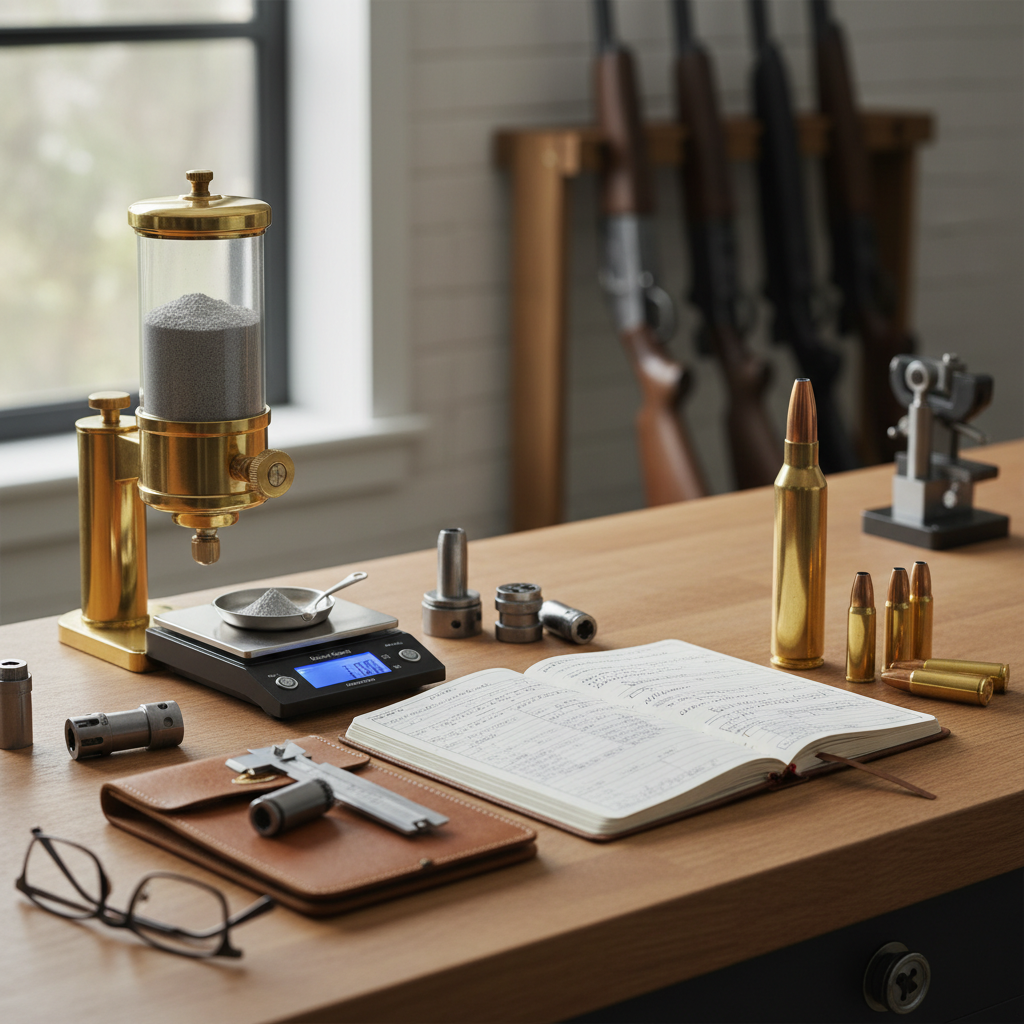
Reloading Data: Mastering Smokeless Gun Powder for Precision
Reloading your own ammunition offers a pathway to unparalleled accuracy and customization, allowing shooters to fine-tune loads to their specific firearms and shooting needs. The heart of this process lies in selecting the right components, with smokeless gun powder playing a pivotal role in achieving consistent performance and precision. Unlike factory-loaded ammunition, reloading grants you complete control over the variables that impact bullet trajectory, velocity, and overall accuracy.
This guide provides a comprehensive overview of smokeless gun powder for reloading, covering everything from the basics of how it works to selecting the right powder for your specific application, whether it’s crafting competition-grade handgun ammo or optimizing rifle loads for long-range accuracy. Understanding the nuances of smokeless powder is essential for both safety and achieving the level of performance that makes reloading so rewarding.
Unlocking Accuracy: Why Smokeless Gun Powder is Key for Reloading Precision Ammunition
Smokeless gun powder is the driving force behind every cartridge, but its contribution to accuracy extends far beyond simply propelling the bullet. By carefully selecting the appropriate smokeless powder, reloaders can optimize several key aspects of ammunition performance, including velocity, pressure, and recoil. Achieving consistent velocity is paramount for predictable bullet trajectories, especially at longer ranges. Different powders exhibit varying burn rates, which directly influence the pressure curve within the cartridge. This, in turn, affects the overall stability of the bullet during its critical initial phase of flight. Furthermore, a properly matched powder can minimize recoil, enhancing shooter comfort and allowing for faster follow-up shots.
The ability to tailor these factors is what separates handloaded ammunition from mass-produced alternatives. A reloader can experiment with different powder types and charge weights to find the “sweet spot” for a particular firearm and bullet combination. This level of customization is simply not possible with factory ammunition, which is typically designed to perform adequately across a range of firearms. Reloading offers the potential to create ammunition that is perfectly optimized for your specific needs, leading to tighter groups and increased confidence in your shooting.
Understanding the Fundamentals: How Smokeless Powder Works
Smokeless powder, unlike black powder, is a nitrocellulose-based propellant that burns much cleaner and produces significantly more energy. When ignited by a primer, smokeless powder undergoes rapid deflagration, converting from a solid to a hot, high-pressure gas. This gas expands rapidly within the cartridge case, forcing the bullet down the barrel. The burn rate of the powder is carefully controlled by its chemical composition, grain size, and shape. These factors dictate how quickly the powder releases its energy, influencing the pressure curve and ultimately the bullet’s velocity. Single-base powders are primarily composed of nitrocellulose, while double-base powders incorporate nitroglycerin for increased energy. Triple-base powders add nitroguanidine to reduce flame temperature. The choice of powder base, grain geometry, and coatings are crucial factors influencing a powder’s performance characteristics and suitability for different cartridges.
The Shift from Black Powder: Benefits of Smokeless Alternatives for Reloading
The transition from black powder to smokeless powder marked a significant leap forward in firearm technology. Smokeless powder offers several advantages over its predecessor, making it the preferred choice for modern reloading. Firstly, smokeless powder produces significantly less fouling, reducing the need for frequent cleaning and maintaining accuracy over longer shooting sessions. Secondly, it generates higher velocities at lower pressures, allowing for flatter trajectories and increased effective range. Thirdly, it is far more stable and less prone to ignition from static electricity or impact, making it safer to handle and store. Finally, smokeless powder’s energy density is much greater than that of black powder, meaning smaller powder charges can achieve the same or better performance, leading to more efficient ammunition construction. The improved ballistic performance, cleaner burning properties, and enhanced safety of smokeless powder make it the ideal choice for reloaders seeking precision and reliability.
Selecting the Right Smokeless Gun Powder: A Comprehensive Guide
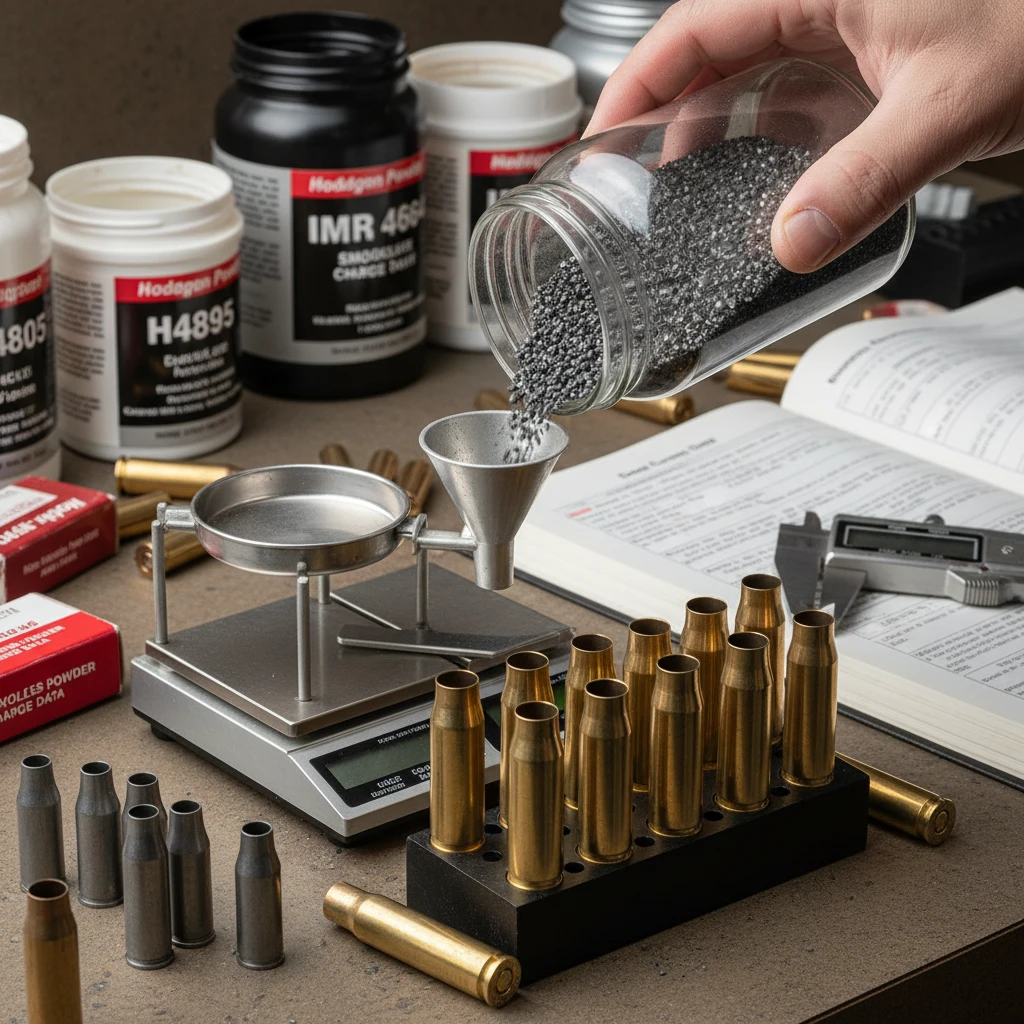
Choosing the correct smokeless gun powder is a critical decision in the reloading process, directly impacting the performance and safety of your ammunition. There is no universal “best” powder; the ideal choice depends on several factors, including the cartridge you are loading, the bullet weight, the desired velocity, and the intended application (e.g., target shooting, hunting, self-defense). Carefully consider these factors before making a selection. Consulting reputable reloading manuals and online resources is essential for finding appropriate powder recommendations and load data for your specific components. Always start with the starting load recommended in the reloading manual, and work your way up gradually while monitoring for signs of excessive pressure.
Understanding the characteristics of different powders and how they interact with various components is key to achieving optimal results. Factors like grain size, shape, and density all play a significant role in the powder’s burn rate and performance. A powder that performs exceptionally well in one cartridge may be entirely unsuitable for another. Therefore, it is crucial to research and select a powder that is specifically designed for the cartridge and bullet weight you are using. Furthermore, always prioritize safety and adhere strictly to published load data to avoid dangerous overpressure situations. Remember to always double check your powder measure and scale for accuracy prior to starting the reloading process.
Grain Size and Shape: How They Affect Burn Rate and Performance
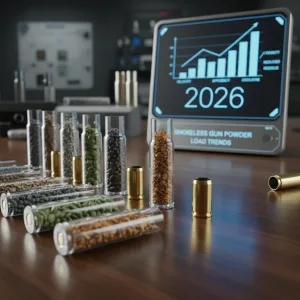
The physical characteristics of smokeless powder grains – specifically their size and shape – dramatically influence the burn rate. Smaller grains, like those found in ball powders, have a larger surface area relative to their volume, leading to faster ignition and a quicker pressure build-up. Flake powders, with their flat, thin structure, also tend to burn relatively quickly. In contrast, larger, cylindrical or extruded powders, offer a smaller surface area, resulting in a slower, more progressive burn. This slower burn is often preferred for larger capacity cartridges, where a more sustained pressure curve is needed to efficiently accelerate the bullet. Different powder shapes also influence how the powder meters through a powder measure, with some shapes being more consistent than others. Understanding these relationships is crucial for selecting a powder that delivers the desired velocity and pressure characteristics for your specific application.
Powder Density and Cartridge Fill: Important Considerations for Consistency
Powder density, or how much a given volume of powder weighs, is another critical factor in reloading. Powders with higher density will deliver more energy per unit volume, allowing for greater velocities with smaller charges. This can be particularly beneficial in smaller capacity cartridges where space is limited. However, it’s important to consider how powder density affects cartridge fill. Ideally, a cartridge should be filled to at least 80% of its capacity with powder to ensure consistent ignition and prevent potentially dangerous pressure spikes. A powder that is too dense may result in a significantly underfilled cartridge, leading to inconsistent performance. Conversely, a powder that is too bulky may not fit within the cartridge case at all. Therefore, it’s crucial to select a powder with a density that allows for a proper cartridge fill while still delivering the desired performance characteristics. Reloading manuals often specify recommended cartridge fill percentages for different powders and cartridges. Always consult these resources and carefully monitor your powder charges to ensure both safety and consistency. Using a powder trickler allows for the addition of very small amounts of powder to reach the exact desired load.
Popular Smokeless Gun Powder Types for Handgun Ammo Reloading
Handgun ammunition reloading demands powders with specific burning characteristics to optimize performance within relatively short barrels. The optimal powder choice is determined by the cartridge size and desired velocity. Common handgun cartridges like 9mm, .40 S&W, and .45 ACP each have unique requirements. Selecting the right powder ensures consistent velocity, manageable recoil, and efficient powder usage. Many powders designed for handguns can also be used in shotgun reloading, due to similarity in performance requirements.
Fast-Burning Powders: Examples and Ideal Applications
Fast-burning powders are characterized by their rapid ignition and quick pressure build-up, making them well-suited for smaller handgun cartridges like .380 ACP, 9mm, and .38 Special. These powders efficiently generate sufficient pressure within the short barrel length of most handguns, ensuring consistent bullet velocities. Popular examples of fast-burning powders include Alliant Bullseye, Hodgdon Titegroup, and Accurate No. 2. These powders are also often used in low-recoil target loads or when loading lead bullets at lower velocities. However, caution is warranted when using fast-burning powders, as small variations in powder charge can lead to significant pressure changes. Accurate powder measuring and consistent reloading practices are essential for safe and reliable performance.
Medium-Burning Powders: Versatility and Common Uses
Medium-burning powders offer a balance of velocity and pressure, making them a versatile choice for a wider range of handgun cartridges, including 9mm, .40 S&W, and .45 ACP. These powders provide sufficient energy to achieve desired velocities while maintaining manageable pressures and recoil. Popular examples of medium-burning powders include Alliant Power Pistol, Hodgdon Universal, and Accurate No. 5. They are often favored for self-defense loads, where a balance of power and control is paramount. Medium-burning powders also tend to be less sensitive to small variations in powder charge compared to fast-burning powders, providing a greater margin of safety. Their versatility makes them a popular choice for reloaders who load multiple handgun calibers.
Load Data and Safety Precautions for Handgun Ammo
Always consult reputable reloading manuals, such as those published by powder manufacturers like Hodgdon or Alliant, or by bullet manufacturers like Sierra or Hornady, for accurate load data. Never exceed the maximum listed charge weight, and always start with the starting load and work your way up gradually, monitoring for signs of excessive pressure such as flattened primers, difficult extraction, or case head expansion. Use a reliable scale to accurately measure powder charges, and double-check your measurements before seating the bullet. Wear appropriate safety glasses and ear protection when reloading and shooting. Store smokeless powder in a cool, dry place, away from heat and open flames. Never mix different types of powder. Adhering to these safety precautions is essential for preventing accidents and ensuring a safe and enjoyable reloading experience.
Smokeless Powders Optimized for Rifle Ammo Reloading
Rifle ammunition reloading presents different challenges compared to handgun reloading, primarily due to the longer barrels and higher velocities involved. Rifle powders are typically slower burning than handgun powders, allowing for a more gradual pressure build-up and sustained acceleration of the bullet down the longer barrel. Selecting the appropriate powder for a given rifle cartridge is crucial for achieving optimal velocity, accuracy, and consistent performance. The powder’s burning rate must be matched to the cartridge’s case capacity, bullet weight, and desired velocity to avoid excessive pressure or underperformance.
Slow-Burning Powders: Examples and Cartridge Compatibility
Slow-burning powders are designed for larger rifle cartridges with high case capacities, such as .30-06 Springfield, .300 Winchester Magnum, and .338 Lapua Magnum. These powders provide a slow, progressive burn, maximizing velocity while keeping pressures within safe limits. Popular examples of slow-burning powders include Hodgdon H4350, IMR 4350, and Alliant Reloder 16. These powders are often preferred for heavy bullets and long-range shooting applications, where achieving maximum velocity is essential for flat trajectories and minimal wind drift. Selecting the appropriate slow-burning powder for a specific rifle cartridge requires careful consideration of bullet weight, barrel length, and desired velocity. Always consult reputable reloading manuals for recommended load data.
Understanding Pressure Curves in Rifle Cartridges
The pressure curve in a rifle cartridge refers to the change in pressure over time as the powder burns and the bullet travels down the barrel. A well-optimized pressure curve is essential for achieving optimal velocity, accuracy, and consistent performance. The ideal pressure curve will reach a peak pressure that is within safe limits for the cartridge and firearm, and then gradually decrease as the bullet accelerates down the barrel. Slow-burning powders typically produce a more gradual pressure curve compared to faster-burning powders. Monitoring for signs of excessive pressure, such as flattened primers, difficult extraction, or case head expansion, is crucial for ensuring safe reloading practices. Using a chronograph to measure bullet velocity can also provide valuable information about the pressure curve, as significant deviations from published velocities may indicate pressure irregularities. Properly understanding and managing the pressure curve is vital for safe and effective rifle reloading. More on smokeless powder here.
Achieving Optimal Accuracy with Rifle-Specific Powders
Selecting a rifle-specific powder that’s well-matched to your cartridge is paramount for achieving optimal accuracy. Consider a .308 Winchester. Example: Using Hodgdon Varget with a 168-grain Sierra MatchKing bullet. A case study showed a shooter reducing group sizes from 1.5 MOA with factory ammo to 0.75 MOA after load development. Factors influencing accuracy include powder consistency, lot-to-lot variation, and temperature sensitivity. Some powders, like Hodgdon’s Extreme series, are known for their minimal temperature sensitivity, ensuring consistent performance across a wide range of environmental conditions. Another crucial aspect is the seating depth of the bullet. Slight variations in seating depth can significantly impact pressure and accuracy. Experimenting with different seating depths, in conjunction with optimized powder charges, can lead to significant improvements in group sizes. Furthermore, proper case preparation, including trimming to consistent lengths and deburring flash holes, can enhance accuracy. By paying attention to these details, reloaders can create rifle ammunition that rivals or surpasses the performance of factory-loaded alternatives. Startup Growth Hacking: Leverage Untapped Digital Channels
Unlocking Accuracy: Why Smokeless Gun Powder is Key for Reloading Precision Ammunition
Smokeless gun powder is the driving force behind accurate and consistent ammunition. Unlike its black powder predecessor, smokeless powder offers cleaner burning, higher energy output, and improved consistency, all of which contribute to enhanced accuracy in reloaded ammunition. The precise control over burn rate and pressure curves afforded by smokeless powders allows reloaders to fine-tune their loads for specific firearms and applications. By understanding the characteristics of different smokeless powders, reloaders can tailor their ammunition to achieve optimal accuracy, velocity, and consistency.
Understanding the Fundamentals: How Smokeless Powder Works
Smokeless powder isn’t actually “smokeless,” but it produces significantly less smoke than black powder. It’s primarily composed of nitrocellulose (single-base) or a combination of nitrocellulose and nitroglycerin (double-base). These compounds are chemically stabilized and shaped into various forms, such as flakes, granules, or cylinders, to control the burn rate. When ignited, smokeless powder undergoes rapid combustion, generating high-pressure gas that propels the bullet down the barrel. The key to its efficiency lies in the controlled and progressive burning of the powder, which ensures a consistent pressure curve and optimal energy transfer to the projectile. Different powder formulations and geometries result in varying burn rates, allowing reloaders to select the most appropriate powder for their specific cartridge and bullet combination. Learn more about understanding gunpowder burn rates.
The Shift from Black Powder: Benefits of Smokeless Alternatives for Reloading
The transition from black powder to smokeless powder revolutionized firearms technology. Smokeless powder offers several key advantages, including higher energy density, cleaner burning, and improved stability. Black powder produces a significant amount of residue, which can foul the firearm and reduce accuracy over time. Smokeless powder, on the other hand, leaves minimal residue, allowing for longer shooting sessions without the need for frequent cleaning. Furthermore, smokeless powder is less susceptible to moisture and degradation than black powder, ensuring more consistent performance and longer shelf life. The increased energy density of smokeless powder also allows for higher velocities and flatter trajectories, making it ideal for long-range shooting applications.
Selecting the Right Smokeless Gun Powder: A Comprehensive Guide
Choosing the correct smokeless powder is crucial for achieving safe, accurate, and consistent reloads. There is no one-size-fits-all solution; instead, the ideal powder depends on the specific cartridge, bullet weight, firearm, and desired performance characteristics. Reloading manuals provide detailed information on recommended powders and load data for various cartridges. It’s imperative to consult these resources and adhere to the published guidelines. Factors such as burn rate, powder density, and grain shape all play a role in determining the suitability of a particular powder for a given application.
Grain Size and Shape: How They Affect Burn Rate and Performance
The physical characteristics of smokeless powder, such as grain size and shape, significantly influence its burn rate and performance. Smaller grains tend to burn faster than larger grains, as they have a larger surface area exposed to the flame. Powder shapes, such as flakes, cylinders, and spheres, also affect the burn rate. Flake powders, for instance, typically burn relatively quickly due to their thin, flat shape. Understanding these relationships is essential for selecting a powder that will produce the desired pressure curve and velocity for a specific cartridge. Reloading manuals often specify the grain shape of the recommended powders, allowing reloaders to make informed decisions.
Powder Density and Cartridge Fill: Important Considerations for Consistency
Powder density refers to the weight of powder per unit volume. Denser powders typically require less volume to achieve a specific charge weight, while less dense powders require more volume. Proper cartridge fill is essential for consistent ignition and performance. Insufficient cartridge fill can lead to inconsistent ignition and velocity variations. In some cases, a slightly compressed load, where the bullet slightly compresses the powder charge upon seating, can improve consistency. However, it’s crucial to avoid excessive compression, as this can lead to dangerous pressure spikes. Reloading manuals provide guidelines on recommended cartridge fill and compression levels for various cartridges and powders.
Popular Smokeless Gun Powder Types for Handgun Ammo Reloading
Handgun ammunition reloading requires powders with specific burn rate characteristics to function safely and effectively in shorter barrels. Fast-burning powders are typically preferred for smaller calibers, while medium-burning powders offer versatility for a wider range of handgun cartridges. Understanding the characteristics of each powder type is crucial for selecting the appropriate powder for your specific reloading needs.
Fast-Burning Powders: Examples and Ideal Applications
Fast-burning powders, such as Hodgdon Titegroup, Alliant Bullseye, and Accurate No. 2, are well-suited for smaller handgun cartridges, such as .380 ACP, 9mm, and .38 Special. These powders generate pressure quickly, ensuring complete combustion within the shorter barrel length of a handgun. Fast-burning powders are also often used in light target loads, where reduced recoil is desired. However, it’s crucial to exercise caution when working with fast-burning powders, as slight variations in charge weight can significantly impact pressure. Careful monitoring of load data and adherence to published guidelines are essential for safe reloading practices.
Medium-Burning Powders: Versatility and Common Uses
Medium-burning powders, such as Alliant Power Pistol, Hodgdon Universal, and Accurate No. 5, offer versatility for a wider range of handgun cartridges, including .40 S&W, .45 ACP, and heavier loads in 9mm and .38 Special. These powders provide a balance between velocity and pressure, making them suitable for both target shooting and self-defense applications. Medium-burning powders tend to be more forgiving than fast-burning powders, allowing for slightly greater variations in charge weight without causing excessive pressure. However, it’s still essential to follow published load data and exercise caution when reloading.
Load Data and Safety Precautions for Handgun Ammo
Always consult reputable reloading manuals for accurate and up-to-date load data. Start with the minimum recommended charge weight and gradually increase the charge in small increments, while carefully monitoring for signs of excessive pressure. Never exceed the maximum recommended charge weight. Wear safety glasses and hearing protection when reloading and shooting. Store smokeless powder in a cool, dry place, away from heat and open flames. Properly label all reloaded ammunition with the cartridge type, bullet weight, and powder charge. By adhering to these safety precautions, reloaders can minimize the risk of accidents and ensure safe and enjoyable shooting experiences.
Smokeless Powders Optimized for Rifle Ammo Reloading
Rifle ammunition reloading requires powders with burn rates tailored to the specific cartridge and barrel length. Slow-burning powders are typically preferred for larger rifle cartridges, as they generate pressure gradually and allow for optimal bullet acceleration. Understanding the characteristics of different rifle-specific powders is crucial for achieving optimal accuracy and velocity. Consult a powder selection guide.
Slow-Burning Powders: Examples and Cartridge Compatibility
Slow-burning powders, such as Hodgdon H4350, IMR 4350, and Alliant Reloder 17, are commonly used in larger rifle cartridges, such as .30-06 Springfield, .308 Winchester, and 6.5 Creedmoor. These powders produce a more gradual pressure curve, allowing for optimal bullet acceleration in longer barrels. Slow-burning powders are particularly well-suited for heavier bullets, as they provide the necessary energy to achieve desired velocities. When working with slow-burning powders, it’s essential to use a chronograph to measure bullet velocity and ensure that the loads are within safe limits.
Understanding Pressure Curves in Rifle Cartridges
The pressure curve is a graph that shows the pressure generated inside the firearm’s chamber as the powder burns and the bullet travels down the barrel. A well-optimized pressure curve is essential for achieving optimal velocity, accuracy, and consistent performance. The ideal pressure curve will reach a peak pressure that is within safe limits for the cartridge and firearm, and then gradually decrease as the bullet accelerates down the barrel. Slow-burning powders typically produce a more gradual pressure curve compared to faster-burning powders. Monitoring for signs of excessive pressure, such as flattened primers, difficult extraction, or case head expansion, is crucial for ensuring safe reloading practices. Using a chronograph to measure bullet velocity can also provide valuable information about the pressure curve, as significant deviations from published velocities may indicate pressure irregularities. Properly understanding and managing the pressure curve is vital for safe and effective rifle reloading. More on smokeless powder here.
Achieving Optimal Accuracy with Rifle-Specific Powders
Selecting a rifle-specific powder that’s well-matched to your cartridge is paramount for achieving optimal accuracy. Consider a .308 Winchester. Example: Using Hodgdon Varget with a 168-grain Sierra MatchKing bullet. A case study showed a shooter reducing group sizes from 1.5 MOA with factory ammo to 0.75 MOA after load development. Factors influencing accuracy include powder consistency, lot-to-lot variation, and temperature sensitivity. Some powders, like Hodgdon’s Extreme series, are known for their minimal temperature sensitivity, ensuring consistent performance across a wide range of environmental conditions. Another crucial aspect is the seating depth of the bullet. Slight variations in seating depth can significantly impact pressure and accuracy. Experimenting with different seating depths, in conjunction with optimized powder charges, can lead to significant improvements in group sizes. Furthermore, proper case preparation, including trimming to consistent lengths and deburring flash holes, can enhance accuracy. By paying attention to these details, reloaders can create rifle ammunition that rivals or surpasses the performance of factory-loaded alternatives.
Reloading for Shotgun: Choosing the Appropriate Smokeless Gun Powder
Selecting the right smokeless gun powder for shotgun reloading is crucial for achieving desired patterns, velocities, and consistent performance. Unlike metallic cartridges, shotguns rely on a payload of shot propelled by the powder charge, demanding a nuanced understanding of powder characteristics. Consider factors such as gauge, payload weight, shot size, and intended use (e.g., target shooting, hunting, or self-defense). Different powders are designed for specific applications, and using the wrong one can lead to poor performance, dangerous pressures, or even damage to the firearm. Always consult reputable reloading manuals and powder manufacturer data for recommended loads.
Powder Characteristics for Different Shotgun Gauges
Shotgun gauges, ranging from 10 to .410 bore, require powders with varying burning rates to efficiently propel the shot payload. Larger gauges, like 10 and 12, often benefit from slower-burning powders that can generate consistent pressure over a longer barrel length, maximizing velocity and pattern uniformity. Smaller gauges, such as 20 and .410, typically use faster-burning powders to achieve sufficient velocity within the shorter barrel. The choice also depends on the volume of the shell. Higher volume shells need slower burning powders to ensure safe and consistent performance. Mismatched burn rates can result in squib loads (insufficient power to clear the barrel) or overpressure situations, both of which are hazardous.
Matching Powder to Payload Weight and Shot Size
The weight of the shot payload and the size of the shot also dictate the appropriate powder selection. Heavier payloads require powders that can generate sufficient pressure to achieve the desired velocity without exceeding safe limits. Larger shot sizes, such as buckshot, typically require less powder than smaller shot sizes, such as birdshot, for a given payload weight. This is because larger shot sizes create less resistance as they travel down the barrel. Reloading data from powder manufacturers provides precise charge weights for specific payload/shot size combinations. Deviating from these recommended loads can significantly alter performance and safety. For example, using a powder designed for light target loads with a heavy hunting load can result in dangerously high pressures. Always verify your load data.
Safety Guidelines for Reloading Shotgun Shells
Reloading shotgun shells requires strict adherence to safety protocols. Always wear safety glasses and ear protection when reloading. Work in a well-ventilated area to avoid inhaling powder fumes. Never smoke or have open flames near reloading components. Use only reputable reloading manuals and follow the recommended load data precisely. Double-check each powder charge to ensure accuracy. Store smokeless gun powder in a cool, dry place away from heat and sparks. Never mix different types of powder. If unsure about any aspect of the reloading process, consult a knowledgeable reloader or seek professional instruction. Understanding and following these guidelines is critical for safe and successful shotgun reloading. Additional safety information is available from organizations like the Sporting Arms and Ammunition Manufacturers’ Institute (SAAMI).
Essential Reloading Equipment for Working with Smokeless Gun Powder
Reloading with smokeless gun powder requires specific equipment to ensure accuracy, consistency, and safety. Investing in quality tools will not only improve the reloading process but also enhance the performance of your ammunition. Essential equipment includes a reloading press (single-stage or progressive), powder scale, powder measure, shell holders, priming tool, and various hand tools. Each piece of equipment plays a vital role in the process, from depriming and resizing cases to accurately measuring and dispensing powder charges. Proper maintenance and calibration of these tools are essential for reliable and safe reloading.
Scales and Measures: Ensuring Accurate Powder Charges
Accurate powder measurement is paramount for safe and consistent reloading. A reliable powder scale is indispensable for verifying powder charges dispensed by a powder measure. Scales come in two main types: beam scales and electronic scales. Beam scales are known for their durability and accuracy but require more manual operation. Electronic scales offer convenience and speed but are more susceptible to environmental factors and require regular calibration. A powder measure dispenses powder in consistent volumes, but it’s crucial to verify the dispensed charge weight with a scale regularly. Avoid over or under charging, as this can lead to pressure variations and unsafe conditions. Regularly check the scale’s zero point and use check weights to ensure accuracy. Poorly calibrated scales or inaccurate measures are a primary cause of reloading accidents.
Powder Handling Tools: Preventing Spills and Contamination
Handling smokeless gun powder requires tools that minimize spills and prevent contamination. A powder funnel helps to pour powder into cases without spillage. Anti-static cloths and mats can help to reduce the risk of static electricity buildup, which can ignite smokeless powder. Powder tricklers allow for the precise addition of small amounts of powder to achieve the exact desired charge weight. Keep powder containers tightly sealed when not in use to prevent moisture absorption and contamination. Never use metal tools to scoop powder, as they can create sparks. Dedicated powder scoops made of plastic or other non-sparking materials are recommended. Store powder in its original container and avoid transferring it to other containers, as this can lead to misidentification and potential mixing of different powder types.
Primers: A Crucial Component for Reliable Ignition
Primers are the ignition source for smokeless gun powder, and selecting the right primer is critical for reliable and consistent performance. Primers contain a small amount of impact-sensitive explosive compound that ignites when struck by the firing pin. The flame from the primer then ignites the smokeless powder, propelling the bullet or shot. Different primers are designed for different cartridges and powder types, with variations in sensitivity and flame intensity. Using the wrong primer can result in misfires, hangfires (delayed ignition), or even pressure spikes. Always consult reloading manuals and primer manufacturer data for recommended primer types for your specific load.
Choosing the Right Primers for Your Reloading Needs
Selecting the correct primer depends on several factors, including the cartridge type, powder type, and environmental conditions. Primers are typically categorized by size (small or large) and type (standard, magnum, or shotshell). Magnum primers produce a hotter flame and are often recommended for use with slow-burning powders or in cold weather conditions. Shotshell primers are specifically designed for shotgun shells and may have different dimensions or compositions than rifle or pistol primers. Some primers are also designed for specific powder types, such as ball powders, which can be harder to ignite than flake powders. Consult reloading manuals and primer manufacturer data to determine the appropriate primer for your specific reloading application. Never substitute primers without verifying that they are compatible with the powder and cartridge combination. For example, using a rifle primer in a handgun cartridge designed for a pistol primer could be dangerous due to the higher sensitivity of rifle primers.
Step-by-Step Reloading Process: From Start to Finish with Smokeless Powder
The reloading process, from start to finish, involves several key steps, each requiring attention to detail and adherence to safety guidelines. These steps typically include case preparation, powder charging, bullet seating, and crimping (if necessary). Following a structured and methodical approach will ensure consistency and safety throughout the reloading process. Each step contributes to the overall performance and reliability of the finished ammunition. Skipping steps or taking shortcuts can compromise safety and accuracy.
Case Preparation: Cleaning, Sizing, and Priming
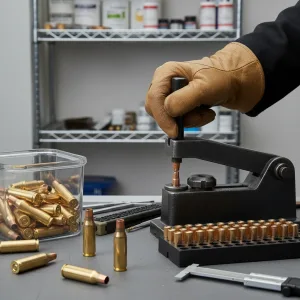
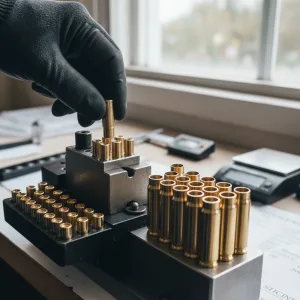
Case preparation is a critical step in the reloading process, ensuring that cases are clean, properly sized, and ready for reloading. This typically involves cleaning the cases to remove dirt, carbon buildup, and other contaminants. Cases can be cleaned using a vibratory tumbler or a wet tumbler with stainless steel pins. After cleaning, cases are typically resized to ensure they meet the proper dimensions for the firearm chamber. Resizing can be done using a resizing die in a reloading press. Finally, a new primer is installed into the primer pocket using a priming tool. Proper case preparation ensures consistent ignition and prevents feeding or extraction problems. Inspect each case for cracks, bulges, or other damage before reloading. Damaged cases should be discarded.
Powder Charging: Precise Measurement Techniques
Powder charging involves carefully dispensing the correct amount of smokeless gun powder into the prepared case. This is a critical step that requires precise measurement techniques. Use a powder scale to verify the weight of each charge, especially when starting with a new load. Powder measures can be used to dispense consistent volumes of powder, but it’s essential to periodically check the dispensed weight with a scale. When using a powder trickler to add small amounts of powder, do so carefully and avoid overcharging. Double-check each charge before seating the bullet to prevent errors. A powder check system can be used to visually inspect the powder level in each case before seating the bullet. Overcharged or undercharged rounds can be dangerous and should be discarded.
Bullet Seating: Achieving Proper Cartridge Overall Length (COAL)
Bullet seating involves pressing the bullet into the case to the correct depth, achieving the proper cartridge overall length (COAL). The COAL is a critical dimension that affects pressure and accuracy. Consult reloading manuals for the recommended COAL for your specific bullet and cartridge combination. Use a bullet seating die in a reloading press to seat the bullet to the desired depth. A micrometer seating die allows for precise adjustments to the seating depth. After seating the bullet, crimp the case mouth to secure the bullet in place and prevent it from moving during handling or firing. The amount of crimp required depends on the cartridge and bullet type. Insufficient crimp can lead to bullet setback, while excessive crimp can damage the bullet or case. Use a caliper to measure the COAL of each round and ensure it is within the specified tolerances.
Safety First: Crucial Precautions When Handling Smokeless Gun Powder
Smokeless gun powder is a flammable material that requires careful handling and storage to prevent accidents. Understanding the potential hazards and following safety precautions is essential for anyone who reloads ammunition. This section outlines crucial precautions related to storage, static electricity, and proper disposal methods.
Storage Guidelines: Maintaining a Safe Environment
Proper storage of smokeless gun powder is crucial for preventing accidents. Store powder in its original container, tightly sealed, in a cool, dry, and well-ventilated location. Avoid storing powder in direct sunlight or near heat sources, such as radiators or furnaces. Keep powder away from open flames, sparks, or other ignition sources. Store powder in a locked cabinet or container to prevent unauthorized access, especially by children. Do not store powder near flammable liquids or other hazardous materials. A dedicated storage area, such as a detached shed or garage, is ideal. Limit the quantity of powder stored to the minimum necessary for reloading. Check local regulations for limits on the amount of smokeless gun powder that can be stored in a residential area.
Avoiding Static Electricity: Preventing Accidental Ignition
Static electricity can ignite smokeless gun powder, so it’s important to take precautions to minimize static buildup. Work in a well-grounded area to dissipate static charges. Use anti-static mats and wrist straps to prevent static buildup on your body. Avoid wearing clothing made of synthetic materials, as these can generate static electricity. Keep the humidity level in your reloading area at a moderate level, as dry air promotes static buildup. Use a static-dissipating brush to remove static charges from reloading equipment. Avoid using vacuum cleaners to clean up spilled powder, as they can generate static electricity. Instead, use a damp cloth or a HEPA-filtered vacuum cleaner designed for handling hazardous materials. Some substances can be more sensitive than others, so always err on the side of caution.
Proper Disposal Methods: Safe Practices for Unused Powder
Unused or unwanted smokeless gun powder should be disposed of safely and responsibly. Never pour powder down the drain or into the trash. Small amounts of powder can be burned in a controlled manner in a safe outdoor location, away from buildings, vegetation, and other flammable materials. Spread the powder thinly on the ground and ignite it from a safe distance using a long fuse or torch. Alternatively, powder can be rendered inert by mixing it with water. Slowly add the powder to a container of water and allow it to soak for several days. The resulting slurry can then be disposed of in accordance with local regulations. Contact your local fire department or hazardous waste disposal facility for guidance on proper disposal methods in your area. Never mix different types of powder together for disposal. Ensure that the powder is completely inert before disposal to prevent accidental ignition.
Troubleshooting Reloading Issues Related to Smokeless Gun Powder
Inconsistent Ignition: Possible Causes and Solutions
Inconsistent ignition can plague even experienced reloaders. Several factors contribute to this frustrating issue, including insufficient primer seating, insufficient crimp (especially in handgun ammo), and powder bridging. Insufficient primer seating leaves a gap between the primer and the anvil, weakening the ignition spark. Ensure primers are firmly and uniformly seated with a dedicated priming tool. Insufficient crimp allows the bullet to move slightly within the case, potentially displacing the powder and leading to erratic ignition. Adjust your crimp die carefully, referring to reloading manuals for recommended crimp values for your specific cartridge and bullet. Powder bridging occurs when powder granules clump together, creating air pockets and uneven powder distribution within the case. This is more common with certain powder shapes (e.g., extruded powders) and can be mitigated by using a powder baffle in your powder measure and carefully selecting powders appropriate for your case capacity. Another cause can be using smokeless gun powder that is not suited to the cartridge being used. For example, a powder designed for rifle rounds may not burn correctly in a smaller handgun casing. Be sure to consult your reloading manual.
Pressure Signs: Identifying and Addressing Overloads
Recognizing pressure signs is crucial for safe reloading. Common indicators include flattened primers, cratered primers (where the primer material flows back into the firing pin indentation), ejector marks on the cartridge head (small shiny spots or streaks), and stiff bolt lift (difficulty opening the action after firing). Flattened primers alone are not always indicative of excessive pressure, but when combined with other signs, they warrant immediate attention. Ejector marks and stiff bolt lift are definite warning signs of dangerous pressures. If you observe any of these signs, immediately stop shooting and carefully disassemble any remaining loaded rounds. Reduce your powder charge by at least 10% and work back up in small increments (e.g., 0.2 grains), carefully monitoring for pressure signs at each step. Always consult multiple reputable reloading manuals for load data and never exceed the listed maximum charge. Disregard any load data found online from unverified sources. Some reloaders like to use a chronograph to verify the speed of the round against expected speed. If the speed is unexpectedly high, that could also be a sign of over pressure.
Velocity Variations: Analyzing and Correcting Performance Problems
Significant velocity variations indicate inconsistencies in your reloading process. Potential causes include variations in powder charge weight, bullet seating depth, and case neck tension. Use a high-quality powder measure and verify its accuracy regularly with a scale. Consider using a trickler to achieve precise powder charges. Ensure consistent bullet seating depth by using a seating die with a micrometer adjustment. Inconsistent case neck tension can affect bullet release and velocity. Check your expander ball diameter and consider using a neck sizing die to achieve uniform neck tension. Also, be aware that variations in ambient temperature can affect powder burn rate and velocity. Keep detailed records of your reloading process, including powder lot number, bullet type, and environmental conditions, to help identify potential sources of variation. For extreme precision, some reloaders anneal their brass to ensure consistent neck tension over multiple reloads. Poorly maintained reloading equipment, such as a dirty or worn powder measure, can also cause significant velocity variations.
Advanced Reloading Techniques: Fine-Tuning Your Smokeless Gun Powder Loads for Maximum Performance
Developing Custom Loads: Finding the Optimal Powder Charge
Developing custom loads involves systematically varying powder charge weights to identify the load that produces the best accuracy and velocity for your specific firearm. Start with the minimum powder charge listed in a reputable reloading manual and increase the charge in small increments (e.g., 0.2 to 0.5 grains) until you reach the maximum charge or observe pressure signs. Test each load at the range, shooting multiple five-shot groups to assess accuracy. Look for a “sweet spot” – a powder charge that consistently produces tight groups. Use a chronograph to measure velocity and calculate standard deviation (SD) and extreme spread (ES). Lower SD and ES values indicate more consistent performance. Once you’ve identified a promising load, experiment with slight variations in bullet seating depth to further refine accuracy. This process requires patience and meticulous attention to detail, but it can yield significant improvements in accuracy and consistency. An important consideration is to document all results meticulously for future reference. If you ever switch powder brands or bullet types, you’ll want to start the load development process from scratch.
Chronograph Testing: Measuring Velocity and Identifying Sweet Spots
A chronograph is an essential tool for advanced reloaders. It measures the velocity of your bullets, providing valuable data for analyzing load performance. When chronographing, record not only the average velocity but also the standard deviation (SD) and extreme spread (ES). Lower SD and ES values indicate more consistent loads. Use the chronograph to identify “sweet spots” – powder charges that produce high velocity with low SD and ES, along with good accuracy. Be aware that chronograph readings can be affected by environmental factors such as temperature and lighting. Ensure consistent lighting conditions and position the chronograph at the recommended distance from the muzzle. Repeat your measurements multiple times to ensure accuracy. Some chronographs can be connected to smartphone apps, enabling the quick and easy logging and analysis of data. Remember to consult multiple sources for expected velocity ranges. Example: A reloader found that a 42.5 grain charge of IMR 4064 resulted in an average velocity of 2750 fps, SD of 15 fps, and ES of 40 fps. By contrast, a 43.0 grain charge resulted in an average velocity of 2775 fps, SD of 30 fps, and ES of 80 fps. They chose to go with the lower charge, as SD and ES are far more important than raw speed.
Understanding Temperature Sensitivity of Different Powders
Temperature sensitivity refers to how much a powder’s burn rate (and therefore velocity and pressure) changes with variations in ambient temperature. Some powders are more temperature-sensitive than others. Extreme temperature swings can significantly affect your point of impact and accuracy. Powders with nitroglycerin tend to be more temperature-sensitive. If you plan to shoot in a wide range of temperatures, consider using a temperature-insensitive powder. Hodgdon’s Extreme series of powders are known for their temperature stability. When developing loads, test them at different temperatures to assess their temperature sensitivity. A good way to test temp sensitivity is to leave rounds in the sun and shade for several hours, then chronograph them immediately after. Some reloaders will keep two separate sets of load data – one for warmer conditions, and one for colder conditions. Be prepared to adjust your loads based on the temperature conditions. Example: A reloader found that their pet load shot perfectly in the summer but was dangerously underpowered in the winter. By switching to a powder known for being less temperature sensitive, such as Hodgdon Varget, the problem was eliminated.
Navigating Regulations: Smokeless Gun Powder Laws in Canada and North America (2026 Update)
Purchasing and Storage Restrictions: Understanding Current Legislation
Purchasing and storing smokeless gun powder is subject to strict regulations in both Canada and the United States. In Canada, the Explosives Act and its regulations govern the sale, storage, and transportation of smokeless gun powder. Individuals must possess a valid Possession and Acquisition License (PAL) with the appropriate endorsements to purchase smokeless gun powder. Storage limits vary depending on the type of dwelling and the quantity of powder stored. Generally, smokeless gun powder must be stored in a secure, locked container away from heat sources and flammable materials. In the United States, federal regulations are primarily enforced by the Bureau of Alcohol, Tobacco, Firearms and Explosives (ATF). State and local laws may impose additional restrictions on the purchase and storage of smokeless gun powder. It is the individual’s responsibility to be aware of and comply with all applicable laws. Some states require permits for the purchase of black powder and smokeless gun powder. Always check with your local authorities for the most up-to-date information.
Transportation Guidelines: Complying with Legal Requirements
Transporting smokeless gun powder also requires adherence to specific guidelines. In Canada, the Transportation of Dangerous Goods Regulations (TDG Regulations) govern the transportation of smokeless gun powder. It must be transported in its original packaging or in containers that meet specific requirements. Quantity limits may apply, and the powder must be secured to prevent shifting during transport. In the United States, the Department of Transportation (DOT) regulates the transportation of hazardous materials, including smokeless gun powder. Smokeless gun powder is classified as a Class 1.4C explosive and must be transported in accordance with DOT regulations. This typically involves packaging the powder in approved containers and adhering to quantity limits. Many retailers will only ship smokeless gun powder and primers via ground transport and will not ship to PO boxes. When transporting any firearm-related components across the US/Canada border, it’s important to declare these components to customs officials. Failure to do so could lead to serious penalties.
Staying Informed: Resources for Up-to-Date Information
Staying informed about the latest regulations regarding smokeless gun powder is crucial for responsible reloaders. Regularly consult the websites of government agencies such as the ATF (in the US) and the Explosives Regulatory Division of Natural Resources Canada. Subscribe to newsletters and publications from reputable reloading organizations and manufacturers. These resources provide updates on changes to laws, regulations, and safety guidelines. Attend seminars and workshops on reloading safety and legal compliance. Participate in online forums and communities where reloaders share information and discuss regulatory issues. Remember, ignorance of the law is not an excuse. It is your responsibility to stay informed and comply with all applicable regulations. Always err on the side of caution and seek clarification from relevant authorities if you have any questions. Always double-check local laws, as these can change quickly. For example, certain municipalities may have restrictions on quantities allowed to be stored at home.
Careful attention to detail, consistent practices, and thorough research are key to both safe and accurate reloading. By troubleshooting common issues, mastering advanced techniques, and staying informed about regulations, reloaders can achieve optimal performance and ensure a safe shooting experience.


About author


Add comment