


Smokeless Gun Powder Guide: Types, Uses, and Best Practices
In the world of firearms and reloading, precision and consistency are paramount. At the heart of achieving both lies smokeless gun powder – a propellant vastly superior to its black powder predecessor in terms of power, cleanliness, and efficiency. Understanding the nuances of smokeless gun powder is crucial for any shooter, hunter, or reloader looking to optimize their ammunition performance and ensure safety.
This comprehensive guide will delve into the intricacies of smokeless gun powder, exploring its various types, shapes, and applications. Whether you’re crafting handgun ammo for target practice, meticulously assembling rifle ammo for the next hunting season, or fine-tuning shotgun loads for clay shooting, this guide will provide the knowledge necessary to make informed decisions and achieve reloading success. Let’s unlock the secrets to maximizing performance with smokeless gun powder.
Unlocking Precision: Why Smokeless Gun Powder Matters in 2026
The Evolution of Propellants: From Black Powder to Smokeless
The transition from black powder to smokeless gun powder marked a revolutionary shift in firearms technology. Black powder, a mixture of sulfur, charcoal, and potassium nitrate, was the mainstay for centuries. However, its inherent limitations, including heavy fouling, inconsistent burning, and significant smoke production, spurred the development of more efficient alternatives. Smokeless powders, primarily composed of nitrocellulose (single-base), or a combination of nitrocellulose and nitroglycerin (double-base), offered significantly enhanced performance. This transition drastically improved ballistic performance and reduced the maintenance required for firearms. The evolution continues as manufacturers refine formulations for specific applications, ensuring that modern shooters have access to the most advanced propellants available. Understanding this evolution is key to appreciating the advantages modern smokeless powders provide over their predecessors.
Understanding the Benefits: Cleanliness, Efficiency, and Consistency
Smokeless gun powder offers a trifecta of benefits that black powder simply cannot match: cleanliness, efficiency, and consistency. Cleanliness refers to the reduced fouling left behind after combustion. Less fouling translates to less frequent cleaning and maintenance of firearms, preserving their longevity and reliability. Efficiency relates to the higher energy content of smokeless powders, allowing for greater velocities and flatter trajectories with smaller powder charges. This increased efficiency is crucial for long-range accuracy and effective terminal ballistics. Consistency is perhaps the most critical benefit for reloaders. Smokeless powders are manufactured to exacting standards, ensuring consistent burn rates and pressures from lot to lot. This consistency allows reloaders to develop accurate and reliable loads that perform predictably every time. This reliability is essential for competitive shooting, hunting, and self-defense. Consider this in context with primers; a bad choice here, as covered on this page about choosing the right primer, can also impact consistency.
Demystifying the Different Types of Smokeless Gun Powder
Single-Base Powders: Composition and Applications
Single-base smokeless powders are primarily composed of nitrocellulose. These powders are generally considered to be more temperature stable than double-base powders, making them a popular choice for a wide range of applications. They are often used in rifle cartridges where temperature sensitivity can significantly affect performance. Single-base powders typically produce less muzzle flash than double-base powders, which can be advantageous in low-light shooting conditions. Furthermore, their relative simplicity in composition contributes to their inherent stability and long shelf life when stored properly. Common applications include .223 Remington, .308 Winchester, and other popular rifle cartridges where consistent performance across a wide range of temperatures is crucial. Reloaders should consult reliable reloading manuals to determine the appropriate single-base powder and charge weight for their specific cartridge and bullet combination. An example would be using a powder like IMR 4895 for a .308 load with a 168-grain bullet. Always start with the minimum recommended load and work up gradually, carefully watching for pressure signs.
Double-Base Powders: Advantages and Considerations
Double-base smokeless powders contain both nitrocellulose and nitroglycerin. The addition of nitroglycerin increases the energy content of the powder, resulting in higher velocities compared to single-base powders for a given charge weight. This makes them well-suited for handgun cartridges and certain rifle cartridges where maximizing velocity is desired. However, double-base powders tend to be more sensitive to temperature changes than single-base powders. This sensitivity can lead to variations in pressure and velocity depending on the ambient temperature. Proper storage and careful load development are essential when working with double-base powders to ensure consistent and safe performance. Many handgun loads, such as 9mm and .45 ACP, utilize double-base powders like Alliant Power Pistol or Hodgdon CFE Pistol. Reloaders should be aware of the potential for increased muzzle flash with double-base powders, which can be a consideration in certain tactical or hunting scenarios. Again, always consult reputable reloading data and adhere to safe reloading practices.
Triple-Base Powders: Niche Uses and Performance Characteristics
Triple-base powders are a more specialized type of smokeless powder that includes nitrocellulose, nitroglycerin, and nitroguanidine. The addition of nitroguanidine helps to reduce muzzle flash and improve the overall efficiency of the powder. These powders are typically used in large-caliber military applications where minimizing muzzle flash is critical. They offer a unique combination of high energy and reduced flash signature, making them ideal for certain tactical and long-range shooting scenarios. However, triple-base powders are less commonly available to civilian reloaders and require specialized loading data and techniques. Their complex composition and performance characteristics necessitate a thorough understanding of ballistics and reloading safety. While not as prevalent as single- or double-base powders, triple-base powders represent the cutting edge of propellant technology and continue to find niche applications in specialized firearms and ammunition. Consulting resources like ballistic calculators can help further refine load development when venturing into less common powder types.
Granule Shapes and Sizes: A Critical Factor for Reloading Success
Flake Powders: Metering and Burning Properties
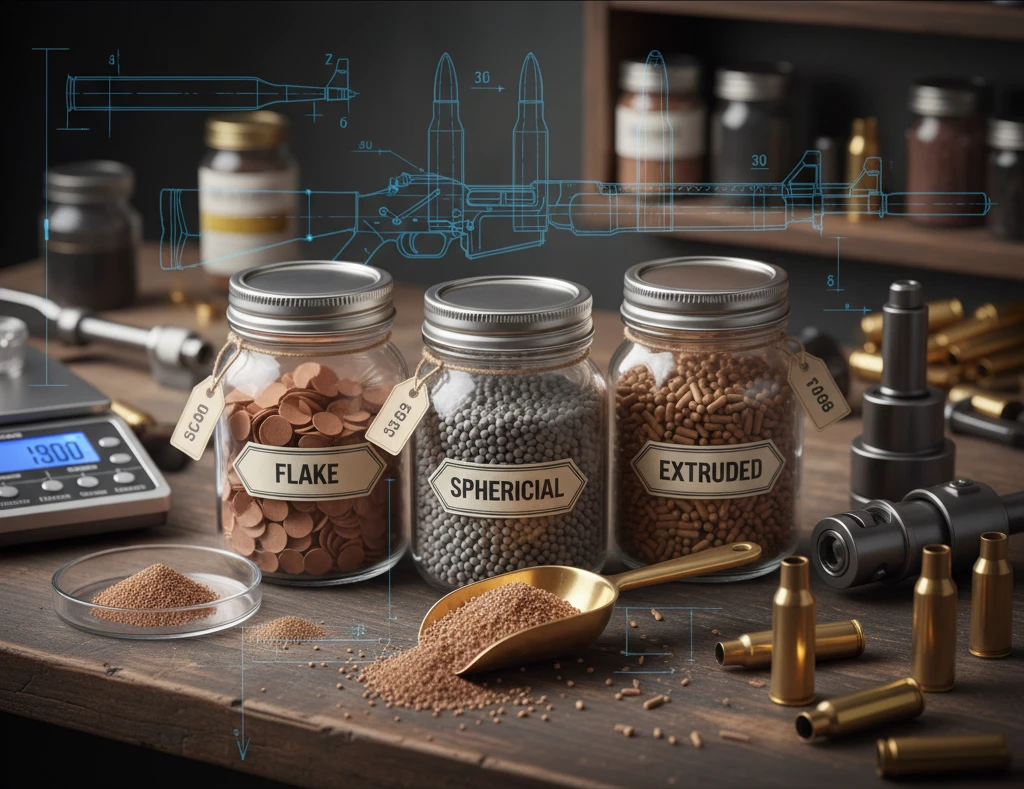
Flake powders are characterized by their flat, disc-like shape. This geometry allows for relatively easy metering in powder measures, making them a popular choice for handgun and shotshell reloading. The large surface area of flake powders promotes rapid ignition and a fast burn rate, which is often desirable in shorter-barreled firearms and lower-pressure cartridges. However, flake powders can be more sensitive to variations in charge weight compared to other powder types. Even slight differences in the amount of powder dispensed can lead to noticeable changes in velocity and pressure. Careful attention to detail and precise metering techniques are essential when working with flake powders to ensure consistent and safe results. Examples include powders like Alliant Red Dot and Bullseye, frequently used in shotshells and handgun ammo. Reloaders should be mindful of the potential for bridging or clumping in powder measures, which can affect the accuracy of charge weights. Regularly cleaning and calibrating powder measures can help minimize these issues.
Ball Powders: Density and Flow Characteristics
Ball powders, as the name suggests, consist of small, spherical granules. This shape contributes to their excellent flow characteristics, making them well-suited for use in progressive reloading presses. The uniform density of ball powders also allows for consistent metering and predictable burning rates. Ball powders are often used in high-volume reloading applications where speed and efficiency are paramount. However, they can sometimes be more difficult to ignite than other powder types, especially in colder temperatures. The density of ball powders can also lead to higher loading densities, meaning that a greater weight of powder can be packed into a given case volume. This can be both an advantage and a disadvantage, depending on the specific cartridge and desired performance characteristics. Common examples of ball powders include Hodgdon H335 and Winchester 231. Reloaders should carefully monitor pressure signs when using ball powders, as their high loading densities can quickly lead to overpressure if not properly managed.
Extruded/Stick Powders: Consistent Ignition and Performance
Extruded, or stick, powders are characterized by their cylindrical shape and relatively long, slender granules. This geometry provides a large surface area for ignition, resulting in consistent and reliable burning rates. Extruded powders are often favored by precision shooters and long-range enthusiasts who demand the utmost in consistency and accuracy. Their slower burn rates are well-suited for larger rifle cartridges and heavier bullets. Extruded powders can be more challenging to meter accurately than ball or flake powders, requiring the use of precision powder measures and meticulous technique. However, the superior consistency and performance they offer often outweigh the added effort. Examples include IMR 4350 and Hodgdon Varget, popular choices for .308 Winchester, .30-06 Springfield, and other common rifle cartridges. When choosing smokeless gun powder for reloading rifle ammo, selecting the right extruded powder can significantly improve accuracy and reduce velocity variations, as this resource on reloading for accuracy explores further.
Choosing the Right Smokeless Gun Powder for Your Specific Application
Handgun Ammo: Selecting Powders for Optimal Performance
When selecting smokeless gun powder for handgun ammo, several factors come into play. The cartridge type, bullet weight, barrel length, and desired velocity all influence the optimal powder choice. Generally, faster-burning powders are preferred for handgun cartridges due to their shorter barrel lengths and lower operating pressures. Flake powders and some ball powders often provide excellent performance in handgun applications. Consider factors like muzzle flash and recoil characteristics when making your selection. For example, a powder that produces minimal muzzle flash may be preferred for self-defense applications, while a powder that generates less recoil may be more suitable for target shooting. Load data should always be consulted to ensure that the chosen powder is appropriate for the specific cartridge and bullet combination. Popular handgun powders include Alliant Power Pistol, Hodgdon CFE Pistol, and Winchester 231. Remember that consistent chronograph results are key to developing a reliable load. A chronograph like the MagnetoSpeed V3 can help gather this data.
Rifle Ammo: Matching Powder to Caliber and Bullet Weight
Choosing the right smokeless gun powder for rifle ammo is a more complex endeavor, requiring careful consideration of caliber, bullet weight, barrel length, and intended use. Slower-burning powders are generally preferred for rifle cartridges, as they allow for higher velocities and more efficient use of the available barrel length. Extruded powders are often favored by rifle shooters due to their consistent burning rates and predictable performance. The bullet weight plays a crucial role in powder selection. Heavier bullets typically require slower-burning powders to achieve optimal velocities and minimize pressure spikes. Conversely, lighter bullets may perform better with faster-burning powders. Cartridge type is also a significant factor. High-intensity cartridges like the .223 Remington typically require different powders than larger, magnum cartridges like the .300 Winchester Magnum. Always consult reliable reloading data and start with the minimum recommended load. Consider the intended application, such as hunting or target shooting, when making your powder selection. For long-range shooting, powders known for their temperature stability are particularly desirable. As always, prioritize safety and follow established reloading practices. If you’re pursuing rifle ammo, reading more about rifle ammo caliber selection will prove beneficial.
Shotgun Ammo: Considerations for Load Consistency and Patterning
Selecting smokeless gun powder for shotgun ammo involves a different set of considerations than handgun or rifle reloading. Consistency is paramount in shotgun reloading, as variations in charge weight or powder type can significantly affect pattern density and overall performance. Flake powders are commonly used in shotgun reloading due to their easy metering and consistent burning rates. The gauge of the shotgun and the intended use (e.g., bird hunting, clay shooting, or home defense) will influence the optimal powder choice. Load data specifically designed for shotgun shells should always be consulted, as the pressures involved can be extremely dangerous if not properly managed. The type of wad, shot size, and hull also play a crucial role in determining the appropriate powder charge. Pay close attention to the manufacturer’s recommendations and adhere to safe reloading practices. Proper crimping and sealing of the shotgun shell are essential for ensuring consistent ignition and preventing moisture from affecting the powder. Always verify your loads at the range to ensure that they are producing the desired patterns and velocities.
Unlocking Precision: Why Smokeless Gun Powder Matters in 2026
In 2026, the importance of smokeless gun powder in achieving precision and consistency in shooting sports and hunting cannot be overstated. As technology advances, and shooters demand higher levels of performance, understanding the nuances of different powder types becomes increasingly critical. The ability to tailor ammunition to specific firearms and applications is a key factor in maximizing accuracy and effectiveness. Furthermore, advancements in smokeless powder formulations continue to drive innovation in the ammunition industry, leading to improved ballistic performance and reduced environmental impact.
The Evolution of Propellants: From Black Powder to Smokeless
The transition from black powder to smokeless gun powder marked a revolutionary shift in firearms technology. Black powder, the original propellant, produced large amounts of smoke and residue, hindering visibility and requiring frequent cleaning. Smokeless powder, developed in the late 19th century, offered significant advantages in terms of reduced smoke, higher velocities, and improved efficiency. This advancement paved the way for modern firearms and ammunition designs. The history of gunpowder shows how incremental advancements have drastically shaped ammunition and firearm technology over time.
Understanding the Benefits: Cleanliness, Efficiency, and Consistency
Smokeless gun powder provides several key benefits over traditional black powder. Its cleaner burning properties result in less fouling in the firearm’s bore and action, reducing maintenance requirements. The higher energy content of smokeless powder allows for greater velocities and flatter trajectories, improving accuracy and range. Furthermore, smokeless powders are manufactured to exacting standards, ensuring consistent performance from lot to lot. This consistency is crucial for achieving repeatable results in competitive shooting and hunting scenarios. The benefits of smokeless powder significantly contribute to the overall shooting experience and firearm performance.
Demystifying the Different Types of Smokeless Gun Powder
Smokeless gun powder is not a single, monolithic substance. Rather, it encompasses a range of formulations with varying compositions and performance characteristics. Understanding the different types of smokeless powder is essential for selecting the appropriate propellant for a specific application. The three primary categories of smokeless powder are single-base, double-base, and triple-base powders, each offering unique advantages and disadvantages.
Single-Base Powders: Composition and Applications
Single-base powders consist primarily of nitrocellulose as their main energetic component. They are generally considered to be more temperature-stable than double-base powders, making them a popular choice for long-range shooting and hunting in varying climates. Single-base powders tend to produce less muzzle flash and smoke compared to double-base powders. They are commonly used in a wide range of rifle and handgun cartridges. Their temperature stability often makes them desirable for competition shooters seeking consistent performance in all weather conditions. Single-base powders offer a reliable and consistent propellant option.
Double-Base Powders: Advantages and Considerations
Double-base powders contain both nitrocellulose and nitroglycerin, resulting in higher energy content and potentially greater velocities compared to single-base powders. The addition of nitroglycerin increases the powder’s overall energy output, allowing for smaller powder charges to achieve similar velocities. Double-base powders may be more sensitive to temperature changes than single-base powders, potentially affecting performance in extreme conditions. Careful load development is essential when using double-base powders to ensure safe and consistent performance. Due to their higher energy content, double-base powders are often used in magnum cartridges and other high-performance applications.
Triple-Base Powders: Niche Uses and Performance Characteristics
Triple-base powders incorporate nitrocellulose, nitroglycerin, and nitroguanidine. Nitroguanidine acts as a flash suppressant and reduces flame temperature, resulting in reduced muzzle flash and potentially improved barrel life. Triple-base powders are typically used in specialized applications, such as artillery and large-caliber ammunition, where minimizing muzzle flash is crucial. They are less commonly used in small arms ammunition due to their complex manufacturing process and higher cost. The specific performance characteristics of triple-base powders often make them the preferred choice for military and industrial applications.
Granule Shapes and Sizes: A Critical Factor for Reloading Success
The shape and size of smokeless powder granules significantly impact metering accuracy, burning rate, and overall performance. Different granule shapes offer varying flow characteristics and packing densities, affecting the consistency of powder charges. The three primary granule shapes are flake, ball, and extruded (or stick) powders, each possessing unique properties that make them suitable for specific applications.
Flake Powders: Metering and Burning Properties
Flake powders consist of thin, flat granules that meter easily and consistently through powder measures. Their large surface area promotes rapid ignition and burning, making them well-suited for handgun cartridges and shotgun shells. Flake powders tend to produce consistent velocities and uniform pressure curves, contributing to accurate and reliable performance. However, they may be more susceptible to bridging in powder measures if the hopper is not properly maintained. The easy metering of flake powders makes them popular among reloaders seeking convenience and consistency.
Ball Powders: Density and Flow Characteristics
Ball powders, also known as spherical powders, are characterized by their small, round granules. Their high density allows for greater powder charges in smaller cartridge cases, potentially resulting in higher velocities. Ball powders flow smoothly through powder measures, minimizing bridging and promoting consistent metering. However, they may exhibit slightly different burning characteristics compared to flake or extruded powders. Fine ball powders can be used in a variety of rifle and pistol cartridges. Their uniform shape contributes to reliable powder dispensing and consistent load densities.
Extruded/Stick Powders: Consistent Ignition and Performance
Extruded, or stick, powders consist of long, cylindrical granules that provide consistent ignition and progressive burning characteristics. Their controlled burning rate allows for optimal performance in rifle cartridges, particularly those with longer barrels. Extruded powders are often favored by reloaders seeking maximum accuracy and velocity. However, they may require more precise metering compared to flake or ball powders. The consistent ignition of extruded powders is crucial for achieving repeatable results in long-range shooting.
Choosing the Right Smokeless Gun Powder for Your Specific Application
Selecting the appropriate smokeless gun powder is crucial for achieving optimal performance, accuracy, and safety in your chosen shooting discipline. The ideal powder choice depends on a variety of factors, including the type of firearm, cartridge, bullet weight, and intended use. Consulting reliable reloading data and adhering to established reloading practices are essential for ensuring safe and consistent results.
Handgun Ammo: Selecting Powders for Optimal Performance
When reloading handgun ammunition, consider factors such as bullet weight, cartridge type, and desired velocity. Faster-burning powders are generally preferred for handgun cartridges, as they provide adequate pressure and velocity within the shorter barrel lengths. Flake powders are a popular choice due to their easy metering and consistent burning characteristics. Always consult reputable reloading manuals and start with the minimum recommended load. Consider the intended use, such as target shooting or self-defense, when making your powder selection. The optimal performance from handgun ammo depends on selecting the correct powder and adhering to safe reloading practices.
Rifle Ammo: Matching Powder to Caliber and Bullet Weight
For rifle ammunition, powder selection depends heavily on the cartridge caliber, bullet weight, and desired velocity. Slower-burning powders are generally preferred for rifle cartridges, as they allow for higher velocities and more efficient use of the available barrel length. Extruded powders are often favored by rifle shooters due to their consistent burning rates and predictable performance. The bullet weight plays a crucial role in powder selection. Heavier bullets typically require slower-burning powders to achieve optimal velocities and minimize pressure spikes. Conversely, lighter bullets may perform better with faster-burning powders. Cartridge type is also a significant factor. High-intensity cartridges like the .223 Remington typically require different powders than larger, magnum cartridges like the .300 Winchester Magnum. Always consult reliable reloading data and start with the minimum recommended load. Consider the intended application, such as hunting or target shooting, when making your powder selection. For long-range shooting, powders known for their temperature stability are particularly desirable. As always, prioritize safety and follow established reloading practices. If you’re pursuing rifle ammo, reading more about rifle ammo caliber selection will prove beneficial.
Shotgun Ammo: Considerations for Load Consistency and Patterning
Selecting smokeless gun powder for shotgun ammo involves a different set of considerations than handgun or rifle reloading. Consistency is paramount in shotgun reloading, as variations in charge weight or powder type can significantly affect pattern density and overall performance. Flake powders are commonly used in shotgun reloading due to their easy metering and consistent burning rates. The gauge of the shotgun and the intended use (e.g., bird hunting, clay shooting, or home defense) will influence the optimal powder choice. Load data specifically designed for shotgun shells should always be consulted, as the pressures involved can be extremely dangerous if not properly managed. The type of wad, shot size, and hull also play a crucial role in determining the appropriate powder charge. Pay close attention to the manufacturer’s recommendations and adhere to safe reloading practices. Proper crimping and sealing of the shotgun shell are essential for ensuring consistent ignition and preventing moisture from affecting the powder. Always verify your loads at the range to ensure that they are producing the desired patterns and velocities.
Unlocking Precision: Why Smokeless Gun Powder Matters in 2026
The Evolution of Propellants: From Black Powder to Smokeless
The transition from black powder to smokeless gun powder marked a pivotal moment in firearms technology. Black powder, while effective, produced copious amounts of smoke and fouling, hindering accuracy and requiring frequent cleaning. Smokeless powders, developed in the late 19th century, offered a cleaner-burning and more efficient alternative, paving the way for higher velocities and greater precision. This shift revolutionized both military and civilian firearms, leading to advancements in cartridge design and overall shooting performance. Examining the history of gunpowder offers more insight into the evolution of propellants.
Understanding the Benefits: Cleanliness, Efficiency, and Consistency
Smokeless gun powder provides several key advantages over its predecessor. Its cleaner burning properties reduce fouling in the firearm’s bore, maintaining accuracy over extended shooting sessions. The increased efficiency of smokeless powders allows for higher velocities with smaller powder charges, resulting in flatter trajectories and greater effective range. Perhaps most importantly, smokeless powders offer greater consistency in performance, leading to more predictable and reliable results. This consistency is crucial for competitive shooting, hunting, and self-defense applications. Proper understanding of these benefits can significantly improve your reloading endeavors.
Demystifying the Different Types of Smokeless Gun Powder
Smokeless gun powder is not a monolithic substance; it encompasses several distinct types, each with its own chemical composition and performance characteristics. Understanding these differences is essential for selecting the appropriate powder for your reloading needs.
Single-Base Powders: Composition and Applications
Single-base powders consist primarily of nitrocellulose. They are known for their stability and consistent burning rates, making them a popular choice for a wide range of cartridges. Single-base powders tend to be less energetic than double-base powders, but they are often preferred for their temperature stability and reduced muzzle flash. These powders are commonly used in target shooting and hunting applications where consistent performance is valued. You can delve deeper into reloading powder types for a better grasp of selection.
Double-Base Powders: Advantages and Considerations
Double-base powders contain both nitrocellulose and nitroglycerin, resulting in a higher energy content compared to single-base powders. This increased energy translates to higher velocities and improved ballistic performance. However, double-base powders can be more sensitive to temperature changes and may exhibit greater muzzle flash. They are often favored for magnum cartridges and applications where maximum velocity is desired. Careful consideration should be given to temperature sensitivity when using double-base powders in extreme climates.
Triple-Base Powders: Niche Uses and Performance Characteristics
Triple-base powders are a less common type of smokeless powder that incorporates nitrocellulose, nitroglycerin, and nitroguanidine. Nitroguanidine acts as a flash suppressant and reduces flame temperature, making triple-base powders suitable for military applications where minimizing muzzle flash is critical. These powders typically produce lower peak pressures and offer a flatter pressure curve, contributing to improved ballistic efficiency. Due to their specialized nature, triple-base powders are less commonly available to civilian reloaders.
Granule Shapes and Sizes: A Critical Factor for Reloading Success
The physical shape and size of smokeless gun powder granules significantly impact metering accuracy, burning rate, and overall performance. Different granule shapes exhibit distinct flow characteristics and burning properties, influencing the consistency and efficiency of the reloading process.
Flake Powders: Metering and Burning Properties
Flake powders consist of thin, flat granules that meter easily and ignite rapidly. Their large surface area promotes quick burning, making them well-suited for handgun cartridges and shotgun shells. Flake powders tend to provide consistent velocities and are less prone to bridging or clumping in powder measures. However, they may be more susceptible to changes in humidity compared to other powder types.
Ball Powders: Density and Flow Characteristics
Ball powders are characterized by their spherical shape and high density. This shape allows them to flow smoothly through powder measures, providing excellent metering accuracy. Ball powders typically burn more slowly than flake powders, making them suitable for rifle cartridges and magnum handgun loads. They are also known for their high energy content and efficient burning characteristics. However, some ball powders may be more sensitive to temperature changes than other types.
Extruded/Stick Powders: Consistent Ignition and Performance
Extruded, or stick, powders consist of cylindrical granules that offer consistent ignition and predictable burning rates. Their shape promotes uniform combustion, leading to excellent accuracy and repeatability. Extruded powders are commonly used in rifle cartridges and are often favored by precision shooters. However, they may be more challenging to meter accurately compared to flake or ball powders, requiring careful attention to powder measure adjustments.
Choosing the Right Smokeless Gun Powder for Your Specific Application
Selecting the appropriate smokeless gun powder is crucial for achieving optimal performance and ensuring safety in your reloads. The ideal powder will depend on several factors, including the cartridge type, bullet weight, firearm platform, and intended application.
Handgun Ammo: Selecting Powders for Optimal Performance
When reloading handgun ammo, consider powders that meter well and produce consistent velocities. Faster-burning powders are generally preferred for handgun cartridges, as they generate sufficient pressure to cycle the action of semi-automatic pistols and revolvers. Flake powders are a popular choice for many handgun applications due to their easy metering and clean burning properties. Consult reliable reloading data to determine the appropriate powder charge for your specific cartridge and bullet combination.
Rifle Ammo: Matching Powder to Caliber and Bullet Weight
Rifle reloading requires careful consideration of powder burn rate and bullet weight. Slower-burning powders are typically preferred for rifle cartridges, as they allow for higher velocities and more efficient use of the available barrel length. Extruded powders are often favored by rifle shooters due to their consistent burning rates and predictable performance. The bullet weight plays a crucial role in powder selection. Heavier bullets typically require slower-burning powders to achieve optimal velocities and minimize pressure spikes. Conversely, lighter bullets may perform better with faster-burning powders. Cartridge type is also a significant factor. High-intensity cartridges like the .223 Remington typically require different powders than larger, magnum cartridges like the .300 Winchester Magnum. Always consult reliable reloading data and start with the minimum recommended load. Consider the intended application, such as hunting or target shooting, when making your powder selection. For long-range shooting, powders known for their temperature stability are particularly desirable. As always, prioritize safety and follow established reloading practices.
Shotgun Ammo: Considerations for Load Consistency and Patterning
Selecting smokeless gun powder for shotgun ammo involves a different set of considerations than handgun or rifle reloading. Consistency is paramount in shotgun reloading, as variations in charge weight or powder type can significantly affect pattern density and overall performance. Flake powders are commonly used in shotgun reloading due to their easy metering and consistent burning rates. The gauge of the shotgun and the intended use (e.g., bird hunting, clay shooting, or home defense) will influence the optimal powder choice. Load data specifically designed for shotgun shells should always be consulted, as the pressures involved can be extremely dangerous if not properly managed. The type of wad, shot size, and hull also play a crucial role in determining the appropriate powder charge. Pay close attention to the manufacturer’s recommendations and adhere to safe reloading practices. Proper crimping and sealing of the shotgun shell are essential for ensuring consistent ignition and preventing moisture from affecting the powder. Always verify your loads at the range to ensure that they are producing the desired patterns and velocities.
Unlocking Precision: Why Smokeless Gun Powder Matters in 2026
The Evolution of Propellants: From Black Powder to Smokeless
The transition from black powder to smokeless gun powder represents a pivotal moment in firearms history. Black powder, while functional, produced significant fouling, was sensitive to moisture, and generated substantial smoke. Smokeless powder, developed in the late 19th century, offered a cleaner-burning, more efficient, and less corrosive alternative, significantly enhancing firearm performance and reliability. This advancement paved the way for higher velocities, flatter trajectories, and more consistent accuracy, revolutionizing both military and civilian shooting applications. The increased energy density of smokeless powder also allowed for smaller cartridge sizes with comparable power, further contributing to advancements in firearm design and portability. In 2026, smokeless powder remains the dominant propellant for modern firearms.
Understanding the Benefits: Cleanliness, Efficiency, and Consistency
Smokeless gun powder’s benefits are multifaceted. Its cleaner burning properties reduce fouling in firearm barrels and actions, leading to improved reliability and reduced maintenance. The increased energy efficiency of smokeless powder translates to higher muzzle velocities and flatter trajectories, enhancing accuracy, especially at longer ranges. Moreover, smokeless powder exhibits greater consistency in burning rates compared to black powder, resulting in more predictable and uniform performance from shot to shot. This consistency is crucial for achieving tight groupings and maximizing the effectiveness of ammunition. These advantages have solidified smokeless powder’s position as the preferred propellant for competitive shooting, hunting, and self-defense applications.
Demystifying the Different Types of Smokeless Gun Powder
Single-Base Powders: Composition and Applications
Single-base smokeless powders are primarily composed of nitrocellulose. They are generally considered to be the most stable and predictable of the smokeless powder types. Single-base powders are often favored for their consistent burning rates and reduced muzzle flash. They are commonly used in a wide range of cartridges, from handgun rounds to rifle loads, and are known for their suitability in applications where temperature stability is crucial. Their comparatively simple composition contributes to their long shelf life and reliable performance, making them a popular choice among reloaders seeking consistency and predictability.
Double-Base Powders: Advantages and Considerations
Double-base smokeless powders incorporate nitrocellulose and nitroglycerin. The addition of nitroglycerin increases the energy content of the powder, resulting in higher velocities compared to single-base powders. Double-base powders tend to produce more muzzle flash and heat, but they offer enhanced performance in specific applications where maximum velocity is desired. They are frequently used in high-performance handgun cartridges and some rifle loads. However, they can be more sensitive to temperature variations than single-base powders, requiring careful consideration during load development and storage. The increased energy density of double-base powders also means that a smaller charge weight can achieve the same velocity as a larger charge of single-base powder.
Triple-Base Powders: Niche Uses and Performance Characteristics
Triple-base smokeless powders are a less common type, incorporating nitrocellulose, nitroglycerin, and nitroguanidine. Nitroguanidine serves as a cooling agent, reducing muzzle flash and flame temperature. Triple-base powders are often utilized in military applications and some specialized rifle cartridges where minimizing muzzle flash and maintaining consistent performance under extreme conditions are paramount. They typically offer lower flame temperatures and reduced erosion of the firearm’s throat compared to double-base powders. However, they can be more challenging to work with and may require specialized reloading techniques. The added complexity of triple-base powders contributes to their higher cost and limited availability in the consumer market.
Granule Shapes and Sizes: A Critical Factor for Reloading Success
Flake Powders: Metering and Burning Properties
Flake powders are characterized by their flat, disc-like shape. This shape allows for consistent metering in powder measures, making them a popular choice for reloaders seeking accuracy and ease of use. Flake powders generally exhibit a relatively fast burn rate, making them well-suited for handgun cartridges and some shotgun loads. Their uniform shape also contributes to consistent ignition and predictable performance. However, they may not be ideal for applications where high-density loading is required, as their shape can result in lower powder density compared to other powder types. Proper storage is essential to prevent clumping and maintain consistent metering.
Ball Powders: Density and Flow Characteristics
Ball powders, also known as spherical powders, are composed of small, rounded granules. This shape allows them to flow smoothly through powder measures, providing excellent metering characteristics. Ball powders typically offer higher density than flake powders, allowing for greater powder charges in a given case volume. They are often used in both handgun and rifle cartridges, particularly in applications where high velocities are desired. However, ball powders can be more sensitive to temperature variations than some other powder types, requiring careful load development. Their uniform shape and density contribute to consistent ignition and predictable performance, making them a popular choice among reloaders.
Extruded/Stick Powders: Consistent Ignition and Performance
Extruded powders, also known as stick powders, are characterized by their cylindrical shape. The length and diameter of the sticks can vary depending on the specific powder type and intended application. Extruded powders are known for their consistent burning rates and predictable performance, making them a popular choice for rifle cartridges. Their shape provides a relatively large surface area for ignition, resulting in consistent burning characteristics. They are often favored for their temperature stability and reduced muzzle flash compared to some other powder types. However, they can be more difficult to meter precisely than flake or ball powders, requiring careful attention to reloading techniques.
Choosing the Right Smokeless Gun Powder for Your Specific Application
Handgun Ammo: Selecting Powders for Optimal Performance
Selecting the appropriate smokeless gun powder for handgun ammunition requires careful consideration of several factors. Bullet weight, cartridge type, and desired velocity are all important considerations. Faster-burning powders are typically preferred for handgun cartridges, as they allow for efficient combustion in the relatively short barrel lengths. Flake powders are often favored due to their easy metering and consistent burning rates. Consult reliable reloading data and start with the minimum recommended load. Consider the intended application, such as target shooting or self-defense, when making your powder selection. For self-defense rounds, powders that produce minimal muzzle flash are generally preferred. As always, prioritize safety and follow established reloading practices.
Rifle Ammo: Matching Powder to Caliber and Bullet Weight
Rifle reloading requires careful consideration of powder burn rate and bullet weight. Slower-burning powders are typically preferred for rifle cartridges, as they allow for higher velocities and more efficient use of the available barrel length. Extruded powders are often favored by rifle shooters due to their consistent burning rates and predictable performance. The bullet weight plays a crucial role in powder selection. Heavier bullets typically require slower-burning powders to achieve optimal velocities and minimize pressure spikes. Conversely, lighter bullets may perform better with faster-burning powders. Cartridge type is also a significant factor. High-intensity cartridges like the .223 Remington typically require different powders than larger, magnum cartridges like the .300 Winchester Magnum. Always consult reliable reloading data and start with the minimum recommended load. Consider the intended application, such as hunting or target shooting, when making your powder selection. For long-range shooting, powders known for their temperature stability are particularly desirable. As always, prioritize safety and follow established reloading practices.
Shotgun Ammo: Considerations for Load Consistency and Patterning
Selecting smokeless gun powder for shotgun ammo involves a different set of considerations than handgun or rifle reloading. Consistency is paramount in shotgun reloading, as variations in charge weight or powder type can significantly affect pattern density and overall performance. Flake powders are commonly used in shotgun reloading due to their easy metering and consistent burning rates. The gauge of the shotgun and the intended use (e.g., bird hunting, clay shooting, or home defense) will influence the optimal powder choice. Load data specifically designed for shotgun shells should always be consulted, as the pressures involved can be extremely dangerous if not properly managed. The type of wad, shot size, and hull also play a crucial role in determining the appropriate powder charge. Pay close attention to the manufacturer’s recommendations and adhere to safe reloading practices. Proper crimping and sealing of the shotgun shell are essential for ensuring consistent ignition and preventing moisture from affecting the powder. Always verify your loads at the range to ensure that they are producing the desired patterns and velocities.
Unlocking Precision: Why Smokeless Gun Powder Matters in 2026
The Evolution of Propellants: From Black Powder to Smokeless
Smokeless gun powder represents a significant advancement over its predecessor, black powder. The development of smokeless powder revolutionized firearms technology, enabling higher velocities, flatter trajectories, and improved accuracy. Its invention in the late 19th century marked a turning point in ammunition design and performance. Black powder, while historically significant, suffers from several drawbacks, including its propensity to produce copious amounts of smoke and fouling, as well as its lower energy output compared to smokeless alternatives. The transition to smokeless powder allowed for the development of more powerful and efficient cartridges, paving the way for modern firearms.
Understanding the Benefits: Cleanliness, Efficiency, and Consistency
The advantages of smokeless gun powder are numerous. Its cleaner burning properties reduce fouling in firearms, leading to improved reliability and less frequent cleaning. Smokeless powder also provides a higher energy-to-weight ratio compared to black powder, resulting in increased velocities and flatter trajectories. Furthermore, smokeless powders are generally more consistent in their burning characteristics, which contributes to improved accuracy and reduced shot-to-shot variation. These factors have made smokeless powder the preferred choice for modern ammunition across a wide range of applications.
Demystifying the Different Types of Smokeless Gun Powder
Single-Base Powders: Composition and Applications
Single-base smokeless powders are primarily composed of nitrocellulose. They are known for their stability and predictable burning characteristics. Single-base powders are commonly used in a variety of rifle and handgun cartridges, offering a good balance of performance and cost-effectiveness. Their relatively clean burning properties and consistent ignition make them a popular choice among reloaders. While they may not achieve the highest velocities compared to double-base powders, single-base options are often preferred for their temperature stability and reduced muzzle flash.
Double-Base Powders: Advantages and Considerations
Double-base smokeless powders contain both nitrocellulose and nitroglycerin. The addition of nitroglycerin increases the energy content of the powder, resulting in higher velocities and potentially greater overall performance. Double-base powders are often favored in cartridges where maximum velocity is desired, such as in high-performance rifle rounds. However, double-base powders can be more sensitive to temperature changes than single-base powders, and may produce more muzzle flash. They also require careful handling due to their higher energy content.
Triple-Base Powders: Niche Uses and Performance Characteristics
Triple-base smokeless powders are less common than single-base or double-base powders. They contain nitrocellulose, nitroglycerin, and nitroguanidine. Nitroguanidine acts as a flash suppressant and helps to reduce muzzle flash. Triple-base powders are often used in military applications and in specialized cartridges where flash suppression is critical. They offer a combination of high energy and reduced muzzle signature, but they can be more challenging to manufacture and are generally more expensive than other types of smokeless powders.
Granule Shapes and Sizes: A Critical Factor for Reloading Success
Flake Powders: Metering and Burning Properties
Flake powders are characterized by their flat, disc-like shape. This shape allows them to meter easily and consistently through powder measures, making them a popular choice for handgun and shotgun reloading. The large surface area of flake powders also contributes to rapid ignition and consistent burning rates. However, flake powders may not be ideal for high-density loading or in cartridges where a very slow burning rate is required.
Ball Powders: Density and Flow Characteristics
Ball powders, also known as spherical powders, are manufactured in small, spherical shapes. Their high density allows for efficient loading of cartridges, and their smooth surface facilitates easy flow through powder measures. Ball powders are often used in high-volume ammunition manufacturing due to their consistent metering and ease of handling. However, some ball powders can be more sensitive to pressure variations and may require careful load development.
Extruded/Stick Powders: Consistent Ignition and Performance
Extruded powders, also referred to as stick powders, have a cylindrical shape. This shape provides a large surface area for consistent ignition and progressive burning. Extruded powders are commonly used in rifle cartridges where a slow, controlled burn is desired to achieve optimal velocities and minimize pressure spikes. They are known for their consistent performance and predictable burning characteristics, making them a favorite among precision rifle shooters.
Reloading Best Practices: A Step-by-Step Guide for Smokeless Gun Powder
Safety First: Essential Precautions When Handling Smokeless Powder
Handling smokeless gun powder requires meticulous attention to safety. Always work in a well-ventilated area, away from any sources of ignition, including open flames, sparks, and static electricity. Smokeless powder is flammable and can explode if ignited in a confined space. Never smoke while reloading. Store powder in its original container, away from heat and direct sunlight, and out of reach of children and pets. Wear safety glasses to protect your eyes from stray powder particles. Avoid creating dust, as this increases the risk of ignition. Dispose of spilled powder properly by soaking it with water. A dedicated reloading bench, clear of clutter, is essential for safe operations. If you’re new to reloading, consider taking a course or consulting with experienced reloaders.
Accurate Weighing and Measuring: Techniques for Consistent Loads
Consistent and accurate powder charges are paramount for safe and predictable results. Use a high-quality powder scale designed specifically for reloading. Digital scales offer precision, but ensure they are calibrated regularly. Beam scales, while slower, are generally considered more reliable due to their mechanical nature. Always double-check your powder charge against the reloading manual’s recommended range for your cartridge and bullet combination. For small-caliber cartridges, a powder trickler can help you achieve precise charges. Dispense powder into a separate pan before pouring it into the case to avoid spills. Avoid volumetric powder measures for critical applications, as they can be less accurate than weighing. Keep meticulous records of your loads, including the powder type, charge weight, bullet weight, and primer used. Minor variations in powder charge can significantly impact velocity and pressure, so strive for consistency.
Load Data Resources: Where to Find Reliable Information
Reliable load data is the foundation of safe and effective reloading. Always consult reputable reloading manuals from powder and bullet manufacturers like Hodgdon, Alliant, and Sierra. These manuals contain carefully tested data for various cartridges and bullet combinations. Online resources, such as the manufacturer’s websites, can also be helpful, but verify the data against multiple sources. Be cautious of online forums, as the information may not be accurate or safe. Start with the minimum recommended charge and gradually work up, monitoring for pressure signs. Never exceed the maximum load listed in the manual. Consider purchasing a dedicated reloading software program that allows you to organize and track your load data. Understand that different batches of the same powder can have slightly different burning rates; therefore, you should always start with a reduced load when using a new lot number. Understanding the nuances of reloading data is crucial, and additional resources, such as those discussing mastering smokeless gun powder for precision, can be invaluable.
Understanding Pressure Signs: Reading Your Brass for Safety and Performance
Primer Appearance: Identifying Overpressure
Primer appearance is a key indicator of pressure levels. Flattened primers, where the edges of the primer are completely flush with the case head, can signal excessive pressure. Cratered primers, where a ring of brass flows into the firing pin hole, also indicate high pressure. Pierced or blown primers, where the primer is punctured, are a clear sign of dangerous overpressure and require immediate investigation and reduction of the load. However, some firearms are more prone to cratering than others due to variations in firing pin dimensions and breech face design. Therefore, primer appearance should be considered in conjunction with other pressure signs. Compare your fired primers to known safe loads to establish a baseline for your firearm and components. Be aware that some modern primers are designed to be more robust, masking pressure signs to some extent, making accurate pressure readings more difficult.
Case Head Expansion: Recognizing Potential Issues
Case head expansion, the increase in diameter of the case head after firing, can be an indicator of overpressure. Measuring case head expansion requires a precision micrometer. Measure the case head of unfired cases and compare them to the measurements of fired cases. Significant expansion beyond the factory specification suggests excessive pressure. However, case head expansion can also be influenced by factors such as brass hardness and chamber dimensions. Some brass is simply softer and expands more easily. Loose chambers can also contribute to increased case head expansion even at moderate pressure levels. Therefore, it’s essential to establish a baseline for your specific firearm and brass combination. Keep detailed records of your measurements and compare them to known safe loads to establish a reliable reference point. Remember that a slight increase in case head expansion might be normal, but a substantial increase always warrants caution.
Sticky Extraction: Diagnosing Excessive Pressure
Sticky extraction, where the fired case is difficult to remove from the chamber, is a common sign of excessive pressure. This occurs because the high pressure forces the case walls tightly against the chamber walls, making extraction difficult. While a slightly tight extraction can sometimes occur with new or dirty chambers, consistent and significant resistance during extraction indicates a problem. Stop shooting immediately if you experience sticky extraction and reduce your load. Check the chamber for any obstructions or roughness that might be contributing to the problem. Inspect the case for signs of excessive pressure, such as a bright ring near the case head (incipient case separation). Sticky extraction can also be caused by a rough chamber finish. Polishing the chamber can sometimes alleviate this issue, but it’s crucial to address the underlying cause of the high pressure first. Remember, forcing a stuck case can be dangerous and potentially damage your firearm.
Proper Storage and Handling of Smokeless Gun Powder for Longevity
Temperature and Humidity Control: Maintaining Powder Integrity
Temperature and humidity are critical factors affecting the longevity of smokeless gun powder. Store powder in a cool, dry place, away from direct sunlight and heat sources. Elevated temperatures can accelerate the degradation of the powder, leading to changes in burning rate and performance. High humidity can cause the powder to absorb moisture, affecting its consistency and potentially causing it to clump or misfire. Ideal storage conditions are typically between 15°C and 25°C (60°F and 77°F) with relative humidity below 50%. A climate-controlled storage area is preferable, but a cool basement or interior closet can also work. Avoid storing powder in garages or attics, where temperature fluctuations are extreme. Use a hygrometer to monitor humidity levels in your storage area. This also supports smokeless gun powder storage safety.
Container Selection: Preventing Degradation and Spillage
Always store smokeless gun powder in its original container. These containers are specifically designed to protect the powder from moisture and degradation. Do not transfer powder to other containers, as this can compromise its integrity. Ensure the container lid is tightly sealed to prevent moisture ingress. Inspect the container regularly for any signs of damage or deterioration. Avoid using containers made of materials that can react with the powder, such as some plastics. Original powder containers are typically designed with pressure relief mechanisms that allow the container to vent in the event of a fire, preventing a catastrophic explosion. Clearly label all containers with the powder type and lot number. Store different types of powder separately to prevent accidental mixing. Securely store powder to prevent spillage, which can be a fire hazard. Consider storing powder in a locked cabinet to prevent unauthorized access.
Shelf Life Considerations: Knowing When to Replace Your Powder
Smokeless gun powder, when stored properly, can last for many years. However, it does have a shelf life. With proper storage, smokeless powder can remain stable for 20-30 years. The degradation rate depends on the storage conditions. Signs of degradation include a reddish-brown color, a sour or acidic odor, and clumping of the powder. Powder that shows signs of degradation should be disposed of safely and responsibly. Never use degraded powder for reloading. Contact your local hazardous waste disposal facility for proper disposal methods. Burning small amounts of degraded powder in a controlled outdoor environment is also an option, but always exercise extreme caution. It’s a good practice to rotate your powder supply, using older powder first. Keep a record of the purchase dates of your powder to track its age. Even if the powder appears to be in good condition, it’s wise to test a small batch before loading a large quantity, especially if it’s been stored for a long time. Some reloaders will burn a small amount of powder to check if it still ignites and burns evenly, but extreme caution is advised. Always prioritize safety and err on the side of caution when dealing with old or questionable powder. For those new to reloading, understanding smokeless gun powder characteristics is crucial.
Troubleshooting Common Reloading Issues with Smokeless Gun Powder
Inconsistent Velocities: Identifying Potential Causes
Inconsistent velocities can be frustrating and negatively impact accuracy. Several factors related to smokeless gun powder can contribute to this issue. Variations in powder charge weight are a primary cause. Ensure your powder scale is accurate and that you are using a consistent powder measuring technique. Powder bridging in the powder measure can also lead to inconsistent charges. This is more common with certain types of powder, such as extruded powders. Static electricity can also affect powder flow, especially in dry climates. Using an anti-static cloth or grounding the powder measure can help. Changes in ambient temperature can affect powder burn rate and, consequently, velocity. Temperature-sensitive powders are more prone to this issue. Primer seating depth can also affect velocity consistency. Ensure primers are seated uniformly and fully. Case neck tension is another critical factor; inconsistent neck tension can lead to variations in bullet release and velocity. Annealing cases can help maintain consistent neck tension. Fouling in the barrel can also affect velocity. Clean your barrel regularly to remove powder residue. Confirm that your smokeless gun powder is appropriate for the caliber you are shooting.
Poor Accuracy: Addressing Powder-Related Factors
Poor accuracy can often be traced back to issues with the smokeless gun powder or the reloading process. Inconsistent powder charges are a major culprit. Even small variations in powder weight can significantly impact accuracy. Choose a powder with a burn rate that is well-suited to your cartridge and bullet weight. Using a powder that is too fast or too slow can lead to poor accuracy. Experiment with different powder types to find the best match for your firearm. Bullet seating depth can also affect accuracy. Experiment with different seating depths to find the optimal setting for your bullet and firearm. Crimping can also impact accuracy. Over-crimping can damage the bullet and degrade accuracy, while insufficient crimping can lead to bullet setback during feeding. Check that your bullet diameter is appropriate for your firearm’s bore. Over-sized or under-sized bullets can cause poor accuracy. Worn or damaged reloading equipment can also contribute to accuracy problems. Inspect your dies and powder measure regularly for wear and tear. Ensure your firearm is properly maintained and free of any mechanical issues that could affect accuracy. A clean barrel is essential for consistent accuracy.
Complete Burn vs. Incomplete Burn: Optimizing Powder Selection
Complete and consistent powder burn is essential for optimal performance and accuracy. An incomplete burn can lead to lower velocities, increased muzzle flash, and excessive fouling. Selecting the right powder for your cartridge and bullet weight is crucial. Faster-burning powders are generally better suited for shorter barrels and lighter bullets, while slower-burning powders are typically used for longer barrels and heavier bullets. Insufficient crimp can also contribute to incomplete burn. Ensure the bullet is securely crimped to allow pressure to build before the bullet exits the case. Low loading densities can also lead to incomplete burn. Try increasing the powder charge to achieve a higher loading density. However, always stay within the safe limits specified in your reloading manual. Using magnum primers can help ensure complete ignition, especially with slower-burning powders. A dirty chamber can also hinder complete burn. Clean your chamber regularly to remove powder residue. Temperature can also affect powder burn. Colder temperatures can slow down the burn rate, leading to incomplete combustion. This may be something to consider given Canada’s climate, and its impact on rifle ammo specifically. See rifle ammo selection advice for hunters.
Navigating Regulations and Safety Guidelines for Smokeless Gun Powder in North America
Canadian Regulations: Staying Compliant with Local Laws
Navigating Canadian regulations concerning smokeless gun powder involves understanding the Explosives Act and its associated regulations. These laws govern the purchase, storage, transportation, and use of smokeless powder. Compliance starts with possessing a valid Possession and Acquisition Licence (PAL) or a Restricted Possession and Acquisition Licence (RPAL), depending on the type of firearm you intend to reload for. Always verify that your local provincial regulations do not impose stricter requirements than the federal laws.
A crucial aspect is adhering to quantity limits. Individuals are restricted in how much smokeless powder they can store at their residence; exceeding these limits can result in serious legal repercussions. For example, storing over the allowed limit might invalidate your home insurance policy. Stay updated on any amendments to the regulations by regularly consulting the Explosives Regulatory Division of Natural Resources Canada. Ignorance of the law is not an excuse; proactive awareness is your best defense against unintentional non-compliance. Proper documentation of powder purchases and storage is also essential.
Example: John, a resident of Ontario, failed to update his knowledge of the revised storage limits for smokeless powder. He stored 12 kg of powder, believing the old limit was still in effect. A routine inspection revealed the violation, resulting in a fine and temporary suspension of his PAL. This highlights the critical need to remain current with all applicable regulations.
Transportation and Storage Requirements: Adhering to Safety Standards
Safe transportation and storage are paramount when dealing with smokeless gun powder. Regulations dictate that smokeless powder must be stored in its original packaging or in containers specifically designed for explosives. These containers should be kept in a cool, dry, and well-ventilated area, away from heat sources, open flames, and potential ignition sources. Never store smokeless powder near flammable liquids or other incompatible materials. A dedicated, fire-resistant cabinet or locker is highly recommended.
When transporting smokeless powder, ensure it is securely packaged and separated from primers and ammunition. Do not transport it in the passenger compartment of your vehicle; the trunk or cargo area is preferable. It’s wise to inform yourself about any specific transportation restrictions that may apply in your province or territory. The Ultimate Guide to Smokeless Gun Powder Storage & Safety on our website provides a comprehensive checklist for ensuring your storage and transportation methods meet all safety standards.
Example: Sarah, a competitive shooter, learned the hard way about proper transportation. She transported her smokeless powder in an unsealed container, which resulted in spillage and potential instability during a sudden stop. This incident highlighted the importance of using only approved, sealed containers and securing them properly in her vehicle.
Advanced Techniques: Fine-Tuning Your Reloads for Maximum Accuracy and Precision with Smokeless Gun Powder
Powder Compression: Benefits and Considerations
Powder compression refers to the practice of slightly compressing the smokeless powder charge in the cartridge case when seating the bullet. The primary benefit is improved ignition consistency, especially with larger cases or powders that are not position-insensitive. Compressed loads can lead to more uniform pressure curves and reduced velocity variations, ultimately enhancing accuracy. However, powder compression is not without its risks. Excessive compression can deform bullets, increase pressure unpredictably, and even damage firearms.
Before attempting powder compression, consult reliable reloading manuals for recommended load data and pressure limits. Start with loads that are slightly below maximum and work up gradually, monitoring for signs of overpressure. Consider the type of powder you’re using; some powders are more suitable for compression than others. Stick powders, for instance, generally compress better than ball powders. Use a chronograph to track velocity and ensure consistency. Always prioritize safety and never exceed the recommended maximum pressure for your firearm and cartridge. One should also carefully consider the type of rifle ammo being reloaded, and its intended use.
Example: Mark, an experienced reloader, sought to improve the accuracy of his .300 Winchester Magnum loads. He experimented with powder compression using a stick powder, carefully monitoring velocity and pressure signs. He found that a slight compression of 0.05 inches yielded the best results, reducing his group size at 100 yards from 1 inch to 0.75 inches.
Primer Selection: Matching Primers to Powders
Selecting the right primer is crucial for achieving consistent ignition and optimal performance with smokeless gun powder. Different primers generate varying levels of heat, which can significantly affect the pressure curve and velocity of your loads. Magnum primers, for example, produce a hotter flame and are typically used with slower-burning powders or in cold weather conditions to ensure reliable ignition. Standard primers are generally suitable for faster-burning powders and smaller case capacities. The page on Choosing the Right Primer for Consistent Reloading contains more detailed information.
Consider the sensitivity of the primer as well. Some primers are more sensitive than others, which can affect the consistency of ignition, especially in progressive reloading presses. When changing primers, always reduce your powder charge and work up gradually, monitoring for pressure signs. Consult reloading manuals for primer recommendations specific to your powder and cartridge combination. Using the wrong primer can lead to inconsistent performance, reduced accuracy, or even dangerous pressure spikes.
Example: Emily was experiencing inconsistent velocities with her .223 Remington loads. After consulting a reloading forum, she realized she was using a standard primer with a slow-burning powder. Switching to a magnum primer resolved the issue, resulting in more consistent velocities and improved accuracy.
Neck Tension: Optimizing Bullet Seating and Performance
Neck tension refers to the amount of force required to seat a bullet in the case neck. Proper neck tension is essential for consistent bullet seating, preventing bullet setback during feeding, and ensuring uniform ignition. Insufficient neck tension can lead to inconsistent velocities and poor accuracy, while excessive neck tension can deform bullets and increase pressure. Achieving the optimal neck tension involves several factors, including case neck preparation, die selection, and bullet diameter.
Consider using a neck sizing die to ensure consistent case neck dimensions. Annealing cases can also help maintain uniform neck tension over multiple reloadings. Experiment with different bullet seating depths to fine-tune performance. Always consult reloading manuals for recommended neck tension values and follow safe reloading practices. Remember to keep meticulous records of your reloading process. This will allow you to return to successful configurations, and to diagnose problems more easily.
Example: David, a precision rifle shooter, was struggling with vertical stringing in his groups. He discovered that his case necks were work-hardened, resulting in inconsistent neck tension. After annealing his cases and adjusting his neck sizing die, his groups tightened up significantly, eliminating the vertical stringing.
Smokeless Gun Powder: A Look Ahead at Future Innovations
New Propellant Technologies: Exploring Advanced Formulations
The future of smokeless gun powder is driven by the need for improved performance, consistency, and environmental friendliness. New propellant technologies are focusing on advanced formulations that offer higher energy density, cleaner burning, and reduced sensitivity to temperature variations. One area of research involves incorporating novel additives and coatings to enhance ignition and combustion efficiency. These advancements could lead to increased velocities, flatter trajectories, and improved accuracy.
Another trend is the development of more temperature-stable propellants, which maintain consistent performance across a wider range of environmental conditions. This is particularly important for military and law enforcement applications, where ammunition must perform reliably in extreme temperatures. Furthermore, advancements in manufacturing processes are enabling the production of more uniform and consistent powder granules, which translates to improved lot-to-lot consistency and reduced velocity variations. Stay informed about cutting-edge innovations in smokeless gun powder by following industry publications and attending trade shows.
Example: A propellant manufacturer developed a new formulation with a proprietary coating that reduced its sensitivity to temperature variations. Independent testing showed that the new powder maintained a velocity variation of less than 15 fps across a temperature range of -20°F to 140°F, compared to a variation of over 50 fps for a traditional powder.
Sustainability and Eco-Friendly Options: Reducing Environmental Impact
The shooting sports industry is increasingly focused on sustainability and reducing the environmental impact of ammunition and reloading components. This includes the development of more eco-friendly smokeless gun powders that minimize the release of harmful chemicals and heavy metals into the environment. Some manufacturers are exploring the use of alternative raw materials and manufacturing processes to reduce their carbon footprint. For example, some powders are now formulated with biodegradable components that break down more readily in the soil.
Another area of focus is reducing the amount of lead used in ammunition. While lead bullets remain popular due to their ballistic properties, there is growing demand for lead-free alternatives. Some manufacturers are developing bullets made from copper, tungsten, or other non-toxic materials. Furthermore, advancements in recycling technologies are making it easier to reclaim and reuse brass cartridge cases, reducing waste and conserving resources. By embracing sustainable practices, the shooting sports industry can ensure its long-term viability and minimize its impact on the environment. Environmental consciousness in business is increasingly important.
Example: A reloading supply company partnered with a local recycling center to implement a brass cartridge case recycling program. Customers could drop off their spent brass cases at designated collection points, and the company would then recycle the brass and use it to manufacture new cartridge cases, reducing the need for virgin materials.
In conclusion, navigating the complexities of smokeless gun powder requires a thorough understanding of regulations, safety protocols, and advanced reloading techniques. Staying informed about emerging technologies and sustainable practices will further ensure your success and responsible participation in the shooting sports.
Navigating Regulations and Safety Guidelines for Smokeless Gun Powder in North America
The handling, storage, and transportation of smokeless gun powder are governed by strict regulations to ensure public safety and prevent accidents. These regulations vary by country, state, and even municipality, so it is essential to familiarize yourself with the laws in your specific location. In the United States, the Bureau of Alcohol, Tobacco, Firearms and Explosives (ATF) regulates the manufacture, distribution, and storage of smokeless powder.
Canadian Regulations: Staying Compliant with Local Laws
In Canada, the Explosives Act governs the sale, storage, and use of smokeless gun powder. Individuals must obtain a valid Possession and Acquisition License (PAL) with the appropriate endorsement to purchase and possess smokeless powder. Additionally, there are limits on the quantity of smokeless powder that can be stored in a private residence, and specific requirements for the type of storage containers used.
Transportation and Storage Requirements: Adhering to Safety Standards
Proper storage is crucial to prevent accidental ignition or degradation of smokeless gun powder. Always store powder in a cool, dry, and well-ventilated area, away from sources of heat, sparks, or open flames. Keep powder in its original packaging or in approved containers specifically designed for storing explosives. Never store powder near flammable materials, and always follow the manufacturer’s recommendations for storage conditions. When transporting smokeless powder, ensure that it is securely packaged and protected from physical damage. Avoid exposing the powder to extreme temperatures or humidity during transport.
Advanced Techniques: Fine-Tuning Your Reloads for Maximum Accuracy and Precision with Smokeless Gun Powder
Experienced reloaders often employ advanced techniques to fine-tune their loads for maximum accuracy and precision. These techniques involve carefully controlling various aspects of the reloading process, such as powder compression, primer selection, and neck tension. By mastering these techniques, you can achieve exceptional consistency and performance in your reloads.
Powder Compression: Benefits and Considerations
Powder compression refers to the practice of compressing the smokeless powder in the cartridge case before seating the bullet. Some reloaders believe that powder compression can improve consistency and accuracy by ensuring uniform ignition and burn characteristics. However, it is important to note that powder compression is not suitable for all types of powders or cartridges. Over-compressing the powder can lead to excessive pressures and potentially dangerous situations. Always consult the reloading manual and adhere to recommended load data when using powder compression techniques. It is important to ensure consistent case neck tension.
Primer Selection: Matching Primers to Powders
The primer plays a critical role in igniting the smokeless powder and initiating the combustion process. Selecting the appropriate primer for your load is essential for achieving reliable ignition and consistent performance. Different primers have varying levels of brisance, or the ability to shatter, which affects their ignition characteristics. Generally, slower-burning powders require more powerful primers to ensure complete and consistent ignition. Consult reloading manuals and primer manufacturers’ recommendations to determine the best primer for your specific powder and cartridge combination.
Neck Tension: Optimizing Bullet Seating and Performance
Neck tension refers to the amount of force required to seat the bullet in the cartridge case. Proper neck tension is crucial for ensuring consistent bullet seating depth and preventing bullet setback during recoil. Insufficient neck tension can lead to inconsistent velocities and decreased accuracy. Conversely, excessive neck tension can deform the bullet or damage the case neck. There are several methods for adjusting neck tension, including using different sizing dies, adjusting the expander ball, or annealing the case necks. Experiment with different neck tension settings to find the optimal combination for your rifle and bullet.
Smokeless Gun Powder: A Look Ahead at Future Innovations
The field of smokeless gun powder technology is constantly evolving, with ongoing research and development efforts focused on improving performance, safety, and sustainability. Future innovations are likely to include new propellant technologies, advanced formulations, and more eco-friendly options.
New Propellant Technologies: Exploring Advanced Formulations
Researchers are exploring new propellant technologies that offer improved energy density, burn rates, and temperature stability. These technologies include advanced formulations with novel additives and coatings that enhance performance and reduce sensitivity to environmental factors. Some researchers are also investigating the use of alternative oxidizers and binders to create more efficient and cleaner-burning propellants. The ongoing quest for improved performance will likely lead to the development of smokeless powders that offer higher velocities, lower pressures, and improved accuracy.
Sustainability and Eco-Friendly Options: Reducing Environmental Impact
The shooting sports industry is increasingly focused on developing sustainable and eco-friendly options for smokeless gun powder. This includes the use of biodegradable or renewable raw materials, the development of lead-free primers, and the implementation of recycling programs for cartridge cases and other reloading components. Future innovations may include the use of bio-based powders derived from agricultural waste or other sustainable sources. Additionally, researchers are exploring ways to reduce the amount of heavy metals and other harmful substances released during the combustion of smokeless powder. By embracing sustainable practices, the shooting sports industry can minimize its environmental impact and ensure its long-term viability.
Navigating Regulations and Safety Guidelines for Smokeless Gun Powder in North America
Reloading enthusiasts must be aware of and comply with all applicable regulations and safety guidelines related to smokeless gun powder. These regulations vary by country, state, and even municipality, so it is essential to stay informed and adhere to the local laws. Proper storage, handling, and transportation of smokeless powder are crucial for ensuring safety and preventing accidents. Always consult the latest regulations and guidelines from relevant authorities.
Canadian Regulations: Staying Compliant with Local Laws
In Canada, the storage, handling, and transportation of smokeless gun powder are regulated by the Explosives Act and Regulations. These regulations specify the maximum quantity of smokeless powder that can be stored in a dwelling, as well as requirements for storage containers and locations. Reloaders must also comply with provincial and local regulations, which may have additional restrictions. Always check with local authorities for the most up-to-date information.
Transportation and Storage Requirements: Adhering to Safety Standards
When transporting smokeless gun powder, it is essential to follow all applicable regulations and guidelines. This typically involves keeping the powder in its original packaging or in a suitable container that is designed for transporting explosives. The quantity of powder that can be transported at one time may be limited, and certain types of vehicles may be prohibited. When storing smokeless powder, it should be kept in a cool, dry place away from heat sources, open flames, and other flammable materials. The storage area should be well-ventilated and secured to prevent unauthorized access. Never store smokeless powder in direct sunlight or in areas where temperatures can exceed 150°F (66°C). Always follow the manufacturer’s recommendations for storage and handling.
Advanced Techniques: Fine-Tuning Your Reloads for Maximum Accuracy and Precision with Smokeless Gun Powder
Once you’ve mastered the basics of reloading, you can start experimenting with advanced techniques to fine-tune your reloads for maximum accuracy and precision. These techniques involve careful attention to detail and a thorough understanding of the factors that affect bullet performance. By optimizing powder compression, primer selection, and neck tension, you can create custom loads that are tailored to your specific rifle and shooting needs.
Powder Compression: Benefits and Considerations
Powder compression refers to the practice of compressing the smokeless powder charge in the cartridge case to achieve a more consistent burn and improved accuracy. Some reloaders believe that compressing the powder can improve consistency by ensuring that the powder is uniformly packed and that there are no air gaps in the case. However, powder compression can also increase pressures and potentially damage the firearm if not done carefully. It is essential to follow published load data and to start with a reduced charge when experimenting with powder compression. Always consult with experienced reloaders or a ballistics expert before attempting to compress powder in your reloads. Using a powder compression die can help in this process.
Primer Selection: Matching Primers to Powders
Primer selection can have a significant impact on the performance of your reloads. Different primers have different ignition characteristics, which can affect the burn rate and pressure of the smokeless powder. Some powders require more powerful primers to ensure consistent ignition, especially in cold weather. When selecting primers, it is essential to consult with published load data and to choose primers that are recommended for the specific powder and cartridge. Experiment with different primers to find the optimal combination for your rifle and shooting conditions. Some reloaders use magnum primers for certain loads.
Neck Tension: Optimizing Bullet Seating and Performance
Neck tension is the amount of force required to seat the bullet in the cartridge case. Proper neck tension is crucial for ensuring consistent bullet seating depth and preventing bullet setback during recoil. Insufficient neck tension can lead to inconsistent velocities and decreased accuracy. Conversely, excessive neck tension can deform the bullet or damage the case neck. There are several methods for adjusting neck tension, including using different sizing dies, adjusting the expander ball, or annealing the case necks. Experiment with different neck tension settings to find the optimal combination for your rifle and bullet.
Navigating Regulations and Safety Guidelines for Smokeless Gun Powder in North America
Reloading smokeless gun powder is subject to various regulations and safety guidelines in North America. These regulations are designed to ensure the safe handling, storage, and transportation of smokeless powder. In the United States, the Bureau of Alcohol, Tobacco, Firearms and Explosives (ATF) regulates the sale, storage, and use of smokeless powder. It is essential to comply with all federal, state, and local laws regarding smokeless powder. Be sure to check your local and state guidelines as well, such as California’s regulations regarding ammunition and reloads. Always store smokeless powder in a cool, dry place away from heat and open flames, such as a sturdy, lockable toolbox. Never smoke or use open flames when handling smokeless powder.
Canadian Regulations: Staying Compliant with Local Laws
In Canada, smokeless powder is regulated under the Explosives Act and the Firearms Act. Individuals must have a valid Possession and Acquisition Licence (PAL) to purchase and possess smokeless powder. There are also restrictions on the quantity of smokeless powder that can be stored at a private residence. It is essential to consult with the Royal Canadian Mounted Police (RCMP) and local authorities to ensure compliance with all applicable regulations. Failure to comply with these regulations can result in severe penalties, including fines and imprisonment. Always follow the Explosives Act of Canada.
Transportation and Storage Requirements: Adhering to Safety Standards
When transporting smokeless powder, it is important to follow safety standards to prevent accidents. Keep the smokeless powder in its original packaging and store it in a secure container in your vehicle. Avoid exposing the smokeless powder to extreme temperatures or direct sunlight. When storing smokeless powder at home, keep it in a cool, dry, and well-ventilated area away from heat sources and flammable materials. Do not store smokeless powder near primers or loaded ammunition. Always follow the manufacturer’s recommendations for storage and handling.
Advanced Techniques: Fine-Tuning Your Reloads for Maximum Accuracy and Precision with Smokeless Gun Powder
Advanced reloading techniques can help you fine-tune your reloads for maximum accuracy and precision. These techniques involve carefully controlling various aspects of the reloading process, such as powder compression, primer selection, and neck tension. By experimenting with different combinations of components and techniques, you can create custom loads that are tailored to your specific rifle and shooting needs.
Powder Compression: Benefits and Considerations
Powder compression refers to the practice of compressing the smokeless powder charge in the cartridge case to achieve a more consistent burn and improved accuracy. Some reloaders believe that compressing the powder can improve consistency by ensuring that the powder is uniformly packed and that there are no air gaps in the case. However, powder compression can also increase pressures and potentially damage the firearm if not done carefully. It is essential to follow published load data and to start with a reduced charge when experimenting with powder compression. Always consult with experienced reloaders or a ballistics expert before attempting to compress powder in your reloads. Using a powder compression die can help in this process.
Primer Selection: Matching Primers to Powders
Primer selection can have a significant impact on the performance of your reloads. Different primers have different ignition characteristics, which can affect the burn rate and pressure of the smokeless powder. Some powders require more powerful primers to ensure consistent ignition, especially in cold weather. When selecting primers, it is essential to consult with published load data and to choose primers that are recommended for the specific powder and cartridge. Experiment with different primers to find the optimal combination for your rifle and shooting conditions. Some reloaders use magnum primers for certain loads.
Neck Tension: Optimizing Bullet Seating and Performance
Neck tension is the amount of force required to seat the bullet in the cartridge case. Proper neck tension is crucial for ensuring consistent bullet seating depth and preventing bullet setback during recoil. Insufficient neck tension can lead to inconsistent velocities and decreased accuracy. Conversely, excessive neck tension can deform the bullet or damage the case neck. There are several methods for adjusting neck tension, including using different sizing dies, adjusting the expander ball, or annealing the case necks. Experiment with different neck tension settings to find the optimal combination for your rifle and bullet.
Smokeless Gun Powder: A Look Ahead at Future Innovations
The future of smokeless gun powder is looking bright, with ongoing research and development efforts focused on improving performance, safety, and sustainability. New propellant technologies are emerging that promise to deliver enhanced ballistics and reduced environmental impact. These innovations will likely shape the future of reloading and shooting sports.
New Propellant Technologies: Exploring Advanced Formulations
Researchers are constantly exploring new propellant technologies to improve the performance of smokeless gun powder. Some of these technologies include advanced formulations that offer higher energy density, improved burn rates, and reduced residue. These new propellants have the potential to increase muzzle velocity, improve accuracy, and reduce fouling in firearms. Alliant Powder’s Reloder series is an example of advanced propellant technology.
Sustainability and Eco-Friendly Options: Reducing Environmental Impact
Sustainability and environmental concerns are becoming increasingly important in the shooting sports industry. Manufacturers are developing eco-friendly smokeless powders that reduce the environmental impact of reloading and shooting. These powders use environmentally friendly ingredients and manufacturing processes to minimize pollution and waste. As awareness of environmental issues grows, expect to see more sustainable options in the market. There is growing support for environmentally friendly products in all markets.
Navigating Regulations and Safety Guidelines for Smokeless Gun Powder in North America
Reloading enthusiasts in North America must adhere to strict regulations and safety guidelines regarding the handling, storage, and transportation of smokeless gun powder. These regulations are designed to ensure public safety and prevent accidents. Familiarize yourself with the relevant federal, state, and local laws to stay compliant and avoid potential legal issues.
Canadian Regulations: Staying Compliant with Local Laws
In Canada, the Canadian Firearms Program regulates the possession, storage, and transportation of smokeless gun powder. Individuals must obtain the appropriate licenses and permits to handle these materials legally. Be sure to understand and comply with all applicable regulations to avoid fines or penalties.
Transportation and Storage Requirements: Adhering to Safety Standards
Proper transportation and storage of smokeless gun powder are essential for safety. Store powder in a cool, dry place away from heat sources, open flames, and potential ignition sources. Transport powder in approved containers and follow all applicable regulations regarding quantity limits and labeling requirements. Always handle smokeless gun powder with care and follow the manufacturer’s instructions.
Advanced Techniques: Fine-Tuning Your Reloads for Maximum Accuracy and Precision with Smokeless Gun Powder
Advanced reloading techniques can help you fine-tune your loads for maximum accuracy and precision. These techniques involve carefully controlling various factors to optimize the performance of your ammunition. Experiment with different methods to find what works best for your rifle and shooting style.
Powder Compression: Benefits and Considerations
Powder compression involves compressing the smokeless gun powder charge in the cartridge case. This technique can improve consistency and accuracy by ensuring uniform powder ignition and burn. However, excessive powder compression can increase pressure and potentially damage your firearm. Start with a light powder compression and gradually increase it while monitoring for signs of overpressure.
Primer Selection: Matching Primers to Powders
Proper primer selection is critical for reliable ignition and consistent performance. Different primers have varying levels of sensitivity and energy output. Match the primer to the type of smokeless gun powder you are using to ensure optimal ignition. Consult reloading manuals and experienced reloaders for guidance on selecting the appropriate primers for your loads. In general, use magnum primers for certain loads.


About author

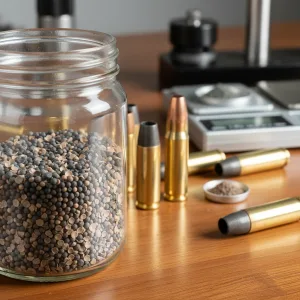
One comment
Pingback:
Reloading: Guide to Selecting Primers for Optimal Performance - Northern Reloading