
Reloading Secrets: Maximizing Performance with Primers
The world of ammunition reloading can seem complex, filled with numerous variables that affect performance. Among these, the primer often gets less attention than components like smokeless gun powder and bullets. However, the primer’s role in initiating the entire firing sequence makes it a critical element in achieving consistent accuracy and optimal velocity. Selecting the correct primer can be the difference between a successful shot and a frustrating misfire.
This comprehensive guide will delve into the intricacies of primers, covering everything from understanding their function and types to selecting the right primer for your specific reloading needs. Whether you’re a seasoned reloader or just starting out, this information will help you unlock the full potential of your ammunition.
Unlock Your Ammunition’s True Potential: Why Primer Selection Matters
Consistency is Key: How primers impact shot-to-shot variation.
Primers are small, but their impact on shot-to-shot consistency is massive. Inconsistent primers can lead to variations in ignition, causing erratic pressure curves and velocity fluctuations. Think of it as a faulty spark plug in a car – if the spark is weak or inconsistent, the engine won’t run smoothly. Similarly, if a primer ignites the powder inconsistently, the bullet’s velocity will vary, leading to wider groups downrange. High-quality primers offer greater uniformity in their priming compound and cup thickness, resulting in more consistent ignition and, ultimately, better accuracy. For example, a shooter reloading .223 Remington for precision target shooting might notice a significant reduction in group size by switching from standard primers to match-grade primers specifically designed for consistency.
The Domino Effect: Understanding how primer choice influences powder burn and bullet velocity.
Primer selection isn’t just about ignition; it influences the entire powder-burning process. A hotter primer will ignite the powder more rapidly, potentially leading to higher pressures and velocities. Conversely, a weaker primer may result in a less complete powder burn, reducing velocity and potentially increasing muzzle flash. Matching the primer’s brisance (the shattering effect of its explosion) to the powder’s burn rate is crucial. Slower-burning powders often benefit from magnum primers, which provide a more powerful initial ignition. An unsuitable combination can lead to erratic pressures and poor performance. Imagine trying to start a bonfire with a single match – it might work, but a handful of kindling would be far more effective. Similarly, using the right primer ensures efficient and consistent powder ignition.
Beyond the Bang: Primer features that influence overall accuracy.
Several primer features beyond the basic ignition process affect overall accuracy. The primer cup material and thickness play a significant role in sensitivity and consistency. Softer primer cups are easier to ignite, which can be beneficial in firearms with lighter firing pin strikes. However, they are also more prone to slamfires in semi-automatic rifles. Harder primer cups offer greater resistance to accidental ignition but may require a stronger firing pin strike. Primer seating depth is also critical. Primers seated too shallow may not ignite reliably, while primers seated too deep can be crushed and rendered useless. Aim for consistent seating depth just below the case head. For example, properly seated primers in a 6.5 Creedmoor load can improve standard deviation of velocities, contributing to tighter groupings at long range. It’s a small detail that makes a big difference.
Primer Types Demystified: Small Rifle, Large Pistol, and Everything In Between
A Size-by-Size Guide: Identifying the correct primer dimensions for your cartridge.
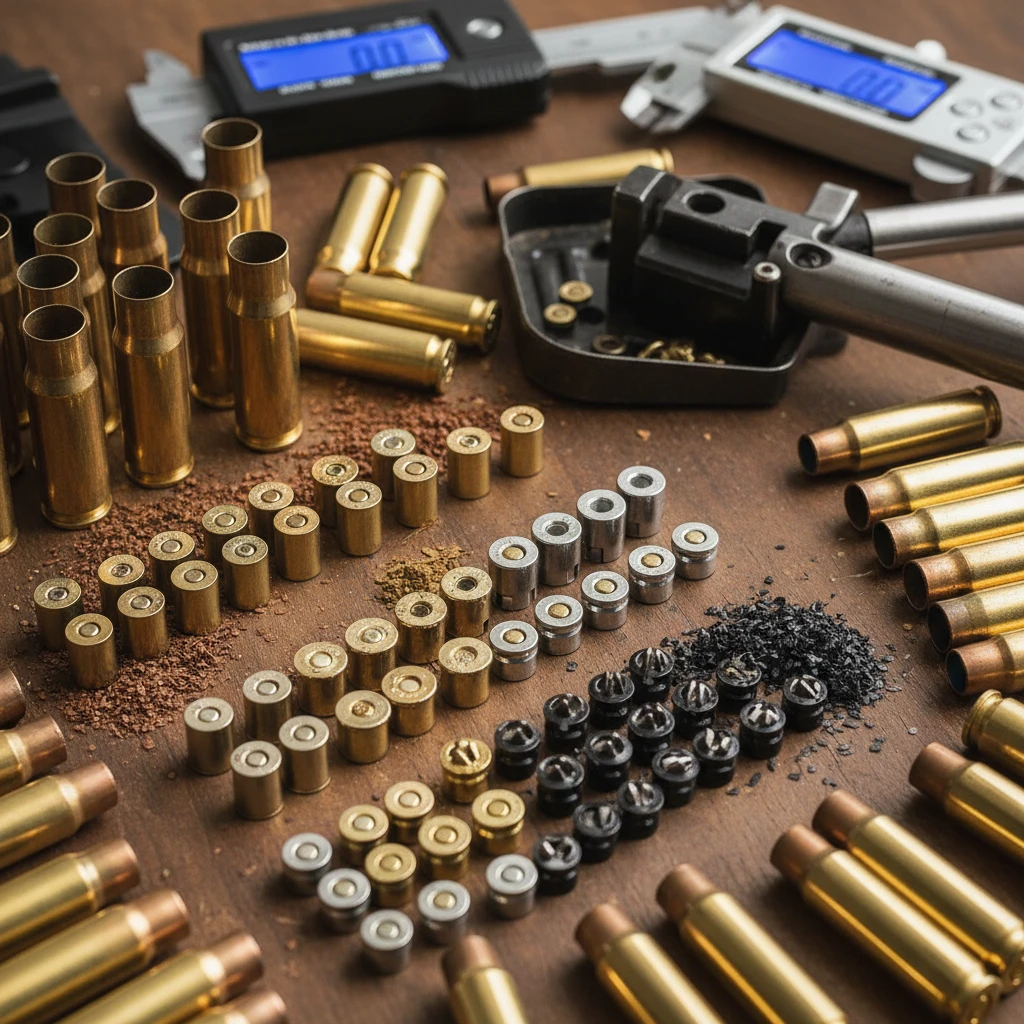
Choosing the correct primer size is non-negotiable for safe and effective reloading. Primers come in various sizes, primarily categorized as small rifle, large rifle, small pistol, and large pistol. Within these categories, there are also variations like small rifle magnum and large pistol magnum. Using the wrong size primer can lead to misfires, damage to your firearm, or even dangerous overpressure situations. Consult your reloading manual or cartridge specifications to determine the correct primer size for your specific cartridge. Small rifle primers are typically used in cartridges like .223/5.56 and 7.62×39, while large rifle primers are common in cartridges like .308 and .30-06. Handgun ammo such as 9mm and .45 ACP generally use small pistol and large pistol primers, respectively. Always double-check compatibility before loading. Attempting to force a primer into a case it’s not designed for is a recipe for disaster.
Understanding Primer Composition: Standard, Magnum, and Match-Grade explained.
Primer composition is another critical factor influencing performance. Standard primers are designed for general-purpose reloading and offer reliable ignition with a wide range of powders. Magnum primers contain a hotter priming compound and are intended for use with slow-burning powders or in cold weather conditions where ignition may be more challenging. Match-grade primers are manufactured to extremely tight tolerances and undergo rigorous quality control to ensure consistent ignition, making them ideal for precision shooting applications. The choice between standard, magnum, and match primers depends on the cartridge, powder type, and desired level of accuracy. For instance, reloading a .44 Magnum cartridge with a heavy charge of slow-burning powder would typically require a magnum primer for optimal performance. Conversely, a light target load in .38 Special might perform best with a standard primer.
Color Codes and Markings: Decoding primer identification.
While not universally standardized, some primer manufacturers use color codes or markings to help identify different primer types. These markings can be subtle, such as a colored sealant around the primer pocket or a specific letter or number stamped on the primer cup. For example, some manufacturers use a silver-colored cup for standard primers and a brass-colored cup for magnum primers. However, relying solely on color codes can be misleading, as these can vary between brands. Always refer to the primer packaging or manufacturer’s documentation for accurate identification. Keep primers in their original packaging until you are ready to use them to avoid confusion. Mixing up primer types can lead to inconsistencies in your reloads and potentially unsafe conditions. A simple visual inspection coupled with careful labeling is the best way to ensure you’re using the correct primer for your application.
The Science of Ignition: How Primers Work with Smokeless Gun Powder
Heat, Pressure, and Gases: The chemical reaction inside a primer.
The ignition process begins with the firing pin striking the primer cup, which contains a sensitive priming compound. This impact crushes the priming compound against the anvil (a small metal piece inside the primer), initiating a rapid chemical reaction. This reaction generates intense heat, pressure, and hot gases. These hot gases then travel through the flash hole in the case head and ignite the main powder charge. The efficiency and consistency of this initial chemical reaction are critical to consistent ignition and optimal performance. Different priming compounds have varying levels of sensitivity and brisance. Some older priming compounds were corrosive, leaving behind salts that could damage the gun barrel. Modern primers use non-corrosive priming compounds, making them much safer for firearms. The Sporting Arms and Ammunition Manufacturers’ Institute (SAAMI) sets standards for ammunition, including primer composition, promoting safety and interchangeability.
Optimal Powder Burn: Matching primer strength to powder characteristics.
Achieving an optimal powder burn is crucial for maximizing velocity, accuracy, and consistency. As noted earlier, the strength of the primer must be matched to the characteristics of the powder. Slow-burning powders, typically used in magnum cartridges or for achieving higher velocities in rifle cartridges, require a more powerful ignition source to ensure a complete and consistent burn. Magnum primers provide this extra “oomph,” generating more heat and gas to ignite the powder more effectively. Using a standard primer with a slow-burning powder can result in incomplete combustion, leading to reduced velocity, increased muzzle flash, and unburned powder residue in the barrel. Conversely, using a magnum primer with a fast-burning powder can cause excessive pressure, potentially damaging your firearm or causing injury. Careful powder selection is as important as careful primer selection. It can be helpful to read troubleshooting guides for smokeless gun powder if you are having issues.
Troubleshooting Common Ignition Issues: Misfires and hangfires.
Misfires (failure of the primer to ignite the powder) and hangfires (a noticeable delay between the firing pin strike and ignition) can be frustrating and potentially dangerous. Common causes of misfires include contaminated primers (e.g., exposed to oil or moisture), improperly seated primers, or a weak firing pin spring. Hangfires can be caused by weak primers, insufficient primer seating depth, or using the wrong type of primer for the powder. If you experience a misfire, always wait at least 30 seconds before opening the action, pointing the firearm in a safe direction. In the case of a hangfire, maintain a safe muzzle direction and wait at least 60 seconds before unloading. To prevent these issues, ensure primers are stored properly in a cool, dry place, seat primers to the correct depth, and maintain your firearm’s firing pin and spring in good working order. If misfires persist, try switching to a different brand or type of primer or consulting a qualified gunsmith.
Primer Compatibility Chart: Matching Primers to Specific Cartridges
Handgun Ammo Primer Recommendations: 9mm, .45 ACP, .38 Special, and more.
Selecting the correct primer for handgun ammunition is critical for reliable ignition and consistent performance. For 9mm, small pistol primers are generally recommended. Some reloaders prefer small rifle primers in 9mm due to their slightly harder cups, which can prevent slamfires in certain semi-automatic pistols, but it’s crucial to ensure your firearm can reliably ignite them. For .45 ACP, large pistol primers are the standard choice. .38 Special typically uses small pistol primers, and .357 Magnum generally calls for small pistol magnum primers, especially with heavier bullet weights and slower-burning powders. A .40 S&W typically uses small pistol primers, but magnum primers can be used for heavier loads. Always consult your reloading manual for specific recommendations based on your chosen powder and bullet combination. Deviation from recommended guidelines can lead to unsafe pressures or inconsistent performance. Consistency of your reloading primers will greatly affect your performance.
Rifle Ammo Primer Recommendations: .223/5.56, .308, .30-06, and more.
When reloading rifle ammunition, selecting the appropriate primer is paramount for achieving optimal accuracy and velocity. For .223 Remington/5.56mm NATO, small rifle primers are the standard. Some reloaders opt for small rifle magnum primers for enhanced ignition with certain powders, particularly in AR-15 platforms. .308 Winchester typically uses large rifle primers, and .30-06 Springfield also relies on large rifle primers. For larger magnum cartridges like .300 Winchester Magnum or 7mm Remington Magnum, large rifle magnum primers are almost always necessary to ensure consistent ignition of the larger powder charges. When reloading for semi-automatic rifles, using primers with harder cups can help prevent slamfires. Again, always refer to a reputable reloading manual for specific primer recommendations based on your chosen components and desired performance. Primer selection often depends on the burn rate of the powder used in each rifle load. It is useful to carefully examine the type of rifle ammo you intend to produce.
When to Choose Magnum Primers: Considerations for large-capacity cases and cold weather.
Magnum primers are designed to provide a more powerful ignition source, making them particularly useful in certain situations. The primary reason to choose magnum primers is when reloading large-capacity cases, especially those using slow-burning powders. These powders require a more substantial ignition to ensure a complete and consistent burn, maximizing velocity and minimizing unburned powder residue. Magnum primers are also beneficial in cold weather conditions, where the powder may be more difficult to ignite. The increased heat output of a magnum primer can help overcome the effects of cold temperatures and ensure reliable ignition. However, it’s important to note that using magnum primers can increase pressures, so it’s crucial to reduce your powder charge accordingly and work up to your desired load carefully. Always consult your reloading manual for guidance on using magnum primers and reducing your powder charge to compensate for their increased power.
Primer Seating: A Critical Step for Consistent Performance
Proper primer seating is paramount for achieving consistent and reliable ammunition performance. Inconsistent seating depths can lead to variations in ignition, pressure, and ultimately, accuracy. A primer that is not fully seated may not ignite reliably, while one that is crushed can cause dangerous pressure spikes. Achieving the correct “feel” during primer seating and using the right tools are essential skills for any reloader aiming for precision.
The ‘Feel’ Test: Recognizing proper primer seating depth.
The “feel” test involves developing a sense of how much resistance is appropriate when seating a primer. A properly seated primer should be just below the case head, typically 0.003-0.005 inches. You should feel a firm, consistent resistance as the primer seats fully, followed by a slight decrease in pressure when it reaches its proper depth. If the primer seats too easily, it may indicate an oversized primer pocket or a damaged primer. Excessive force suggests an obstruction or an undersized primer pocket. Avoid any feeling of “crunching,” which indicates potential primer damage.
Tools and Techniques: Manual vs. progressive reloading presses.
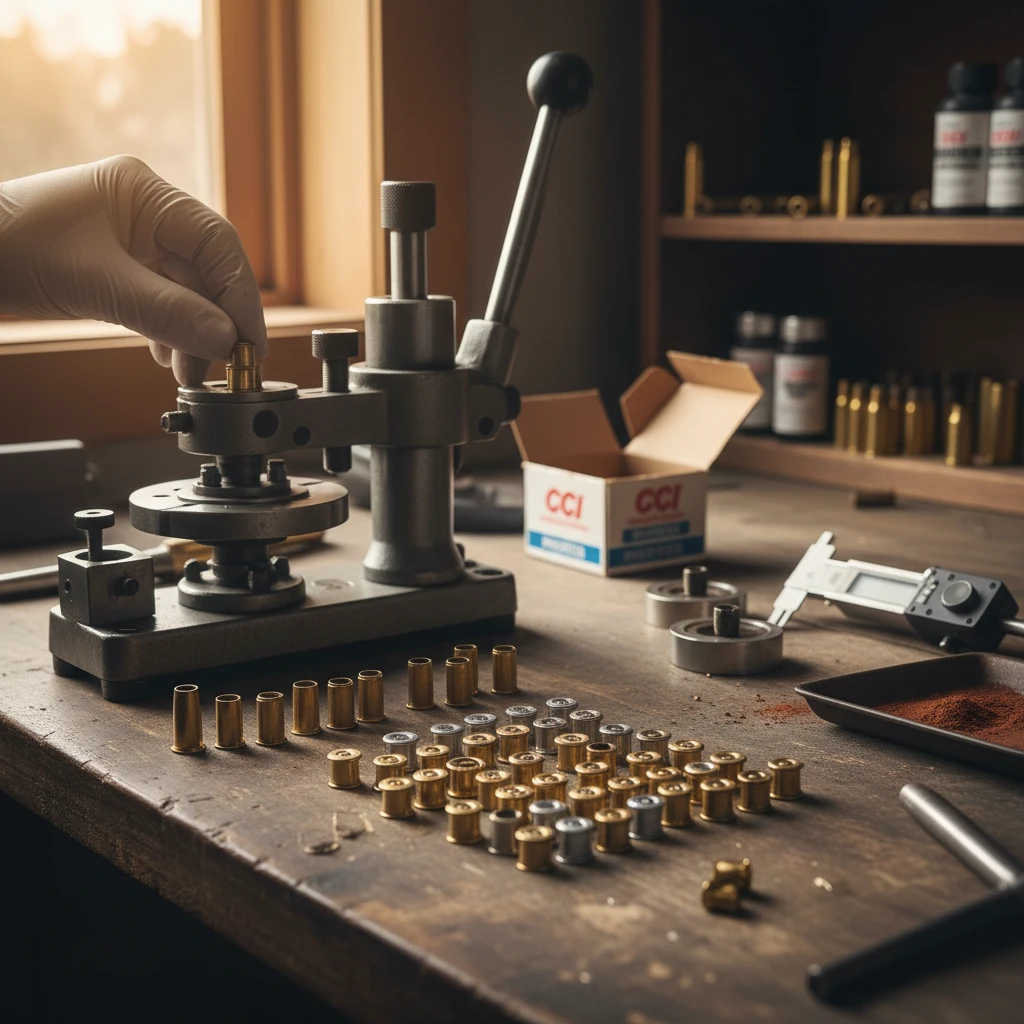
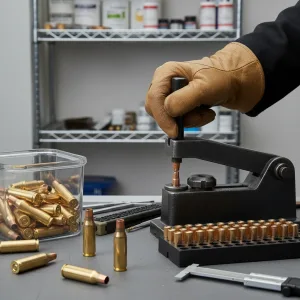
Both manual and progressive reloading presses can be used for seating primers. Manual presses offer greater control and feedback, allowing reloaders to carefully monitor the seating process. Progressive presses, while faster, require careful setup and monitoring to ensure each primer is seated correctly. When using a progressive press, periodically check primer seating depth with a primer depth gauge to ensure consistency. On a single stage press, ensure the shell holder is clean and the priming arm moves smoothly. Adjust the priming system as needed to achieve consistent seating depth. Consider using a dedicated priming tool for enhanced control, especially if you’re focusing on precision loads. RCBS and Frankford Arsenal both offer stand-alone priming tools known for their sensitivity. Remember that even with the best tools, attention to detail is key.
Avoiding Primer Crushing: Preventing malfunctions and unsafe conditions.
Crushing a primer can damage the priming compound, leading to misfires or inconsistent ignition. It also poses a safety risk due to the potential for unintended detonation during the reloading process. To avoid crushing, ensure the primer pocket is clean and free of debris. Use a primer pocket uniformer to ensure consistent pocket depth. Never force a primer into a pocket. If a primer requires excessive force, stop and inspect the primer pocket for obstructions or undersized dimensions. Discard any primers that show signs of damage. Improper seating depth due to worn-out shell holders is also a cause of primer crushing. Replace worn parts immediately. Lee Precision sells dedicated tools that improve primer pocket cleaning and uniformity, enhancing seating consistency.
Troubleshooting Primer Problems: Identifying and Resolving Issues
Even with meticulous technique, reloaders may encounter primer-related issues. These problems can range from squib loads to pierced primers, and identifying the root cause is crucial for safe and reliable reloading. Understanding the factors that contribute to these issues and implementing preventive measures are essential for maintaining consistent ammunition performance. Careful observation of fired cases and attention to detail during the reloading process are invaluable tools for troubleshooting primer problems.
Squib Loads: What they are and how primers play a role.
A squib load occurs when the primer ignites the powder charge weakly, resulting in a bullet that becomes lodged in the barrel. While typically caused by insufficient or contaminated smokeless gun powder, the primer plays a critical role. A weak or improperly seated primer may not provide sufficient initial energy to ignite the powder column efficiently, especially with slow-burning powders. Ensure you are using the correct primer type recommended for the powder and cartridge combination. If squib loads persist, even with the correct powder charge, consider using a magnum primer to provide a more energetic ignition. After a squib load, ALWAYS clear the obstruction before attempting to fire another round. Failure to do so can cause catastrophic damage to the firearm.
Pierced Primers: Causes, effects, and preventive measures.
A pierced primer occurs when the firing pin punctures the primer cup, typically due to excessive pressure or a worn firing pin. Pierced primers can cause gas leakage around the firing pin, potentially damaging the firearm and injuring the shooter. They are a clear indicator of overpressure. Reduce your powder charge and re-evaluate your load data. Ensure that your firearm’s firing pin is correctly sized and shaped, with no sharp edges that could contribute to piercing. Also, check the headspace of your firearm, as excessive headspace can also cause pierced primers. Some firearms are more prone to pierced primers due to their design. In these cases, using a primer with a thicker cup can help prevent the issue. For example, certain small rifle primers are known to have thicker cups for use in AR-15 platforms.
Primer Sensitivity Issues: Addressing light strikes and misfires.
Light strikes and misfires occur when the firing pin strikes the primer but fails to ignite it. This can be caused by several factors, including insufficient firing pin energy, improperly seated primers, or insensitive primers. Ensure your firearm’s firing pin spring is in good condition and provides sufficient force. Clean the firing pin channel regularly to prevent obstructions. Verify that primers are seated fully and consistently. If light strikes persist, try a different brand of primer known for its sensitivity. Some reloaders experience issues with military-style rifles due to harder primers designed for floating firing pins. In such cases, using a slightly lighter firing pin spring or switching to a more sensitive primer can resolve the problem.
Safety First: Handling and Storing Primers Responsibly
Primers are explosive components that require careful handling and storage to prevent accidents. Understanding the risks associated with primers and implementing appropriate safety measures is crucial for any reloader. Negligence in handling and storage can lead to unintended detonations, fires, and serious injuries. Always prioritize safety when working with primers, and follow established best practices to minimize risks.
Avoiding Detonation: Minimizing risks during handling and storage.
Primers are sensitive to impact, friction, and heat, and can detonate if mishandled. Avoid dropping primers or subjecting them to excessive force. Never use primers that show signs of damage or corrosion. Store primers in their original packaging to protect them from impact and contamination. Keep primers away from sources of heat, sparks, and open flames. When working with primers, handle them gently and deliberately. Avoid distractions and maintain a clean and organized workspace. If a large quantity of primers detonates unexpectedly, it can create a significant explosion hazard. Treat every primer with the respect it deserves.
Temperature and Humidity: The impact of environmental factors on primer stability.
Temperature and humidity can significantly affect primer stability and performance. Excessive heat can degrade the priming compound, leading to misfires or inconsistent ignition. High humidity can cause corrosion and reduce primer sensitivity. Store primers in a cool, dry place away from direct sunlight and extreme temperature fluctuations. A stable environment is crucial for maintaining primer integrity over time. Consider using a dehumidifier in your storage area to control humidity levels. Monitor the temperature and humidity of your storage area regularly to ensure it remains within acceptable limits.
Best Practices for Bulk Primer Storage: Protecting your investment.
When storing primers in bulk, follow these best practices to protect your investment and minimize risks. Store primers in a fire-resistant cabinet or container to contain potential detonations. Keep primers segregated from smokeless gun powder and other flammable materials. Limit the quantity of primers stored in any one location to reduce the potential impact of an accidental detonation. Regularly inspect primers for signs of damage or degradation. Rotate your primer stock to ensure older primers are used first. Properly dispose of any damaged or deteriorated primers according to local regulations. Clearly label your primer storage containers with appropriate warnings. Consider using a specialized ammunition storage container designed to mitigate the effects of an accidental explosion. This is especially useful when dealing with large quantities of primers. Always prioritize safety and adhere to all applicable regulations.
Optimizing for Specific Applications: Primers for Hunting, Competition, and Self-Defense
The choice of primer can significantly impact the performance of ammunition in different applications. Selecting the right primer for hunting, competition, or self-defense loads requires careful consideration of the specific needs and demands of each scenario. Factors such as reliability, accuracy, and consistent ignition are paramount in each application, but their relative importance may vary. Understanding the nuances of primer selection for each application can help reloaders achieve optimal results.
Hunting Loads: Prioritizing reliability and consistent ignition in various conditions.
For hunting loads, reliability and consistent ignition are paramount, especially in adverse weather conditions. Choose primers that are known for their consistent performance across a wide temperature range. Magnum primers may be beneficial in cold weather or when using slow-burning powders. Consider using primers with a sealant to protect against moisture and corrosion. Test your hunting loads in conditions similar to those you expect to encounter in the field to ensure reliable performance. Reliability trumps all other considerations when taking an ethical shot on game. A misfire can result in a missed opportunity or, worse, a wounded animal. Therefore, choosing the most reliable primer for your hunting application is paramount.
Competition Loads: Achieving maximum accuracy and minimal velocity spread.
In competition shooting, accuracy and minimal velocity spread are critical for achieving consistent scores. Select primers that are known for their consistent ignition and low standard deviation in velocity. Experiment with different primer brands and types to find the combination that yields the best accuracy in your firearm. Use a chronograph to measure velocity and analyze velocity spread. Consistent primer seating depth is also crucial for minimizing velocity variations. Match-grade primers are often selected because of their tight tolerances. Small rifle primers are common in precision rifle competitions, where consistent performance at long ranges is important. Paying attention to these details can provide a competitive edge.
Self-Defense Loads: Ensuring dependable performance in critical situations.
For self-defense loads, dependable performance is non-negotiable. Choose primers that are known for their reliability and consistent ignition in all conditions. Test your self-defense loads extensively to ensure they function flawlessly in your firearm. Consider using primers with a sealant to protect against moisture and corrosion. Regular practice with your self-defense ammunition is essential to maintain proficiency and confidence. A failure to fire in a self-defense situation can have catastrophic consequences. Therefore, the choice of primer and the overall reliability of your ammunition are of utmost importance. Choose a primer with a reputation for consistent ignition across a wide range of firearms and ammunition components.
Just like a startup needs to prioritize, self-defense requires the best performing tools.
Advanced Techniques: Fine-Tuning Primer Selection for Optimal Ballistics
Moving beyond basic primer selection, advanced reloaders meticulously match primers to specific powder types and desired performance characteristics. This involves understanding how different primer brisance (the shattering effect of the explosion) interacts with varying powder burn rates and the overall pressure curve within the cartridge. A primer that is too “hot” for a fast-burning powder could lead to pressure spikes and inconsistent ignition. Conversely, a mild primer paired with a slow-burning magnum powder may result in incomplete combustion and poor velocity consistency. The key is finding the sweet spot where the primer ignites the powder charge reliably and uniformly, leading to consistent pressures and velocities.
Reloaders can use software and load data from reputable sources such as powder and primer manufacturers to develop starting loads. Incremental adjustments to powder charges, while carefully monitoring pressure signs, can help fine-tune the load. It’s advisable to consult multiple reputable reloading manuals and cross-reference the data to ensure a safe and effective load.
Pressure Testing: Using pressure signs to assess primer performance.
Careful observation of pressure signs on fired cases is crucial when evaluating primer performance. Flattened primers, cratered primer pockets, or difficulty extracting the spent case can indicate excessive pressure, potentially stemming from an improperly matched primer/powder combination or an overcharge of powder. Conversely, primers that appear almost untouched after firing might suggest insufficient pressure, possibly due to a weak primer or an undercharge of powder. Note that pressure signs can be subtle and influenced by multiple factors, including chamber dimensions and brass hardness. Therefore, these signs should be considered in conjunction with other data, such as chronograph readings and published load data. Always start with the minimum recommended load and gradually increase the powder charge while monitoring for pressure signs. If you are seeing flattened primers before reaching listed maximum loads, it is best to reduce your powder charge or change to a primer with a lower brisance.
Velocity Spread Analysis: Measuring primer consistency with a chronograph.
A chronograph is an indispensable tool for assessing primer consistency. A chronograph measures the muzzle velocity of each shot, providing data that can reveal variations in primer performance. A wide velocity spread (the difference between the fastest and slowest shots in a string) can indicate inconsistent primer ignition, leading to variations in pressure and ultimately affecting accuracy. Ideally, a well-optimized load will exhibit a low standard deviation (SD) and extreme spread (ES) in velocity. For example, if testing five rounds, a SD of less than 15 fps (feet per second) and an ES of less than 50 fps would suggest excellent primer consistency. A higher SD and ES would indicate the need to adjust the primer selection or powder charge.
Powder Selection Influence: The interplay between smokeless gun powder and primer choices
The type of smokeless gun powder used has a direct impact on primer selection. Slower-burning powders typically require more “oomph” from the primer to ensure proper ignition, often necessitating the use of magnum primers, especially in cold weather or with heavily compressed loads. Conversely, fast-burning powders are more easily ignited and may perform optimally with standard primers. Experimenting with different primer types (standard, magnum, match-grade) within safe load data parameters can reveal which combination delivers the most consistent velocities and accuracy for a given firearm. It is critical to consult reputable reloading manuals and follow their guidelines for primer selection based on the specific powder being used. Ignoring these recommendations can lead to dangerous pressure situations.
Primer Shelf Life and Storage: Maximizing Longevity
Primers, like other reloading components, have a limited shelf life, though they can last for many years if stored correctly. Proper storage is crucial to prevent deterioration and ensure reliable ignition when needed. Factors such as temperature fluctuations, humidity, and exposure to light can significantly impact primer performance. A primer that has been exposed to moisture may fail to ignite, or exhibit reduced brisance, leading to misfires or squib loads.
Reloaders who understand the importance of component preservation and safety recognize that primers must be stored with care. The goal is to create a stable environment that minimizes exposure to damaging elements. By following best practices, reloaders can extend the usable life of their primers and maintain the consistency of their handloads.
Ideal Storage Conditions: Temperature, humidity, and light.
Primers should be stored in a cool, dry, and dark place. Ideal storage temperatures are between 60°F and 70°F (15°C and 21°C) with humidity levels below 50%. Avoid storing primers in areas prone to temperature swings, such as garages, attics, or basements. A sealed, airtight container can further protect primers from moisture and humidity. Desiccant packs can be added to the container to absorb any residual moisture. Protect from direct sunlight and strong artificial light sources which can degrade the chemical compounds within the primer over time. A dedicated storage cabinet or a safe are excellent choices for keeping primers secure and protected. By following these guidelines, you can minimize the risk of primer degradation and ensure reliable performance for years to come.
Recognizing Degraded Primers: Signs of deterioration.
Visually inspect primers before use for any signs of corrosion, discoloration, or damage. Corrosion can manifest as a white or greenish powder on the primer surface. Discoloration may indicate chemical changes within the primer compound. Dented or deformed primers should also be discarded, as they may not seat properly in the primer pocket or ignite reliably. If you have any doubts about the condition of a primer, it’s best to err on the side of caution and dispose of it safely. A degraded primer may produce a “click-bang” (a delayed ignition) or fail to ignite altogether, potentially leading to a hazardous situation. When in doubt, it’s better to discard a questionable primer than risk a misfire or a potentially dangerous squib load.
Safe Disposal of Old Primers: Best practices for discarding unusable primers.
Unusable primers should be disposed of safely to prevent accidental ignition or environmental contamination. The safest method is to soak the primers in penetrating oil or water for several days to deactivate the priming compound. Once deactivated, the primers can be disposed of as non-hazardous waste. Alternatively, some shooting ranges and reloading supply stores may offer primer disposal services. Never attempt to disassemble or ignite primers intentionally, as this can be extremely dangerous. Do not dispose of live primers in regular household trash, as they could pose a risk to sanitation workers or ignite during waste processing. Always follow local regulations and guidelines for hazardous waste disposal. If you are unsure about the proper disposal method, contact your local waste management authority for guidance.
Beyond Primers: Enhancing Your Reloading Setup with Northern Reloading
Reloading is a multifaceted process that extends beyond just selecting the right primers. The choice of smokeless gun powder, ammunition components, and the quality of your reloading equipment all play critical roles in achieving optimal performance and consistency. Northern Reloading offers a comprehensive range of products and resources to help you enhance your reloading setup and master the art of handloading.
Reloading can seem complex, but it provides significant control over ammunition performance. A well-stocked reloading bench with the right equipment makes the process smoother, safer, and more enjoyable. Whether you’re a beginner or an experienced reloader, having access to quality components and knowledgeable support is essential for achieving consistent, accurate, and safe handloads. Let’s examine several key components that will help you optimize your loads.
Selecting the Right Smokeless Gun Powder: A guide to optimizing your powder choice.
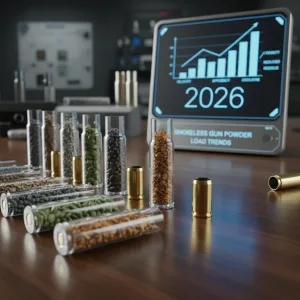
Choosing the appropriate smokeless gun powder is paramount for achieving desired ballistic performance. Different powders exhibit varying burn rates, which directly impact the velocity, pressure, and recoil characteristics of the cartridge. Fast-burning powders are typically used in handgun cartridges and smaller rifle calibers, while slower-burning powders are better suited for larger rifle cartridges and magnum loads. Consider the specific cartridge you are reloading for, the bullet weight, and the intended application (e.g., target shooting, hunting) when selecting a powder. Consult reputable reloading manuals and powder manufacturer data to determine the optimal powder charge for your specific load. Experimentation within safe load data parameters can help you fine-tune your load and achieve the best possible performance. Factors such as ambient temperature and barrel length can also influence powder performance, so it’s essential to consider these variables when developing your loads. You can also find more information on reloading for accuracy online.
Finding Quality Rifle Ammo and Handgun Ammo: Choosing reliable options.
Even if you are an avid reloader, there are times when purchasing factory ammunition is necessary or desirable. Whether you are looking for rifle ammo for hunting or handgun ammo for self-defense or target shooting, selecting quality, reliable options is crucial. Consider the intended application when choosing ammunition. For hunting, select ammunition with bullets designed for controlled expansion and deep penetration. For target shooting, choose ammunition with consistent bullet weights and velocities for optimal accuracy. Read reviews and consult with experienced shooters to identify reputable brands and ammunition types. Always prioritize safety and reliability when selecting ammunition, and ensure that the ammunition is compatible with your firearm.
Essential Reloading Tools: What you need to get started safely and effectively.
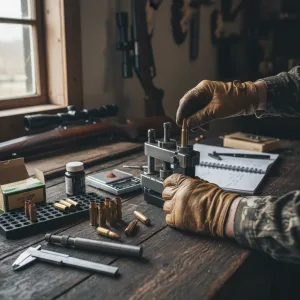
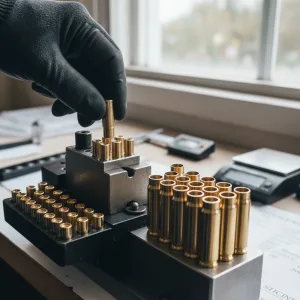
A well-equipped reloading bench is essential for producing safe and accurate handloads. Essential tools include a reloading press (single-stage or progressive), a powder scale, a powder measure, calipers, a case trimmer, a primer seating tool, and a bullet seating die. Invest in high-quality tools from reputable manufacturers to ensure accuracy and reliability. Safety equipment, such as safety glasses and a reloading manual, are also crucial. Before starting to reload, familiarize yourself with the proper use of each tool and follow all safety precautions. Regular maintenance and calibration of your reloading tools will ensure consistent and accurate results. Starting with a basic reloading kit is an excellent way for beginners to acquire the essential tools needed to get started safely and effectively.
By paying close attention to primer selection, implementing proper storage practices, and investing in quality components and tools, reloaders can significantly enhance their shooting experience. With dedication and attention to detail, mastering the art of reloading is attainable for any firearms enthusiast.

About author


One comment
Pingback:
Smokeless Gun Powder: Understanding Burn Rate for Reloading - Northern Reloading