Reloading Primers: Optimize Performance and Consistency
Reloading ammunition allows shooters to fine-tune performance and achieve levels of accuracy that are often unattainable with factory loads. While many aspects of the reloading process contribute to the final result, the primer – that small but mighty component – plays a pivotal role. Understanding primer characteristics and selecting the appropriate type is essential for consistent ignition, optimal velocity, and ultimately, superior accuracy.
This guide will delve into the intricacies of primer selection, exploring different types, their applications, and how to choose the right primer for your specific reloading needs. We’ll cover handgun and rifle applications, magnum loads, and troubleshooting common issues to help you optimize your reloading process and achieve outstanding results.
Beyond the Bang: Understanding the Primer’s Role in Accurate Reloads
The Ignition Chain: How Primers Interact with Powder and Projectiles
The primer is the unsung hero of the ammunition world, initiating the entire firing sequence. When the firing pin strikes the primer cup, it crushes the priming compound against the anvil, creating a spark. This spark ignites the smokeless gun powder charge within the cartridge case. The rapid combustion of the powder generates expanding gases, which propel the projectile down the barrel. A reliable primer ensures consistent ignition, which directly impacts velocity consistency and, consequently, accuracy.
Primer Sensitivity: Balancing Safety and Reliable Ignition
Primer sensitivity is a critical factor. Too sensitive, and the primer may be prone to accidental discharge during handling or reloading. Too insensitive, and it may result in light strikes or failures to fire. The ideal primer strikes a balance between safe handling and reliable ignition in the firearm for which it’s intended. Factors like firing pin weight, spring tension, and even cleanliness of the firearm’s action can influence reliable ignition. Always consult reputable reloading manuals for recommended primer types for your specific cartridge and firearm.
The Impact of Primer Choice on Muzzle Velocity and Consistency
The primer’s contribution extends beyond simply lighting the powder. Different primer formulations and brisance (the shattering effect of an explosive) can influence the initial pressure curve and ultimately the muzzle velocity. A more “aggressive” primer can, in some instances, provide a more complete and consistent burn of the powder, resulting in tighter velocity spreads (extreme spread and standard deviation). However, it’s crucial to note that altering primers can have pressure implications, so reducing your powder charge and working up carefully is vital when changing primers. For example, switching from a standard primer to a magnum primer may necessitate a reduction of 0.5 to 1.0 grains of powder to maintain safe pressure levels.
Decoding Primer Types: A Comprehensive Guide for Reloaders
Small Rifle vs. Large Rifle Primers: Understanding Size and Application
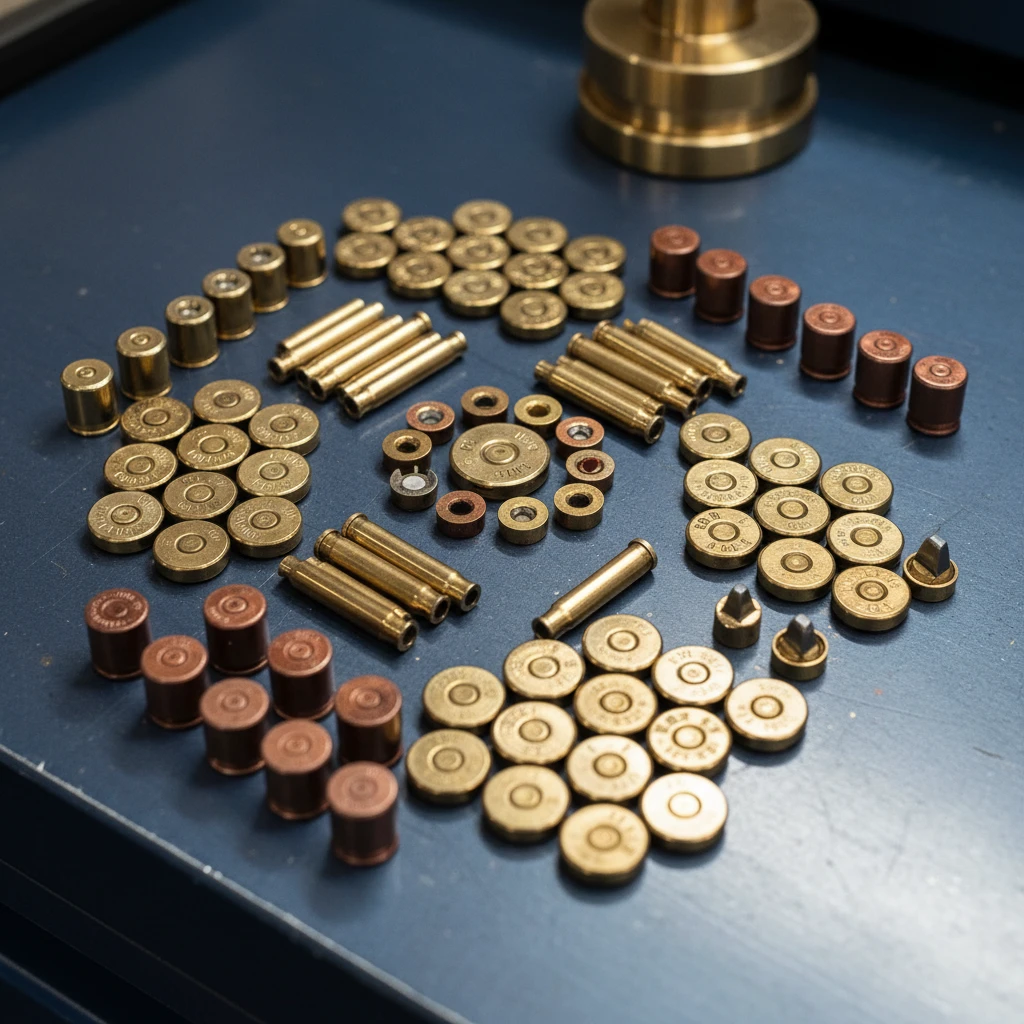
Rifle primers come in two primary sizes: small rifle and large rifle. Small rifle primers are typically used in cartridges like the .223 Remington/5.56mm NATO, 6.5 Grendel, and 7.62x39mm. Large rifle primers are found in cartridges like the .308 Winchester/7.62mm NATO, .30-06 Springfield, and .300 Winchester Magnum. It is critical to always use the correct primer size for your cartridge. Using the wrong size can lead to failures to fire or even damage to your firearm. For instance, attempting to seat a large rifle primer in a small rifle primer pocket will likely crush the primer and potentially cause an explosion.
Small Pistol vs. Large Pistol Primers: When to Use Which
Similar to rifle primers, pistol primers also come in small and large sizes. Small pistol primers are commonly used in cartridges like 9mm Luger, .38 Special, and .380 ACP. Large pistol primers are typically found in cartridges such as .45 ACP, .44 Magnum, and .45 Colt. Again, using the correct size is paramount for safety and performance. Cartridge specifications dictate the appropriate primer size, and it is unsafe to interchange them. Attempting to use a small pistol primer in a large pistol primer pocket, or vice-versa, will result in improper seating and potential misfires or damage.
Magnum Primers: Why and When You Need the Extra Spark
Magnum primers feature a hotter, more energetic priming compound designed to ignite larger powder charges or powders that are more difficult to ignite. They are commonly used in magnum handgun and rifle cartridges, as well as in cold weather conditions where ignition can be more challenging. Using a magnum primer in a standard load can increase pressure and velocity, potentially leading to dangerous overpressure situations. Always consult your reloading manual for guidance on whether a magnum primer is recommended or required for your specific load. Remember to reduce your powder charge when switching to a magnum primer and work up your load carefully. For example, some reloaders find that using magnum primers in .357 Magnum loads with slow-burning powders like H110 or W296 yields more consistent velocities and cleaner burning.
Distinguishing Between Standard and Match-Grade Primers
While standard primers are perfectly adequate for most reloading applications, match-grade primers are manufactured to tighter tolerances and undergo more rigorous quality control. This results in more consistent ignition and, theoretically, improved accuracy potential, especially in precision shooting applications. The difference in performance between standard and match-grade primers may be subtle, but in competitive shooting where fractions of an inch can make the difference between winning and losing, the added consistency can be beneficial. Match-grade primers often feature more uniform cup thickness and priming compound distribution, leading to more consistent ignition times. Consider match primers an incremental optimization, but only after all other elements of the load are performing optimally.
Choosing the Right Primer for Your Handgun Ammo Reloads
Specific Primer Recommendations for Popular Handgun Calibers (9mm, .45 ACP, .40 S&W)
For 9mm Luger, small pistol primers are standard. Brands like CCI, Winchester, and Federal all offer reliable options. The .45 ACP typically uses large pistol primers, with similar brands providing good performance. The .40 S&W also uses small pistol primers. However, some reloaders prefer magnum small pistol primers in .40 S&W, especially when using slower-burning powders, to ensure complete combustion. Experimentation within safe reloading guidelines is key to finding what works best in your specific firearm. Consult multiple reputable reloading manuals to establish a safe starting point and work up your load incrementally while monitoring for signs of overpressure. An example would be using CCI 500 small pistol primers for standard 9mm loads and CCI 550 small pistol magnum primers when working with slower powders in the .40 S&W.
Primer Selection Based on Powder Type: Matching for Optimal Performance
The choice of primer is intertwined with the choice of smokeless powder. Faster-burning powders generally ignite easily and may not require a magnum primer, even in larger cases. Slower-burning powders, on the other hand, can benefit from the hotter spark of a magnum primer to ensure complete and consistent ignition. For example, a fast-burning powder like Bullseye in a .45 ACP will work well with a standard large pistol primer. However, a slower-burning powder like Accurate No. 9 in the same cartridge might benefit from a magnum large pistol primer. Consulting a reloading manual that provides specific primer recommendations for different powder types is essential. Advanced reloading techniques often involve tailoring the primer choice to the powder characteristics for optimal performance.
Addressing Common Handgun Primer Issues: Light Strikes and Squibs
Light strikes, where the firing pin fails to ignite the primer, can be caused by several factors, including insufficient firing pin spring tension, a dirty or obstructed firing pin channel, or primers that are seated too deeply or not deeply enough. Squibs, where the primer ignites but fails to ignite the powder charge, can be caused by weak primers, contaminated powder, or insufficient crimp. If you experience light strikes, check your firearm’s firing pin mechanism and ensure it is clean and functioning correctly. If you experience squibs, inspect your primers for damage or contamination and ensure you are using a sufficient crimp to properly seal the cartridge. In one example, a reloader consistently experienced light strikes with a particular brand of primers. After switching to a different brand with a slightly more sensitive priming compound, the issue was resolved. Always use caution when experiencing either and ensure the barrel is clear of obstructions before firing another round.
Optimizing Performance with Rifle Ammo Primer Selection
Primer Choices for Precision Rifle Shooting: Achieving Tight Groups
In precision rifle shooting, consistency is king. Match-grade primers are often favored for their tighter tolerances and more consistent ignition. Brands like Federal Gold Medal Match primers are specifically designed for precision applications. However, even with match-grade primers, it’s crucial to experiment to find the optimal primer for your particular rifle and load. Some rifles may prefer a slightly hotter or milder primer for best accuracy. Factors like barrel harmonics, bullet seating depth, and powder charge can all influence primer performance. It’s not uncommon for precision shooters to test multiple primer types to determine which produces the smallest groups at their desired distance. For instance, one precision shooter found that his custom .308 rifle consistently produced smaller groups with Federal 210M primers compared to CCI BR2 primers, even though both are considered match-grade.
Selecting Primers for Hunting Cartridges: Reliability in Extreme Conditions
Reliability is paramount when selecting primers for hunting cartridges, especially in potentially harsh environmental conditions. Magnum primers are often recommended for hunting cartridges used in cold weather, as they provide a more robust ignition in low temperatures. Primers with sealed pockets can also help prevent moisture from affecting the priming compound, ensuring reliable ignition in wet or humid conditions. Consider the typical hunting environment and choose primers that are known for their reliability in those conditions. For instance, if hunting in sub-zero temperatures, a magnum primer like the CCI 250 is often a better choice than a standard large rifle primer.
Considerations for High-Pressure Rifle Loads: Managing Pressure Spikes
High-pressure rifle loads, such as those used in cartridges like the .22-250 or 6.5 Creedmoor, can be sensitive to primer selection. Using an overly aggressive primer in a high-pressure load can lead to pressure spikes and potentially dangerous overpressure situations. It’s generally recommended to start with a standard primer and work up your load carefully, monitoring for signs of overpressure, such as flattened or cratered primers, or difficult extraction. Some reloaders prefer using primers with thicker cups in high-pressure loads to better contain the pressure. However, it is critical to cross-reference information with reliable reloading manuals. Always prioritize safety and consult reputable sources before experimenting with high-pressure loads. Remember that even small changes in primer selection can significantly impact pressure.
Primer recommendations for .223/5.56 and .308
For .223 Remington/5.56mm NATO, small rifle primers are the standard. Many reloaders find good results with CCI 400, Winchester SR, or Federal 205 primers. For higher pressure loads or when using ball powders, some prefer the slightly harder CCI 450 magnum small rifle primer or the CCI BR4 primer. For .308 Winchester/7.62mm NATO, large rifle primers are used. Common choices include CCI 200, Federal 210, and Winchester LR primers. For match-grade .308 loads, Federal 210M or CCI BR2 primers are often preferred. Always consult reloading manuals for specific recommendations and work up your loads carefully. A .223 reloader, for instance, documented consistently tighter groups when switching from a standard small rifle primer to a CCI BR4 primer when using a specific ball powder, but only after carefully working up the load again. It’s advisable to consult sources like the SAAMI (Sporting Arms and Ammunition Manufacturers’ Institute) for industry standards and safety guidelines.
Primers and Smokeless Gun Powder: A Critical Partnership
The primer’s role in the reloading process is to initiate the combustion of smokeless gun powder. It’s a small but mighty component, and its performance directly impacts the reliability and consistency of your reloads. Understanding how primers interact with different powders is crucial for optimizing your ammunition’s performance. Selecting the right primer for your chosen powder ensures complete and efficient ignition, leading to consistent velocities and improved accuracy. A mismatch can result in incomplete combustion, erratic pressures, and even squib loads, which can damage your firearm.
Primer Compatibility Chart: Matching Primers to Different Powder Burn Rates
While no single chart covers every possible combination, a general guide helps you select appropriate primers. Fast-burning powders typically require less brisance (the shattering effect of an explosive), while slower-burning powders often benefit from hotter primers. For example, pistol powders like Hodgdon Titegroup or Alliant Bullseye generally work well with standard small pistol primers. Rifle powders like Hodgdon H4350 or IMR 4831 often perform best with large rifle magnum primers, especially in colder temperatures or with cartridges having larger powder capacities. Reputable reloading manuals often provide specific primer recommendations for each powder and cartridge combination. It’s always best to consult multiple sources and start with published data before experimenting. Remember, variations exist even within primer brands, so testing is essential to find the ideal match for your specific setup. For example, Winchester primers are often considered to be on the “hotter” side compared to CCI primers.
The Effect of Primer Strength on Powder Ignition
The strength of a primer, often categorized as standard or magnum, influences how effectively it ignites the powder charge. Magnum primers produce a hotter and longer-lasting flame, which is beneficial for hard-to-ignite powders, large powder charges, or cold weather conditions. Using too strong a primer with a fast-burning powder can lead to over-pressure issues, while using too weak a primer with a slow-burning powder may result in incomplete combustion and poor accuracy. The key is to find the optimal balance. For instance, using a magnum primer with a light load of a fast-burning pistol powder could spike pressures dangerously. Conversely, a standard primer might struggle to consistently ignite a compressed load of a slow-burning rifle powder in sub-freezing temperatures.
Troubleshooting Ignition Problems: Primer and Powder Combinations to Avoid
Certain primer and powder combinations are known to be problematic. One common issue is using standard primers with ball powders in cold weather, which can lead to inconsistent ignition and increased velocity variations. Another pitfall is using magnum primers with fast-burning powders, potentially causing excessive pressure. When troubleshooting ignition problems, start by verifying that the primer is seated correctly (more on this below). If issues persist, try switching to a different primer or powder. For example, some reloaders have experienced issues with certain lots of primers failing to ignite consistently, regardless of the powder used. Always keep detailed records of your reloading data, including primer and powder lot numbers, to help identify potential problems. A squib load (a bullet that doesn’t exit the barrel) is a serious safety concern and a telltale sign of ignition problems. Stop immediately and safely unload the firearm if you suspect a squib load.
Primer Seating: Achieving Consistent Depth for Reliable Ignition
Consistent primer seating is paramount for reliable ignition and uniform performance. A properly seated primer should be flush with or slightly below the case head. This ensures that the firing pin can reliably detonate the primer compound. Inconsistent seating depth leads to variable ignition delays and inconsistent pressures. This directly translates to poor accuracy and unreliable cycling in semi-automatic firearms. The amount of force required to fully seat a primer also provides feedback; excessive force suggests a tight primer pocket, while insufficient force may indicate a loose pocket. Either scenario can compromise accuracy and safety.
Proper Seating Depth: Measuring and Maintaining Consistency
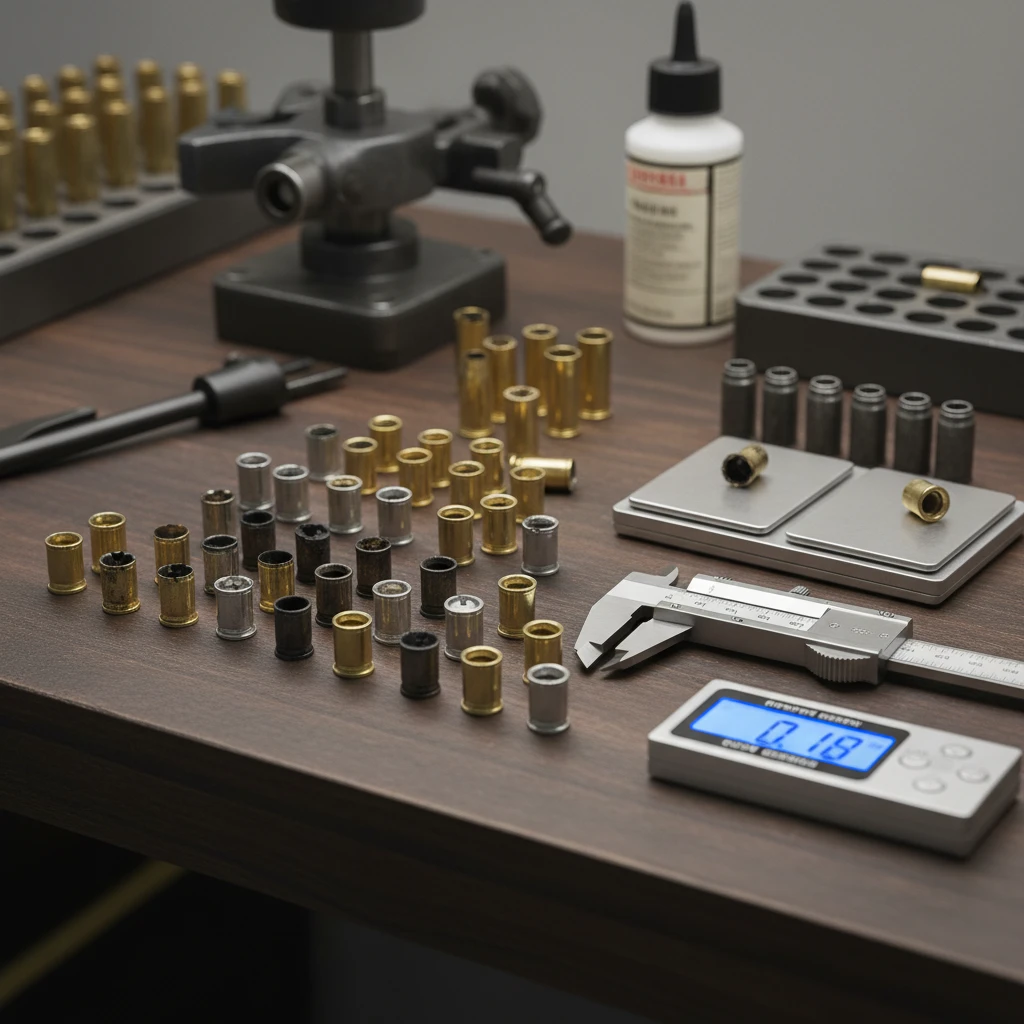
The ideal primer seating depth is typically between 0.003″ and 0.005″ below the case head. Measuring seating depth requires a dial caliper or a specialized primer depth gauge. To maintain consistency, use quality reloading tools and follow a consistent seating procedure. After seating a batch of primers, periodically check the depth of several cases to ensure your setup hasn’t drifted. Pay close attention to the “feel” of the seating process. A primer that seats easily may not be fully seated, while one that requires excessive force might be damaged or encountering a tight primer pocket. Using a primer pocket uniformer to clean and uniform primer pockets can greatly improve seating consistency, especially with cases that have been reloaded multiple times. If you feel excessive resistance, inspect the primer pocket for crimps (often found in military-style brass) and remove them with a primer pocket reamer or swager before attempting to seat the primer. Failure to remove crimps can damage primers or seating tools.
Tools for Consistent Primer Seating: Manual and Progressive Presses
Both manual and progressive reloading presses offer tools for seating primers, each with its own advantages. Manual presses, like single-stage or turret presses, typically provide more tactile feedback during the seating process, allowing you to feel when the primer is fully seated. However, they require more manual effort. Progressive presses automate the priming process, significantly increasing reloading speed. However, it’s crucial to ensure the priming system is properly adjusted and functioning correctly to avoid seating errors. Common tools include hand-priming tools, which offer excellent feel and control, and on-press priming systems. Hand-priming tools are often preferred for precision reloading because they allow you to seat each primer individually with maximum control. On progressive presses, regularly check the primer seating depth to ensure the system remains consistent, as vibrations and wear can cause adjustments to drift over time.
Common Seating Errors: Identifying and Correcting Crushed or High Primers
Common seating errors include crushed primers (damaged during seating due to excessive force or obstructions) and high primers (not fully seated, protruding above the case head). Crushed primers are usually unusable and should be discarded safely. High primers can cause misfires or slamfires (unintentional firing upon chambering), a very dangerous situation. To correct these errors, first inspect the primer pocket for debris or obstructions. Ensure the primer is oriented correctly (anvil side down). Adjust your seating tool to provide adequate but not excessive force. If you encounter a high primer, do NOT attempt to force it further. Instead, carefully remove the primer using a dedicated decapping tool and inspect the primer pocket for damage. Addressing the underlying cause is crucial. For example, tight primer pockets might require reaming or swaging, while loose pockets might indicate that the case is no longer suitable for reloading.
Primer Storage Best Practices: Maintaining Shelf Life and Performance
Proper primer storage is essential for maintaining their sensitivity and ensuring reliable ignition. Primers are sensitive to moisture, temperature extremes, and contaminants. Exposure to these elements can degrade the priming compound, leading to misfires or inconsistent performance. By adhering to best practices for storage, you can significantly extend the shelf life of your primers and safeguard your reloads.
Temperature and Humidity Control: Protecting Primers from Degradation
Primers should be stored in a cool, dry place with stable temperature and humidity. Avoid storing primers in areas prone to temperature fluctuations, such as garages, attics, or basements. High humidity can cause the priming compound to absorb moisture, rendering it less sensitive or completely inert. Extreme temperatures can also degrade the chemical stability of the compound. Ideally, store primers in a climate-controlled environment with a temperature between 60°F and 80°F (15°C and 27°C) and a relative humidity below 50%. Using a dehumidifier in your storage area can help maintain optimal humidity levels. Avoid direct sunlight, as UV radiation can also contribute to degradation.
Proper Container Storage: Preventing Contamination and Damage
Primers should be stored in their original packaging or in airtight, moisture-resistant containers. Original packaging provides a degree of protection against moisture and physical damage. If you need to transfer primers to a different container, choose one made of non-reactive materials, such as plastic or glass with a tight-fitting lid. Avoid storing primers in containers that have previously held other chemicals or contaminants. Clearly label all containers with the type of primer, lot number, and purchase date. This helps with inventory management and identifying potential problems. Store primers away from other reloading components, especially smokeless powder, to prevent accidental mixing or contamination.
Shelf Life Expectations: Recognizing Signs of Deterioration
When stored properly, primers can last for many years, potentially decades. However, there’s no definitive expiration date. The key is to monitor for signs of deterioration. These signs include corrosion on the primer cup, discoloration of the priming compound, or noticeable swelling. If you suspect that your primers have deteriorated, test a small batch before loading a large quantity. Load a few rounds and test them at the range. If you experience frequent misfires or inconsistent ignition, it’s best to discard the remaining primers safely. Consider using older primers before newer ones to minimize the risk of long-term storage issues.
Safety First: Handling Primers Responsibly
Primers contain explosive compounds and must be handled with respect and caution. While primers are relatively stable under normal conditions, improper handling can lead to accidental detonation, potentially causing serious injury. Always follow established safety protocols and use common sense when handling primers. Never attempt to disassemble or modify primers. Treat them as live explosives, even when they appear damaged or defective.
Safe Disposal Methods: Preventing Accidental Ignition
Defective or unwanted primers should be disposed of safely to prevent accidental ignition. The safest method is to detonate the primers remotely. Specialized primer disposal tools are available that allow you to safely detonate primers one at a time in a controlled environment. These tools typically contain the explosion and prevent fragments from causing injury. Alternatively, you can soak the primers in penetrating oil or water for several days to deactivate the priming compound before disposing of them as hazardous waste according to local regulations. Never dispose of primers in household trash or by burning them. Check with your local waste management authority for specific disposal guidelines. You can often find hazardous waste disposal options through your local Environmental Protection Agency office.
Avoiding Contamination: Keeping Primers Clean and Dry
Contamination can compromise the performance and safety of primers. Keep primers clean and dry at all times. Avoid handling primers with dirty or oily hands. Cleanliness is important when reloading, as discussed in this reloading for accuracy resource. Do not expose primers to solvents, oils, or other chemicals. If a primer comes into contact with a contaminant, discard it safely. When loading primers, use a clean and dry priming tool. Periodically clean your priming tool to remove any accumulated debris or residue. Store primers in a separate container away from other reloading components to prevent cross-contamination.
Handling Misfires: Procedures for Safe Cartridge Disposal
If a cartridge fails to fire (misfire), follow a strict safety protocol. Keep the firearm pointed in a safe direction for at least 30 seconds. This allows time for a hangfire (a delayed ignition) to occur. After 30 seconds, carefully unload the cartridge. Inspect the primer for a firing pin strike. If there’s no strike, the problem could be with the firearm or the primer. If there is a strike, but the cartridge didn’t fire, the problem could be with the primer, the powder, or the bullet seating. Dispose of the misfired cartridge safely. One method is to use an inertial bullet puller to disassemble the cartridge, rendering the components safe for disposal. The powder can be carefully burned in a safe location, and the bullet and primer can be disposed of as hazardous waste according to local regulations. Never attempt to reload a cartridge that has previously misfired.
Diagnosing and Resolving Primer-Related Issues
Light Strikes and No-Fires: Identifying Potential Causes
Light strikes and no-fires can be frustrating when reloading. Potential causes range from firearm issues to improperly seated primers. First, inspect the firing pin of your firearm to ensure it’s not broken or excessively worn. A weakened firing pin spring can also cause light strikes. Next, examine the primers themselves. Are they seated fully and uniformly? A primer that’s not fully seated can absorb some of the firing pin’s energy, preventing ignition. Ensure your priming tool is correctly adjusted to seat primers to the proper depth – typically just below flush with the case head. Another factor can be contaminated primers. Primers exposed to oil or moisture may fail to ignite reliably. Always store your primers in a dry, cool place. Finally, consider the ammunition’s storage conditions. Extreme temperature fluctuations can degrade primer performance over time. For example, a batch of reloaded .223 rifle ammo stored in a garage exposed to seasonal temperature swings may exhibit a higher no-fire rate than ammo stored in a climate-controlled environment.
Primer Piercing: Understanding and Preventing High-Pressure Problems
Primer piercing, where the firing pin punches through the primer cup, is a serious issue indicating excessive pressure or a weakened primer. It can damage your firearm and potentially injure the shooter. Several factors contribute to primer piercing. The most common is overpressure from an overloaded cartridge. Always adhere strictly to published load data and start with the minimum recommended powder charge. Another cause can be using primers with cups that are too soft for the firearm or cartridge. Some high-pressure cartridges, like the .223 Remington or .308 Winchester, require primers with thicker cups to withstand the higher pressures. Ensure you are using the correct primer type recommended for your cartridge and firearm. Firing pin shape and protrusion also play a role. A firing pin that is too long or has a sharp edge can pierce primers even at normal pressures. Inspect your firing pin regularly and have it professionally inspected if you suspect any issues. A classic example involves using standard pistol primers in a rifle load; the thinner cups are likely to pierce, potentially causing gas leakage and damage.
Inconsistent Ignition: Troubleshooting Load Development
Inconsistent ignition manifests as variations in velocity and point of impact, hindering accuracy. This often stems from inconsistent powder ignition, which can be influenced by the primer. One common cause is insufficient crimp, particularly with ball powders. A loose crimp allows the bullet to move slightly before ignition, leading to variations in the combustion process. Experiment with different crimp settings to find the optimal balance for your load. Primer selection also has a significant impact. Some powders are more difficult to ignite than others, requiring a hotter primer to achieve consistent results. Magnum primers are often used with ball powders or in cold weather conditions to ensure reliable ignition. Consider using a chronograph to measure the velocity of your loads with different primers. A lower standard deviation in velocity indicates more consistent ignition. For instance, switching from a standard primer to a magnum primer with a heavy charge of ball powder in a .30-06 can reduce velocity variations and improve accuracy. It’s crucial to consult reputable reloading manuals and resources like reloading data to determine appropriate primer choices for your specific cartridge and powder combination.
Advanced Techniques: Fine-Tuning Your Loads with Primer Selection
Ladder Testing with Different Primers: Identifying Optimal Performance
Ladder testing, a method of varying powder charges in small increments, becomes even more powerful when combined with primer selection. By testing multiple primer types at each powder charge level, you can identify the optimal primer-powder combination for your firearm. Start by selecting a range of powder charges around the recommended starting load, increasing in small increments (e.g., 0.3 grains). Load five rounds of each charge with one type of primer, then repeat the process with other primer types. Ensure careful labeling of each round to avoid confusion. Shoot each group of rounds at a target and analyze the results. Look for the powder charge that produces the tightest group, then fine-tune the primer selection within that charge range. This method accounts for variations in primer brisance (ignition power), revealing subtle differences in accuracy. Remember that a primer producing excellent results in one firearm or cartridge may not perform as well in another.
Chronograph Analysis: Measuring the Impact of Primer Choice on Velocity
A chronograph is an indispensable tool for analyzing the impact of primer choice on velocity and consistency. By measuring the muzzle velocity of each round, you can identify primers that produce more consistent ignition and lower velocity spreads. Load a series of rounds with different primers, keeping all other variables (powder charge, bullet, case) constant. Shoot each round through the chronograph and record the velocity readings. Calculate the average velocity, standard deviation, and extreme spread for each primer type. A primer that produces a lower standard deviation and extreme spread indicates more consistent ignition. Chronograph data can also reveal subtle differences in velocity between different primers. A primer that produces a slightly higher velocity may indicate a more complete or efficient powder burn. However, velocity is not the only factor to consider; accuracy and consistency are equally important. You can learn more about the importance of proper smokeless gun powder selection and burn rates for achieving desired velocities.
Optimizing for Specific Firearms: Matching Primers to Your Gun’s Characteristics
Different firearms have different characteristics that can influence primer performance. Factors such as firing pin weight, firing pin spring strength, and chamber dimensions can all affect how a primer ignites the powder charge. For example, a firearm with a heavy firing pin and a strong firing pin spring may be less sensitive to primer variations than a firearm with a lighter firing pin and a weaker spring. In some cases, you may need to experiment with different primers to find the one that performs best in your specific firearm. Some older or military-style firearms may have harder primers installed as standard to ensure reliability. If you are experiencing light strikes or inconsistent ignition, try switching to a primer with a slightly softer cup. Conversely, if you are experiencing primer piercing, try switching to a primer with a thicker cup. Consider the intended use of the firearm. A competition firearm requiring maximum accuracy may benefit from a more sensitive primer, while a hunting rifle intended for use in cold weather may require a more powerful magnum primer.
Understanding Regulations: Primer Restrictions in Canada and the United States
Current Laws Regarding Primer Purchase and Storage
Primer purchase and storage regulations vary between Canada and the United States, and even among states/provinces. In the United States, federal law requires individuals to be at least 18 years old to purchase primers. Some states may have additional restrictions or require a firearms owner identification card. Storage regulations are less stringent at the federal level, but it’s crucial to store primers safely in a cool, dry place away from sources of ignition and out of reach of children. In Canada, the purchase and possession of primers are regulated under the Firearms Act. Individuals must possess a valid Possession and Acquisition Licence (PAL) to purchase primers. Storage regulations require primers to be stored separately from firearms and ammunition, and in a manner that prevents unauthorized access. It is always the responsibility of the individual to be aware of, and adhere to, all applicable federal, state/provincial, and local laws and regulations regarding primer purchase, storage, and use.
Shipping Regulations: Ordering Primers Online from Northern Reloading
Shipping regulations for primers are complex and heavily regulated due to their classification as hazardous materials. Both Canada and the United States have strict rules governing the transportation of primers by mail or common carrier. When ordering primers online from a retailer like Northern Reloading, the primers must be shipped as hazardous materials, requiring specific packaging and labeling. This often results in higher shipping costs. In the United States, primers typically ship under DOT regulations as “Hazardous Materials, Class 1.4S.” Carriers like UPS or FedEx have specific requirements for accepting and transporting these materials. In Canada, Transport Canada regulates the transportation of dangerous goods, including primers. Retailers like Northern Reloading must comply with these regulations to ensure the safe and legal shipment of primers. It is usually not possible to ship primers to a P.O. Box due to these regulations. Customers are generally required to sign for the package upon delivery. Always check local laws before ordering primers online.
Staying Informed: Resources for Ammunition and Reloading Law Updates
Laws and regulations regarding ammunition, primers, and reloading components are subject to change. Staying informed about the latest updates is crucial for responsible reloaders. In the United States, the Bureau of Alcohol, Tobacco, Firearms and Explosives (ATF) is the primary federal agency responsible for regulating firearms and ammunition. Their website provides information on federal laws and regulations. State-level agencies also play a role in regulating firearms and ammunition. Contact your state’s attorney general’s office or department of public safety for information on state laws. In Canada, the Royal Canadian Mounted Police (RCMP) is responsible for administering the Firearms Act. Their website provides information on federal firearms laws and regulations. Provincial and territorial governments may also have additional regulations. Joining a local shooting club or reloading association can also provide access to valuable information and resources. Industry organizations like the National Shooting Sports Foundation (NSSF) also provide updates on legislative issues affecting the shooting sports.
Primer selection is a critical element in reloading, impacting both performance and safety. Understanding the factors influencing primer performance, troubleshooting common issues, and staying informed about relevant regulations are essential for any reloader.
For all your reloading needs, including a wide selection of high-quality primers and smokeless gun powder, remember to visit northernreloading.si for reliable products and expert advice.

About author


Add comment