

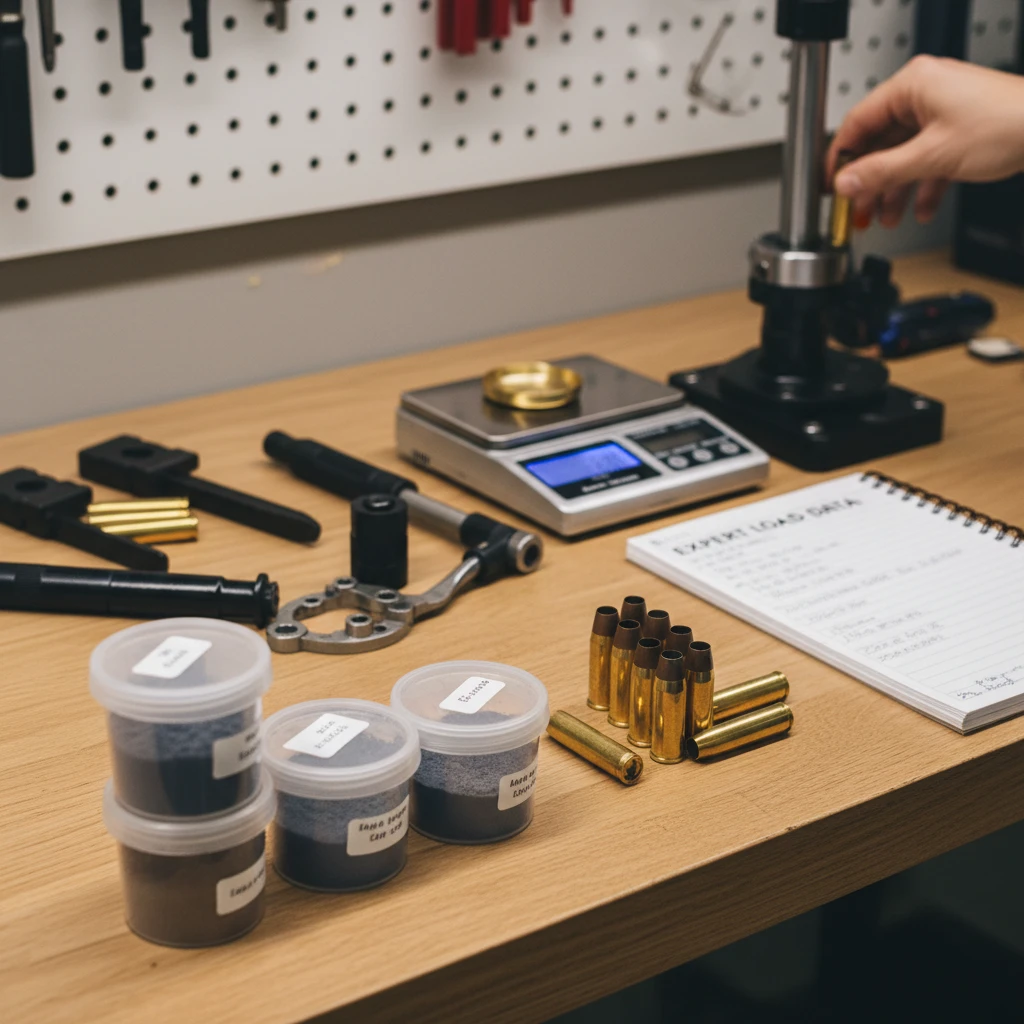
Smokeless Powder Reloading: Expert Load Data
Reloading smokeless powder offers unparalleled control over ammunition performance, from pinpoint accuracy for competitive shooting to tailored loads for specific hunting scenarios. However, this precision hinges entirely on accessing and correctly interpreting expert load data. In 2026, advancements in powder technology and data collection methods continue to refine the reloading process, making reliable information more critical than ever.
This guide will navigate the complexities of smokeless powder reloading, focusing on the core principles, the latest recommendations, and the essential skills needed to decipher load data for optimal results across various firearm types. We’ll cover everything from understanding pressure limits to selecting the right components, ensuring your reloaded ammunition is both safe and effective.
Unlocking Precision: Your Guide to Expert Smokeless Powder Load Data in 2026
The pursuit of superior accuracy and predictable ballistics in handloaded ammunition is inextricably linked to the quality and application of smokeless powder load data. In 2026, the landscape of reloading has evolved significantly, with manufacturers and independent testers providing increasingly sophisticated datasets. For reloaders, mastering the interpretation of this data is not merely about achieving acceptable performance; it’s about unlocking the full potential of their firearm and components. This involves a deep understanding of the interplay between powder characteristics, cartridge dimensions, bullet weights, and firearm pressures. Without accurate load data, a reloader operates in a realm of guesswork, potentially compromising safety, performance, and firearm longevity. This section delves into the foundational elements that make expert load data indispensable for anyone serious about precision handloading.
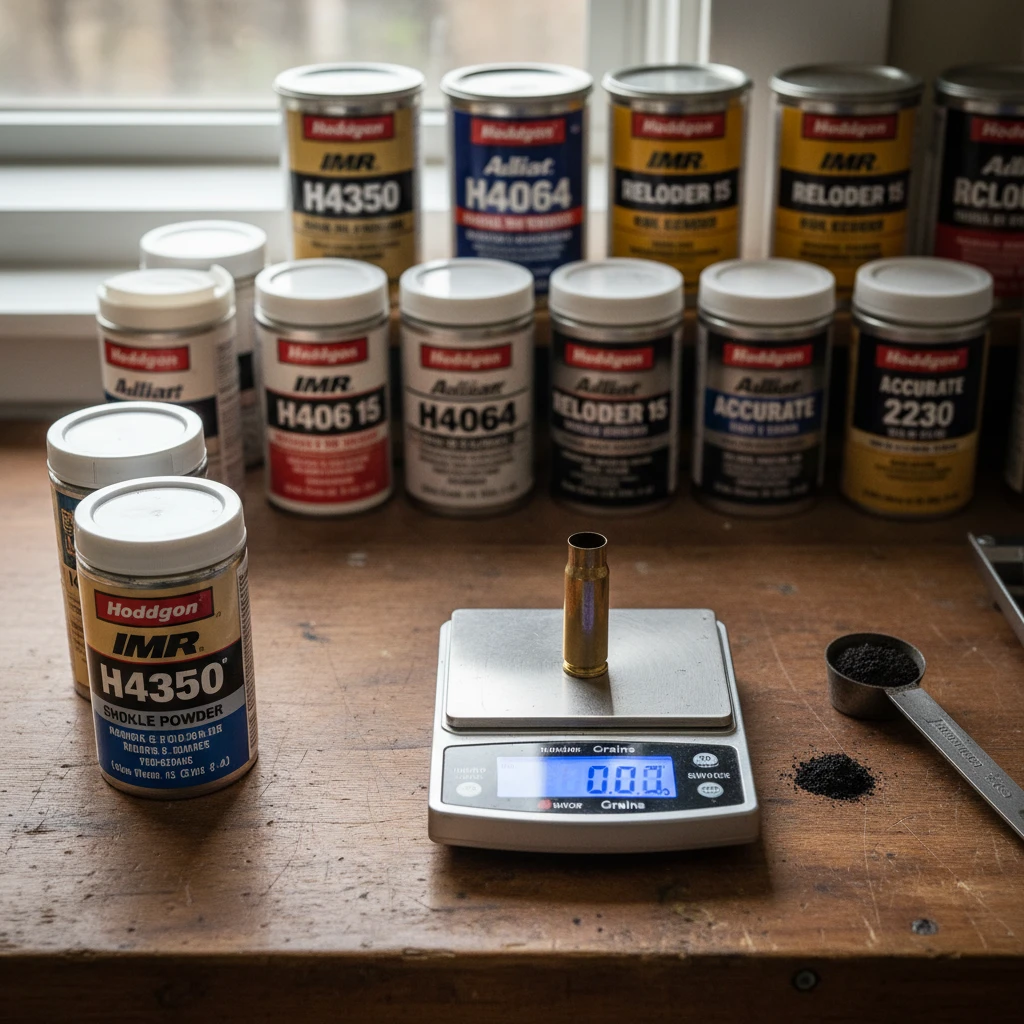
The Evolution of Reloading Data
Reloading data has transformed from rudimentary tables in early manuals to comprehensive digital resources today. Historically, load development was often a trial-and-error process, with early pioneers meticulously recording results from limited testing. The advent of standardized testing protocols and more sophisticated pressure-measuring equipment, such as piezoelectric transducers, has dramatically improved the accuracy and reliability of published data. Manufacturers of smokeless gun powder now invest heavily in rigorous testing to provide safe and effective load ranges for a wide array of cartridges. Furthermore, the digital age has facilitated the creation of vast online databases and sophisticated reloading software, allowing users to access, compare, and even model potential loads. This evolution means that reloaders in 2026 have access to more precise and extensive information than ever before, enabling them to tailor ammunition with remarkable specificity for their intended purpose, whether it’s for competitive rifle ammo, reliable handgun ammo, or specialized shotgun ammo.
Why Accurate Load Data is Paramount
The criticality of accurate load data cannot be overstated, as it directly impacts both safety and performance. Deviating from established, tested loads can lead to dangerously high pressures, potentially causing firearm damage or serious injury. Beyond safety, accurate data is the bedrock of achieving desired ballistic outcomes, such as optimal velocity for flat trajectories or consistent shot placement for accuracy. For instance, reloading handgun ammo requires precise powder charges to balance recoil, muzzle velocity, and energy delivery. Similarly, rifle cartridges demand meticulous attention to load density and burn rate to achieve peak accuracy at specific ranges. Relying on outdated or inaccurate data is a significant pitfall. Modern reloading manuals and reputable online resources provide tested loads that have undergone extensive pressure and velocity analysis, ensuring that when followed correctly, they yield predictable and safe results. This foundation of trust in the data is what separates successful, safe reloading from a hazardous endeavor.
Foundational Principles of Smokeless Powder Reloading
Mastering smokeless powder reloading requires a firm grasp of fundamental principles that govern the safe and effective transformation of components into functional ammunition. At its core, reloading is a precise science where small variations can have significant consequences. Understanding these principles ensures that your handloaded ammunition performs predictably and, most importantly, safely. We will explore the critical aspects of pressure management, component integrity, and ignition system dynamics, all of which are interdependent elements crucial for successful reloads. Adhering to these foundational concepts is the first step toward achieving consistent accuracy and reliable functioning in your reloaded cartridges, whether you are loading for rifle ammo, handgun ammo, or specialized applications.
Understanding Pressure Limits: SAAMI vs. CIP
Pressure is the most critical factor in smokeless powder reloading, and understanding the standards set for maximum allowable pressures is paramount for safety. Two primary organizations define these standards: SAAMI (Sporting Arms and Ammunition Manufacturers’ Institute) in North America and CIP (Commission Internationale Permanente pour l’Epreuve des Armes à Feu Portatives) in Europe. SAAMI standards are commonly referenced in US-based reloading manuals, while CIP is prevalent in European data. These organizations establish maximum average pressure (MAP) limits for various cartridge types, ensuring that firearms chambered for those cartridges can safely withstand the generated forces. Reloaders must consult load data that aligns with the pressure standards relevant to their firearm and components. For example, data for a .308 Winchester cartridge intended for a rifle built to SAAMI specifications will differ from data intended for a European rifle adhering to CIP standards. Exceeding these limits, even slightly, can lead to catastrophic firearm failure, making adherence to published pressure guidelines a non-negotiable safety requirement when working with any smokeless gun powder.
The Importance of Component Consistency
The adage “garbage in, garbage out” holds true for reloading. The consistency of your reloading components—specifically bullets, cases, and primers—directly impacts the consistency of your final ammunition. For example, slight variations in case neck thickness or internal volume can lead to inconsistent ignition and burn rates, resulting in erratic velocities and diminished accuracy. Similarly, bullet concentricity and weight variations can cause flyers downrange. When seeking predictable performance from your reloaded ammunition, sourcing high-quality, consistent components is essential. This means using new or properly processed cases that have been uniformized for weight and volume, selecting bullets that are manufactured to tight tolerances, and utilizing primers from reputable manufacturers known for their consistent ignition characteristics. Relying on a single, trusted supplier for your reloading supplies, such as Northern Reloading, can help ensure you are working with components that meet high-quality standards, which is vital for achieving reliable results across all types of ammunition, from rimfire ammo to high-power rifle rounds.
Ignition Characteristics: Primers and Their Role
The primer serves as the ignition source for smokeless powder, initiating the combustion process that propels the projectile. Different primers have varying energy outputs and sensitivities, which can significantly influence ignition consistency and overall cartridge performance. For instance, magnum primers contain a hotter charge than standard primers, designed to ensure reliable ignition of slower-burning powders commonly used in larger rifle cartridges. Conversely, using a magnum primer in a cartridge designed for a standard primer can lead to excessive pressure spikes. The type of primer—small rifle, large rifle, small pistol, large pistol, and their respective magnum variants—must be matched to the specific cartridge and powder combination recommended in reliable load data. Ensuring you use the correct type of primer is a fundamental aspect of safe and accurate reloading, as detailed in resources discussing the role of primers in reloading. Proper primer seating, ensuring they are flush or slightly below the case head, also plays a crucial role in preventing misfires and ensuring a clean ignition event.
Navigating the Latest Smokeless Gun Powder Recommendations
Selecting the appropriate smokeless gun powder is one of the most impactful decisions a reloader makes, directly influencing velocity, pressure, and accuracy. In 2026, the market offers an expansive array of powders, each engineered for specific performance characteristics and cartridge applications. This section focuses on current, effective powder choices for various ammunition types, offering insights into which powders are performing exceptionally well for rifle, handgun, and shotgun reloading. Understanding the burn rate, energy density, and metering properties of different powders is key to achieving optimal results safely. We will explore recommended powders based on their proven performance and versatility, helping you make informed choices for your reloading projects and enhance the capabilities of your handgun ammo, rifle ammo, and shotgun ammo.
Top-Performing Powders for Rifle Ammunition
For rifle ammunition, achieving pinpoint accuracy and consistent performance across varying distances is often the primary goal. Powders like Hodgdon’s CFE 223, known for its copper fouling reducer and excellent metering, are highly regarded for cartridges like the .223 Remington and .308 Winchester. Similarly, Alliant’s Reloder 16 has gained popularity for its temperature stability and high performance in cartridges such as the 6.5 Creedmoor, offering exceptional consistency in challenging environmental conditions. Vihtavuori’s N500 series, particularly N550 and N560, are lauded for their clean burning and precise performance in a wide range of popular rifle calibers. When selecting a powder for rifle ammo, it is crucial to consult up-to-date load data that specifies recommended powder charges for your specific bullet weight and desired velocity. Factors like powder kernel size and shape influence how consistently it meters through powder measure, affecting the uniformity of each loaded round. The selection process should prioritize powders that have demonstrated excellent results in reputable tests for the specific cartridge you are reloading, often detailed in resources dedicated to advancing reloading performance in 2026.
Handgun Ammo Reloading: Powder Choices for Velocity and Accuracy
Reloading handgun ammunition offers significant cost savings and the ability to fine-tune performance for specific shooting disciplines. For common calibers like 9mm Luger, .45 ACP, and .40 S&W, powders like Alliant’s Unique and Hodgdon’s Titegroup are perennial favorites due to their versatility and excellent metering characteristics. Unique offers a broad performance range, making it suitable for various bullet weights and velocities, while Titegroup is known for its efficiency and clean burn. For magnum handgun cartridges such as the .357 Magnum or .44 Magnum, slower-burning powders like Hodgdon’s H110 or Alliant’s Lil’ Gun are recommended to ensure complete combustion and optimal performance. These powders are designed to fill a larger case volume effectively and generate the necessary pressure for high-velocity handgun rounds. When reloading handgun ammo, careful attention to powder charge weight is paramount, as the smaller case volumes offer less margin for error. Always cross-reference your chosen powder with current load data from manufacturers or reputable reloading manuals, paying close attention to recommended powder charges and resultant velocities.
Shotgun Ammo Reloading: Adapting to Gauge and Purpose
Shotgun reloading presents unique challenges due to the variety of gauges, payload weights, and intended uses. The choice of smokeless gun powder for shotgun ammo depends heavily on the specific application, whether it’s for clay sports, small game hunting, or larger waterfowl. For 12-gauge target loads, powders like Alliant’s Clay Dot or Hodgdon’s Clays are highly favored for their fast burn rates, which promote clean and efficient ignition for lighter payloads. When loading for heavier hunting loads, particularly in larger gauges like 10 or 12-gauge for waterfowl, slower-burning powders such as Hodgdon’s Longshot or Alliant’s Blue Dot might be necessary to achieve optimal velocity and energy transfer with heavier shot columns. Specialized powders designed for shotshells often incorporate advancements like shot-desensitizing coatings to prevent the shot column from rapidly burning the powder before it exits the barrel. Consulting detailed reloading guides, like those focusing on secrets for bird hunting loads, is essential to ensure you are using the correct powder and charge for your specific shotgun gauge and target application.
Deciphering Reloading Manuals and Online Databases
Accessing reliable reloading data is only the first step; understanding how to interpret it correctly is crucial for safe and effective handloading. Reloading manuals and online databases are indispensable resources, but they can appear daunting to new reloaders. This section will break down the essential components of load charts, highlight reputable online sources, and identify common misunderstandings that can lead to errors. Mastering the nuances of these resources will empower you to confidently select and implement loads that meet your performance goals while adhering to safety standards for all types of ammunition, including rimfire ammo and centerfire cartridges.
Key Information to Extract from Load Charts
Reloading load charts are dense with critical information that reloaders must meticulously parse. Typically, each entry will specify the cartridge, the bullet type and weight (often in grains), the type of smokeless gun powder, the minimum and maximum powder charge (in grains), and the resulting average velocity and pressure (often in feet per second and pounds per square inch, respectively). It’s vital to note the specific components used in testing, as different manufacturers’ bullets or cases can yield varying results. Pay close attention to the “start load” and “max load.” Always begin with the start load and work up incrementally towards the max load, checking for any signs of excessive pressure (e.g., ejector marks, flattened primers, sticky bolt lift) at each step. The stated velocity is an estimate and can vary based on firearm specifics. Always prioritize data that clearly lists the testing methodology and component used, ensuring you are using data that is relevant to your intended load for rifle ammo or handgun ammo.
Identifying Reliable Online Resources for Rimfire Ammo and Beyond
While comprehensive reloading manuals are excellent, online databases and manufacturer websites offer an ever-expanding source of information, particularly for newer cartridges and components. Reputable powder manufacturers, such as Hodgdon, Alliant Powder, and Vihtavuori, provide extensive online load data sections, often updated with the latest testing results. Websites like LoadData.com aggregate data from various sources, allowing for quick comparison, though it’s always advisable to cross-reference with primary manufacturer data. For specialized needs, such as troubleshooting or information on less common calibers, forums and dedicated reloading websites can be valuable, but caution is advised. Always prioritize data from established chemical manufacturers or respected reloading authorities. Resources for rimfire ammo reloading are less common due to the sealed nature of rimfire cartridges, but data for centerfire cartridges is abundant. When searching online, look for sites that clearly cite their testing methods and data sources, ensuring you are accessing trustworthy information for your reloading endeavors.
Common Pitfalls in Data Interpretation
Several common pitfalls can arise when interpreting reloading data, often leading to unsafe or underperforming ammunition. One frequent mistake is failing to account for component substitutions. If a load chart specifies a particular bullet weight and brand, using a significantly different bullet weight or a bullet with a different bearing surface can alter pressure significantly. Another pitfall is extrapolating data; never assume that a load safe for one cartridge is safe for another, even if they appear similar. Furthermore, assuming all data sources are equal is dangerous. Always rely on data from the powder manufacturer or a well-respected reloading manual. Lastly, overlooking the importance of primer type is a critical error; using a standard primer when a magnum primer is specified, or vice-versa, can lead to ignition inconsistencies or dangerous pressure spikes. Being aware of these common errors and diligently cross-referencing information is key to safe and successful reloading of any type of ammunition, including shotgun ammo and handgun ammo.
Caliber-Specific Load Data: A Deep Dive
Selecting the correct smokeless powder and charge weight for a specific cartridge is paramount for both safety and performance. Each caliber has unique characteristics, including case capacity, bore diameter, and optimal operating pressures, which dictate the most suitable propellant. Ignoring these nuances can lead to underpowered rounds, excessive recoil, poor accuracy, or, in the worst-case scenario, catastrophic firearm failure. Understanding the burn rate of different smokeless powders is crucial; faster-burning powders are generally suited for smaller case volumes or lighter bullets, while slower-burning powders excel in larger cases or with heavier projectiles. This relationship ensures that the powder fully combusts within the barrel, generating consistent pressure and velocity. Always consult up-to-date reloading manuals and reputable online resources from powder manufacturers. These sources provide tested load data, offering a safe starting point and maximum load for various bullet weights and powder combinations. Remember, published data is derived from specific test firearms and equipment, and variations can occur. Therefore, always begin with the lowest recommended charge weight and work up cautiously.

.223 Remington/5.56 NATO: Precision at Every Range
The .223 Remington and its military counterpart, the 5.56 NATO, are incredibly popular for sport shooting, varmint hunting, and tactical applications. Reloading these cartridges requires attention to detail, especially concerning case length and primer selection. Due to the high pressures associated with some 5.56 NATO loads, using data specifically validated for that chambering is critical. For .223 Remington, standard small rifle primers are typically used. Common powders range from faster-burning options like Hodgdon H335 or Accurate 2200 for lighter bullets (e.g., 40-55 grains) to slightly slower powders like IMR 4895 or Reloder 15 for heavier bullets (e.g., 62-77 grains). When reloading for precision, consistency in bullet seating depth and case neck tension is vital. Deviations of even a few thousandths of an inch can impact accuracy. For shooters aiming for sub-MOA groups, experimenting with different powder lot numbers and bullet types within tested parameters is often necessary. Always verify your load data against multiple authoritative sources, as minor differences can exist between published manuals.
9mm Luger: Versatility for Handgun Enthusiasts
The 9mm Luger cartridge is the most widely used pistol round globally, valued for its balance of manageable recoil, effectiveness, and affordability. Reloading 9mm offers significant cost savings and customization options for handgun enthusiasts. Due to its relatively large case capacity for the common bullet weights (115, 124, and 147 grains), a wide variety of smokeless powders can be effective. Popular choices include Alliant Unique, Hodgdon Titegroup, and Vihtavuori N310 for lighter bullets, providing clean burning and good performance. For heavier bullets or slightly increased velocity, powders like Alliant Power Pistol or IMR Target are often recommended. Ensuring proper case fill is important; too little powder can lead to inconsistent ignition. When reloading for semi-automatic pistols, particularly those with tighter tolerances, bullet profile and overall cartridge length (COL) become critical for reliable feeding. A COL that is too long can cause feeding malfunctions, while one that is too short can lead to excessive headspace, impacting accuracy and potentially safety. Always adhere to published load data and start with a reduced charge, working up slowly while watching for any pressure signs.
.308 Winchester: The Hunter’s Choice Demands Expertise
.308 Winchester remains a stalwart for hunters and target shooters alike, known for its potent performance and manageable recoil in a wide range of firearms. Reloading this cartridge demands careful consideration of bullet weight, intended application, and the specific firearm being used. For hunting, bullet selection is paramount; bonded core bullets or those with controlled expansion are favored for deep penetration and reliable terminal ballistics. Powder choices for .223 Remington/5.56 NATO typically range from medium-burn-rate powders like IMR 4064 or Hodgdon Varget for mid-weight bullets (150-165 grains) to slower powders like RL-19 or IMR 4350 for heavier projectiles (175-180 grains) often used for long-range accuracy. Consistency in case preparation, particularly uniform neck resizing and primer seating, is crucial for achieving optimal accuracy. When developing loads for a specific rifle, it’s essential to test in a variety of temperature conditions, as powder performance can be affected by extreme heat or cold. Always prioritize safety by staying within published load limits and inspecting each casing for any signs of stress before reloading.
The Crucial Role of Primers in Smokeless Powder Loads
Primers are the unsung heroes of the reloading process, initiating the combustion of smokeless powder. Their design and function are critical to achieving consistent ignition and predictable performance in every shot. A primer contains a small amount of sensitive explosive compound that, when struck by the firing pin, produces a flame sufficient to ignite the main propellant charge. The type of primer required is dictated by the cartridge and the firearm’s design. Using the wrong primer can result in misfires, hangfires (a delay in ignition), or dangerously high pressures. It’s essential to understand the differences between small and large primers, as well as the distinction between standard and magnum types. The energy output of the primer must be appropriate for the powder charge and case capacity to ensure reliable ignition without creating excessive initial pressure spikes. Always refer to your reloading manuals for the correct primer type for each specific cartridge you intend to reload. Consulting reputable reloading resources and manufacturer guidelines is the best way to ensure you select the correct components for safe and effective ammunition.
Small Rifle vs. Large Rifle Primers: When to Use Which
The distinction between small rifle and large rifle primers is straightforward and determined by the cartridge case head dimensions. Small rifle primers are designed for smaller diameter primer pockets, commonly found in cartridges such as the .223 Remington, .22-250 Remington, and 7.62x39mm. Large rifle primers fit into larger primer pockets, which are typical for cartridges like the .308 Winchester, .30-06 Springfield, .270 Winchester, and .300 Winchester Magnum. Using the wrong size primer is not merely an inconvenience; it can be a significant safety hazard. A small primer seated in a large pocket will not seat fully, leaving it exposed and prone to premature ignition or firearm damage. Conversely, attempting to force a large primer into a small pocket can deform the primer, leading to ignition issues or even a dangerous explosion of the primer itself. Always verify the required primer size for your specific caliber against a reliable reloading manual or component manufacturer’s specifications. This is a fundamental step for safe reloading practices.
Magnum Primers: When Extra Oomph is Required
Magnum primers, both small and large rifle variants, are designed to produce a slightly hotter, longer-lasting flame compared to their standard counterparts. This increased ignition energy is necessary for igniting slower-burning smokeless powders commonly used in large-capacity cartridges, such as those found in magnum rifle calibers like the .300 Winchester Magnum, .338 Lapua Magnum, or various Weatherby cartridges. Additionally, magnum primers can be beneficial in standard cartridges when using extremely heavy charges of slower powders or when reloading in very cold environments, where ambient temperatures can reduce primer ignition efficiency. However, it is crucial to understand that using magnum primers in cartridges that do not require them, especially with faster powders, can lead to dangerously high pressure spikes. Always follow the specific load data recommendations for your chosen powder and bullet combination. If a load manual specifies a magnum primer, it is for a reason, and deviating from this recommendation without a thorough understanding of the potential consequences can be hazardous.
Primer Seating Depth: A Subtle Yet Critical Factor
The depth at which a primer is seated within its pocket is a seemingly minor detail that can have a profound impact on ignition consistency and firearm safety. Ideally, a primer should be seated flush or very slightly below the case head. If a primer is seated too high, it can protrude far enough to interfere with the bolt face or breech face, potentially causing a misfire or, in semi-automatic firearms, preventing proper chambering or lockup. If the primer is seated too deep, especially with Boxer primers (which have a flash hole), it can weaken the primer cup, making it more susceptible to puncturing or even rupturing under pressure. A punctured primer can vent hot gas into the action, posing a risk to the shooter. Consistent primer seating depth is a hallmark of quality handloads and is achieved through careful technique and appropriate tools, such as a good priming tool or press-mounted primer feed. Many reloaders use a small witness mark or a primer pocket depth gauge to ensure uniformity.
Safety First: Mitigating Risks with Expert Load Data
Reloading smokeless powder ammunition is a rewarding practice that offers significant advantages, but it demands an unwavering commitment to safety. The foundation of safe reloading lies in understanding and strictly adhering to reliable load data. This data, published by reputable manufacturers and compiled in established reloading manuals, represents countless hours of testing and refinement to ensure safety and optimal performance for specific cartridge and component combinations. Never deviate from established load data without a comprehensive understanding of the implications. This includes using the correct components—primer type, powder, bullet weight—as specified in the data. Ignoring these guidelines is the most common pathway to dangerous over-pressure situations. Always approach reloading with a meticulous mindset, double-checking every step of the process, from component selection to final cartridge inspection. The goal is to create ammunition that is not only accurate but, above all, safe to shoot.
Understanding the Signs of Over-Pressure
Recognizing the indicators of excessive pressure in a fired cartridge is a critical safety skill for any reloader. These signs are often subtle but can escalate quickly, warning you that something is wrong before catastrophic failure occurs. Common visual cues include flattened or “blown out” primer
The Danger of Case Neck Runout and Its Impact on Pressure
Case neck runout, which is the deviation of the bullet’s alignment with the case centerline after seating, can have a significant impact on reloading safety and accuracy. When a bullet is not perfectly concentric with the case neck, it can cause uneven resistance as it enters the rifling. In extreme cases, this can lead to pressure spikes that are difficult to predict using standard load data. This is because the bullet may engage the rifling at an angle, increasing the force required to push it down the barrel. High runout can also lead to inconsistent ignition and velocity, as the pressure wave is not uniform. For competitive shooters and precision hunters, minimizing neck runout through careful case neck sizing and bullet seating is paramount. Tools like a concentricity gauge can help identify and quantify this issue. While some minor runout is acceptable and common, excessive amounts can compromise safety and require a reduction in charge weight or investigation into the reloading process.
Proper Ventilation and Handling of Smokeless Gun Powder
Handling smokeless gun powder requires attention to safety beyond just measuring charge weights. Smokeless powders are essentially finely granulated chemical compounds that, when burned, release gases. While the risk of a large, uncontained powder explosion from typical reloading quantities is very low, working with powder in a well-ventilated area is crucial to avoid the buildup of fine dust. This dust, though not highly explosive on its own in small amounts, can become a flash hazard if ignited by static electricity or an open flame. Furthermore, some individuals may experience respiratory irritation from prolonged exposure to powder fumes. Always handle powder away from open flames, sparks, and sources of static electricity. Store powders in their original, clearly labeled containers in a cool, dry place away from direct sunlight. When cleaning up spilled powder, avoid using compressed air, which can aerosolize the dust; sweeping or vacuuming with an appropriate dust-suppressing vacuum is recommended.
Reloading for Specific Firearms and Disciplines
The art of reloading extends beyond simply measuring powder and seating bullets; it involves tailoring ammunition to the unique characteristics of the firearm and the intended shooting discipline. Different firearms, from bolt-action precision rifles to semi-automatic handguns, have distinct operational tolerances, lockup mechanisms, and barrel lengths, all of which influence how ammunition performs. Similarly, disciplines like hunting, competitive target shooting, or informal plinking have varying demands regarding accuracy, velocity, and terminal effect. Understanding these nuances allows reloaders to optimize their loads for specific applications, enhancing both safety and performance. For example, a load developed for a bolt-action hunting rifle might prioritize a specific bullet construction for deep penetration, while a load for a competition pistol might focus on recoil management and feeding reliability. Always consult load data specific to the cartridge and consider the firearm’s intended use when developing your handloads. This thoughtful approach ensures you create ammunition that is not only safe but also maximizes the potential of your firearm for its intended purpose.
Bolt-Action Rifles: Maximizing Accuracy for Hunters
Bolt-action rifles are renowned for their inherent accuracy, making them a favorite among hunters and precision shooters. Reloading for these platforms offers the opportunity to craft ammunition that perfectly complements the rifle’s capabilities, often achieving sub-MOA (Minute of Angle) performance. When developing loads for a bolt-action rifle, prioritize consistency in every aspect of the reloading process. This includes meticulous case preparation, precise powder charges, and uniform bullet seating. Many hunters find that using a powder with a burn rate suitable for the .308 Winchester or .30-06 Springfield case capacity, such as Varget or IMR 4350, combined with high-quality match bullets (e.g., 168-grain Sierra MatchKing or Berger VLD), can yield exceptional accuracy. Experimenting with seating depth is often key to unlocking a rifle’s true potential; a slight adjustment can significantly tighten groups. Always start with published “starting loads” from reputable sources and work up incrementally, chronographing each load to monitor velocity and consistency. Pay close attention to case neck runout and primer seating depth, as these factors are magnified in precision shooting.
Semi-Automatic Handguns: Reliable Feeding and Function
Reloading for semi-automatic handguns, such as those chambered in 9mm Luger or .45 ACP, requires a specific focus on ensuring reliable feeding and proper firearm function, in addition to accuracy. While accuracy is important, a cartridge that doesn’t reliably cycle the action is useless. This means paying close attention to overall cartridge length (COL), bullet profile, and ensuring sufficient case volume to generate adequate pressure for the pistol’s operating system. For 9mm, a COL between 1.150 and 1.165 inches is common, but it’s essential to verify what works best with your specific firearm and bullet type. A bullet profile that is too long or has sharp edges can cause feeding jams. Similarly, using too light a charge of fast-burning powder might not generate enough pressure to reliably cycle the slide and eject the spent casing. Always start with the manufacturer’s recommended starting loads and test for function, looking for consistent cycling, ejection, and chambering of the next round.
Lever-Action Rifles: Historical Performance with Modern Data
Lever-action rifles, often chambered in classic cartridges like the .30-30 Winchester, .45-70 Government, or .35 Remington, present unique reloading considerations due to their tubular magazines and historical design. When reloading for these firearms, it is absolutely critical to use only flat-pointed or round-nosed bullets. Pointed (spitzer) bullets, commonly used in bolt-action rifles, can become a serious safety hazard in a tubular magazine, as the recoil from fired rounds can cause the point of a cartridge to strike the primer of the cartridge in front of it, leading to a potentially disastrous detonation. Reloading data for lever-action cartridges often focuses on achieving adequate velocity for hunting while maintaining safe operating pressures that the rifle action can handle. For instance, when reloading the .30-30, using powders like IMR 4064 or Hodgdon LeverEvolution with appropriate bullet weights will provide reliable performance. Always ensure your chosen COL allows for proper feeding from the tubular magazine and safe chambering.
Beyond the Basics: Advanced Reloading Techniques
Moving beyond fundamental load development, advanced reloading techniques focus on optimizing consistency and extracting peak performance from your ammunition. These methods often require meticulous attention to detail and specialized tools, but the rewards are significant for those seeking enhanced accuracy and reliability. One such technique is powder coating bullets, a process that applies a durable polymer coating to lead or jacketed projectiles. This coating serves multiple purposes, primarily reducing barrel leading by creating a smoother bearing surface and containing the bullet’s lubricant. Properly applied powder coating can also minimize airborne lead exposure during shooting, making it a safer alternative for indoor ranges or areas with limited ventilation. The key to success lies in understanding the curing process and ensuring even application. Over- or under-curing can lead to flaking or inadequate protection.
Another critical advanced technique is case neck turning. While many modern cartridges and resizing dies produce sufficiently concentric cases, some shooters find that turning their case necks further refines ignition consistency. This process involves using a specialized tool to remove a small amount of brass from the *inside* of the case neck, bringing it to a uniform wall thickness and diameter. This ensures that the bullet is seated with precisely the same tension every time, which is paramount for consistent ignition and burn rates. When flame from the primer ignites the smokeless gun powder, uniform bullet tension translates directly to uniform pressure curves. Deviations in neck tension can cause variations in how quickly the powder ignites and burns, leading to inconsistent velocities and potentially wider shot groups. It’s crucial to measure and remove only the minimum amount of brass necessary; excessive turning can result in loose neck tension, which is detrimental.
Precision in bullet seating depth is arguably one of the most impactful advanced techniques for enhancing accuracy. While basic reloading involves seating bullets to a specific overall length (OAL), advanced reloaders focus on achieving a consistent distance from the bullet’s ogive to the rifling lands, known as the bullet jump. This distance can significantly affect chamber pressure and the bullet’s engagement with the rifling. Too much jump can lead to bullet instability upon exiting the barrel, while seating into the lands can create excessive pressure. Tools like the Hornady Lock-N-Load Overall Length Comparator or Sinclair Micrometers are invaluable for achieving this precision. Experimenting with seating depth in small increments (e.g., 0.005 inches) can reveal a “sweet spot” where accuracy tightens considerably. This is particularly important for rifle ammo where minute differences have magnified effects at longer ranges.
Powder Coating Bullets for Reduced Fouling
Powder coating bullets offers a significant advantage in reducing barrel fouling compared to traditional greased bullets. The polymer coating acts as a barrier, preventing lead from scraping off and adhering to the bore. This is especially beneficial for high-volume shooting, such as with rimfire cartridges or certain handgun applications, where lead buildup can rapidly degrade accuracy. The application process typically involves tumbling bullets in a special powder, followed by baking at a specific temperature to cure the coating. Different types of powder coatings exist, each with varying melt points and hardness, requiring adjustment based on bullet type, velocity, and intended use. For instance, faster loads or softer alloys might benefit from a harder coating, while slower velocities might tolerate a more basic formulation. Researching specific coating-to-bullet-alloy-to-velocity combinations is key to achieving effective results and preventing issues like incomplete curing or coating adhesion problems. This method can also simplify cleaning, as there’s less baked-on lead to scrub from the rifling.
Case Neck Turning for Consistent Ignition
Consistent ignition is the bedrock of accurate shooting, and case neck turning is a deliberate step to achieve this. While full-length resizing aims to return the case to a dimension that allows proper chambering and extraction, it doesn’t always guarantee uniform neck tension, especially with brass that has been fired multiple times or from different chambers. Neck turning addresses this by precisely reducing the thickness of the case neck’s inner wall. This ensures that when a bullet is seated, the grip on the bullet is uniform across its circumference. Inconsistent neck tension can lead to variations in the initial pressure exerted on the powder column when fired. This variation affects the ignition timing and the rate at which the smokeless gun powder burns, resulting in unpredictable velocity spreads. Tools like the K&M case neck turning tool or similar precision lathes are used for this purpose. The process requires careful measurement; over-turning can weaken the neck, leading to loose bullet seating and potential blowouts. Aim for the thinnest uniform wall thickness that still provides adequate bullet retention.
Precision Seating Depth for Optimal Accuracy
The overall length (OAL) of a cartridge is more than just a specification; it’s a critical factor in how a bullet interacts with the rifling. For maximum accuracy, reloaders often fine-tune bullet seating depth to achieve a consistent, minimal “jump” to the lands. This distance—the space between the bullet’s ogive and the rifling’s start—influences ignition timing and pressure build-up. A custom comparator tool, like those offered by Sinclair International, allows for precise measurement relative to the rifling, rather than just a fixed OAL. By experimenting with seating bullets closer to, or even touching, the rifling, and then incrementally backing them out, shooters can identify a “sweet spot” that yields the tightest groups. This process requires patience and meticulous record-keeping, as even a few thousandths of an inch can make a discernible difference in accuracy. For optimal results with handgun ammo and rifle cartridges, this level of precision is often the difference between good and exceptional performance.
Troubleshooting Common Reloading Issues with Load Data
Even with meticulous adherence to established load data, reloaders can encounter frustrating issues. Inconsistent velocities are a prime example. This often stems from variations in powder charges, seating depth, or even primer seating depth. For instance, slight differences in the amount of smokeless gun powder being dispensed can have a noticeable impact. Double-checking powder scale calibration and utilizing techniques like trickling charges for precision loads can mitigate this. Similarly, ensuring consistent bullet seating is crucial; a comparator tool can help verify that each cartridge has the same bullet jump to the rifling. Primer seating depth also plays a role; primers seated too deep or not deep enough can affect ignition consistency. Reloading primers, essential for ignition, must be seated flush or slightly below the case head for reliable function.
Barrel fouling and wear are other common concerns that load data might not directly address but can be influenced by component choices. Excessive leading, often seen with cast bullets or high velocities, can degrade accuracy and increase pressure. If load data is used with components not explicitly tested by the manufacturer, such as a different bullet alloy or a harder lubricant, fouling can increase. Adjusting bullet hardness, reducing velocity, or employing powder coatings can help manage this. In the case of rifling wear, especially in high-pressure cartridges or with abrasive bullet jackets, a reduction in peak pressure might be necessary. This could involve slightly reducing the powder charge within safe limits or switching to a slower-burning powder that produces a more gradual pressure curve. Understanding the relationship between components, velocity, and pressure is key to troubleshooting these issues.
Suboptimal accuracy is a broad category that encompasses many potential problems, and it often requires a systematic approach to troubleshooting using your load data as a reference point. Beyond basic charge weight and OAL, consider the interaction of all components. Bullet consistency – variations in weight, diameter, and construction – can be a hidden culprit. If your load data was developed with match-grade bullets, switching to a less consistent production bullet will likely yield poorer results. Similarly, bullet-to-bore fit is critical; too loose and accuracy suffers, too tight and pressure spikes can occur. Revisiting your load data, perhaps trying a slightly different powder with a similar burn rate, or a different bullet profile from a reputable manufacturer like those available at Northern Reloading, might reveal a more accurate combination. Don’t overlook the quality of your primers; inconsistencies here can lead to erratic ignition, even with perfect powder charges.
Inconsistent Velocities: Identifying the Root Cause
Inconsistent velocities, often measured as a wide standard deviation (SD) in chronograph readings, are a primary indicator of problems in the reloading process. The first suspects are usually the powder charge and ignition. If you’re using a manual powder trickler, slight variations in the trickle can lead to minute differences in the charge weight, especially with fine-grained powders. For ultra-precise loads, ensuring your powder scale is accurate and calibrated is paramount. Automated powder dispensers can also introduce subtle errors if not maintained. Beyond powder, primer ignition is critical. A primer that is seated too deep or not deep enough can result in an erratic flame front igniting the powder charge, leading to inconsistent burn rates. Check that your primers are seated uniformly in every case. Lastly, consider bullet seating depth; even a few thousandths of an inch difference in how the bullet is seated can alter the cartridge’s overall volume, impacting the pressure curve and velocity.
Fouling and Barrel Wear: Adjusting Your Loads
Barrel fouling, particularly leading from cast bullets or excessive copper deposits from jacketed projectiles, directly impacts accuracy and can be influenced by your chosen load data and components. If your load data involves high velocities with cast bullets, you’re almost guaranteed to experience leading unless specialized coatings or lubricants are used. Adjusting your load might mean reducing the velocity to a point where the bullet doesn’t obturate excessively, or switching to a harder bullet alloy. For jacketed bullets, abrasive bullet jackets or insufficient lubrication can cause copper fouling. If your load data pushes velocities towards the upper limits, consider backing off slightly or researching bullets designed for higher speeds. Barrel wear, while often a consequence of extensive use, can be exacerbated by overly harsh pressure spikes. While load data aims for safe pressures, combining a high-pressure load with a thin barrel or a bullet that causes significant friction can accelerate wear. Consider slightly milder loads or powders that produce a smoother pressure curve, especially for cartridges designed for sustained accuracy.
Suboptimal Accuracy: Revisiting Your Load Data and Components
When your reloads aren’t meeting expectations for accuracy, it’s time to critically re-examine your load data and the components used. Often, the issue isn’t the data itself, but how it interacts with your specific firearm and components. For example, load data developed for a 1:10″ twist barrel might not perform optimally in a 1:7″ twist barrel, even with the same bullet weight. Similarly, the bullet’s profile, diameter, and jacket material can affect its interaction with the rifling. If you’ve been using data for a specific bullet and decide to switch to a similar, but not identical, bullet from another manufacturer, expect that the optimal charge weight might change. Bullet seating depth, as mentioned earlier, is another critical variable often overlooked. Fine-tuning this depth, even within the range suggested by load data, can unlock significant accuracy gains. Always work with quality components; inconsistent case neck runout, variations in primer seating, or poorly concentric bullets will all degrade accuracy, regardless of how precise your powder charge is.
Alternatives to Traditional Load Data and When to Consider Them
While meticulously compiled reloading manuals are the standard, other sources of load data exist, each with its own set of advantages and limitations. Manufacturer-provided load data, often found on powder canisters or the projectile manufacturer’s website, is typically developed under controlled conditions and is generally considered safe. These data sets are usually conservative, prioritizing shooter safety over extracting the absolute maximum performance. This makes them an excellent starting point for new reloaders or when working with unfamiliar powders or bullet combinations. However, they may not always represent the highest potential accuracy or velocity achievable for a specific firearm, as they aim for broad applicability across various platforms. Always verify that the data matches your exact components, including primer type and case manufacturer.
Community-driven data, found in online forums, social media groups, and enthusiast websites, can be a treasure trove of practical, real-world information. Shooters often share their successful loads and troubleshooting tips, which can be invaluable, especially for niche cartridges or components not covered by commercial manuals. These shared experiences can offer insights into what works well in specific firearm types or under certain conditions. However, it’s crucial to approach this data with caution. Load development is a complex science, and anecdotal evidence from a single shooter may not be universally applicable. Variations in firearms, equipment, and individual reloading techniques can significantly influence results. Always treat community data as a guideline rather than gospel and cross-reference it with more authoritative sources whenever possible, prioritizing safety above all else.
For the most experienced reloaders, developing your own load data can be a rewarding pursuit, particularly when seeking peak performance for a custom rifle or a highly specialized application. This process involves starting with published minimum loads and incrementally increasing powder charges while carefully monitoring for signs of excessive pressure. Key indicators include ejector marks on case heads, flattened primers, stiff bolt lift, and significantly increased velocities. A chronograph is indispensable for tracking velocity, while a ballistic pressure testing system offers the most definitive (though expensive) way to accurately measure pressure. This methodical approach allows you to tailor loads precisely to your firearm and components, potentially achieving superior accuracy and performance unattainable with generalized data. It requires a deep understanding of powder burn characteristics, pressure signs, and a commitment to rigorous safety protocols. For those interested in this advanced level of precision, exploring resources on ballistic testing can be highly beneficial.
The Future of Smokeless Powder Reloading Data in North America
The landscape of smokeless powder reloading data is continuously evolving, driven by technological advancements and changing industry practices. Technological advancements are playing a significant role in how load data is created, disseminated, and accessed. Manufacturers are increasingly utilizing advanced ballistic testing equipment, such as piezoelectric pressure sensors and high-speed imaging, to gather more comprehensive data on powder performance and pressure curves. This leads to more precise and nuanced load recommendations. Furthermore, digital platforms are becoming the primary means of data delivery. Instead of relying solely on printed manuals, many companies now offer downloadable PDFs, interactive online databases, and even dedicated mobile applications. These digital formats allow for quicker updates, easier searching, and the integration of user feedback and performance metrics, making the information more dynamic and accessible to shooters across Canada and the United States.
Evolving regulations and a growing emphasis on public safety are also shaping the future of reloading data. As governments and regulatory bodies continue to scrutinize firearm components and ammunition, there’s an increasing demand for transparency and verifiable data. This may lead to more standardized testing protocols and stricter requirements for data accuracy from manufacturers. Reloading suppliers might face increased oversight regarding the information they provide, pushing them towards even more rigorous internal testing and validation. Furthermore, shifts in international trade and component availability can necessitate updates to load data to account for variations in powder formulations or new component introductions. The focus will likely remain on providing data that is both safe and optimized for the performance of specific smokeless gun powder and primer combinations available on the market. This ensures that reloaders have reliable information for their needs, whether for hunting, sport shooting, or self-defense.
In response to broader environmental concerns, sustainable reloading practices are gaining traction among modern enthusiasts. This includes efforts to minimize waste, reduce the environmental impact of component manufacturing, and promote responsible ammunition use. For reloading data, this might translate into recommendations for powders that burn more cleanly, reducing muzzle flash and unburned powder residue, or data that optimizes efficiency, allowing shooters to achieve desired performance with less powder. The development of lead-free projectiles and primers, while still evolving, will also require new sets of load data to ensure safety and performance. As the shooting community becomes more environmentally conscious, reloading data will likely reflect these trends, encouraging practices that are not only effective but also mindful of their ecological footprint, supporting the long-term viability of shooting sports.
Navigating the complexities of reloading, from choosing the right components to ensuring safe and accurate loads, can be a detailed process. Understanding how to interpret and apply load data is fundamental. For those seeking quality components like smokeless gun powder and primers to support their reloading endeavors, Northern Reloading offers a comprehensive selection catering to a wide range of firearms and shooting disciplines.


About author


Add comment