

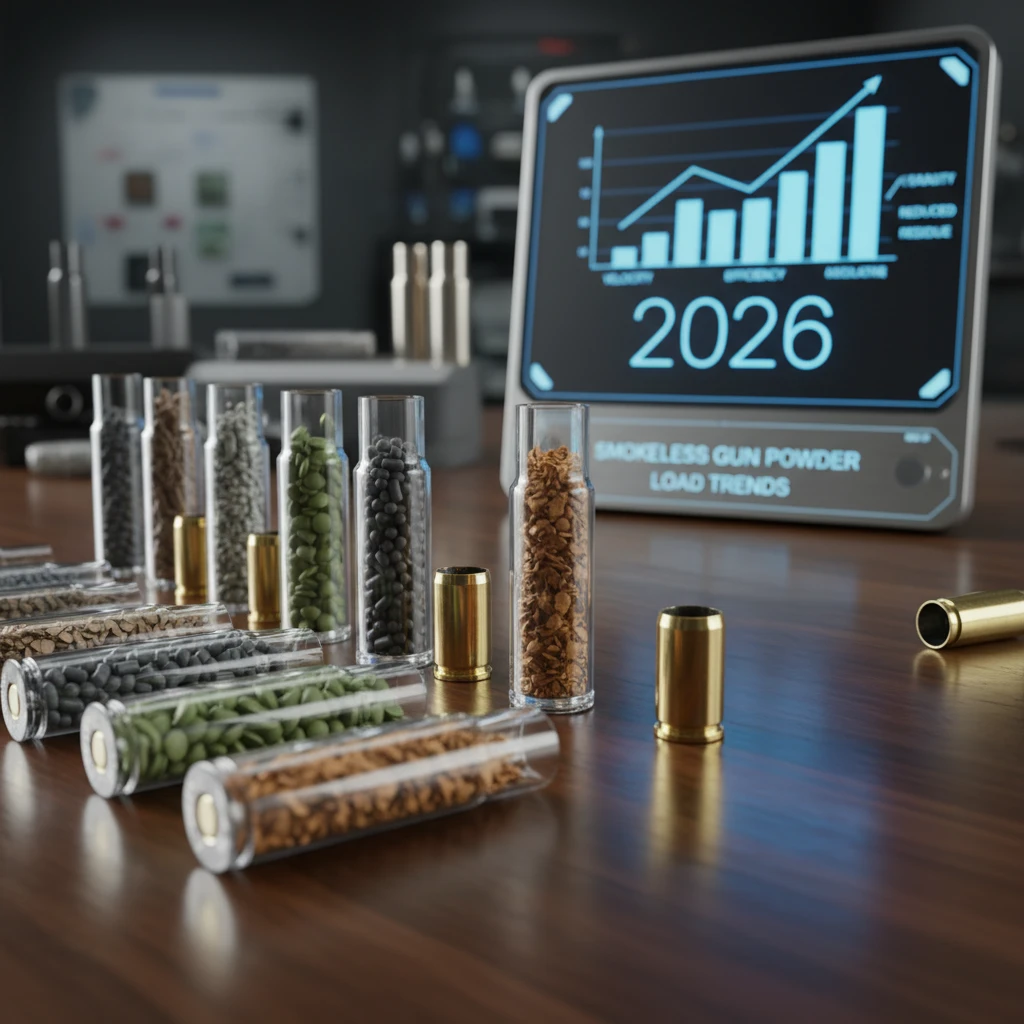
Smokeless Gun Powder: 2026 Load Trends
The careful selection of smokeless gun powder remains a cornerstone of successful ammunition crafting. In this rapidly changing landscape, staying informed about emerging trends, understanding the critical performance metrics, and avoiding common pitfalls are essential for achieving reliable and accurate results with your handguns, rimfire firearms, and shotguns. This guide delves into the key factors shaping powder choices in 2026 and beyond.
The Shifting Landscape of Smokeless Gun Powder in 2026
The trajectory of smokeless gun powder development and utilization in 2026 is significantly influenced by several converging factors. A primary driver is the increasing sophistication of firearm designs, particularly in semi-automatic handguns and precision bolt-action rifles, which demand powders with highly specific burn rate profiles and energetic characteristics to optimize cycling reliability and accuracy. Furthermore, regulatory shifts and supply chain resilience are subtly influencing material sourcing and manufacturing processes, pushing manufacturers towards more globally accessible and sustainable components. The ongoing emphasis on environmental impact is also encouraging the development of cleaner-burning formulas that produce fewer byproducts, leading to easier firearm maintenance and a more pleasant shooting experience. This push for cleaner powders is not merely an environmental concern but also a performance enhancement, as reduced fouling can contribute to more consistent shot-to-shot accuracy over extended firing sessions. The quest for enhanced reloading performance is, therefore, multi-faceted, encompassing safety, efficiency, and environmental responsibility.
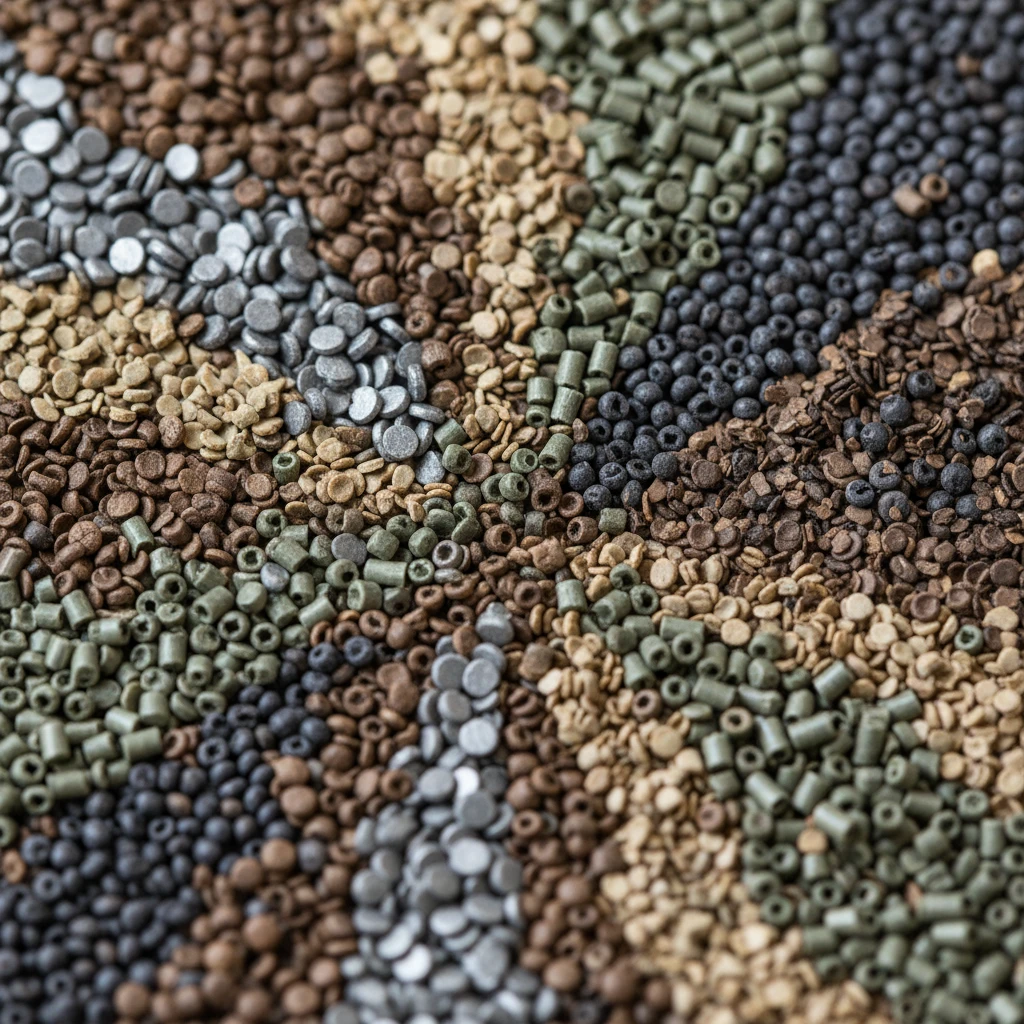
Decision-making for powder selection in 2026 necessitates a granular understanding of these influences. Reloaders must consider not only the intended application (e.g., target shooting, hunting, self-defense) but also the specific firearm’s operating system and ammunition requirements. For instance, a lightweight AR-15 platform might require a different powder profile than a heavy-barreled precision rifle, even when chambered for the same cartridge. The availability of load data from reputable sources, such as powder manufacturers and established reloading manuals, is crucial for safety and performance. As new powders emerge, comprehensive testing and peer-reviewed data become invaluable for validating their efficacy and safety. These datasets often reveal subtle differences in pressure curves, velocity spreads, and temperature sensitivity, all of which are critical for advanced reloaders.
Identifying Key Drivers of Smokeless Gun Powder Trends
The core drivers shaping 2026 smokeless gun powder trends are rooted in the continuous pursuit of improved ballistic performance and user experience. A significant factor is the demand for powders that offer a wider optimal operating window for various cartridge types. This means powders that perform consistently across a range of temperatures and altitudes, reducing the variability often associated with extreme environmental conditions. Manufacturers are actively investing in research and development to create formulations that exhibit less sensitivity to temperature fluctuations, which is particularly critical for competitive shooters and hunters operating in diverse climates. Another key driver is the push for cleaner-burning propellants. The market is increasingly favoring powders that produce minimal fouling, leading to extended periods of consistent accuracy without frequent firearm cleaning. This not only simplifies maintenance but also contributes to a more pleasant shooting experience, reducing smoke and residue.
Economic factors also play a substantial role. The cost-effectiveness of reloading remains a primary attraction, and powder manufacturers are keenly aware of this. Trends indicate a move towards powders that offer competitive pricing without compromising quality. This often involves optimizing manufacturing processes and raw material sourcing to achieve economies of scale. Furthermore, the global supply chain dynamics of 2026 continue to influence the availability and cost of certain chemical components used in powder production. Brands that can ensure a stable and reliable supply chain are gaining a competitive edge. The emphasis on reproducibility and lot-to-lot consistency is paramount; reloaders depend on the ability to achieve the same results every time they use a particular powder, and manufacturers are focused on stringent quality control measures to ensure this consistency. This is particularly important for high-volume ammunition production and precision handloading alike.
The Impact of New Firearms Platforms on Powder Demand
The rapid innovation in firearm design directly correlates with evolving demands for smokeless gun powders. The proliferation of compact, high-performance semi-automatic pistols, often featuring shorter barrels and advanced recoil mitigation systems, necessitates powders that can generate optimal velocities and consistent cycling without excessive pressure spikes. For these platforms, powders with a medium to fast burn rate are often favored, as they can efficiently combust in shorter barrels, ensuring reliable slide operation and minimizing muzzle flash. The advent of modular firearm systems, allowing users to easily swap barrels and calibers, also places a premium on versatile powders that can perform adequately across a range of related cartridges. This versatility reduces the need for reloaders to maintain extensive inventories of specialized powders.
In the precision rifle segment, the trend towards lighter, more compact hunting rifles and highly specialized long-range precision platforms is driving a demand for powders that offer exceptional temperature stability and low sensitivity to ignition variations. For extreme long-range shooting, where minute variations in velocity can lead to significant misses, powders that produce very low Extreme Spread (ES) and Standard Deviation (SD) in velocity are highly sought after. This often translates to double-base or specially formulated single-base propellants designed for maximum consistency. Manufacturers are also seeing increased interest in powders suitable for cartridges designed for suppressed firearms, which often require a different burn rate profile to minimize port noise and ensure reliable cycling. The understanding of smokeless gun powder burn rates is therefore more critical than ever for adapting loads to these cutting-edge firearms.
Precision Handgun Reloading: What Powders Dominate the Bench?
For the precision handgun reloader in 2026, the bench is dominated by powders that strike an ideal balance between velocity, accuracy, and component longevity. The focus remains on achieving the tightest possible groups, and this often translates to powders that meter predictably, burn cleanly, and produce minimal pressure variations. While traditional favorites like Accurate and Hodgdon powders continue to hold significant market share, new formulations are emerging that cater to specific needs. A key trend is the rise of spherical or flattened-flake powders, known for their excellent metering characteristics, which are crucial for consistent case fill and thus, consistent ignition and velocity. These powders minimize the potential for static cling and flow smoothly through volumetric powder measures, a critical factor for handloaders prioritizing speed and accuracy. The goal is to achieve sub-MOA accuracy consistently, making powder selection a critical component of the reloading equation.
The choice of powder is often dictated by the intended application for the reloaded handgun ammunition. For self-defense loads, reliable expansion of hollow-point bullets is paramount, and certain powders excel at providing the necessary velocity and energy transfer without generating excessive recoil, which can hinder rapid follow-up shots. For competition shooting, particularly in disciplines like USPSA or Steel Challenge, powders that facilitate fast cycling of the action and allow for softer-shooting loads without sacrificing accuracy are highly prized. This often involves powders that produce a moderate pressure curve, allowing the firearm to function reliably while reducing shooter fatigue. The meticulous handloader will also consider the impact of powder choice on primer performance; certain powders can be more sensitive to primer type and consistency, making a reliable primer choice equally important. This holistic approach ensures optimal performance across all reloading components. For more insights into load data, consult resources on smokeless powder reloading.
Emerging Powders for High-Volume Handgun Ammo
The landscape of high-volume handgun ammunition reloading in 2026 is witnessing the emergence of powders designed for both cost-effectiveness and consistent performance. Reloaders producing thousands of rounds for practice or competition are increasingly looking for powders that offer excellent value per pound without a significant compromise in quality. This has led to a renewed interest in certain established powder families that have been reformulated or are being produced with more efficient manufacturing techniques. Furthermore, powders that exhibit less sensitivity to minute variations in case volume are gaining traction. This is particularly relevant when reloading high-capacity magazines, where consistent bullet seating depth can be challenging to maintain perfectly. Spherical powders, due to their uniform shape and density, often lead this category, ensuring that each charge delivers a predictable amount of propellant.
Another significant trend is the development of powders engineered for reduced fouling and cleaner burn characteristics. High-volume shooting generates a considerable amount of residue, and powders that minimize this buildup translate to less frequent firearm cleaning and more consistent performance over long shooting sessions. This not only saves time but also contributes to the longevity of firearms. Examples include powders with advanced deterrent coatings or specially designed chemical compositions that promote more complete combustion. Reloaders are also seeking powders that facilitate softer recoil impulses, especially for calibers like 9mm Luger and .45 ACP, when used in training or competitive shooting. This allows for faster target reacquisition and reduced shooter fatigue, making it possible to maintain high levels of accuracy for extended periods. The pursuit of these attributes is driving innovation in powder manufacturing for the high-volume handgun market.
Powder Performance Metrics: Velocity vs. Consistency for 2026
In 2026, the debate between prioritizing raw velocity and achieving pinpoint consistency in handgun reloading remains a central consideration for discerning shooters. While maximum velocity can be appealing for certain applications like hunting or self-defense, where energy transfer is paramount, the modern precision reloader often places a higher premium on consistency. Extreme Spread (ES) and Standard Deviation (SD) of muzzle velocity are critical metrics. A low ES and SD indicate that each shot fired produces a nearly identical velocity, which directly translates to tighter shot groups. Powders that excel in this area often have more controlled burn rates and are less susceptible to minor variations in ignition or powder charge weight. This consistency is achievable with many modern spherical or finely granulated flake powders that meter exceptionally well.
However, the interplay between velocity and consistency is nuanced. For certain performance-driven disciplines, achieving a target velocity threshold is essential for reliable firearm function (e.g., cycling semi-automatic actions) or for maximizing bullet performance (e.g., ensuring hollow-point expansion). Therefore, the ideal powder often represents a sweet spot that balances these two metrics. This means finding a propellant that can deliver adequate velocity for the task at hand while simultaneously minimizing velocity variations. Reloaders often consult comprehensive load data charts, comparing ES and SD figures alongside pressure and velocity readings for various powders and bullet combinations. The performance unlocked by choosing the right smokeless gun powder is often realized through this careful optimization of both velocity and consistency.
Common Pitfalls When Selecting Handgun Smokeless Gun Powder
One of the most frequent pitfalls reloaders encounter when selecting handgun smokeless gun powder is over-reliance on anecdotal evidence or outdated load data. While forum discussions and personal experiences can be informative, they should always be cross-referenced with current, manufacturer-tested data. Load data from reputable sources, such as powder manufacturers’ websites or established reloading manuals, provides safety parameters and performance benchmarks that are scientifically derived. Ignoring this can lead to dangerous overloads or suboptimal performance.
Another common mistake is failing to consider the powder’s burn rate in relation to the intended cartridge and barrel length. A powder that is too fast for a particular cartridge and barrel length may result in excessive pressure at the muzzle and poor efficiency, while a powder that is too slow can lead to incomplete combustion, fouling, and reduced velocity. For example, using a very fast-burning powder in a long-barreled revolver might not achieve the desired velocity compared to a medium-burn rate powder. Similarly, selecting a powder solely based on its popularity for one caliber and expecting it to perform identically in another can be a significant error. Each cartridge-caliber-barrel length combination has unique requirements, and powder selection must be specific to these parameters. Always consult reliable load data to ensure safe and effective use of any smokeless powder.
Rimfire Ammo Reloading: Are the Trends Shifting Towards Specific Powders?
The concept of “reloading” rimfire ammunition in 2026 is a complex one, often referring more to component selection and case preparation than traditional powder charging. Unlike centerfire cartridges where primers and powders are readily available components, rimfire cartridges utilize priming compound within the rim itself, which is typically not reloadable by the average enthusiast due to safety concerns and the specialized equipment required. Therefore, trends in rimfire ammunition are less about choosing a smokeless powder for a specific load and more about understanding the performance characteristics of factory-loaded ammunition and the components that influence it. Manufacturers are focusing on developing propellants that offer cleaner burning, enhanced consistency, and reliable ignition across a wide range of conditions. The trend is towards propellants that minimize fouling, which is a persistent issue with .22 Long Rifle and other rimfire rounds, and contribute to reliable cycling in semi-automatic firearms.
The market is seeing a demand for rimfire ammunition that performs consistently across various firearm types, from bolt-action target rifles to semi-automatic pistols and rifles. This means manufacturers are fine-tuning their powder formulations to achieve predictable velocities and minimal pressure variations, even in the small case volume of rimfire cartridges. The goal is to provide ammunition that is both accurate and reliable, whether used for plinking, competition, or small game hunting. Factors like temperature stability and moisture resistance are also becoming increasingly important for ammunition intended for use in diverse outdoor environments. While direct reloading of the priming compound and powder charge is rare and often discouraged for safety reasons, understanding the ballistic properties and manufacturing advancements in factory rimfire ammunition is crucial for shooters seeking the best performance. For those interested in understanding the broader applications of primers in reloading, explore insights on primers.
The Challenge of Reloading Rimfire Cartridges in 2026
The fundamental challenge of “reloading” rimfire cartridges in 2026 remains rooted in their inherent design: the priming compound is integral to the cartridge rim. Unlike centerfire cartridges, where a spent primer can be easily removed and replaced with a fresh one, rimfire priming compound is part of the projectile’s ignition system. Attempting to manually reload this compound is extremely hazardous due to its sensitivity and the specialized equipment and knowledge required. Consequently, what is often termed “rimfire reloading” by enthusiasts usually involves meticulous case preparation and potentially, if advanced techniques are employed and deemed safe by experts, the use of specific, small-volume powders with exceptionally precise ignition characteristics for specific target loads where factory ammo falls short. However, this is an advanced and often discouraged practice for the average consumer.
The practical trend for rimfire users in 2026 is to focus on selecting the best available factory ammunition that meets their needs for accuracy, reliability, and consistency. This involves understanding the nuances of different ammunition manufacturers’ propellants and bullet designs. For instance, certain brands are known for producing quieter ammunition, often achieved through optimized powder charges and bullet weights, which is desirable for plinking or shooting in sensitive environments. Others prioritize high velocity for flatter trajectories in varmint hunting. The emphasis is on choosing ammunition that performs reliably in semi-automatic firearms, ensuring proper cycling and ejection, which is often a significant hurdle with rimfire cartridges. The pursuit of optimal rimfire performance therefore hinges on informed selection of factory loads rather than direct, traditional reloading of the priming compound and powder charge.
Analyzing Powder Granulation and Burn Rate for Rimfire Success
While direct reloading of rimfire cartridges with smokeless powder is largely impractical and unsafe for most individuals, understanding the principles of powder granulation and burn rate is still relevant when evaluating the performance of factory-loaded rimfire ammunition. Manufacturers select specific propellants that are designed to provide the necessary energy for the small case volume of rimfire cartridges while ensuring reliable ignition and consistent performance. For instance, powders with a fine granulation and a fast to medium burn rate are generally favored. These characteristics allow the propellant to combust rapidly and efficiently in the limited space of a rimfire case, producing sufficient pressure to propel the bullet without creating excessive chamber pressure or muzzle blast.
The granulation of the powder is also critical for manufacturing consistency. Finely and uniformly granulated powders allow for precise volumetric dispensing during mass production, ensuring that each cartridge receives a consistent charge. This uniformity is key to achieving predictable velocities and reliable firearm function, especially in semi-automatic rimfire platforms. While the exact powders used by manufacturers are proprietary, the underlying principles of propellant science apply. A powder that burns too slowly in a short-barreled .22 LR pistol, for example, might not achieve optimal velocity and could lead to increased muzzle flash and fouling. Conversely, a powder that burns too quickly might generate excessive pressure too early in the barrel. Therefore, factory rimfire ammunition’s success is a testament to the careful selection and application of specific propellant types, balancing burn rate for optimal energy transfer and consistent ignition.
Shotgun Shell Reloading: New Wads and Their Powder Implications
The world of shotgun shell reloading in 2026 is experiencing significant innovation, largely driven by advancements in wad technology. Modern wads are engineered with intricate designs that influence gas sealing, shot cup protection, and recoil mitigation. These sophisticated designs have a direct impact on powder selection, as the wad’s performance can alter the pressure dynamics within the hull. For instance, highly efficient gas-sealing wads can create a more consistent pressure environment, allowing reloaders to utilize a wider range of powders effectively. This means that powders previously considered marginal for certain loads might now perform exceptionally well when paired with the right wad. The focus for reloaders is on powders that provide a predictable pressure curve which interacts optimally with the gas-sealing capabilities of the new wads.
Furthermore, the trend towards recoil-reducing wads means that reloaders can potentially achieve desired velocities and patterns with less potent powder charges, contributing to a softer shooting experience. This opens up possibilities for using powders that might not have been previously considered for full-power loads. However, it’s crucial to note that compatibility is paramount. Not all powders will perform optimally with every new wad design. Reloaders must consult up-to-date load data and manufacturer recommendations that specifically address combinations of new wads and powders. The aim is to achieve consistent shot velocity, pattern density, and reduced felt recoil. The careful selection of both the powder and the wad is essential for unlocking the full potential of modern shotgun shell reloading. For enthusiasts of bird hunting, insights can be found in shotgun ammo load secrets.
Powder Compatibility with Advanced Wad Designs
The integration of advanced wad designs in shotgun shells necessitates a more nuanced approach to powder selection in 2026. These modern wads, often featuring complex internal structures and materials, are engineered for superior gas sealing and shot containment. This enhanced sealing means that the powder charge must be carefully matched to the wad’s ability to manage the resulting pressure. Powders that produce a sharp, rapid pressure spike might overwhelm a less robust wad, leading to deformation and inconsistent patterns. Conversely, slower-burning powders, when paired with an efficient wad that maintains a good seal, can develop optimal velocity more smoothly, resulting in better shot downrange performance. The key is finding a powder that creates a controlled burn rate that complements the wad’s mechanics.
Reloaders must pay close attention to load data that specifies compatibility between particular powders and wad designs. Manufacturers are increasingly providing this granular information to account for the diverse performance characteristics of new wad technologies. For example, a wad designed for optimal clay target performance might require a different powder profile than one intended for heavy magnum hunting loads. Some advanced wads are designed to reduce shot deformation, which can be influenced by the pressure and velocity generated by the powder. Thus, the choice of powder directly affects pellet integrity and, consequently, pattern effectiveness at longer ranges. Ignoring this compatibility can lead to wasted components and disappointing results, making informed selection critical for successful shotgun shell reloading.
Trends in Volumetric Consistency for Shotgun Ammo Reloaders
Volumetric consistency is a cornerstone of reliable shotgun shell reloading, and in 2026, trends indicate a heightened focus on achieving this precision, particularly with the advent of new wad technologies and evolving shot materials. Reloaders are increasingly seeking powders that exhibit uniform granulation and density, which ensures that each volumetric charge dispensed from a powder measure is as close to identical as possible. Spherical or granular powders often excel in this regard, flowing more predictably than irregularly shaped flakes. This consistency is vital because even small variations in powder charge can lead to significant differences in shot velocity, patterning, and felt recoil, especially in 12-gauge and 10-gauge shells.
Furthermore, the rise of non-toxic shot alternatives, such as steel, bismuth, and tungsten, has introduced new considerations. These materials often have different densities and hardnesses compared to lead, influencing how they interact with the wad and the pressure generated by the powder. Powders that provide a smoother, more controlled pressure curve are becoming more desirable when loading non-toxic alternatives, as they can help prevent shot deformation and ensure efficient energy transfer downrange. Reloaders are also benefiting from improved powder metering technology and more accurate load data that accounts for these variations. Ultimately, the trend is towards powders that guarantee predictable performance across a range of shot types and wad designs, making the reloading process more efficient and the end product more reliable.
High-Performance Rifle Ammo: Adapting to New Cartridge Introductions
The landscape of rifle ammunition is in constant flux, with new cartridges emerging that demand specialized reloading approaches. As of 2026, several innovative calibers are gaining traction, requiring reloaders to pay close attention to smokeless gun powder characteristics. These advancements are often driven by the pursuit of flatter trajectories, increased energy transfer, and optimized performance in specific shooting disciplines, from long-range precision to dangerous game hunting. Understanding the nuances of each new cartridge is paramount for achieving safe and effective loads. Factors like case capacity, bore diameter, and intended velocity all play a critical role in selecting the appropriate powder type. Ignoring these can lead to underperformance, inconsistent results, or, in worst-case scenarios, dangerous pressure spikes. For instance, a cartridge designed for extreme long-range accuracy might necessitate a slower-burning powder to achieve optimal projectile acceleration without excessive pressure, while a new short-action hunting round might benefit from a medium-burn-rate powder for rapid ignition and consistent velocities. Staying informed about new cartridge introductions and their specific reloading requirements is a key aspect of modern rifle ammo reloading.
Smokeless Gun Powder Requirements for Magnum and Short-Action Rounds
Magnum and short-action rifle cartridges present distinct challenges and opportunities for reloaders seeking optimal performance. For magnum calibers, which typically feature larger case volumes and require higher velocities, powders with a slower burn rate are generally preferred. These powders fill the case more effectively, providing a sustained pressure curve that efficiently propels heavier bullets to desired speeds without exceeding safe pressure limits. Examples include powders specifically designed for cartridges like the .300 Winchester Magnum or 7mm Remington Magnum, where precise metering and a consistent burn are crucial. Conversely, short-action cartridges, such as the .308 Winchester or 6.5 Creedmoor, often benefit from medium-to-fast burning powders. These powders ignite more rapidly, generating peak pressure earlier in the barrel, which is well-suited to the typically shorter barrel lengths and smaller case capacities of these rounds. The goal here is to achieve excellent accuracy and acceptable velocities without generating excessive fouling or pressure. Mismatching powder burn rate to cartridge type can lead to significant issues; too fast a powder in a magnum can cause dangerous pressure spikes, while too slow a powder in a short-action round can result in poor velocity, excessive muzzle flash, and unburnt powder residue. Careful consultation of expert load data is essential when working with these distinct cartridge families.
Decision Criteria: When selecting smokeless gun powder for magnum rounds, prioritize powders with high energy density and a slower, controlled burn. For short-action cartridges, focus on powders that offer rapid ignition and efficient burn in smaller volumes. Always cross-reference potential powder choices with published load data for your specific rifle, bullet weight, and intended use. Consider the powder’s bulk density; a powder that fills the case more completely can prevent detonation or inconsistent ignition, particularly in larger magnum cases.
Pitfalls to Avoid: Using a powder that is too fast for a magnum cartridge is a critical error that can lead to dangerously high pressures. Conversely, using a powder that is too slow for a short-action cartridge will result in reduced velocity, increased muzzle flash, and potential unburnt powder. Never substitute powders based on volume alone; weight is the accurate measure for reloading. Also, be wary of “universal” powders that claim to excel in all applications, as specialized powders often yield superior results.

The Role of Powder Temperature Stability in Long-Range Rifle Shooting
For long-range rifle shooters, temperature stability of smokeless gun powder is not merely a desirable trait; it’s a critical component of consistent accuracy. Ambient temperature fluctuations can significantly impact powder burn rates. In warmer conditions, powders tend to burn hotter and faster, leading to increased muzzle velocities and potentially higher pressures. Conversely, in colder conditions, the burn rate slows down, resulting in lower velocities. For precision shooting where minute deviations can mean the difference between a hit and a miss at extreme distances, these velocity shifts are unacceptable. Modern powder formulations are increasingly engineered to minimize these effects, offering what is often termed “temperature insensitivity.” Reloaders focused on long-range performance should actively seek out powders known for their superior temperature stability. This allows for reliable ballistic solutions across a wide range of environmental conditions without requiring constant sight adjustments. Investing in these advanced formulations ensures that your rifle ammo performs predictably, whether you’re shooting on a cool spring morning or a hot summer afternoon. The consistency derived from temperature-stable powders directly translates to improved confidence and performance in competitive shooting or hunting scenarios.
Decision Criteria: Prioritize powders explicitly marketed for their temperature stability. Research independent testing data or shooter testimonials regarding performance across different temperature ranges. Consider the intended operating temperature range for your shooting activities.
Pitfalls to Avoid: Relying on generic load data without accounting for ambient temperature extremes can lead to significant accuracy degradation at long range. Using older powder formulations that are more susceptible to temperature variations can introduce unpredictable shot-to-shot flyers. Failing to account for temperature effects when developing a ballistic solution can render it inaccurate in the field.
Choosing the Right Smokeless Gun Powder: A Checklist for Rifle Reloaders
Selecting the correct smokeless gun powder is a fundamental step in successful rifle reloading. A systematic approach ensures you make informed choices that align with your specific needs and equipment. Begin by identifying the cartridge you are reloading and the intended bullet weight. This information dictates the general class of powder burn rate required. Next, consider your firearm’s action type (e.g., bolt-action, semi-automatic) and its typical usage (e.g., hunting, target shooting, competition). Semi-automatic rifles can be more sensitive to powder burn rates, as improper selection can affect cycling reliability. A crucial step is consulting reputable load manuals and online resources for data specific to your chosen cartridge and bullet. Look for powders that are consistently recommended for your application. Evaluate the smokeless gun powder‘s physical form (e.g., spherical, extruded) and its ease of metering; some powders meter more consistently than others, which is important for handloaders using powder measures. Finally, consider environmental factors such as the importance of temperature stability if you frequently shoot in varying climates. A well-planned selection process minimizes trial and error, saving time, resources, and ensuring safer, more effective loads for your rifle ammo.
Decision Criteria: Verify powder compatibility with cartridge and bullet weight. Check for recommended performance in your specific firearm action type. Review load data from multiple authoritative sources. Assess ease of metering for your reloading equipment.
Pitfalls to Avoid: Using data from unreliable or outdated sources. Substituting powders without understanding their burn rate characteristics. Overlooking the impact of powder shape on metering consistency. Ignoring safety warnings or maximum load recommendations provided in load manuals.
Primers: The Unsung Heroes and Their 2026 Market Dynamics
Primers, often overlooked in favor of powder and bullets, are arguably the most critical component in initiating the combustion process for all firearm ammunition. In 2026, the market for primers continues to be dynamic, influenced by manufacturing capabilities, geopolitical factors, and consistent demand from reloaders and ammunition manufacturers alike. These small but powerful devices initiate the explosive chain reaction by striking a sensitive compound, which then ignites the main propellant charge. Without a perfectly functioning primer, even the most carefully crafted handload will fail to fire. The continued demand for both handgun ammo and rifle ammo, coupled with ongoing trends in reloading, ensures that primer availability and quality remain paramount. Understanding the different types of primers, their sensitivity, and their compatibility with various propellants is essential for anyone involved in ammunition loading. As we look at the current market, reliability and consistency are key attributes that reloaders seek, making the choice of primer a non-negotiable aspect of achieving successful and safe ammunition.
Small Rifle vs. Large Rifle Primers: Evolving Needs
The distinction between small rifle primers and large rifle primers is fundamental for reloaders, but their specific applications and market dynamics evolve. Small rifle primers are designed for cartridges with smaller case necks and less powder capacity, such as .223 Remington, 5.56 NATO, and many popular varmint and intermediate cartridges. Large rifle primers, conversely, are intended for cartridges with larger case capacities and higher powder charges, including .30-06 Springfield, .300 Winchester Magnum, and numerous other magnum and hunting rounds. The physical size difference dictates the amount of explosive material they contain, calibrated to efficiently ignite the specific powder charges used in their respective cartridge families. As of 2026, the demand for both types remains robust. However, the proliferation of newer, high-performance rifle cartridges sometimes blurs the lines, with some modern designs utilizing magnum-sized primers in otherwise moderately sized cases for enhanced ignition reliability. Reloaders must meticulously check their cartridge specifications to ensure they are using the correct primer size to avoid under- or over-ignition, which can lead to inconsistent performance or, critically, dangerous pressure fluctuations. Primers: Essential for Reloading Consistency are critical for consistent performance.
Decision Criteria: Always consult your cartridge’s load data for the specified primer type. Consider the case capacity and intended pressure of your cartridge. Match primer size to the primer pocket diameter to ensure a snug fit and proper function.
Pitfalls to Avoid: Using a small rifle primer in a large rifle primer pocket (or vice-versa) will result in either a failure to ignite or a dangerous over-pressure event due to excessive priming compound. Using a standard rifle primer where a magnum rifle primer is recommended can lead to incomplete ignition and reduced velocity. Neglecting to ensure a proper primer seat depth can cause misfires or slam-fire incidents.
The Impact of Primer Sensitivity on Smokeless Gun Powder Ignition
Primer sensitivity is a measure of how easily a primer can be initiated by the firing pin strike. It’s a critical factor in achieving reliable ignition of smokeless gun powder. Different types of primers have varying degrees of sensitivity: standard primers are designed for typical firing pin energy, while “magnum” primers are formulated to be more sensitive and contain a more potent priming compound, intended for slower-burning, harder-to-ignite powders often found in magnum rifle cartridges. In 2026, advancements in primer manufacturing have led to more consistent sensitivity across batches, but the fundamental principle remains. Using a primer that is too insensitive for a particular smokeless gun powder can result in delayed ignition or a complete misfire, especially in colder temperatures or with bulky, slow-burning powders. Conversely, a primer that is excessively sensitive, particularly in firearms with heavy firing pins or light firing pin springs, can lead to unintentional discharges. For reloaders focusing on precision, achieving consistent ignition is paramount, and this starts with selecting a primer whose sensitivity matches the powder charge and cartridge requirements. Understanding this relationship is key to unlocking predictable performance in your handgun ammo and rifle ammo reloads.
Decision Criteria: Match primer sensitivity to the burn rate of your chosen smokeless gun powder. Consult load data for specific recommendations on primer types (standard vs. magnum). Consider the firing pin energy of your firearm.
Pitfalls to Avoid: Using standard primers with slow-burning magnum powders can lead to ignition failures. Using overly sensitive primers in firearms with light hammer springs can cause accidental discharges. Assuming all primers are interchangeable without considering their specific applications.
Identifying Reliable Primers for Consistent Handgun Ammo and Rifle Ammo Loads
Ensuring consistency in your reloaded handgun ammo and rifle ammo begins with selecting reliable primers. In 2026, several manufacturers are renowned for producing primers that offer exceptional consistency in both sensitivity and explosive power. Key indicators of reliability include uniformity in flash hole fit, ensuring a secure seating, and consistent ignition across thousands of rounds. When choosing, consider brands that have a long-standing reputation for quality control and minimal lot-to-lot variation. For reloaders, this translates to predictable burn rates and velocities from shot to shot, which is fundamental for accuracy. Magnum primers are specifically formulated for slower-burning powders commonly used in larger rifle cartridges, while standard primers suffice for most handgun ammo and smaller rifle rounds. It is always advisable to stick to reputable manufacturers known for their stringent quality checks. Checking online forums and reloading publications can also provide insights into current shooter experiences with different primer brands regarding consistency and performance. Ultimately, investing in high-quality primers from trusted sources is a foundational step in achieving successful and dependable reloads, preventing many common issues that plague less experienced reloaders.
Decision Criteria: Research brands with established reputations for quality and consistency. Verify that the primer type (small pistol, large pistol, small rifle, large rifle, magnum variants) matches your cartridge and powder. Look for primers with consistent seating characteristics.
Pitfalls to Avoid: Purchasing the cheapest available primers without regard for quality. Using magnum primers when standard primers are specified and recommended, which can lead to excessive pressure. Failing to properly seat primers, leading to misfires or slam-fires.
Sustainability and Safety in Smokeless Gun Powder Manufacturing
The manufacturing of smokeless gun powder, a cornerstone for reloading handgun ammo, rifle ammo, and shotgun ammo, is increasingly focused on sustainability and enhanced safety protocols. In 2026, leading manufacturers are investing in processes that reduce environmental impact, such as minimizing waste products and optimizing energy consumption. This includes exploring cleaner chemical synthesis routes and improving recycling initiatives within their production facilities. Safety remains paramount, with stringent quality control measures implemented at every stage, from raw material sourcing to final product packaging. Modern facilities employ advanced automation and monitoring systems to ensure worker safety and prevent hazardous incidents. The industry is also mindful of the long-term implications of its products, contributing to research on more stable propellant formulations that reduce environmental persistence. For the end-user, these advancements translate to safer handling, more predictable performance, and a more responsible supply chain for essential reloading components. The commitment to these principles ensures that the pursuit of shooting sports can continue with a reduced ecological footprint and an unwavering focus on safety.
Innovations in Eco-Friendly Powder Production
The push for environmentally conscious manufacturing has spurred significant innovations in smokeless gun powder production. As of 2026, companies are actively developing and implementing greener chemical processes. This includes exploring alternative solvents with lower toxicity and reduced volatile organic compound (VOC) emissions, as well as optimizing reaction conditions to increase yield and minimize by-products. Another area of focus is the recovery and repurposing of waste materials, turning what was once considered industrial refuse into valuable components for other applications, or even back into propellant manufacturing itself. Energy efficiency is also a key driver, with facilities integrating renewable energy sources and optimizing machinery to consume less power. Furthermore, research is ongoing into novel propellant formulations that offer reduced environmental impact once fired, such as those that produce fewer harmful residues or break down more readily in the environment. These efforts, while complex, are crucial for the long-term sustainability of the reloading industry and ensuring the continued availability of high-quality smokeless gun powder.
Decision Criteria: Investigate manufacturers’ stated commitments to environmental practices. Look for certifications or reports detailing sustainability initiatives. Consider powders formulated with reduced environmental impact in mind.
Pitfalls to Avoid: Assuming all manufacturers adhere to the highest environmental standards without verification. Overlooking the environmental footprint of raw material sourcing. Neglecting the end-of-life considerations for propellant products.
Best Practices for Storing and Handling Smokeless Gun Powder in 2026
Proper storage and handling of smokeless gun powder are crucial for both safety and the longevity of the product. In 2026, these best practices remain consistent and are fundamental for all reloaders. Always store smokeless gun powder in its original container. These containers are designed to prevent static electricity buildup and provide a barrier against environmental contaminants. Keep powder in a cool, dry, and well-ventilated area, away from direct sunlight, heat sources, and open flames. Avoid storing powder in garages or sheds that experience extreme temperature fluctuations, as this can degrade the propellant over time. When handling powder, use non-sparking tools and avoid activities that could generate static electricity, such as wearing highly synthetic clothing. Ensure that containers are tightly sealed when not in use to prevent moisture absorption. For bulk storage, consider dedicated smokeless gun powder storage cabinets designed for safety and temperature control. Never mix different types or brands of powder, as their chemical compositions and burn rates may be incompatible, leading to unpredictable results.
Decision Criteria: Store in original, sealed containers. Maintain a cool, dry, well-ventilated environment. Avoid extreme temperature fluctuations and direct sunlight. Use non-sparking tools when handling.
Pitfalls to Avoid: Storing powder in unsealed containers or inappropriate locations. Mixing different powder types. Generating static electricity near powder. Ignoring expiration dates or signs of powder degradation (e.g., sticky residue, unusual odor).
Geopolitical Influences on Smokeless Gun Powder Availability (Canada & USA)
The availability of smokeless gun powder for reloaders in both Canada and the USA in 2026 is significantly influenced by a complex interplay of geopolitical factors, trade policies, and global supply chain dynamics. International relations, tariffs, and the sourcing of raw materials can all impact the cost and accessibility of these essential reloading components. Manufacturers often rely on a global network for precursor chemicals and specialized equipment, making them susceptible to disruptions caused by political instability, trade disputes, or even localized environmental regulations in countries of origin. For instance, shifts in trade agreements or new import/export restrictions can directly affect the flow of smokeless gun powder into North America. Furthermore, domestic production capacities, regulatory environments, and the overall demand from both civilian and commercial sectors play a vital role. Staying informed about these geopolitical currents is essential for reloaders to anticipate potential shortages or price fluctuations and to plan their purchases accordingly, ensuring they can continue to source the smokeless gun powder needed for their handgun ammo and rifle ammo reloading projects.
Navigating Supply Chain Challenges for Reloading Supplies
The reloading community, encompassing enthusiasts for handgun ammo, rifle ammo, and shotgun ammo, has become adept at navigating supply chain challenges that have become more pronounced in recent years. As of 2026, common obstacles include extended lead times for components, fluctuating prices, and occasional outright shortages of popular smokeless gun powder and primers. To mitigate these issues, reloaders are encouraged to adopt proactive strategies. Diversifying suppliers is key; rather than relying on a single retailer, purchasing from multiple reputable sources can help ensure you secure necessary components. Building a buffer stock of essential items, within safe storage guidelines, can provide a cushion against temporary shortages. Staying informed about industry news and trends through reloading forums, manufacturer announcements, and retailer updates allows for early anticipation of potential disruptions. Furthermore, building strong relationships with trusted reloading supply retailers can offer insights into upcoming stock and potential availability issues. Being flexible with specific brands or formulations, while maintaining quality standards, can also be beneficial when certain preferred products are unavailable.
Decision Criteria: Identify and establish relationships with multiple reputable retailers. Maintain a reasonable inventory of essential components, adhering to safe storage practices. Monitor industry news for supply chain updates and forecasts.
Pitfalls to Avoid: Panic buying, which can exacerbate shortages. Relying on a single source for all reloading needs. Neglecting to store acquired components safely and responsibly. Failing to research alternative but equally viable product options.
Forecasting Future Availability of Key Smokeless Gun Powder Components
Predicting the future availability of key smokeless gun powder components requires an understanding of global manufacturing trends, raw material sourcing, and geopolitical stability. As of 2026, the primary constituents of smokeless powders—nitrocellulose, nitroglycerin, and stabilizers—are generally produced in significant quantities. However, disruptions in the supply of these chemicals, often linked to international trade dynamics or the availability of specific industrial precursors, can impact production. Manufacturers are continuously seeking ways to diversify their sourcing and optimize production efficiency to maintain a steady output. Furthermore, environmental regulations in producer countries can influence manufacturing capacity. For reloaders, this means that while widespread, long-term shortages of basic propellant components are unlikely, localized or temporary supply constraints are a recurring possibility. Staying informed about the production capacities and investment strategies of major smokeless gun powder manufacturers, alongside a general awareness of global chemical markets, can provide valuable foresight into potential future availability trends for smokeless gun powder.
Decision Criteria: Monitor global chemical market trends and pricing. Stay informed about major manufacturers’ expansion or contraction plans. Consider the geopolitical stability of regions where key components are sourced.
Pitfalls to Avoid: Overly optimistic assumptions about uninterrupted supply chains. Underestimating the impact of international trade policies on raw material availability. Ignoring the potential influence of environmental regulations on production capacity.
The Role of Reloading Data and Software in 2026 Powder Selection
Selecting the correct smokeless gun powder in 2026 hinges significantly on the quality and accessibility of reloading data and software. As firearms and components evolve, so too must the supporting data. Relying on outdated load charts can lead to suboptimal performance or, more critically, unsafe conditions. Accurate, up-to-date information is paramount for any reloader aiming for precision and safety, whether they are loading handgun ammo, rifle rounds, or shotgun shells. The trend towards more specialized powders designed for specific applications means that generic data is no longer sufficient. Reloaders must seek out resources that specifically address the powders they are using and the cartridges they are loading for. This includes understanding the burn rate characteristics of various powders, as this directly impacts pressure, velocity, and overall performance within a given cartridge. The best practice involves cross-referencing multiple reputable sources to ensure data integrity and identify the most effective powder for a particular firearm and intended use. Furthermore, specialized software is increasingly becoming indispensable for fine-tuning loads and understanding the complex interplay of components.
Leveraging Up-to-Date Reloading Manuals for Smokeless Gun Powder
The cornerstone of safe and effective reloading remains the printed and digital reloading manual. In 2026, the emphasis is on manuals that are frequently updated by reputable powder manufacturers and independent testing laboratories. These sources are critical for understanding the performance envelope of new smokeless gun powder formulations and for verifying established loads with current production components. When consulting manuals, reloaders should pay close attention to the testing methodology, the specific firearms used for testing, and the components (like primers and bullet weights) employed. Differences in these factors can explain variations in published data. For instance, a manual that extensively tests with modern, magnum rifle primers might show different results than one using standard small pistol primers. Prioritizing manufacturer-specific data for the exact powder being used is always the safest approach. Furthermore, manuals often provide valuable context on powder characteristics, such as temperature sensitivity or lot-to-lot consistency, which are crucial for advanced reloaders. Exploring resources dedicated to expert load data can significantly enhance your understanding and application of this critical information, ensuring you’re working with the most relevant and reliable figures available for your reloading projects.
Digital Tools for Load Development and Powder Optimization
Beyond traditional manuals, digital tools have become indispensable for 2026 load development. Advanced reloading software can simulate load performance, helping reloaders predict velocity, pressure, and even ballistic trajectories before a single shot is fired. These programs often feature extensive databases of powder burn rates, bullet ballistic coefficients, and cartridge dimensions, allowing for sophisticated analysis. Some software even integrates with chronographs to allow for real-time data logging and analysis, streamlining the process of identifying optimal powder charges. The pitfall here is over-reliance on simulations without real-world validation. It’s crucial to use software as a guide and starting point, always confirming simulated results with live fire testing and chronographic data. Many modern digital platforms also offer features for tracking reloading progress, component inventory, and even regulatory compliance. The ability to quickly compare the performance of different powders within the same cartridge, based on extensive logged data, empowers reloaders to make more informed decisions and achieve superior accuracy and consistency. Utilizing these digital aids effectively can drastically reduce the time and resources spent on load development, leading to quicker refinement of your favorite rifle ammo or handgun loads.
Expert Insights: What Reloaders Should Watch for in the Next 12 Months
As we navigate 2026, seasoned reloaders and industry experts are highlighting several key areas to monitor concerning smokeless gun powder. A significant trend is the ongoing development of powders with improved temperature stability. This is particularly important for hunters and outdoor enthusiasts who operate in environments with extreme temperature fluctuations. Powders that maintain consistent performance across a wide temperature range offer a significant advantage in terms of reliability and predictable ballistics. Another area of focus is the refinement of powders for specialized applications, such as subsonic loads for suppressed firearms or high-performance powders for short-barreled rifles. Reloaders should also be vigilant about potential supply chain disruptions, which can affect the availability of certain popular powders. Diversifying your reloading component choices and staying informed about market dynamics will be crucial. Understanding the nuances of smokeless gunpowder burn rates and how they interact with different cartridge and firearm combinations remains fundamental. For those interested in specific shooting disciplines, staying abreast of trends in shotgun ammo for bird hunting, for example, can also provide valuable insights into powder development.
Emerging Trends in Smokeless Gun Powder Performance
The quest for enhanced performance in smokeless gun powder continues to drive innovation. In 2026, we’re seeing a stronger emphasis on powders that offer reduced muzzle flash and cleaner burning characteristics. These improvements not only enhance the shooting experience by reducing disorientation in low-light conditions but also contribute to better firearm cleanliness, potentially extending the service life of components. Another emerging trend is the development of more eco-friendly powder formulations, addressing environmental concerns without compromising performance. While still niche, this area is likely to grow. Reloaders should also be aware of advancements in powders designed for specific cartridge families, offering optimized case fill, reduced fouling, and improved velocity consistency. For instance, advancements in primers and their interaction with powders are also critical to monitor, as they play a vital role in igniting the charge reliably and consistently. The drive for greater efficiency in both rifle ammo and handgun ammo reloading necessitates a constant evolution in powder technology.
Advice for Diversifying Your Smokeless Gun Powder Inventory
Given the dynamic nature of component availability and the continuous evolution of smokeless gun powder technology, diversifying your inventory is a sound strategy for 2026. This means not limiting yourself to a single powder for a particular cartridge. Instead, identify 2-3 different powders that perform well in your most commonly loaded cartridges, covering a range of burn rates and manufacturers. This approach mitigates the risk of being unable to reload if a specific powder becomes temporarily unavailable. When diversifying, always consult reliable load data for each powder you consider, ensuring safe and effective load development. Consider purchasing smaller quantities of new powders to test before committing to larger amounts. This practice allows you to assess performance in your specific firearms and loading conditions. It’s also wise to maintain a balanced stock of essential reloading components, including a variety of primers, as their availability can also fluctuate. A well-rounded inventory ensures you can continue your reloading pursuits uninterrupted, adapting to market conditions and component advancements. Exploring different smokeless gunpowder options can also unlock new levels of performance and efficiency for all your shooting needs.


About author



Add comment