

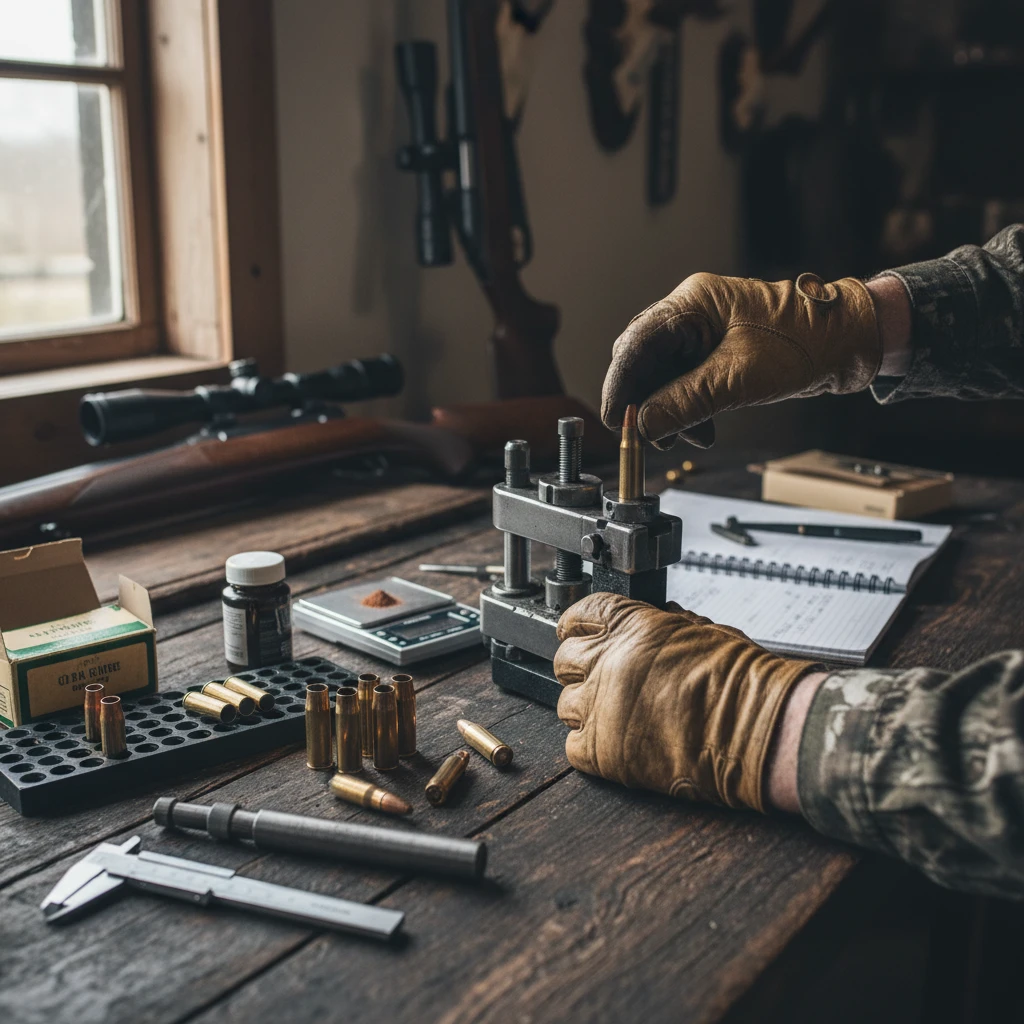
Rifle Ammo Accuracy: Reloading Strategies for Hunters
For the dedicated hunter, squeezing every ounce of performance from their rifle is paramount. Achieving pinpoint accuracy at crucial moments often separates a successful stalk from a missed opportunity. While factory ammunition offers convenience, the pursuit of superior precision frequently leads hunters to explore the world of reloading.
This deep dive into rifle ammo accuracy focuses on the transformative power of reloading. We’ll explore the decision-making process, the potential pitfalls to avoid, and the practical strategies that enable hunters to craft ammunition tailored precisely to their needs, their rifles, and the game they pursue.
Unlock Your Rifle’s True Potential: The Hunter’s Edge with Reloaded Accuracy
Factory ammunition is designed for broad appeal, offering a reliable yet generalized performance. However, for the discerning hunter aiming for ethical harvests and consistent results, this generalization can be a limiting factor. Reloading allows for meticulous control over every variable that influences a bullet’s flight and terminal performance. This granular control translates directly into enhanced accuracy, enabling shots that might otherwise be deemed impractical. By tailoring each round to a specific rifle’s unique characteristics and the intended quarry, hunters can achieve unparalleled consistency and confidence in the field. This personalized approach is not just about incremental improvement; it’s about unlocking the full, often untapped, potential of your firearm.
Why Hunters are Turning to Reloading for Superior Precision
The allure of reloading for hunters lies in its inherent ability to optimize ammunition for specific firearms and shooting scenarios. Unlike mass-produced rounds, hand-crafted ammunition can be meticulously tuned to a rifle’s specific chamber dimensions, rifling twist rate, and even the shooter’s preferred aiming point at various distances. This customization directly combats the variability found in factory loads, which must accommodate a wide spectrum of rifles within a given caliber. Furthermore, reloading provides direct control over powder charges, bullet seating depth, and primer consistency, all critical factors in achieving tight shot groups. For hunters facing challenging conditions or pursuing game at extended ranges, this level of precision is not merely desirable; it is essential for ethical and effective shooting. The quest for sub-MOA (Minute of Angle) accuracy becomes far more attainable when every component is selected and assembled with deliberate intent.

The Impact of Hand-Crafted Ammunition on Your Hunt
The difference hand-crafted ammunition can make on a hunt is profound, often manifesting in reduced flyers and tighter groups. Imagine a scenario where factory rounds exhibit slight inconsistencies, causing a shot intended for the vital zone to land just off target. Reloading mitigates this risk. For instance, a hunter using a .30-06 Springfield might discover their rifle shoots exceptionally well with a specific 165-grain bullet, a particular powder charge, and a precise overall length. By carefully developing a load that meets these criteria, they can expect more consistent performance. This improved consistency translates to increased confidence when it matters most, reducing the stress associated with challenging shots. It also contributes to more humane harvests, as a well-placed shot is more likely to incapacitate game quickly. The ability to fine-tune loads also allows for specialization; for example, developing a load optimized for accuracy at 300 yards for pronghorn antelope versus a load designed for heavier impact at closer ranges for deer.
Beyond Factory Loads: Understanding Ballistic Variables for the Perfect Shot
Achieving superior accuracy with reloaded ammunition hinges on a deep understanding and precise control of several key ballistic variables. Each component plays a critical role, and their interplay dictates the consistency and performance of the final cartridge. Beyond just selecting the right caliber, the nuances of primer selection, the specific type and quantity of smokeless gunpowder, and the characteristics of the bullet itself are paramount. Ignorance or sloppiness in any of these areas can quickly negate the benefits of reloading. Savvy reloaders treat their ammunition crafting as a scientific endeavor, where meticulous attention to detail is rewarded with predictable and potent results downrange. Mastering these variables is the gateway to unlocking the true precision your rifle is capable of.
Primer Selection: The Foundation of Consistent Ignition
The primer is often overlooked, yet it serves as the crucial initiator of the entire firing sequence. Its role is to provide a consistent and powerful spark to ignite the propellant, and any variability here can lead to inconsistent muzzle velocities and erratic bullet flight. For rifle cartridges, primers are typically classified as small or large rifle primers, further categorized by their sensitivity (standard or magnum). Using the correct primer type for your specific cartridge and powder charge is essential; for instance, a magnum primer might be necessary with slow-burning powders or large charges to ensure complete and timely ignition. Primer seating depth is another critical factor; primers should be seated just below the case head’s surface, ensuring they are not so deep as to be struck prematurely by the bolt face, nor so shallow as to fail to ignite reliably. Irregular ignition is a primary culprit behind vertical stringing in shot groups, making primer selection and seating a cornerstone of accurate reloading. For more in-depth information on primer selection, exploring resources on reloading primers is highly recommended.
Smokeless Gunpowder: Choosing the Right Burn Rate for Your Cartridge
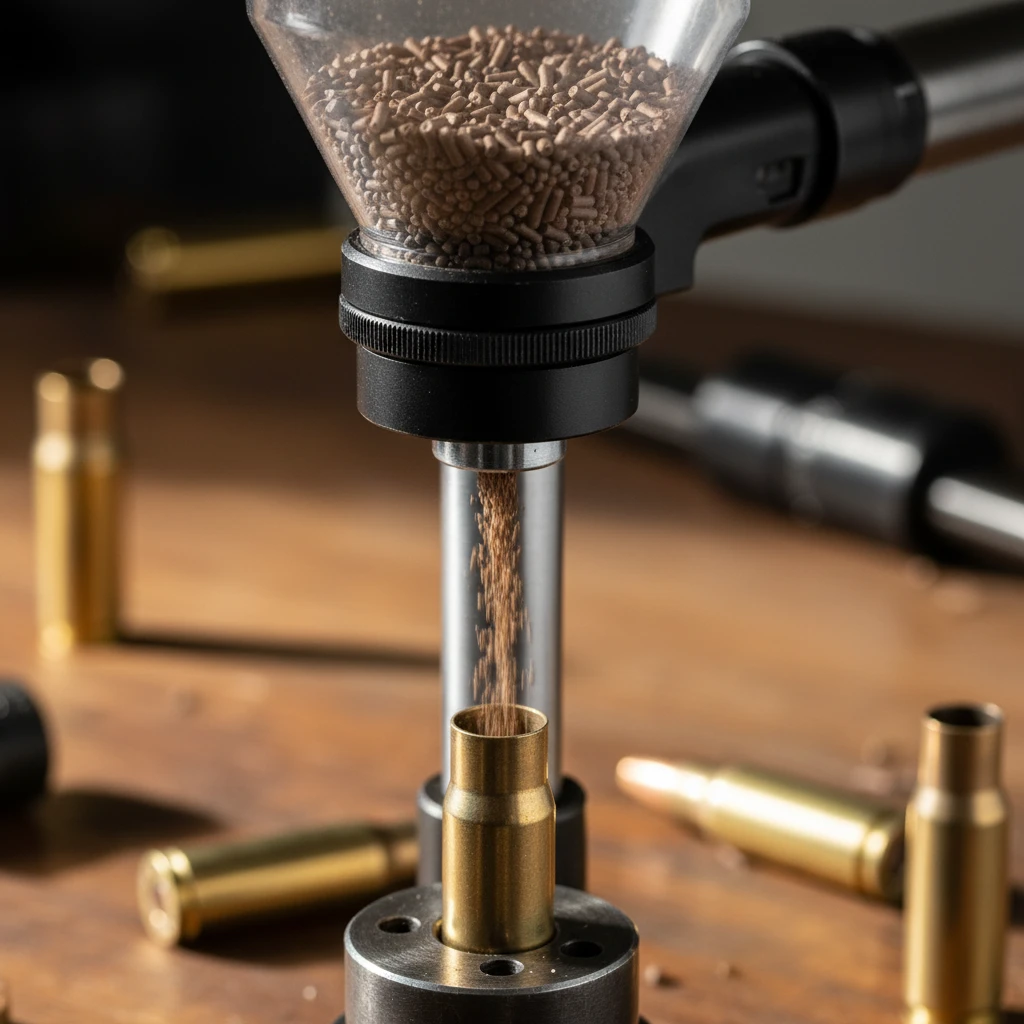
The choice of smokeless gunpowder is arguably the most significant factor influencing the performance and accuracy of a reloaded cartridge. Gunpowders are classified by their burn rate, ranging from fast-burning (suitable for smaller cartridges or reduced loads) to slow-burning (designed for larger capacity cases and heavy bullets). Selecting a powder with an appropriate burn rate for your specific cartridge is vital for achieving optimal pressure curves and velocity. Using a powder that burns too quickly can lead to excessive pressure spikes and potential damage to the firearm, while a powder that burns too slowly may not achieve its full potential within the barrel’s length, resulting in reduced velocity and inconsistent ignition. Reloading manuals and reputable online resources, such as those detailing smokeless gun powder burn rates, provide essential data for matching powders to specific cartridges. Experimentation with small increments of powder charges, always staying within published safe maximums, is key to finding the load that provides the tightest groups and most consistent velocity for your rifle.
Bullet Design and Weight: Matching Projectiles to Game and Distance
The bullet is the projectile that ultimately determines terminal ballistics and impacts accuracy. Bullet design varies dramatically, from simple lead round nose bullets for plinking and practice to highly engineered designs for hunting. For hunting applications, factors like construction (e.g., cup-and-core, monolithic, bonded), jacket thickness, and tip design all influence expansion and penetration characteristics upon impact. The bullet’s weight, measured in grains, is also critical. Heavier bullets generally retain more energy downrange and are less susceptible to wind drift, but they require a rifling twist rate sufficient to stabilize them. Lighter bullets may offer flatter trajectories but can be more affected by external forces. Selecting a bullet weight and design appropriate for the intended game animal and the typical engagement distances is a cornerstone of effective reloading. For instance, a bullet designed for varmint hunting might fragment rapidly, while one intended for large game needs to retain its weight and penetrate deeply. Consulting bullet performance charts and understanding the ballistic coefficients of different projectiles will help in making informed decisions for optimal downrange performance.
Precision Reloading for Specific Rifle Calibers: A Hunter’s Guide
While general reloading principles apply across the board, fine-tuning ammunition for specific rifle calibers is where true accuracy potential is unlocked. Different cartridges are inherently suited to different types of game, ranges, and rifle actions. Understanding these nuances allows hunters to develop loads that exploit the strengths of their chosen caliber while mitigating any weaknesses. This involves more than just picking a bullet and powder; it requires considering the cartridge’s case capacity, its typical pressure limits, and the common rifling twists used in rifles chambered for it. The goal is to create a cartridge that performs consistently and predictably, delivering ethical and effective results in the field. This section will explore how to approach precision reloading for various popular hunting calibers.
Mastering Common Hunting Cartridges (e.g., .308 Winchester, 30-06 Springfield)
Cartridges like the .308 Winchester and 30-06 Springfield are perennial favorites among hunters due to their versatility and proven effectiveness on a wide range of North American game. Reloading for these calibers offers significant advantages over factory loads. For the .308 Winchester, a vast array of powders and bullet weights (from 125 to 180 grains) are available, allowing for optimization for varmints, medium game, or even larger animals at moderate distances. Developing a load might involve testing different powders like IMR 4064 or Hodgdon Varget with bullets such as the Sierra GameKing or Nosler Partition. For the venerable 30-06 Springfield, its larger case capacity allows for heavier bullets (up to 220 grains) and a wider range of propellant options, making it suitable for larger, tougher game. Precision in seating depth and careful powder charging are crucial for these cartridges to achieve their potential for consistent sub-MOA accuracy. For example, a load for a .308 Winchester might focus on achieving the flattest trajectory with a 150-grain bullet, while a 30-06 load might prioritize penetration with a 180-grain bullet, each requiring a specific combination of components and attention to detail.
Optimizing Loads for Larger Game (e.g., .300 Win Mag, .338 Lapua Magnum)
When pursuing larger game such as elk, moose, or bears, or when engaging targets at extended ranges, cartridges like the .300 Winchester Magnum and .338 Lapua Magnum become highly effective. These powerful rounds demand careful reloading to harness their full potential safely and accurately. The large powder capacity of these magnum cases often requires slower-burning powders, such as those in the IMR 7828 or Hodgdon Retumbo families, to achieve optimal velocity without exceeding safe pressure limits. Bullet selection is critical, often focusing on heavier, well-constructed projectiles (e.g., 180-200 grains for .300 Win Mag, 250-300 grains for .338 Lapua Mag) designed for deep penetration and controlled expansion. Developing a load for these calibers might involve extensive testing to find the sweet spot where pressure is managed, velocity is maximized, and accuracy is optimized. For instance, a .300 Win Mag load for elk might pair a 180-grain bonded bullet with a specific charge of slow-burning powder, carefully tuned for consistent performance at 500 yards. The .338 Lapua Magnum, designed for extreme long-range precision, often utilizes specialized bullets and powders to achieve its unparalleled ballistic capabilities.
Considerations for Smaller Game and Varmint Hunting Ammunition
Reloading for small game and varmint hunting presents a different set of challenges and opportunities compared to larger game. The primary goals here are often extreme precision at longer distances and rapid fragmentation upon impact to minimize hide damage or ensure quick incapacitation. Cartridges commonly used include .223 Remington, .22-250 Remington, and .17 HMR (though the latter is typically not reloaded by individuals). For reloaded cartridges like the .223 Remington, shooters might opt for very fast-burning powders and lightweight, highly frangible bullets (e.g., 40-55 grains) designed to disintegrate upon hitting a target. Varmint-specific bullets, such as those with a hollow point or polymer tip, are engineered for explosive expansion. The accuracy required for varmint hunting is often extreme, with shooters aiming for sub-MOA groups at several hundred yards. Developing a load might involve seeking out extremely accurate bullet designs and experimenting with minimal powder charges for the lowest possible extreme spread in velocity. Many reloaders also find success using readily available factory data for these calibers and focusing on meticulous case preparation and seating depth for consistent results.
The Reloading Bench Essentials: Tools and Components for Accuracy
Establishing a proficient reloading setup is crucial for any hunter serious about improving their rifle’s accuracy. The journey from raw components to a precision-guided missile begins with the right tools and a solid understanding of each element’s role. Beyond just the basic press, accuracy hinges on the precision of measurement instruments, the consistency of case preparation, and the quality of the components themselves. Investing in reliable equipment and adopting meticulous procedures are non-negotiable steps for those seeking to elevate their ammunition beyond factory standards. This section will outline the essential tools and components that form the bedrock of an accurate reloading bench.
Essential Reloading Press and Die Setups
The reloading press is the mechanical heart of the reloading process, providing the leverage needed to resize spent cases, seat new primers, and seat bullets. For rifle reloading, single-stage presses are highly favored by accuracy-minded individuals due to their simplicity and the control they offer for each operation. Presses like the RCBS Rock Chucker or the Redding T-7 Turret Press are popular choices. Die sets are specific to the caliber being reloaded and perform critical functions: the sizing die returns the case to its original dimensions, and the seating die seats the bullet to a precise depth. For enhanced accuracy, many reloaders opt for bushing-style full-length sizing dies that allow for precise control over neck tension—the degree to which the die sizes the case neck. This tension impacts bullet retention and, consequently, consistent ignition. Proper die adjustment is paramount; cases must be resized correctly without overworking them, and bullets must be seated concentric to the case neck to ensure straight bullet flight. Many reloaders also utilize a separate neck-sizing die for cases fired in their specific rifle, which further refines neck tension and extends case life for maximum accuracy.
Precise Measurement Tools: Scales and Powder Measures
Consistency in powder charges is paramount for accurate reloading. Even minute variations can lead to significant differences in muzzle velocity and shot dispersion. Therefore, precise measurement tools are indispensable. A high-quality digital scale, capable of measuring to within 0.1 grains, is essential for verifying powder charges. While automatic powder dispensers can speed up the process, manual weighing of each charge or, at minimum, frequent verification of dispensed charges against a calibrated scale, is strongly recommended, especially when developing new loads. Powder measures, whether manual or automatic, provide a baseline for dispensing powder, but their accuracy can vary. It’s a common practice to throw a charge, weigh it, and then trickle in additional powder using a trickler to reach the exact desired weight, ensuring absolute uniformity from round to round. Investing in a reliable scale and a good powder measure will significantly reduce the variables that contribute to inaccurate ammunition.
Case Preparation: Cleaning, Resizing, and Trimming for Uniformity
The foundation of accurate hand-loaded ammunition begins with properly prepared cases. Spent brass carries impurities, carbon fouling, and slight dimensional changes from firing. Thorough cleaning, whether through vibratory cleaners with media or ultrasonic cleaners, removes these contaminants and prepares the brass for resizing. Resizing returns the fired case to factory dimensions, ensuring it will chamber reliably and that the neck tension is appropriate for holding the bullet. Crucially, for rifle cartridges, many reloaders employ neck sizing, which only sizes the case neck, preserving the shoulder dimensions and ensuring a perfect fit for their specific chamber. Trimming cases to a consistent length is equally vital. Cases that are too long can cause excessive pressure when the bullet is seated, while cases that are too short might not headspace correctly. Uniformity in case length ensures that bullets are seated to the same depth and that powder capacity remains consistent across all reloaded rounds, leading to predictable ignition and burn rates. This meticulous preparation is a direct contributor to the tight shot groups hunters strive for.
Developing Your Own Accurate Rifle Ammunition Recipes
The pursuit of pinpoint accuracy in rifle ammunition often leads discerning hunters and shooters to the craft of handloading. Developing your own loads is not merely about cost savings; it’s a path to unlocking the absolute best performance your rifle is capable of. This involves a methodical approach, starting with a deep understanding of your rifle’s unique characteristics and the ballistic principles at play. The foundation of any accurate handload lies in meticulous component selection and a commitment to consistency. When you handload, you control every variable, from the choice of smokeless gun powder and primers to the precise weight and construction of the bullet. This level of control is essential for tailoring ammunition to specific hunting scenarios, whether it’s for long-range precision or close-quarters encounters. Building a custom load recipe can significantly enhance downrange energy, bullet integrity upon impact, and overall ballistic predictability, ultimately contributing to more ethical and successful hunts. It’s a journey that requires patience, a keen eye for detail, and a dedication to safe practices.
The Process of Load Development: Incremental Steps to Perfection
Load development is a systematic process that typically begins with establishing a baseline. For each caliber and rifle, start with published load data from reputable sources, such as the Smokeless Gun Powder: Expert Load Data guide. Begin with the minimum recommended charge weight for a chosen powder and bullet combination. Load a small batch of cartridges (e.g., 5-10 rounds) at this starting charge. Fire these from a stable shooting rest to establish an initial group and muzzle velocity using a chronograph. Gradually increase the powder charge in small increments (e.g., 0.5 to 1.0 grains) for subsequent batches. With each increment, fire another small group and record the velocities. This incremental approach allows you to observe how changes in powder charge affect accuracy and velocity. Look for a “sweet spot” where groups tighten and velocity becomes more consistent. Often, you’ll find that accuracy improves up to a certain charge, then may degrade as powder levels become too high or too low for optimal case fill and burn characteristics. The goal is to identify the charge weight that yields the best combination of accuracy and safe operating pressures for your specific firearm. Don’t overlook consistency in your loading process; uniform neck tension, consistent primer seating, and precise bullet seating depth are paramount at every step.
Understanding Pressure Limits and Safe Reloading Practices
Safety is the absolute cornerstone of developing accurate rifle ammo through reloading. Exceeding safe pressure limits can have catastrophic consequences, ranging from damaged firearms to serious injury. Every component—case, primer, powder, and bullet—plays a role in the pressure curve generated when fired. It is crucial to adhere strictly to published maximum load data and to never assume that a load safe in one rifle will be safe in another, even of the same make and model. Factors such as barrel length, chamber dimensions, throat wear, and even the condition of the brass can influence peak pressures. Always start at the lower end of a published load range and work up incrementally. Utilize a chronograph not just for accuracy but also as an indicator of potentially excessive pressure; a sudden, significant jump in velocity can signal danger. Be mindful of case head expansion and ejector marks on fired brass, which are common visual indicators of over-pressure conditions. Understanding the potential hazards and meticulously following established safety protocols, including using proper reloading dies and a calibrated powder measure, are non-negotiable. Resources like the Sporting Arms and Ammunition Manufacturers’ Institute (SAAMI) provide essential guidelines for safe ammunition specifications.
The Role of Testing: Range Sessions and Chronograph Data
Accurate rifle ammo development hinges on rigorous testing. Once you have formulated potential load recipes, the real work begins at the shooting range. Each new load iteration should be tested under controlled conditions. Employ a stable shooting rest to minimize shooter error, allowing the rifle’s inherent accuracy to be the primary factor influencing the shot group. Crucially, a chronograph is an indispensable tool in this phase. It provides objective data on muzzle velocity, which is a direct indicator of load consistency and, indirectly, of pressure stability. Aim for low standard deviations in velocity across a string of shots; this indicates that the powder is burning consistently. Record all relevant data: powder charge, bullet type and weight, primer used, case manufacturer, ambient temperature, and the resulting group size and average velocity. Analyze this data to identify trends. A load that produces tight groups but exhibits wild velocity swings may still have room for refinement. Conversely, a load with excellent velocity consistency but poor accuracy might require adjustments to bullet seating depth or other components. Consistent testing allows you to refine your recipe until you achieve the desired balance of accuracy, velocity, and reliability for your specific hunting needs.
Troubleshooting Common Reloading Accuracy Issues
Even with meticulous care, reloaders can encounter frustrating accuracy problems. Identifying the root cause requires a systematic diagnostic approach, much like troubleshooting a mechanical issue. Often, the most subtle variables can lead to significant deviations in shot placement. These issues can stem from inconsistencies in the reloading process, problems with components, or even factors related to the firearm itself. Common culprits include inconsistent powder charges, improper neck tension, variations in bullet seating depth, and primer seating depth anomalies. Understanding each of these potential pitfalls and knowing how to isolate and address them is key to improving your handloads and achieving the sub-MOA accuracy that many hunters strive for. This section will delve into the most prevalent issues and provide actionable steps for correction, transforming vexing flyers into consistent, predictable hits. Remember, the goal is to eliminate as many variables as possible to ensure that your rifle performs at its peak potential.
Inconsistent Muzzle Velocity: Identifying and Correcting Variables
Inconsistent muzzle velocity is a primary indicator of an unstable burn rate within the cartridge, directly impacting accuracy, especially at longer ranges. The most common cause is an inconsistent powder charge. Ensure your powder measure is delivering precise charges for every round; consider using a trickler for fine-tuning the final grains. Case volume variations also play a significant role. If your cases are not uniformly sized, or if there are significant differences in their internal capacity (perhaps due to different manufacturing lots or re-sizing inconsistencies), the powder-to-air ratio will vary, leading to uneven ignition and burn. Neck turning can help ensure uniform wall thickness, and trimming cases to consistent lengths prevents excessive powder compression. Another factor is the amount of case fill. For some powders, particularly slower-burning ones, a case that is not adequately filled can allow the powder to shift position within the case, leading to inconsistent ignition. This is often referred to as positional variance. For example, if the powder settles at the rear of the case, ignition may be slower and less efficient than if it’s settled at the front. Ensuring consistent primer seating and proper primer crimp (if applicable) also contributes to uniform ignition. A well-functioning reloading primer is essential for a reliable start to the combustion process.
Poor Grouping: Analyzing Bullet Runout, Neck Tension, and Seating Depth
Poor grouping, often manifesting as erratic shots or stringing, can be attributed to several mechanical factors in ammunition assembly. Bullet runout, the deviation of the bullet’s axis from the cartridge’s bore axis, is a significant contributor. This can occur if the bullet isn’t perfectly centered during seating or if the resizing die has created an off-center neck. Using a concentricity gauge can help identify and quantify runout, and a good seating die with a VLD stem can minimize it. Neck tension is critical; too little, and the bullet may not be held firmly, leading to inconsistent ignition and flyers. Too much, and seating the bullet can be difficult, potentially causing buckling or further runout, and it can also create excessive pressure. The ideal neck tension should hold the bullet securely without deforming it during seating. Bullet seating depth is another major accuracy determinant. When the bullet is seated too deep, it can engage the rifling prematurely, increasing pressure and potentially disrupting its flight path. Conversely, seating it too far out can cause it to jam into the lands upon chambering, leading to damaged bullet tips or inconsistent release. Fine-tuning seating depth, often in increments of 0.005 inches, can reveal a “sweet spot” where the bullet releases cleanly from the case and smoothly into the rifling. This requires careful measurement and consistent application of force with your seating die.
Primer Issues: Ensuring Proper Seating and Firing Pin Impact
Primer issues can be a silent killer of accuracy, often overlooked until other avenues are exhausted. A primer that is not seated correctly can lead to misfires or, more subtly, inconsistent ignition. If a primer is seated too high, it might not be fully struck by the firing pin, resulting in a light strike or no ignition at all. If it’s seated too low, it can protrude and interfere with case head contact in the chamber or, in semi-automatic firearms, it can cause feeding issues. The ideal is for the primer to be seated flush or slightly below the case head, depending on the primer pocket’s design and the firearm’s specifications. Using a primer seating tool with a positive stop or gauge ensures consistent depth. Beyond seating, the primer’s sensitivity to the firing pin strike is important. Some primers are designed for harder military-style firing pins, while others are more sensitive, intended for lighter target triggers. Using the wrong type can lead to inconsistent ignition. Furthermore, ensure that the primer pocket is clean and free of debris; fouling can prevent the primer from seating fully. A clean primer pocket and a properly seated primer are fundamental to reliable ignition and, consequently, consistent accuracy.
Component Synergy: How Primers and Smokeless Gunpowder Work Together
The relationship between primers and smokeless gunpowder is foundational to the entire firing process of a cartridge. A primer’s sole purpose is to provide the initial ignition spark to the propellant, initiating the rapid combustion that generates the gas pressure to propel the bullet. This is not a simple process; it involves the controlled detonation of a small, sensitive pyrotechnic compound within the primer itself, which then ignites the bulk powder charge. The effectiveness of this ignition is directly influenced by the primer’s design and sensitivity, and how well it matches the characteristics of the specific smokeless gun powder being used. An ideal match ensures a rapid and complete ignition of the powder charge, leading to consistent pressure build-up and predictable bullet velocity. Mismatches can lead to incomplete combustion, hangfires, or even a complete failure to ignite, all of which severely compromise accuracy and safety. Therefore, understanding the interplay between these two critical components is paramount for any handloader seeking reliable performance.
Matching Primer Sensitivity to Powder Type
The choice of primer significantly influences how quickly and effectively your smokeless gunpowder ignites. Primers are generally categorized by their intended use and sensitivity, with small rifle primers and large rifle primers being common for rifle cartridges, and magnum variants available for powders requiring more energetic ignition. Generally, faster-burning powders, like those used in pistol cartridges or some lighter rifle loads, ignite easily and may not require the most sensitive primers. Conversely, slower-burning magnum rifle powders often benefit from magnum primers, which contain a slightly larger or more potent ignition charge. Using a magnum primer with a fast powder can sometimes lead to excessive pressure spikes, particularly in warmer conditions, while using a standard primer with a very slow powder might result in incomplete ignition or hangfires. Always consult the powder manufacturer’s recommendations for primer type. Many reloading manuals and powder data sheets will specify whether a standard or magnum primer is recommended for a particular load. This guidance is based on empirical testing and is crucial for achieving consistent ignition and safe operating pressures. Referencing smokeless gun powder burn rates explained can provide further insight into powder behavior.
Burn Rate Charts and Their Importance in Load Development
Burn rate charts are invaluable tools for handloaders, providing a comparative ranking of different smokeless gunpowder types based on how quickly they combust. These charts do not provide exact burn times, which are highly dependent on the cartridge, firearm, and specific loading conditions, but rather offer a relative order from fastest to slowest burning powders. Understanding where a specific powder sits on the chart helps in selecting appropriate cartridges and bullet weights for optimal performance. For instance, faster powders are typically suited for smaller case volumes and lighter bullets, where they can achieve peak pressure and velocity efficiently. Slower powders, on the other hand, are better suited for larger case volumes and heavier bullets, as they require more time and space to develop their full potential pressure. When developing a new load, a burn rate chart helps in choosing a starting powder and predicting how it might behave. If a chosen powder isn’t performing as expected, the chart can guide you towards alternative powders with similar or slightly different burn rates. This knowledge is critical for achieving consistent ignition and avoiding potential pressure issues. Many component manufacturers, like Hodgdon, IMR, and Alliant, publish their own extensive burn rate charts. For more in-depth information on powder selection and its impact, exploring resources on smokeless gun powder unlocking reloading performance is highly recommended.
The Impact of Temperature on Powder Performance
The performance of smokeless gunpowder is demonstrably affected by ambient temperature, a phenomenon that can significantly influence shot-to-shot consistency, especially in extreme conditions. As temperatures rise, powders tend to burn faster, leading to increased muzzle velocity and potentially higher pressures. Conversely, in very cold weather, powders often burn slower, resulting in reduced velocities and potentially lower pressures. This temperature sensitivity varies between different powder types. Some “temperature-stable” powders have been specifically formulated to minimize these effects, offering more consistent performance across a wider range of temperatures. However, even these can exhibit some degree of change. For hunters operating in diverse climates, or competitive shooters facing fluctuating conditions, understanding this effect is crucial. A load that is perfectly tuned in a temperate environment might exhibit different ballistic characteristics in freezing cold or intense heat. This can lead to shifts in the point of impact. To mitigate this, it’s advisable to test your chosen loads in conditions representative of your intended use. For critical applications, using powders known for their temperature stability, or being aware of and compensating for velocity changes based on temperature, is a necessary practice. This is another reason why a chronograph is invaluable; it allows you to document velocity shifts across different temperatures.
Advanced Reloading Techniques for Extreme Accuracy
For shooters demanding the absolute pinnacle of accuracy from their rifle ammunition, several advanced reloading techniques go beyond the standard procedures. These methods focus on refining every aspect of the cartridge’s construction to minimize imperfections and ensure maximum consistency. Precision rifle competitors and serious long-range hunters often employ these techniques to wring the last few percent of potential accuracy out of their setups. This includes meticulous preparation of the case and bullet, as well as very fine-tuning of the cartridge’s dimensions to perfectly match the firearm’s chamber and rifling. While these techniques require specialized tools and a greater investment of time, the results can be transformative, leading to sub-MOA groups that were previously unattainable. Mastering these advanced steps involves a deep understanding of internal ballistics and the mechanics of how a bullet interacts with the barrel. The dedication to these granular details is what separates good ammunition from truly exceptional, match-grade loads.
Neck Turning and Case Neck Sizing for Precision Rifle Ammo
For extreme accuracy, the preparation of the case neck is paramount. Neck turning involves using a specialized tool to uniformly reduce the thickness of the case neck’s exterior. This process addresses variations in brass thickness that can occur from manufacturing or repeated firings. Uneven neck wall thickness can cause the bullet to be seated eccentrically, leading to runout and impacting aerodynamic stability in flight. By turning the necks to a consistent, ideal thickness, you ensure a more uniform grip on the bullet and reduce potential inconsistencies. Following neck turning, or sometimes as a standalone precision step, case neck sizing is employed. Unlike full-length resizing, neck sizing only compresses the case neck, bringing it back to a diameter that provides sufficient tension to hold the bullet securely without excessively resizing the entire case body. This preserves the case’s fire-formed dimensions, which are already matched to your specific chamber. Using neck-sized cases requires less force to chamber and maintains a more consistent fit within the rifle, contributing significantly to reduced vertical stringing and improved shot-to-shot consistency. This is particularly beneficial for bolt-action rifles where cases are not violently extracted.
Bullet Seating Depth Optimization for Magazine Feed and Barrel Throat
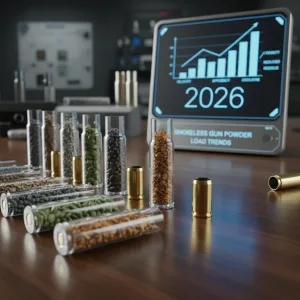
The precise seating depth of a bullet is a critical factor in achieving optimal accuracy, especially in rifles designed for magazine feeding. It involves finding the perfect balance between ensuring reliable feeding and optimizing the bullet’s engagement with the rifling. When a bullet is seated too far out, its ogive (the curved portion ahead of the driving band) may make contact with the rifling lands as it’s chambered or fired. This can create excessive pressure, damage the bullet’s aerodynamic surface, and prevent it from releasing cleanly from the case. Conversely, seating the bullet too deep can reduce the case capacity, alter the powder burn rate, and potentially cause the bullet to engage the rifling too aggressively upon firing. For magazine-fed rifles, there’s an added consideration: ensuring the bullet does not protrude beyond the maximum overall cartridge length (OAL) that the magazine and action can accommodate. This requires careful measurement and testing. Often, a seating depth that results in the bullet’s ogive just beginning to touch the rifling lands is a good starting point. From there, you can experiment with seating the bullet incrementally deeper, usually in increments of 0.002 to 0.005 inches, to find the “sweet spot” where accuracy is maximized while still ensuring reliable magazine function. This careful adjustment can dramatically improve grouping. This is a key aspect explored when examining smokeless gun powder 2026 load trends, as optimal powder performance is linked to perfect cartridge dimensions.
Consistency in Powder Charging: The Key to Repeatable Performance
At the heart of any accurate handload lies the absolute consistency of the powder charge. Even minute variations in the amount of smokeless gun powder can lead to significant discrepancies in muzzle velocity and, consequently, point of impact. For this reason, powder charging is arguably the most critical step in the reloading process. Modern reloading relies on precise powder measures and scales. For match-grade or hunting accuracy, it is highly recommended to use a high-quality digital scale to verify charges dispensed by your powder measure, especially when approaching maximum loads or working with fine-grained powders. Many experienced reloaders also employ a powder trickler to add the final few grains of powder to the pan of a digital scale, allowing for extremely precise, grain-by-grain adjustments. This ensures that each cartridge receives an identical amount of propellant. The goal is to achieve a standard deviation in velocity of less than 10-15 feet per second across a string of shots, which is difficult without meticulous powder charging. Consistency here directly translates to predictable bullet flight and repeatable performance downrange, forming the bedrock of reliable rifle ammunition recipes.
Field Considerations: Impact of Reloaded Ammunition on Your Hunt
Reloading your own rifle ammo accuracy can offer a significant advantage in the field, but it necessitates a thorough understanding of how these custom loads interact with hunting conditions. Unlike factory ammunition, reloaded rounds are tailored to your specific firearm and intended quarry. This precision can translate into better performance, but it also means you are directly responsible for every aspect of your ammunition’s reliability. Factors such as bullet construction, powder charge, and primer consistency all play a crucial role in how your reloaded ammunition will perform when it counts. For hunters, this means ensuring that your reloads not only hit the mark but also perform effectively upon impact, making ethical and successful harvests more likely. Careful consideration of your reloaded ammunition’s behavior in diverse environments is paramount for effective hunting.
Terminal Ballistics: How Your Reloaded Bullet Performs on Game
The terminal ballistics of your reloaded ammunition are critical for a clean and humane kill. This refers to how a bullet behaves after it strikes game. Factors like bullet construction (e.g., jacketed soft point, bonded core, monolithic) and intended velocity range significantly influence its expansion and penetration. When reloading, you have the control to select or even modify bullet types to match your hunting needs, whether for large, tough-skinned game or smaller, faster-moving animals. For instance, a controlled-expansion bullet designed for deep penetration might be ideal for elk, while a rapidly expanding bullet could be more suitable for whitetail deer. Bullet integrity upon impact is paramount. A bullet that fragments prematurely will lack penetration, and one that over-penetrates without expanding may not deliver sufficient energy transfer. Understanding bullet performance data, often provided by manufacturers and available in reloading manuals, is essential. This data, combined with your firearm’s specific velocity achieved with your chosen powder charge, allows for informed decisions. For example, a common pitfall is loading a bullet too fast for its construction, leading to excessive fragmentation and reduced wound channels. Conversely, loading too slow can result in insufficient expansion. Achieving the right balance between velocity, bullet design, and game type is key to effective terminal performance.
Environmental Factors Affecting Your Shots
Environmental conditions can profoundly impact the performance of reloaded rifle ammunition, often in ways that differ from standard factory loads. Temperature fluctuations are a significant factor; extreme cold can slow down the burning rate of smokeless gun powder, potentially reducing muzzle velocity and affecting the bullet’s trajectory. Conversely, extreme heat can increase pressure, necessitating careful adherence to load data. Altitude also plays a role, with lower air density at higher elevations potentially affecting bullet flight. Wind, of course, remains a constant challenge, and the ballistic coefficient of your chosen bullet, along with its muzzle velocity, will determine its susceptibility to drift. Moisture, such as rain or dew, can affect the exterior of your reloaded rounds and, if not properly stored, could potentially compromise powder integrity over extended periods. For instance, a reload optimized for dry, temperate conditions might exhibit a slightly different point of impact at a high-altitude, freezing mountain hunt. Hunters must account for these variables by practicing in conditions similar to those they expect to encounter and understanding how their chosen components and load data might behave. Knowledgeable hunters will adjust their aim or select specific loads designed for broader environmental tolerance. For more on selecting the right components, explore guidance on choosing your smokeless gun powder wisely.
Maintaining Your Reloaded Ammunition in the Field
Proper maintenance of reloaded ammunition in the field is as crucial as its initial preparation. Your custom loads are only as good as their condition when you pull the trigger. Protecting your reloaded cartridges from the elements is paramount. This means using robust ammunition carriers that offer protection from moisture, dust, and physical impact. A dropped or damaged cartridge can lead to misfires or, worse, dangerous pressure spikes if the powder or primer is compromised. Regular inspection of your ammunition before and during a hunt can identify potential issues. Look for any signs of corrosion on cases, damage to bullets, or loose primers. For example, if you’ve been hunting in damp conditions and notice slight discoloration on your brass, it’s wise to set those rounds aside and use factory ammunition or previously inspected reloads. Over extended hunts, especially in challenging weather, it might be beneficial to rotate your ammunition, using older reloads and replacing them with freshly prepared ones. Ensuring that your reloading primers and powder are not exposed to excessive humidity can prevent performance degradation. This proactive approach ensures that your meticulously crafted rifle ammunition remains reliable when you need it most.
Safety First: Responsible Reloading for Hunters
The pursuit of accuracy through reloading is rewarding, but it demands an unwavering commitment to safety. Mishandling components like smokeless gun powder and primers, or deviating from established load data, can have severe consequences. Hunters who reload must approach their craft with diligence, precision, and a profound respect for the materials involved. This means understanding the inherent risks and implementing rigorous safety protocols at every stage, from component selection to final storage. Prioritizing safety not only protects the reloader but also ensures the reliability and integrity of the ammunition produced, ultimately contributing to safer and more successful hunting experiences. Adhering to best practices is non-negotiable when working with the energetic materials that form the heart of your reloaded rounds.
Proper Storage of Smokeless Gunpowder and Primers
The safe storage of smokeless gun powder and primers is fundamental to reloading safety. These components are sensitive to environmental conditions and can pose significant hazards if mishandled or stored improperly. Smokeless gun powder should always be stored in its original, clearly labeled container, away from direct sunlight, heat sources, and open flames. Keep powders cool and dry, ideally in a dedicated storage magazine or a cool, well-ventilated area. Avoid storing large quantities together in confined spaces. Similarly, primers are sensitive to impact and moisture. They should be stored in their original packaging, which is designed to protect them from accidental discharge. Never store primers loose or mixed with other components. A common mistake is storing primers near heat sources or in areas prone to temperature extremes, which can degrade their performance and, in rare cases, lead to accidental ignition. For optimal preservation and safety, use dedicated storage solutions that offer protection and segregation. Understanding the proper handling and storage of these critical components is a cornerstone of responsible reloading, ensuring their stability and your safety. Further insights into component performance can be found by exploring how smokeless gun powder powers reloading.
Understanding Reloading Data Sources and Manuals
Accurate and reliable reloading data is the bedrock of safe and effective ammunition crafting. Hunters must rely on authoritative reloading data sources, such as those published by reputable component manufacturers and established reloading manuals. These resources provide crucial information on safe powder charges, bullet seating depths, and overall cartridge length for specific firearm and component combinations. Never deviate from established load data, especially when experimenting with new powders or bullet types. A common pitfall for novice reloaders is extrapolating data from one source to another or using outdated information, which can lead to dangerously over-pressurized rounds. Always consult the most current editions of reloading manuals and manufacturer data. For example, if you are reloading for a .30-06 Springfield rifle, you would consult a manual that specifically lists data for that cartridge, along with the exact bullets and powders you intend to use. Many manufacturers now offer online data resources, but it’s always wise to cross-reference information and understand the methodology behind the published numbers. Investing in a comprehensive, up-to-date reloading manual is an essential step for any hunter serious about producing safe and accurate rifle ammunition. Reliable data underpins the success of your custom loads.
Personal Protective Equipment (PPE) for the Reloading Bench
Safety on the reloading bench begins with the consistent use of appropriate personal protective equipment (PPE). While reloading might not always seem as inherently dangerous as shooting, the handling of energetic materials and the potential for unexpected incidents necessitate robust protection. Essential PPE includes safety glasses with side shields to guard against flying debris or accidental chemical splashes. Eye protection is non-negotiable during every step of the reloading process, from resizing cases to seating bullets. Hearing protection, such as earplugs or earmuffs, should also be worn, especially if reloading in a confined space where primer ignition noise can be amplified. Gloves can protect your hands from minor abrasions and chemical residues, though they should not interfere with the delicate manipulation of components. A clean, well-ventilated workspace further enhances safety, reducing the risk of inhaling fine powder particles. Never underestimate the importance of these simple, yet vital, safety measures. They are your first line of defense and contribute significantly to a safe reloading environment. Proper use of PPE reinforces a culture of safety and helps prevent potentially serious injuries, ensuring that your reloading endeavors remain a safe and productive hobby.

About author



Add comment