

Shotgun Ammo: Bird Hunting Load Secrets
The crisp morning air, the rustle of leaves, and the anticipation of a successful hunt – these are the hallmarks of bird hunting. Yet, beneath the surface of this exhilarating pursuit lies a critical element that can make or break your experience: the shotgun ammunition you choose. Far from being a simple projectile, your shells are intricately designed tools that demand understanding and careful selection.
Selecting the right shotgun loads is not just about hitting your target; it’s about ethical harvesting, ensuring quick, clean kills, and maximizing your effectiveness in the field. This guide delves into the essential secrets of bird hunting shotgun ammo, equipping you with the knowledge to make informed decisions and elevate your success rate.
Unlock the Field: Mastering Your Bird Hunting Shotgun Loads
The Thrill of the Hunt and the Importance of the Right Ammo
The adrenaline rush of a flushing covey or a soaring duck is an experience many hunters cherish. However, this excitement is underscored by a responsibility to harvest game ethically and efficiently. At the heart of this lies the ammunition used. Choosing the correct shotgun shells ensures that when you pull the trigger, the projectile delivers the necessary energy and pattern density to humanely dispatch your quarry. Using inadequate loads can lead to wounded birds, missed opportunities, and a diminished hunting experience. The subtle nuances of shell construction, from the type of shot to the velocity, directly influence the outcome of each encounter. For instance, a light load might be insufficient for larger waterfowl at a distance, while an overpowered load could unnecessarily damage smaller game birds.
Why Your Choice of Shotgun Ammo Matters for Bird Hunting Success
The difference between a clean miss and a successful harvest often boils down to the ammunition. Different bird species present unique challenges, demanding specific load characteristics. A load designed for small, fast-flying dove will differ significantly from one intended for larger, tougher pheasants or waterfowl. Understanding these differences allows you to tailor your ammunition to the specific game you are pursuing. For instance, shot size plays a crucial role in pattern density and energy transfer; too small a shot and your pattern may be too sparse at range, leading to wounding. Too large a shot might deliver too much energy for small birds, causing excessive damage. Furthermore, factors like shell length and muzzle velocity contribute to the overall effectiveness, influencing the effective range and knockdown power of your shots. Making an informed decision about your shotgun ammo is paramount for responsible and successful bird hunting.
Beyond the Basics: Deciphering Shotgun Shell Markings for Bird Hunters
Understanding Gauge: 12 Gauge vs. 20 Gauge and Beyond
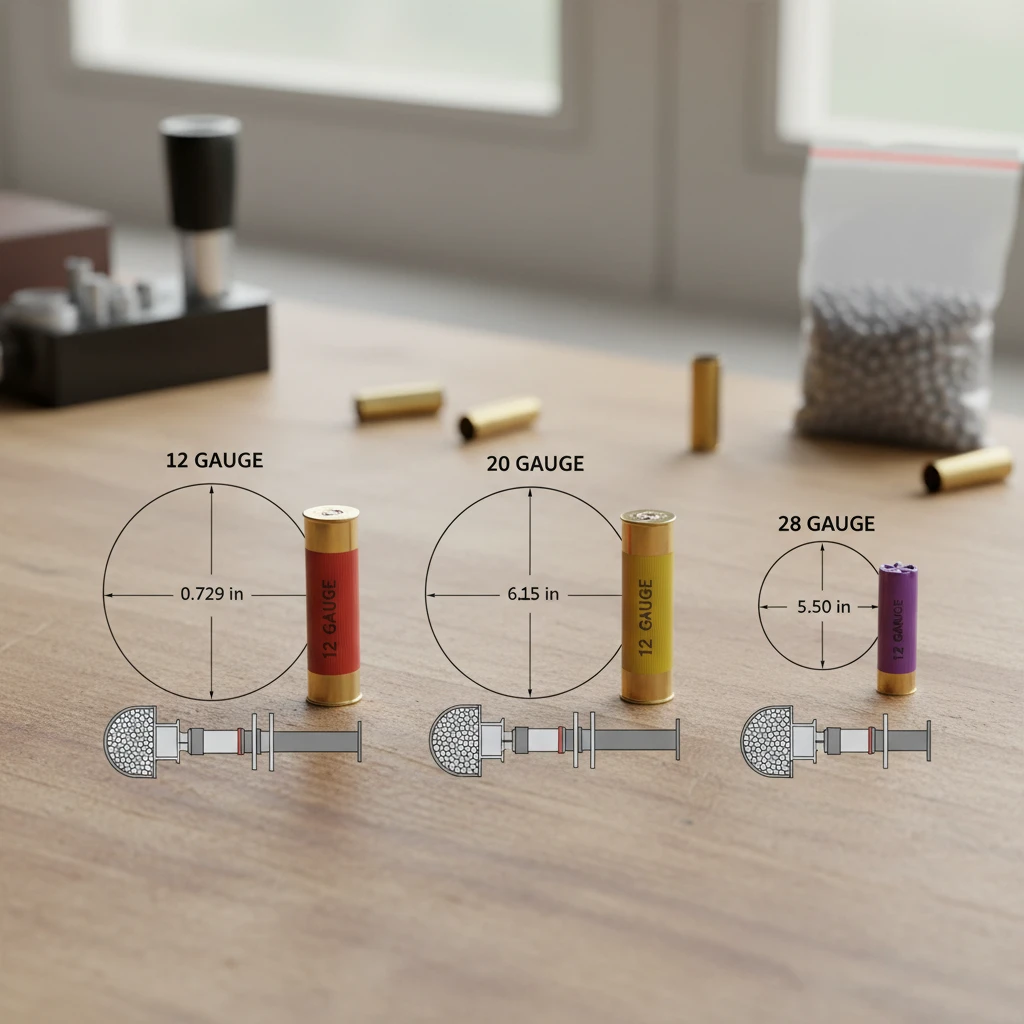
The “gauge” of a shotgun refers to a historical measurement related to the number of lead balls of a specific diameter that would weigh one pound. A smaller gauge number signifies a larger bore diameter. The 12 gauge is the most popular and versatile, offering a good balance of shot capacity, recoil, and effectiveness for a wide range of game. The 20 gauge, with its smaller bore, is lighter, produces less recoil, and is often favored by younger or smaller-framed hunters, or for pursuing smaller game where lighter loads are sufficient. Other gauges, such as the 28 gauge and .410 bore, are even smaller and typically used for very specific types of bird hunting, requiring greater shooter skill and closer ranges. Understanding your shotgun’s gauge is the first step in selecting appropriate ammunition. For instance, attempting to use 12 gauge shells in a 20 gauge shotgun is impossible and dangerous, and vice versa.
Shot Size Explained: From BBs to Finesse (e.g., 7.5, 6, 5)
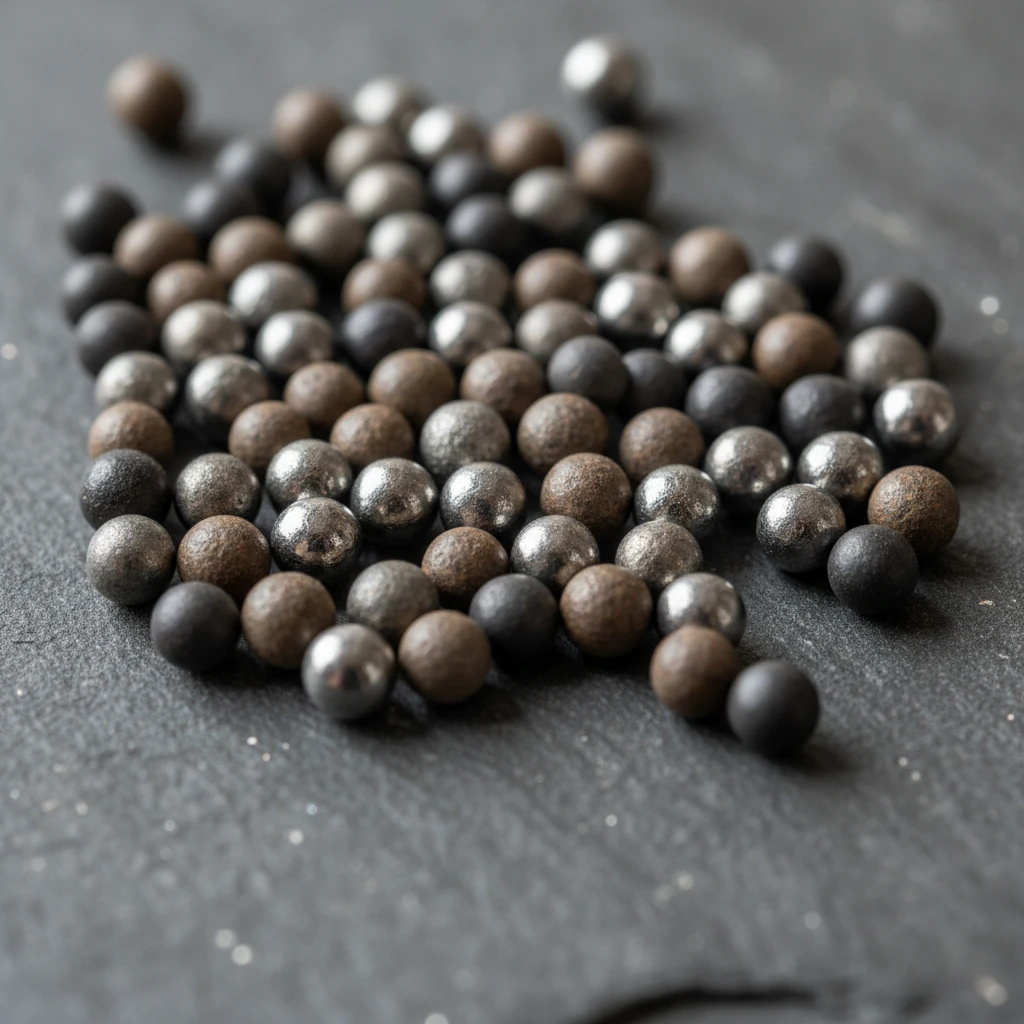
Shot size is a critical determinant of a load’s effectiveness. The numbers assigned to shot sizes are inversely proportional to their diameter – a smaller number indicates a larger pellet. For bird hunting, common shot sizes range from smaller shot like 7.5 and 8, ideal for smaller game birds such as dove, quail, and grouse, offering a denser pattern at closer ranges. As you move to larger shot sizes like 6 or 5, you increase the individual pellet energy and penetration, making them more suitable for larger birds like pheasants, ducks, and geese, especially at slightly longer distances. However, larger shot sizes create less dense patterns. Understanding the effective range and lethality of different shot sizes is crucial for ethical hunting. For example, using a 7.5 shot for geese would likely result in wounded birds due to insufficient penetration.
Shell Length and Payload: How it Impacts Performance
Shell length is directly related to the amount of shot (pellets) and powder the shell can contain, often referred to as the payload. Standard 2 ¾-inch shells are common for many upland and small game birds. However, longer shells, such as 3-inch or 3 ½-inch, are available for gauges like the 12 gauge and are typically used for waterfowl or larger game where more pellets and higher energy are desired. A longer shell with a heavier payload generally means more pellets in the air, increasing the potential for a denser pattern at range, and often carrying more energy. However, this comes with increased recoil. Conversely, shorter shells might have lighter payloads, leading to less recoil and potentially a less dense pattern but are perfectly adequate for close-range shots on smaller game.
The Great Debate: Lead vs. Non-Toxic Shotgun Ammo for Birds
Environmental Considerations and Legal Requirements (Canada & USA)
The transition to non-toxic shotgun ammunition has been driven by environmental concerns, particularly regarding lead contamination in wetlands, which can harm waterfowl and other wildlife that ingest spent shot. Consequently, both Canada and the USA have enacted regulations mandating the use of non-toxic shot for hunting waterfowl. In the United States, this has been a federal requirement for waterfowl hunting since 1991, enforced by the U.S. Fish and Wildlife Service. Canada has similar regulations in place. Hunters must be aware of the specific regulations in their hunting area, as requirements can vary for different game and locations. Failure to comply can result in fines and penalties. This shift has spurred significant advancements in non-toxic shot materials such as steel, bismuth, and tungsten alloys, aiming to replicate the performance of lead.
Performance Differences: Lethality and Pattern Density
Historically, lead shot was favored for its softness, which allowed pellets to deform upon impact, creating larger wound channels and excellent lethality. Non-toxic alternatives have different ballistic properties. Steel shot, being harder and lighter than lead, requires higher velocities to maintain energy downrange and often necessitates larger shot sizes for comparable penetration, which can result in sparser patterns. Tungsten-based alloys, while denser and more expensive, offer performance closer to lead. Bismuth shot provides a good compromise, being softer than steel and denser than lead, and is generally safe for older, non-hardened barrels. Understanding these differences is crucial for selecting a non-toxic load that provides adequate lethality and pattern density for your target species. For example, many hunters find that achieving good patterns with steel shot requires careful load selection and potentially choke adjustments.
When to Choose Which: Practical Applications for Different Game
For waterfowl hunting, non-toxic shot is mandatory and the choice often comes down to steel, bismuth, or tungsten. Steel is the most common and affordable, effective for ducks and smaller geese when appropriate shot sizes (e.g., BB, BBB, T) and velocities are used. For larger geese or when shooting at greater distances, bismuth or tungsten blends may offer superior performance due to their density. For upland game birds like pheasant, quail, and grouse, lead shot, where legal, is often preferred for its excellent patterning and terminal energy. However, as non-toxic options improve, many hunters are opting for bismuth or even specially formulated steel loads for upland pursuits to ensure compliance and ethical hunting practices. The key is to match the shot material, size, and load velocity to the specific game bird’s size, toughness, and typical engagement range.
Speed and Energy: The Role of Muzzle Velocity in Bird Lethality
Understanding FPS (Feet Per Second) and its Significance
Muzzle velocity, measured in feet per second (FPS), indicates how fast the shot leaves the muzzle. Higher FPS generally means the pellets retain more energy and momentum downrange, leading to flatter trajectories and potentially increased penetration at longer ranges. Ammunition manufacturers often provide FPS ratings, and it’s an important specification to consider, especially when comparing loads within the same gauge and shot size. For instance, a 1200 FPS load might be considered standard, while a “high-velocity” load could exceed 1400 FPS. This difference can be significant for game birds that are tough or require precise hits at the edge of your effective range. However, it’s crucial to remember that velocity is just one factor in a load’s overall performance.
The Trade-offs: Faster Isn’t Always Better
While high muzzle velocity can be advantageous, it’s not the sole determinant of a load’s effectiveness. Faster shots can also generate higher recoil, making follow-up shots more difficult and potentially impacting accuracy. Additionally, extremely high velocities can sometimes lead to pellet deformation in harder materials like steel, which can reduce pattern consistency. For some smaller bird species, excessively fast loads with very small shot sizes might cause the pellets to break apart prematurely in flight, reducing pattern density. The ideal velocity often depends on the specific components of the shell, including the powder charge and the type and weight of the shot. It’s a balance between energy retention, pattern quality, and shooter comfort.
Matching Velocity to Bird Type and Range
The appropriate muzzle velocity for bird hunting is closely tied to the type of game and the distances at which you typically engage them. For smaller upland birds like dove and quail, which are often shot at closer ranges, standard velocity loads (around 1150-1250 FPS) are usually more than sufficient and help manage recoil. For larger, tougher birds like pheasants or waterfowl, especially when anticipating shots at longer distances (say, 30-40 yards), faster loads (1300-1450 FPS) can provide the necessary energy and a flatter trajectory for more consistent hits. It’s also important to note that non-toxic shot materials often require higher velocities to compensate for their lighter weight compared to lead, so a faster steel load might be comparable in performance to a standard velocity lead load. Always consult reliable ballistic charts or manufacturer recommendations to make the most informed choice for your specific hunting scenario.
Shotgun Hull and Wad: Unseen Heroes of Your Bird Hunt
The components within a shotgun shell, particularly the hull and the wad, play a far more significant role in your shooting performance than many hunters realize. While shot size and powder charge often get the spotlight, the structural integrity of the hull and the sophisticated design of the wad are critical for delivering a consistent and effective pattern. Understanding these elements can transform your approach to selecting ammunition and improve your success rate in the field. The hull, typically made from plastic or paper, houses all the other components and is designed to headspace correctly in the shotgun’s chamber. The wad, nestled between the powder and the shot column, performs several vital functions: it creates a gas seal, cushions the shot from the burning powder, and guides the shot column down the barrel, ensuring a clean release. Ignoring these seemingly minor parts is a common oversight that can lead to suboptimal performance, inconsistent patterns, and even increased felt recoil.
The Function of the Wad: Sealing, Cushioning, and Guiding
The wad is a multifaceted component essential for efficient projectile launch. Its primary role is to create a gas seal between the powder and the shot. As the powder ignites, the expanding gases push against the wad, preventing them from escaping around the shot column. This efficient seal ensures that nearly all the propulsive energy is directed toward accelerating the shot. Beyond sealing, the wad acts as a cushion, absorbing the initial shock of the powder’s explosion. This protection is particularly important for lead shot, preventing it from deforming prematurely. Early deformation can lead to erratic flight and poor pattern density. Finally, the wad’s design influences how the shot column travels down the barrel. A well-designed wad will present a clean profile to the bore, minimizing friction and ensuring that the shot is released without significant disruption. This controlled release is paramount for maintaining the integrity of the shot string and achieving predictable patterns downrange. Different types of wads exist, including felt, paper, and plastic, each with specific advantages depending on the intended application and the shotgun’s specifications.
Hull Materials and Their Impact on Function
Shotgun hulls, while appearing straightforward, have material properties that influence their performance and how they interact with your firearm. Most modern shotgun shells utilize plastic hulls, typically made from polyethylene or polypropylene. These offer durability, excellent water resistance, and are generally consistent in their ignition and performance characteristics. Plastic hulls are also manufactured with precise internal dimensions, contributing to reliable feeding and extraction. Older shotgun shells, and some specialized loads, still use paper hulls. While these can be effective, they are more susceptible to moisture, which can degrade their performance and cause feeding issues, especially in damp field conditions. The crimp retention of paper hulls can also be less robust than that of plastic, potentially leading to inconsistencies in shot release. For handloaders, the choice of hull material can also affect the reloading process, with some designs being more forgiving or better suited for specific reloading techniques. The thicker walls of some plastic hulls can also influence the internal ballistics and how powder gases expand.
Choosing Wads for Optimal Pattern and Reduced Recoil
The vast array of wads available on the market can be bewildering, but selecting the right one is key to achieving superior shooting performance. Wads are broadly categorized into two main types: one-piece wads and two-piece (or three-piece) wads. One-piece wads are common in shotshells designed for target shooting and smaller game, often featuring a shot cup that fully encloses the shot column, protecting it from barrel friction and choke constriction. This protection can lead to tighter patterns, especially at longer ranges. Two-piece wads typically consist of a gas seal component and a separate shot cup. These are often found in hunting loads and can be designed to separate cleanly from the shot column at the muzzle, promoting better pattern uniformity. For those seeking to mitigate felt recoil, certain wad designs incorporate cushioning materials or longer gas seals that can help absorb some of the energy transfer. When selecting a wad, consider the type of game you are pursuing, the distances you anticipate shooting, and the specific choke you will be using. Some manufacturers provide guidelines for optimal wad selection based on these factors, ensuring a better overall shooting experience and improving your chances in the field.
Targeting Specific Game: Load Recommendations for Feathered Friends
Choosing the correct ammunition for bird hunting is not a one-size-fits-all scenario. The species of bird, its typical flight behavior, and the environment in which you are hunting all dictate the ideal shotgun and load combination. Factors like shot size, payload weight (the amount of shot), and velocity play critical roles in ensuring a clean, humane harvest. For instance, smaller, faster-flying birds may require lighter payloads with smaller shot sizes at higher velocities to compensate for lead and ensure sufficient energy on impact. Conversely, larger, tougher game birds might benefit from heavier payloads with larger shot sizes to deliver more stopping power. It’s also important to consider the distance at which you’ll typically be shooting. Longer shots demand loads that maintain pattern density and energy further downrange, often necessitating specific shot materials like steel or bismuth for waterfowl to comply with regulations. Understanding these nuances allows you to select shotgun ammo that maximizes your effectiveness and respects the game you pursue, ensuring ethical hunting practices and a more rewarding experience.
Upland Birds: Quail, Grouse, and Pheasant Load Secrets
Upland bird hunting, characterized by close-range shots in dense cover, requires a different approach to ammunition selection than other types of bird hunting. For quail, grouse, and pheasant, the goal is often a fast-cycling load that produces a wide, open pattern at moderate ranges. Shot sizes like 7 ½, 8, or even 9 are commonly recommended. These smaller shot sizes provide a higher pellet count in the shell, increasing the probability of hitting the target with multiple pellets, which is crucial for birds that often flush unexpectedly and fly erratically. Velocities typically range from 1200 to 1300 feet per second (fps). This speed is sufficient for effective ranges of 25-40 yards without excessive pellet energy that could damage the bird at closer distances. Many hunters favor 2 ¾-inch shells for their lighter payload and manageable recoil, allowing for quicker follow-up shots. For pheasant, which are often larger and can be hunted in more open terrain, a slightly larger shot size like 6 or 7 ½ might be preferred, possibly with a bit more payload, but still maintaining moderate velocities to avoid devastating smaller birds. The key is a balance between pattern density and pellet energy for a quick, humane kill.
Waterfowl: Ducks and Geese Load Strategies
Waterfowl hunting presents unique challenges, primarily due to the prevalence of steel shot requirements and the often longer distances involved. Regulations in many areas mandate non-toxic shot, such as steel, bismuth, or tungsten alloys, to protect migratory birds and their habitats from lead poisoning. Steel shot, being harder than lead, requires different load considerations. Due to its hardness, steel deforms less in flight, leading to tighter patterns, but it also loses energy more rapidly. This necessitates the use of larger shot sizes (e.g., BB, BBB, or even T-shot for geese) and often heavier payloads compared to lead loads for equivalent ranges. Velocities for steel loads typically range from 1300 fps upwards, with some specialized loads exceeding 1500 fps for maximum downrange energy. For ducks, BB or BBB steel shot is a common choice, while geese often require larger shot sizes like BBB, T, or even F shot, paired with heavier payloads and higher velocities to ensure sufficient penetration. Understanding the effective range of steel shot is crucial; while it can perform well, it’s generally less forgiving of errors in range estimation than lead. Bismuth and tungsten-iron alloys offer performance closer to lead but come at a significantly higher cost. Always check local regulations regarding approved shot materials and types.
Dove Hunting: Light, Fast, and Effective Ammunition Choices
Dove hunting is often characterized by rapid, close-quarters shooting, requiring ammunition that allows for quick target acquisition and rapid follow-up shots. The small size and quick flight of doves make them ideal targets for light, fast loads. Shot sizes 7 ½, 8, or even 9 are the most popular choices, offering a dense pattern of small pellets at typical dove hunting ranges, which often do not exceed 30-40 yards. Velocities are generally on the higher end, often in the 1300-1500 fps range, helping to compensate for the lead required for fast-moving targets and ensuring sufficient energy on impact. Many dove hunters prefer 2 ¾-inch shells loaded with 1 to 1 ¼ ounces of shot. These loads provide a good balance of pellet count and velocity without excessive recoil, allowing for comfortable shooting throughout a day afield. While some hunters might consider magnum loads, they are typically unnecessary and can lead to over-penetration or excessive damage to the bird at close ranges. The focus for dove hunting is on a quick, clean kill, and light, fast ammunition is the most effective way to achieve this.
Common Pitfalls to Avoid When Selecting Bird Hunting Shotgun Ammo
Selecting the right shotgun ammunition is crucial for success and ethical hunting, yet many hunters fall into common traps that can lead to missed opportunities or, worse, wounded game. One of the most frequent mistakes is an over-reliance on perceived power, often stemming from a misunderstanding of how different loads perform in real-world hunting scenarios. Another significant pitfall is neglecting the specific specifications of one’s shotgun and its compatibility with various ammunition types and chokes. This can lead to suboptimal performance, increased felt recoil, or even damage to the firearm. Finally, there’s the often-overlooked danger of mismatched loads for small game, where using ammunition that is too powerful or too large for the target species can result in unnecessary harm or inefficient kills. By understanding and actively avoiding these common pitfalls, hunters can significantly improve their shooting effectiveness and ensure a more successful and responsible hunting experience.
Over-Reliance on ‘Magnum’ Loads
The allure of “magnum” loads is powerful, often implying superior performance and stopping power. However, for many bird hunting applications, magnum loads are frequently overkill and can even be detrimental. Magnum loads typically feature heavier payloads of shot and/or higher velocities, leading to significantly increased recoil. This heightened recoil can cause a shooter to flinch, negatively impacting accuracy and leading to missed shots or poor follow-up. Furthermore, the increased pellet energy from magnum loads can cause excessive damage to smaller game birds at typical hunting ranges, potentially ruining meat or making the bird difficult to retrieve. For most upland game like quail, grouse, and doves, standard velocity 2 ¾-inch shells with appropriate shot sizes are more than sufficient. Even for larger game like pheasants or some ducks, standard loads often provide adequate performance when paired with the correct shot size and choke. The best strategy is to use a load that is effective for the game, ethical, and manageable in terms of recoil for consistent shooting. It’s often better to practice with standard loads than to rely on the brute force of a magnum load.
Ignoring Shotgun Specifications and Choke Compatibility
Every shotgun is designed with specific operating parameters and limitations, and failing to consider these when selecting ammunition can lead to both performance issues and safety concerns. Shotgun chamber length is a critical factor; attempting to fire a 3-inch shell in a 2 ¾-inch chamber can cause a dangerous pressure buildup and potentially damage the firearm. Similarly, while 2 ¾-inch shells can usually be fired in 3-inch chambers, they may not pattern as effectively due to differences in how the wad and shot column are presented. Perhaps more importantly, choke compatibility is paramount. Chokes constrict the shotgun barrel’s muzzle to control the shot pattern. Certain loads, particularly those with hard shot like steel, or very large shot sizes, can damage or even burst chokes that are not designed to handle them. For instance, using steel shot through a full choke designed for lead can lead to shot deformation and barrel damage. Always consult your shotgun’s manual and understand the limitations of your chosen chokes, especially when using non-toxic shot or hunting larger game where larger shot sizes might be considered. Using the correct ammunition for your firearm’s specifications and choke is essential for both safety and effective shooting.
The Danger of Mismatched Loads for Small Game
Using ammunition that is too powerful or inappropriate for the target species, especially small game, is a common and potentially harmful mistake. When hunting small game, such as rabbits, squirrels, or smaller birds, the primary goal is a quick, clean kill with minimal damage to the meat. Employing heavy magnum loads or large shot sizes designed for larger game can result in excessive hydrostatic shock and pellet damage, often destroying the meat and making the animal unsalvageable. For example, using buckshot or large steel shot on a rabbit is highly inefficient and ethically questionable. Instead, smaller shot sizes like 6, 7 ½, or 8, fired from standard velocity loads, are ideal. These loads provide enough pellet density for a good pattern at typical small game ranges while ensuring that individual pellets deliver manageable energy. Mismatched loads also contribute to poor accuracy; the recoil from heavy loads can cause flinching, and the energy from overly large shot can cause the animal to be torn apart rather than cleanly dispatched. Choosing ammunition that is specifically suited to the size and typical hunting distance of small game is key to ethical and effective hunting.
Beyond the Box: Practical Tips for Optimizing Your Bird Hunting Loads
While understanding the fundamentals of shotgun ammunition is essential, truly optimizing your bird hunting performance requires going beyond simply reading the specifications on a box. The nuances of how ammunition interacts with your specific firearm and the hunting conditions are critical. This involves hands-on testing and a deeper understanding of ballistics and firearm mechanics. One of the most effective, yet often overlooked, practices is pattern testing. This process allows you to see exactly how your chosen load performs through your specific shotgun and choke combination. Furthermore, understanding the role of choke tubes and how they influence your pattern is vital. Different chokes can drastically alter the shot string’s density and spread, making them a crucial variable in your ammunition choice. Finally, consistent performance relies heavily on the condition of your firearm; proper shotgun maintenance ensures that your ammunition feeds reliably and that the firearm operates at its peak efficiency. By incorporating these practical tips, you can elevate your shooting proficiency and maximize your success in the field.
Pattern Testing: Your Secret Weapon for Consistency
Pattern testing is arguably the single most important step a bird hunter can take to ensure consistent and effective shooting. It involves firing a specific load through your shotgun and choke at a large piece of paper (often 30×30 inches or larger) placed at a realistic hunting distance, typically 30-40 yards. The resulting pattern of shot holes reveals how densely and evenly your ammunition spreads its pellets. This test allows you to answer critical questions: Does the load produce a consistent pattern at effective ranges? Does it center correctly with your sights or bead? Is the pattern too tight or too open for the game you are pursuing? For example, a load that produces a very tight pattern at 40 yards might be too restrictive for close-range flushing birds, while a load that produces a wide, sparse pattern might not deliver enough pellets for a clean kill at the outer edge of its effective range. By testing various loads and shot sizes through your chosen chokes, you can identify the optimal ammunition for your shotgun and hunting style. This knowledge builds confidence and significantly increases your chances of making ethical, decisive shots in the field.
Understanding Choke Tubes and Their Interaction with Loads
Choke tubes are removable constrictions at the muzzle of a shotgun barrel that control the spread of the shot pattern. Their interaction with ammunition is profound, and misunderstanding this can lead to poor performance or even firearm damage. Generally, tighter chokes (like Full or Improved Modified) produce tighter patterns at longer ranges, suitable for larger game or more distant shots. More open chokes (like Cylinder or Improved Cylinder) produce wider patterns at closer ranges, ideal for fast-flushing birds or dense cover. However, the material of the shot is a critical factor. Lead shot, being softer, deforms slightly within the choke, allowing for tighter constrictions. Harder shots, such as steel, bismuth, or tungsten, deform far less and can be damaged by tight chokes, leading to uneven patterns and potential barrel damage. For steel shot, using more open chokes like Cylinder, Improved Cylinder, or Modified is generally recommended, depending on the specific load and shot size. Always verify the manufacturer’s recommendations for your shotgun and choke tubes regarding acceptable shot types and constriction. A mismatch here can result in wasted ammunition and a compromised shot pattern.
Shotgun Maintenance for Reliable Ammunition Feeding
A clean and well-maintained shotgun is fundamental for reliable ammunition feeding and consistent firing, especially during critical hunting moments. Neglecting basic maintenance can lead to frustrating malfunctions, such as failure to feed, failure to eject, or stovepiping (where a new shell attempts to chamber before the old one is fully extracted). The action of the shotgun, whether it’s a pump, semi-automatic, or over-and-under, needs to be kept free of dirt, debris, and old lubricant that can become gummy. For semi-automatic shotguns, paying special attention to the gas system (if applicable) is crucial, as obstructions can severely impede cycling. After each hunting trip, especially in wet or dusty conditions, it’s advisable to perform a basic cleaning. This involves wiping down the barrel, receiver, and action components. A light application of lubricant to the appropriate moving parts ensures smooth operation. Furthermore, regularly inspecting the shotgun’s ejector and extractor mechanisms can prevent feeding and ejection failures. Investing time in proper shotgun care ensures that your firearm will function flawlessly when you need it most, allowing you to focus on the hunt rather than on potential mechanical issues with your ammunition delivery system.
Reliable Sources for Your Next Bird Hunting Ammunition Purchase
Securing the right shotgun ammo is paramount for a successful and ethical bird hunting experience. The choices you make at the point of purchase directly impact performance in the field. When selecting a vendor, prioritize those with a reputation for consistent quality and a deep understanding of shooting sports needs. This means looking beyond just price and considering factors like product availability, customer reviews, and the vendor’s commitment to safety and compliance. A trusted retailer will not only offer a wide selection of ammunition but also provide resources or knowledgeable staff who can guide you toward the most suitable loads for your specific hunting scenarios, whether you’re pursuing waterfowl, upland game, or small game.
For bird hunters, the journey often begins long before the season opens, with the careful selection of every piece of gear. This includes your ammunition. Choosing a vendor that demonstrates expertise in shotgun ammo is crucial. These sources often carry brands known for their reliability, consistent patterns, and specific load designs tailored for avian targets. They understand the nuances of shot size, payload weight, and velocity required for different bird species and hunting distances. Reputable suppliers also maintain strict quality control over their inventory, ensuring that each box of shells meets stringent performance standards. This dedication to quality prevents common pitfalls like misfires, inconsistent shot strings, or unreliable crimps, which can lead to missed opportunities and frustration in the field.
Why Quality Matters: Partnering with Reputable Retailers
Partnering with reputable retailers for your shotgun ammo transcends mere convenience; it’s an investment in your hunting success and safety. These vendors typically source their ammunition from established manufacturers who adhere to rigorous quality control standards. This means you’re less likely to encounter defects such as inconsistent crimps, improperly seated wads, or flawed primers that can lead to misfires, hangfires, or drastically altered shot patterns. For instance, a batch of ammunition with poorly seated primers could result in a lost bird on a critical shot. Reputable retailers often stand behind their products, offering recourse if you encounter issues, a level of assurance not always found with less established sellers. Furthermore, they often provide detailed product information, including performance data and recommended uses, empowering you to make informed decisions. Their expertise can guide you through the complexities of shot types (like lead, steel, or bismuth) and their suitability for various game birds and hunting environments, ensuring you use the most effective and often the most ethically responsible option.
Choosing a retailer that prioritizes customer education and support can be invaluable. They can explain the differences between various shot sizes (e.g., #7.5, #6, #5) and their ideal applications for different species and distances. For example, a smaller shot size like #7.5 is excellent for smaller upland birds like quail or doves at closer ranges, providing a denser pattern. Conversely, larger shot sizes such as #5 or #4 are often necessary for larger waterfowl like geese or ducks at greater distances, offering more energy transfer and better penetration through feathers and down. Reliable sources also ensure that their inventory is properly managed, with ammunition stored in optimal conditions to prevent degradation, which can occur with extreme temperature fluctuations or humidity. This attention to detail by the retailer contributes directly to the longevity and consistent performance of the bird hunting load you purchase.
Factors to Consider When Buying Ammunition Online (USA & Canada)
When purchasing shotgun ammo online within the USA and Canada, several critical factors demand your attention to ensure a smooth transaction and legal compliance. Firstly, verify the retailer’s shipping policies regarding ammunition. Both countries have specific regulations concerning the transport of ammunition, which can vary by state or province. Reputable online stores will clearly outline these policies and ensure they adhere to all legal requirements, including age verification for purchasers. For example, many retailers require you to be 18 or older to purchase shotshells and 21 or older for certain other types of ammunition, aligning with federal guidelines in the US. You must also confirm that the retailer ships to your specific location; some jurisdictions have restrictions on ammunition delivery.
Beyond regulatory compliance, consider the retailer’s product selection and availability. Online platforms often provide a broader range of options than physical stores, including specialized bird hunting loads that might be harder to find locally. Look for detailed product descriptions that include shot size, payload weight (in ounces), muzzle velocity (feet per second), and shell length (e.g., 2 ¾”, 3″). These specifications are crucial for matching the ammunition to your shotgun’s capabilities and the specific game you intend to hunt. Examining customer reviews on the retailer’s website or third-party platforms can offer insights into the actual performance and reliability of the ammunition, as well as the overall buying experience. Don’t overlook the importance of secure payment processing and a clear return policy, should any issues arise with your order. For instance, a common pitfall is ordering the wrong shell length, which can lead to cycling problems in semi-automatic shotguns, so double-checking measurements is vital.
Ensuring Proper Storage and Handling of Your Shotgun Ammo
The optimal performance of your shotgun ammo hinges significantly on how it’s stored and handled. Improper storage is a common pitfall that can degrade ammunition, leading to misfires, inconsistent patterns, and reduced shelf life. The primary enemies of ammunition are moisture, extreme temperature fluctuations, and direct sunlight. Therefore, the best practice is to store your shells in a cool, dry environment. A dedicated ammo can or a climate-controlled storage cabinet is ideal. For those who reload, understanding how environmental factors affect components like primers and smokeless gun powder is equally critical; these also require meticulous storage to maintain their stability and efficacy. Storing them separately from loaded ammunition is also a good safety practice.
When handling your ammunition, always maintain a conscious awareness of safety protocols. Before you even purchase your ammo, be sure you understand the specific type of shotshell your firearm is designed to chamber, including the correct length and gauge. Never force ammunition into a chamber. If you’re purchasing components for reloading, such as primers and powder, familiarize yourself with their specific handling requirements. For example, primers are sensitive to shock and static electricity and should be handled with care. Equally, smokeless gun powder needs to be stored in its original container with the lid tightly sealed to prevent contamination or degradation. When transporting ammunition, use sturdy containers designed for the purpose, and never leave it exposed to the elements in a vehicle, especially during hot weather, which can rapidly increase temperatures. A well-maintained and safely stored supply of ammunition ensures reliable function when it matters most in the field.

About author



Add comment