

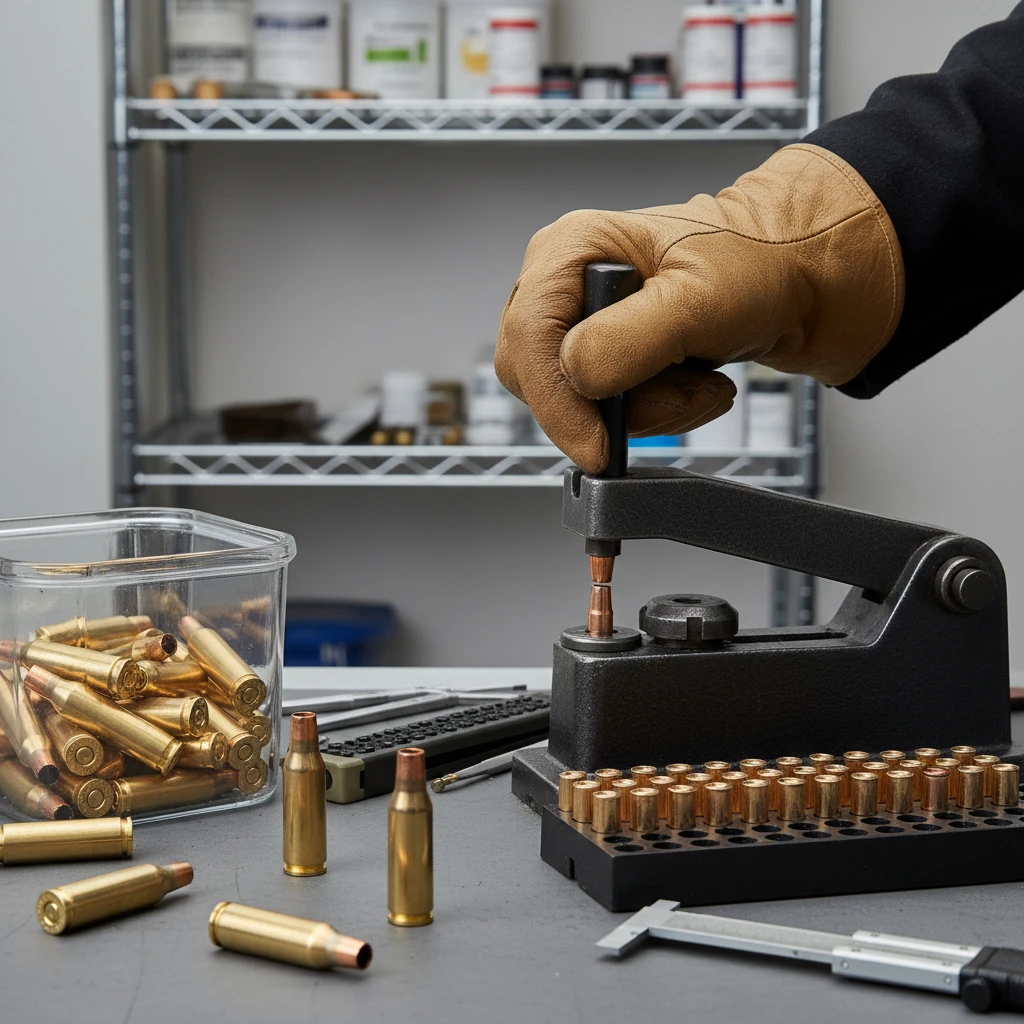
Reloading Primers: Fueling Consistent Shots
The ignition sequence, initiated by the primer, sets the stage for a successful shot. A weak or inconsistent primer can lead to misfires, squib loads, or erratic velocities, directly impacting accuracy and potentially posing safety concerns. Therefore, selecting and handling the correct primer is not merely a procedural step; it’s a critical factor in ensuring the integrity and predictability of every round you handload.
The Unsung Hero: Why Primers Are Crucial for Every Reloading Enthusiast
Primers are the unsung heroes of the reloading process, acting as the initial spark that ignites the gunpowder charge within a cartridge. Without a functional primer, the entire system fails to generate the necessary pressure to propel a projectile. Their importance extends far beyond simply causing ignition; they are meticulously engineered to provide a consistent and predictable ignition event, which directly translates to uniform burn rates and velocities from round to round. This consistency is the bedrock of accuracy, whether you’re hunting game or competing in a precision shooting discipline. A faulty primer can result in a complete misfire, a hang-fire (a dangerous delay in ignition), or even a squib load (an underpowered ignition that may leave the bullet lodged in the barrel). For those who rely on their reloaded ammunition for critical applications, such as self-defense or hunting large game, the reliability of the primer cannot be overstated. They are the first domino to fall in a chain reaction that culminates in a successful shot, making their quality and compatibility with your chosen cartridge paramount.
The selection of the correct primer is often overlooked by novice reloaders, who might focus more on gunpowder and bullet choices. However, the primer’s energy output is finely tuned to work in conjunction with specific propellant types and case capacities. Using an underpowered primer in a large rifle cartridge, for instance, may result in incomplete or slow powder ignition, leading to erratic ballistics and potentially dangerous pressure spikes. Conversely, an overly sensitive primer in a situation prone to jarring could lead to unintentional ignition. The nuances of primer design directly influence the initial flame temperature, duration, and volume, all of which are critical variables in achieving optimal combustion of smokeless gun powder. Understanding these factors is key to unlocking the full potential of your handloads and ensuring a safe, effective shooting experience. Properly selected primers are fundamental to achieving the precise performance that many reloaders strive for, making them a cornerstone of successful ammunition crafting.
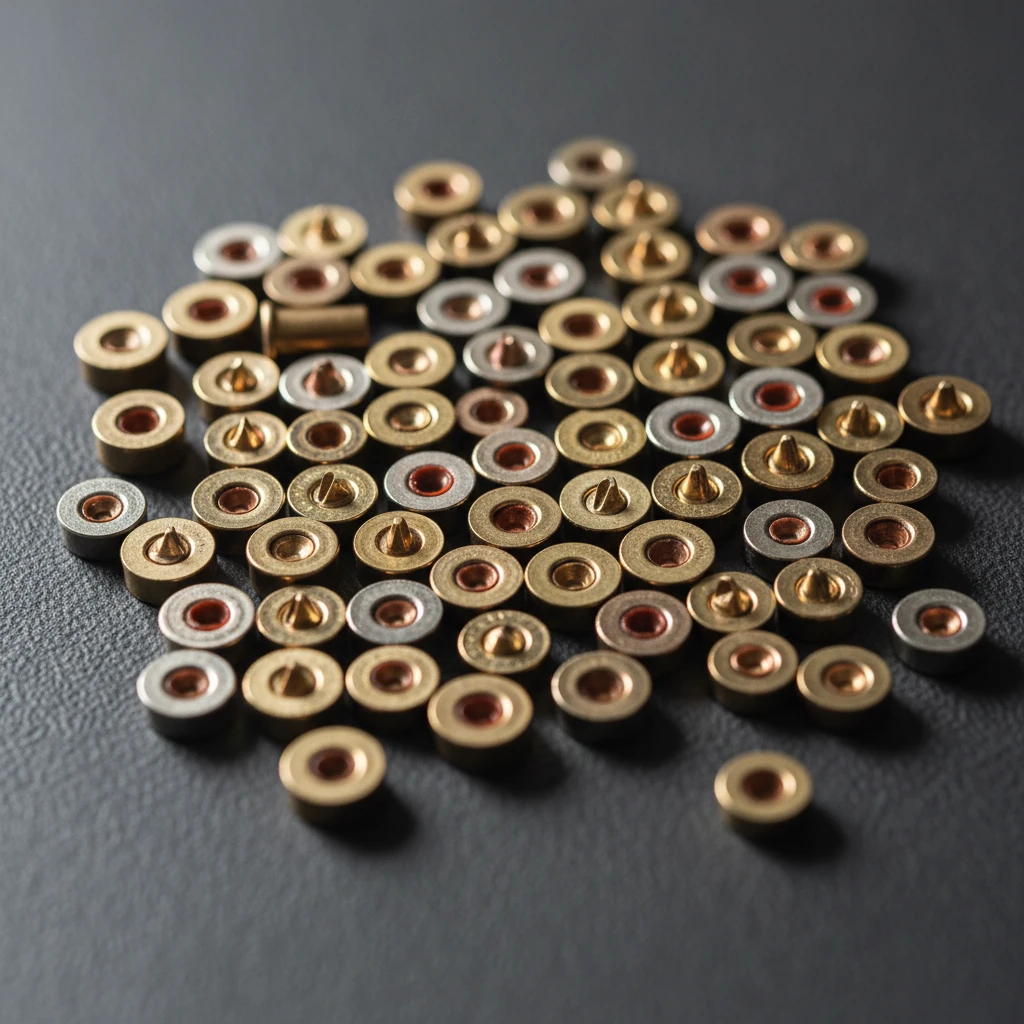
Understanding Primer Types: Small Rifle vs. Large Rifle, Pistol, and Shotshell
Navigating the world of reloading supplies means encountering a variety of primer types, each designed for specific firearm actions and cartridge configurations. The most common distinction is between small and large primers, which are further categorized by their intended use: rifle, pistol, or shotshell. Small rifle and small pistol primers share the same diameter but differ in primer cup thickness and explosive compound formulation to manage the distinct pressure environments of their respective applications. Large rifle and large pistol primers, similarly, are larger in diameter than their small counterparts, accommodating a greater charge of gunpowder typical in magnum cartridges or larger caliber firearms. Understanding these basic size differences is the first step in ensuring you select a primer that fits correctly into your cartridge case’s primer pocket without being too loose (which can cause primer setback or even blow-outs) or too tight (making seating difficult and potentially unsafe).
Beyond the size, the intended application dictates crucial design differences. Rifle primers are generally made with thicker cups and hotter burning compounds to withstand the higher pressures generated by rifle cartridges and ensure reliable ignition in longer barrels. Pistol primers, conversely, have thinner cups and are formulated for the lower pressures and shorter barrels characteristic of handguns. Shotshell primers, often referred to as shotshell primers or shotshell power, are a distinct category altogether. They are designed to ignite the powder charge in shotshell hulls and are typically more sensitive and provide a larger initial flame to ensure consistent ignition of bulkier propellants. The distinction between standard and magnum primers also exists within these categories, with magnum primers offering a more energetic ignition for large-capacity cases or slower-burning smokeless gun powder loads. Always consult reliable load data to confirm the correct primer type for your specific cartridge and powder combination.
Primer Size and Power: Matching Components for Optimal Performance
The critical interplay between primer size and power is a fundamental aspect of successful reloading that directly impacts ignition consistency and overall performance. Primer size, referring to the diameter and depth of the primer pocket it fits into, is non-negotiable. A small rifle primer will not fit, nor should it be forced, into a large rifle primer pocket, and vice versa. This compatibility ensures a secure fit, preventing issues like primer setback (where the primer protrudes too far after firing, potentially interfering with bolt closure) or blown primers (where the primer fails to contain the pressure). The primer pocket dimensions are meticulously specified for each cartridge type and case manufacturer, so always ensure your chosen primers match the caliber’s standard specifications. For example, a .223 Remington cartridge uses a small rifle primer, while a .30-06 Springfield uses a large rifle primer.
Beyond just fitting, the primer’s power—its energetic output and burn characteristics—must be matched to the specific propellant and cartridge. A standard primer is typically sufficient for most common loads, but magnum cartridges or those employing very slow-burning smokeless gun powder often benefit from magnum primers. These primers contain a more potent ignition compound, generating a hotter and longer-lasting flame to ensure complete and rapid ignition of larger or less volatile powder charges. Using a standard primer with a slow-burning powder in a large case can lead to incomplete combustion, resulting in erratic velocities, increased fouling, and potentially unsafe pressure variations. Conversely, using a magnum primer in a small-case, fast-burning powder load might lead to excessive pressure spikes. Always refer to reputable reloading manuals and online resources for specific load recommendations that detail the correct primer type and power for your intended load, ensuring safety and optimal performance.
Federal, CCI, Winchester: Decoding Major Primer Brands and Their Strengths
When selecting primers for your reloading endeavors, you’ll encounter several major brands, each with its own reputation and product line. Federal primers are widely recognized for their sensitivity and clean ignition, often favored by competitive shooters and reloaders seeking pinpoint accuracy. They are known for their proprietary “210” series for rifle and “150” series for pistol, which are designed for consistent performance across a range of applications. Federal also offers a line of match primers, engineered with even tighter tolerances and more uniform ignition characteristics for those demanding the absolute highest level of precision. Their primers are generally considered reliable and perform well across various powder types, making them a solid choice for both rifle ammo and handgun ammo reloading.
CCI (Cascade Cartridge, Inc.) is another dominant force in the primer market, renowned for its durability and reliability, especially in challenging conditions. CCI primers, particularly their “Small Pistol Magnum” and “Large Rifle Magnum” offerings, are known for their hot ignition, making them excellent choices for magnum loads or when using slower-burning smokeless gun powder. Their “No. 34” and “No. 41” primers are military-style primers designed for use in self-defense and tactical applications, featuring enhanced resilience against slam-fires. Winchester, a historic name in ammunition, also produces a comprehensive range of primers, including their “Large Rifle Magnum” and “Small Pistol” variants. They are often praised for their consistency and affordability, providing a dependable option for everyday reloading of various ammunition types. Choosing between these brands often comes down to specific load requirements, personal preference, and availability, but all three offer quality products essential for successful reloading.
Reliability and Consistency: How Primer Choice Impacts Your Shooting
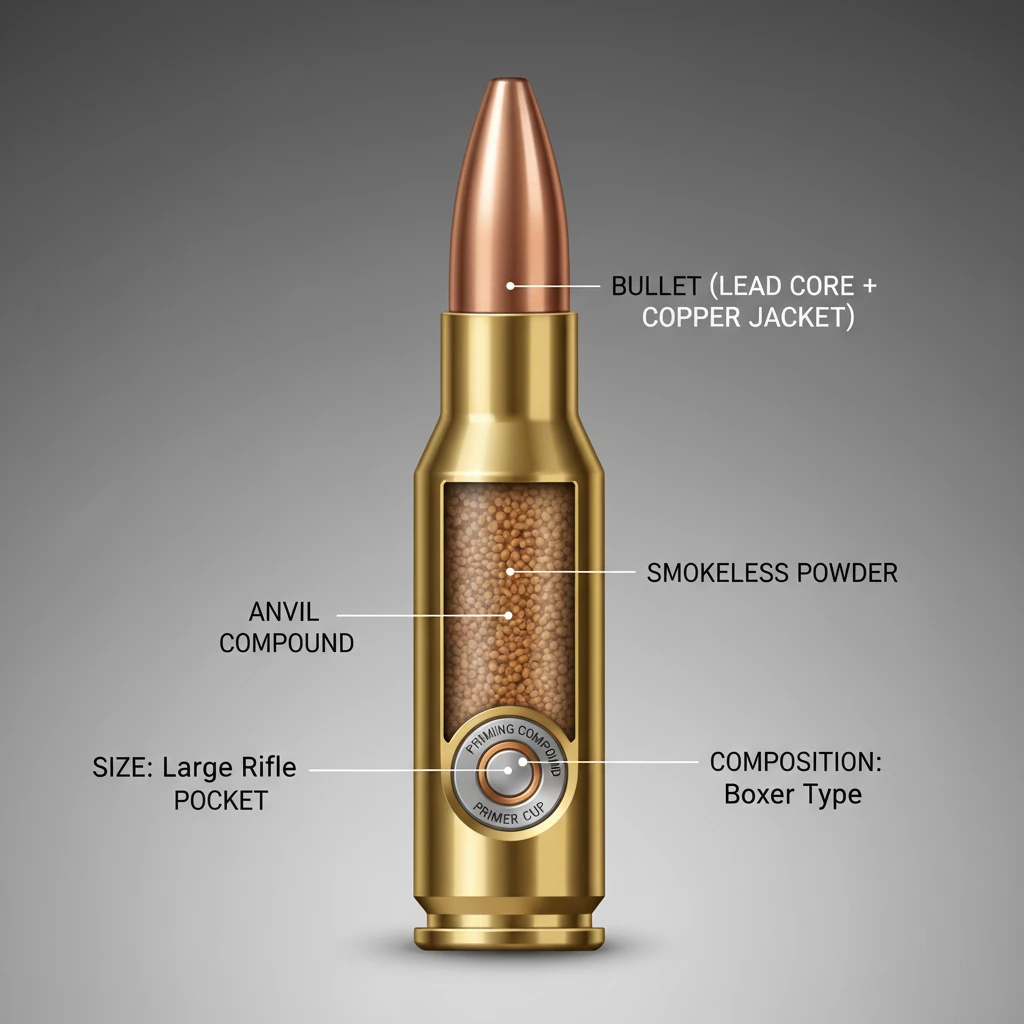
The primer is the heart of any cartridge, providing the initial spark that ignites the propellant. Its selection is not merely a minor detail but a critical factor in achieving reliable ignition and consistent performance. Different firearm types, ammunition calibers, and intended uses necessitate specific primer types. For instance, magnum primers, delivering a hotter and longer-lasting flame, are often required for large rifle cartridges or those loaded with slow-burning smokeless gun powder. Conversely, standard primers suffice for most handgun and smaller rifle rounds. Using the wrong primer type can lead to under-performance, misfires, or even dangerous pressure spikes. Factors like primer cup thickness, seating depth, and the chemical composition of the priming compound all play a role in how consistently your ammunition will function. A consistent flame front ensures that the powder column ignites uniformly, leading to predictable pressures and velocities, which are the cornerstones of accuracy. When choosing primers, always consult reliable load data and consider the recommendations for your specific firearm and intended application to ensure optimal and safe operation.
The impact of primer choice on shot-to-shot consistency cannot be overstated. Even with identical components like the case, bullet, and smokeless gun powder, variations in primer performance can create noticeable differences in velocity and accuracy. A primer that produces a weaker or less consistent flame can result in incomplete powder burn, leading to flyers downrange and a wider extreme spread in chronograph readings. This is particularly critical in precision shooting disciplines where tight groups are paramount. Furthermore, the priming compound itself can react differently to temperature and humidity changes, affecting its reliability. For example, some older priming compounds were known to be less stable over time. Modern primers are formulated for greater stability, but environmental factors still matter. Shooters aiming for the highest levels of accuracy should pay close attention to the consistency of their chosen primers, often opting for match-grade options known for their uniformity in ignition properties. Understanding these nuances allows reloaders to fine-tune their ammunition for maximum precision and dependability.
When selecting primers, several decision criteria should guide your choice. First, identify whether you need a small or large primer based on your cartridge caliber. Most handgun rounds and smaller rifle cartridges use small primers, while larger rifle calibers and some magnum handgun rounds utilize large primers. Next, consider if a standard or magnum primer is appropriate. Magnum primers are generally recommended for cartridges with larger powder capacities or when using slower-burning smokeless gun powder that requires a more energetic ignition source. Always cross-reference with reputable load manuals to confirm the correct primer type for your specific load. Additionally, for extreme precision work, explore match-grade primers, which are manufactured to tighter tolerances for enhanced consistency. Finally, be aware of potential compatibility issues; some firearms or ammunition designs may perform best with specific primer brands or types due to firing pin geometry or chamber dimensions. Always prioritize safety and consult authoritative sources before making your selection.
Storage and Handling: Keeping Your Primers Safe and Effective
Proper storage and handling of primers are paramount to ensuring their longevity, safety, and consistent performance. Primers are sensitive to moisture, extreme temperatures, and physical shock, all of which can degrade their effectiveness or create hazardous conditions. Ideally, primers should be stored in their original packaging, which is designed to protect them from external elements and prevent accidental ignition. They should be kept in a cool, dry, and well-ventilated area, away from direct sunlight and heat sources. Avoid storing them near volatile chemicals, fuels, or other potentially hazardous materials. A dedicated storage cabinet, separate from ammunition and gunpowder, is highly recommended for safety. When handling primers, it’s crucial to do so with care, minimizing friction and impact. Never place primers in a pocket or loose container where they can roll around and potentially strike each other or other hard surfaces. The goal is to maintain their integrity until they are seated into the cartridge case.
A significant pitfall in primer storage is exposure to humidity. Even a small amount of moisture can compromise the priming compound, leading to misfires or significantly reduced ignition reliability. This is especially problematic in humid climates or if primers are stored in damp basements or garages. To combat this, consider using desiccant packs within your primer storage containers, especially if you live in a high-humidity environment. Another common mistake is storing primers too close to sources of ignition, such as furnaces, water heaters, or even batteries that can generate static electricity. Static discharge can be enough to ignite primers, so maintaining a safe distance is essential. Furthermore, avoid stacking large quantities of primers directly on top of each other without proper separation. While modern primers have safety features, excessive weight or pressure can increase the risk of accidental detonation. Adhering to these guidelines ensures that your primers remain potent and safe for use, contributing to successful reloading outcomes.
When handling primers, always use appropriate tools and techniques. Primer seating tools, whether hand-operated or integrated into a press, are designed to seat primers smoothly and consistently without applying excessive force. Avoid using excessive pressure when seating; if a primer doesn’t seat easily, investigate the cause rather than forcing it. This could be due to a dirty primer pocket, a bent primer, or an incorrect primer type. Wear safety glasses during all handling and reloading operations. If you must transport primers, ensure they are in a secure, labeled container, separate from any other ammunition components. For long-term storage, a temperature-stable environment is ideal. Many experienced reloaders use specialized primer trays or cases that hold individual primers securely, preventing them from rolling or jostling against each other. This meticulous approach to handling and storage is a cornerstone of safe and effective ammunition reloading.
Reloading Primers for Handgun Ammo: Precision in Every Shot
Reloading handgun ammunition requires a meticulous approach, and the primer plays a pivotal role in achieving the desired consistency and reliability. For most common handgun calibers, such as 9mm Luger, .40 S&W, and .45 ACP, small pistol primers (SPP) and large pistol primers (LPP) are standard. The choice between them is dictated by the specific cartridge case dimensions. Beyond size, the primer’s sensitivity and burn rate can influence the ignition characteristics of faster-burning handgun powders commonly used in these loads. While magnum pistol primers exist, they are typically reserved for applications requiring ignition of slower-burning powders or in cartridges with exceptionally large powder charges. For typical handgun reloading, standard primers offer a balanced ignition that works well with a wide array of smokeless gun powder options. Ensuring that primers are seated to the correct depth, flush or slightly below the case head, is critical for reliable ignition and to prevent excessive headspace, which can lead to case head separation or firearm malfunctions.
A key consideration for handgun reloading is the potential for slight variations in primer seating depth causing noticeable shifts in accuracy, especially in firearms designed for precision, like target pistols. While not as sensitive as some rifle applications, achieving uniform primer seating is still a good practice for developing consistently performing handgun ammo. One common pitfall is using a primer that is too hot for the intended load, which can lead to excessive pressure spikes, particularly in smaller cases or when using very fast pistol powders. Conversely, a primer that is too weak might result in incomplete ignition, leading to lower velocities and poor accuracy. Always consult expert load data, such as that provided by reputable manufacturers or in comprehensive reloading manuals, to select the correct primer for your specific cartridge, powder, and bullet combination. Remember, consistent ignition from your primers is the foundation upon which accurate handgun ammunition is built. For more insights into achieving consistent results, explore resources on https://northernreloading.si/reloading-primers-consistency-in-every-shot/.
When reloading handgun ammunition, the primer selection directly influences the outcome. For instance, a competitive shooter might opt for match-grade pistol primers for their enhanced uniformity, aiming to minimize any variables that could affect shot placement. This level of detail is often unnecessary for casual plinking ammo but becomes crucial for self-defense rounds where absolute reliability is paramount. An example of a pitfall would be using a rifle primer in a pistol cartridge; while they might appear similar, the burn characteristics and sensitivities are different and could lead to unsafe pressures or failure to ignite. Always ensure you are using primers specifically designated for handgun cartridges. The process of priming can be done manually or with automated priming systems attached to reloading presses. Regardless of the method, the goal is to achieve uniform primer seating and reliable ignition for every round of handgun ammo you produce.
Rifle Ammo Reloading: The Importance of Primers for Accuracy
In rifle ammunition reloading, the primer’s role in achieving accuracy is amplified compared to handgun applications. Rifle cartridges often utilize larger powder columns and slower-burning smokeless gun powder, demanding a more robust and consistent ignition source. Small rifle primers (SRP) and large rifle primers (LRP) are the standard sizes, with their selection dictated by cartridge case specifications. The flame temperature and duration produced by the primer are critical factors in ensuring the complete and uniform ignition of these larger powder charges. Inaccurate or inconsistent primer ignition can lead to a phenomenon known as “primer-induced extreme spread,” where the variance in ignition timing results in significant velocity differences between shots, directly impacting ballistic consistency and accuracy at longer ranges. This is why match-grade rifle primers are often preferred by precision shooters, as they are manufactured to tighter tolerances for uniform sensitivity and flame output.
The choice between standard and magnum rifle primers is particularly important for rifle reloading. Magnum primers are designed to provide a hotter, longer-lasting flame, which is essential for reliably igniting slower-burning rifle powders commonly found in cartridges like the .300 Winchester Magnum or the .338 Lapua Magnum. Using a standard primer in such applications can lead to incomplete powder burn, reduced velocity, and poor accuracy. Conversely, using a magnum primer in a cartridge designed for a standard primer might result in excessive pressure, especially when combined with fast-burning powders or hot loads. Always adhere to the load data provided by powder manufacturers and reputable reloading manuals, which will specify the recommended primer type for each load. Understanding the burn rates of smokeless gun powder and how they interact with primer types is fundamental to safe and accurate rifle ammunition reloading. For deeper dives into powder characteristics, consult resources on https://northernreloading.si/smokeless-gun-powder-burn-rates-explained/.
A critical pitfall in rifle primer selection for accuracy is neglecting the impact of primer cup thickness. Some rifle actions, particularly those with strong bolt designs, may require magnum or magnum-strength primers to ensure adequate ignition. However, if a standard primer with a thinner cup is used where a thicker, magnum primer is recommended, it might lead to what’s known as “slam-firing” where the firing pin drives through the primer cup. Conversely, some firearms may have sensitive primers and require a lighter primer seating to avoid issues. For example, a benchrest shooter might select a specific primer brand and type because they have found it consistently produces tighter groups in their rifle. A hypothetical scenario: a shooter experiences inconsistent extreme spreads with their .308 Winchester loads. After verifying powder charges and bullet seating, they switch from a standard SRP to a match-grade SRP and notice a significant reduction in velocity variation and improved group size. This highlights how attention to primer consistency can elevate the accuracy of your rifle ammo.
Shotgun Shell Reloading: Consistency from Birdshot to Buckshot
Reloading shotgun shells presents a unique set of challenges and rewards, primarily focused on achieving consistent performance across a variety of loads. Unlike rifle or handgun cartridges where precise bullet seating is paramount, shotgun reloading often emphasizes the uniformity of shot patterns and the predictable deployment of shot. The primer’s role here is foundational, initiating the combustion of the propellant that drives the wad and shot column. For bird hunting, where light payloads and tight patterns are crucial for clean kills, a consistent primer ignition ensures the shot string leaves the barrel uniformly, minimizing flyers. For defensive shotgun rounds using buckshot, the emphasis shifts to reliable ignition under potentially stressful conditions, ensuring all pellets are propelled effectively for maximum impact. The type of primer used can influence ignition speed; smaller gauges might benefit from slightly faster primers to ensure all shot clears the bore cleanly, while larger gauges can often accommodate a wider range of primer speeds without significant pattern degradation. Understanding the interplay between primer type, powder charge, and projectile weight is key to developing reliable shotgun loads. For instance, using a magnum primer in a standard load might lead to excessive pressure, while a standard primer in a heavy magnum load might result in slow or incomplete powder burn, negatively impacting velocity and pattern consistency. Many experienced reloaders maintain separate data sets and primer preferences for different types of shotgun shells, from light target loads to heavy turkey or buckshot rounds. This meticulous approach is what separates inconsistent reloads from those that perform reliably shot after shot, giving the shooter confidence in their ammunition.
When delving into reloading shotgun shells, particularly for hunting scenarios, the goal is to replicate or even improve upon factory ammunition performance. This requires careful consideration of each component. The primer, though small, is the critical first step. A primer that fails to ignite, ignites erratically, or causes an over-pressure event can lead to wasted components, damaged firearms, or worse. For disciplines like sporting clays or trap shooting, where thousands of rounds might be fired annually, the cost-effectiveness of reloading becomes a significant factor, but never at the expense of consistency. Reloading allows shooters to tailor loads for specific game birds or shooting conditions, a level of customization not typically available with off-the-shelf ammunition. For example, one might develop a load optimized for flushing pheasants that delivers a dense pattern at 30 yards, or a specialized load for duck hunting in tight cover that produces a wider, yet still effective, pattern at closer ranges. The selection of the correct smokeless gun powder also plays an equally vital role in shotgun shell performance, working in tandem with the primer. Burn rate charts and load data provided by reputable manufacturers and reloading resources are indispensable tools. Attempting to substitute components without a thorough understanding of their impact can lead to dangerous pressure spikes or squib loads. Always consult up-to-date reloading manuals and consider joining online forums or local reloading clubs to share knowledge and best practices. Reliable sources like the secrets for successful bird hunting loads can offer further insights into optimizing your shotgun reloads for field success.
Avoiding Common Primer Reloading Mistakes: A Practical Guide
The seemingly simple task of seating a primer can become a source of significant errors for even experienced reloaders if not approached with diligence. One of the most frequent mistakes is improper primer seating depth. A primer that is seated too shallow will not be struck effectively by the firing pin, potentially leading to misfires. Conversely, a primer seated too deeply can cause excessive headspace, leading to case stretching, blown primers, or even firearm damage, especially in semi-automatic actions where the bolt may not lock up properly. The ideal is for the primer to be flush or slightly below the case head, providing a solid surface for the firing pin. Another critical pitfall is mixing primer types. While small rifle primers and small pistol primers may appear similar, they differ in physical dimensions and the strength of their priming compound. Using the wrong type can lead to ignition failures or dangerous over-pressure situations. Always verify you are using the correct primer for your specific cartridge and reloading data. For example, using a magnum rifle primer in a standard load designed for a regular rifle primer can significantly increase chamber pressure beyond safe limits. Similarly, using pistol primers in rifle cartridges is generally not recommended due to their shallower depth and different primer cup hardness, which can lead to ignition issues or primer setback.
Contamination is another common enemy of primer reliability. Primers are sensitive to moisture and oils. Handling primers with bare, oily hands or storing them in humid conditions can degrade their performance, leading to ignition failures. It is best practice to handle primers with clean tools such as primer pickup tubes or a priming tool, and to store them in their original packaging in a cool, dry environment. Furthermore, many reloaders overlook the importance of inspecting primers before and after seating. A dented or damaged primer before seating is a clear sign to discard it. After seating, a visual inspection for flushness and absence of damage is a quick yet effective quality control step. Forgetting to de-prime a case before attempting to insert a new primer is a simple oversight that can damage priming equipment and ruin the case. Always ensure spent primers are fully removed from the primer pocket. When following load data for smokeless gun powder, ensure you are using the recommended primer type (e.g., standard vs. magnum). Deviating without understanding the consequences can be hazardous. For instance, a magnum primer delivers a hotter, longer-duration flame, which is intended to ignite slower-burning magnum powders more effectively. Using it with a fast-burning powder might result in an uncontrolled pressure spike. Always refer to authoritative reloading manuals and reputable online resources when in doubt about component selection and usage. Resources like those found in guides on unlocking ignition consistency with primers can provide valuable preventative measures.
The Role of Primers in Different Ammunition Types: Rimfire, Centerfire, and Beyond
The fundamental function of a primer—to initiate combustion—remains constant across all ammunition types, but its design and integration vary significantly. In centerfire ammunition, primers are discrete units, typically small or large pistol/rifle primers, that are inserted into a dedicated pocket in the cartridge case head. This modularity allows for easy replacement and the selection of different primer types (e.g., standard, magnum, T-handle primers for reduced ignition requirements) to fine-tune ignition characteristics for various propellant types and charge weights. The success of reloading centerfire cartridges heavily relies on matching the correct primer to the specific load data, as variations can drastically affect pressure and performance. For example, using a magnum primer with a fast-burning powder can lead to dangerous pressure spikes, while a standard primer might not adequately ignite slower-burning magnum propellants. This distinction highlights the importance of precise component selection, especially when working with smokeless gun powder.
Rimfire ammunition, conversely, utilizes a fundamentally different ignition system where the primer compound is located in the rim of the cartridge case. The firing pin strikes the rim, crushing it and igniting the primer mixture, which then ignites the main propellant charge. This design means rimfire primers are not interchangeable with centerfire primers and, crucially, cannot be reloaded by the end-user in the same way. The primer is an integral part of the case manufacturing process. While specific training ammunition or specialized rounds might exist, the vast majority of rimfire cartridges are designed for single use. Beyond these common types, specialized ammunition may employ different ignition systems. For instance, some military or hunting rounds might use Boxer primers (common in US cartridges) or Berdan primers (more common in European cartridges). Boxer primers have a hollow post that allows spent primers to be easily pushed out and replaced, facilitating reloading, whereas Berdan primers are more permanently affixed and have two small flash holes, making them much more difficult, if not impossible, to reload effectively. Understanding these differences is crucial for anyone involved in ammunition selection or reloading, ensuring they use the correct components for their intended application and adhere to safe practices. Exploring resources on smokeless gun powder burn rates can further illuminate how primer choice interacts with propellant performance in various ammunition types.
Where to Buy Quality Primers in Canada and the USA: Northern Reloading’s Expertise
For reloaders in both Canada and the United States seeking dependable ignition for their ammunition projects, sourcing high-quality primers is paramount. Northern Reloading has established itself as a trusted supplier, offering a comprehensive selection of primers from leading manufacturers. Whether you are loading handgun ammo for competition, rifle ammo for hunting, or diverse loads for recreational shooting, the consistency and reliability of your primers directly impact your results. Northern Reloading understands the critical nature of these components and curates its inventory to include a wide range of options, from standard pistol and rifle primers to magnum varieties and specialized offerings designed for specific applications. Their commitment extends to ensuring compliance with all shipping regulations for hazardous materials like primers and gunpowder, making the purchasing process as straightforward and secure as possible for customers across North America. This dedication to providing access to top-tier reloading components is a cornerstone of their service, aiming to empower shooters to achieve optimal performance and consistency in their reloads.
Navigating the market for reloading components can sometimes be complex, with varying availability and brand preferences. Northern Reloading simplifies this by consolidating a wide array of trusted primer brands under one roof, accessible through their user-friendly online platform. Shooters can easily compare specifications, check availability, and place orders for the exact primers needed for their specific reloading endeavors, whether they are crafting precise match ammunition or robust hunting loads. Their expertise not only lies in stocking quality products but also in providing valuable information to help customers make informed decisions. By focusing on customer satisfaction and product integrity, Northern Reloading aims to be the go-to source for reloaders looking to maintain the highest standards of accuracy and reliability in their ammunition. This focus is particularly important when considering the synergy between primers and smokeless gun powder, as Northern Reloading also offers a vast selection of propellants to complete your reloading supply needs. For reloaders looking to enhance their understanding of component choices, resources like the guide on top reloading component choices for 2027 can offer valuable guidance on making the best selections for your reloading goals.
About author



Add comment