
Reloading Primers: Consistency in Every Shot
The foundation of a truly accurate and consistent shot often lies in components overlooked by many. While the bullet and powder receive considerable attention, the humble primer is the unsung hero, dictating the start of the entire combustion process. Ensuring its reliability is paramount for any reloader serious about performance.
A consistent primer is not merely about detonation; it’s about creating a repeatable and predictable ignition event. This precision at the very beginning of the firing cycle has a cascading effect, influencing everything from muzzle velocity to the overall shot-to-shot consistency that separates good groups from great ones. Investing in quality primers and understanding their nuances is a critical step towards unlocking your firearm’s full potential.
The Silent Architects of Precision: Why Primer Consistency is Non-Negotiable
In the intricate process of reloading ammunition, the primer acts as the critical initiator. Its primary function is to ignite the smokeless gun powder, setting in motion the chain reaction that propels the projectile. However, its role extends far beyond simple ignition. The consistency of the primer’s output – the energy and timing of its flame and flash – directly influences the uniformity of the powder’s burn. Variations in primer performance, even seemingly minor ones, can lead to significant discrepancies in the resulting pressure and velocity, ultimately impacting accuracy. This makes the selection and use of high-quality, consistent primers a cornerstone of precision reloading. For those seeking to understand the foundational elements of ignition, resources on primers igniting reloading success are invaluable.
The repercussions of an inconsistent primer can manifest in several detrimental ways for a shooter. At the most basic level, variations in ignition timing and intensity lead to unpredictable burn rates of the smokeless gun powder. This, in turn, results in fluctuating muzzle velocities from one shot to the next. Such velocity spreads are the enemy of accuracy, causing rounds to land in different spots on the target, even when all other components and firearm parameters are identical. This phenomenon is often the culprit behind enlarged groups and a frustrating lack of consistency, particularly at longer ranges where even small velocity differences are magnified. Furthermore, inconsistent primers can lead to irregular lock times or even misfires, compromising safety and shooting confidence. A deep dive into how these components work together can be found in articles discussing smokeless gun powder unlocking reloading performance.
Understanding the critical role of primer consistency requires acknowledging the subtle yet powerful influence it wields. The primer compound, its seating depth, and the priming process itself all contribute to the uniformity of ignition. For example, a primer that detonates too slowly or too weakly might not adequately ignite the powder charge, leading to incomplete combustion and erratic velocities. Conversely, an overly sensitive primer can produce excessive flame or pressure spikes, again undermining consistency. The goal for any reloader is to achieve a uniform and powerful ignition that ensures every charge of smokeless gun powder burns in precisely the same manner. This level of control is what transforms hand-loaded ammunition from merely functional to exceptionally precise, elevating performance in disciplines ranging from competitive shooting to hunting.
Decoding Primer Specifications: Small Rifle vs. Large Pistol and Beyond
When embarking on the reloading journey, understanding the diverse specifications of primers is fundamental. The most common distinctions are based on size and intended application: small rifle, large rifle, small pistol, and large pistol. These categories are not arbitrary; they are dictated by the physical dimensions of the primer pocket in the cartridge case and the volume of smokeless gun powder the cartridge is designed to hold. For instance, a 5.56x45mm NATO cartridge (a small rifle round) requires a small rifle primer, which is physically smaller than a large pistol primer used in cartridges like the .45 ACP. Selecting the correct primer size prevents issues like a primer being too loose (and potentially causing dangerous pressure events) or too tight (making seating difficult and potentially causing premature detonation). Furthermore, some cartridges, particularly those designed for higher pressures or larger powder charges, may utilize magnum variants of these primers.
Beyond basic size, primer sensitivity is another critical specification that significantly impacts reloading outcomes. Primers are categorized as either standard or magnum. Magnum primers are designed with a slightly more potent priming compound and a thicker primer cup, producing a larger and longer-lasting flame. This increased ignition power is intended to reliably ignite larger or slower-burning charges of smokeless gun powder commonly found in magnum rifle cartridges or heavy handgun loads. Using a standard primer with a magnum powder charge can result in incomplete ignition, leading to significant velocity variations and potentially dangerous pressure fluctuations. Conversely, using a magnum primer with a standard powder charge might increase the risk of over-pressure, especially in smaller cartridges or with already hot loads. It is crucial to consult load data specific to your cartridge and powder to determine whether a standard or magnum primer is recommended.
Ensuring compatibility between your primers, cartridge cases, and chosen smokeless gun powder is a non-negotiable step for safe and effective reloading. The primer pocket dimensions can vary slightly between different manufacturers of the same caliber case, although industry standards minimize this. More importantly, the primer’s sensitivity must be matched to the powder. For example, if you are reloading .308 Winchester using a slower-burning rifle powder like Hodgdon H4831SC, a magnum rifle primer might be necessary for complete and consistent ignition. However, if you are loading 9mm Luger with a faster pistol powder like Alliant Bullseye, a standard pistol primer is almost always the correct choice. Always refer to reliable reloading manuals and manufacturer’s data, such as those found in resources on smokeless powder reloading expert load data, to verify correct component combinations. Never deviate from recommended specifications without extensive testing and a thorough understanding of potential consequences.
From Manufacturing to Your Hand: The Quality Control Behind Reliable Primers
The consistency and reliability of reloading primers are not accidental; they are the direct result of meticulous manufacturing processes and stringent quality control measures. Reputable primer manufacturers invest heavily in technology and procedures designed to ensure that each primer meets exacting standards. This begins with the selection of raw materials, particularly the sensitive priming compound, which must be uniform in composition and stability. Automated machinery precisely measures and loads this compound into the primer cup, followed by the delicate process of inserting the anvil and crimping the cup. Throughout this entire operation, automated inspection systems and rigorous batch testing are employed to detect any anomalies in weight, seating, or structural integrity. Any deviation from the established parameters results in the rejection of that batch, preventing flawed components from reaching the market.
Leading brands in the reloading component industry build their reputation on the unwavering quality and consistency of their primers. These companies often employ advanced manufacturing techniques, such as robotic assembly and sophisticated optical inspection, to minimize human error and ensure uniformity. They also conduct extensive empirical testing, firing thousands of rounds loaded with their primers under various conditions to verify performance characteristics like ignition consistency, velocity spread, and pressure curves. Many also adhere to strict internal quality management systems, often certified to international standards. This dedication to excellence means that when you purchase primers from well-regarded manufacturers, you are investing in a product that has undergone significant scrutiny. Examples include brands known for their tight tolerances and rigorous testing, providing shooters with the confidence needed for high-precision loads.
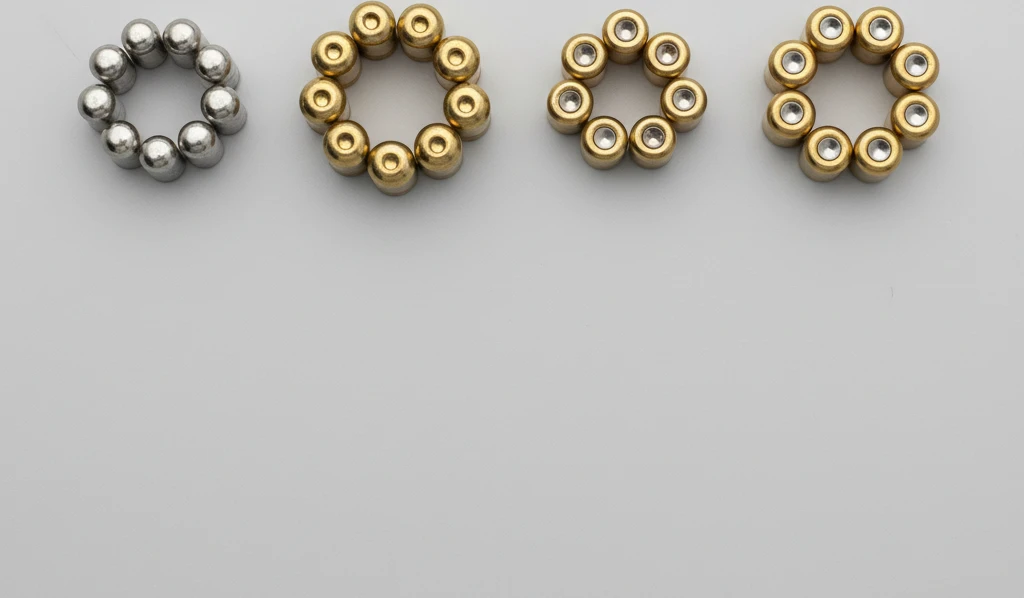
While reputable brands strive for perfection, it’s prudent for reloaders to be aware of potential quality issues and how to identify them before use. Upon receiving a new supply of primers, a visual inspection is a good first step. Look for any signs of damage to the primer cup, such as dents, cracks, or corrosion. Ensure that the primer compound appears evenly seated and that there is no foreign debris within the primer. A subtle but important check is to feel the weight and consistency; primers should feel uniform. If you encounter any primers that appear suspect, set them aside and do not use them. Furthermore, during the priming process itself, pay attention to the feel. If primers are excessively difficult to seat or feel “mushy,” it could indicate a dimensional issue or a problem with the priming compound. It is also wise to consult user forums and reloading communities for any widespread reports of issues with specific primer lots, though these are rare with established brands. Proactive inspection minimizes risks associated with faulty components.

The Science of Consistency: How Primer Composition Impacts Velocity Spread
The core of a primer’s impact on shot-to-shot consistency lies in the characteristics of its priming compound. This sensitive mixture is formulated to produce a specific amount of heat and flame when struck by the firing pin. Different primer compounds have varying burn rates and energy outputs. For instance, some compounds are designed for a hotter, more voluminous flame, intended to ensure complete ignition of slower-burning smokeless gun powders. Others are formulated for a cooler, less energetic flame suitable for faster powders. When a primer’s compound is inconsistent – perhaps due to variations in the chemical blend or density – the resulting flame will also be inconsistent. This directly translates to variations in how effectively and how quickly the main powder charge ignites, leading to a wider velocity spread, which is a primary indicator of reloading inconsistency.
Analyzing velocity data is a critical step for any reloader aiming for peak accuracy, and it’s where the impact of primer consistency becomes undeniably clear. By using a chronograph, a reloader can measure the speed of each projectile fired. A tight velocity spread – typically single-digit or low double-digit standard deviations – indicates that each shot behaved very similarly. Conversely, a large velocity spread, especially one that fluctuates wildly from one shot to the next, strongly suggests an issue with component consistency. Often, the primer is a significant, if not primary, contributor to this spread. When primers consistently produce the same amount of ignition energy, the powder charge burns more uniformly, resulting in predictable velocities. This data-driven approach allows reloaders to identify and rectify issues, whether it’s a batch of inconsistent primers or another component affecting performance, highlighting the importance of understanding smokeless gun powder burn rates.
Matching the primer’s power to your specific smokeless gun powder is a crucial aspect of achieving minimal velocity spread and maximum accuracy. This is not a one-size-fits-all scenario. Faster-burning pistol powders, like those found in many handgun ammo reloading applications, generally require less ignition energy and are best paired with standard pistol primers. Their rapid burn rate means that a gentle, consistent ignition is often all that’s needed. Slower-burning rifle powders, particularly those used in magnum cartridges or large-capacity cases, demand more ignition energy to ensure they ignite completely and burn efficiently. For these applications, magnum rifle primers are typically recommended. Using the wrong primer can lead to under-ignition (wide velocity spreads) with slow powders or excessive pressure spikes with fast powders. Always consult published load data from reputable sources like powder manufacturers or established reloading manuals to select the appropriate primer type and power for your chosen powder and cartridge combination.
Mastering Primer Seating: The Foundation of Consistent Ignition
The precise seating of a primer is arguably the most critical step in achieving consistent ignition for any reload. A primer that is seated too deep can create undue pressure or prevent the firing pin from striking effectively, leading to misfires. Conversely, a primer seated too shallow may protrude too far, risking slam-fire incidents or preventing the action from closing properly. The goal is to achieve a uniform seating depth that ensures each primer fires with the same force and reliability. This uniformity directly translates to predictable firearm performance, whether you’re engaged in competitive shooting or hunting. Understanding the nuances of primer seating is paramount for anyone serious about reloading safe and accurate ammunition.
The impact of primer seating extends beyond mere ignition. In precision rifle applications, even minute variations in primer seating depth can create significant discrepancies in muzzle velocity and shot-to-shot consistency. This is because variations in seating depth can alter the effective case volume and the point at which ignition begins, influencing the powder’s burn rate and pressure curve. For handgun ammo reloading, while tolerances might be slightly more forgiving, consistency still plays a vital role in maintaining reliable cycling and accurate shot placement. Recognizing that primers are the initial spark in a complex energetic reaction underscores the need for meticulous attention to detail during this stage of the reloading process. It’s where the foundation for predictable firearm performance is truly laid.
Common Primer Seating Pitfalls to Avoid
Several common mistakes can plague even experienced reloaders when it comes to primer seating. One of the most frequent issues is over-seating, where the primer is pushed too deeply into the primer pocket. This can be caused by applying too much force, using a priming tool that doesn’t have a clear stop point, or not paying close attention to tactile feedback. Another pitfall is under-seating, leaving the primer protruding slightly from the case head. This can lead to a failure to fire, especially in firearms with tight tolerances or restricted firing pin travel. The consequences of under-seating can range from frustrating range trips to potentially dangerous situations if the cartridge is chambered in a semi-automatic firearm, risking a slam-fire. Furthermore, inconsistent depth across multiple rounds is a significant problem, even if individual primers are not excessively deep or shallow. This inconsistency is often a result of varying pressure applied during seating, differences in primer pocket dimensions, or issues with the seating tool itself. Finally, contaminating primers with oils, dirt, or debris from handling or dirty cases can impair their function and lead to ignition failures. Ensuring a clean workspace and handling primers with care is essential.
Another critical pitfall involves primer pocket preparation. Forgetting to clean primer pockets before seating new primers is a common oversight. Old crimps, carbon buildup, or resized brass that hasn’t been reamed can prevent primers from seating fully and uniformly. This is particularly prevalent with military brass or brass that has been fired multiple times. Failing to properly address these issues can lead to primers that are either too high or unevenly seated, compromising the integrity of the reload. Similarly, using the wrong size primer for a particular cartridge can lead to a host of problems. Small rifle primers, for instance, are not interchangeable with large rifle primers due to their diameter and depth. Mismatched primers can result in a poor fit, leading to detonation issues, pressure leaks, or the primer backing out under firing. Always consult reliable load data and your firearm’s specifications to ensure you are using the correct primer type and size. Understanding primer types is crucial before you even begin seating them.
Achieving Uniform Primer Seating Depth: A Step-by-Step Guide
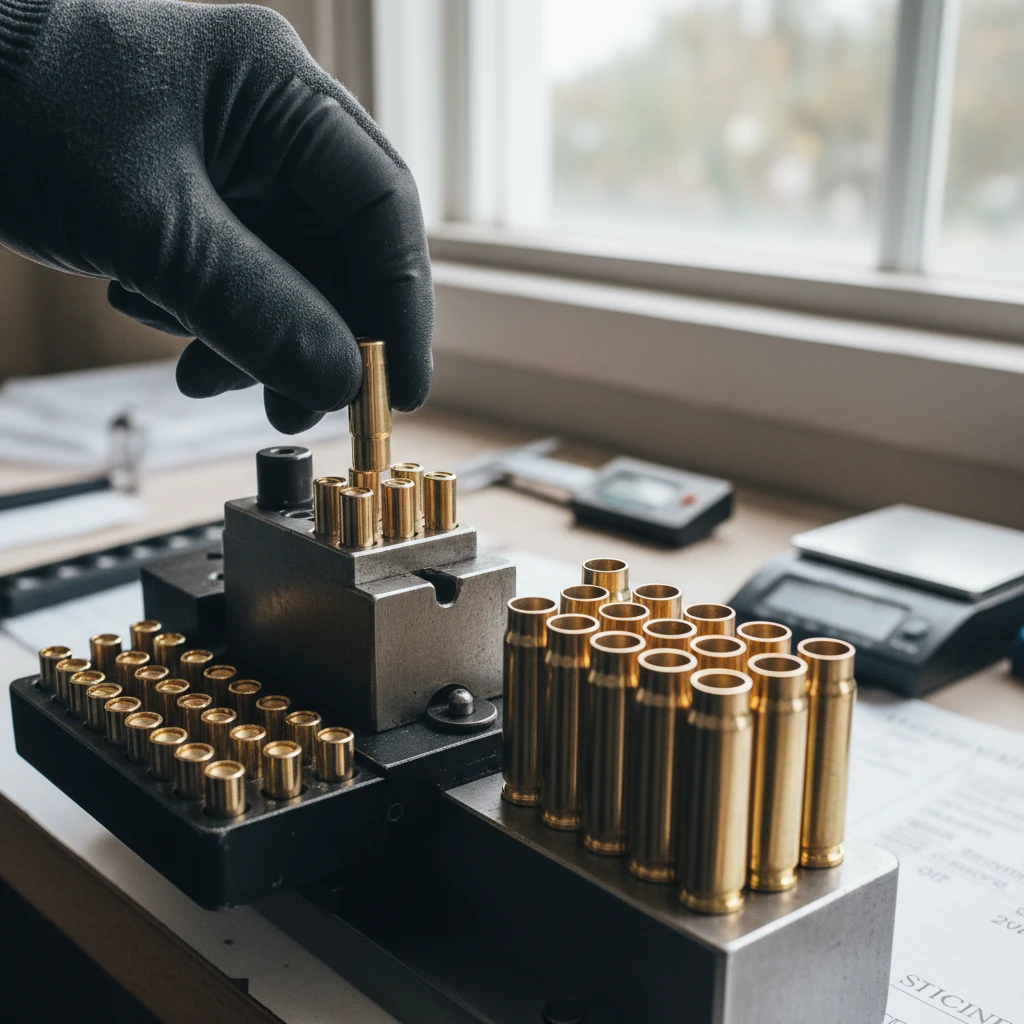
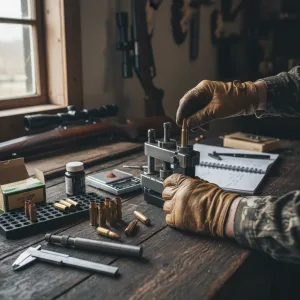
To achieve uniform primer seating depth, meticulous attention to detail and a systematic approach are required. Begin by ensuring your brass is properly prepared. For new or newly sized brass, inspect the primer pockets for any debris or carbon buildup. If necessary, use a primer pocket uniformer tool to ensure each pocket has a consistent depth and chamfered edge. This step is particularly important for match-grade ammunition where extreme precision is desired. Next, select a reliable priming tool, whether it’s an integrated press attachment or a standalone hand primer. Ensure the tool is properly adjusted according to the manufacturer’s instructions and the specific primer and case you are using.
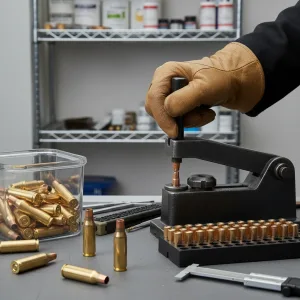
When seating primers, always use a consistent and controlled pressure. Avoid jerking or forcing the primer. Instead, aim for a smooth, steady push until you feel a slight resistance or the primer surface becomes flush with the case head. Many reloaders develop a feel for this through practice. For maximum consistency, use a priming tool that provides tactile feedback or has a built-in stop. After seating, visually inspect each primer. It should be flush with or slightly below the case head, depending on the specific cartridge and firearm requirements. A primer seated too high will be visually obvious. A common recommendation for many cartridges is for the primer to be seated approximately 0.003 to 0.005 inches below the case head. However, always verify specific depth requirements for your intended use and firearm. A slight protrusion might be acceptable or even necessary in some older firearms, but for modern precision, flush or slightly below is generally preferred.
Tools and Techniques for Precision Primer Seating
Several tools and techniques can significantly enhance the precision of primer seating. The most basic method involves using the priming tool integrated into a progressive reloading press. While convenient for high-volume reloading, these can sometimes be less precise than dedicated tools due to wear and the mechanical nature of the press cycle. For greater control, a handheld priming tool is often preferred by those seeking enhanced consistency. These tools offer more direct tactile feedback, allowing the reloader to feel exactly when the primer is seated. Brands like RCBS and Hornady offer popular and reliable handheld priming tools, often with interchangeable shell holders and primer tray systems.
For ultimate precision, especially in competitive shooting or custom ammunition loading, a bench-mounted priming tool or a high-quality hand primer with a fine-tuning adjustment mechanism is recommended. These tools provide a solid platform and often allow for very precise control over seating depth. Some reloaders also utilize a primer pocket uniformer tool in conjunction with their seating efforts. This tool shaves off excess brass from the bottom of the primer pocket, ensuring that all primers seat to the exact same depth, regardless of minor variations in the pocket itself. For military brass or brass that has been fired and resized multiple times, using a primer pocket reaming tool to remove crimps is also a crucial preparatory step before seating new primers. These tools work together to ensure maximum uniformity, leading to more consistent ignition and improved ballistic performance. Remember that proper handling of primers is also a technique; always use primer pickup tubes or trays to minimize the risk of dropping or damaging them. Reloading primers require careful handling throughout the entire process.
Environmental Factors: Protecting Your Primers for Optimal Performance
The environment in which primers are stored, handled, and transported plays a significant role in their longevity and performance. Primers are sensitive pyrotechnic devices, and exposure to adverse conditions can degrade their reliability, leading to inconsistent ignition or complete failure. Understanding these environmental factors is crucial for any reloader who aims to produce ammunition that functions flawlessly under various conditions. Just as the right smokeless gun powder is vital for a consistent burn, so too are properly functioning primers.
Factors such as humidity, extreme temperatures, and exposure to contaminants can all compromise the sensitive chemical compounds within a primer. Moisture is perhaps the most insidious enemy, as it can slowly degrade the priming compound, rendering it inert. High humidity in storage or during transport can introduce water vapor into the primer’s sensitive inner workings. Similarly, extreme temperature fluctuations can cause materials within the primer to expand and contract, potentially leading to structural integrity issues or premature chemical reactions. Even microscopic contaminants, such as oils from human skin or dust particles, can interfere with the primer’s ignition train. Therefore, maintaining a controlled environment is not just about convenience; it’s about ensuring the fundamental reliability of your reloaded ammunition.
The Enemy Within: Moisture, Temperature, and Contamination
Moisture is a primary detractor from primer efficacy. Even trace amounts of water can hydrolyze the sensitive chemical compounds that initiate ignition, such as lead styphnate. This degradation process is often slow but irreversible, rendering the primer incapable of reliable ignition. High humidity levels, prolonged exposure to damp environments, or direct contact with water will significantly reduce a primer’s lifespan and performance. The consequences range from increased misfire rates to complete duds.
Temperature extremes also pose a threat. While primers are designed to withstand a range of temperatures, prolonged exposure to very high heat (such as in a hot vehicle or direct sunlight) can accelerate the chemical reactions within the primer, potentially leading to spontaneous ignition or a significant reduction in sensitivity. Conversely, extreme cold, while less likely to cause immediate damage, can affect the performance of other ammunition components like gunpowder when the cartridge returns to ambient temperature. Contamination, often overlooked, is another critical factor. Oils from skin, dirt, dust, or even residual cleaning solvents can interfere with the firing pin’s impact or the primer’s ignition train. Keeping primers clean and handling them with non-oily tools or gloves is paramount to ensuring their consistent performance.
Proper Storage Practices for Different Primer Types
Storing primers correctly is essential for maintaining their efficacy and safety. Regardless of type—small pistol, large pistol, small rifle, large rifle, or shotshell primers—they should be kept in their original packaging. These containers are designed to protect against environmental factors and provide a degree of shock absorption. A cool, dry environment is ideal. Aim for a temperature range between 50°F and 70°F (10°C to 21°C) and relative humidity below 50%. Avoid storing primers in areas subject to extreme temperature fluctuations, such as attics, garages, or vehicle trunks, especially during warmer months.
For long-term storage, consider using airtight containers, potentially with desiccant packs to absorb any residual moisture. This is especially important in humid climates. While all primers are sensitive, keep in mind that some specialized primers, like magnum rifle primers or those intended for extreme temperature performance, may have slightly different storage recommendations outlined by the manufacturer. Always refer to the manufacturer’s guidelines. Ensure that primers are stored away from any potential ignition sources, including open flames, sparks, or other pyrotechnic materials. Proper organization is also key; keeping primers organized by type and manufacturer can prevent accidental mix-ups, which could lead to using the wrong primer for a specific load. For instance, using a small rifle primer in a large rifle pocket is impossible, but using a standard rifle primer when a magnum is specified can lead to ignition issues. This careful management ensures the longevity and reliability of your primer stock.
Transporting Primers Safely and Effectively Across Canada and the USA
Transporting primers requires adherence to strict safety regulations and best practices to prevent accidents. In both Canada and the United States, primers are classified as hazardous materials, and their transport is governed by specific laws and guidelines, primarily through agencies like Transport Canada and the U.S. Department of Transportation (DOT). For individuals transporting small quantities for personal reloading, the general rule is to keep them in their original, unopened packaging. These containers are designed for safe handling and transport.
When transporting primers, whether in a personal vehicle or shipping them, they should be secured to prevent movement and potential damage. Avoid placing them in direct sunlight or near heat sources. It’s also advisable to transport them in a separate container from ammunition or gunpowder, although regulations on this can vary. For individuals traveling across borders, it’s crucial to be aware of the specific customs and transportation laws of both countries regarding the import and export of ammunition components. Always consult the latest regulations from official government sources, such as the RCMP in Canada or the ATF in the USA, for definitive guidance. Proper segregation and securement are the cornerstones of safe primer transport, ensuring that these critical components arrive at your reloading bench ready to perform.
Primer Selection for Diverse Shooting Disciplines
Choosing the correct primer is as fundamental to successful reloading as selecting the appropriate smokeless gun powder. Different shooting disciplines and firearm types present unique demands, and primers are engineered to meet these specific requirements. From the extreme precision needed for long-range rifle matches to the rapid-fire demands of competitive handgun shooting, the right primer ensures optimal performance. This selection process impacts ignition speed, primer sensitivity, and overall cartridge reliability.
The variety of primers available—small rifle, large rifle, small pistol, large pistol, and shotshell—each comes with specific characteristics designed for particular applications. For instance, rifle primers generally have a thicker cup than pistol primers to withstand the higher pressures generated in rifle cartridges. Similarly, magnum primers are designed with a more sensitive composition and a slightly larger charge of ignition material to ensure reliable ignition of slower-burning magnum powders. Understanding these differences is key to tailoring your reloads for the best possible results, whether for hunting, competitive shooting, or general target practice. Making an informed primer choice is a critical step toward achieving consistent and predictable results with your reloaded ammunition.
Optimizing for Precision Rifle Ammo: Small Rifle Primers and Their Variants
For precision rifle ammunition, particularly in cartridges like .223 Remington, 5.56 NATO, or small-caliber varmint rounds, small rifle primers are the standard. These primers feature a cup designed to handle the high pressures typical of rifle cartridges, preventing blow-by and ensuring consistent ignition. However, within the realm of small rifle primers, there are further distinctions that matter for precision reloading.
Standard small rifle primers are suitable for most general-purpose rifle loads. For applications requiring the ignition of very slow-burning rifle powders, such as those found in some .300 Win Mag or large-capacity varmint cartridges, magnum small rifle primers are recommended. These primers contain a slightly more potent ignition compound, ensuring a more vigorous spark to reliably ignite these difficult-to-burn powders. Additionally, for highly competitive shooting where extreme consistency is paramount, reloaders often seek out match-grade primers. These are manufactured to exceptionally tight tolerances regarding cup thickness, chemical composition, and ignition consistency, aiming to minimize any variability in ignition timing. Companies like Federal (with their Gold Medal primers) and CCI (with their Benchrest primers) offer options specifically tuned for the demands of precision rifle shooting. Reloading components like primers are crucial for high-performance ammo.
Handgun Ammo Reloading: Choosing the Right Pistol Primers
Reloading handgun ammunition typically utilizes pistol primers, which are generally less robust than their rifle counterparts. This is because handgun cartridges operate at significantly lower pressures than rifle cartridges. Pistol primers have thinner cups, making them easier to ignite with the shorter, lighter firing pin strikes common in most handguns. The two main categories are small pistol primers and large pistol primers, distinguished by their diameter and designed to match specific cartridge families.
Small pistol primers are used in cartridges such as 9mm Luger, .38 Special, .45 ACP (though some .45 ACP loads can use large primers), and .40 S&W. Large pistol primers are found in cartridges like .44 Magnum, .45 Colt, and some heavier .357 Magnum loads. As with rifle primers, magnum pistol primers are available. These are recommended when loading slow-burning pistol powders, often in large-capacity cartridges like the .44 Magnum, to ensure complete and consistent ignition. For standard handgun loads, standard pistol primers are usually sufficient. However, the key to successful handgun reloading lies in ensuring the primer type matches the cartridge and the firearm’s firing pin system. Mismatched primers can lead to misfires, slam-fires, or inconsistent performance. Always consult reliable load data for the specific cartridge you are reloading to confirm the correct primer type. Handgun ammo reloading benefits greatly from correct primer selection.
Shotgun Ammo and Rimfire Ammo: Unique Primer Considerations
Shotgun and rimfire ammunition present unique challenges and considerations when it comes to primers. Shotgun primers are distinct and are not interchangeable with rifle or pistol primers. They are typically larger and designed to ignite the relatively slow-burning smokeless powders used in shotshells, while also providing enough force to reliably launch the payload of shot or slugs. There are two primary types: standard and magnum shotshell primers. Magnum primers are used for higher-pressure loads or when igniting slower-burning powders in larger shotshell capacities.
Rimfire primers are fundamentally different. Instead of being a separate component seated into a pocket at the base of the cartridge, the priming compound is contained within the rim of the cartridge case itself. When the firing pin strikes the rim, it crushes the priming compound, causing ignition. This is why rimfire cartridges, such as the ubiquitous .22 Long Rifle, are often referred to as “self-priming.” Reloading rimfire ammunition is generally not feasible or recommended for the average hobbyist due to the specialized equipment and safety risks involved. The manufacturing process requires precise application of the priming mixture into the rim, making it a factory-loaded component. Therefore, for both shotgun and rimfire ammunition, the reloader typically purchases the complete cartridge rather than reloading the primer component itself, though some specialized shotshell reloading is common for competitive shooters. The unique ignition systems underscore the diverse engineering within ammunition design. For shotshell reloading, ensuring you have the correct shotshell primers is crucial for successful loads, especially when following guides on shotgun ammo.
Troubleshooting Primer-Related Issues: When Consistency Fails
When reloading, consistent performance is the ultimate goal, and primers are often the first point of failure when things go awry. Understanding common primer-related issues is crucial for diagnosing problems and ensuring the safety and reliability of your ammunition. These issues can manifest in various ways, from complete ignition failure to subtle performance degradations.
Issues with primers can stem from manufacturing defects, improper handling, incorrect seating depth, or environmental damage. Recognizing the symptoms and understanding their potential causes allows reloaders to systematically troubleshoot and correct problems. This troubleshooting process not only improves the quality of future reloads but also enhances the safety of the entire reloading operation. Addressing primer problems effectively is a key skill for any diligent reloader.
Identifying Misfires and Hangfires: What to Look For
Misfires, also known as “duds,” occur when a primer fails to ignite the powder charge. The most common cause is a non-functioning primer. This could be due to age, improper storage leading to moisture contamination, or a manufacturing defect where the primer compound is insufficient or inert. When a misfire occurs, the firearm will typically not discharge when the trigger is pulled. After a safe clearing procedure, the offending cartridge should be examined. A visual inspection might reveal nothing obvious, but the primer itself is suspect. It’s often recommended to try firing the dud round again after ensuring the firearm is functioning correctly; sometimes, a second strike can ignite a slightly sluggish primer. If it still fails, it should be safely ejected and set aside for later disposal.
Hangfires are more insidious and dangerous. A hangfire is a distinct delay between pulling the trigger and the projectile firing. It can range from a fraction of a second to several seconds. This delay is caused by a slow or incomplete ignition of the primer or powder. A slow primer ignition, where the primer compound burns but doesn’t immediately flash over to ignite the main powder charge, is a common culprit. Other causes can include degraded powder or propellant that burns erratically. The danger of a hangfire lies in the shooter’s potential reaction. If a shooter perceives a misfire and immediately pulls the firearm away from a safe direction or attempts to clear it, the subsequent discharge can be extremely hazardous. Always wait an extended period (e.g., 10-30 seconds) with the muzzle pointed in a safe direction if a delay is suspected, before handling the cartridge. Identifying hangfires requires understanding that the primer is often the first component in a chain reaction, and any weakness in its initial ignition can cascade into the entire firing sequence.
Analyzing Extruded Primers and Other Pressure Signs
Extruded primers, often referred to as “blown primers,” occur when the primer is forced backward out of the primer pocket, sometimes even entering the firearm’s action. This is a clear indicator of excessive pressure within the cartridge. The immense pressure generated during firing forces the primer out of its pocket. This is a critical safety warning sign, indicating that the ammunition is being loaded too hot, or there is an issue with the firearm’s mechanics, such as a damaged bolt face or excessive headspace.
Other significant pressure signs that necessitate immediate attention include flattened or thin primer (where the primer’s anvil flattens and the edges spread out), case head separation (where the base of the cartridge case fails), and ejector or extractor marks on the case rim. In bolt-action rifles, ejector marks can appear as swipes or gouges on the rim, indicating the bolt was forced open under high pressure. In semi-automatic firearms, excessive pressure can cause cycling malfunctions or even damage to the firearm’s components. When any of these signs are observed, it is imperative to stop reloading immediately and re-evaluate the components and the load data being used. Double-checking the amount of smokeless gun powder and ensuring the correct primer type are vital steps in preventing these dangerous pressure signs.
Common Primer Defects and How to Address Them
Primer defects can range from minor cosmetic issues to critical functional flaws. One common defect is a cracked primer cup. This can occur during manufacturing, rough handling, or even during the seating process if excessive force is applied or if the primer is slightly out of round. A cracked cup can lead to gas leakage during firing, potentially damaging the firearm’s action or causing minor injures. If discovered during inspection, these primers should be set aside and disposed of safely.
Another defect is inconsistent primer compound fill. This can lead to variations in ignition sensitivity. Some primers might appear slightly recessed or over-filled within their cavity. While visual inspection can catch some obvious flaws, the ultimate test is performance. If you experience inconsistent ignition or misfires that cannot be attributed to seating depth or other factors, a batch of primers with subtle manufacturing defects could be the cause. To address such issues, reloaders should always inspect primers visually before seating and, if possible, use primers from reputable manufacturers known for their quality control. When problems persist, try a different lot or brand of primers. If a specific batch is suspected of being defective, it’s prudent to contact the manufacturer with details of the issue. Proper handling and storage, as discussed previously, also minimize the risk of defects manifesting during the reloading process.
Building a Foundation of Trust: Partnering with Northern Reloading
At Northern Reloading, we understand that the cornerstone of successful reloading lies in the absolute consistency and reliability of your components. For shooters who demand precision and predictability, whether on the hunting grounds, at the range, or in competitive arenas, the quality of every single primer is paramount. We are dedicated to providing the discerning reloader with access to a curated selection of top-tier primers that form the bedrock of safe and accurate ammunition. Our extensive inventory reflects our commitment to sourcing from reputable manufacturers, ensuring that each primer meets stringent quality controls. We believe that by offering dependable components, we empower you to achieve the repeatable performance your shooting endeavors require, fostering a sense of confidence with every round you load.
Our Commitment to Providing High-Quality Primers for Your Reloading Needs
Our mission at Northern Reloading is to equip you with the finest reloading components available, with a special emphasis on primers. We recognize that even the slightest inconsistency in a primer can lead to significant deviations in projectile velocity and accuracy, directly impacting your shooting results. That’s why we meticulously select primers known for their uniform ignition characteristics and sensitivity. We partner with industry-leading brands, ensuring that every primer in our catalog has undergone rigorous testing and meets exacting standards. Whether you’re loading for precision rifle cartridges, reliable handgun ammo, or high-volume rimfire ammo, our selection is designed to deliver consistent performance. We are committed to offering primers that provide a dependable spark, shot after shot, enabling you to achieve the tight groupings and predictable performance that serious shooters expect. This unwavering focus on quality helps mitigate common reloading frustrations and builds a foundation of trust in your ammunition.
Navigating Your Options for Smokeless Gun Powder and Primers
Choosing the right components is crucial for any reloader, and the synergy between smokeless gun powder and primers is particularly vital. Understanding the nuances of different primer types – such as small rifle, large rifle, small pistol, and large pistol – and their compatibility with various propellants is key. For instance, certain high-performance loads may require magnum primers for more robust ignition, especially when paired with slower-burning smokeless gun powder. Conversely, standard primers are often sufficient for many common loads. We provide detailed specifications and compatibility information to help you make informed decisions. Factors like primer seating depth, the type of firearm, and the intended use (e.g., target shooting versus hunting) all play a role. Explore our comprehensive guides on smokeless gun powder to understand burn rates and optimal pairings. By carefully selecting both your powder and primers, you unlock the full potential of your reloaded ammunition, achieving the accuracy and consistency needed for all your shooting disciplines.
Resources and Support for Reloaders Across North America
Northern Reloading is more than just a retailer; we strive to be a valuable resource for reloaders throughout Canada and the United States. We believe that educated reloaders are safer and more successful reloaders. To that end, we offer a wealth of information designed to assist you at every stage of the reloading process. Our website features articles, guides, and product specifications to help you understand the intricacies of ammunition components, from the smallest primer to the largest cartridge case. We encourage you to explore resources like our primer selection guides and our in-depth discussions on smokeless gun powder trends and applications. Furthermore, we are committed to staying current with regulations and safety best practices relevant to both countries. Our goal is to empower you with the knowledge and confidence needed to pursue your passion for reloading safely and effectively. Whether you’re perfecting loads for handgun ammo or seeking optimal performance for rifle ammo, we’re here to support your journey.

About author



Add comment