

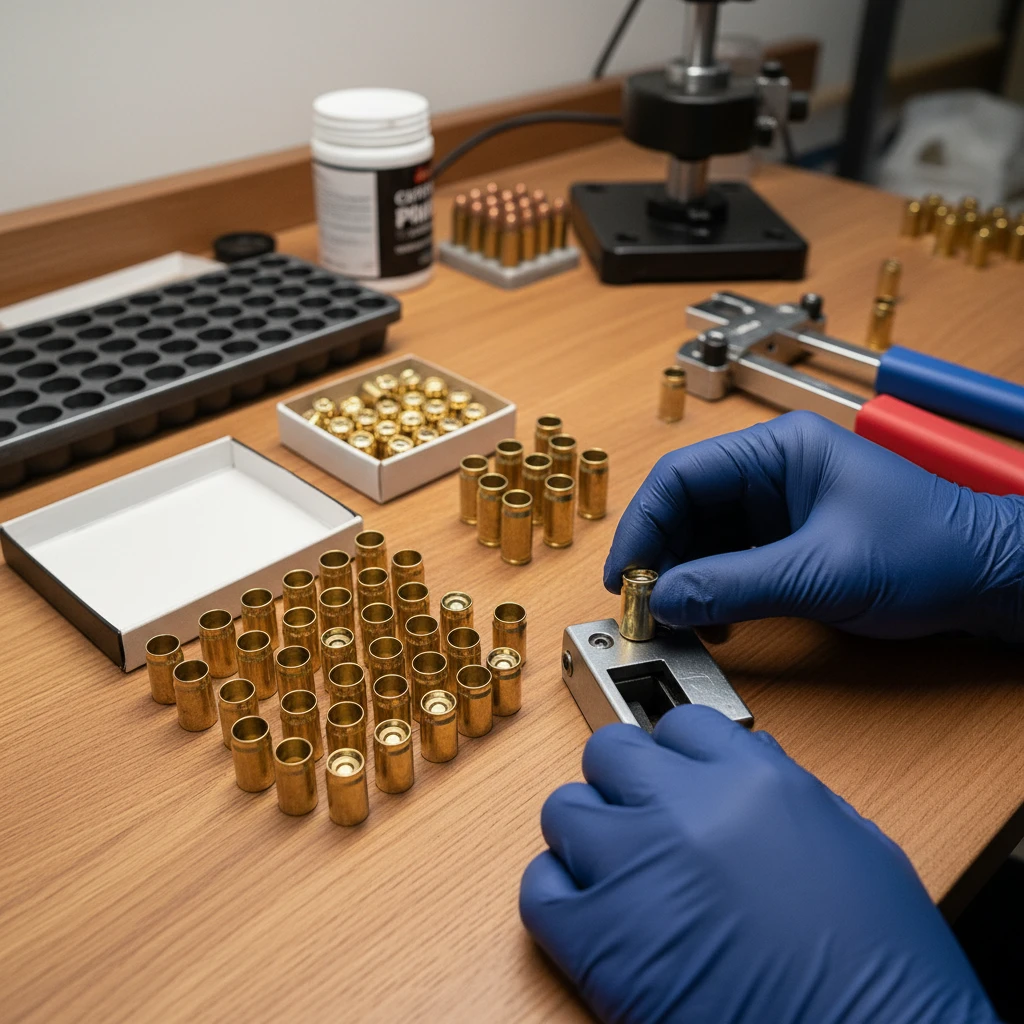
Reloading Primers: Unlocking Ignition Consistency
The seemingly small primer at the base of a cartridge is often overlooked, yet it’s the critical initiator that transforms a carefully assembled piece of ammunition into a functional round. Without a perfectly executed primer ignition, even the most meticulously loaded handgun ammo, rimfire ammo, or rifle ammunition remains inert. Understanding its role and selecting the right type is paramount for any reloader aiming for peak performance and reliability.
This foundational component determines the very success of a shot. Factors ranging from its internal composition to the force of the firing pin strike play a significant role. This section delves into the intricacies of primers, exploring how their selection and quality directly influence the consistency and overall shooting experience, from bench rest accuracy to reliable field performance.
The Unseen Heroes of Every Shot: Why Primer Choice Matters
The primer, a small but vital component, is the spark that ignites the entire combustion process within a cartridge. It’s a miniature self-contained explosive device designed to detonate reliably when struck by a firing pin. This initial detonation creates a small flame that, in turn, ignites the main propellant charge of smokeless gunpowder. The type and quality of the primer directly influence the speed and consistency of this initial ignition, which has a cascading effect on the entire firing sequence. A consistent primer ignition means a consistent start to the powder burn, leading to more predictable muzzle velocities and improved accuracy. Conversely, inconsistent ignition can result in flyers, erratic extreme spreads, and a general lack of precision, regardless of how well the rest of the cartridge was assembled. For precision rifle shooters and competitive marksmen, primer consistency is often considered as crucial as the choice of powder or bullet selection when striving for minimal shot-to-shot variation.
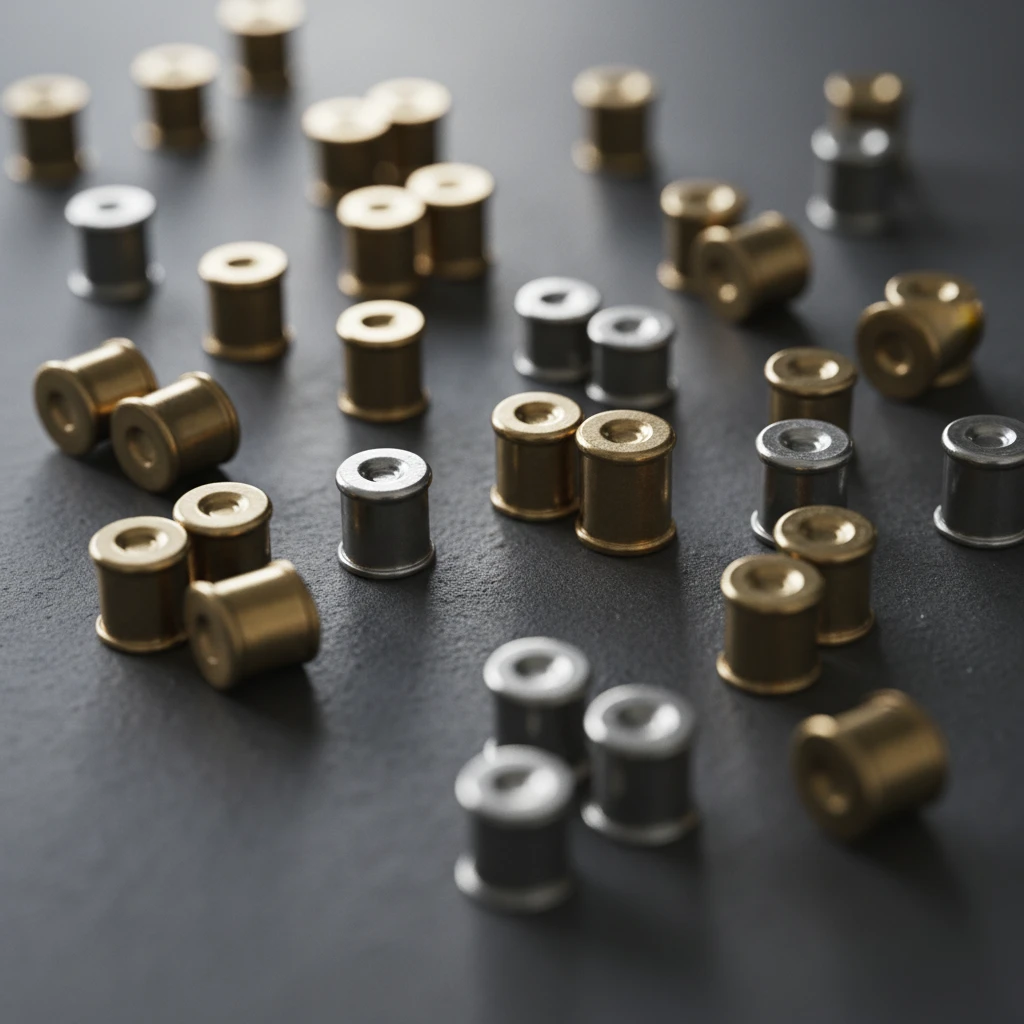
The Science Behind a Successful Firing Pin Strike
The reliable function of a primer hinges on a precise chain of events initiated by the firing pin. When the trigger is pulled, the firing pin is driven forward with a specific amount of energy. This energy is transferred to the primer cup, compressing the sensitive explosive compound within. The critical factor here is not just the impact, but the *energy* and *depth* of that impact. Each primer type is engineered to detonate when subjected to a certain threshold of force and penetration. Some firearm actions deliver a stronger strike than others, and this can influence primer choice. For instance, firearms with weaker firing pin springs or those designed for military surplus ammunition might require primers known for their sensitivity. Conversely, heavy-duty firing pins or those that penetrate deeply might necessitate a more robust primer to prevent accidental discharge or slam-firing. Understanding the energy dynamics of your specific firearm’s firing pin mechanism is key to selecting a primer that will reliably ignite without causing excessive wear or unintended detonations. Manufacturers often provide specifications on the required firing pin impact energy for their primers, but practical experience and careful observation during reloading are invaluable.
How Primer Quality Directly Impacts Your Shooting Experience
The quality of a primer extends beyond mere reliability; it profoundly influences the entire shooting experience. High-quality primers are manufactured to exacting standards, ensuring uniform consistency in their explosive compound and precise cup dimensions. This uniformity translates directly to predictable ignition times and flame temperatures. When primers are inconsistent, you might encounter issues like hangfires (a delayed ignition), misfires (no ignition), or wildly varying velocities. For a hunter relying on a precise shot at a critical moment, a hangfire can mean a missed opportunity. For a competitive shooter, even a few feet per second of velocity variation can push shots off the target. Beyond performance, primer quality also relates to safety and shelf life. Reputable manufacturers employ rigorous quality control to ensure their primers are stable and have a long shelf life when stored properly. Inferior primers can be more susceptible to environmental factors, degrading over time and becoming unreliable, or worse, dangerously volatile. Choosing reputable brands like Federal, CCI, or Winchester is an investment in both consistent performance and peace of mind. Investing in quality primers is a fundamental step towards achieving predictable and satisfying results from your reloaded ammunition.
Decoding Primer Types: Small Rifle vs. Large Rifle and Beyond
The world of rifle primers is broadly categorized by size and intended application: small rifle and large rifle primers. However, the distinctions go deeper than just diameter. Small rifle primers are typically used in cartridges with less powder capacity, such as .223 Remington/5.56x45mm NATO, .204 Ruger, and .17 Remington. Their smaller size allows for tighter tolerances in bolt-action receivers and bolt faces, contributing to overall cartridge accuracy. Large rifle primers, as the name suggests, are found in cartridges that utilize significantly more propellant, like the .30-06 Springfield, .308 Winchester, .300 Winchester Magnum, and many other magnum calibers. These primers have a slightly thicker cup to withstand the higher pressures generated by larger powder charges and are designed to produce a more substantial flame to ensure complete ignition of the increased propellant. The internal composition of both small and large rifle primers is engineered to provide a specific burn rate and flame temperature, crucial for optimizing the burn characteristics of the corresponding smokeless powder charge and achieving desired ballistic performance. The choice between them is not arbitrary; it’s dictated by the specific cartridge’s design and pressure requirements.
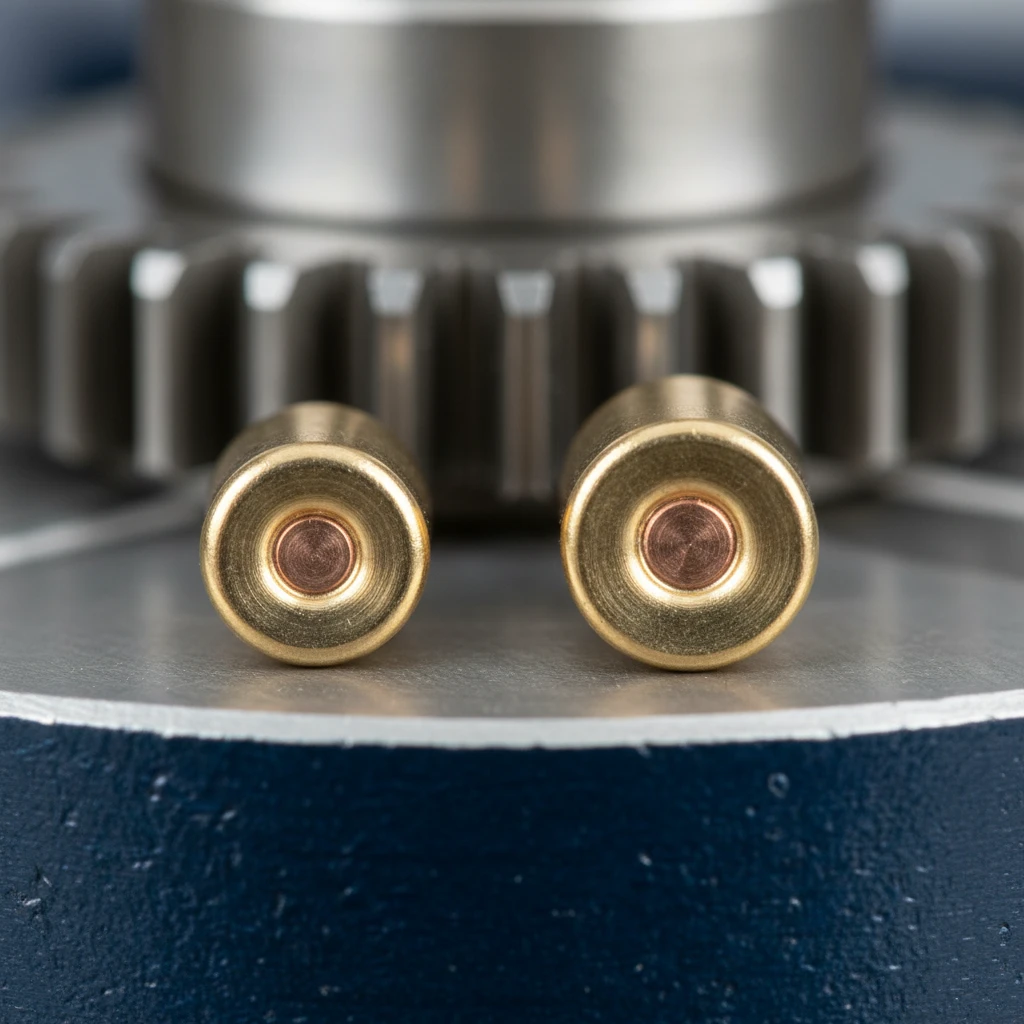
Key Differences in Primer Dimensions and Composition
While both small and large rifle primers initiate combustion, their physical dimensions and internal makeup are tailored for distinct purposes. The most obvious difference is diameter: small rifle primers typically measure 0.175 inches (4.45 mm) across the top, while large rifle primers are larger, at 0.210 inches (5.33 mm). This dimensional difference is critical; using the wrong size primer can lead to severe safety issues. A primer that is too small for a large rifle primer pocket can become dislodged under pressure, causing malfunctions or even damage to the firearm. Conversely, a large primer in a small pocket will not seat correctly, preventing the firing pin from making proper contact and leading to misfires. Beyond size, the thickness of the primer cup varies. Large rifle primers generally have a thicker cup to withstand the higher pressures associated with larger propellant charges. Internally, the priming compound itself can differ subtly in its sensitivity and the heat/duration of the flame produced. Some reloaders experiment with different primer brands within the correct size category to find those that offer the most consistent ignition for their specific rifle and smokeless gun powder load. This pursuit of extreme consistency is a hallmark of competitive precision shooting.
Matching Primer Size to Your Cartridge: A Critical Checklist
Selecting the correct primer size for your rifle ammunition reloading project is non-negotiable for safety and performance. The primary decision point is dictated by the cartridge specification itself. For example, the widely popular .223 Remington and its military counterpart 5.56 NATO universally use small rifle primers. Cartridges like the .308 Winchester, .30-06 Springfield, and magnum calibers such as the .300 Win Mag and .338 Lapua Magnum all require large rifle primers. Always consult a reliable reloading manual, such as those published by Hodgdon, Lyman, or Sierra, or refer to the manufacturer’s specifications for the cartridge you are loading. Another critical consideration is the primer pocket diameter in your cartridge cases. While most cartridges conform to industry standards, some wildcat cartridges or specific firearm designs might have non-standard primer pockets. Some manufacturers, like Lapua, produce cases with slightly tighter primer pockets than others, which can influence primer seating feel. A good rule of thumb is that a primer should seat with a slight press fit, requiring some force but not excessive hammering, and it should sit flush or slightly below the case head. If a primer seats too easily, it might be too small for the pocket. If it requires extreme force, it might be too large. Always verify your case’s primer pocket dimensions if you are unsure, especially when using brass from various sources or for non-standard cartridges.
When to Consider Magnum Primers for Your Rifle Ammo
Magnum primers, available in both small and large rifle variants, are specifically designed to provide a hotter, longer-burning flame compared to standard primers. This enhanced ignition capability is crucial for efficiently igniting larger charges of slow-burning smokeless gunpowder typically found in magnum cartridges or when using certain types of powders in standard cartridges. For instance, loading heavily compressed charges of slow-burning powders in a .300 Winchester Magnum or a .338 Remington Ultra Magnum almost always necessitates the use of magnum primers to ensure complete and rapid powder ignition. Without this hotter flame, slow-burning powders may not ignite fully, leading to inconsistent velocities, reduced accuracy, and potential pressure anomalies. Additionally, magnum primers can be beneficial in extremely cold weather conditions, as low temperatures can slow down powder ignition. The hotter flame from a magnum primer can help overcome this, ensuring more consistent performance in frigid environments. However, it’s crucial to understand that magnum primers produce more initial pressure. Reloaders must consult reliable reloading data specific to magnum primers and their chosen powder and bullet combination. Increasing powder charges when switching to a magnum primer without adjusting the data can lead to dangerously high pressures. Always start with reduced loads and work up cautiously when using magnum primers.
Handgun Primers: The Foundation for Reliable Pistol Performance
Much like their rifle counterparts, handgun primers are the unsung heroes behind every shot fired from a pistol or revolver. Their primary function is to reliably initiate the combustion of smokeless gunpowder when struck by the firearm’s firing pin or hammer. The choice of primer significantly impacts the consistency and reliability of your reloaded handgun ammunition. Factors such as primer sensitivity, flame temperature, and primer cup strength are carefully considered by manufacturers to suit the diverse range of handgun cartridges and firearm actions. For instance, semi-automatic pistols, with their positive firing pin block mechanisms and often lighter hammers, may benefit from more sensitive primers. Revolvers, on the other hand, might have heavier hammers and can tolerate a wider range of primer sensitivities. The goal for any handloader is to achieve a consistent and complete burn of the propellant for predictable velocities, which is the bedrock of accurate shooting. Whether you are loading for target practice, self-defense, or competitive shooting, selecting the correct primer is a fundamental step towards ensuring your ammunition performs as expected, every single time.
Small Pistol vs. Large Pistol Primers: Applications and Differences
The handgun primer landscape is primarily divided into two main categories: small pistol and large pistol primers. The distinction is based on the diameter of the primer pocket in the cartridge case. Small pistol primers, measuring 0.175 inches (4.45 mm) in diameter, are used in many popular cartridges such as the 9mm Luger, .380 ACP, .40 S&W (though some .40 S&W cases use large pistol primers), and .45 ACP. Large pistol primers, with a diameter of 0.210 inches (5.33 mm), are used in larger capacity cartridges like the .44 Magnum, .357 Magnum, .45 Colt, and .41 Magnum. Beyond the physical size difference, there can be subtle variations in their internal composition and flame characteristics, though these are generally less pronounced than the differences between rifle and pistol primers. The crucial point for handloaders is to match the primer size to the cartridge case’s primer pocket. Using a large pistol primer in a case designed for a small pistol primer is impossible, and attempting to force it could damage the case or firearm. Conversely, a small pistol primer might not fully fill a large pistol primer pocket, potentially leading to ignition issues or a primer backing out under pressure. Always refer to reliable reloading data and ensure your cases are sorted correctly by primer pocket size.
The Impact of Primer Sensitivity on Semi-Auto vs. Revolver Performance
Primer sensitivity refers to the amount of force and depth of impact required for a primer to detonate reliably. This characteristic can have a noticeable impact on performance differences between semi-automatic pistols and revolvers. Semi-automatic firearms typically employ a spring-loaded firing pin that strikes the primer with a certain force and duration. Some designs, especially those with robust firing pin blocks or transfer bars, might require primers with slightly higher sensitivity to ensure consistent ignition. If a semi-auto has a weak hammer strike or the firing pin is too short, standard primers might yield a higher rate of misfires. Revolvers, on the other hand, often have heavier hammers and can generate more impact energy, making them generally more forgiving with primer types. However, even in revolvers, primer sensitivity can matter. For instance, competition shooters aiming for the absolute tightest groups might choose primers known for their consistent ignition characteristics, regardless of whether they are loading for a semi-auto or a revolver. Over-penetration by a firing pin can also be an issue, particularly in revolvers where a long pin might hit the case rim or the face of the cylinder. In such cases, a primer with a slightly thicker cup might be preferable. Ultimately, understanding the nuances of your specific firearm’s ignition system is key to selecting the most suitable primer for reliable performance.
Selecting the Right Primers for Your Handgun Ammo Reloading Projects
Choosing the correct primers for your handgun ammunition reloading projects involves several key considerations beyond just matching the size (small pistol vs. large pistol). First and foremost, always consult reputable reloading manuals or manufacturer data specific to the cartridge you are loading. These resources will specify whether a standard or magnum primer is recommended. Magnum primers are generally used for larger powder charges or slow-burning powders in larger capacity handgun cartridges like the .44 Magnum or .357 Magnum, ensuring complete ignition. Standard primers are sufficient for the vast majority of common handgun cartridges like 9mm, .45 ACP, and .38 Special. Another factor is primer sensitivity. While most major brands offer primers with relatively consistent sensitivity, some manufacturers might label certain lines as ” داغ ” (hotter) or “داغ تر” (hotter) for specific applications. If you are experiencing ignition issues with a particular firearm and load, experimenting with a different brand or a ” داغ ” primer might be beneficial. However, always be cautious: increasing primer energy too much can lead to excessive pressure, especially with smaller cartridges or lighter loads. Finally, consider the intended use of the ammunition. For self-defense or duty loads, absolute reliability is paramount, so sticking with well-known, quality brands like CCI, Federal, or Winchester is highly recommended. For pure target shooting, you might have a little more latitude to experiment with different primer types to optimize accuracy and consistency with your chosen handgun ammo. Always prioritize safety and consult up-to-date reloading data.
Rimfire Primers: Consistency in the Small Caliber World
The world of rimfire ammunition, particularly popular calibers like the .22 Long Rifle (.22 LR), relies on a fundamentally different ignition system than centerfire cartridges. Instead of a primer located in the center or base of the cartridge, rimfire primers utilize the rim of the case itself. This “rimfire” priming compound is spun into the hollow rim of the cartridge case. When the firing pin strikes the edge of the rim, it crushes the priming compound, initiating a flame that ignites the powder inside. The challenge with rimfire primers is achieving consistent ignition across millions of rounds produced annually for plinking, training, and competition. The sensitivity and uniformity of the priming compound within the rim are critical. A poorly struck or inconsistently filled rim can easily result in a misfire, a common frustration for .22 LR shooters. Reloading rimfire ammunition is a niche pursuit due to the difficulty and potential safety risks involved in safely handling the priming compound and the thin case walls. However, understanding how rimfire primers work is essential for appreciating the reliability challenges and the engineering that goes into mass-produced rimfire cartridges, ensuring that even the smallest calibers deliver dependable ignition for a satisfying shooting experience.
How Rimfire Primers Differ Fundamentally from Centerfire
The most striking difference between rimfire and centerfire primers lies in their location and construction. Centerfire primers, whether pistol, rifle, or shotgun, are distinct, self-contained metallic cups filled with priming compound and inserted into a dedicated pocket in the cartridge case head. This allows for a relatively controlled detonation and a flame directed into the main powder column. Rimfire primers, conversely, are not separate components. Instead, the priming compound is spun into the *hollow rim* of the cartridge case itself. When the firing pin strikes the edge of this rim, it crushes the compound, causing it to ignite and send a flame through a small vent hole into the main powder charge. This design makes rimfire cartridges inherently less expensive to manufacture but also presents challenges in achieving consistent ignition. Unlike centerfire primers, where the entire component can be manufactured to precise tolerances, the priming of a rimfire case is a more integrated process. Furthermore, the rim itself is softer and designed to deform upon firing, creating a gas seal. This fundamental difference in ignition method means that while both systems aim for reliable detonation, they achieve it through distinct physical mechanisms and manufacturing processes.
Achieving Reliable Ignition in .22 LR and Other Rimfire Cartridges
Consistent ignition in rimfire cartridges, especially the ubiquitous .22 Long Rifle, is a complex interplay of several factors. Firstly, the uniformity of the priming compound applied to the rim is paramount. Manufacturers strive for an even distribution and density of the priming mix to ensure that each strike yields a predictable flame. Secondly, the firing pin design and strike energy of the firearm are critical. A .22 LR firing pin needs to strike the rim with sufficient force and at the correct angle to reliably detonate the priming compound. Firing pins that are worn, bent, or improperly aligned can lead to increased misfires. The depth of the firing pin strike also plays a role; too shallow, and it won’t crush the compound effectively; too deep, and it might pierce the case or cause unintended pressure issues. Thirdly, the condition of the cartridge case rim itself matters. Damage, corrosion, or deformation of the rim can impede proper firing pin contact. For reloaders of rimfire, meticulous attention to detail is required. This includes ensuring cases are clean, undamaged, and that any reseating of the priming compound is done with extreme care and consistency. The practice of “rimfire reloading” itself is advanced, as it involves handling potentially volatile priming compounds and requires specialized knowledge and equipment to do safely and effectively, often focusing on single-shot actions where ignition consistency can be more readily controlled.
Factors Affecting Rimfire Primer Performance and Shelf Life
Like all pyrotechnic compounds, the priming mixture in rimfire cartridges is susceptible to environmental factors that can degrade its performance and shorten its shelf life. Moisture is the primary enemy of rimfire primers. If rimfire ammunition is stored in humid conditions, the priming compound can absorb moisture, rendering it inert and leading to misfires. For this reason, storing rimfire ammunition in a cool, dry place, ideally in sealed containers or with desiccant packs, is highly recommended. Extreme temperatures can also affect primer performance, though typically less dramatically than moisture. Very high heat can potentially degrade the compounds over long periods, while extremely cold temperatures can slightly reduce the sensitivity of the priming mixture, potentially leading to more misfires in freezing conditions. Physical damage to the rim is another significant factor. Dents, cracks, or excessive wear on the rim can compromise the primer’s ability to be struck effectively by the firing pin or can lead to gas leakage upon firing. For reloaders, ensuring that any repriming compound is fresh and properly applied, and that the cases are handled gently to avoid rim damage, is crucial for maintaining reliable ignition and extending the functional life of the ammunition.
The Smokescreen Effect: How Primer Choice Interacts with Smokeless Gun Powder
The ignition of smokeless gun powder is a complex chemical reaction, and the primer serves as the initial spark. Understanding this relationship is paramount for any reloader aiming for consistent performance. The primer’s primary function is to generate a hot, reliable flame that initiates the main powder charge. However, not all primers are created equal, and their interaction with different smokeless gun powder types can significantly influence the resulting pressure and velocity. This interaction is often referred to as the “smokescreen effect” because a suboptimal primer choice can obscure the true potential of your carefully selected powder, leading to inconsistent ignition and erratic shooting characteristics. The amount of heat and the duration of the flame produced by a primer are critical factors. Different smokeless powders require varying amounts of energy to ignite efficiently. A primer that is too weak may result in a slow or incomplete burn, while one that is excessively powerful can lead to pressure spikes, especially in smaller capacity cartridges. This delicate balance dictates the performance of your reloaded ammunition.
Understanding Primer Sensitivity and Its Effect on Powder Ignition
Primer sensitivity refers to the amount of impact or friction required to detonate the primer’s priming compound. This sensitivity is directly linked to the primer’s ability to reliably ignite the powder charge. A primer that is too insensitive might require a stronger firing pin strike than a firearm can consistently deliver, leading to misfires. Conversely, a highly sensitive primer can be a safety hazard if it detonates from incidental shock or friction during the reloading process. The flame produced by the primer is also a crucial variable. Different primer manufacturers use slightly different chemical formulations, resulting in primers that burn hotter or cooler, and for longer or shorter durations. This flame characteristic must be matched to the ignition requirements of the specific smokeless gun powder being used. For instance, faster-burning powders, often used in handgun cartridges, may ignite readily with a standard primer flame. However, slower-burning powders, commonly found in rifle cartridges, might require a more energetic and sustained flame from a magnum primer to ensure complete and consistent ignition. Ignoring this interplay can lead to significant variations in muzzle velocity and extreme spread, directly impacting accuracy. Reloaders must consider primer sensitivity as a critical component in achieving predictable ignition.
Standard vs. Magnum Primers: When to Overcome Powder Hesitation
The distinction between standard and magnum primers is primarily their energetic output. Standard primers are designed to ignite most common propellant charges effectively. However, certain applications demand more ignition energy. Magnum primers, whether for handgun or rifle loads, produce a hotter and often longer-lasting flame. This increased energy is particularly beneficial when working with larger powder charges or slower-burning smokeless powders that are more difficult to ignite. For example, in large-capacity rifle cartridges like the .300 Winchester Magnum or the .338 Lapua Magnum, a standard primer might struggle to ignite the substantial powder column consistently. Using a magnum primer in these instances ensures a more complete and rapid burn, leading to increased velocity and reduced extreme spreads. Similarly, some high-performance handgun loads utilizing bulky or slow-burning powders may also benefit from magnum primers. However, it’s crucial to avoid using magnum primers in cartridges or loads where a standard primer is sufficient. Over-priming can lead to dangerously high pressure spikes, a phenomenon known as “over-pressure,” which can damage firearms and pose a significant safety risk. Always consult reloading data for specific recommendations on primer types.
Optimizing Your Load: Matching Primers to Specific Smokeless Gun Powder Types
Selecting the correct primer is a nuanced aspect of handloading that directly impacts the performance of your ammunition, especially when paired with specific smokeless gun powder types. Different powders have varying ignition characteristics. Some powders, like those found in fast-burning pistol loads, ignite readily with the flame from a standard primer. Others, particularly slower-burning rifle powders designed for high velocity, may require the enhanced energy of a magnum primer. Reloading manuals and manufacturer data are invaluable resources here, often specifying recommended primer types for particular loads. For instance, a load using Hodgdon Varget, a popular slow-burning rifle powder, might be best served by a magnum rifle primer to ensure full ignition of the charge. Conversely, a load using Alliant Unique for a .45 ACP might perform optimally with a standard large pistol primer. Mismatched combinations can lead to issues like bullet-seeding variability due to incomplete powder burn, resulting in inconsistent velocities and poor accuracy. Reloaders should meticulously follow established guidelines and understand that the primer is not a one-size-fits-all component; it is an integral part of the complete ignition system for their chosen smokeless powder.
Beyond the Brand: Quality Indicators of Reloading Primers
While major manufacturers produce reliable primers, discerning quality goes beyond simply choosing a well-known brand. The physical characteristics and performance consistency of individual primers are paramount for successful reloading. A primer’s quality is judged by its uniformity in dimensions, sensitivity, and the reliability of its ignition. For instance, consistent primer cup thickness ensures that the primer seats uniformly in the primer pocket, preventing high primers that can cause slam-fires or low primers that may not detonate reliably. Furthermore, the priming compound within the cup must be formulated and loaded with precision to deliver a predictable and repeatable flame. Any variations in sensitivity or flame output from one primer to the next can introduce variability into your ammunition’s performance, negating the efforts made in precision powder measurement and bullet seating. Understanding what to look for in a quality primer can elevate your reloading results from satisfactory to exceptional. This meticulous attention to detail in primer manufacturing is what separates high-quality components from those that might introduce undue variables into your loads.
Consistency in Primer Cup Thickness and Depth
The physical dimensions of a reloading primer are critical for both safety and performance. A key indicator of quality is the consistency in primer cup thickness. When reloading, primers are seated into a pocket at the base of the cartridge case. If primer cups vary in thickness, some primers will seat deeper than others. A primer that is seated too deep can result in a weak or failed ignition, as the firing pin may not strike it with sufficient force. Conversely, a primer that protrudes too far from the case head is a significant safety hazard. Such a “high primer” can be struck by the bolt face of a semi-automatic or bolt-action firearm prematurely, leading to an unintended discharge (slam-fire) or even firearm damage. Similarly, the depth of the priming compound fill within the cup must be uniform. Inconsistent fill can lead to variations in the primer’s flame output, affecting powder ignition. High-quality primers are manufactured to extremely tight tolerances, ensuring that each primer is virtually identical in dimensions and material composition, thereby promoting reliable and safe firearm operation. This uniformity is a hallmark of superior manufacturing processes. A reloader can visually inspect primers for any obvious defects, such as dents or deformities in the cup, which could indicate damage or manufacturing flaws.
Assessing Primer Sensitivity and Predictability
Beyond the physical dimensions, the internal composition and resultant sensitivity of a primer are crucial for consistent ignition. Primer sensitivity refers to the amount of impact energy required to detonate the priming compound. While most firearm firing pins are designed to deliver sufficient energy, variations in sensitivity can still lead to performance issues. A primer that is too insensitive might require a particularly sharp strike, which can be inconsistent across different firearms or even within the same firearm over time, leading to misfires. On the other hand, a primer that is excessively sensitive can pose a safety risk during handling and loading, potentially detonating from accidental drops or friction. Manufacturers strive for a predictable sensitivity range for each primer type. For reloaders, this translates to predictable ignition. When choosing primers, particularly for critical applications like competitive shooting or hunting where reliability is paramount, opting for brands known for their consistent primer sensitivity is advisable. Reloading manuals often provide guidance, and experienced reloaders may develop preferences based on their specific firearms and reloading practices. A primer’s predictability also extends to its flame characteristics – the temperature and duration of the flame it produces. These factors must be matched to the specific smokeless gun powder being used to ensure optimal and consistent powder ignition.
The Importance of Proper Storage for Primer Longevity
Primers are sensitive components that require careful storage to maintain their reliability and longevity. Exposure to moisture, extreme temperatures, and solvents can degrade the priming compound, rendering the primers inert or unpredictable. The most significant enemy of primer integrity is moisture. Even slight humidity can find its way into the primer cup over time, compromising the chemical stability of the priming compound. This is why storing primers in their original, sealed packaging is crucial. These packages are designed to offer a barrier against environmental contaminants. Additionally, primers should be stored in a cool, dry place, away from direct sunlight and heat sources. Fluctuations in temperature can also affect primer stability. Improper storage can lead to a higher incidence of misfires and inconsistent ignition, regardless of how carefully the ammunition is loaded. For long-term storage, consider using dedicated ammo cans or airtight containers, perhaps with desiccant packs to absorb any residual moisture. Never store primers loose in a container, as this increases the risk of physical damage and exposure. Adhering to these simple storage practices will ensure that your primers remain in optimal condition, ready to provide reliable ignition when you need them.
Common Pitfalls When Selecting and Handling Primers
Reloading primers are the heart of ignition, and their selection and handling are critical areas where mistakes can have serious consequences. The most common pitfalls revolve around misunderstanding primer types, improper storage, and unsafe handling practices. These errors can lead to a range of issues, from frustrating misfires that disrupt shooting sessions to dangerous over-pressure events that can damage firearms or injure the shooter. A thorough understanding of primer specifications and safe handling protocols is essential for any reloader, regardless of experience level. For instance, mistakenly using a small pistol primer in a cartridge designed for a large pistol primer is not just an oversight; it can lead to a failure to ignite or, in some cases, a dangerous pressure issue. Similarly, failing to store primers in a climate-controlled environment can render an entire batch unusable. The goal of reloading is precision and consistency, and primers play an indispensable role in achieving that. Avoiding these common mistakes ensures that your reloaded ammunition is both reliable and safe to shoot.
The Dangers of Mismatched Primer Types and Cartridge Cases
One of the most critical errors a reloader can make is using the wrong type of primer for a specific cartridge case. Primers are manufactured in various sizes, such as small pistol, large pistol, small rifle, and large rifle, with further distinctions for magnum and standard loads. Cartridge cases are designed with specific primer pocket dimensions to match these primer types. For example, a 9mm Luger case uses a small pistol primer, while a .45 ACP case uses a large pistol primer. A .223 Remington rifle case uses a small rifle primer, and a .30-06 Springfield often uses a large rifle primer. Using a primer that is too small for the pocket can lead to the primer being loose, potentially causing slam-fires or failing to ignite. Conversely, using a primer that is too large will not seat properly and can cause immense difficulty when seating, risking damage to the primer or case, and potentially leading to a case head separation or even firearm damage. Furthermore, using a magnum primer when a standard primer is specified for a particular load can result in dangerously high pressure spikes due to the hotter, more energetic flame. Always verify the correct primer type for your cartridge and specific load data before beginning any reloading session.
Preventing Accidental Detonation: Safe Handling and Storage Practices
Primers, by their nature, contain explosive compounds and require careful handling to prevent accidental detonation. The primary principle is to treat every primer as if it were live and potentially unstable. Safe handling practices begin with never storing primers in bulk or loose in a container where they can rub against each other or other metal objects. Always keep them in their original packaging, which is designed to prevent friction and impact. When transferring primers to a loading block or primer feed system, do so carefully, avoiding dropping or jarring them. Never smoke or have an open flame near primers. The priming compound is sensitive to heat and flame. Storage is equally critical. Primers should be kept in a cool, dry environment, away from direct sunlight and sources of heat or sparks. Excessive heat can degrade the priming compound, while moisture can render it inert. Specialized ammo storage cans or fire-resistant safes are ideal for storing larger quantities. If a primer does accidentally detonate, it is typically a sharp report but rarely causes significant damage on its own. However, this can startle a reloader, potentially leading to other unsafe actions or damage to equipment. Following these fundamental safety protocols significantly minimizes the risk of accidents.
Recognizing and Rectifying Primer-Related Misfires
Primer-related misfires are a common frustration for reloaders, but understanding their causes can help in their rectification. A misfire occurs when a cartridge fails to fire when the trigger is pulled. If the firearm functions correctly with factory ammunition, the issue likely lies with the reloaded cartridge, and often, it points to a primer problem. Common causes include a high primer, where the primer isn’t seated fully into the case, preventing the firing pin from striking it with adequate force. This can also happen if the primer pocket is excessively dirty or has residue buildup. Another cause is a dud primer, which is a primer that has lost its potency due to age, improper storage, or a manufacturing defect. This can be recognized if the firing pin strikes the primer, but there is no ignition. To rectify a high primer, the cartridge must be safely de-primed and the primer pocket cleaned or the primer re-seated to the correct depth. For dud primers, the cartridge must be safely disassembled to recover the powder and bullet, and the primer discarded according to safe disposal methods. Always ensure your firearm’s firing pin is in good condition; a worn or bent firing pin can also lead to light strikes and misfires, mimicking primer issues.
Building Your Next Rifle Ammo Load: Primer Considerations for Accuracy
For those engaged in precision shooting, whether for competition or long-range hunting, the selection of primers is not a minor detail but a crucial factor influencing accuracy. The goal of precision reloading is to create ammunition where every component works in harmony to produce consistent results. Primers are the initial spark in this process, and their uniformity directly impacts the reliability and consistency of powder ignition. Inconsistent ignition leads to variations in muzzle velocity, which in turn translates to unpredictable bullet trajectory and wider shot groups. Therefore, choosing primers known for their high degree of uniformity in sensitivity, flame output, and physical dimensions is paramount for achieving tight groups and predictable performance downrange. Reloaders targeting accuracy must move beyond simply picking a primer that fits and delve into understanding how each primer contributes to the overall performance of their meticulously crafted rifle ammo loads.
Precision Reloading: The Role of Primer Uniformity in Tight Groups
In precision reloading, where the goal is to achieve extremely tight shot groups, every component’s consistency is scrutinized. Primers are no exception. The role of primer uniformity in achieving accuracy cannot be overstated. When a primer consistently ignites the powder charge with the same force and flame temperature every time, the resulting powder burn is also uniform. This leads to predictable muzzle velocities, which are essential for consistent bullet trajectory. Variations in primer sensitivity or the amount of priming compound can lead to inconsistent burn rates. For example, a batch of primers with slightly less sensitive compound might require a stronger firing pin strike to detonate, and if the firearm’s firing pin energy isn’t constant, this can lead to differing ignition points. Conversely, primers with slight variations in cup thickness can lead to inconsistent seating depths, affecting the primer’s performance. High-quality primers are manufactured to incredibly tight tolerances, ensuring that each primer delivers the same ignition energy. This uniformity is what allows precision reloaders to minimize variables and achieve the consistent performance needed for sub-MOA accuracy. The use of specialized tools like primer pocket uniformers can further enhance consistency by ensuring all primers are seated to an identical depth.
Choosing the Right Primer for Long-Range Accuracy Demands
Achieving exceptional accuracy at long ranges requires meticulous attention to detail, and primer selection plays a significant role. For extended distances, even minute variations in muzzle velocity can cause substantial deviations in bullet impact. Slow-burning powders, commonly used in long-range cartridges, demand a primer that can reliably and completely ignite the entire powder charge. This often means opting for magnum rifle primers, even in cartridges that might function with standard primers, to ensure the most consistent and efficient burn. The hotter, more sustained flame of a magnum primer helps to overcome the inertia of igniting a larger volume of slower-burning propellant. However, it’s crucial to consult reputable reloading data. Some modern powder formulations are designed for easier ignition with standard primers, and using a magnum primer in such cases might lead to excessive pressure. Additionally, the uniformity of the primer itself is critical. For extreme accuracy, reloaders often select primers from the same lot number and brand known for their consistent sensitivity and flame characteristics. This focus on primer consistency helps to minimize velocity spreads, ensuring that each shot follows the same ballistic path. Ultimately, the goal is to remove as many variables as possible, and the primer is a key component in achieving this for demanding long-range applications.
Case Studies: How Primer Selection Influenced Rifle Ammo Performance
Example 1: Extreme Spread Reduction
A competitive shooter using a .308 Winchester rifle was experiencing an average extreme spread of 55 feet per second (fps) in their reloaded ammunition, impacting their ability to shoot tight groups at 600 yards. After meticulously testing different batches of primers from various manufacturers, they found that switching to a premium brand of magnum rifle primers consistently reduced their extreme spread to an average of 25 fps. This improvement in velocity consistency directly translated to tighter groups on paper. The rifle’s propellant was a slow-burning type that had previously been ignited with standard primers; the hotter flame from the magnum primers ensured a more complete and uniform powder burn.
Example 2: Misfire Elimination in Cold Weather
A hunter in Canada reported occasional misfires during late-season hunts when temperatures dropped significantly below freezing. Their rifle and ammunition were loaded with standard rifle primers. Analysis suggested that the cold was reducing the effectiveness of the standard priming compound. By switching to a rifle primer specifically formulated for cold-weather reliability, the hunter eliminated misfires. These primers often have modified chemical compositions designed to ignite more reliably at lower temperatures. This demonstrates how environmental factors can influence the performance of primer choice, making selection critical for reliability in adverse conditions.
Shotgun Shell Reloading: Primers for Power and Pattern
For shotgun shell reloading, the primer is the initial spark that ignites the propellant, and its consistent performance is paramount for achieving predictable results downrange. Unlike rifle or handgun reloading, shotgun shells often utilize larger volumes of powder and a different type of ignition system. Selecting the correct primer ensures that the burn rate is appropriate for the intended load, influencing everything from muzzle velocity to shot pattern density. Mismatched primers can lead to erratic ignition, reduced ballistic efficiency, and even dangerous pressure spikes, underscoring the importance of careful selection. Understanding the nuances of shotgun primers, including their types and how they interact with various propellants, is fundamental to successful and safe shotgun ammunition reloading.
The goal when reloading shotgun shells is to replicate or even improve upon the performance of factory loads. This requires a deep understanding of how each component contributes to the overall functionality of the shell. Primers, specifically, are designed with varying sensitivities and explosive compounds to initiate combustion effectively within the confines of the shotgun shell. Factors like shot volume, powder charge, and the intended use—whether for clay sports like skeet and trap or for hunting specific game—will dictate the ideal primer choice. Modern reloading data often specifies the type of primer recommended for a given load to ensure safe operating pressures and consistent velocities. For those new to shotgun reloading, consulting reputable reloading manuals and manufacturer guidelines is a non-negotiable first step to avoid potentially hazardous outcomes.
Understanding Shotgun Primer Sizes: 209 Primers and Their Equivalents
The vast majority of modern shotshell reloading revolves around the ubiquitous 209 primer. This standard-sized primer is designed to fit a wide array of shotshell hulls and is known for its reliable ignition and relative robustness. However, the term “209” is more of a size and type designation than a single product. Different manufacturers produce 209 primers that can vary subtly in their priming compound and sensitivity. While most modern reloading data is designed to work with any standard 209 primer, experienced reloaders sometimes note performance differences between brands, especially when pushing the limits of pressure or using highly specialized powder blends. It’s crucial to recognize that while a 209 primer will physically fit most shotshells, its internal composition can subtly influence ignition characteristics. For instance, some powders may ignite more readily with a slightly hotter 209 primer, while others might require a standard or even a slightly less sensitive one to prevent over-pressure issues. Always adhere to load data that specifies primer type; using a primer not recommended by the data can alter pressure significantly.
While 209 primers dominate the shotshell market, understanding their role within the broader primer landscape is beneficial. There are specialized primers for different firearm types (e.g., small pistol, large pistol, small rifle, large rifle), and these are absolutely not interchangeable with 209 primers due to significant differences in size, power, and intended application. The 209 primer’s dimensions and explosive charge are specifically engineered for the higher volumes and specific burn characteristics required in shotshells. When you encounter load data for shotshells, it will almost universally call for a 209. If you are reloading for firearms that use different primer types, such as handguns or rifles, it is imperative to use the correct primer designation for those cartridges. Mixing primer types or attempting to substitute them is a direct path to reloading failure and potential firearm damage.
The Impact of Primer Strength on Burn Rates in Shotgun Loads
The strength of a primer, often referred to as its sensitivity or the power of its explosive charge, plays a critical role in how quickly and completely smokeless powder ignites within a shotshell. A primer that is too weak might result in a slow or incomplete burn, leading to reduced velocity, inconsistent shot patterns, and potentially even a “hang fire” condition where ignition is delayed. Conversely, a primer that is too strong can cause the powder to ignite too rapidly, leading to a sudden and potentially dangerous pressure spike. This can manifest as blown primers, excessive recoil, or in severe cases, damage to the firearm. The interplay between primer strength and powder burn rate is complex and is a key consideration in developing or following reloading data. For shotshells, especially those loaded with faster-burning powders, a standard 209 primer is often sufficient. However, for slower-burning magnum powders or when reloading in colder weather conditions which can reduce powder efficiency, a slightly hotter or more sensitive primer might be recommended by reloading data to ensure reliable ignition.
Reloading data from reputable sources accounts for these variables and specifies the appropriate primer type. When deviating from recommended data, understanding the consequences of changing primer strength is essential. For example, if a load recipe calls for a standard 209 primer and you substitute a magnum primer (which are typically just hotter versions of the 209), you are effectively increasing the ignition energy. This can lead to higher peak pressures, even if the powder charge remains the same. Similarly, using a primer from a different manufacturer than what the data was tested with, if that primer is known to be significantly more or less sensitive, can also alter performance. Always prioritize consistency by using the recommended primer type for a given load. If you are working with unique load combinations or experiencing unusual performance, consulting resources on powder burn rates and primer characteristics can provide valuable insight.
Reloading Shotgun Ammo: Tips for Consistent Ignition and Performance
Achieving consistent ignition and reliable performance in reloaded shotgun ammunition begins with meticulous attention to detail. Before you even begin loading, ensure your components are in good condition. Primers should be free from damage and stored correctly to maintain their integrity. When seating primers, they should be flush or slightly below the hull’s base. Primers that protrude can interfere with the firing pin, leading to misfires, while primers seated too deeply can sometimes cause ignition issues or even contribute to pressure problems. Use a good quality priming tool that provides consistent seating depth for every primer. For high-volume reloading, especially for common target loads, investing in a progressive shotshell reloader can significantly enhance consistency and efficiency, provided it is properly adjusted and maintained. Regular cleaning and calibration of your reloading press are crucial for uniform results.
When selecting your smokeless powder, consult reloading guides that specifically match powders to your intended application and gauge. Powders have different burn rates and bulk densities, and using a powder not recommended for a particular load can lead to inconsistent results or unsafe pressures. For example, using a powder designed for fast-burning pistol loads in a shotshell application would likely result in erratic ignition and poor performance. Always follow published reloading data precisely. Minor adjustments to powder charges should only be made by experienced reloaders after thorough research and with extreme caution. For consistent performance, try to source your powder from the same lot number, as minor variations can occur between production runs. This attention to detail across all components—primers, powder, wads, and projectiles—will pay dividends in the reliability and performance of your finished shotgun shells.
Ensuring a Shelf-Stable Supply: Storing Your Primers for the Long Haul
Proper storage of primers is not merely a matter of convenience; it is critical for maintaining their reliability and ensuring safe reloading practices. Primers are sensitive energetic materials, and their performance can degrade significantly if exposed to unfavorable environmental conditions. The primary enemies of primers are moisture, extreme temperatures, and physical shock. Even minute amounts of moisture absorbed by the priming compound can render them inert or lead to inconsistent ignition, turning a potentially successful reloading session into a frustrating series of misfires. Similarly, storing primers in excessively hot environments, such as a vehicle trunk in summer or a poorly ventilated shed, can accelerate the degradation of the chemical compounds within, reducing their sensitivity and overall lifespan. A cool, dry place is universally recommended for primer storage.
The goal is to preserve the primer’s intended sensitivity and explosive potential. This means creating an environment that minimizes exposure to factors that can chemically alter or physically damage the priming compound. While primers are manufactured to be durable, they are not indestructible. Understanding what conditions degrade them allows for proactive measures to be taken, ensuring that your investment in reloading components remains viable for as long as possible. For reloaders in diverse climates, particularly those experiencing high humidity or significant temperature fluctuations, the choice of storage location and container becomes even more important. Investing in a quality storage solution is a small price to pay for the assurance of reliable ignition when you need it most.
Environmental Factors Affecting Primer Degradation
Several environmental factors can accelerate the degradation of primers, compromising their ability to reliably ignite gunpowder. Moisture is arguably the most significant culprit. Priming compounds are hygroscopic, meaning they readily absorb water from the air. Even a small amount of absorbed moisture can interfere with the chemical reactions necessary for ignition, leading to sluggish ignition or complete failure. High humidity environments, poorly sealed containers, or accidental exposure to water can all introduce moisture. Temperature extremes also play a crucial role. Prolonged exposure to high heat can cause the chemical stabilizers within the priming compound to break down, reducing the primer’s sensitivity and lifespan. Conversely, while extreme cold doesn’t typically degrade primers chemically, it can affect the consistency of ignition, especially when combined with other factors. Physical shock, such as dropping a container of primers, can also cause internal damage or dislodge components, potentially leading to unpredictable performance or even accidental ignition.
Understanding these degradation pathways is essential for selecting the appropriate storage methods. For instance, in regions prone to high humidity, using desiccants within primer storage containers can help mitigate moisture absorption. Similarly, avoiding storage areas that experience drastic temperature swings, like uninsulated garages or sheds, is paramount. Many reloaders opt for dedicated storage solutions within their homes, such as climate-controlled cabinets or sturdy footlockers in basements, which tend to offer more stable temperature and humidity levels. Consider the material of your storage container as well; some plastics can leach chemicals or be permeable to moisture over time. Metal ammo cans, when properly sealed and potentially paired with desiccants, often provide a robust barrier against environmental contaminants.
Best Practices for Airtight and Moisture-Free Storage
To ensure the longevity and reliability of your primers, implementing airtight and moisture-free storage practices is non-negotiable. The most straightforward method for achieving this is by utilizing original manufacturer packaging, which is typically designed to offer a degree of protection. However, for long-term storage or in high-humidity environments, enhancing this protection is advisable. Invest in quality, sealable containers such as robust plastic ammo cans with rubber gasket seals or metal ammunition storage boxes. These containers provide a physical barrier against dust, dirt, and moisture. Within these containers, consider incorporating desiccant packs (e.g., silica gel) to actively absorb any residual moisture that may be present.
When storing primers, place them in their original trays and boxes within these larger containers. Avoid loosely piling primers, as this increases the risk of damage and makes them harder to handle. It’s also wise to label your containers clearly with the type and quantity of primers stored, as well as the date of acquisition. Regularly inspect your stored primers and desiccants; desiccant packs can become saturated and will need to be dried out or replaced. For extremely sensitive environments, consider using vacuum-sealed bags as an additional layer of protection before placing them into a more robust container. Consistency in handling and storage is key; treat primers with care, as they are sensitive energetic materials and their integrity is paramount for safe and effective reloading. Adhering to these practices will significantly extend the usable life of your primer supply.
The Role of Original Packaging in Maintaining Primer Integrity
The original packaging in which primers are sold plays a foundational role in their initial protection and long-term viability. Manufacturers design these boxes and trays with specific considerations for the sensitive nature of primers. Typically, primers are housed in plastic or cardboard trays that hold them securely in place, preventing them from rubbing against each other. This is crucial because friction can potentially lead to accidental ignition or damage the delicate priming compound. The outer boxes themselves are usually made of sturdy cardboard or plastic, providing a degree of protection against minor physical impacts and helping to maintain a relatively controlled internal environment. This packaging is engineered to offer a baseline level of defense against contaminants and minor environmental fluctuations during transport and initial storage.
However, for reloaders aiming for extended storage periods, especially in less-than-ideal conditions, relying solely on original packaging might not be sufficient. While it provides an excellent starting point, primers stored for years, or those in areas with high humidity or extreme temperature swings, can still degrade. Therefore, the original packaging should ideally be supplemented with superior storage solutions. For instance, placing the factory-sealed primer boxes into a larger, airtight, and moisture-proof container like a gasketed ammo can, often with added desiccant packs, provides a multi-layered defense. This approach ensures that even if the outer container is compromised or the environment is challenging, the primers remain as protected as possible. Never discard the original trays, as they are designed to keep individual primers safely separated and oriented correctly.
Properly storing your reloading components, especially primers, is an investment in future shooting success. By understanding what environmental factors can affect them and employing diligent storage practices, you can ensure that your primers remain reliable and ready for use whenever you embark on your next reloading project. This meticulous approach contributes not only to consistent ignition but also to the overall safety and satisfaction of your reloading endeavors.
About author


Add comment