

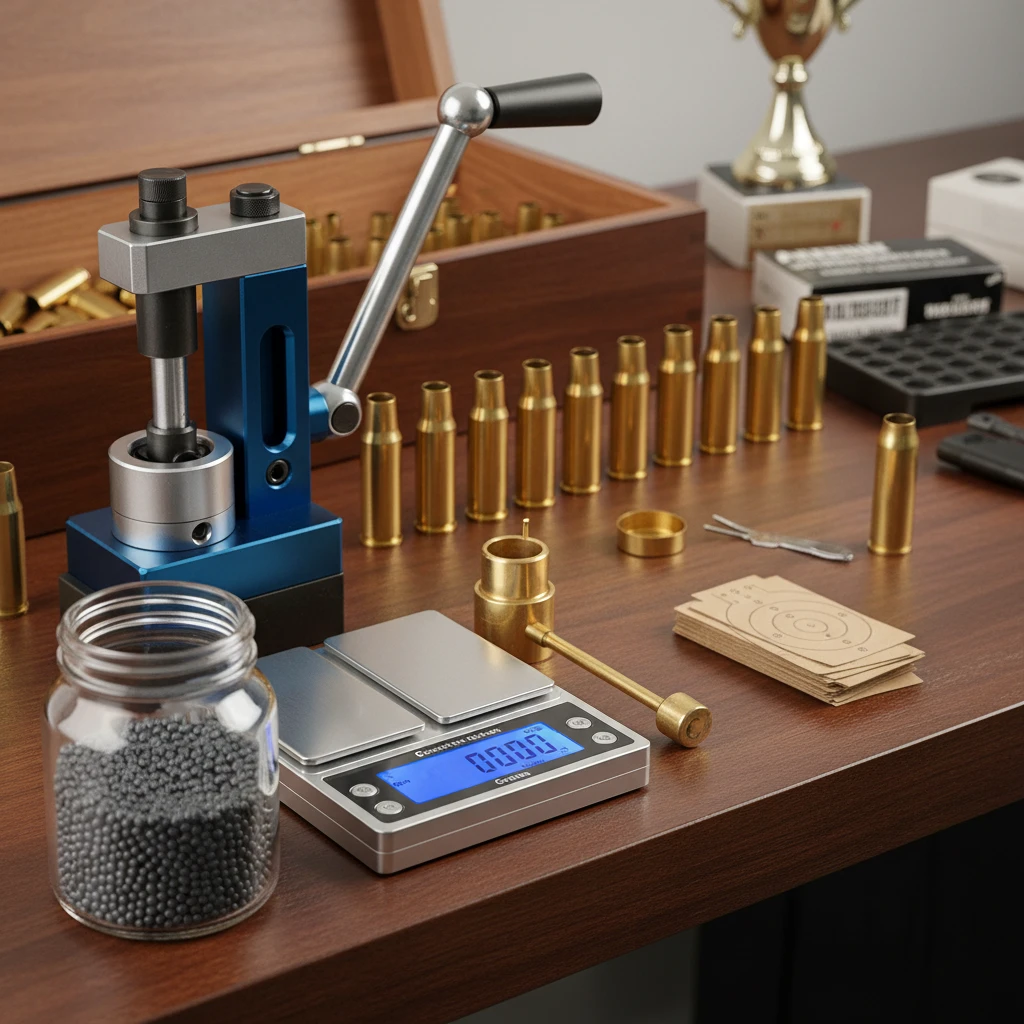
Smokeless Gun Powder: Precision Reloading for Match Shooting
For match shooters, the quest for ultimate accuracy is relentless. Every variable, from rifle selection to shooting technique, is meticulously scrutinized. Among these factors, the choice of smokeless gun powder stands out as a cornerstone of precision reloading. The right powder, carefully selected and consistently metered, can be the difference between a respectable score and a podium finish.
This article delves into the crucial role of smokeless gun powder in achieving sub-MOA accuracy for match shooting. We’ll explore the different types of powders available, the key characteristics that affect performance, and the techniques required to achieve consistent and accurate loads. Whether you’re a seasoned reloader or just starting out, understanding these principles will elevate your match shooting to the next level. This is especially relevant considering the ever-evolving world of reloading, as discussed in articles about advanced load development strategies.
Achieving Sub-MOA Accuracy: The Critical Role of Smokeless Gun Powder in Match Shooting (2026 Update)
Why Precision Reloading Matters for Competitive Shooters
In competitive shooting, fractions of an inch can determine the winner. While a high-quality firearm and skilled marksmanship are essential, precision reloading is the key to unlocking the rifle’s full potential. Ammunition that is consistently loaded translates directly into tighter groupings on the target. This means every component, from the bullet and case to the primer and, crucially, the smokeless gun powder, must be carefully selected and handled.
Understanding the Impact of Powder Consistency on Group Size
Variations in powder charge weight or density directly influence the bullet’s velocity. Inconsistent velocities lead to vertical stringing on the target, increasing group size. Even slight differences in velocity from shot to shot become amplified at longer ranges, causing significant dispersion. Therefore, maintaining a consistent powder charge is non-negotiable for sub-MOA accuracy. Factors like powder granulation, humidity, and even the way the powder settles in the case can affect consistency, requiring diligent attention to detail during the reloading process. Also, if you are having ignition problems, you can diagnose them through the primers; more information can be found on this page.
The Goal: Consistent Velocity, Tight Groups
The ultimate goal of precision reloading with smokeless gun powder is to achieve minimal velocity variation between shots. This is often measured as Standard Deviation (SD) and Extreme Spread (ES). Lower SD and ES values indicate greater consistency, leading to tighter groups. To achieve this, meticulous attention must be paid to every step of the reloading process, from powder selection and weighing to seating depth and crimping. While some variations are inevitable, understanding the factors that influence velocity and implementing best practices can significantly reduce inconsistencies. The article dedicated to accurate load data for your caliber goes hand in hand with this goal.
Decoding Smokeless Gun Powder: A Primer for Reloaders
Single-Base vs. Double-Base vs. Triple-Base Powders: What’s the Difference?
Smokeless gun powders are categorized primarily by their chemical composition. Single-base powders consist primarily of nitrocellulose. They are generally considered to burn cooler and cleaner but may produce lower velocities for a given charge weight. Double-base powders incorporate both nitrocellulose and nitroglycerin, resulting in higher energy content and potentially higher velocities. However, they can also be more sensitive to temperature variations. Triple-base powders, containing nitrocellulose, nitroglycerin, and nitroguanidine, are typically used in large-caliber military applications due to their reduced flame temperature and flash signature. The choice depends on the specific cartridge and desired performance characteristics, balancing velocity, temperature sensitivity, and fouling.
Granule Shape and Its Effect on Metering: Flake, Ball, and Stick
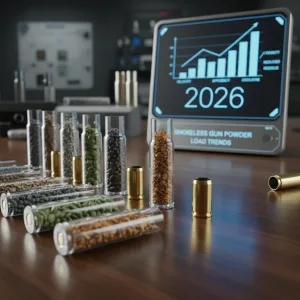
The physical form of smokeless gun powder, specifically the granule shape, significantly impacts its metering properties. Flake powders, characterized by their flat, irregular shape, can provide consistent ignition but may not meter as smoothly as other types. Ball powders, also known as spherical powders, are small, round granules that flow easily through powder measures, offering excellent metering consistency, especially in automated systems. Stick powders, or extruded powders, consist of small cylindrical granules. These are often favored for rifle cartridges due to their progressive burning characteristics and ability to produce high velocities with good accuracy, but they may require more precise metering techniques. The ideal shape depends on the powder measure being used and the desired level of metering precision.
Understanding Burn Rate Charts and Their Significance
A burn rate chart provides a relative ranking of different smokeless gun powders based on how quickly they combust. This is a crucial tool for reloaders as it helps in selecting a powder that is appropriate for the specific cartridge, bullet weight, and desired velocity. A faster-burning powder is typically used for lighter bullets and smaller case capacities, while a slower-burning powder is better suited for heavier bullets and larger case capacities. Selecting a powder with an inappropriate burn rate can lead to unsafe pressure levels or inefficient combustion. Consulting burn rate charts and reputable reloading manuals is essential for safe and accurate load development. For more information on understanding burn rate, you can reference this page.
Selecting the Right Smokeless Gun Powder for Your Match Rifle or Handgun Ammo
Considerations for Rifle Cartridges: .223, .308, 6.5 Creedmoor
For rifle cartridges like the .223 Remington, .308 Winchester, and 6.5 Creedmoor, the choice of smokeless gun powder depends on several factors, including the bullet weight, barrel length, and desired velocity. Generally, stick powders are preferred for these calibers due to their consistent performance and ability to achieve high velocities with good accuracy. For the .223, powders like Hodgdon Varget or IMR 4895 are popular choices. The .308 Winchester often performs well with powders like IMR 4064 or Accurate 4064. The 6.5 Creedmoor, known for its long-range capabilities, typically benefits from slower-burning powders like Hodgdon H4350 or Reloder 16. Accurate load data should always be consulted to ensure safe and optimal performance. You can find more on this topic by searching for an article about smokeless gun powder best calibers for reloading.
Considerations for Handgun Cartridges: 9mm, .45 ACP, .38 Special
Handgun cartridges such as 9mm, .45 ACP, and .38 Special require different considerations when selecting smokeless gun powder. Faster-burning powders are typically used in these calibers due to their shorter barrel lengths and smaller case capacities. For the 9mm, powders like Hodgdon Titegroup or Winchester AutoComp are often preferred. The .45 ACP, known for its moderate velocity and heavy bullet weight, often performs well with powders like Accurate No. 5 or Alliant Unique. The .38 Special, a versatile cartridge, can be loaded with a variety of powders, including Alliant Bullseye or Accurate No. 2. Again, always consult reliable load data to ensure safety and achieve the desired performance characteristics. Remember to use suitable reloading primers for your handgun; further details are available in an article about reloading secrets.
Matching Powder to Bullet Weight and Case Capacity
The selection of smokeless gun powder must be carefully matched to the bullet weight and case capacity of the cartridge. Lighter bullets and smaller case capacities generally require faster-burning powders to ensure complete combustion and efficient energy transfer. Conversely, heavier bullets and larger case capacities typically benefit from slower-burning powders, allowing for a more progressive pressure curve and higher velocities without exceeding safe pressure limits. Consulting reputable reloading manuals and online resources is crucial for determining the appropriate powder charge for a given bullet weight and cartridge. Always start with the minimum recommended load and gradually increase the charge weight while monitoring for signs of excessive pressure, such as flattened primers or difficult extraction.
Precision Reloading Techniques: Metering and Weighing Smokeless Gun Powder Accurately
Choosing the Right Powder Measure: Manual vs. Electronic
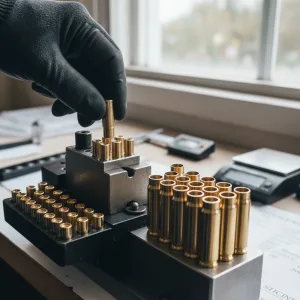
Accurate powder metering is critical for consistent ammunition performance. There are two primary types of powder measures: manual and electronic. Manual powder measures, typically using a rotating drum or cylinder, are relatively inexpensive and reliable but require practice and technique to achieve consistent charges. Electronic powder measures offer greater precision and convenience, automatically dispensing powder to a pre-set weight. However, they can be more expensive and may require calibration and maintenance to ensure accuracy. The choice depends on the desired level of precision, budget, and reloading volume. Electronic measures are generally preferred for high-volume reloading and achieving the utmost consistency, while manual measures can be a good option for occasional reloaders who prioritize simplicity and cost-effectiveness.
Calibration and Verification of Your Scale: Ensuring Accuracy
Regardless of whether you use a manual or electronic powder measure, a reliable scale is essential for verifying the accuracy of your powder charges. Scales should be calibrated regularly using certified calibration weights to ensure they are measuring accurately. Electronic scales are particularly susceptible to drift and should be calibrated before each reloading session. Even manual beam scales should be checked periodically to ensure they are zeroed correctly. In addition to calibration, it’s crucial to verify the scale’s accuracy by weighing known weights and comparing the measured values to the certified weights. Any discrepancies should be investigated and corrected before proceeding with reloading.
Trickling Powder for Precise Charges: A Step-by-Step Guide
For the most precise powder charges, especially when using a manual powder measure, trickling powder is a valuable technique. This involves dispensing a slightly underweight charge using the powder measure and then adding small amounts of powder, one granule at a time, using a powder trickler until the desired weight is reached. To do this effectively, start with a charge that is approximately 0.1-0.2 grains below the target weight. Position the powder trickler under the scale pan and gently turn the knob to dispense small amounts of powder. Watch the scale closely and stop when the desired weight is achieved. This method requires patience and attention to detail but can significantly improve the consistency of your powder charges.
Best Practices for Consistent Powder Drops
Achieving consistent powder drops involves several best practices. Ensure that your powder measure is clean and free of any oil or debris. Operate the powder measure smoothly and consistently, avoiding jerky movements that can affect the powder charge. Tap the powder measure gently after each drop to ensure all the powder is dispensed. Check the weight of every few charges to monitor for any variations. When using a manual powder measure, develop a consistent technique and rhythm. For electronic powder measures, ensure that the unit is properly calibrated and that the dispensing tube is free of any obstructions. By following these best practices, you can minimize variations in powder charges and achieve more consistent ammunition performance. For essential safety tips, you can read about smokeless gun powder safety.
Primer Seating Depth and Its Importance
Primer seating depth plays a critical role in consistent ignition and overall ammunition performance. Primers must be seated firmly and uniformly in the primer pocket to ensure reliable ignition of the powder charge. Improperly seated primers can cause a variety of problems, including misfires, hangfires, and inconsistent velocities. When seating primers, apply firm and consistent pressure until the primer is fully seated at the correct depth. Most reloading manuals recommend seating primers approximately 0.003-0.005 inches below the case head. This depth ensures that the primer anvil is firmly supported and that the firing pin has sufficient impact to ignite the priming compound. Always use a dedicated priming tool or press with a built-in priming system for accurate and consistent primer seating.
Bullet Selection and Seating Depth
Choosing the right bullet and seating it to the correct depth are essential for optimizing accuracy and performance. Bullet selection should be based on the intended use of the ammunition, the cartridge being loaded, and the rifle’s twist rate. Different bullet types, such as jacketed hollow points, soft points, and full metal jackets, are designed for specific purposes. Seating depth affects the internal ballistics of the cartridge, including pressure and velocity. Reloading manuals provide recommended seating depths for different bullet types and cartridges. It’s important to follow these recommendations to ensure safe and consistent performance. Adjusting the seating depth can fine-tune the ammunition’s accuracy and optimize its performance for a particular rifle. For example, exploring resources like Sierra Bullets can provide detailed information on bullet selection and seating depths.
Crimping: When and How to Apply It
Crimping is the process of securing the bullet in the case neck by applying pressure to the case mouth. Crimping is not always necessary but is recommended for certain types of ammunition, such as those used in semi-automatic rifles or those with heavy recoil. Crimping can prevent bullet setback, which is when the bullet moves deeper into the case during feeding or recoil. There are several types of crimps, including roll crimps and taper crimps. Roll crimps are typically used for revolver cartridges, while taper crimps are more common for semi-automatic pistol cartridges. When applying a crimp, it’s important to use the correct crimping die and to adjust it properly. Over-crimping can damage the bullet or case, while under-crimping may not provide sufficient bullet retention. A properly applied crimp will secure the bullet without deforming it or the case.
Powder Selection and Charge Weight
Selecting the appropriate powder and charge weight is critical for achieving the desired velocity and accuracy while maintaining safe pressure levels. Different powders have different burn rates, which affect the pressure curve and velocity of the bullet. Reloading manuals provide detailed information on suitable powders and charge weights for different cartridges and bullet types. It’s important to start with the minimum recommended charge weight and gradually increase it while monitoring for signs of excessive pressure, such as flattened primers or stiff bolt lift. Always use a reliable powder scale to measure powder charges accurately. A consistent powder charge is essential for consistent velocity and accuracy. Temperature sensitivity is another factor to consider when selecting a powder, as some powders are more affected by temperature changes than others. Selecting a powder with low temperature sensitivity can help ensure consistent performance in varying weather conditions. Always consult reputable sources like Hodgdon Powder for comprehensive data on powder selection and charge weights.
The Importance of Primers in the Ignition Process: Complementing Your Smokeless Powder Choice
The primer’s role in the ignition process cannot be overstated. It’s the initial spark that sets off the chain reaction, igniting the smokeless gun powder and propelling the bullet. Therefore, selecting the right primer is crucial for consistent and reliable performance. A primer that’s too weak might result in a squib load or inconsistent ignition, while one that’s too hot can lead to premature pressure spikes. This delicate balance is why understanding primer characteristics and matching them to your powder and cartridge is essential for precision reloading.
Understanding Primer Types: Small Rifle, Large Rifle, Small Pistol, Large Pistol
Primers are broadly categorized into four main types: small rifle, large rifle, small pistol, and large pistol. Each type has specific dimensions and power levels to match different cartridge sizes and powder charges. Small rifle primers are generally used in cartridges like the .223 Remington and 5.56 NATO, while large rifle primers are common in .308 Winchester and .30-06 Springfield. Pistol primers follow a similar size-based distinction, with small pistol primers used in 9mm and .38 Special, and large pistol primers in .45 ACP. Some variations exist, such as magnum primers, which provide a hotter spark for hard-to-ignite powders or cold-weather conditions. Knowing the correct primer type for your specific cartridge is a fundamental aspect of safe and effective reloading. You can also find useful information on diagnosing common ignition problems with reloading primers here.
Selecting the Right Primer for Your Cartridge and Powder Combination
Choosing the correct primer involves considering several factors, including the cartridge type, powder burn rate, and environmental conditions. Always consult reputable reloading manuals for recommended primer choices for your specific load data. For slow-burning powders, a magnum primer might be necessary to ensure complete and consistent ignition, especially in colder climates. Conversely, using a magnum primer with a fast-burning powder could lead to excessive pressure. Some reloaders also experiment with different primer brands to find the one that yields the best accuracy and consistency in their particular firearm. However, it’s vital to reduce your powder charge slightly when switching primer brands, as even subtle differences in primer strength can affect pressure levels. Selecting the appropriate primer, therefore, is not just about size but also about matching its energetic output to the propellant and cartridge. Failure to choose correctly can result in poor performance or unsafe pressures.
Primer Seating Depth: Achieving Consistent Ignition
Proper primer seating is essential for consistent ignition. If the primer is not fully seated, it may not detonate reliably, leading to misfires or hangfires. Furthermore, an improperly seated primer can create a dangerous situation if it detonates during the seating process. Aim for a primer that is seated slightly below the case head, typically around 0.003 to 0.005 inches. Use a quality priming tool that allows for precise and consistent seating depth. Avoid excessive force, which can damage the primer or the case. Inspect each primed case to ensure the primer is flush or slightly below the case head. Consistent primer seating is a key factor in achieving uniform ignition and minimizing variations in velocity and accuracy. This is especially important for achieving optimal performance with smokeless gun powder.
Considerations for Rimfire Ammo and Primers
Rimfire ammunition, such as .22 LR, uses a different ignition system than centerfire ammunition. Instead of a separate primer, the priming compound is located within the rim of the cartridge. Because of this integrated design, reloadability of rimfire cartridges is generally not practiced. While specialized tools exist to attempt rimfire reloading, the process is complex and often unreliable. The key to consistent performance with rimfire ammo lies in selecting high-quality ammunition and ensuring proper storage to prevent degradation of the priming compound. Understanding the limitations of rimfire reloading is crucial for safe and effective shooting, especially when participating in target practice, as discussed in this article about rimfire ammo and how it can improve your accuracy.
Safety First: Handling and Storing Smokeless Gun Powder Responsibly
Safe handling and storage of smokeless gun powder are paramount to prevent accidents and ensure the longevity of the powder. Smokeless powder is a flammable substance and should be treated with respect. Negligence in handling or storage can have severe consequences, including fires and explosions. Therefore, it is essential to adhere to strict safety protocols to protect yourself and those around you. Always consult the manufacturer’s guidelines and local regulations regarding the safe handling and storage of smokeless gun powder.
Safe Storage Practices: Temperature, Humidity, and Containers
The ideal storage environment for smokeless powder is cool, dry, and well-ventilated. Excessive heat and humidity can degrade the powder, altering its burn rate and potentially making it unstable. Store powder in its original container or in a specially designed, fire-resistant storage cabinet. Keep the containers tightly sealed to prevent moisture absorption. Avoid storing powder near sources of heat, such as furnaces or direct sunlight. The recommended storage temperature is typically below 70°F (21°C). Regularly inspect your powder for signs of degradation, such as a strong, acrid odor or clumping. Degraded powder should be disposed of properly and safely. Proper storage is not just a matter of preserving the powder’s performance; it’s a critical safety measure. You can refer to our essential guide for smokeless gun powder safety for more information.
Minimizing Static Electricity: Avoiding Accidental Ignition
Static electricity can pose a significant risk when handling smokeless powder. Static discharge can generate enough heat to ignite the powder, leading to a fire or explosion. To minimize this risk, avoid wearing synthetic clothing that can generate static electricity. Ground yourself before handling powder by touching a grounded metal object. Use powder measures and funnels made of non-static materials. When pouring powder, do so slowly and deliberately to avoid creating static build-up. Ensure your reloading bench is grounded to dissipate any static charge. Taking these precautions can significantly reduce the risk of accidental ignition due to static electricity.
Proper Disposal of Unwanted or Damaged Powder
If you have unwanted or damaged powder, it is essential to dispose of it properly and safely. Never pour powder down the drain or throw it in the trash. The safest method of disposal is to contact your local fire department or hazardous waste disposal facility for guidance. They can provide instructions on how to safely dispose of the powder in accordance with local regulations. Some manufacturers also offer disposal programs. Another option is to carefully burn the powder in a controlled environment, away from flammable materials and structures. Spread the powder thinly on the ground and ignite it from a safe distance. However, this method should only be used as a last resort and only after consulting with local authorities. Proper disposal is crucial to prevent accidents and protect the environment.
Staying Compliant with Regulations in Canada and the United States
Both Canada and the United States have regulations governing the purchase, storage, and transportation of smokeless gun powder. In the United States, the Bureau of Alcohol, Tobacco, Firearms and Explosives (ATF) regulates the sale and storage of explosives, including smokeless powder. Individual states may also have additional regulations. In Canada, the Explosives Act and Regulations govern the handling and storage of explosives. Familiarize yourself with the specific regulations in your area and ensure you are in compliance. These regulations typically limit the amount of powder you can store at your residence and specify requirements for storage containers and locations. Failure to comply with these regulations can result in fines and other penalties. Staying informed about the latest regulations is essential for responsible reloading.
Troubleshooting Common Reloading Issues: Identifying and Resolving Powder-Related Problems
Reloading ammunition offers many benefits, but it also requires careful attention to detail. Several issues can arise during the reloading process, and many of these are related to the smokeless gun powder. Identifying and resolving these issues promptly is crucial for ensuring safe and accurate shooting. Common problems include inconsistent velocity, poor grouping, and pressure signs. Understanding the potential causes of these problems and how to address them will improve your reloading skills and the quality of your ammunition.
Inconsistent Velocity: Identifying Potential Causes
Inconsistent velocity is a common sign of reloading issues. Several factors can contribute to velocity variations. Inconsistent powder charges are a primary culprit; ensure your powder measure is dispensing accurate and consistent charges. Variations in case volume can also affect velocity, so it’s essential to use cases from the same manufacturer and lot number. Primer seating depth, as previously discussed, plays a crucial role in consistent ignition. Inconsistent bullet seating depth can also affect velocity. Finally, variations in neck tension can impact how the bullet is released from the case, leading to velocity variations. By carefully controlling these factors, you can minimize velocity inconsistencies and improve the overall performance of your ammunition. You can read about troubleshooting common reloading issues caused by smokeless gun powder in this article.
Poor Grouping: Analyzing the Factors Involved
Poor grouping, or a lack of accuracy, can be frustrating for reloaders. While many factors can affect accuracy, several powder-related issues can contribute to poor grouping. Inconsistent powder charges can lead to variations in velocity and trajectory, resulting in wider groups. Using a powder with an inappropriate burn rate for your cartridge and bullet weight can also affect accuracy. Try experimenting with different powders to find the one that yields the best results in your firearm. Bullet selection is another critical factor; choose bullets that are known for their accuracy and consistency. Finally, proper case preparation, including trimming to consistent lengths and deburring the case mouths, can improve accuracy. Analyzing these factors can help you identify the cause of poor grouping and improve the accuracy of your reloads.
Pressure Signs: Recognizing and Responding to Overpressure
Recognizing pressure signs is crucial for safe reloading. Overpressure can damage your firearm and cause serious injury. Common pressure signs include flattened or cratered primers, difficult extraction of the spent case, and excessive recoil. If you observe any of these signs, immediately stop shooting and reduce your powder charge. Start by reducing the charge by 10% and work your way back up, carefully monitoring for pressure signs. Using the correct powder for your cartridge and bullet weight is essential to avoid overpressure. Always consult reputable reloading manuals for safe load data. If you are unsure about a particular load, err on the side of caution and reduce the powder charge. Safe reloading practices prioritize safety above all else. You can also consult resources like the SAAMI website for industry-standard pressure guidelines.
Understanding the Impact of Temperature Sensitivity
Temperature sensitivity refers to how a powder’s burn rate changes with temperature fluctuations. Some powders are more temperature-sensitive than others, meaning their velocity and pressure can vary significantly depending on the ambient temperature. This can be a concern for shooters who reload in different climates or who shoot in varying weather conditions. If you reload in a hot environment and then shoot in a cold environment, or vice versa, you may notice a significant difference in your ammunition’s performance. To minimize the impact of temperature sensitivity, choose powders that are known for their temperature stability. These powders typically contain additives that help regulate their burn rate across a wider temperature range. When developing loads, test them in conditions that are similar to those in which you will be shooting. This will help you identify any potential temperature-related issues and make adjustments to your load accordingly.
Advanced Techniques: Fine-Tuning Your Smokeless Gun Powder Load for Optimal Performance
Once you’ve mastered the basics of reloading, you can explore advanced techniques to fine-tune your smokeless gun powder loads for optimal performance. These techniques involve careful experimentation and analysis to find the sweet spot for your rifle and cartridge combination. Ladder testing, chronographing, and analyzing pressure signs are essential tools for advanced load development.
Ladder Testing: Finding the Sweet Spot for Your Rifle
Ladder testing is a method used to determine the optimal powder charge for your rifle. It involves loading a series of cartridges with incrementally increasing powder charges, typically in 0.2 to 0.5 grain increments. Shoot these cartridges at a target at a known distance, such as 100 yards, aiming at the same point of aim. Analyze the resulting group sizes and vertical dispersion. The “sweet spot” is typically the powder charge that produces the tightest group and the least vertical dispersion. Start with a powder charge that is at least 10% below the maximum listed in your reloading manual and work your way up. Always monitor for pressure signs and stop increasing the charge if you observe any signs of overpressure. Ladder testing can be a time-consuming process, but it is an effective way to find the most accurate load for your rifle. Reloading secrets to maximize performance with primers can also give you added performance benefits. Learn more here.
Chronographing Your Loads: Measuring Velocity and Consistency
A chronograph is an essential tool for advanced load development. It measures the velocity of your bullets as they exit the muzzle, providing valuable data about the consistency and performance of your loads. When chronographing your loads, record the velocity of each shot, as well as the standard deviation (SD) and extreme spread (ES). A low SD and ES indicate that your loads are consistent and will likely produce better accuracy. Experiment with different powder charges, primers, and bullet seating depths to find the combination that yields the lowest SD and ES. Chronographing can also help you identify potential problems with your loads, such as inconsistent powder charges or primer seating. By carefully measuring and analyzing the velocity of your loads, you can fine-tune your reloading process for optimal performance. Check out some information on advanced load development strategies with smokeless gun powder here.
Analyzing Pressure Signs: Reading the Primer and Case Head
Analyzing pressure signs is an important part of advanced load development. By carefully examining the primers and case heads of your spent cases, you can gain insights into the pressure levels of your loads. Flattened primers, cratered primers, and ejector marks on the case head are all signs of excessive pressure. If you observe any of these signs, immediately stop shooting and reduce your powder charge. However, it’s important to note that some firearms may exhibit these signs even at moderate pressure levels. Therefore, it’s essential to compare your observations to known standards and consult reputable reloading manuals. Analyzing pressure signs is a valuable skill that can help you develop safe and accurate loads.
Product Spotlight: Top Smokeless Gun Powder Recommendations from Northern Reloading for Match Shooters
Detailed Reviews of Specific Powder Brands and Types (e.g., Hodgdon, IMR, Alliant)
Choosing the right smokeless gun powder is crucial for achieving optimal performance in match shooting. Several brands stand out for their consistency and reliability. Hodgdon powders, known for their clean burning and wide availability, are a popular choice among reloaders. For example, Hodgdon Varget is often favored for its temperature insensitivity, making it ideal for shooters competing in varied climates. Similarly, IMR powders, such as IMR 4064, offer excellent accuracy in a variety of rifle cartridges due to its consistent burn rate. Alliant powders, including Alliant Reloder 15, are another excellent option, known for their consistent performance and versatility across different calibers. Consider the specific caliber you are reloading for and consult reloading manuals for appropriate load data. Always start with the minimum recommended load and work up gradually, observing for any signs of excessive pressure.
When selecting a powder, consider factors such as burn rate, grain shape, and density. Slower burning powders are generally better suited for larger capacity cases and heavier bullets, while faster burning powders are more appropriate for smaller cases and lighter bullets. Grain shape, whether it be flake, ball, or extruded, can affect how well the powder meters through a powder measure. Density impacts how much powder can fit into a given case, which is especially important for achieving desired velocities. It’s also worth noting that some powders are more temperature sensitive than others; this means their performance can change significantly with variations in ambient temperature. Reloading data from reputable sources is invaluable in determining which powder will perform best in your firearm. For additional resources, consult reliable load data to determine the optimal powder for your caliber; we also provide guides on selecting the best powder for your caliber here.
Case Studies: Success Stories from Competitive Shooters Using Specific Powders
Competitive shooters often experiment with different powders to find the perfect load for their rifle. Example: A long-range shooter, competing in F-Class matches, found that switching to Hodgdon H4350 in their 6.5 Creedmoor rifle improved their group sizes at 1000 yards by 0.25 MOA. This was attributed to the powder’s exceptional lot-to-lot consistency and temperature stability. Another example involves a benchrest shooter using Alliant Reloder 15 in a .308 Winchester, who achieved consistent sub-1/4 MOA groups after fine-tuning their load. This shooter emphasized the importance of meticulous record-keeping and chronographing each load to identify the optimal powder charge. These real-world examples highlight the significant impact that powder selection can have on competitive performance. These shooters also note the importance of using quality primers to ensure consistent ignition. The key takeaway is that the “best” powder is highly dependent on the specific rifle, cartridge, and shooting discipline.
Availability and Shipping Considerations within Canada and the United States
The availability of smokeless gun powder can vary depending on your location in Canada or the United States due to differing regulations and shipping restrictions. It is crucial to check local laws and regulations before attempting to purchase or ship smokeless gun powder. Generally, smokeless gun powder is classified as a hazardous material and requires special handling and shipping procedures. Within Canada, you’ll need to ensure you are compliant with the Explosives Act and Regulations. Similarly, in the United States, you must adhere to federal and state regulations regarding the purchase and transportation of hazardous materials. Many retailers, including Northern Reloading, offer shipping of smokeless gun powder, but it’s essential to verify that they are licensed and authorized to ship to your location. Be prepared to provide necessary documentation, such as a valid firearms license or permit, and to pay additional shipping fees associated with hazardous materials transport. Always check the retailer’s shipping policies and contact them directly if you have any questions.
Beyond the Powder: Other Essential Reloading Components for Precision
Bullet Selection: Matching the Bullet to the Cartridge and Twist Rate
Choosing the right bullet is just as critical as selecting the appropriate powder. The bullet’s weight, shape, and construction must be compatible with the cartridge and the rifle’s twist rate. The twist rate, which is the rate at which the rifling in the barrel rotates the bullet, determines the optimal bullet length and weight for stabilization. A faster twist rate is typically required for heavier or longer bullets, while a slower twist rate is suitable for lighter or shorter bullets. For example, a 1:8 twist rate is commonly used for stabilizing heavier bullets in a .223 Remington, while a 1:12 twist rate is often used for lighter bullets. Incorrect bullet selection can lead to poor accuracy and even keyholing, where the bullet tumbles in flight instead of flying point-first. Consult bullet manufacturers’ recommendations and online calculators to determine the ideal bullet weight and length for your rifle’s twist rate.
The bullet’s intended use also plays a significant role in the selection process. Match bullets, designed for target shooting, typically feature a boat-tail design and are made to very tight tolerances for consistent ballistic performance. Hunting bullets, on the other hand, are designed for controlled expansion and deep penetration. Choose bullets that are specifically designed for the type of shooting you intend to do. Consider factors such as ballistic coefficient (BC), which measures the bullet’s ability to overcome air resistance, and sectional density (SD), which measures the bullet’s penetration potential. These factors, combined with proper powder selection and case preparation, are essential for achieving optimal accuracy and performance.
Case Preparation: Cleaning, Trimming, and Deburring
Proper case preparation is paramount for achieving consistent and accurate reloads. This process involves several steps, including cleaning, trimming, and deburring the cases. Cleaning removes dirt, grime, and any residue left over from previous firings, ensuring proper seating of the bullet and consistent powder ignition. Tumble the brass with appropriate media, or use an ultrasonic cleaner. Trimming ensures that all cases are the same length, which is crucial for consistent crimping and pressure development. Use a case trimmer to trim cases to the specified length according to reloading manuals. Deburring removes any burrs or sharp edges from the case mouth, which can damage the bullet during seating. Use a deburring tool to chamfer the inside and outside of the case mouth.
Primer pocket cleaning is another important aspect of case preparation. Over time, primer pockets can become fouled with carbon residue, which can affect primer seating and ignition. Use a primer pocket cleaning tool to remove any buildup. Annealing, a process of heating the case neck to relieve stress, can also improve case life and consistency, particularly for cases that have been reloaded multiple times. However, annealing must be done carefully to avoid weakening the case. By meticulously preparing your cases, you can ensure consistent performance and extend the life of your brass. Thorough case preparation directly translates to improved accuracy and reliability of your reloads.
Proper Crimp: Ensuring Consistent Bullet Retention
Applying the correct crimp is essential for ensuring consistent bullet retention and improving accuracy. A crimp secures the bullet in the case neck, preventing it from moving during handling or firing. The type of crimp required depends on the cartridge and the intended use. For example, revolver cartridges typically require a heavy roll crimp to prevent bullets from pulling out of the case under recoil. Semi-automatic pistol cartridges often benefit from a taper crimp, which removes any case mouth flare without excessively deforming the bullet. Rifle cartridges may require a light crimp to improve ignition consistency, especially with slower-burning powders. Over-crimping can damage the bullet and reduce accuracy, while under-crimping can lead to inconsistent bullet seating and potential feeding issues.
The amount of crimp should be carefully controlled and adjusted to achieve the desired bullet retention without causing excessive deformation. Use a quality crimping die and follow the manufacturer’s instructions. Measure the bullet seating depth before and after crimping to ensure that the bullet is not being pushed further into the case. Consistent crimping is a crucial step in the reloading process that directly impacts accuracy and reliability. The consistency of the crimp can be affected by variations in case length, highlighting the importance of trimming cases to a uniform length. By paying close attention to the crimping process, reloaders can achieve optimal performance and consistency in their ammunition. A proper crimp ensures consistent pressures, contributing to accuracy and reliability.
Staying Up-to-Date: Recent Advancements in Smokeless Gun Powder Technology (2026)
New Powder Formulations and Their Benefits
The field of smokeless gun powder technology is constantly evolving, with manufacturers continually developing new formulations to improve performance and address specific needs. Recent advancements include powders with enhanced temperature stability, cleaner burning characteristics, and improved energy density. These new formulations offer several benefits, including more consistent velocities across a wider range of temperatures, reduced fouling in the barrel, and higher velocities at lower pressures. Some manufacturers are also incorporating advanced additives to improve flow characteristics and reduce static electricity, leading to more consistent metering. Keep an eye out for these new powders, but always consult reputable reloading data and start with reduced loads when working with unfamiliar formulations.
Improved Metering and Consistency
One of the key areas of focus in smokeless gun powder development is improving metering consistency. Inconsistent powder charges can lead to significant variations in velocity and pressure, negatively impacting accuracy. To address this, manufacturers are using advanced manufacturing techniques to produce powders with more uniform grain size and shape. Some powders are also coated with special additives to improve flow characteristics and reduce bridging in powder measures. These advancements result in more consistent powder charges, leading to improved accuracy and reduced shot-to-shot variation. When selecting a powder, consider its metering characteristics and choose one that is known for its consistency.
Reduced Temperature Sensitivity
Temperature sensitivity has long been a challenge for reloaders, as changes in ambient temperature can significantly affect powder performance. Recent advancements in smokeless gun powder technology have led to the development of powders with significantly reduced temperature sensitivity. These powders maintain more consistent velocities and pressures across a wider range of temperatures, making them ideal for shooters who compete or hunt in varied climates. Temperature-insensitive powders typically contain special additives that stabilize the burning rate, preventing it from changing significantly with temperature fluctuations. When selecting a powder, consider its temperature sensitivity, especially if you shoot in extreme conditions.
Resources for Reloaders: Expanding Your Knowledge and Skills
Online Forums and Communities
Online forums and communities are invaluable resources for reloaders of all skill levels. These platforms provide a space for sharing information, asking questions, and learning from experienced reloaders. Many forums have dedicated sections for specific calibers, powders, and reloading techniques. Members often share load data, tips, and tricks that can help you improve your reloading skills and achieve better accuracy. Be sure to approach these sources critically, cross-referencing information and verifying data from multiple sources before implementing it in your own reloading process. It’s also a great way to stay up-to-date on the latest trends and advancements in reloading technology. Actively participating in these communities can significantly enhance your knowledge and skill set.
Reloading Manuals and Guides
Reloading manuals and guides are essential tools for any reloader. These comprehensive resources provide detailed load data, safety information, and step-by-step instructions for reloading various cartridges. Reputable reloading manuals, such as those from Hodgdon, Lyman, and Sierra, contain carefully researched and tested load data for a wide range of powders and bullets. Always consult multiple reloading manuals and compare the data before developing your own loads. Reloading manuals also provide valuable information on case preparation, primer selection, and crimping techniques. Additionally, reloading guides often include sections on troubleshooting common reloading issues and optimizing performance. Consider these manuals as your primary source of information and guidance.
Training Courses and Workshops
For those who are new to reloading or want to improve their skills, training courses and workshops can be extremely beneficial. These courses typically cover all aspects of the reloading process, from safety precautions to advanced load development techniques. Instructors often have years of experience and can provide personalized guidance and answer specific questions. Training courses can help you avoid common mistakes and develop safe and effective reloading practices. Many gun clubs and shooting ranges offer reloading courses, and some manufacturers also provide training programs. Investing in a quality reloading course can significantly enhance your knowledge and skills, leading to improved accuracy and safety.
Selecting the appropriate powder and mastering the art of reloading require diligence and a commitment to continuous learning. By focusing on the nuances of powder selection, staying informed about technological advancements, and leveraging available resources, match shooters can craft ammunition tailored to their specific needs, ultimately leading to improved performance on the range.
For a wide selection of smokeless gun powder and all your reloading needs, be sure to visit northernreloading.si. We offer high-quality products and expert advice to help you achieve precision in your reloading endeavors.
Advanced Reloading Techniques
Once you’ve mastered the basics of reloading, you can explore advanced techniques to further refine your ammunition and improve accuracy. These techniques involve a deeper understanding of internal ballistics, bullet seating depth, and powder charge optimization. Experimenting with different powder types and charge weights can help you find the sweet spot for your rifle or pistol. Advanced reloaders often use tools like chronographs to measure bullet velocity and analyze the performance of their loads. Additionally, techniques such as neck sizing, case annealing, and primer pocket uniforming can enhance consistency and extend the life of your brass. By mastering these advanced techniques, you can create truly custom ammunition that delivers exceptional performance.
Optimizing Bullet Seating Depth
Bullet seating depth plays a crucial role in accuracy, as it affects the internal ballistics of the cartridge. Experimenting with different seating depths can help you fine-tune your loads and find the optimal setting for your firearm. Some reloaders use a bullet comparator to measure the distance from the bullet ogive to the case head, ensuring consistent seating depths. Adjusting the seating depth can affect pressure, velocity, and overall accuracy. It’s essential to consult reloading manuals and use caution when experimenting with seating depths, as small changes can have a significant impact on performance. Consider conducting ladder tests to evaluate the effects of different seating depths on accuracy and velocity.
Understanding Internal Ballistics
A solid understanding of internal ballistics can provide valuable insights into the reloading process. Internal ballistics refers to the events that occur inside the firearm from the moment the primer is ignited until the bullet exits the barrel. Factors such as chamber pressure, burn rate, and bullet weight all influence internal ballistics. By understanding these factors, you can make more informed decisions about powder selection, bullet selection, and load development. Tools like ballistic software can help you model internal ballistics and predict the performance of your loads. A deeper understanding of internal ballistics can help you optimize your reloading process and achieve consistent and accurate results.
Safety Considerations for Reloading
Safety should always be your top priority when reloading ammunition. Reloading involves handling potentially hazardous materials such as primers and powders, so it’s crucial to follow safe practices to prevent accidents. Always wear safety glasses and gloves when reloading, and keep your work area clean and organized. Store primers and powders in a cool, dry place, away from heat and open flames. Never smoke or eat while reloading, and avoid distractions that could lead to mistakes. Always double-check your powder charges to ensure they are within safe limits, and never exceed the maximum loads listed in reloading manuals. Following these safety precautions will help you enjoy reloading safely and responsibly.
Safe Handling of Primers and Powders
Primers and powders are sensitive materials that require careful handling. Primers can detonate if subjected to impact or friction, so avoid dropping them or handling them roughly. Powders are flammable and can explode if exposed to heat or open flames, so store them in appropriate containers away from ignition sources. When dispensing powder, use a powder measure or scale to ensure accurate charges, and avoid creating static electricity that could ignite the powder. Never mix different types of powder, and dispose of old or damaged primers and powders properly according to local regulations. By following these guidelines, you can minimize the risk of accidents and ensure safe handling of primers and powders.
Proper Storage of Reloading Components
Proper storage of reloading components is essential for safety and longevity. Store primers in their original packaging or in primer storage boxes to protect them from moisture and impact. Store powders in airtight containers away from heat, direct sunlight, and humidity. Keep your reloading components separate from other chemicals or flammable materials. Clearly label all containers with the type and quantity of components they contain. Regularly inspect your reloading components for signs of deterioration or damage, and dispose of any components that are no longer safe to use. By following these storage guidelines, you can ensure the safety and reliability of your reloading components.

About author


One comment
Pingback:
Primer Types: Reloading for Precision - Northern Reloading