

2027: Top Reloading Component Choices
For the dedicated reloader, each component—from the primer to the powder and the bullet—plays a critical role in the final cartridge’s accuracy, reliability, and consistency. This guide delves into the key reloading components, providing insights and decision-making criteria to help you make the most informed choices for your specific shooting needs in the coming years.
Navigating the Evolving Landscape of Reloading Components in 2027
The reloading component market in 2027 is characterized by a dynamic interplay of tradition and innovation. Manufacturers are increasingly focused on material science advancements to enhance component longevity and performance under extreme conditions. Expect to see a continued emphasis on tighter manufacturing tolerances, leading to greater batch-to-batch consistency. This pursuit of precision is driven by the growing demand from competitive shooters and precision rifle enthusiasts who require every component to perform flawlessly. Furthermore, environmental considerations are subtly influencing product development, with some manufacturers exploring more sustainable sourcing and production methods. Staying informed about these shifts is crucial for optimizing your handloads.
The advent of new cartridge designs and the continued popularity of established ones necessitate a broad spectrum of components. Reloaders will find an expanding range of primers designed for specific ignition characteristics, smokeless powders offering tailored burn rates for diverse applications, and projectiles engineered for unparalleled ballistic efficiency. Understanding the nuances of these components and how they interact within a firearm is paramount. For instance, selecting the correct primer type can dramatically affect ignition consistency, which is a cornerstone of accurate rifle ammo and reliable handgun ammo. As always, consulting reliable reloading data and adhering strictly to safety guidelines remain non-negotiable aspects of the reloading process.
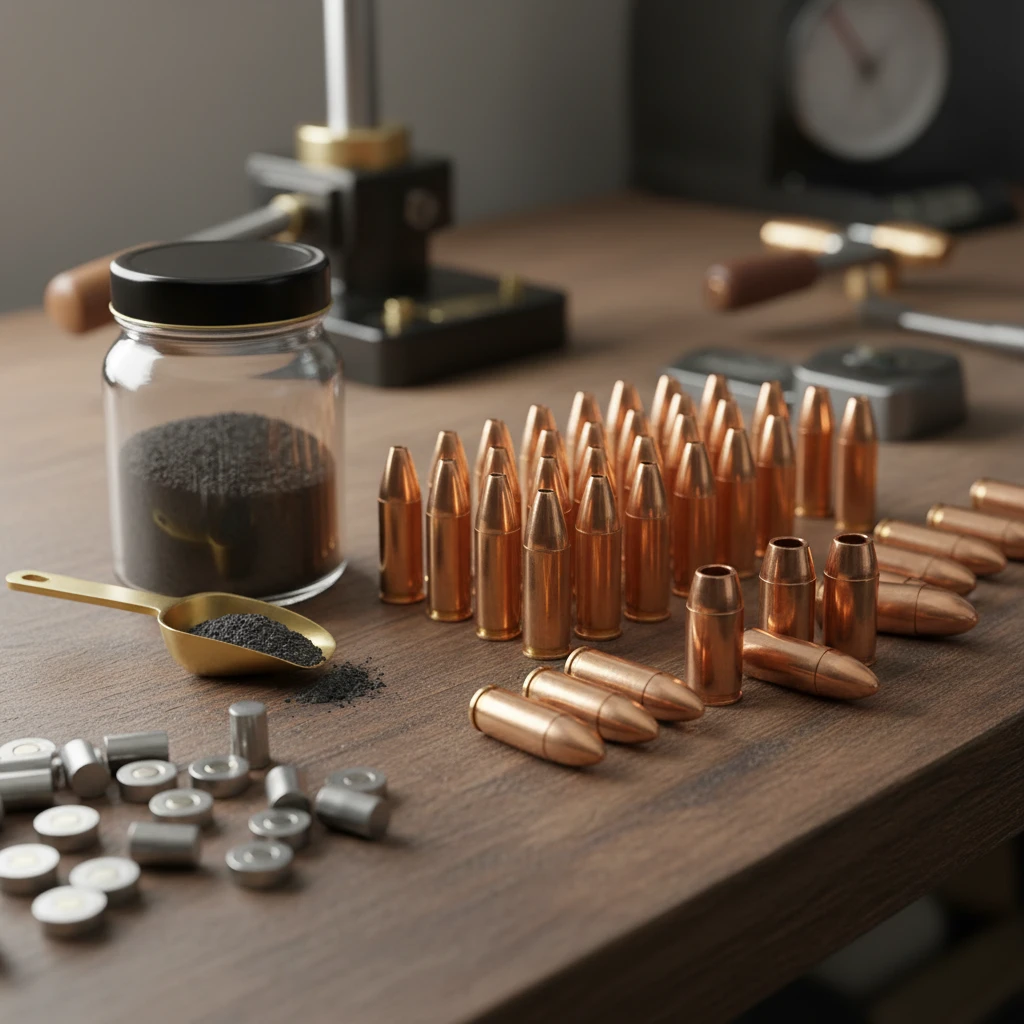
Anticipating Industry Shifts and Emerging Trends
Looking ahead to 2027, several key trends are poised to shape the reloading component landscape. One significant area of focus is the development of specialized primers. While standard small and large rifle/pistol primers will remain staples, expect to see more options catering to highly specific needs, such as hyper-accurate ignition for benchrest shooting or enhanced reliability in extreme temperatures for ELR (Extreme Long Range) disciplines. Manufacturers are investing heavily in research and development to offer primers with optimized priming compound formulations and anvil designs. This means better consistency, reduced fouling, and potentially higher velocity spreads when combined with other components.
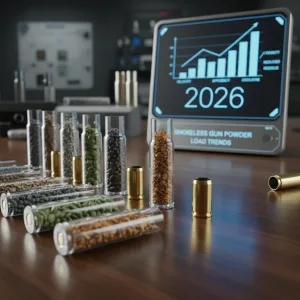
Another emerging trend is the evolution of smokeless gun powder formulations. Driven by a need for improved performance, safety, and environmental considerations, powder manufacturers are exploring novel propellant technologies. This includes developing powders with cleaner burning characteristics, reduced temperature sensitivity, and even powders that are more forgiving of minor variations in case volume or seating depth. The push for greater ballistic consistency across a wider range of environmental conditions will also be a significant driver. Furthermore, expect to see more powders designed for specific cartridge families or even optimized for particular bullet weights and types, allowing reloaders to fine-tune their loads with unprecedented precision. Keeping abreast of these advancements is key to leveraging the latest in propellant technology for your reloads.
The Enduring Importance of Quality Reloading Supplies
Regardless of emerging trends, the fundamental principle of using high-quality reloading supplies remains paramount in 2027. The adage “garbage in, garbage out” holds true; using subpar components will inevitably lead to inconsistent and potentially unsafe ammunition. For primers, this means ensuring they are fresh, free from damage, and from reputable manufacturers known for consistent performance. A flawed primer can render an entire batch of otherwise meticulously prepared ammunition useless. Similarly, the integrity of your smokeless gun powder is critical. Factors like proper storage to prevent degradation and ensuring the powder is the correct type for your intended application are non-negotiable. Reputable brands offer lot-to-lot consistency, which is vital for repeatable accuracy.
When it comes to other components like bullets and cases, quality translates to reliability and accuracy. For bullets, this includes precise weight and dimension consistency, as well as appropriate construction for the intended purpose—whether it’s hunting specific game or achieving optimal ballistic coefficients for long-range precision. Cases, the foundation of your cartridge, must be free from defects like cracks or deformities, and their internal volume should be consistent to ensure uniform powder capacity. Investing in premium reloading supplies, even if they come at a higher initial cost, ultimately pays dividends in terms of superior performance, enhanced safety, and a more rewarding reloading experience. As an example, a reloader consistently experiencing flyers in their rifle ammo might discover the issue stems from inconsistent bullet jacket thickness, a hallmark of lower-quality projectiles. Addressing this with premium bullets can transform their groups.
Top Primers for Precision Shooting and Reliable Performance
Primers are the unsung heroes of ammunition, initiating the combustion process that drives projectiles down the bore. In 2027, the demand for highly reliable and consistent primers is stronger than ever, particularly among precision shooters and those involved in competitive disciplines. The evolution of primer technology has focused on enhancing ignition consistency, reducing sensitivity to shock, and ensuring reliable function across a wide spectrum of firearm types and environmental conditions. Understanding the different types of primers and their intended applications is the first step toward achieving optimal performance in your reloaded ammunition. This involves more than just picking a size; it means considering the primer’s sensitivity, its energy output, and its compatibility with your chosen powder and firearm.
The quality of primers directly impacts the lock time, the time between trigger activation and the bullet leaving the barrel. A fast and consistent primer ensures that any shooter-induced error is minimized, leading to tighter groups. Modern primers are engineered with advanced compounds that provide a reliable spark with minimal delay. For reloaders, this means that selecting the correct primer isn’t just about fitting the primer pocket; it’s about choosing a component that contributes to the overall accuracy and reliability of the ammunition. Neglecting this crucial element can undermine hours of meticulous case preparation, powder weighing, and bullet seating. For those delving into primer types: reloading for precision, a deeper understanding of these nuances is essential.
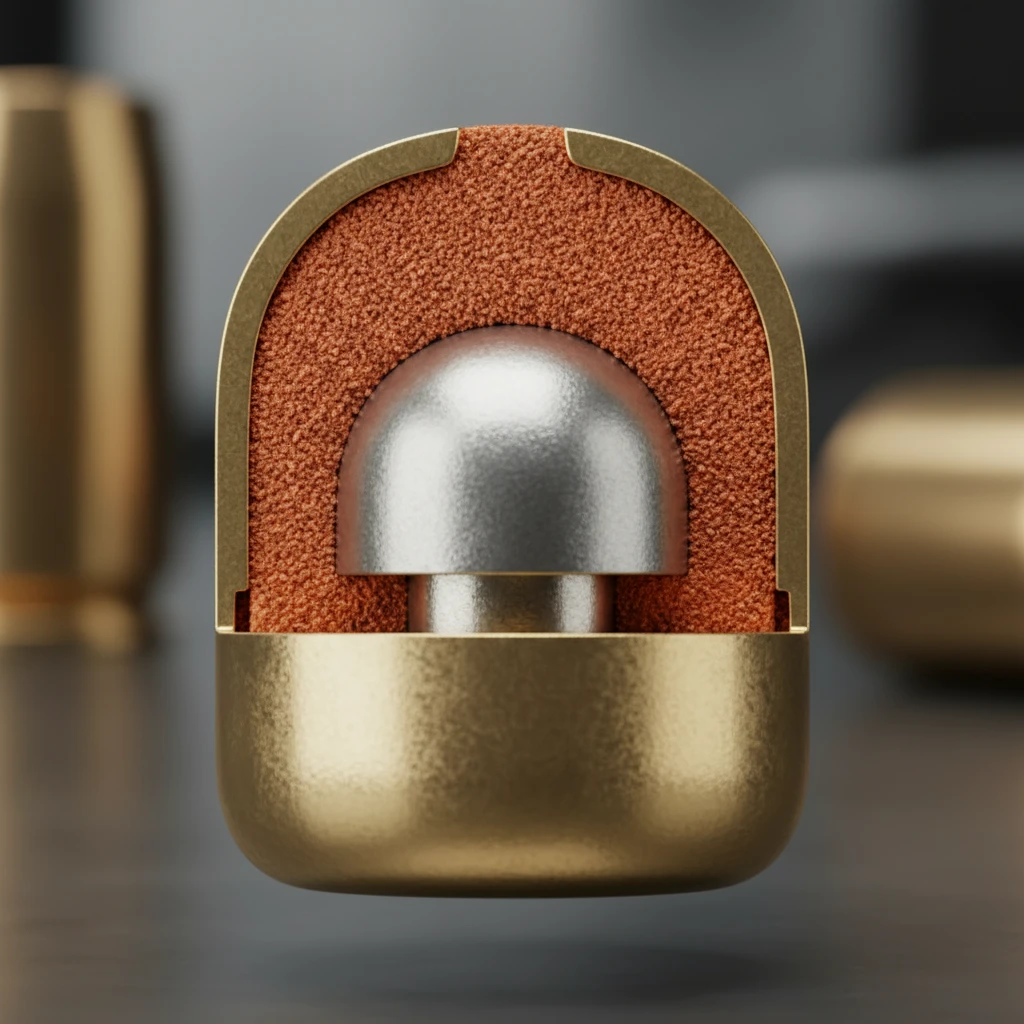
Small Rifle vs. Large Rifle Primers: Making the Right Choice
The distinction between small rifle and large rifle primers is fundamental to successful rifle ammo reloading, primarily dictated by the cartridge case head dimensions. Small rifle primers are used in cartridges with smaller primer pockets, such as the popular .223 Remington, 5.56 NATO, .22-250 Remington, and .308 Winchester. Large rifle primers, as the name suggests, are designed for cases with larger primer pockets, commonly found in cartridges like the .30-06 Springfield, .270 Winchester, .300 Winchester Magnum, and 7mm Remington Magnum. The physical size difference is not merely cosmetic; it affects the amount of priming compound and the overall energy delivered upon ignition.
Using the incorrect primer type is a critical safety error and a common pitfall for novice reloaders. Attempting to seat a large rifle primer in a small rifle pocket will result in damage to the primer and potentially a dangerous misfire or a case rupture. Conversely, a small rifle primer may not fill a large rifle pocket adequately, leading to a poor seal, potential blowback, and inconsistent ignition. Always consult reliable reloading data for your specific cartridge to confirm the correct primer type. The choice also has implications for ignition speed and energy, with large rifle primers generally providing a more robust ignition, suitable for larger powder charges and slower-burning powders often found in magnum rifle cartridges.
Pistol Primers: Consistency for Handgun Ammo Reloading
Pistol primers, like rifle primers, come in small and large varieties, but their design and application differ due to the unique characteristics of handgun cartridges. Small pistol primers are typically used in calibers such as 9mm Luger, .40 S&W, .45 ACP (in some variations), and .38 Special. Large pistol primers are reserved for cartridges like the .44 Magnum, .357 Magnum, and .45 Colt. The crucial factor for handgun ammo reloading is primer consistency. Handgun cartridges often use faster-burning powders and operate at lower pressures compared to rifle cartridges. This means that even minor variations in primer ignition can translate into noticeable differences in velocity and accuracy.
For reliable handgun ammo, choosing primers known for their uniform ignition and consistent output is key. Reloaders often debate the merits of small pistol magnum primers versus standard small pistol primers, or large pistol magnum versus standard large pistol primers. Magnum primers generally contain more priming compound, producing a hotter, more energetic spark. This can be beneficial when using slower-burning pistol powders or when seeking maximum velocity from high-pressure magnum handgun loads. However, for standard handgun cartridges, standard primers usually suffice and offer excellent consistency. The critical takeaway is to match the primer type (standard or magnum) to the powder charge and case capacity as recommended in reputable reloading manuals, such as those provided by powder manufacturers or organizations like the SAAMI”>https://www.saami.org/”>SAAMI.
Magnum Primers: Powering High-Pressure Loads
Magnum primers, available in both rifle and pistol configurations, are specifically engineered to provide a more potent ignition source than their standard counterparts. This enhanced ignition is achieved through a larger quantity of priming compound and, in some cases, a modified anvil design. The primary purpose of magnum primers is to reliably ignite larger powder charges found in high-pressure cartridges, such as magnum rifle cartridges (e.g., .300 RUM, .338 Lapua Magnum) and magnum handgun cartridges (e.g., .357 Magnum, .44 Magnum). When dealing with slower-burning powders that require significant energy to ignite effectively, a magnum primer ensures complete and consistent combustion.
The decision to use a magnum primer is not arbitrary. While they offer increased ignition power, using them in standard cartridges with faster-burning powders can lead to excessive pressure spikes and potentially unsafe conditions. This is a significant pitfall to avoid. Reloaders must consult load data specifically developed for magnum primers in their chosen cartridge and powder combination. In some instances, a slower-burning powder in a standard cartridge might benefit from a magnum primer for more complete ignition, but this requires careful adherence to published data. For instance, when handloading the .30-06, if you are using a very slow-burning powder and a heavy bullet, a magnum primer might be recommended by the powder manufacturer for optimal performance. Always prioritize safety and data when considering magnum primers.
Key Factors: Sensitivity, Consistency, and Availability in 2027
When selecting primers in 2027, three critical factors should guide your decision: sensitivity, consistency, and availability. Primer sensitivity refers to how easily a primer ignites. Some applications, like competitive shooting where minimizing lock time is crucial, benefit from highly sensitive primers. However, this sensitivity can also increase the risk of accidental ignition if primers are handled carelessly. Conversely, less sensitive primers offer greater safety during handling and transport but might require a stronger firing pin strike for reliable ignition. Match your primer’s sensitivity to your firearm’s firing pin energy and your shooting discipline’s demands.
Consistency is arguably the most important trait for any reloading component, and primers are no exception. Look for primers from manufacturers renowned for their tight manufacturing tolerances and uniform priming compound composition. This consistency translates directly into predictable ignition and velocity, which are the cornerstones of accurate ammunition. Lot-to-lot consistency is also a vital consideration; a reloader who finds a primer lot that performs exceptionally well should ideally be able to procure more from the same lot. Finally, availability remains a practical concern. While niche primers may offer theoretical advantages, their scarcity can make them impractical for regular reloading. In 2027, supply chain fluctuations might still impact the availability of certain primer types, so identifying reliable suppliers and being flexible with brands while maintaining quality standards is a wise strategy. Understanding these factors ensures you select primers that enhance, rather than hinder, your reloading goals.
Smokeless Gun Powder: The Heartbeat of Your Reloads
Smokeless gun powder is arguably the most critical component in any reload, dictating the performance characteristics of the final cartridge. It’s the propellant that generates the gas pressure needed to propel the bullet down the barrel. The vast array of available powders, each with its unique burn rate, energy content, and physical form, means that selecting the right one is an art and a science. For reloaders in 2027, the choices are more diverse than ever, with manufacturers continually refining formulations to meet the demands for increased accuracy, enhanced velocity, and improved environmental performance. Understanding the fundamental properties of smokeless powder is the gateway to unlocking the full potential of your handloads, whether you’re loading handgun ammo, rifle ammo, or even shotgun ammo.
The intricate relationship between powder, bullet weight, barrel length, and pressure is what makes reloading both challenging and rewarding. A powder that is too fast for a given application might generate excessive pressure too quickly, leading to potential firearm damage or unsafe conditions. Conversely, a powder that is too slow might not burn completely, resulting in reduced velocity and excessive fouling. Choosing the correct powder involves a deep dive into published load data, understanding the burn rate charts, and considering the specific intended use of the ammunition. For those seeking to master their loads, exploring resources like Smokeless Gun Powder: Master Your Loads can provide invaluable insights.
Understanding Burn Rates: Fast, Medium, and Slow Powders
Smokeless powders are broadly categorized by their burn rates: fast, medium, and slow. This rate determines how quickly the powder combusts and generates pressure within the cartridge case and firearm chamber. Fast-burning powders, such as Hodgdon’s Clays or Alliant’s Red Dot, are ideal for light bullet weights, reduced loads, and many pistol cartridges where rapid pressure generation is desired for quick ignition and high velocities with lighter bullets. They are often used in applications where maximum case fill is not a primary concern.
Medium-burning powders, like IMR 4064 or Accurate 2520, strike a balance and are incredibly versatile. They are commonly used in a wide range of rifle cartridges with mid-weight bullets and many medium-caliber handgun cartridges. Their burn rate allows for efficient pressure generation throughout the barrel’s length, providing a good compromise between velocity and safe pressure levels. Finally, slow-burning powders, such as Hodgdon Retumbo or IMR 7828, are designed for high-capacity rifle cartridges and heavy bullet weights. These powders require more time to burn, allowing pressure to build gradually and reach its peak further down the barrel, which is optimal for maximizing velocity and energy in larger volume cases. Understanding these burn rate differences is fundamental to selecting the correct powder for your specific reloading project, as detailed in guides like Reloading: Smokeless Powder Choices.
Choosing the Best Smokeless Gun Powder for Rifle Ammo
Selecting the optimal smokeless gun powder for rifle ammo hinges on several interconnected factors. The most critical is the specific cartridge being reloaded. Each cartridge has a unique case capacity and pressure limit. Powders are designed to perform optimally within certain pressure ranges and case volumes. For example, a powder that is too fast for a large rifle cartridge might cause a dangerous pressure spike near the breach face, while a powder that is too slow might not burn efficiently in a short-barreled rifle, leading to reduced velocity and excessive muzzle flash. Consulting reputable reloading manuals and manufacturer data is paramount for identifying suitable powders for cartridges like the .223 Remington, .308 Winchester, or .30-06 Springfield.
Beyond the cartridge, the intended purpose and bullet weight are equally important. For long-range precision shooting, powders that offer excellent temperature stability and burn consistently are highly sought after. These often fall into the medium to slow burn rate categories. For hunting applications, powders that provide high velocity and good energy transfer are desirable. The physical form of the powder (e.g., extruded, spherical, or flake) can also influence how well it meters through a powder measure and how uniformly it settles in the case, impacting charge consistency. Reloaders should always aim for a powder that fills approximately 85-95% of the case capacity when at the recommended charge weight for optimal performance and safety. Exploration of Smokeless Gunpowder: Reloading for Accuracy can offer more detailed guidance.
Optimizing Handgun Ammo with Specific Powder Blends
Optimizing handgun ammo through careful powder selection involves balancing factors like velocity, recoil, muzzle flash, and case fill. For most handgun cartridges, such as 9mm Luger, .45 ACP, and .38 Special, fast to medium-burning powders are generally preferred. These powders ignite quickly and generate pressure rapidly, which is beneficial for the shorter barrel lengths typical of handguns. This rapid pressure curve helps achieve good velocity with lighter bullet weights without generating excessive port pressure that could stress the firearm. Reloaders often look for powders that provide clean burning and minimal fouling, contributing to consistent performance shot after shot.
A common pitfall when loading handgun ammunition is using a powder that is too slow for the cartridge. This can lead to incomplete powder burn, resulting in significant muzzle flash, reduced velocity, and potentially inconsistent ignition. For instance, using a slow rifle powder in a 9mm cartridge would be highly inefficient and potentially unsafe. Conversely, a powder that is too fast might burn too quickly, creating a pressure spike at the breech face that could be detrimental to the firearm and shooter. The goal is to find a powder that provides a smooth, efficient pressure curve throughout the barrel’s length, delivering the desired velocity and accuracy. Resources on Handgun Ammo Reloading: Optimal Loads are invaluable for this process. Example: A reloader for a .40 S&W might find that using Alliant Unique powder provides excellent results with a 180-grain bullet, achieving a velocity of 1000 fps with manageable recoil and clean burning, whereas a powder like Hodgdon Longshot might produce higher velocities but with increased muzzle flash and recoil.
Factors Influencing Powder Selection: Pressure, Velocity, and Application
The selection of smokeless gun powder is a multi-faceted decision driven by fundamental ballistic principles and practical considerations. Pressure limits are paramount; every cartridge and firearm has a maximum safe operating pressure. Powder choice must ensure that the generated pressure remains within these safe limits, typically specified by organizations like SAAMI. Exceeding these limits is extremely dangerous and can lead to catastrophic firearm failure. This is why adhering strictly to published load data is non-negotiable.
Velocity is often a primary goal, but it must be achieved safely. Different powders will produce different velocities with the same bullet weight and charge. Reloaders choose powders that allow them to reach their desired velocity without compromising pressure limits. Finally, the application dictates other important factors. For precision rifle ammo, temperature stability and lot-to-lot consistency are critical. For hunting, energy transfer and bullet expansion characteristics are key, and the powder choice indirectly influences this by determining velocity. For action pistol shooting, recoil management and rapid follow-up shots are prioritized, favoring powders that generate less perceived recoil. Understanding these interrelated factors allows reloaders to make informed choices that enhance performance and safety. Dive deeper into this subject with insights from 2026: Top Reloading Powder Trends.
Rifle Ammunition Components: Precision for Every Target
Crafting precise rifle ammunition is an endeavor that demands meticulous attention to detail, and the selection of each component plays a critical role in the final performance. In 2027, the pursuit of accuracy and reliability in rifle reloads continues to drive innovation in bullet design, case manufacturing, and powder technology. Whether you are a competitive shooter aiming for sub-MOA groups, a hunter pursuing game at extended ranges, or a plinker seeking consistent shooting, understanding the nuances of rifle ammunition components is essential for success. Every element, from the primer that initiates ignition to the bullet that exits the barrel, contributes to the overall effectiveness of your handloads.
The synergy between components is key. A perfectly matched powder charge can be rendered ineffective by inconsistent bullet seating or flawed case preparation. Conversely, even the most well-prepared brass and primers cannot compensate for a poorly designed or manufactured bullet. This section will explore the vital components of rifle ammunition, providing actionable advice on selection criteria, potential pitfalls, and best practices to ensure your reloaded rifle ammo meets your highest expectations for accuracy, consistency, and terminal performance. Reloading rifle ammo offers a rewarding path to optimizing your shooting experience.
Bullet Selection: Weight, Construction, and Purpose for Rifle Ammo
The bullet is the projectile that leaves your rifle, and its selection is paramount for achieving accuracy and desired terminal effects. When choosing bullets for rifle ammo, consider three primary factors: weight, construction, and purpose. Bullet weight, measured in grains, is closely tied to the cartridge’s twist rate and rifling. Heavier bullets generally require a faster twist rate to stabilize them in flight, while lighter bullets may tumble if the twist rate is too slow. An improperly stabilized bullet will not fly true, significantly impacting accuracy.
Construction refers to how the bullet is made. Common types include Full Metal Jacket (FMJ) for target practice and plinking due to their cost-effectiveness and minimal expansion, Soft Points (SP) and Ballistic Tips (BT) for hunting which are designed to expand upon impact for increased terminal energy transfer, and Boat Tail (BT) bullets designed for aerodynamic efficiency and reduced drag over long distances. The purpose of your rifle ammo dictates the ideal construction and weight. For example, a dedicated long-range shooter might opt for a high ballistic coefficient (BC) boat-tail bullet weighing 175 grains for their .308 Winchester, while a hunter targeting medium game might choose a 150-grain soft point. Understanding these choices is critical for effective reloading. For instance, using an FMJ bullet for hunting is often illegal and ineffective, as it may not expand properly, leading to wounded game. Always ensure your bullet choice aligns with legal regulations and ethical hunting practices.
Case Preparation: The Foundation of Accurate Rifle Ammo
The humble cartridge case is the foundation upon which accurate rifle ammunition is built. Meticulous case preparation is non-negotiable for achieving consistent results. The first step involves cleaning and inspecting each case for cracks, splits, or corrosion. Cases that have been fired multiple times may exhibit stress marks or signs of wear that compromise their integrity. Following cleaning, resizing the fired case back to its original dimensions is crucial. This is typically done using a full-length sizing die, which not only reshapes the case but also re-forms the primer pocket and ejector rim. Some reloaders opt for small-base dies for very tight chambers or semi-automatic rifles to ensure reliable chambering.
Trimming cases to a uniform length is another vital step. Overly long cases can cause bullet seating issues, leading to increased pressure and reduced accuracy. Conversely, cases that are too short can affect powder capacity. A uniform case length ensures that the bullet is seated to the same depth in every round, promoting consistent ignition and burn rates. Finally, deburring the case mouth after trimming removes any sharp edges that could interfere with bullet seating or damage the bullet’s jacket. For extreme accuracy, some reloaders also consider neck turning to ensure uniform neck wall thickness, especially for precision rifle cartridges. Neglecting any of these steps can introduce variability that degrades the precision of your rifle ammo. Example: A reloader consistently experiencing slightly higher extreme spreads in their velocity readings might discover that their cases are of slightly varying lengths, leading to inconsistent powder volume and combustion. Trimming all cases to a precise length of 2.005 inches for their .308 Winchester reloads could significantly improve velocity consistency.
Powder Charges: Balancing Performance and Safety in Rifle Reloads
Achieving optimal performance in rifle reloads is a delicate balancing act between maximizing velocity and energy while strictly adhering to safe pressure limits. The powder charge is the variable that most directly influences these factors. Reloaders must consult comprehensive and up-to-date reloading data from reputable sources, such as powder manufacturers (e.g., Hodgdon, Alliant) or established reloading manuals (e.g., Lyman, Hornady). This data provides starting loads, maximum loads, and recommended powder types for specific cartridges and bullet weights.
A critical principle is to start low and work up. Begin with the manufacturer’s recommended starting load and fire a few rounds, carefully observing for any signs of excessive pressure, such as flattened or cratered primers, ejector marks on the case head, or difficulty extracting the spent case. If no signs of excessive pressure are present, gradually increase the powder charge in small increments, firing a few rounds at each step and meticulously measuring velocity and group size. The goal is to find the sweet spot—the charge weight that provides the desired velocity and accuracy without approaching the pressure limits of the cartridge and firearm. Overcharging powder is one of the most common and dangerous mistakes a reloader can make, and understanding the relationship between powder charge, pressure, and velocity is fundamental to safe and effective rifle ammo reloading. For more on this, explore Smokeless Powder: Reloading Essentials.
Handgun Ammo Component Deep Dive: Consistency is Key
Achieving consistent performance in reloaded handgun ammunition hinges on meticulous attention to component selection and precise assembly. For 2027, the market offers a robust array of options, but understanding their nuances is paramount. Reloaders often focus on the most visible components like bullets and powder, yet the often-overlooked primers play an equally critical role in ignition timing and pressure consistency. Furthermore, the choice of bullet type significantly impacts terminal ballistics, accuracy, and feeding reliability in various firearms. Ensuring that all components are compatible with your specific firearm and intended use is the bedrock of successful handgun ammo reloading. Prioritizing quality and understanding component interactions will elevate your reloaded ammunition from functional to exceptional.
Handgun Bullet Choices: JHP, FMJ, and Beyond
The selection of handgun bullets is a crucial decision point, directly influencing accuracy, terminal performance, and cost-effectiveness. Full Metal Jacket (FMJ) bullets are generally the most economical and are excellent for practice, target shooting, and general plinking due to their reliability and minimal barrel leading. However, they typically lack expansion upon impact, limiting their effectiveness for self-defense or hunting. Jacketed Hollow Point (JHP) bullets, on the other hand, are designed to expand upon striking a target, increasing the wound channel and stopping power. While more expensive, JHP bullets are the standard for self-defense and hunting applications where reliable expansion is critical. Beyond these common types, reloaders can explore options like plated bullets, which offer a middle ground in cost and performance, or specialized bonded bullets designed for deep penetration and controlled expansion. When choosing, consider the firearm’s intended use, the target medium, and the ballistic requirements. For example, a .45 ACP load for home defense might benefit from a 230-grain JHP, while a 9mm load for range practice would be well-served by a 115-grain FMJ. Be aware of potential feeding issues with certain bullet shapes in semi-automatic firearms; always test a sample of your reloaded ammunition through your specific pistol to ensure smooth feeding and extraction.
Primer Compatibility for Common Handgun Cartridges
Primers are the unsung heroes of ignition, and their compatibility with handgun cartridges is non-negotiable for safe and consistent reloading. The primary distinction lies between small pistol primers and large pistol primers, each designed for specific cartridge case head diameters. Small pistol primers are used in cartridges like 9mm Luger, .380 ACP, and .40 S&W, while large pistol primers are found in cartridges such as .45 ACP, .38 Special, and .357 Magnum. Within these categories, there are also standard and magnum primers. Magnum primers contain a slightly larger charge of priming compound and are generally recommended for cartridges that require a slower-burning powder or for loads pushed to higher velocities. Using a standard primer with a magnum load or in cartridges prone to hang-fires could result in inconsistent ignition or a failure to fire. Conversely, using a magnum primer with a fast-burning powder can sometimes lead to excessive pressure. Always consult reputable reloading data to determine the correct primer type for your chosen cartridge and load. For instance, reloading .357 Magnum with a standard pistol primer might lead to ignition issues, whereas using a magnum primer with a mild .45 ACP load is generally unnecessary and can sometimes contribute to erratic velocity. A common pitfall is mixing primer types or using primers intended for rifle cartridges in handgun loads, which can lead to dangerous pressure spikes or misfires.
Powder Recommendations for Popular Handgun Calibers
Selecting the correct smokeless gun powder is a cornerstone of effective handgun ammunition reloading, influencing velocity, pressure, and recoil. For common calibers like 9mm Luger, a vast array of powders perform exceptionally well, ranging from fast-burning options such as Hodgdon Titegroup or Alliant e3100 for lighter bullet weights and plinking loads, to medium-burn powders like Alliant Unique or Hodgdon HS-6 for heavier bullets and more potent loads. In .45 ACP, powders like Vihtavuori N310 or Hodgdon Clays offer excellent results for light to medium loads, while slower-burning powders such as Hodgdon Longshot or Alliant 2400 are often preferred for magnum-level .357 Magnum or .44 Magnum cartridges, where they provide efficient case fill and consistent burn rates. The key is to match the powder’s burn rate and energy content to the bullet weight and intended pressure limits of the cartridge. For example, using a very fast powder like Hodgdon CFE Pistol in a large case like .44 Magnum can lead to inconsistent ignition and potentially dangerous pressure fluctuations. Conversely, a very slow powder in a small case like .380 ACP may not burn completely, resulting in muzzle flash and poor performance. Always refer to the powder manufacturer’s data or comprehensive reloading manuals for specific load recommendations. Reloading enthusiasts can find a wealth of information on powder selection and performance characteristics at resources like reloading powder trends.
Rimfire Ammunition Reloading: Emerging Opportunities
The prospect of reloading rimfire ammunition, particularly the ubiquitous .22 Long Rifle (LR), has long been a tantalizing one for many shooters. While historically challenging due to the unique construction of rimfire cartridges, advancements in tooling and a growing interest in ammunition cost reduction are making it more feasible. Unlike centerfire cartridges, the priming compound in rimfire rounds is located within the rim itself, making traditional priming tools unsuitable. However, dedicated enthusiasts and specialized tool manufacturers have developed innovative methods and equipment to address these complexities. The primary allure for reloaders is the potential to significantly reduce the cost per round, especially for high-volume shooters. Furthermore, reloading allows for experimentation with bullet weights and types, potentially leading to improved accuracy over standard factory loads. As supply chain issues continue to impact centerfire components, rimfire reloading presents an avenue for shooters to maintain a consistent supply of ammunition, albeit with its own set of unique challenges and considerations. Embracing rimfire reloading requires patience, precision, and an understanding of its distinct mechanical principles.
Challenges and Considerations for Rimfire Reloading
Reloading rimfire ammunition, especially the popular .22 LR, presents a unique set of challenges that distinguish it from centerfire reloading. The most significant hurdle is the location of the priming compound: it’s distributed within the rim of the case, rather than in a dedicated primer pocket. This means that primers cannot be seated or replaced in the same manner as centerfire cartridges. Instead, rimfire reloading typically involves reforming spent cases and then carefully filling the rim cavity with a priming compound, often a specialized liquid mixture. This process is far more delicate and requires specialized tools and a controlled environment to ensure consistent ignition. Another critical consideration is safety. Improperly formed rims or inconsistent priming compound distribution can lead to misfires or, in rare but dangerous instances, case ruptures. Furthermore, the variety of .22 LR cases available can complicate reloading efforts, as headspacing and rim thickness can vary between manufacturers. The inherent difficulty in achieving consistent ignition makes rimfire reloading a pursuit for the dedicated and meticulous. For beginners, it is often recommended to start with centerfire cartridges to develop foundational reloading skills before venturing into the more intricate world of rimfire.
Component Availability for .22 LR and Other Rimfire Rounds
Component availability for rimfire reloading, particularly for .22 LR, is a more specialized niche compared to the robust market for centerfire components. The primary “component” that reloaders are concerned with is the rimfire case itself, as the priming compound is an integral part of the reloading process. While new .22 LR cases are readily available, the economics of reloading often hinge on obtaining spent brass at a low cost or utilizing discarded ammunition. Specialized priming compounds designed for rimfire reloading are available from select manufacturers, and these are crucial for achieving reliable ignition. These compounds often come in liquid form and require careful application using specialized tools that ensure even distribution within the rim. Bullet options for .22 LR reloading are generally more limited than for centerfire cartridges. Reloaders often use cast lead bullets designed specifically for .22 LR velocities and sizing, or sometimes repurpose smaller-caliber jacketed bullets if they can be safely seated and do not exceed the firearm’s rifling twist rate. The scarcity of purpose-built rimfire reloading kits and the manual nature of the priming process contribute to the niche status of this discipline. For those committed to rimfire reloading, ensuring a steady supply of reliable priming compound is as critical as securing quality bullets.
Tools and Techniques for Successful Rimfire Component Use
Successfully reloading rimfire ammunition requires a specific set of tools and honed techniques that differ significantly from centerfire processes. The cornerstone of rimfire reloading is a reliable priming tool or system designed to apply priming compound to the rim of the spent case. These tools often involve a method for dispensing a measured amount of liquid priming compound and then precisely seating the case into a jig or holder to ensure even distribution within the rim. For .22 LR, this often means using a priming tool like the RK 22 from Mag-Tech or similar devices that allow for careful, repeatable application. Bullet seating is another area where specialized tools might be beneficial. While standard reloading presses can be used for some aspects, ensuring consistent bullet runout and seating depth requires a steady hand and often a well-calibrated press with a precise seater die. Invest in high-quality, dedicated rimfire reloading tools to ensure safety and consistency. For example, a simple makeshift method for applying priming compound is likely to yield inconsistent results and could be hazardous. Thoroughly research and understand the specific techniques for the priming compound you are using, as application methods can vary. Many experienced rimfire reloaders advocate for multiple quality checks at each stage, from case preparation to final bullet seating, to mitigate potential issues and maximize the success of each round.
Shotgun Ammunition Reloading: Versatility and Value
Reloading shotgun ammunition offers a compelling blend of cost savings, customization, and sustainability for sport shooters. Whether for competitive disciplines like trap and skeet, upland bird hunting, or general clay busting, reloaded shotshells can provide significant value. The ability to tailor loads to specific firearm characteristics and shooting preferences is a major draw. Unlike handgun or rifle reloading, shotshell reloading involves managing a larger, more complex assembly of components: hulls, primers, powder, wads, and shot. Each component plays a critical role in the overall performance, and understanding their interactions is key to producing reliable and effective ammunition. The versatility of shotgun reloading allows users to optimize loads for recoil management, pattern density, and specific shooting scenarios. For instance, a lighter target load can reduce fatigue during extended shooting sessions, while a heavier hunting load ensures sufficient energy for downed game. The economic advantage is also substantial; reloading can often cut the cost per round by 50% or more, making it an attractive option for high-volume shooters. This section will delve into the critical components and considerations for achieving success in shotshell reloading.
Choosing the Right Wads and Shot for Your Shotgun Ammo
The selection of wads and shot is paramount in shotgun ammunition reloading, directly influencing pattern performance, recoil, and pellet velocity. Wads serve multiple functions: they act as a gas seal to prevent powder gases from blowing past the shot, they hold the shot column together until it exits the barrel, and they absorb recoil. Wads are typically made of plastic and come in various designs – cushion, gas-sealing, and specialty types – each suited for different applications and loads. For target shooting disciplines like trap and skeet, one might opt for lighter, more cushioned wads to reduce recoil and improve comfort over many rounds. For hunting, especially for larger game or longer distances, a more robust, gas-sealing wad that ensures a tighter seal and optimal pellet velocity is often preferred. Shot choice is equally critical. Lead shot remains the most common and economical option, available in a wide range of sizes from dust (12) to buckshot (000). However, lead is toxic and its use is increasingly restricted in certain areas. Steel shot is a common non-toxic alternative, but it requires slower velocities and specialized wads to prevent barrel damage and achieve acceptable patterns. Matching the wad to the shot size and the hull type is essential for optimal performance and preventing blown patterns. For example, using a wad designed for lead shot with steel shot can lead to skirt damage and poor performance. Always consult load data that specifies the correct wad and shot combination for your chosen hull and powder. For those interested in performance, resources detailing shotgun ammo reloading for skeet and trap success can provide valuable insights.
Hull and Primer Considerations for Consistent Shotgun Reloads
The foundation of any successful shotshell reload lies in the hull and primer. Shotgun hulls, typically made of plastic with a metal base, come in various lengths (e.g., 2 ¾-inch, 3-inch) and configurations. While many plastic hulls can be reloaded multiple times, their durability varies significantly by manufacturer and usage. Hulls with a higher metal base (e.g., 20mm vs. 16mm) generally offer better primer seating and gas sealing. Primers for shotshells are distinct from pistol or rifle primers, being larger and designed to ignite the bulk propellant used in shotshell loads. Similar to pistol cartridges, there are standard and magnum shotshell primers, with magnum primers containing more priming compound to ensure reliable ignition of slower-burning propellants, especially in larger capacity hulls like 3-inch shells. Using the correct primer type is crucial; a standard primer in a magnum load may result in a sluggish ignition or a complete missfire, while a magnum primer in a standard load is usually unnecessary and can sometimes contribute to slight over-pressure. Always follow load data that specifies the required primer type. Many reloaders find that once-fired hulls offer the best reloading experience, as repeated firing can weaken the plastic and compromise its integrity, leading to potential blowouts or poor sealing. Inspecting hulls for cracks, tears, or excessive wear before each reload is a critical step for safety and consistency.
Powder Selection for Different Shotgun Loads
Smokeless gun powder selection is arguably the most critical factor in achieving predictable and consistent results when reloading shotshell ammunition. Unlike handgun and rifle reloading where powder choice is often dictated by bullet weight, shotgun powder selection is primarily driven by the hull capacity, the desired velocity, and the type of shot being used. Shotgun powders are generally classified by their burn rate, with fast-burning powders suitable for light target loads and slower-burning powders required for heavier hunting loads or magnum shells. For common target loads in 12-gauge, powders like Hodgdon Clays, Alliant Red Dot, or Accurate AA-Lite are popular choices due to their clean burning and consistent performance. As you move towards heavier payloads or hunting loads, medium-burning powders such as Alliant Green Dot, Hodgdon Universal, or Accurate Solo-1500 become more appropriate. For magnum loads, slower-burning powders like Alliant Blue Dot or Hodgdon Longshot are often recommended to ensure efficient burning and maximum velocity. Always adhere strictly to published load data for your specific hull, primer, powder, wad, and shot combination. Substituting powders without consulting reliable data can lead to dangerous pressure deviations. For instance, using a fast-burning powder in a heavy load designed for a slow-burning powder could result in a rapid pressure spike. Conversely, using a very slow powder in a light target load may result in incomplete powder burn, excessive muzzle flash, and reduced velocity. A comprehensive understanding of these relationships can be found by exploring resources such as smokeless gun powder powering your reloading goals.
Sourcing High-Demand Reloading Components in 2027
As we navigate 2027, sourcing reloading components, particularly primers and smokeless gun powder, continues to be a dynamic and sometimes challenging endeavor. The demand for these essential materials remains robust, driven by a large and active shooting community encompassing hunters, sport shooters, and those interested in self-sufficiency. Supply chain disruptions, geopolitical factors, and shifts in manufacturing output can all influence availability and pricing. Reloaders who have adapted to these market conditions understand the importance of proactive procurement and diversified sourcing strategies. Building a reliable inventory of high-quality components is not merely about convenience; it’s about ensuring continued access to the means of producing safe and effective ammunition. This proactive approach allows enthusiasts to avoid the frustrations of shortages and capitalize on opportunities when they arise, ultimately supporting their shooting activities without interruption. The following sections will explore practical strategies for securing these critical materials.
Strategies for Securing Primers and Smokeless Gun Powder
In the current market landscape of 2027, securing primers and smokeless gun powder requires a strategic and often patient approach. One of the most effective strategies is to maintain relationships with multiple reputable dealers, both online and brick-and-mortar. This diversification increases the chances of finding components when they become available. Signing up for email notifications from preferred retailers is also crucial; being among the first to know about new stock can make all the difference. Consider purchasing components in bulk when possible and financially feasible, as larger quantities can sometimes offer better per-unit pricing and ensure a longer supply. However, always adhere to safe storage guidelines. Another viable strategy is to network with fellow reloaders. Trade groups, online forums, and local shooting clubs can be excellent resources for information on where components are in stock or even for direct trades or sales among members. Furthermore, staying informed about industry trends and potential future shortages can help anticipate demand. For instance, understanding the factors influencing the production of specific powders or primers can guide your purchasing decisions. Always prioritize purchasing from trusted sources to ensure product authenticity and safety; counterfeit or improperly stored components pose significant risks. For those looking to understand powder options, resources on reloading smokeless powder choices can be invaluable.
Leveraging Online Retailers for Specialized Components
Online retailers have become indispensable for sourcing reloading components in 2027, offering unparalleled convenience and access to a vast inventory. Many specialized online stores focus exclusively on reloading supplies, providing a wide selection of primers, smokeless gun powders, bullets, and brass that may be difficult to find locally. The key to effectively using these retailers is to prioritize those with a strong reputation for reliable shipping, fair pricing, and excellent customer service. Look for retailers that offer detailed product descriptions, customer reviews, and clear stock availability indicators. Many online platforms allow you to create wishlists or set up stock alerts, notifying you immediately when a desired item is back in inventory. When purchasing hazardous materials like smokeless gun powder and primers, ensure the retailer adheres to all federal and state shipping regulations, including the use of appropriate hazmat shipping services. Be aware of shipping costs, as they can significantly impact the overall price, especially when ordering smaller quantities. Some retailers offer flat-rate hazmat shipping or free shipping thresholds, which can be advantageous for larger orders. Regularly compare prices across different online vendors to ensure you are getting the best value. Exploring platforms that specialize in ammunition and reloading supplies can lead you to niche components and competitive pricing, making it a cornerstone of a successful sourcing strategy. For advice on making informed choices, delving into smokeless gun powder can be beneficial.
Understanding Supply Chain Dynamics and Planning Ahead
In 2027, understanding the intricate dynamics of the reloading component supply chain is crucial for effective planning. Factors such as global manufacturing capacity, raw material availability, shipping logistics, and geopolitical events can all exert significant influence. For instance, a shortage of a key chemical used in primer production can ripple through the entire industry, affecting availability for months. Similarly, increased demand from major sporting arms manufacturers for smokeless gun powder can reduce the amount available to the reloading market. Reloaders who proactively plan for these eventualities fare much better than those who react to shortages. Developing a long-term component acquisition strategy, rather than a short-term purchasing habit, is essential. This means anticipating future needs based on your shooting volume and the typical lifespan of components. Consider diversifying your preferred powder and primer brands; if one becomes unavailable, having alternatives readily accessible can maintain your reloading schedule. Staying informed about industry news and manufacturer announcements can provide early warnings of potential disruptions. Many reloaders find success by purchasing components during periods of ample supply, even if they don’t immediately need them, provided they have adequate and safe storage facilities. This forward-thinking approach not only mitigates the frustration of shortages but can also lead to cost savings by allowing purchases during more favorable market conditions.
Maximizing Reloading Component Longevity and Performance
The effectiveness and safety of your reloaded ammunition are directly tied to the condition of your core components: smokeless gun powder and primers. Over time, these materials can degrade if not stored and handled properly, leading to inconsistent ignition, reduced ballistic performance, and potentially dangerous over-pressure situations. Understanding the shelf life and optimal storage conditions for these critical items ensures that every round you load performs as intended, whether for competitive shooting, hunting, or self-defense. Proper care extends their usability and safeguards your investment in reloading supplies.
Proper Storage of Smokeless Gun Powder and Primers
Both smokeless gun powder and primers are sensitive to environmental factors such as humidity, temperature fluctuations, and direct sunlight. For smokeless gun powder, maintaining a cool, dry environment is paramount. Opt for original containers whenever possible, as they are designed to protect the powder from moisture and air. Avoid storing large quantities in areas prone to significant temperature swings, like uninsulated garages or attics. Consistent, moderate temperatures are key to preserving the powder’s chemical stability. For primers, the threat is primarily moisture, which can render them inert or unpredictable. Always keep primers in their original sealed packaging until you are ready to load. Store them in a separate location from powder, ideally in a dedicated primer tray or case, also in a cool, dry place. This separation also enhances safety, minimizing the risk of accidental ignition of both materials simultaneously. Investing in ammo storage containers with desiccant packs can further mitigate humidity issues, especially in more challenging climates across Canada and the United States.
Humidity is a primary enemy for both powder and primers. Excessive moisture can lead to powder clumping, which can cause erratic burn rates and inconsistent velocities. For primers, moisture can seep into the priming compound, leading to misfires or duds. Consider using specialized humidity-control solutions for your reloading area, such as rechargeable desiccant canisters or dehumidifiers, especially if you live in a region with high ambient humidity. Temperature extremes can also degrade smokeless gun powder over time, affecting its burn rate. While primers are less affected by temperature alone, extreme heat can accelerate the degradation of their sealing compounds. Always aim for a stable temperature range, ideally between 50-70°F (10-21°C), and avoid direct sunlight exposure. Proper storage prevents costly component spoilage and ensures your reloaded ammunition, whether it’s rifle ammo or handgun rounds, performs reliably.
Inspection Techniques for Reloading Components
Before loading, a thorough visual and tactile inspection of your components is a non-negotiable step for safety and consistency. For smokeless gun powder, check for any signs of degradation. This includes a change in color (e.g., a reddish or purplish tint in typically black or grey powders), a sour or acidic smell, or the presence of oily residue. These are indicators that the powder’s stabilizing agents may have broken down, compromising its performance and safety. Visually inspect primers for any damage to the anvil or cup, corrosion, or deformation. A deformed primer cup can cause feeding issues in semi-automatic firearms. Ensure the priming compound is still visible and hasn’t been contaminated. Faded or discolored primers can also be a sign of age or exposure to moisture. When inspecting cases for reloading, look for cracks, excessive rim damage, or signs of corrosion. Even minor defects can lead to case ruptures during firing. A magnifying glass can be invaluable for detailed inspection of primers and case mouths. This meticulous process helps identify potentially problematic components before they compromise a finished round and ensures the quality of your reloaded ammunition.
Beyond visual cues, tactile inspection can also reveal issues. Smokeless gun powder should flow freely from its container; if it clumps excessively or feels greasy, it’s a sign of potential degradation. Primers should feel smooth and uniform in their cups. Any grittiness or foreign material within the primer cup is a red flag. For cases, pay attention to the feel of the neck. It should be clean and free of burrs or internal damage that could affect bullet seating. Consistency checks during the inspection phase are vital. If you notice a batch of primers or powder that looks or feels different from your usual supply, investigate further or consider setting them aside. For example, a batch of primers that feel lighter than others might indicate a partial loss of priming compound. This diligence is crucial for all types of ammunition, from target practice loads to hunting rounds, ensuring that each component contributes to a safe and accurate firing sequence.
Troubleshooting Common Reloading Component Issues
Reloading component issues can manifest in several ways, often related to inconsistent performance or outright failures. A common problem is a batch of primers that consistently fail to ignite. This could be due to the primers being inert (often from age or moisture exposure), or the firearm’s firing pin not striking with sufficient force. Troubleshooting involves checking the firearm first: ensure the firing pin is clean and striking with adequate energy. If the firearm is functioning correctly, the issue likely lies with the primers themselves. If you experience widely varying muzzle velocities with the same load, suspect inconsistent powder charges or a degraded smokeless gun powder. This is where careful weighing of powder charges and proper storage become critical. A sour smell from your powder is a definitive sign of degradation; in such cases, the powder should be safely disposed of and replaced. For handguns, inconsistent bullet seating depth due to damaged cases or improper neck tension can lead to erratic feeding and accuracy issues. Always use the correct resizing and seating dies, and inspect your cases diligently. Understanding these common pitfalls allows you to address them proactively and maintain the reliability of your reloaded ammunition.
Another frequent issue encountered by reloaders is the occasional “squib load” – a round that fires with significantly reduced power, often resulting in the bullet lodging in the barrel. This is almost always a powder issue, indicating a severely undercharged powder drop or a highly degraded powder that burned erratically. The immediate danger here is a potential obstruction in the barrel, necessitating careful inspection and cleaning before firing again. This highlights the importance of accurate powder measurement, especially for cartridges where powder columns are small, such as many handgun rounds. Using a quality powder measure and verifying charges with a scale is essential. If you notice a consistent lack of power across a batch of rounds, it could indicate a problem with the entire lot of smokeless gun powder. In such scenarios, it’s often best to discard the affected powder and source a new supply to ensure safety and performance, particularly for applications requiring reliable cycling of semi-automatic firearms or predictable ballistics for hunting.
Future-Proofing Your Reloading Bench: What to Watch For
The landscape of reloading is constantly evolving, influenced by technological advancements, changing consumer demands, and regulatory shifts. To remain proficient and prepared, reloaders must stay informed about trends that could impact component availability, type, and legality. This forward-thinking approach ensures that your reloading setup remains viable and effective for years to come, allowing you to continue producing high-quality ammunition for all your shooting needs. Proactive adaptation to these changes will safeguard your hobby and ensure you can always source the necessary components, whether for standard loads or specialized applications.
Anticipating Regulatory Changes Affecting Components
Government regulations, both federally and at the state or provincial level in Canada and the US, can significantly impact the availability and legality of reloading components. Legislative bodies may introduce new restrictions on certain types of smokeless gun powder, primers, or even the sale and transfer of these materials. For instance, environmental concerns or safety standards could lead to bans on specific chemical compounds historically used in primers or propellants. Monitoring legislative proposals and staying informed through reputable firearms organizations and industry news sources is crucial. Staying ahead of these changes allows you to adjust your sourcing strategies and potentially stock up on components that might become restricted or unavailable. It’s also important to understand how potential reclassification of certain chemicals or finished goods could affect shipping and storage requirements. Being aware of the regulatory climate helps avoid future compliance issues and ensures uninterrupted access to your preferred reloading supplies. For instance, changes in regulations could impact the availability of certain handgun ammo reloading components.
Federal agencies and state legislatures periodically review and update regulations concerning hazardous materials, which can include chemicals found in reloading components. Staying informed about these potential changes is vital for reloaders. This might involve tracking proposed legislation, changes in chemical classifications, or new import/export restrictions that could affect the supply chain. For example, a ban on a specific solvent used in primer manufacturing could indirectly impact primer availability. Similarly, regulations surrounding the transportation of hazardous materials might become stricter, increasing shipping costs for smokeless gun powder and primers. Engaging with industry associations like the Sporting Arms and Ammunition Manufacturers’ Institute (SAAMI) or local shooting organizations can provide valuable insights into upcoming regulatory discussions and proposed changes. This proactive approach ensures you can adapt your reloading practices and inventory to comply with current laws and prepare for future shifts, safeguarding your ability to reload for various firearm types, from rimfire plinkers to heavy-duty hunting rifles.
Innovation in Reloading Component Technology
The reloading component industry is not static; manufacturers are continually investing in research and development to improve performance, safety, and efficiency. Innovations in smokeless gun powder formulations, for instance, aim to achieve more consistent burn rates across a wider temperature range, reduce fouling, or offer improved lot-to-lot consistency. Similarly, advancements in primer technology focus on enhanced reliability, reduced sensitivity to shock, and cleaner ignition. New primer designs might offer greater resistance to projectile setback in high-pressure loads or improved sealing for optimal performance in various firearm actions. Keeping an eye on new product releases and technological advancements can lead to discovering components that offer superior ballistic performance or greater ease of use. This could translate to more accurate shots for competition shooters or more reliable performance in the field for hunters. Exploring newer propellant blends or primer types may offer advantages for specific calibers or shooting disciplines, enhancing the overall reloading experience.
Beyond incremental improvements, expect to see potentially game-changing innovations. This could include entirely new propellant chemistries designed for reduced environmental impact, or primers utilizing novel ignition systems that offer unprecedented safety and reliability. Some research is also focused on materials science, potentially leading to more durable and consistent case components or bullets. For example, advancements in bullet metallurgy could result in projectiles with improved aerodynamic stability or controlled expansion characteristics. Staying abreast of these developments, often showcased at industry trade shows or discussed in specialized reloading publications, allows you to leverage cutting-edge technology. This might involve experimenting with next-generation smokeless gun powder formulations or exploring specialized primers designed for extreme conditions. Such advancements can elevate the precision and effectiveness of your reloaded ammunition, pushing the boundaries of what’s possible in accuracy and performance for both sport shooting and hunting applications.
Building a Diverse Component Inventory for Any Scenario
A robust reloading component inventory is your best defense against unexpected shortages, price hikes, or sudden changes in availability. Rather than relying on a single type of smokeless gun powder or primer, building a diverse stock provides flexibility. For example, if a particular powder used for your favorite shotgun ammo loads becomes scarce, having alternative powders that can achieve similar ballistics ensures you can continue reloading without significant disruption. This diversification applies to primers as well; stocking both standard and magnum primers for pistol and rifle cartridges can accommodate a wider range of load data and firearm requirements. Consider having components suitable for various applications, from plinking rounds to heavy-duty hunting cartridges. A well-rounded inventory allows you to adapt to different shooting disciplines, environmental conditions, and even unexpected firearm needs. It’s prudent to research and identify a few reliable alternatives for each critical component you use regularly.
Developing a diversified inventory means not only having multiple brands but also understanding how different components perform across various calibers and firearm types. For instance, if you reload for both .223 Remington and .308 Winchester, ensuring you have smokeless gun powders suitable for both, with varying burn rates, provides significant flexibility. Likewise, having a range of primer types – small pistol, large pistol, small rifle, large rifle, and their magnum counterparts – ensures compatibility with a vast array of cartridges. This strategy is particularly important for long-term reloading, allowing you to continue producing ammunition even if a specific component becomes temporarily unavailable due to supply chain issues or sudden demand spikes. Proactive inventory management involves regularly assessing your stock levels and identifying potential gaps. Consider the most common calibers you reload for and ensure you have at least two viable options for each major component – powder, primers, and bullets – to weather any storm in the reloading supply market.


About author


Add comment