

Choose Your Smokeless Gun Powder Wisely
## Unlocking Precision: Why Your Choice of Smokeless Gun Powder Matters
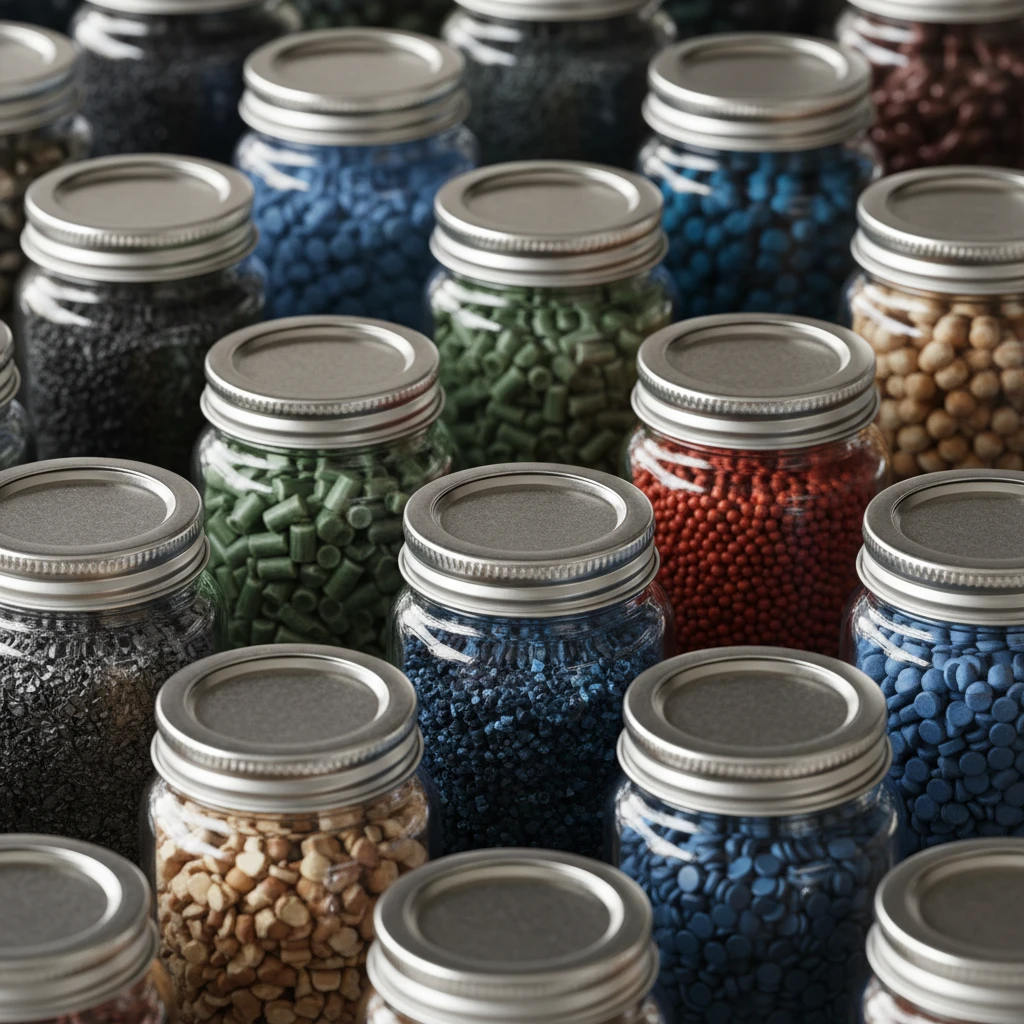
The significance of selecting the correct smokeless gun powder cannot be overstated in the realm of ammunition reloading. It is the primary energetic component responsible for propelling a projectile down the barrel. The precise burn rate, energy output, and how cleanly a powder burns directly influence factors such as muzzle velocity, pressure curve, recoil, and the resulting accuracy of your ammunition. For instance, a high-powered rifle intended for long-range precision shooting demands a different powder profile than a compact handgun used for self-defense. Using a powder with too fast a burn rate in a large rifle cartridge can result in dangerous pressure spikes, while a powder that burns too slowly might not achieve optimal velocity or could lead to excessive unburnt powder in the barrel. This intricate relationship between powder and performance underscores why diligent research and careful selection are paramount for any reloader aiming for consistent and safe results, whether loading handgun ammo or rifle rounds.
Beyond safety and raw power, the correct smokeless gun powder choice is integral to achieving predictable performance and enhancing shooter comfort. Different powders produce varying amounts of muzzle flash and, more importantly, contribute significantly to the recoil felt by the shooter. Reloaders seeking to minimize felt recoil for faster follow-up shots, especially in competitive shooting or for smaller-statured individuals, will gravitate towards powders designed for a more gradual pressure build-up. Furthermore, the type of powder can affect the fouling left in the firearm’s action. Some modern powders are formulated to burn cleaner, reducing the frequency of cleaning required and maintaining consistent performance over extended shooting sessions. This attention to detail in powder selection directly contributes to a more enjoyable and effective shooting experience, whether you’re at the range or in the field hunting.
## Understanding the Fundamentals: Key Smokeless Gun Powder Characteristics
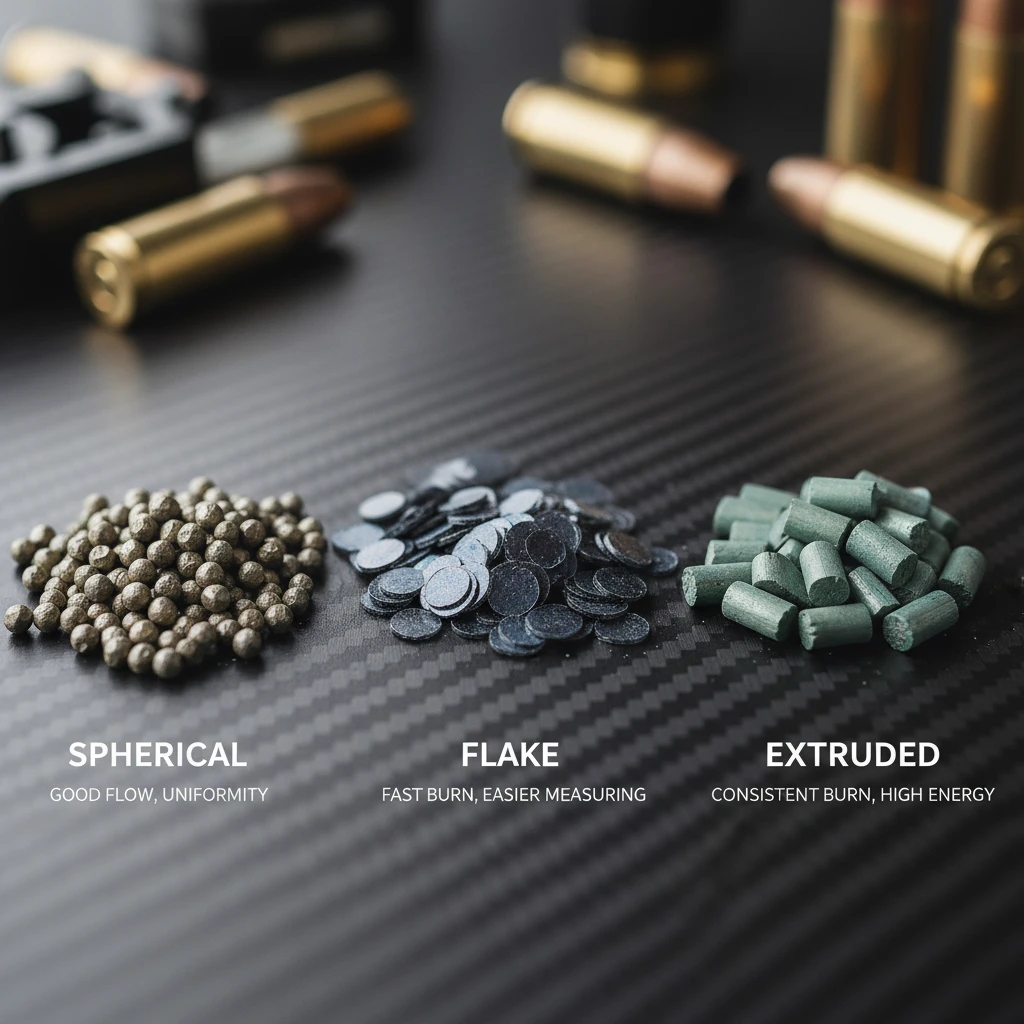
Delving into the characteristics of smokeless gun powders reveals a complex interplay of chemical composition and physical form that dictates their performance. At its core, smokeless powder is a propellant made from nitrocellulose, or a combination of nitrocellulose and nitroglycerin, which deflagrates (burns rapidly) when ignited by a primer. The physical form of the powder grains – whether spherical, flake, or extruded – significantly influences its metering properties and burn rate. Spherical powders, for instance, tend to flow more consistently through powder measures, offering greater volumetric precision, which is crucial for consistent loads. Flake powders can sometimes be more prone to bridging in certain powder measures. Extruded powders, often denser, require precise weight measurement.
Another critical characteristic is the energy content of the powder. This refers to the amount of energy released upon combustion. Powders with higher energy content can generate higher velocities but also higher pressures. Reloaders must consult reliable load data from reputable sources to match a powder’s energy output to the specific cartridge, bullet weight, and intended firearm. For example, loading shotgun ammo for clay sports often requires powders that generate moderate velocities with manageable recoil, whereas loading for large game hunting might necessitate powders that deliver maximum energy for deep penetration. Understanding these fundamental properties helps prevent dangerous overloads and ensures the desired ballistic performance.
## Matching Powder to Your Projectile: Handgun, Rifle, and Shotgun Applications
The diverse world of firearms necessitates an equally diverse array of smokeless gun powders, each tailored to specific applications and ammunition types. For handgun cartridges, the goal is often a balance of adequate velocity, manageable recoil, and efficient case fill. Powders that burn relatively quickly are commonly used in smaller handgun rounds like .38 Special or 9mm Luger, as they tend to produce optimal pressures and velocities within the shorter barrels of most handguns. Conversely, larger magnum handgun calibers may benefit from slightly slower-burning powders to ensure complete combustion and velocity gains. The specific bullet weight and intended use, whether for target practice or self-defense, further guide the selection of the ideal powder.
Rifle cartridges present a broader spectrum of requirements due to the longer barrels and the wide range of intended purposes, from varmint hunting to extreme long-range precision. Rifle powders are typically designed to burn slower than handgun powders, allowing for complete and efficient combustion over the longer distance the bullet travels within the rifle barrel. Reloading rifle ammo for cartridges like the .223 Remington or .308 Winchester involves carefully matching powder burn rate and charge weight to the bullet weight to achieve optimal accuracy and velocity. For magnum rifle cartridges or those designed for very heavy bullets, even slower-burning powders are employed to generate the necessary energy and pressure for high performance, often requiring careful attention to the firearm’s action strength and the use of robust primers.
Shotgun reloading presents its own unique challenges, often involving different burn rate characteristics than handgun or rifle powders, particularly for target loads versus hunting loads. Powders for shotgun ammo are formulated to propel shot or slugs effectively while managing the unique pressure dynamics of a shotshell. Target loads, aimed at reducing recoil for high-volume shooting in disciplines like skeet or trap, often utilize faster-burning powders that generate moderate velocity. For hunting applications, especially for larger game or waterfowl, powders that produce higher velocities and tighter shot patterns are preferred. The diameter of the shotshell, the weight of the shot charge, and the specific type of wadding all play a role in selecting the appropriate smokeless gun powder for consistent and effective shotgun performance.
## Decoding Burn Rates: The Science Behind Powder Speed and Performance
The “burn rate” of smokeless gun powder is perhaps the most critical factor influencing its performance in a given cartridge. It’s a relative measure, indicating how quickly the powder combusts and generates pressure once ignited. This rate is determined by the powder’s chemical composition and the physical characteristics of its grains, such as size, shape, and the presence of deterrent coatings. Understanding burn rates is fundamental to safe and effective reloading, as using a powder that is too fast or too slow for a particular application can lead to suboptimal results or dangerous conditions. Reloaders must always consult comprehensive load data charts that categorize powders by their relative burn speeds.
### Fast Burners for Light Bullets and Smaller Cartridges
Fast-burning powders are characterized by their rapid ignition and quick pressure rise, making them ideal for cartridges with smaller powder capacities and for use with lighter bullets. In handgun cartridges like the .380 ACP or 9mm Luger, fast powders ensure that the propellant is largely consumed by the time the bullet exits the barrel, contributing to efficient energy transfer and preventing excessive muzzle flash or pressure spikes. They are also commonly used in rimfire cartridges. For instance, a fast-burning powder in a .22 WMR load helps achieve high velocities quickly within the small case volume. When reloading these smaller cartridges, selecting a fast-burning powder that achieves optimal velocity with moderate pressures is key to maximizing performance without compromising safety.
### Medium Burners for Versatility
Powders with medium burn rates offer a significant degree of versatility and are often suitable for a wide range of applications, bridging the gap between fast and slow powders. They are frequently the go-to choice for many popular rifle cartridges, such as the .223 Remington, .308 Winchester, and 7.62x39mm, as well as for standard handgun calibers like .45 ACP. These powders provide a good balance between achieving respectable velocities and maintaining manageable pressures across various bullet weights. For example, a medium-burning powder can be effectively used to load smokeless gun powder for both moderate hunting loads and accurate target shooting rounds in the same rifle caliber. Their adaptability makes them a cornerstone for many reloaders seeking reliable performance across multiple platforms.
### Slow Burners for Heavy Bullets and Magnum Loads
Slow-burning powders are designed for cartridges with large powder capacities and applications requiring the utmost power, such as magnum rifle cartridges and heavy bullet loads. These powders ignite and generate pressure more gradually, allowing for complete combustion and optimal velocity to be achieved over the longer barrel lengths associated with powerful rifles. For example, cartridges like the .300 Winchester Magnum or .338 Lapua Magnum rely on slow-burning powders to unlock their full potential, propelling heavy bullets at high velocities for long-range engagements. When reloading these potent cartridges, it’s imperative to use only slow-burning powders specifically recommended in published load data, as their use in smaller cases or with lighter bullets can lead to dangerous over-pressurization. Reloading these powerful rounds demands meticulous attention to detail and adherence to established safety protocols.
Unlocking Precision: Why Your Choice of Smokeless Gun Powder Matters
The selection of smokeless gun powder is not merely a matter of preference; it is a critical factor that directly influences the precision, performance, and safety of your reloaded ammunition. Each powder type possesses unique energetic properties that dictate its burn rate, pressure generation, and the velocity it imparts to a projectile. Understanding these nuances is paramount for any reloader aiming to achieve consistent accuracy and reliable function in their firearms. Mismatched powders can lead to erratic shot placement, excessive recoil, or even dangerous pressure levels that can damage firearms and injure shooters. Therefore, a thoughtful approach to powder selection, informed by an understanding of its characteristics, is the foundation of successful reloading.
Understanding the Fundamentals: Key Smokeless Gun Powder Characteristics
Several fundamental characteristics define the behavior of smokeless gun powder within a firearm’s cartridge. The most crucial of these is the **burn rate**, which describes how quickly the powder combusts. This rate is influenced by factors such as the powder’s chemical composition, grain size, shape, and density. Another key characteristic is **energy content**, representing the amount of potential energy stored within the propellant. This energy is converted into kinetic energy during combustion, driving the bullet. **Volume and density** are also important considerations, as they affect how much powder can be safely loaded into a given cartridge case. Finally, **stability** refers to the powder’s resistance to degradation over time and under varying environmental conditions, ensuring consistent performance across different storage durations and temperatures.
Matching Powder to Your Projectile: Handgun, Rifle, and Shotgun Applications
The intended application of your reloaded ammunition is a primary determinant in selecting the appropriate smokeless gun powder. For **handgun** cartridges, which typically have smaller case volumes, faster-burning powders are often preferred. These powders ignite and reach peak pressure quickly, generating sufficient velocity for most handgun applications without creating excessive chamber pressures. **Rifle** cartridges, especially those with larger cases and longer barrels, benefit from medium to slow-burning powders. These provide a more sustained pressure curve, allowing for optimal propellant consumption and velocity development over the longer barrel length. For **shotgun** shells, the powders used are specifically designed for the unique combustion dynamics within a shotshell. They are often formulated to produce a rapid initial pressure spike to efficiently propel the shot or slug, while managing recoil effectively.
Decoding Burn Rates: The Science Behind Powder Speed and Performance
The burn rate of smokeless gun powder is perhaps its most critical characteristic, directly influencing the pressure curve and velocity achieved. Fast-burning powders, often used in small handgun cartridges or rimfire ammunition, ignite and generate pressure very rapidly. This is ideal for small case volumes where quick powder consumption is necessary to achieve desired velocities before significant pressure loss occurs. Medium-burning powders strike a balance, offering versatility for a wide array of rifle and some handgun cartridges. They provide a sustained pressure build-up that is well-suited for longer barrels and moderate case capacities. Slow-burning powders are engineered for large-capacity rifle cartridges, including magnum loads. They ignite and burn more gradually, allowing for complete combustion and peak performance to be realized over extended barrel lengths and with heavier projectiles, without exceeding safe pressure limits.
The Role of Case Volume and Bullet Weight in Powder Selection
Selecting the correct smokeless gun powder hinges on a precise understanding of your firearm’s chamber and intended ammunition. Two primary factors influencing this choice are case volume and bullet weight. Case volume, often referred to as powder capacity, dictates how much powder can safely and effectively reside within the cartridge case. Different cartridges possess distinct internal volumes, meaning a powder charge suitable for a .308 Winchester might be dangerously excessive or completely ineffective in a .223 Remington. Understanding this fundamental relationship ensures optimal performance and, more importantly, safety. Overfilling a case can lead to excessive pressure, potentially damaging your firearm or causing injury, while an undercharged case can result in erratic ignition and poor accuracy, sometimes even a “squib load” which can be extremely hazardous.
Bullet weight plays an equally critical role. Heavier bullets require a slower-burning powder to generate sufficient pressure over a longer duration to propel them efficiently to desired velocities. Conversely, lighter bullets generally perform best with faster-burning powders that ignite quickly and develop peak pressure sooner. Manufacturers provide comprehensive load data charts detailing recommended powders, charge weights, and their corresponding velocities for specific bullet weights and cartridge combinations. For instance, when reloading for shotgun ammo, the shot column weight and desired range for bird hunting will guide powder choice, ensuring consistent patterns. Ignoring this interplay can lead to suboptimal ballistic performance, such as under-velocity with heavy bullets or excessive pressure spikes with light bullets. Always consult reputable load data, often provided by powder manufacturers themselves or found in authoritative reloading manuals, before proceeding.
The interaction between case volume and bullet weight is not always straightforward and can depend on the specific powder’s burn rate. A slower-burning powder might fill a larger case more effectively with a heavier bullet, whereas a faster powder might be better suited for a smaller case and a lighter projectile. Furthermore, some powders are known as “universal” powders, offering a degree of flexibility across a range of applications, though they may not achieve peak performance in every scenario. For those reloading handgun ammo, a keen eye on these two variables is paramount for achieving both accuracy and manageable recoil. Always refer to the manufacturer’s guidelines for the most accurate load data, ensuring your reloads are both effective and safe for your specific firearm and intended shooting discipline.
Avoiding Common Pitfalls: What NOT to Do When Choosing Smokeless Gun Powder
One of the most significant mistakes reloaders make is substituting powders without proper research. Smokeless gun powders, despite appearing similar, have vastly different burn rates and physical characteristics. A common error is assuming that because two powders have similar names or are intended for the same cartridge, they are interchangeable. This is rarely true and can lead to dangerous pressure excursions. For example, using a powder designed for heavy magnum loads in a lighter application could result in catastrophic firearm failure. Always stick to published load data for the specific powder you intend to use. Consult resources like the smokeless gunpowder manufacturer’s website or comprehensive reloading manuals for approved loads. Never deviate from these recommendations without extensive knowledge and careful testing.
Another critical pitfall is ignoring the intended application. A powder optimized for high-velocity rifle rounds might perform poorly or unsafely in handgun cartridges, and vice-versa. The energy transfer, pressure curve, and optimal operating range vary dramatically between different firearm types and ammunition categories. For instance, a powder suitable for shotgun ammo used in skeet or trap shooting will differ significantly from one used for hunting larger game. This principle extends to primers as well; the correct primers are essential for consistent ignition and optimal performance with any given powder.
Furthermore, overloading or underloading a case is a frequent and dangerous mistake. Using a charge weight that is too high can exceed the firearm’s pressure limits, causing damage or injury. Conversely, a charge that is too low can lead to a “dud” or, more dangerously, a “squib load.” A squib load occurs when the bullet fails to exit the barrel completely, leaving a blockage. Firing another round into a blocked barrel can cause a catastrophic explosion. Always measure powder charges precisely, ideally using a high-quality powder scale, and double-check your measurements. When starting with a new load or powder, always begin with the minimum recommended charge weight and work up cautiously, observing pressure signs with each incremental increase. This methodical approach is fundamental to safe and successful reloading practices.
Beyond the Burn Rate: Granularity, Density, and Other Critical Factors
While burn rate is often the primary consideration, several other less obvious factors significantly influence smokeless gun powder performance. Granularity, or the physical form of the powder grains (e.g., spherical, flattened, extruded), affects how consistently it measures and how smoothly it flows through a powder measure. Spherical powders, for example, tend to meter more uniformly than some extruded varieties, leading to greater charge-to-charge consistency. This consistency is crucial for maximizing accuracy, especially in precision shooting disciplines. The size and shape of the grains also impact how efficiently they ignite and burn within the cartridge case.
Bulk density is another critical characteristic. This refers to the weight of the powder in a given volume. Powders with higher bulk density can pack more propellant into a case of a specific volume. This is particularly important in cartridges with limited case capacity where achieving optimal velocity requires maximizing the propellant load. For instance, if two powders have similar burn rates but one has a significantly lower bulk density, it may not be possible to safely achieve the desired muzzle velocity with the lower-density option in a particular cartridge due to case fill limitations. Understanding these nuances allows reloaders to make more informed choices for cartridges that are sensitive to powder density, impacting everything from handgun ammo to rifle loads.
Ignition sensitivity also plays a role. Some powders are more sensitive to the initial spark from the primer than others. Faster-burning powders generally require less persuasion to ignite and burn completely. Conversely, slower-burning powders often need a more energetic primer or a hotter ignition source to ensure complete and consistent combustion. This is why specific powder recommendations are often tied to particular primer types. For example, when reloading smokeless gunpowder for extreme accuracy, matching the powder’s ignition needs with the right primer types can be the difference between a good group and a great one. When faced with a wide array of powder options, consider consulting advanced reloading guides or forums for insights into these finer points of powder selection that go beyond simple burn rate charts.
Practical Considerations: Storage, Handling, and Safety for Reloaders
Proper storage and handling of smokeless gun powder are paramount for both safety and product longevity. Smokeless powder is a propellant and, as such, is susceptible to degradation under adverse conditions. It should be stored in a cool, dry environment, away from direct sunlight and sources of heat or ignition. Extreme temperature fluctuations can accelerate the deterioration of the powder’s chemical stabilizers, leading to increased acidity and reduced performance. Humidity is also a significant concern, as excessive moisture can degrade the powder and potentially lead to corrosion of metal components in your ammunition. Many reloaders opt for dedicated storage containers or ammo cans, often placed in basements or climate-controlled spaces, to maintain a stable environment.
When handling smokeless powder, avoid static electricity. While modern powders are often formulated with anti-static agents, static discharge can still occur, particularly in very dry conditions. This can lead to a sudden ignition of loose powder, which, while unlikely to cause a catastrophic explosion, can be hazardous and result in burns or fires. It’s good practice to ground yourself before handling powder, especially when using plastic powder measures or funnels. Many reloaders recommend using an anti-static mat or conducting operations on a grounded surface. Never smoke or have open flames near where you are storing or handling smokeless powder, primers, or live ammunition.
Adhering to safe reloading practices is non-negotiable. Always follow published load data from reputable sources, such as the powder manufacturer or established reloading manuals. Never assume interchangeability between powders, even if they appear similar. Double-check all charge weights with a calibrated powder scale. Ensure your workspace is well-ventilated, especially when working with large quantities or if you have any concerns about the age or condition of the powder. For anyone delving into reloading smokeless powder, investing in quality safety equipment, including eye protection and appropriate gloves, is a wise decision. Remember, safety is not an optional extra; it’s an integral part of the reloading process for all types of ammunition, from rifle ammo to handgun rounds.
Essential Tools for Success: Reloading Data and Component Compatibility
The cornerstone of successful smokeless gun powder selection lies in meticulously following reloading data and ensuring component compatibility. Without accurate data, handloaders venture into dangerous territory, risking firearm damage or personal injury. Reputable sources for this information include established reloading manuals from manufacturers like Sierra, Hornady, and Lyman, as well as comprehensive online databases maintained by powder companies themselves. These resources provide tested loads for specific cartridge/bullet combinations, detailing the minimum and maximum powder charges, primer types, and recommended overall cartridge length (COL). Always consult multiple data sources when possible to cross-reference information and gain a more complete understanding of safe operating parameters for your chosen smokeless gun powder.
Component compatibility is equally critical. The smokeless powder you select must work in harmony with your specific firearm, bullet weight, case type, and primer. For instance, a fast-burning powder suitable for a .38 Special might be entirely inappropriate for a .30-06, leading to dangerous pressure spikes. Similarly, using a magnum primer with a standard load can result in excessive pressures. Understanding the burn rate of different smokeless powders is paramount. Generally, powders are categorized from fastest to slowest burning. Fast-burning powders are often used in smaller capacity cartridges or for reduced loads, while slow-burning powders are typically found in larger, high-pressure rifle cartridges, requiring more case volume to ignite efficiently.
When evaluating reloading data, pay close attention to the pressure indicators provided, often expressed in CUP (Copper Units of Pressure) or PSI (Pounds per Square Inch). These figures are your guide to safe operating limits. Deviating from tested loads without a thorough understanding of ballistics and pressure dynamics is strongly discouraged. A common pitfall is assuming that more powder equals more velocity or accuracy; this is rarely the case and can quickly lead to exceeding safe pressure limits. Always start at the minimum recommended charge and work up incrementally, observing for any signs of excessive pressure such as sticky extraction, flattened primers, or ejected cases that show significant stretching or deformation.
For those new to handloading, consider attending a certified reloading course or seeking guidance from experienced mentors. Resources like the Sporting Arms and Ammunition Manufacturers’ Institute (SAAMI) provide valuable information on industry standards and safe practices. When choosing smokeless gunpowder, the information provided in these manuals is not just a suggestion; it’s a safety protocol. Understanding how different powders perform in various conditions—temperature, altitude, and seating depth—can further refine your reloading process. For instance, some powders are more temperature-sensitive than others, meaning their performance can change significantly with ambient temperature fluctuations, which is particularly relevant for hunters and competitive shooters operating in diverse environments.
When a load is listed, it typically specifies the exact cartridge, bullet type and weight, powder type and charge weight (in grains), primer type, and the resulting velocity and pressure. This level of detail is essential. For example, a load developed for a 150-grain jacketed bullet in a .308 Winchester will not be directly transferable to a 165-grain cast lead bullet in the same cartridge. Always match the powder to the specific bullet you intend to use, as their interaction within the bore significantly affects performance and pressure. Thoroughly understanding these relationships ensures both safety and the desired ballistic outcome for your ammunition.
Investing in Your Craft: Quality Smokeless Gun Powder for Consistent Results
The pursuit of accuracy and reliability in handloaded ammunition hinges significantly on the quality of your smokeless gun powder. Investing in premium powders means investing in predictable performance, lot-to-lot consistency, and ultimately, better shooting results. High-quality powders are manufactured with stringent quality control measures, ensuring that each grain burns at a consistent rate and produces a predictable amount of energy. This consistency is crucial for handloaders who strive for tight shot groups and repeatable performance, whether for competition, hunting, or plinking. Brands renowned for their quality control often offer powders that exhibit less lot-to-lot variation, meaning a batch purchased today will perform nearly identically to one purchased a year from now, provided storage conditions are appropriate. This reliability saves time and resources, as you won’t need to extensively re-zero your firearms or re-develop loads for each new powder purchase.
Beyond consistency, the choice of smokeless gunpowder directly impacts the performance characteristics of your handloads. Different powder formulations are engineered for specific applications. For instance, some powders are designed for optimal performance in high-volume handgun cartridges, providing clean burning and manageable recoil, ideal for handgun ammo reloading. Others are tailored for the higher pressures and longer barrels of rifle cartridges, delivering the velocity and energy needed for long-range accuracy or effective hunting performance. The burn rate is a primary differentiator; faster-burning powders are often suited for smaller-capacity cartridges or those with shorter barrels, igniting quickly and generating peak pressure early in the bore. Conversely, slower-burning powders are typically used in larger rifle cases, where they burn more gradually throughout the barrel, maximizing velocity and maintaining pressure longer for sustained acceleration. Understanding these nuances allows you to select a smokeless powder that complements your firearm and intended shooting discipline, rather than working against it.
A critical aspect of investing in quality is understanding the impact of burn rate on your firearm and desired outcome. For instance, using a powder that is too fast for a given cartridge can lead to a sharp pressure spike near the muzzle, resulting in reduced velocity and increased muzzle blast. Conversely, a powder that is too slow might not burn completely within the barrel, leading to incomplete powder burn, fouling, and potentially lower velocity than achievable with a correctly matched powder. This is why consulting resources like published load data and discussions within reloading communities is so valuable; experienced reloaders often share insights on which powders excel in specific applications. For example, certain IMR or Hodgdon powders are widely recognized for their performance in specific rifle calibers, such as Hodgdon Varget for its consistency in 223 Remington or 308 Winchester. Exploring options that offer both good performance and affordability is a smart approach for any reloader looking to refine their craft.
When selecting smokeless gunpowder, consider the type of shooting you do most frequently. For competitive shooters seeking the utmost precision, powders known for their fine granulation and consistent metering, such as those from Alliant’s Reloder series or Hodgdon’s Varget, are often favored. These powders contribute to minimal variation in charge weight, which is a direct contributor to shot-to-shot consistency. For hunters, powders that offer reliable performance across a range of temperatures and provide excellent terminal ballistics are paramount. While initial cost might be a factor, the long-term benefits of using high-quality, consistent smokeless powder—including improved accuracy, reduced firearm wear, and enhanced shooting enjoyment—far outweigh the initial investment. The goal is always to achieve the most efficient and effective burn for your specific load, and that begins with selecting the right powder from the outset.
The reloading process is a journey of continuous learning and refinement. By investing in quality smokeless gun powder and thoroughly understanding its properties and interactions with other components, you are laying the groundwork for consistent, accurate, and safe ammunition. This attention to detail ensures that every round you produce reflects the care and expertise you bring to your craft, ultimately enhancing your overall shooting experience, whether you are targeting game in the field or competitive scores on the range.


About author


Add comment