
Reloading: Smokeless Powder Choices
This guide will navigate you through the critical considerations for selecting smokeless powder, demystifying the technical aspects and providing practical advice. We’ll explore the core differences between powder chemistries, the significance of burn rate, and how to match these characteristics to your intended cartridge and firearm.
Decoding Smokeless Powder: Your Key to Reloading Success
Why Choosing the Right Smokeless Powder Matters for Your Reloads
The selection of smokeless powder is arguably the most critical decision a reloader makes, influencing everything from achievable velocity and pressure to the overall accuracy and safety of the finished cartridge. An incorrect powder choice can lead to underperformance, excessive pressure, or even catastrophic firearm failure. For instance, using a powder that burns too quickly in a long rifle barrel might result in inefficient powder burn and poor velocity, while a powder that burns too slowly could create dangerously high pressures long before the bullet exits the muzzle. This highlights the intricate balance required to achieve the desired ballistic performance for your specific needs, whether that’s for reliable handgun ammo or precise rifle ammo. The goal is always to find a powder that allows for a complete and efficient burn within the operational parameters of the cartridge and firearm, maximizing energy transfer while staying within safe pressure limits.
Understanding the Foundation: Types of Smokeless Powders
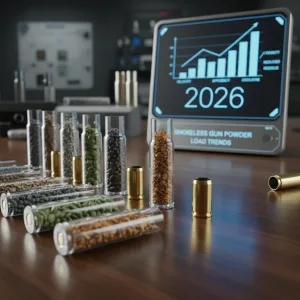
Smokeless powders are broadly categorized by their chemical composition and the resulting burn rate, which dictates how quickly they convert from a solid to a gas upon ignition. The two primary classifications are single-base and double-base powders. Single-base powders primarily consist of nitrocellulose, while double-base powders incorporate both nitrocellulose and nitroglycerin. This difference in composition significantly affects their energy density and burn characteristics. Furthermore, powders are physically manufactured in various shapes and sizes, such as flakes, granules, and extrusions. These physical attributes can influence metering accuracy and ignition characteristics, adding another layer of complexity to selection. Understanding these fundamental differences is the first step in mastering your reloads.
Single-Base vs. Double-Base Powders: A Performance Deep Dive
The Science Behind Single-Base Powders: Predictable Burn Rates
Single-base smokeless powders, typically composed of nitrocellulose as the primary energetic ingredient, are favored for their consistent and predictable burn rates. The addition of a stabilizing agent prevents premature decomposition over time, ensuring a long shelf life. Their burn rate is primarily controlled by the gelatinization process of the nitrocellulose and the addition of deterrent coatings. This chemical structure makes them highly responsive to changes in cartridge case volume and bullet weight, allowing reloaders precise control over pressure and velocity. For many standard rifle and handgun ammo applications, single-base powders offer a reliable performance profile and are often the go-to choice for their forgiving nature. Their predictable behavior makes them easier to work with for those new to reloading or seeking consistent results across a variety of platforms.
The Power of Double-Base Powders: Increased Energy and Versatility
Double-base smokeless powders, which combine nitrocellulose with nitroglycerin, offer a higher energy density than their single-base counterparts. This increased energy translates to greater potential velocity and power from a given charge weight. The nitroglycerin component contributes significantly to the powder’s energetic output. While this can be advantageous for achieving high performance in magnum cartridges or achieving specific ballistic goals, it also means double-base powders can be more sensitive to variations in pressure and can produce higher operating temperatures. Their increased versatility makes them suitable for a wide range of applications, from powerful rifle loads to some specialized shotgun shells. However, reloaders must exercise extra caution and meticulously follow load data when working with double-base powders due to their potent nature.
Factors to Consider When Deciding Between Single and Double-Base
When selecting between single-base and double-base powders, several key factors come into play. The intended application is paramount: for precision rifle shooting or standard hunting loads, single-base powders often provide a more forgiving and consistent burn. If you’re aiming for maximum velocity in magnum cartridges or require high energy output for specific applications like long-range shooting or heavy-duty shotgun ammo, double-base powders might be the more suitable choice. Consider your reloading experience level; single-base powders are generally more forgiving for beginners. Always consult reputable load data specific to your chosen powder, cartridge, bullet weight, and firearm. The physical characteristics of the powder, such as grain size and shape, can also influence powder drop consistency, which is critical for accuracy.
Burn Rate: The Most Critical Factor in Smokeless Powder Selection
Slow-Burning Powders: Ideal for Magnum Rifle Cartridges
Slow-burning smokeless powders are designed for optimal performance in large-capacity rifle cartridges, particularly those with magnum power levels or extended barrel lengths. These powders require a longer time to burn, allowing them to generate peak pressure further down the barrel, which is essential for efficient energy transfer in these high-volume cases. Examples include powders like IMR 7828, Hodgdon Retumbo, and Alliant Reloder 50. Using a slow-burning powder in a small-capacity cartridge, such as a .223 Remington or 9mm Luger, is highly inadvisable, as it can lead to incomplete powder burn, excessive muzzle flash, and potentially dangerous pressure spikes. These powders are the backbone for hunters and long-range shooters seeking to maximize velocity and ballistic coefficients for rifle ammo.
Medium-Burning Powders: The Workhorses for Most Rifle and Some Handgun Loads
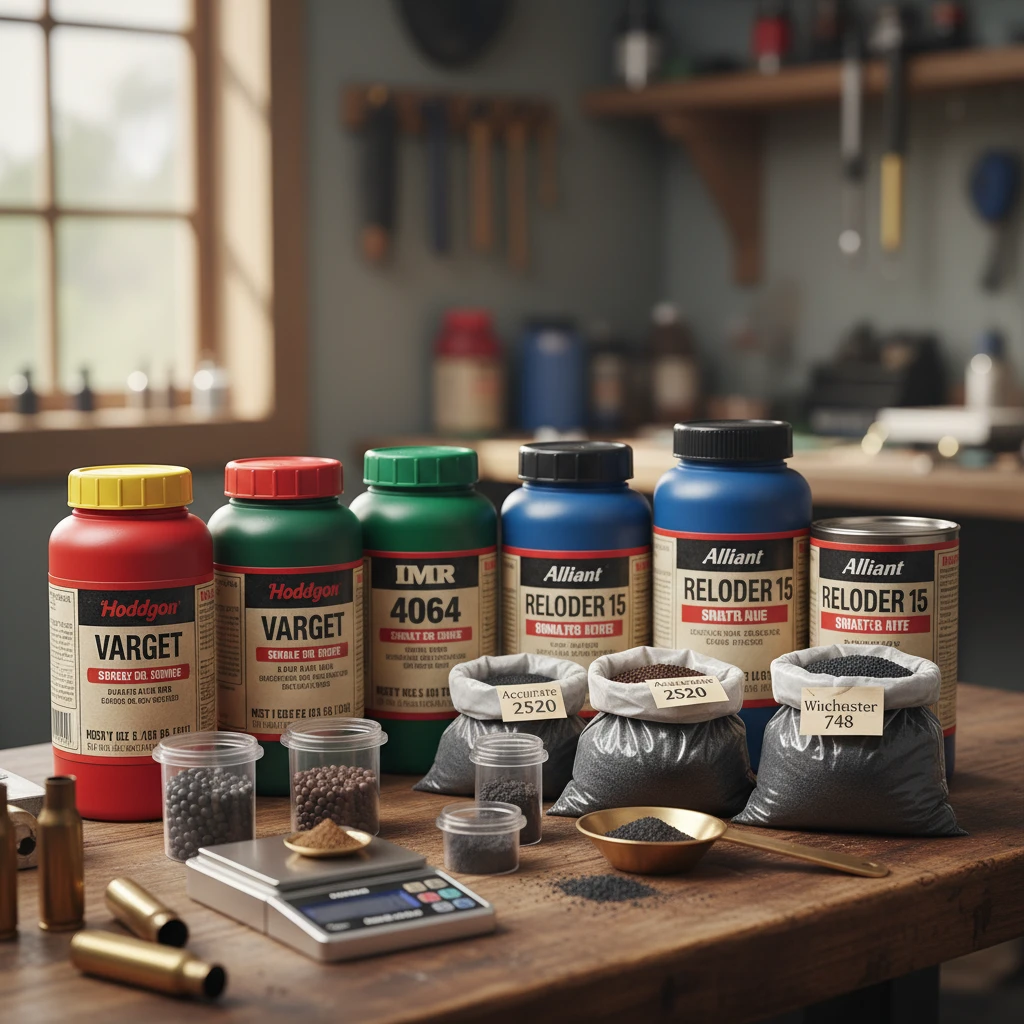
Medium-burning powders represent the versatile middle ground, serving as the workhorse for a vast array of rifle and handgun cartridges. They offer a balance between burn speed and case capacity, providing excellent performance in many popular calibers like the .308 Winchester, .30-06 Springfield, 6.5 Creedmoor, and 45 ACP. Powders such as IMR 4064, Hodgdon Varget, and Alliant Unique fall into this category. Their burn rate is fast enough to ensure efficient ignition and pressure development in moderate-sized cases but slow enough to prevent excessive pressure in shorter barrels or lower-capacity cartridges. Reloaders often find that these powders offer a wide optimal charge window, making them forgiving and excellent for achieving consistent accuracy in both rifle ammo and many handgun ammo applications.
Fast-Burning Powders: Essential for Light Handgun Loads and .22 Rimfire Applications
Fast-burning smokeless powders are specifically formulated for smaller-capacity cartridges where a rapid ignition and pressure rise are desired. These are the go-to choices for most common handgun calibers, including 9mm Luger, .40 S&W, .45 ACP, and .38 Special, as well as for .22 rimfire applications. Powders like Alliant Bullseye, Hodgdon Clays, and Accurate Solo 1000 are prime examples. Their quick burn ensures that the powder is largely consumed by the time the bullet has traveled a short distance down the barrel, leading to efficient energy transfer without excessive pressure. Using these powders in large rifle cartridges would result in extremely poor performance and potentially unsafe conditions due to the rapid pressure buildup. They are critical for achieving manageable recoil and optimal velocities in self-defense and target shooting scenarios involving handguns.
Matching Powder to Your Cartridge: A Practical Guide
Rifle Ammunition Reloading: Precision for Every Game
Reloading rifle ammo requires careful consideration of the cartridge’s case capacity, intended use, and bullet weight. For large-capacity magnum cartridges, slow-burning powders are essential to achieve safe and efficient performance. Medium-burning powders are the versatile choice for standard hunting and target rounds, offering excellent accuracy and velocity. Precision match shooters often seek powders that provide exceptionally consistent burn rates and minimal sensitivity to temperature changes, contributing to tighter shot groups. Always consult reliable reloading manuals and manufacturer data, such as that provided by Hodgdon, Alliant, or Accurate, which offer specific powder recommendations for virtually every rifle cartridge. Adhering to load data is non-negotiable for safety and optimal results.
Handgun Ammunition Reloading: Balancing Power and Recoil
For handgun ammo, the primary goal is often to balance power, recoil, and accuracy. Fast-burning powders are typically preferred because they ignite rapidly and achieve peak pressure quickly, which is ideal for the shorter barrels of most handguns. This leads to efficient propellant usage and manageable recoil. For standard handgun cartridges like 9mm, .40 S&W, or .45 ACP, powders like Alliant Unique or Hodgdon CFE Pistol are common choices. For those seeking to maximize power for self-defense or competition, slightly slower-burning powders might be employed, but always with strict adherence to safe pressure limits. The variety of handgun cartridges means a wide spectrum of fast to medium-burning powders are applicable, each offering slightly different performance characteristics.
Rimfire Ammunition Reloading: Specific Needs for Small Calibers
Reloading .22 rimfire cartridges presents unique challenges and considerations due to the extremely small case volume and the nature of rimfire ignition. While reloading .22 rimfire is less common and often more complex than centerfire cartridges, it is achievable for dedicated enthusiasts. When it comes to powders for these diminutive rounds, very fast-burning powders are a necessity. These powders need to ignite and generate sufficient pressure to propel the lightweight bullet from the short barrel effectively. Many commercial .22 rimfire loads utilize specialized powders designed for this purpose. For those attempting to reload rimfire ammo, consulting specialized resources and highly detailed load data is critical, as pressure limits are very low and deviations can be dangerous.
Shotgun Ammunition Reloading: Versatility for Sporting Clays and Hunting
Shotgun reloading, particularly for shotgun ammo used in hunting and sporting clays, requires powders that can efficiently propel larger payloads of shot. The burn rate selection depends heavily on the gauge, barrel length, and intended payload weight. Medium to fast-burning powders are commonly used, such as Hodgdon Universal or Alliant Red Dot, for target loads and smaller gauges. For heavier payloads or larger gauges, slightly slower-burning powders might be specified to ensure a complete burn and optimal velocity. The granular nature of many shotgun powders also aids in consistent metering, which is vital for uniform patterns. Always refer to specialized shotgun reloading data from reputable manufacturers for specific load recommendations.
Beyond Burn Rate: Granule Size and Shape Considerations
While burn rate is often the primary focus when selecting smokeless powder, the physical characteristics of the powder granules themselves play a significant, often overlooked, role in reloading success. Factors like granule size, shape, and density directly influence how consistently the powder meters, fills the case, and ultimately combusts. Understanding these physical attributes can lead to improved accuracy and more predictable firearm performance, especially when fine-tuning loads for specific applications or highly sensitive firearms. This deeper understanding moves beyond simple burn rate charts and delves into the nuanced science of powder behavior.
The Impact of Spherical Powders on Metering Accuracy
Spherical powders, characterized by their small, round granules, are generally favored for their excellent metering characteristics. Their uniform shape allows them to flow smoothly and consistently through powder measures, whether using a volumetric dispenser or a precision scale. This consistency is critical for achieving tight velocity spreads and, consequently, tighter shot groups, particularly in high-precision applications like match shooting or varmint hunting where minute variations can impact accuracy. The free-flowing nature also means less bridging or sticking in the powder funnel, leading to fewer errors and a faster, more efficient reloading process. For those prioritizing absolute precision in their rifle ammo reloads, the choice of a spherical powder can be a significant advantage.
Flake Powders: Their Role in Specific Applications
Flake powders, as the name suggests, consist of flat, disc-like granules. These powders often have a faster burn rate and are particularly well-suited for certain applications, most notably in shotgun shell reloading. Their design can contribute to efficient powder column density in large-capacity shotshell hulls, ensuring proper ignition and consistent performance across a range of shot weights and velocities. While they may not meter as precisely as spherical powders in manual powder measures, their characteristics are optimized for the unique pressures and ignition requirements of shotshells. For hunters relying on consistent pattern density, understanding how flake powders contribute to their shotgun ammo performance is crucial.
Extruded (Rod) Powders: Precision in High-Performance Loads
Extruded, or rod-shaped, powders are typically denser and often designed for slower burn rates, making them ideal for high-performance rifle cartridges, especially those with large powder capacities. While they can be more prone to bridging in powder measures compared to spherical powders, their density often allows for more propellant to be loaded into a case, achieving higher velocities. For reloaders pushing the limits with magnum rifle calibers, the precise energy output from extruded powders is invaluable. However, reloading data accuracy is paramount with these powders; consulting reputable sources and understanding the intricacies of load development for these types of powders is essential. Learning more about smokeless gun powder for various calibers is a wise investment.
Safety First: Handling and Storage of Smokeless Powders
The inherent power and volatility of smokeless powders necessitate a rigorous approach to safety in every aspect of handling and storage. Ignoring safety protocols can lead to catastrophic accidents, including severe injury, property damage, and even fatalities. Understanding pressure limits, implementing proper storage techniques, and utilizing essential safety gear are not merely recommendations but critical requirements for any responsible reloader. A commitment to safety ensures that the rewarding process of reloading remains a positive and productive endeavor, protecting both the reloader and their surroundings. Prioritizing safety is fundamental to the long-term enjoyment of the shooting sports hobby.
Understanding Pressure Limits: Avoiding Over-Pressure Situations
Exceeding the safe pressure limits within a firearm is one of the most dangerous pitfalls in reloading. Over-pressure events can result from using too much powder, incorrect powder type for the intended load, seating bullets too deeply, or using components not designed for the caliber. Symptoms of over-pressure can range from sticky extraction and blown primers to catastrophic firearm failure. It is imperative to adhere strictly to published load data and never assume a load is safe. Always use a firearm in good condition and understand its limitations. Consulting detailed reloading manuals and resources is non-negotiable to prevent dangerous over-pressure situations and ensure firearm integrity.
Proper Storage Techniques to Maintain Powder Integrity
The integrity and stability of smokeless powders are highly dependent on their storage conditions. Powders should be stored in their original, clearly labeled containers in a cool, dry, and well-ventilated area, away from direct sunlight, heat sources, and ignition sources. Avoid storing powders in environments with extreme temperature fluctuations, as this can degrade the propellant over time and affect its performance. Keep powders out of reach of children and pets. For long-term storage, consider using specialized powder cabinets designed to mitigate fire risks. Proper storage ensures the longevity and consistent performance of your smokeless gun powder.
Essential Safety Gear for Reloaders
While reloading is generally a safe activity when conducted with care, certain safety precautions are essential to mitigate risks. At a minimum, reloaders should always wear safety glasses to protect their eyes from debris or accidental primer ignition. Some also opt for hearing protection, especially when working with primers. Working in a well-lit, uncluttered area reduces the chance of errors. It’s also prudent to have a readily accessible fire extinguisher rated for Class B (flammable liquids) and Class C (electrical) fires, as both can be relevant in a reloading environment. Familiarity with the Safety Data Sheets (SDS) for your powders and components is also a critical part of responsible handling.
Key Characteristics to Evaluate in Your Smokeless Powder
Beyond burn rate and granule characteristics, several other key factors differentiate smokeless powders and impact their suitability for specific reloading projects. These include how consistently they deliver velocity, their performance across varying temperatures, and the amount of residue they leave in the firearm. Understanding these attributes allows reloaders to make informed choices that align with their shooting goals, whether precision target shooting, hunting, or self-defense. Selecting the right powder based on these characteristics ensures optimal firearm function and predictable results, enhancing the overall shooting experience and contributing to more effective handgun ammo or rifle loads.
Velocity Consistency: Achieving Tight Shot Groups
The hallmark of a high-quality reloaded round, particularly for precision shooting, is velocity consistency. This consistency directly translates to predictable bullet trajectories and tighter shot groups. Powders that produce minimal velocity variation from shot to shot are highly desirable. Factors influencing velocity consistency include powder lot uniformity, burn rate characteristics, and how well the powder fills the case. Powders that burn cleanly and completely within the optimal pressure range for a given cartridge are generally more consistent. For reloaders focused on match-grade accuracy, achieving a low extreme spread and standard deviation in muzzle velocities is paramount.
Temperature Sensitivity: Performance in Varying Climates
The performance of smokeless powders can be influenced by ambient temperature, a phenomenon known as temperature sensitivity. Some powders are formulated to be more stable across a wider temperature range, meaning their burn rate and pressure-generating characteristics change less drastically with heat or cold. This is particularly important for hunters or competitors who operate in diverse climatic conditions. While modern powders have improved significantly in this regard, extreme temperature variations can still affect load performance. Choosing powders known for their temperature stability can ensure reliable performance whether in the heat of summer or the cold of winter.
Residue and Fouling: Keeping Your Firearm Clean
The combustion of smokeless powder inevitably produces byproducts, which can lead to residue and fouling within the firearm’s bore and action. Some powders burn cleaner than others, leaving less carbon and fouling. Excessive fouling can negatively impact accuracy, increase chamber pressure, and accelerate wear on firearm components. Clean-burning powders contribute to easier firearm maintenance and potentially longer service life. While many modern propellants are designed for reduced fouling, the specific formulation can still make a noticeable difference, especially for those who frequently shoot or prefer to clean their firearms less often.
Navigating Reloading Data: Your Powder’s Best Friend
Accurate and reliable reloading data is the cornerstone of safe and effective ammunition reloading. Without it, attempting to develop loads is akin to navigating treacherous waters without a chart. This data provides the critical parameters—such as powder charge weights, bullet seating depths, and expected velocities—necessary to craft ammunition that performs reliably and safely. Understanding how to find, interpret, and apply reloading data is arguably the most important skill a reloader can develop, ensuring they can safely and effectively utilize their chosen smokeless gun powder for any given application, from rimfire ammo to heavy rifle loads.
Where to Find Reliable Load Data
Reliable load data is critical for safe and accurate reloading. The most authoritative sources include manufacturer’s load manuals, which are published by companies like Hodgdon, Alliant, and Accurate Powder. These manuals are meticulously compiled through extensive testing. Additionally, reputable reloading publications and well-respected online resources that have demonstrated a commitment to accuracy and safety can be valuable. Always cross-reference data from multiple sources if possible, and prioritize data from the powder manufacturer for the specific powder you are using. Remember that published data for smokeless gun powder is developed under controlled conditions and should be followed diligently.
Interpreting Data Charts for Smokeless Gun Powder
Reloading data charts can appear daunting at first, but understanding their structure is straightforward. Typically, they list the cartridge, bullet weight and type, powder type, minimum and maximum powder charges, and estimated velocities. Pay close attention to the primer specified, as different primers can generate varying amounts of ignition energy, influencing pressure. Note any warnings or specific instructions related to the load. The velocities listed are usually averages and can vary with atmospheric conditions and firearm specifics. Always check the date of publication, as powder formulations can change. Consulting the detailed information within Smokeless Gun Powder: Load Data Best Practices can greatly enhance your understanding.
The Importance of Starting Low and Working Up Loads
The cardinal rule of reloading is to start low and work up. This principle is central to safe load development. Always begin with the minimum recommended powder charge listed in reliable data and incrementally increase the charge weight, testing for pressure signs and velocity at each step. Never start with a maximum load. This gradual approach allows you to observe how the firearm and cartridge react to increasing powder charges, identify any anomalies, and pinpoint the optimal charge for accuracy and performance without risking over-pressure. This systematic method is crucial for all types of ammunition, including your reloaded smokeless gun powder loads for hunting.
Choosing the Right Smokeless Powder for Common Calibers
Selecting the appropriate smokeless powder is paramount for successful and safe reloading. The correct powder not only influences accuracy and velocity but also plays a critical role in preventing over-pressure situations. Factors such as powder burn rate, grain shape, and density all contribute to how a specific powder performs within a given cartridge. Burn rate is perhaps the most crucial consideration; faster-burning powders are generally suited for smaller case volumes and lighter bullets, while slower-burning powders are better for larger cases and heavier bullets. Mismatched powder and cartridge combinations can lead to poor performance, erratic ignition, or dangerous pressure spikes. Always consult reliable reloading manuals and manufacturer data, as using incorrect information is a leading cause of reloading accidents. Understanding the nuances of different powder types will allow you to optimize your loads for various shooting applications, from competitive target shooting to hunting scenarios.
Popular Rifle Cartridges and Recommended Smokeless Powder Types
Rifle cartridges exhibit a wide range of case capacities and pressure limits, necessitating careful powder selection. For high-volume cartridges like the .223 Remington or 5.56 NATO, faster-burning powders such as IMR 4198 or H322 are often recommended, especially when using lighter bullets for varmint hunting or target practice. Medium burn rate powders like Hodgdon CFE 223 or Alliant Reloder 15 are versatile and perform well in cartridges like the .308 Winchester and 6.5 Creedmoor, balancing case fill and efficient powder burn for a range of bullet weights. For larger, slower cartridges such as the .30-06 Springfield or .300 Winchester Magnum, slower-burning powders like Hodgdon Retumbo or Alliant Reloder 26 are typically employed to achieve optimal velocity and pressure without exceeding safe limits. Heavy magnum cartridges often require the slowest burning powders to ensure complete combustion within the longer barrel times. Always refer to specific load data for your chosen bullet weight and rifle model; a good starting point for exploring common rifle loads can be found in resources dedicated to smokeless gun powder for best calibers.
Popular Handgun Cartridges and Their Smokeless Powder Equivalents
Handgun cartridges, with their typically smaller case volumes, often utilize faster-burning smokeless powders. For common calibers like the 9mm Luger, .40 S&W, and .45 ACP, powders such as Alliant Unique, Hodgdon Clays, or Accurate Solo 1000 are frequently recommended. These powders provide efficient ignition and a good burn rate for the available case capacity, leading to consistent cycling of semi-automatic firearms and predictable recoil. For magnum handgun cartridges like the .357 Magnum or .44 Magnum, which have larger case volumes, powders with a slightly slower burn rate, such as Alliant 2400 or Hodgdon H110, are often preferred. These allow for fuller case fill and maximize velocity potential while staying within safe pressure parameters. When reloading for self-defense handgun loads, achieving consistent performance and reliable function is paramount, making powder choice critical. Detailed load data for many popular handgun rounds can be found on manufacturer websites and in comprehensive reloading guides.
Considerations for Reloading .22 Rimfire Ammunition
Reloading .22 rimfire ammunition presents unique challenges due to the inherent design of rimfire cartridges and the specific powders required. Unlike centerfire cartridges, rimfire primers are integrated into the rim of the case, and the ignition system is different. While some enthusiasts experiment with reloading .22 LR, it is significantly more complex and often less cost-effective than purchasing factory ammunition, particularly for popular calibers like those covered in rimfire ammo guides. The extremely small case volume and high pressures generated require specialized, very fast-burning powders, often fine-grained, to ensure proper ignition and prevent blow-by. Accuracy potential can be diminished if the powder charge is not precisely measured or if the powder does not burn efficiently. For these reasons, many reloaders focus their efforts on centerfire cartridges where the benefits of reloading are more pronounced. If you are new to reloading, it’s advisable to start with centerfire handgun or rifle cartridges before considering the intricacies of rimfire.
Troubleshooting Common Smokeless Powder Reloading Issues
Even experienced reloaders encounter occasional issues. Understanding common problems and their potential causes is crucial for maintaining safe and effective reloading practices. Many issues stem from incorrect powder selection, imprecise measuring, or component incompatibility. By systematically addressing potential problems, you can ensure the quality and reliability of your reloaded ammunition. Pay close attention to the performance of your reloaded rounds, as subtle changes can indicate underlying issues that need correction. Consistent troubleshooting will not only improve your loads but also enhance your overall confidence and safety at the shooting range.
Inconsistent Velocity Readings: What to Check
Inconsistent velocity readings from a chronograph are often the first indication of a problem within your reloaded ammunition. Several factors can contribute to this variability. Powder charge consistency is paramount; ensure your powder measure is accurately set and that you are not experiencing static cling, which can cause powder kernels to stick. Verify that each charge is weighed accurately, especially for rifle cartridges where small variations can have a significant impact. Check for variations in cartridge overall length (COL) or bullet seating depth, as these can affect the powder’s burn rate and the resulting pressure. Ensure your cases are uniformly sized and that the primers are seated to the same depth, as inconsistent ignition can also lead to velocity spread. Inspect your smokeless gun powder to ensure it is uniform in appearance and free from contaminants. If you are using a powder that is not well-suited to the cartridge, it may not be burning efficiently, leading to inconsistent results.
Pressure Signs and How to Identify Them
Recognizing signs of excessive pressure is vital for safe reloading. These signs typically appear on the spent cartridge case and primer. Common indicators include flattened or extruded primers, where the primer metal flows back into the primer pocket or ejector mark. Another sign is ejector marks on the case head, suggesting the case has expanded excessively and is still resizing in the chamber. The case head itself may also appear shiny or show signs of stretching. In severe cases, the case head can separate. Bolt lift on manual action rifles becoming significantly stiffer than normal can also indicate high pressure. Always start with published minimum loads and work up incrementally, observing pressure signs at each step before reaching maximum loads. If you encounter any of these signs, stop immediately and reduce your powder charge. Always consult reliable data sources for correct pressure limits for your specific firearm and caliber.
Powder Degradation: Recognizing When to Discard
Smokeless powders, while generally stable, can degrade over time, especially if stored improperly. Recognizing the signs of degradation is crucial to avoid potential safety hazards. Signs of powder degradation include a rancid or acidic odor; this is a strong indicator that the powder has begun to break down. You may also observe changes in the powder’s appearance, such as clumping, a sticky residue, or discoloration. If the powder has been exposed to extreme temperatures, moisture, or humidity for extended periods, its burn rate can change unpredictably, leading to dangerous pressure spikes when used in reloading. Never use powder that exhibits any of these characteristics. It is best practice to store your smokeless gun powder in a cool, dry place in its original container with the lid tightly sealed. When in doubt, err on the side of caution and discard any suspect powder.

About author


Add comment